Your hair’s natural texture decides which of these cuts will work for you. The ideas range from a graduated bob to a full wolf cut, so the change can be as small or as loud as you want.
1. Blunt Bob
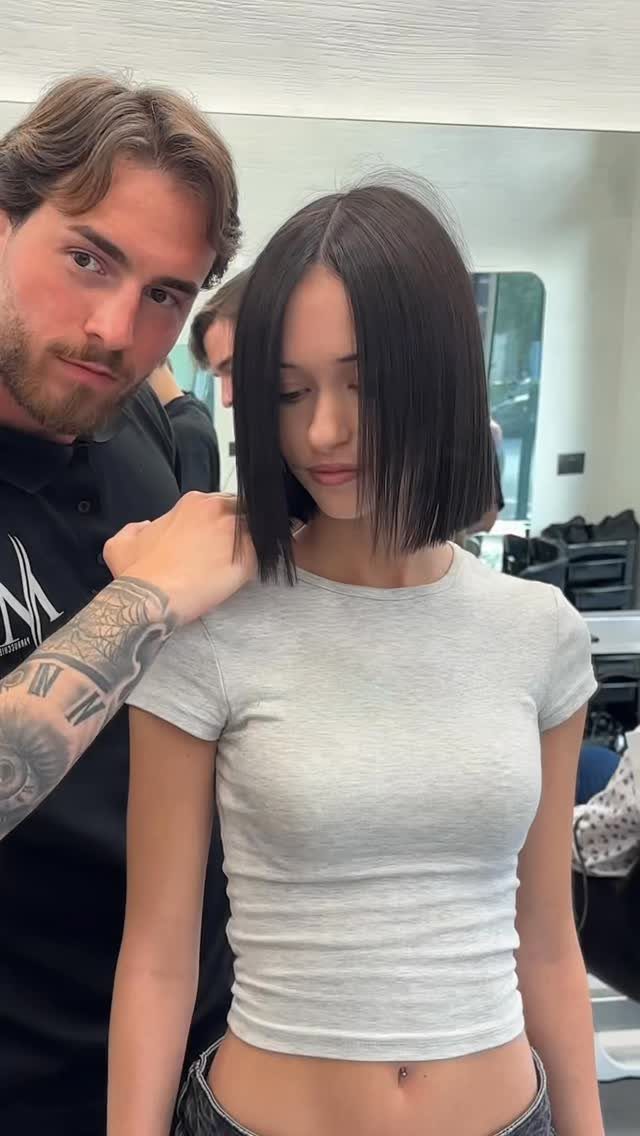
Straight-across ends with almost no layering give this bob its weight, and that weight is the whole look. It reads best on straight or fine hair that lies flat, since the line stays clean and the ends look dense.
Ask for a blunt perimeter with minimal layers, and bring a photo so your stylist knows you want the edge crisp.
Trims matter more here than with a layered cut, because the line loses its shape once the ends start to fray.
2. Long Shag
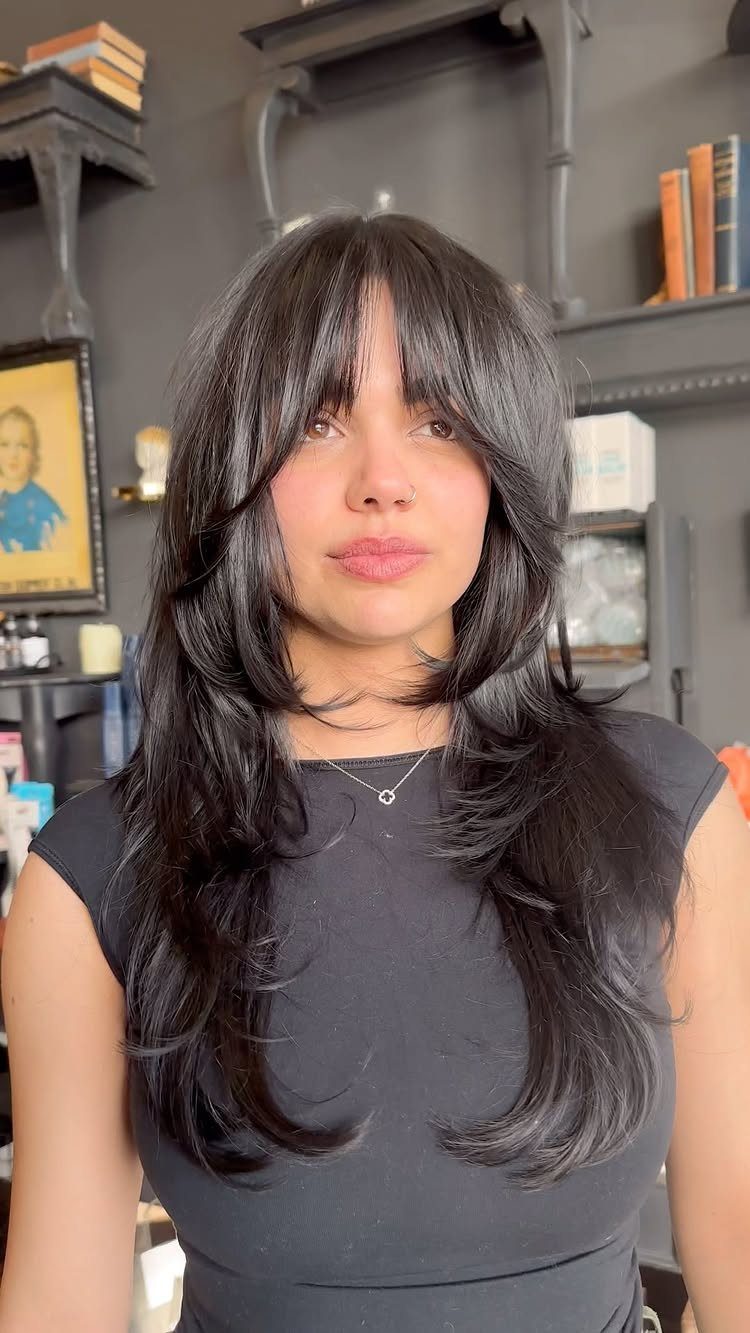
Choppy layers through long hair add the volume and texture, and the full curtain bangs tie them into the face. Ask for the layers to be cut chunky rather than blended, or the shag turns into plain long layers.
If your hair is fine, I would keep the bangs and ask for fewer layers at the top so the ends don’t thin out. Thick hair carries this cut best, because the choppiness has weight to work with.
3. Wavy Textured Bob
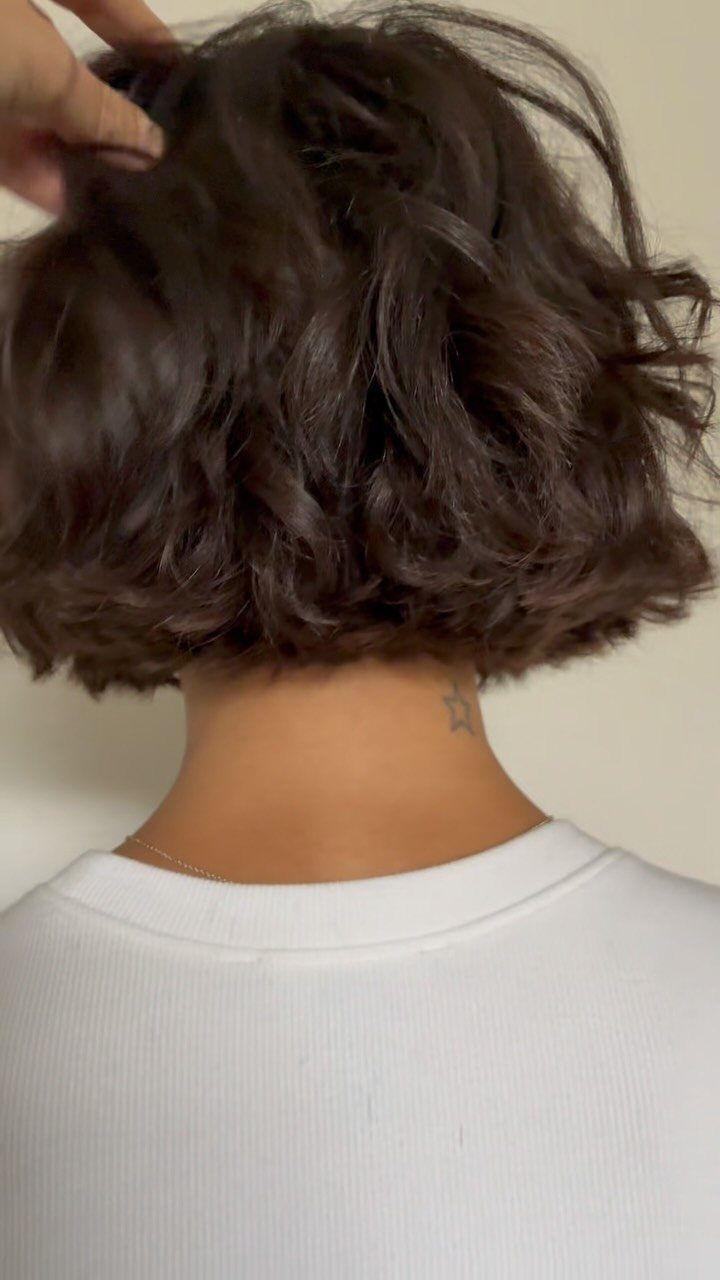
Texture is cut into this bob so waves show up instead of getting weighed down. Short layers at the back lift the shape and keep it from collapsing into a flat triangle.
Wavy hair is the natural fit. Straight hair can still wear it, but expect to add the wave with a curling iron, and I would pick a different cut if you want to skip that step.
Tell your stylist you want to see the waves, not hide them.
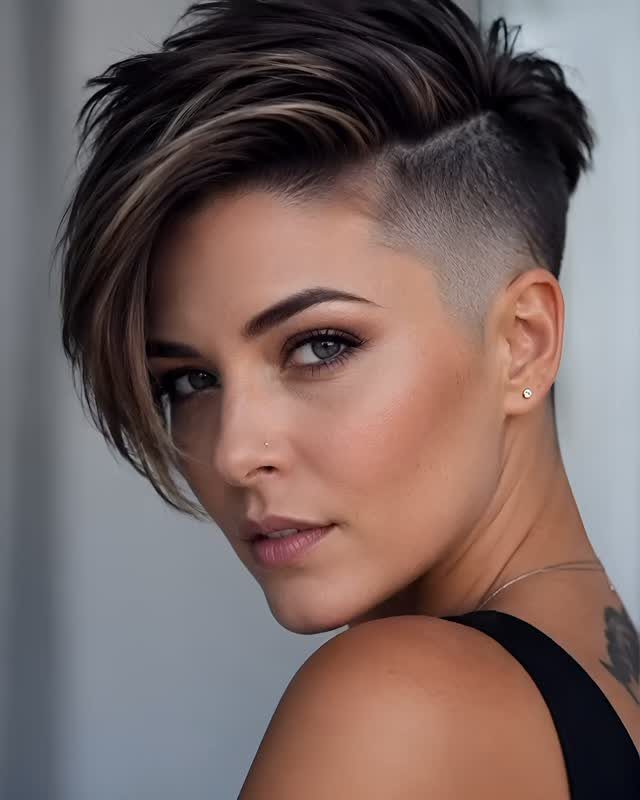
4. Sleek Short Cut
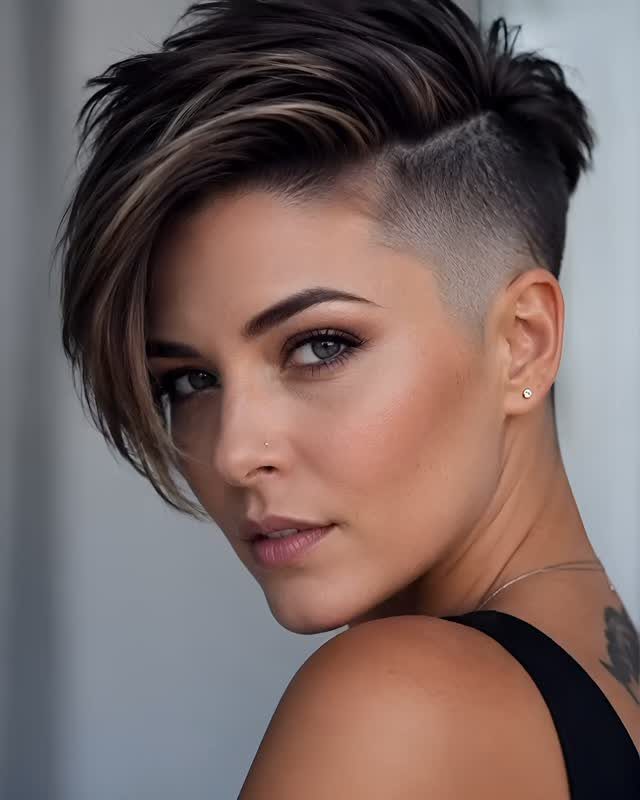
One side cut close, the rest left longer and combed sleek to the side: that contrast is what makes this short cut work for both a casual day and a dressed-up night.
A little smoothing product on the longer side is all the styling it needs.
Because the shaved side grows in fast, I would plan on regular clipper touch-ups. Ask which side your hair naturally falls toward before you pick, so the sleek side lies flat without a fight.
5. Layered Lob
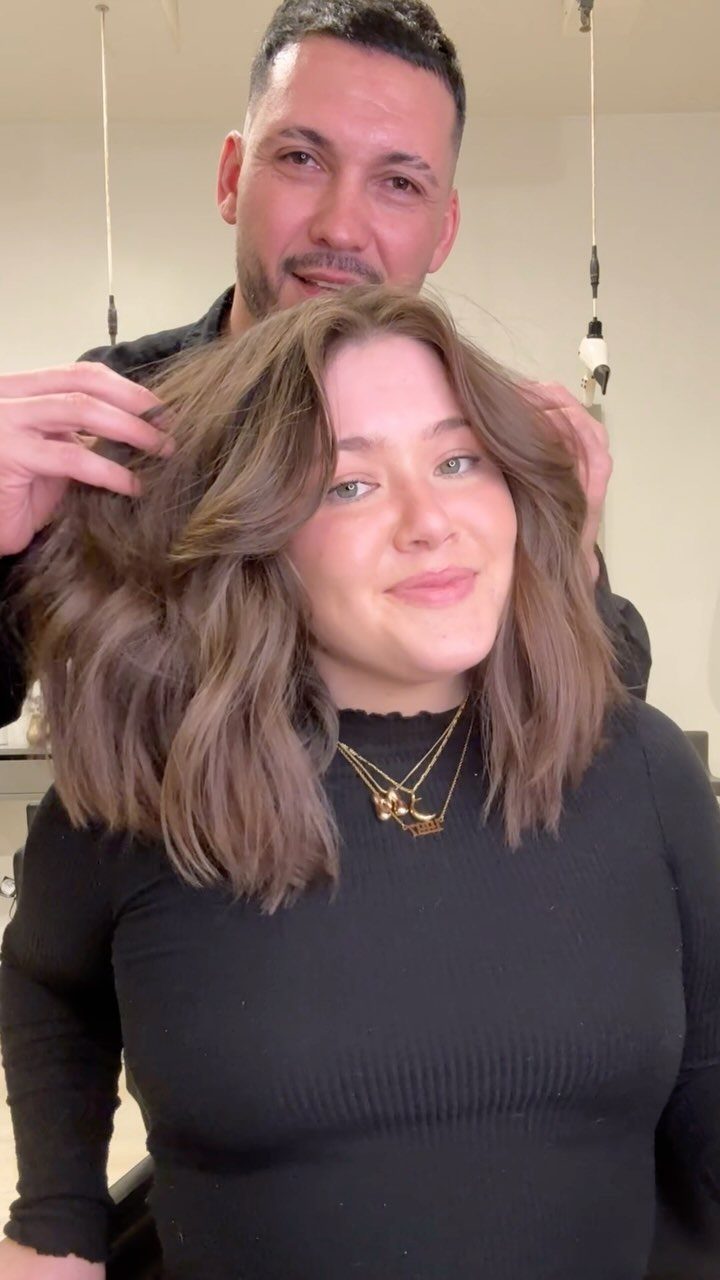
A lob stops at the shoulders, which is long enough to pull into a ponytail and short enough that drying doesn’t take long. Layers keep the ends from looking heavy and give the waves room to move.
Ask for soft layers rather than sharp steps, especially if you wear your hair wavy. This is the cut I’d suggest to anyone who wants a change from long hair without committing to a true bob.
6. Curly Shag
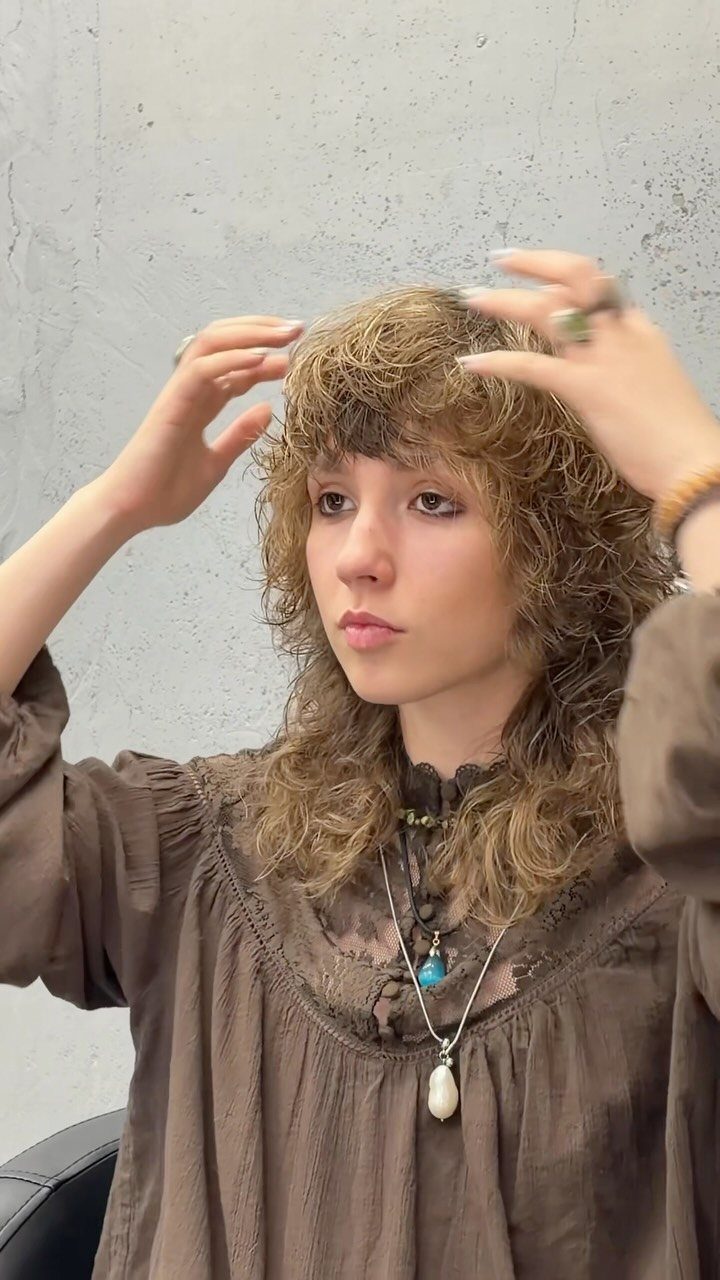
Layers on curly hair do real work: they stop the shape from stacking into a heavy triangle and let each curl sit in its own spot. Short pieces around the face and a curly fringe finish the frame.
Find a stylist who cuts curls dry or knows curl patterns, because a cut made on wet, stretched hair can spring up shorter than planned.
A curly shag is the wrong cut for anyone who wants flat, smooth hair, because the curl pattern is what the layers are built around.
7. Soft Blunt Lob
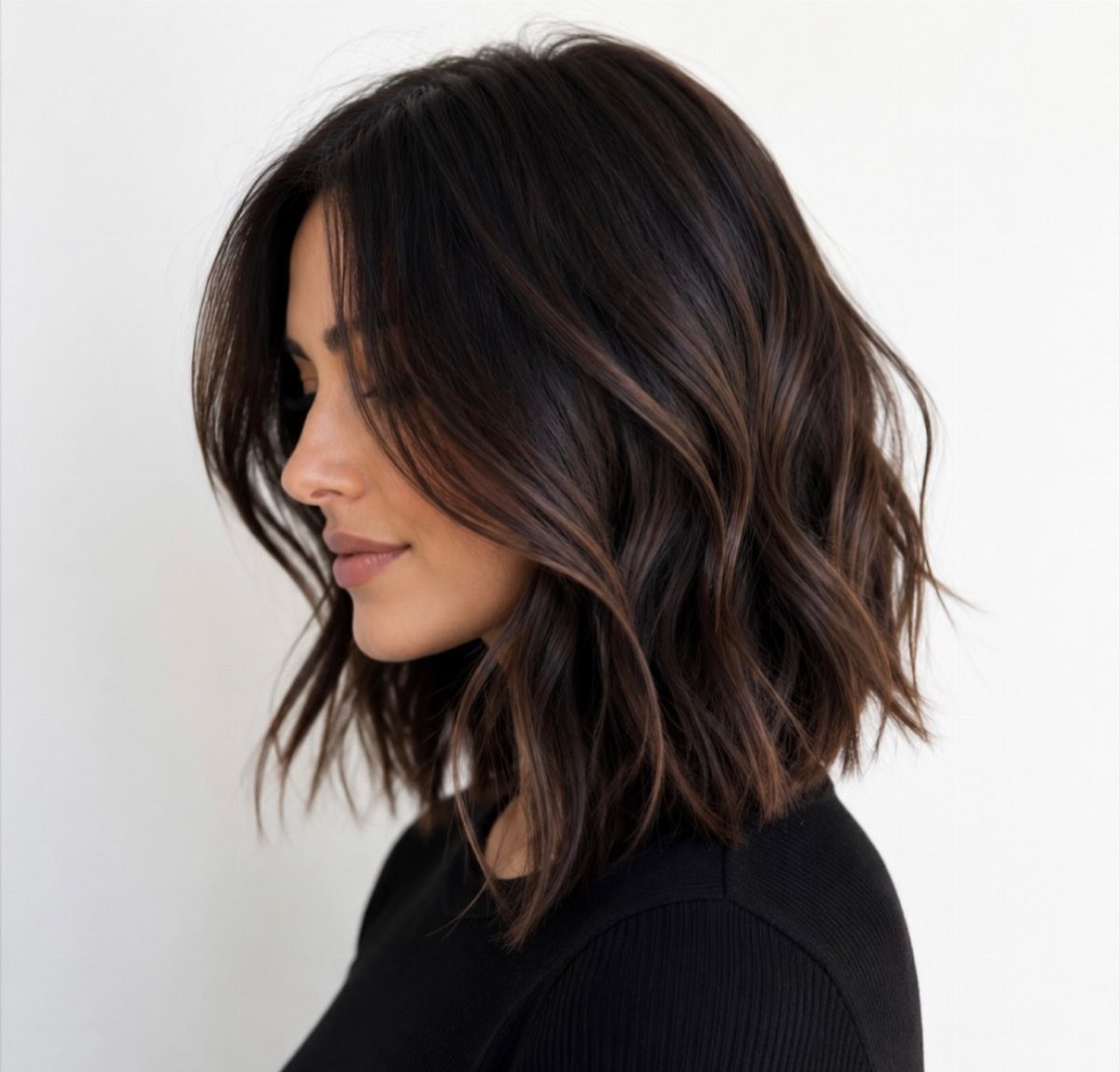
A blunt line at the shoulder with ends that are broken up just enough to read soft: that mix keeps a lob from looking stiff. Wavy hair is a natural match, since the texture does the softening on its own.
Ask your stylist for a blunt perimeter, then have the ends textured rather than left razor-straight. I’d skip heavy layering, because it would undo the graphic line that makes this cut worth getting.
8. Wavy Lob with Face Frame
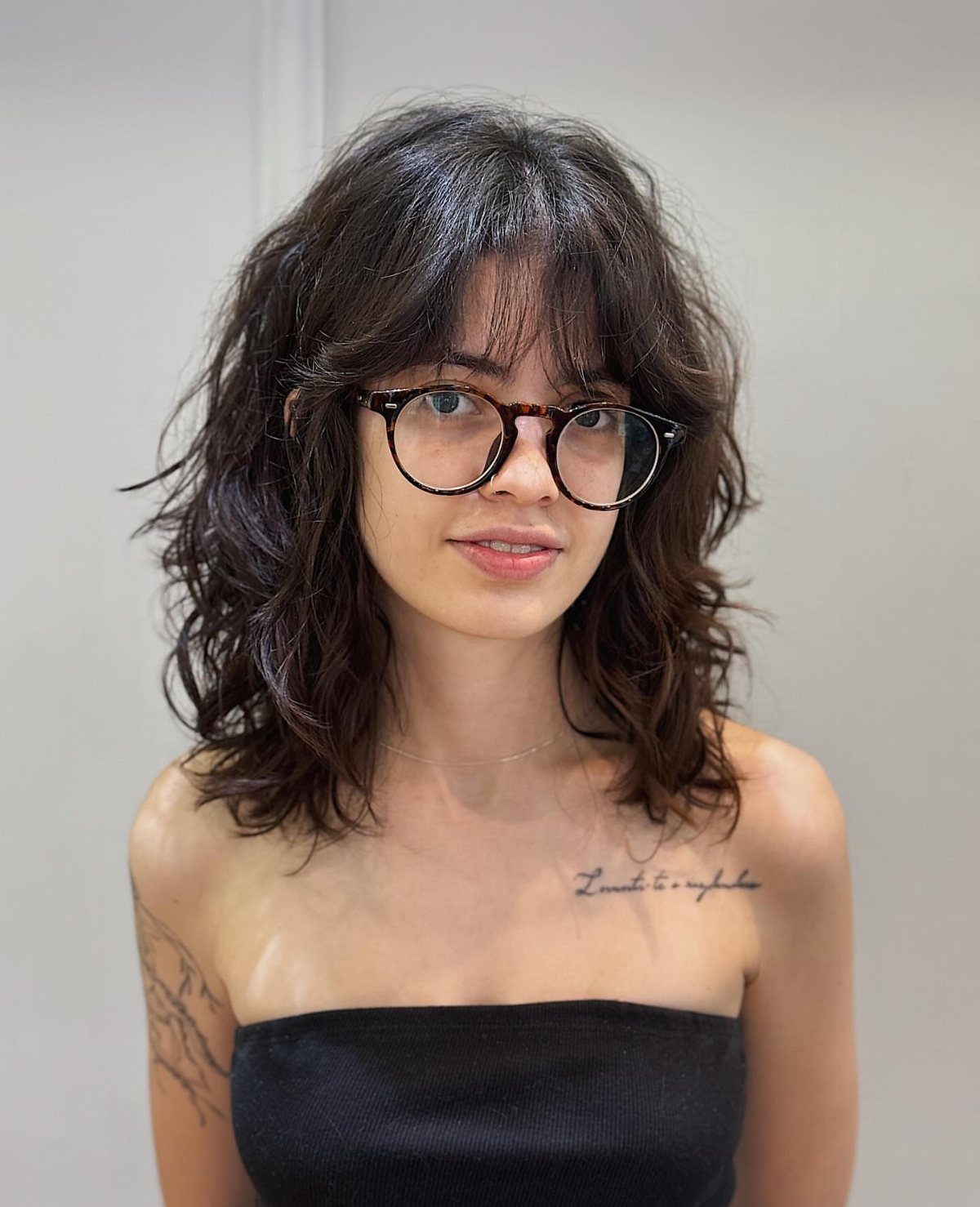
Hair that lands around the collarbone gives layers room to wave, and the shorter pieces at the front trace the face on their way down. Glasses wearers get a bonus: the framing sits around the lenses instead of fighting them.
Ask for the face-framing layers to start near the cheekbones and blend into the length behind.
Wavy hair fills this cut in best. Straight hair will need a curling iron to show the layers off.
9. French Bob
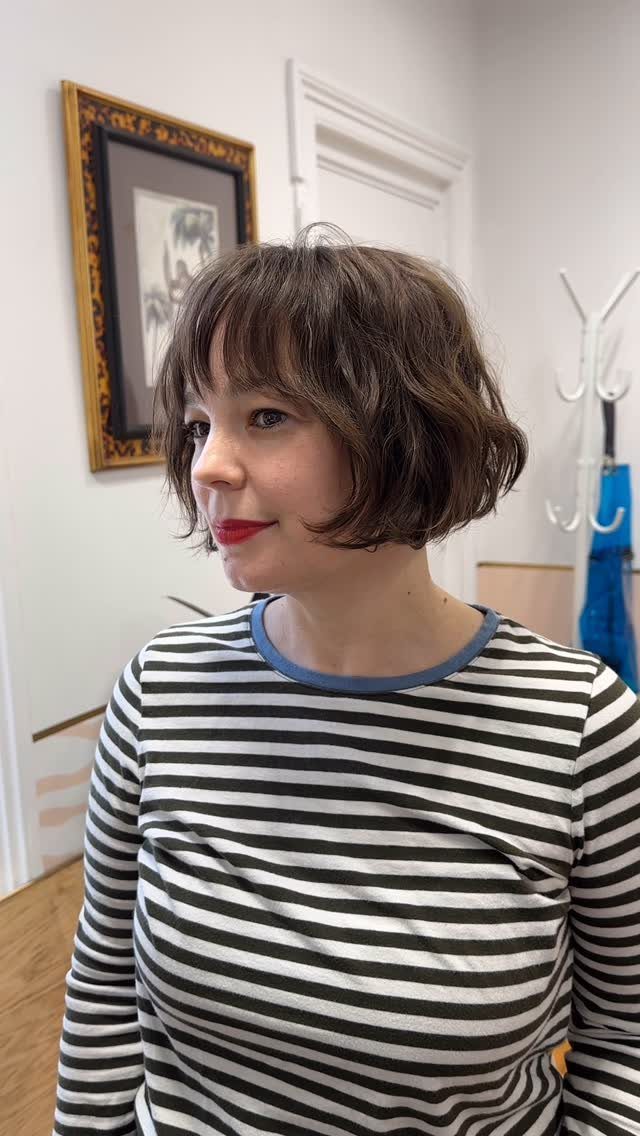
Jaw length with a bit of texture through the ends, topped by short bangs, is what gives the French bob its offhand look. It should look a little undone, never polished into a hard line.
Bring a photo and say "textured" so the ends aren’t cut blunt.
Short bangs need trimming often to stay above the brows, and that upkeep is the real cost of the cut. If you don’t want bangs, the bob still works without them.
10. Asymmetrical Bob
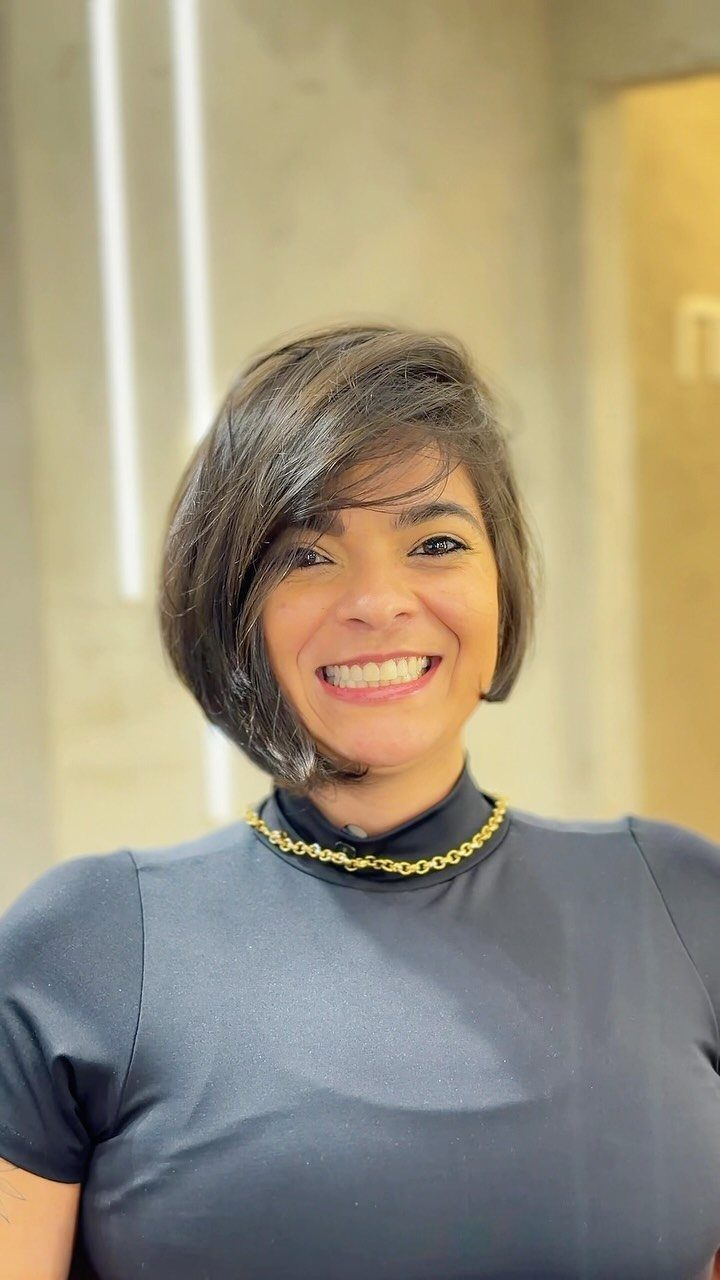
Longer on one side, shorter on the other: the length difference gives a simple bob its edge. A side part shows it off best, because the longer side falls forward and the shorter side stays clean.
Tell your stylist which side you want long, and part your hair that way every day so the shape reads on purpose. I’d choose this over a standard bob if you like a cut with a point of view.
11. Wolf Cut
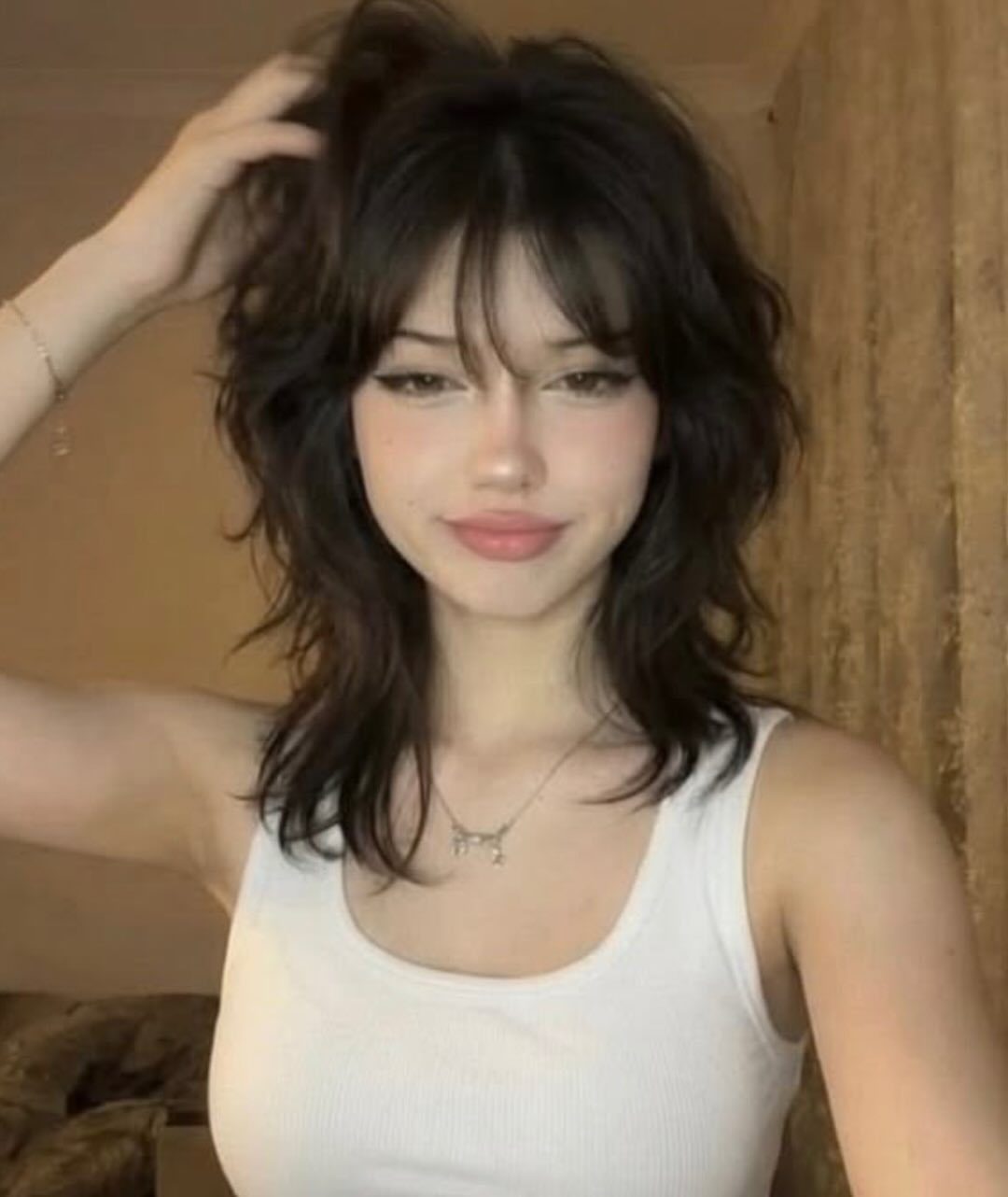
Shag layers on top and a mullet’s longer, wispier back come together in the wolf cut, and the bangs finish the shape. Dark hair shows the choppy layers clearly, which is part of why this version looks so sharp.
Ask for short layers through the crown with the length left in the back.
Shoulder-length pieces keep it wearable. It suits anyone who wants an obvious change, but it’s a bold cut, so bring a photo to your stylist.
12. Blonde Pixie Cut
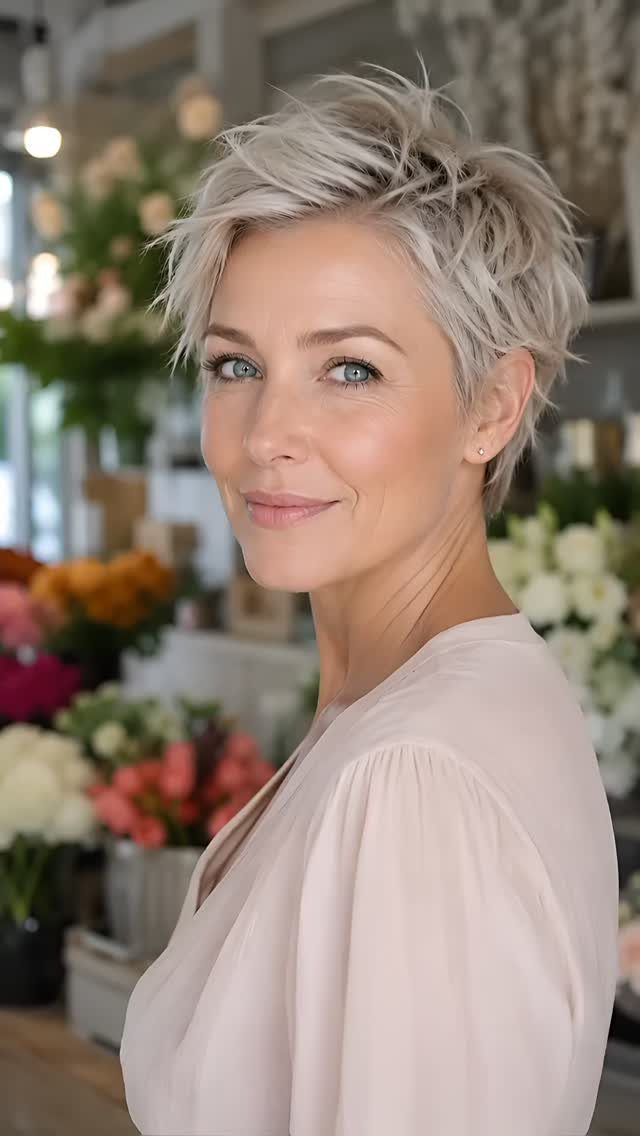
Short tousled layers in a soft blonde make a pixie feel gentle instead of severe. The color does as much work as the cut here, warming the face and softening the texture on top.
Ask for the layers to be cut with movement so a little styling paste can finish the look in a minute or two.
A pixie grows out fast and loses its shape, so plan on regular trims. Blonde also means color upkeep on top of that.
13. Face-Framing Curls
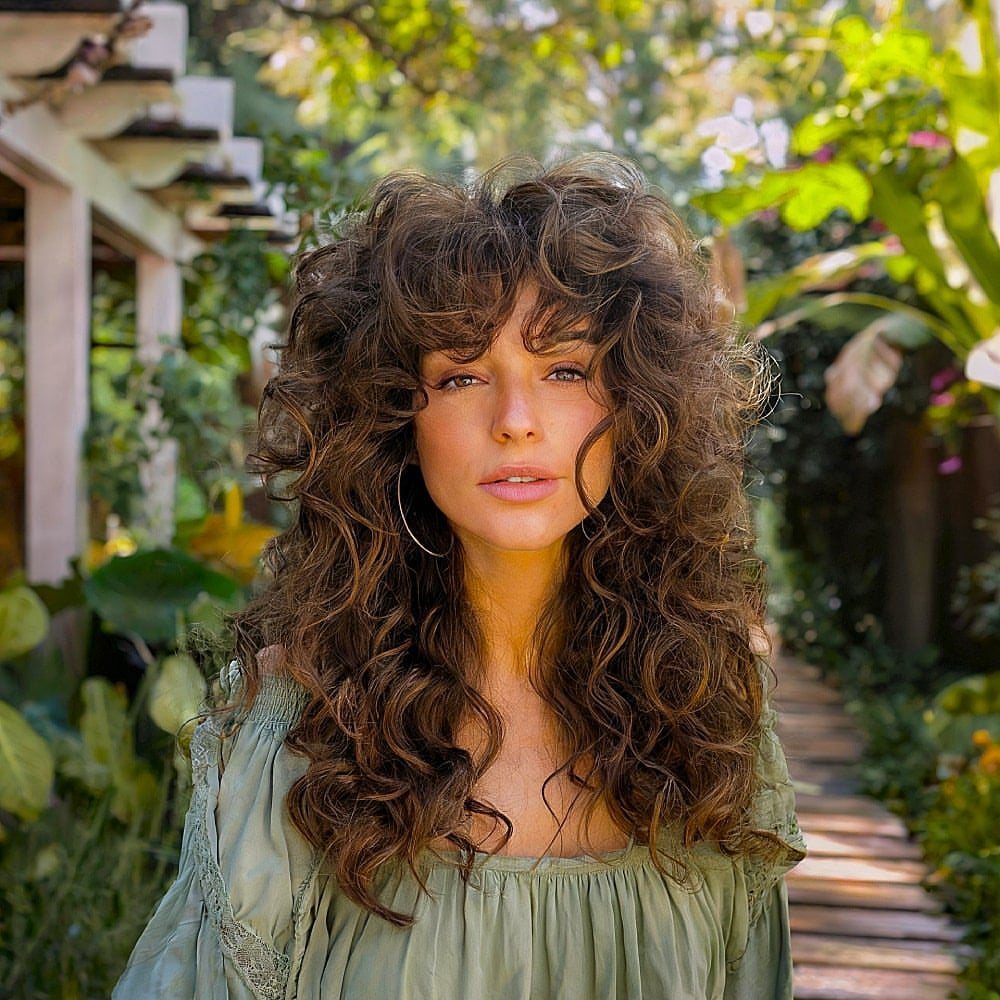
The cut keeps length in the crown and shapes everything from the cheekbones forward into shorter curls that sit close to the face. That frame creates movement where it counts most without changing the full volume on top.
Ask for shorter layers starting around cheekbone level if you want the framing without losing overall length.
The curls themselves do most of the work, so this works best on hair that already has texture or takes a curl well. Straight hair will need daily styling to hold the shape.
14. Fringe Bangs with Long Layers
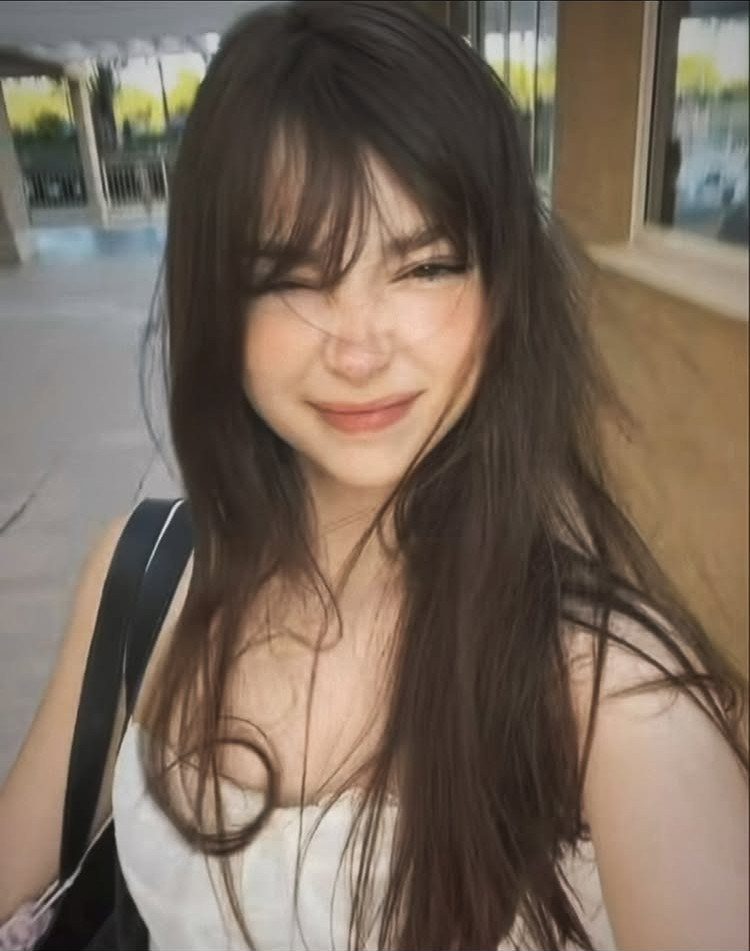
Fringe bangs run straight across the forehead while long layers below cheekbone level keep the rest moving.
The result sits between full bangs and curtain bangs, giving you coverage at the forehead without committing to a center part or the swoopier look that curtain bangs create.
The fringe stays wispy here, not blunt, so it blends into the layers on either side.
That makes it easier to grow out if you change your mind. Long layers mean the cut works on shoulder length or longer without feeling bottom-heavy.
15. Curtain Bangs
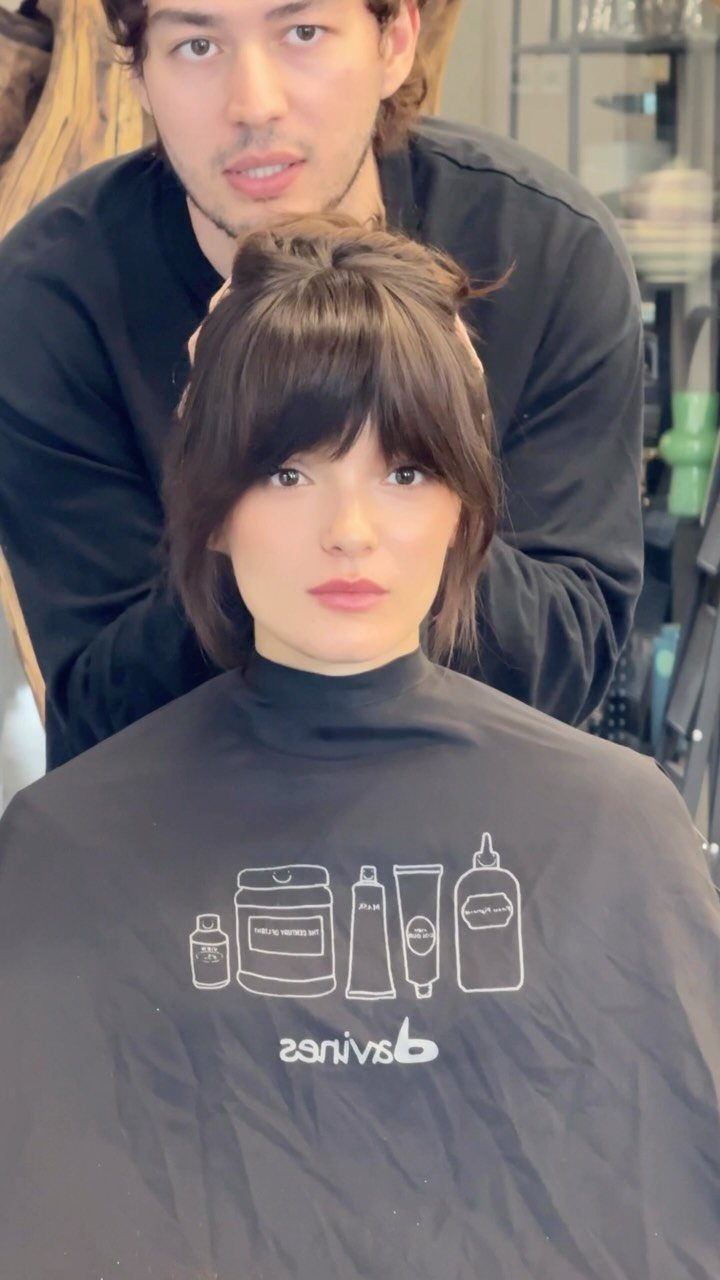
Curtain bangs part in the center and sweep to each side, framing the face without the full commitment of blunt bangs. They change the look more than any other bang option that grows out this easily.
The length usually lands between the brow and the cheekbone, so they can be tucked behind the ears when you need them out of the way.
The taper at the ends keeps the weight light, and since they split where you part anyway, the grow-out is much easier than with a blunt or side-swept fringe.
Part of what makes it a curtain is how you choose to cut and style it. It can have a sexy, shaggy, slightly mysterious appeal like Alexa Chung, or let it frame your face with girlish innocence like it did for Jennifer Garner in 2019.
— Allure
16. Heart-Shaped Afro
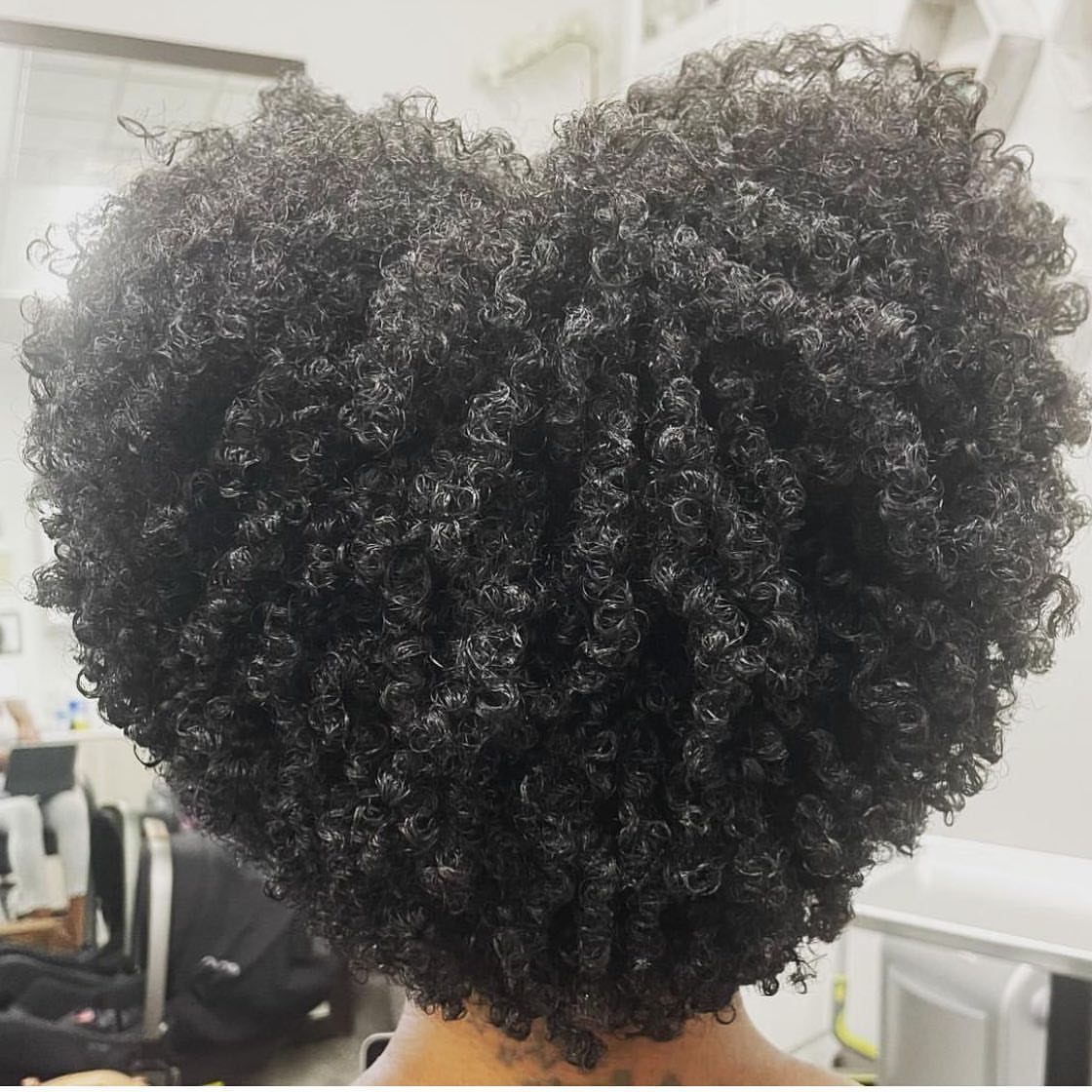
The silhouette is shaped into a heart, wider at the top and tapering to a point at the bottom.
It takes a dense afro texture to hold the shape cleanly, and the styling is done with clippers, shears and shaping tools to carve the outline.
This is a statement cut that needs regular shaping to keep the heart visible as the hair grows. If you want something sculptural that still reads as an afro, this is the version that does it.
17. Side-Swept Bangs
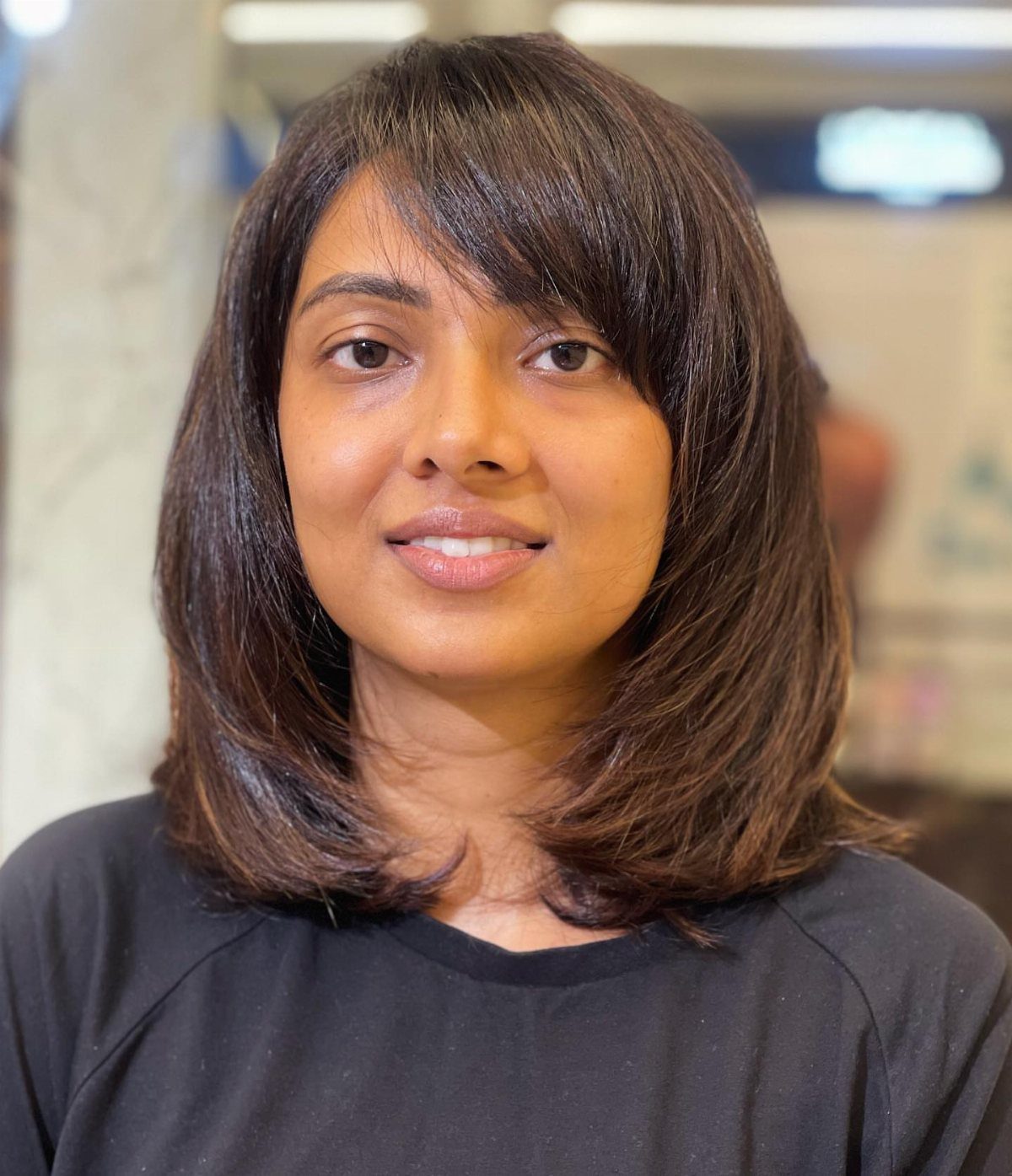
Side-swept bangs angle across the forehead instead of sitting straight or parting in the center. They give you the face-framing effect of bangs without the daily styling that a full fringe demands.
Because they follow the direction your hair already wants to move, they grow out more forgivingly than blunt bangs and can be pinned back or blended into layers as they get longer.
18. Tapered Afro
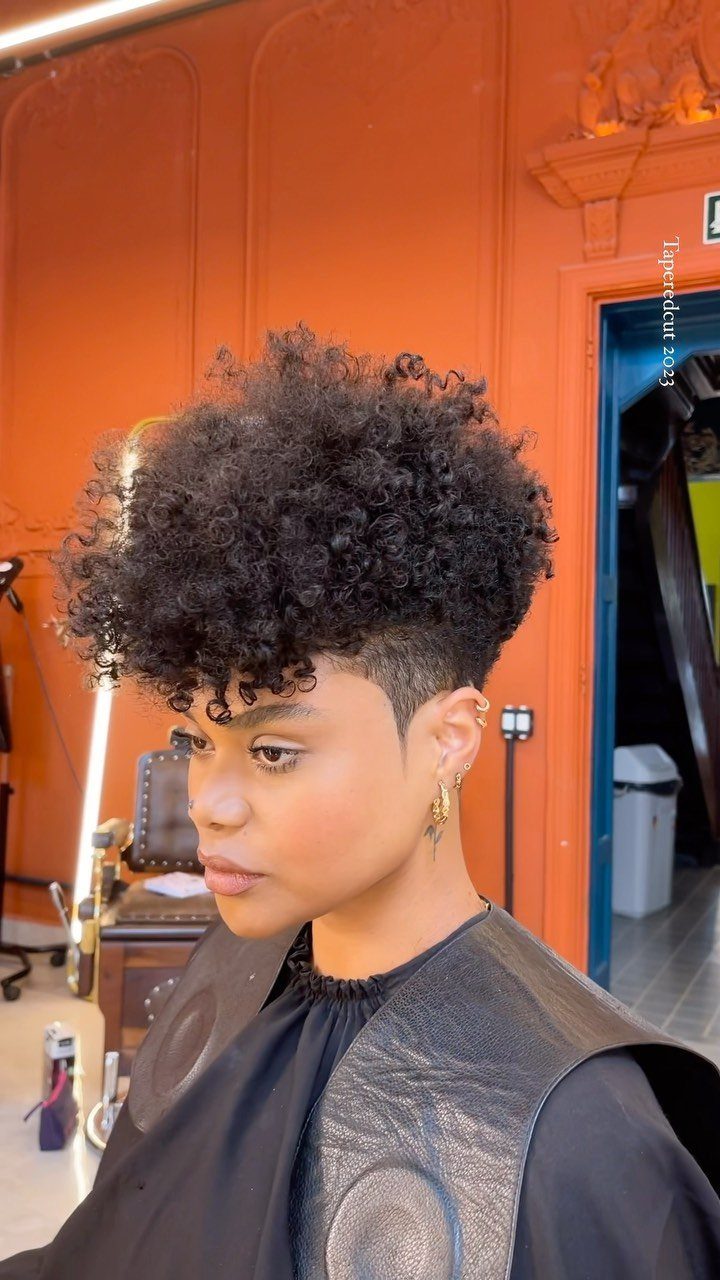
A tapered afro keeps the top full and rounds or squares off the silhouette while the sides and back are clipped close. The contrast between the longer crown and the shorter perimeter gives the cut its shape.
The taper can be high, starting above the ear, or low, starting closer to the nape, depending on how much contrast you want.
This works best on kinky or coily hair that holds volume at the crown naturally. Maintenance is every 3 to 4 weeks to keep the taper sharp as the sides grow in.
19. Graduated Bob
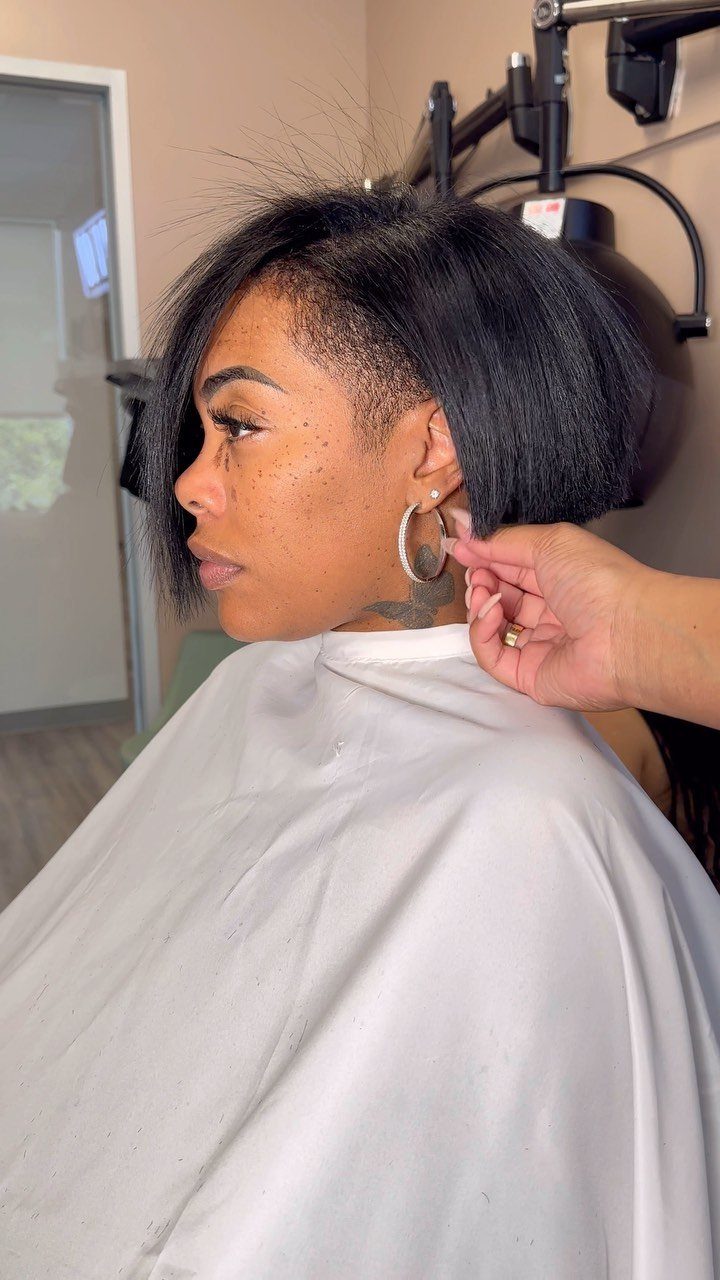
Short and stacked at the back, longer toward the front: that slope is what a graduated bob is built on, and it pushes volume to the nape where a plain bob would lie flat.
The longer front pieces then fall along the face.
Ask your stylist for a shorter, stacked back that angles forward into longer face-framing lengths, and bring a photo so the slope is the one you want.
I’d pick this over a blunt bob if you want shape from behind as well as the front.
20. Butterfly Cut
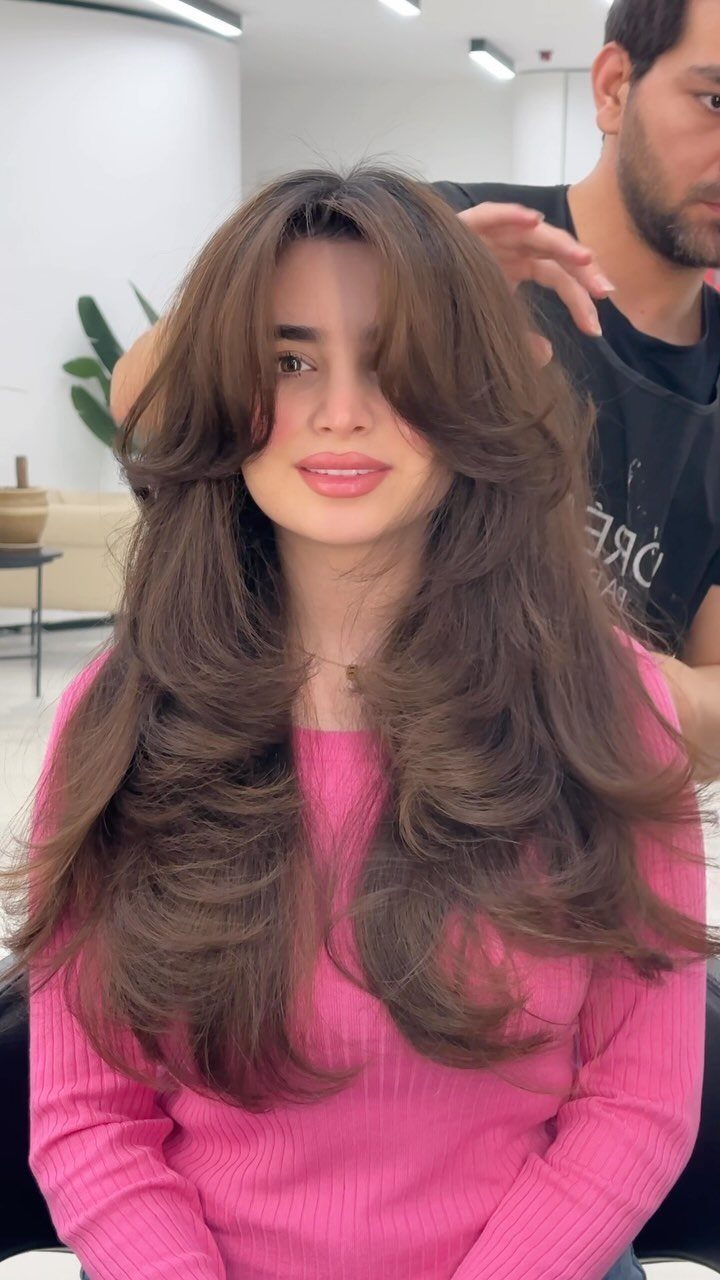
Airy layers cut all through long hair, with the shorter pieces at the face flipping out at the ends, make up the butterfly cut.
Short layers around the face add bounce through the crown and cheeks, and the lengths underneath stay put.
Ask for face-framing layers that flip away from the cheeks, and say you want the rest of the layers to stay light so the ends don’t look heavy.
A round brush while blow-drying can help the flip hold. I like it for anyone who wants motion in long hair and no big chop.
21. Buzzed Side
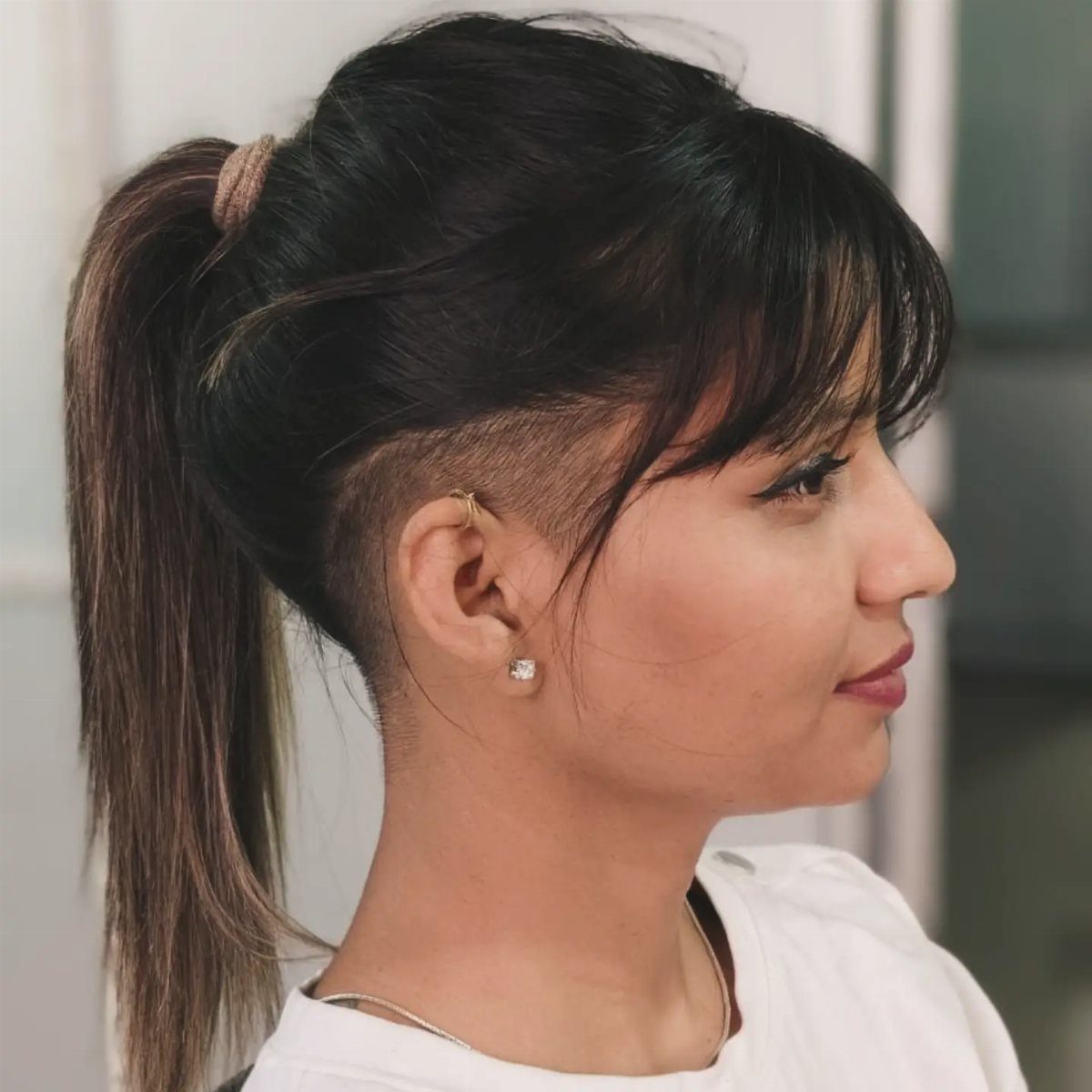
Hair stays long on top while one side is clipped close, and the buzzed section hides until you pull the hair back or tuck it away.
Pair it with long bangs and a high ponytail, and the buzz shows up only as a clean stripe along the side.
Because it works with any length, it’s an easy way to try a bold cut without losing everything.
Ask your stylist to mark how high the buzz goes, since that decides how much stays covered when your hair is down. Expect regular clipper touch-ups, as with any shaved side.
22. Blunt Bang and Bob
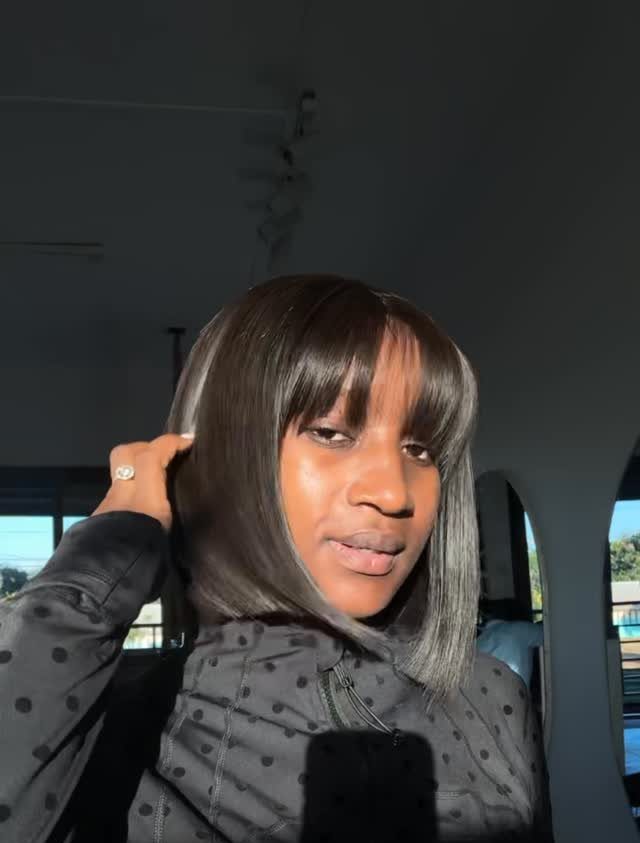
A bob and blunt bangs share the same straight, heavy edge, so the two lines read as one shape. Sleek, dark hair shows that edge best.
Ask for the bangs and the bob ends cut with the same blunt precision, and say you want little to no layering.
I’d skip this cut if you dislike styling bangs, because they need to lie flat every morning. Trims matter for the same reason as with any blunt bob: the line only looks sharp while the ends stay crisp.
23. Long Textured Layers
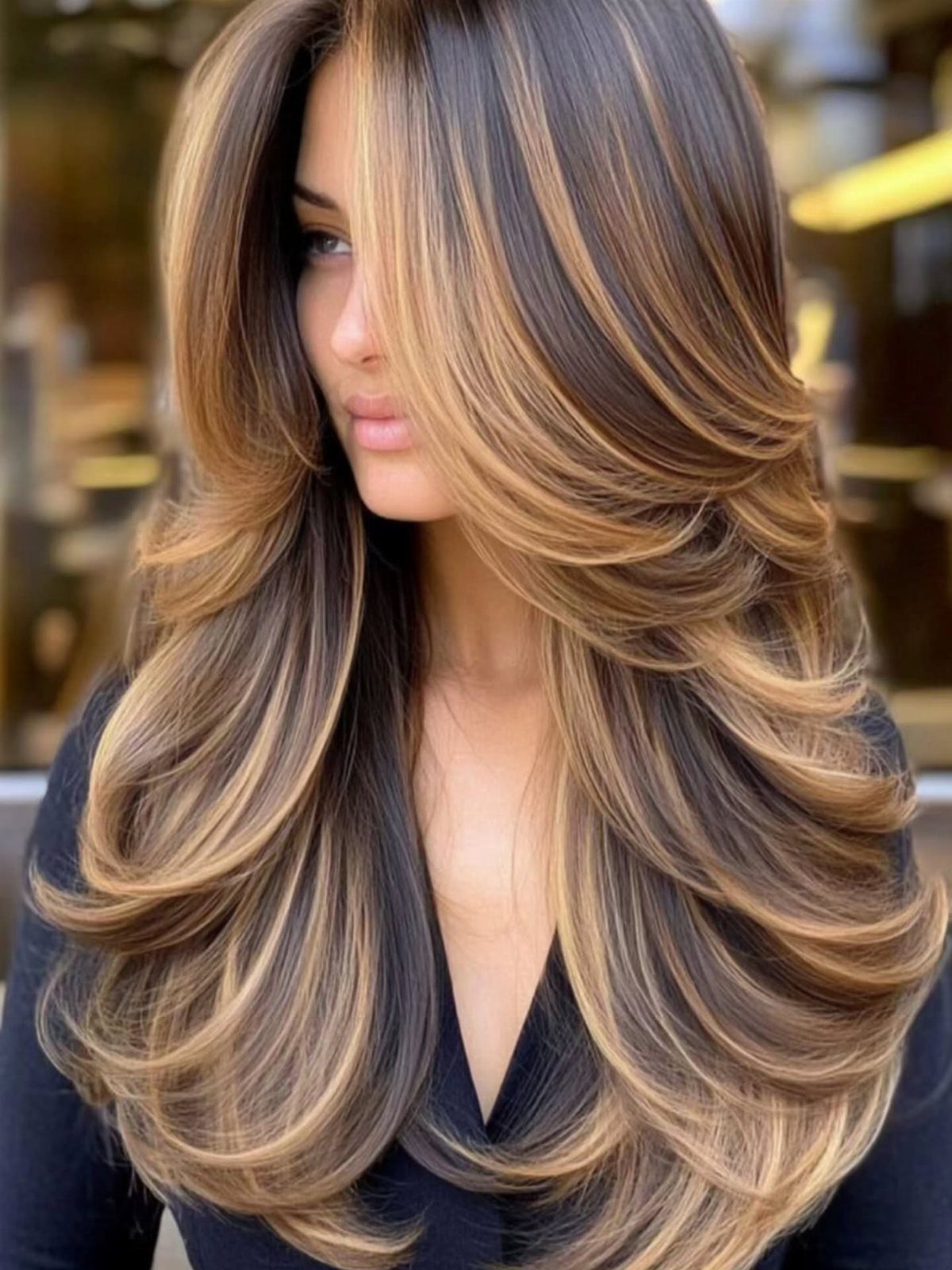
Long layers refresh length that has gone flat, and nobody has to lose inches to get the change. Cut in a texture that moves, they let waves and curled ends fall with some body.
Starting the layers below the shoulders keeps your length intact while taking bulk off the ends.
Highlights, like the caramel ones visible here, show off the layers by catching light at each level; they’re an option, not part of the cut. This is the cut I’d steer a long-hair loyalist toward.
24. Short Cut with Design
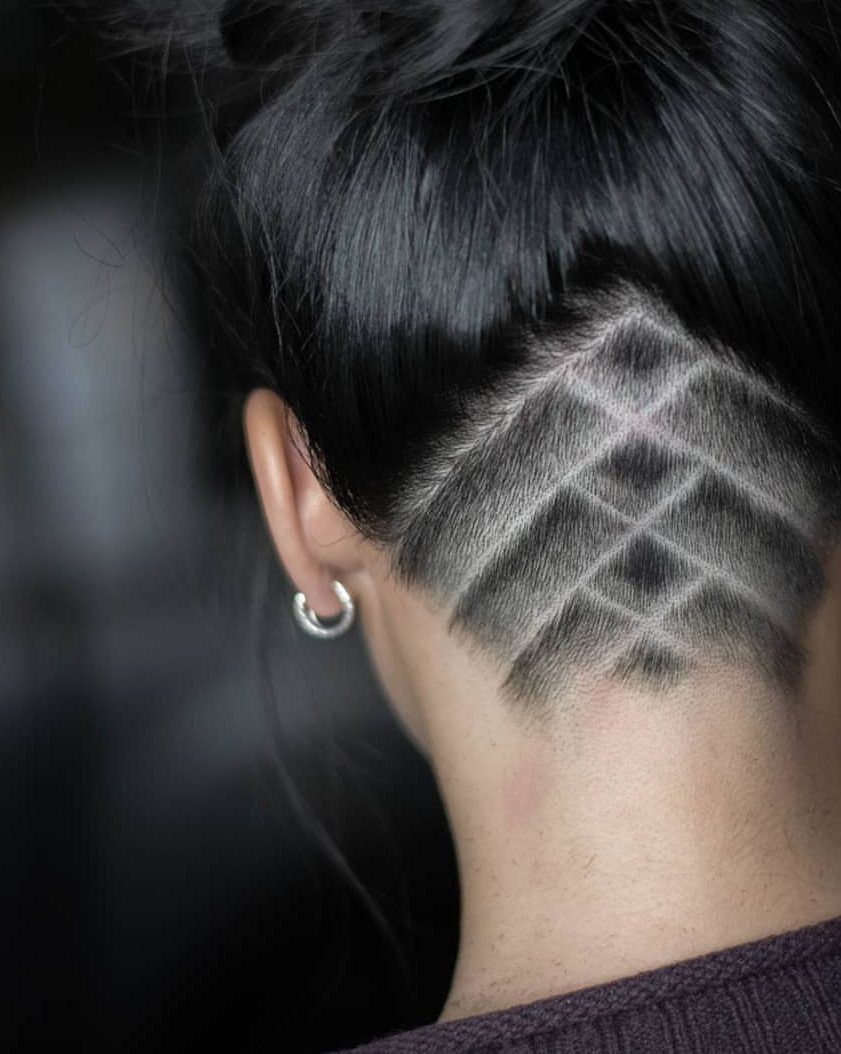
An undercut shaved at the nape and decorated with a chosen pattern turns the back of a short cut into the main event.
Longer hair on top swept up leaves the design visible, and the hair can come down to cover it.
Bring a clear drawing or photo of the design, since your barber has to cut it freehand with clippers or a trimmer.
Simple geometric lines are easier to keep sharp than intricate ones. Growth blurs a design quickly, so I’d plan on frequent touch-ups, and a diamond pattern will need them most.
25. Box Bob
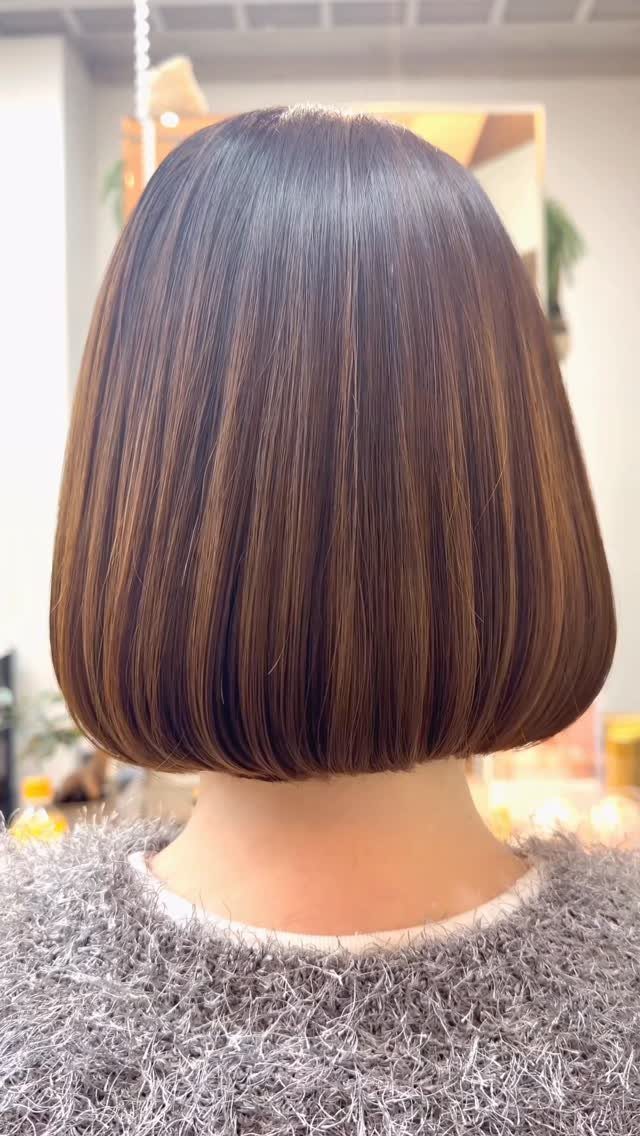
Square lines and softly rounded corners at the nape give the box bob its shape. The ends are blunt, but they curve in a little instead of cutting a hard edge, which keeps the geometry from feeling severe.
Ask your stylist for a blunt perimeter with a rounded finish at the back, and bring a back-view photo, since that is where this cut shows itself.
Glossy, smooth hair makes the line look sharpest. Between the two, the box bob is my pick for anyone who wants a defined shape without a hard, severe line.
26. Textured Pixie
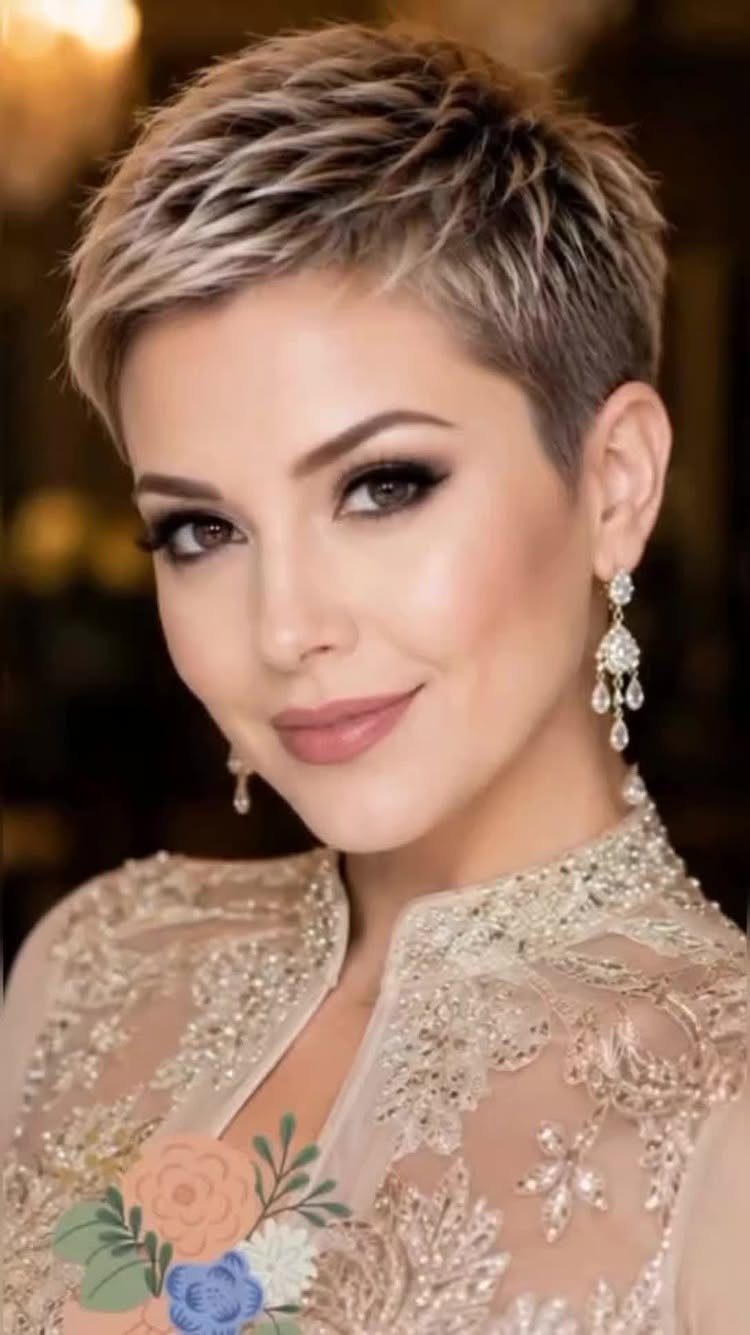
Layers that are cut disconnected, with the short top pieces not blending into the sides, are what build the lift in a textured pixie. The swept, piecey finish comes from that gap between lengths, not from product alone.
Ask for disconnected layers on top and say you want the sides kept short.
Going blonde means toning and root touch-ups to budget for as well. For styling, I’d work a little paste through the top and push it to one side.
Consulting a Stylist
A photo gets you most of the way, but words close the gap.
Along with the picture, tell your stylist the length you want (chin, collarbone, shoulder), how much layering you’re after, and for a pixie, the finish you prefer: tousled, sleek or swept.
If your face has an area you’d like to balance, ask for a contour cut.
Because a stylist sizes each layer’s length and weight to your face and hair density, a layered cut ends up fitting one person far more closely than most other cuts do.
Bring this up at the start of the consultation, before the shampoo bowl. Once the cape is on and the hair is wet, changing direction gets awkward.
Choosing Cuts by Hair Needs
Before you pick a cut, settle 3 things: your texture, your density, and how many minutes you’ll give styling each morning. A cut built around your natural texture can often skip daily blow-drying, while one that fights it can’t.
Name the problem you want the cut to solve. Volume, bulk, texture and movement can each be handled in the cut itself, so tell your stylist which one bothers you most.
If your straight or wavy hair sits flat and lifeless, ask about a deep parallel point cut.
Point cutting a few inches up from the ends, rather than just trimming the tips, softens the bottom edge and gives the hair movement without the need for long layers. I’d leave that technique to a professional.
Frequently Asked Questions
What are some popular haircuts for women?
Bobs, lobs, shags and bangs cover most of what people ask for.
The blunt bob (straight-across ends, almost no layers), the long shag (chunky layers with curtain bangs) and the layered lob (shoulder length, soft layers) are the ones I point most people toward.
Start with your hair type and face shape, then be honest about how much time you’ll spend styling it every day.
What does the 3:2:1 haircut rule mean?
I haven’t seen a rule by that name used in cutting, so I won’t guess at a definition.
What I can offer is the checklist I’d use before any cut: settle your texture, your density and the daily styling time you’ll really spend.
What are some examples of short to mid-length hairstyles for women?
A French bob at jaw length, a bob sitting just above the shoulders and a layered lob at the shoulders cover most of that range.
A bob cut just above the shoulders swings when you move and looks fuller on fine hair, worn straight or wavy.
The lob is long enough for a ponytail but dries fast, and a textured pixie or graduated bob covers the shorter end.
What are the trendiest hairstyles right now?
The Old Hollywood bob has had a moment this year, a curved retro shape worn by Selena Gomez, Beyoncé and Zendaya on red carpets.
Stylists tie its return to a craving for timeless, polished cuts. Layers are also big this year, so if that’s the direction you want, ask for a long shag or butterfly cut by name.