Hair types run from Type 1 straight to Type 4 coily, and curl pattern decides where you land. Strand thickness is a separate measure: lay a hair next to sewing thread, and thinner than the thread means fine.
Heat and chemicals can disguise your true pattern, so stop styling for at least a few months before you judge it.
1. Type 1 Straight Hair
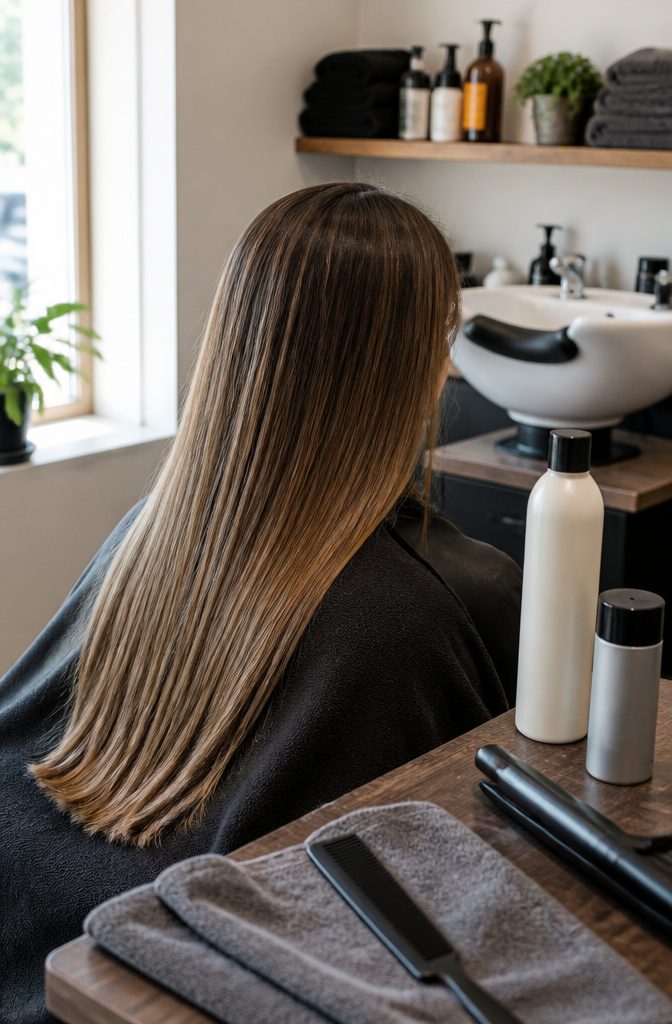
Type 1A is baby-fine, flat at the roots and quick to turn oily or limp; think Dakota Fanning and Gwyneth Paltrow.
Type 1B has fuller strands, a slight bend at the ends and more body, as on Kendall Jenner. Type 1C is thick or coarse, with soft bends and some frizz potential.
For all three, wash 2–3 times a week, because daily shampooing can push oil production up.
Let dry shampoo cover the gap. Fine strands break more easily, so keep heat below 450 degrees and start at the lowest setting.
I’d treat the three subtypes as one routine: lightweight conditioner on the ends, no heavy butters, and a leave-in only if 1C frizzes.
2. Type 2 Wavy Hair
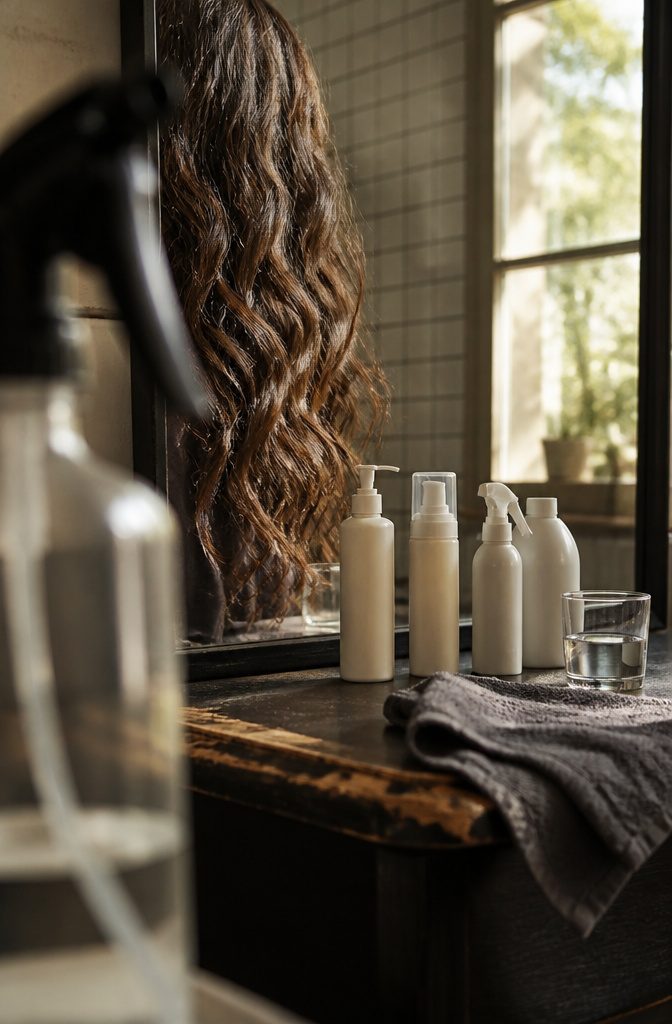
Wavy hair follows a loose "S" shape somewhere between straight and curly. Type 2A is the softest: waves that often look straight at the roots and brush out flat, so a lightweight curl-defining cream works better than anything heavy.
Type 2B has a clearer S and more frizz, and a mousse or sea salt spray builds volume, though salt dries strands out.
Type 2C is coarser, with defined waves and a few real curls, and it frizzes most because oil reaches the length slowly.
All three need moisture: condition regularly and add a leave-in. I’d wash 2–3 times a week, and watch length, since longer hair pulls waves flat.
3. Type 3 Curly Hair
Type 3 runs from loose to tight, and all three levels share one problem: dryness.
- 3A: Loose, bouncy Shirley Temple curls with the most shine. Scrunch in a cream or curl refresher; it needs little else.
- 3B: Springy, well-defined spirals with body starting at the roots.
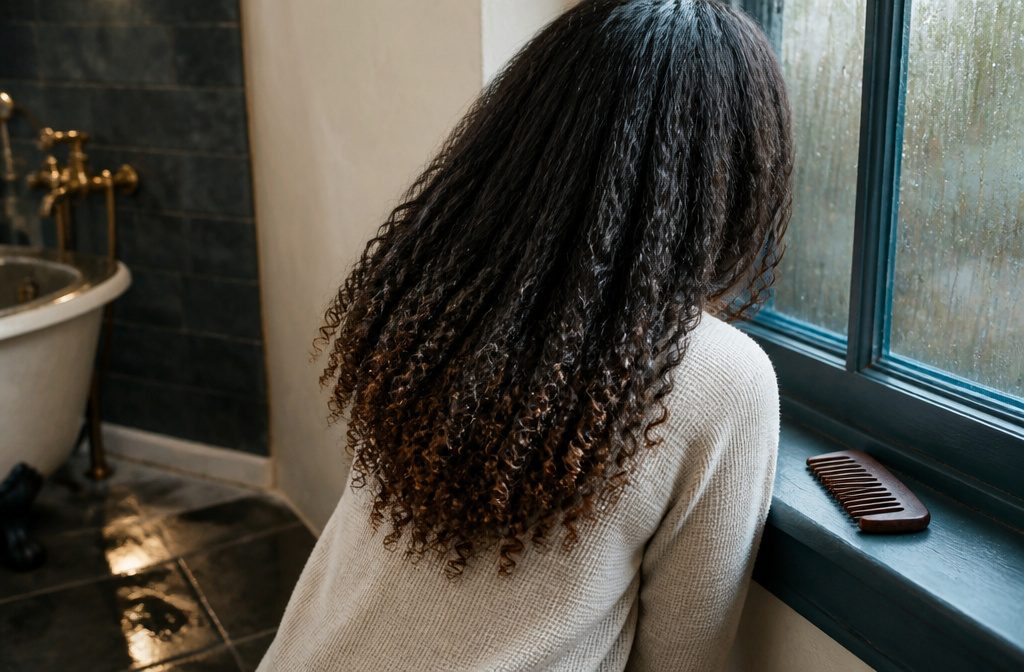
- 3C: Densely packed corkscrews with volume all over and frequent frizz.
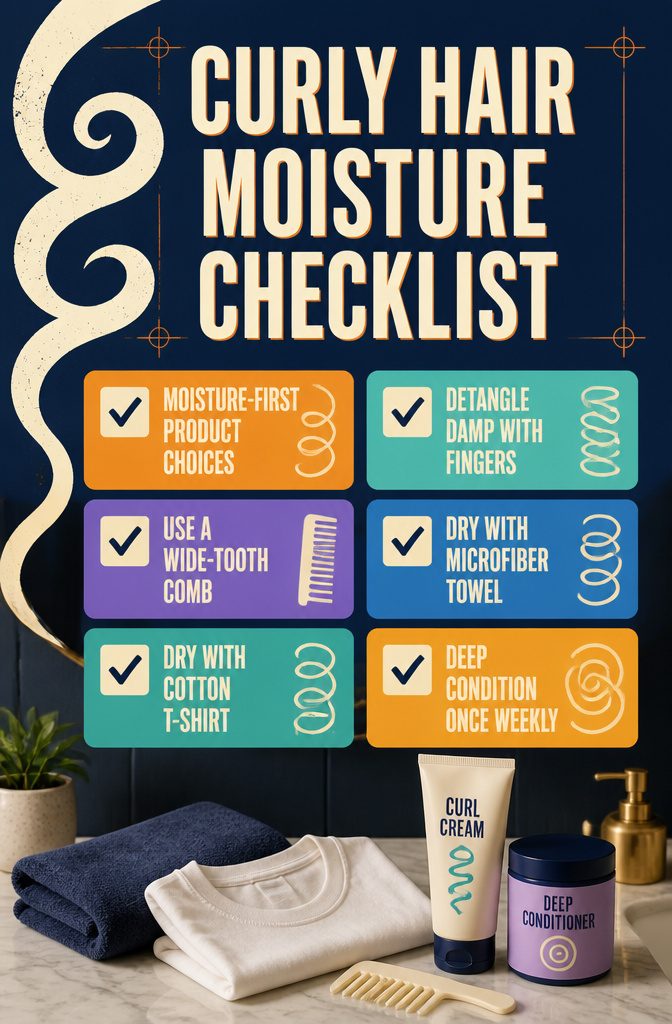
- Oils have a hard time traveling down a spiral strand, so the ends run dry. I’d let moisture decide every product choice.
- Detangle on damp hair with your fingers or a wide-tooth comb. Dry with a microfiber towel or a cotton t-shirt.
- Deep condition once a week to keep curls soft and hydrated.
4. Type 4 Coily Hair
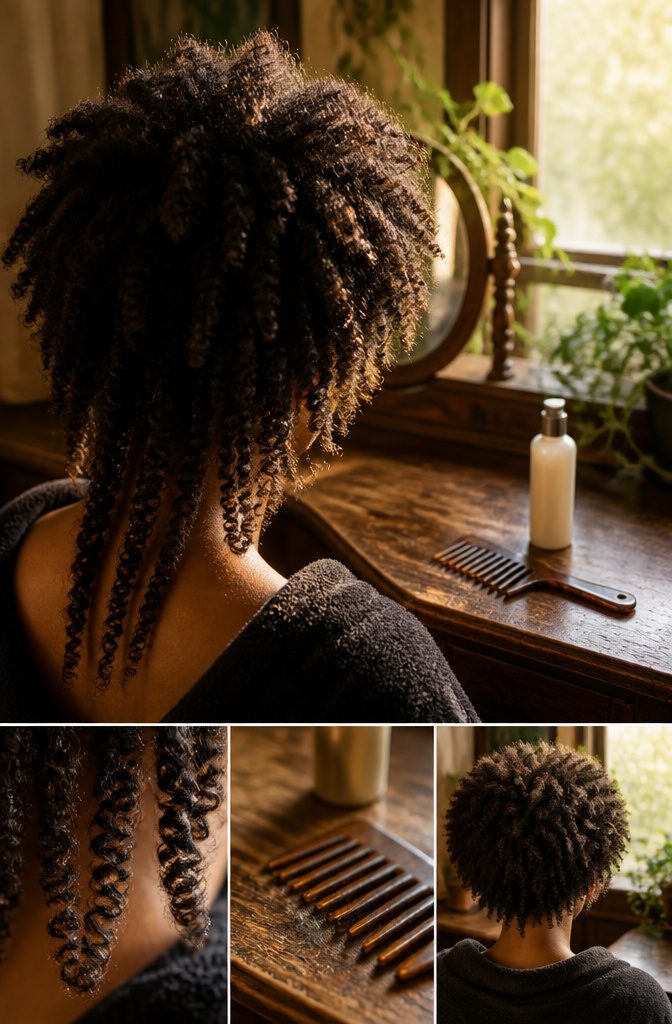
4A has the most visible pattern: springy, cylindrical coils that form an S when stretched. 4B bends into a Z instead, and it shrinks over 50% of its length when wet.
4C is the tightest, with little visible definition, and it shrinks up to 75%. That shrinkage means a wet or relaxed strand tells you little about your true length.
Type 4 is also the most fragile. Scalp oils travel only an inch or two down the shaft, so dryness and breakage are the main risks at every subtype.
Gentle detangling, a leave-in conditioner, and less heat do more for these coils than any styling product I know of.
The label also covers kinky and Afro-textured hair. Treat a chart as a starting point, not a verdict.
Fine, Medium, or Coarse Strands
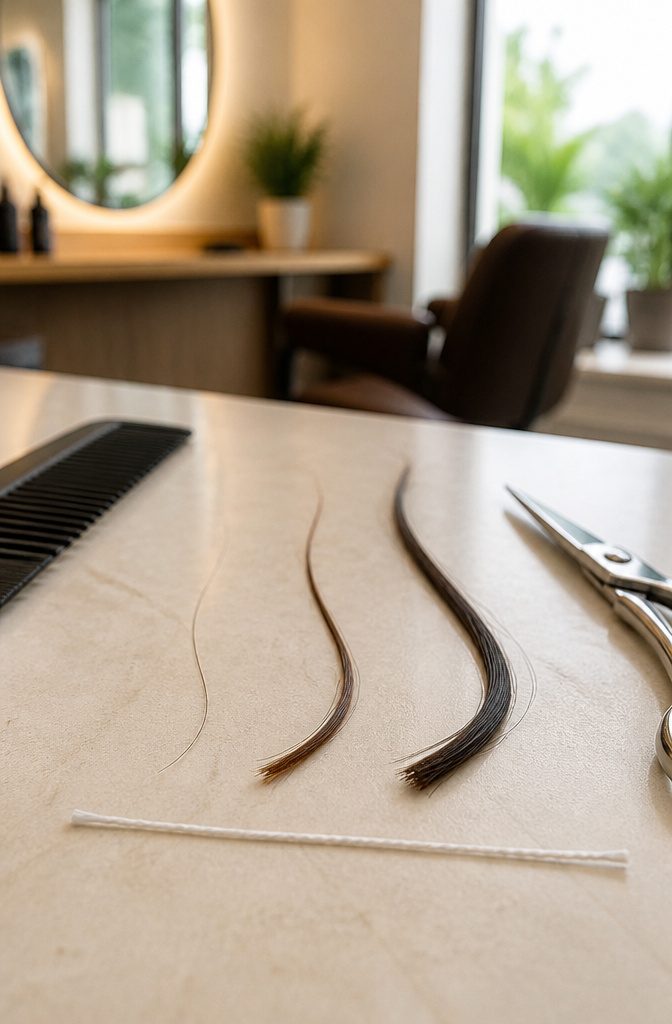
Thickness is the diameter of a single strand, and it has nothing to do with curl pattern or how many hairs cover your scalp.
Lay one hair next to a piece of sewing thread: thinner than the thread is fine, about the same width is medium, and thicker is coarse.
Rubbing a strand between your fingers works too. Fine hair is barely felt, and coarse hair feels stiff.
Charts often file fine hair under 1A–1C, medium under 2A–3C and coarse under 4A–4C. That mapping is loose.
Straight hair alone runs from fine 1A to coarse 1C, and "texture," "structure" and "thickness" get swapped for one another constantly. I’d trust the thread test over the label.
Reveal Your Natural Texture
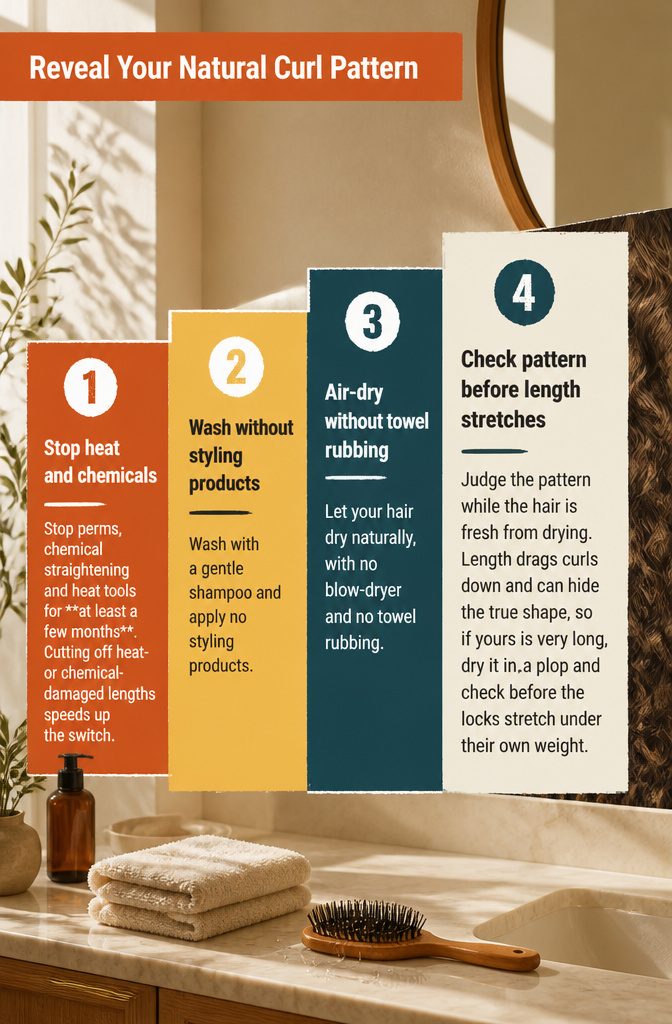
Follicle shape sets your curl pattern: the more oval the follicle, the curlier the hair. Heat and chemicals can hide that shape, so the order of steps matters.
- Stop perms, chemical straightening and heat tools for at least a few months. Cutting off heat- or chemical-damaged lengths speeds up the switch.
- Wash with a gentle shampoo and apply no styling products.
- Let your hair dry naturally, with no blow-dryer and no towel rubbing.
- Judge the pattern while the hair is fresh from drying. Length drags curls down and can hide the true shape, so if yours is very long, dry it in a plop and check before the locks stretch under their own weight.
Mixed Types on One Head
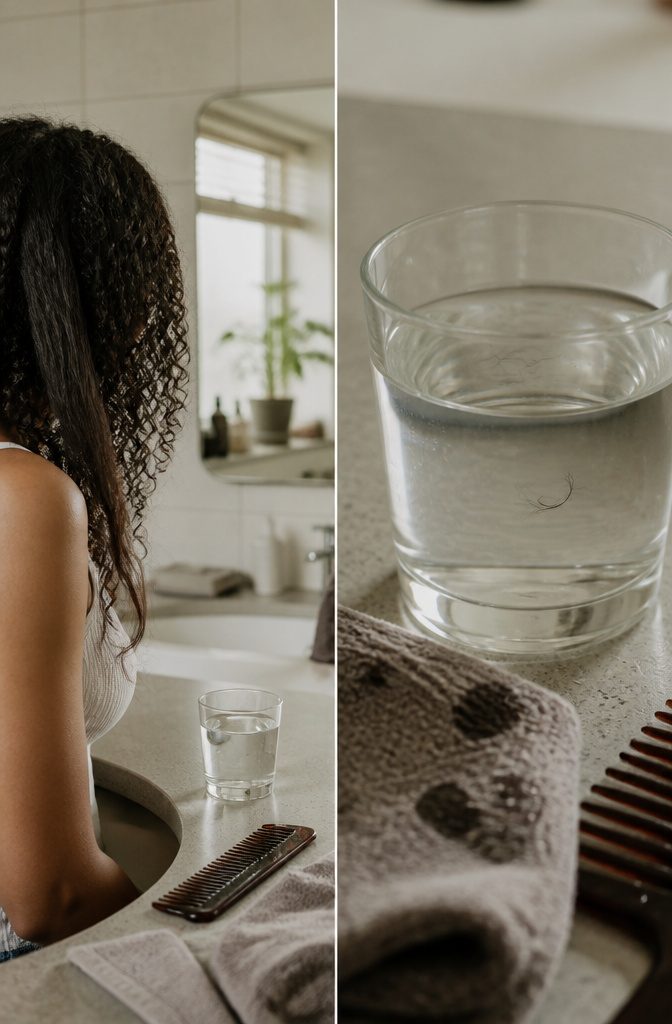
A hair type is a starting point, and one head can hold more than one pattern. Porosity shifts behavior as much as curl does.
Drop a clean strand into a glass of water: floating means low porosity, a slow sink means medium, and a fast sink means high. Bleach or heat damage can make even straight hair thirsty.
Shrinkage catches people off guard with tighter curls:
The hair can shrink down to less than half its length when dry.
— POPSUGAR
Judge length on dry hair, not wet. Pregnancy can change texture, and so can aging as grays come in, so I’d repeat the water test after either one.
Frequently Asked Questions
How many kinds of hair are there?
There are 4 main kinds: Type 1 straight, Type 2 wavy, Type 3 curly, and Type 4 coily.
Each splits into A, B, and C subtypes, which gives 12 in all, from 1A to 4C. Simpler systems stop at 3 kinds (straight, wavy, and curly) and fold coily hair in with curly.
How do I know what kind of hair I have?
Wash with a gentle shampoo, skip every styling product, and let your hair air-dry. Then compare the dry pattern to a chart: straight, loose S-shaped waves, defined curls, or tight coils.
For Black and Afro-textured hair, look at curl pattern, frizz, and shrinkage together. Add a sewing-thread test for strand thickness and a glass-of-water test for porosity.
What is the most common hair type?
No single type wins everywhere. Follicle shape is set by your DNA, so the mix looks different from one community to the next.
What is the rarest hair type?
It depends on the study, the region, and the population, so no one type holds the title. One source points to tightly coiled hair and very fine, naturally red hair as uncommon.
How does hair type change with age?
For most people it stays close to the same, because follicle shape is set by DNA.
Hormonal shifts such as pregnancy can change texture, and so can graying later in life. If your hair starts behaving differently, repeat the porosity test and recheck your pattern on clean, air-dried hair.