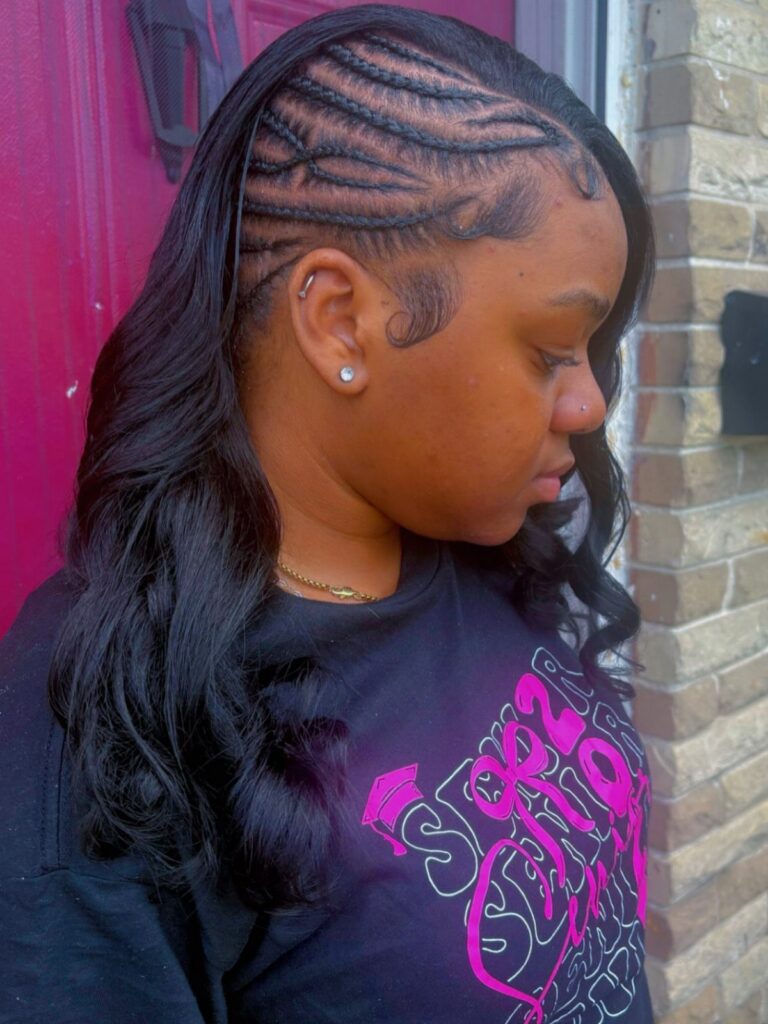
Natural texture narrows this list fast: curls point toward the Short Curly Cut or Curly Undercut, while straight hair shows off a Blunt Cut.
Blunt cuts and blunt bangs need straight hair to show their edge, peekaboo bangs settle best on long wavy hair, and tight curls call for someone who cuts curls.
Texture comes first for me, and length is the next call, anywhere from a Pixie Cut through a Bob or Long Bob to Long Layered Color.
1. Ponytail
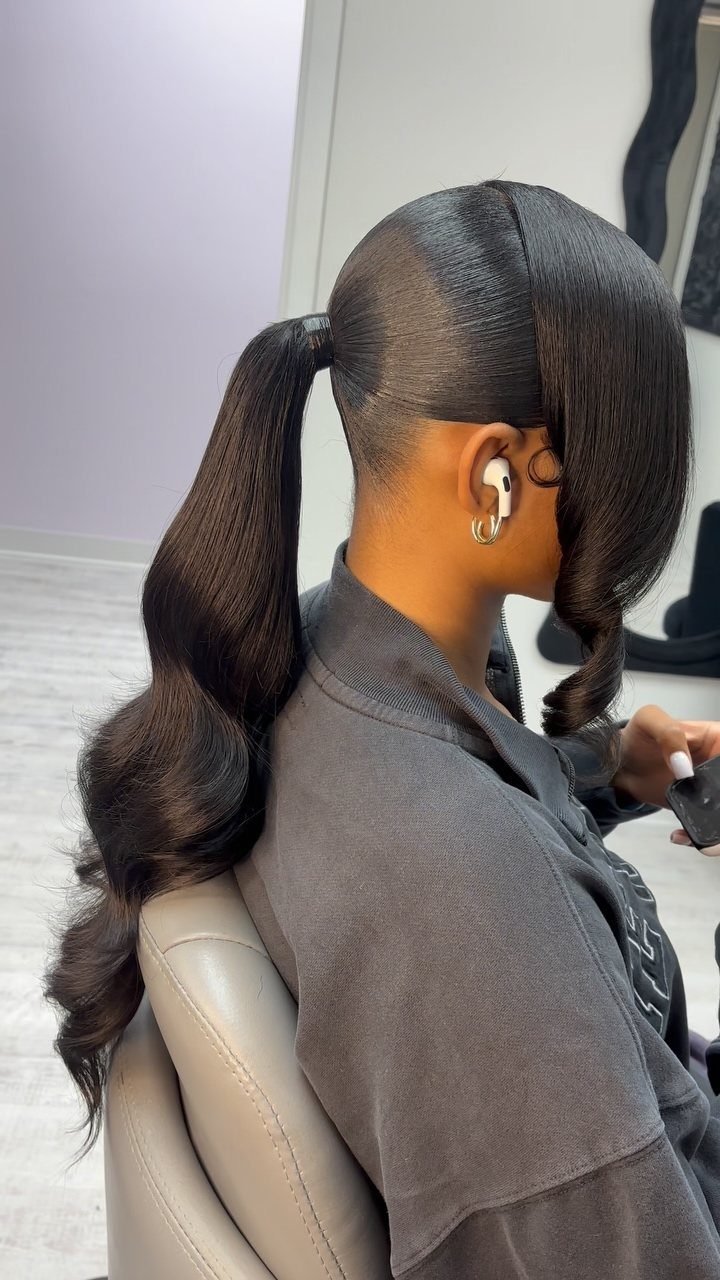
Height decides everything in a ponytail. Set high, it reads sleek and lifted; set low at the nape, it turns softer.
I like the high version with curled ends, since the curl keeps a smooth, pulled-back look from feeling stiff. A scrunchie, clip or wrapped base gives you a different ponytail with the same hair.
2. Curled Pigtails
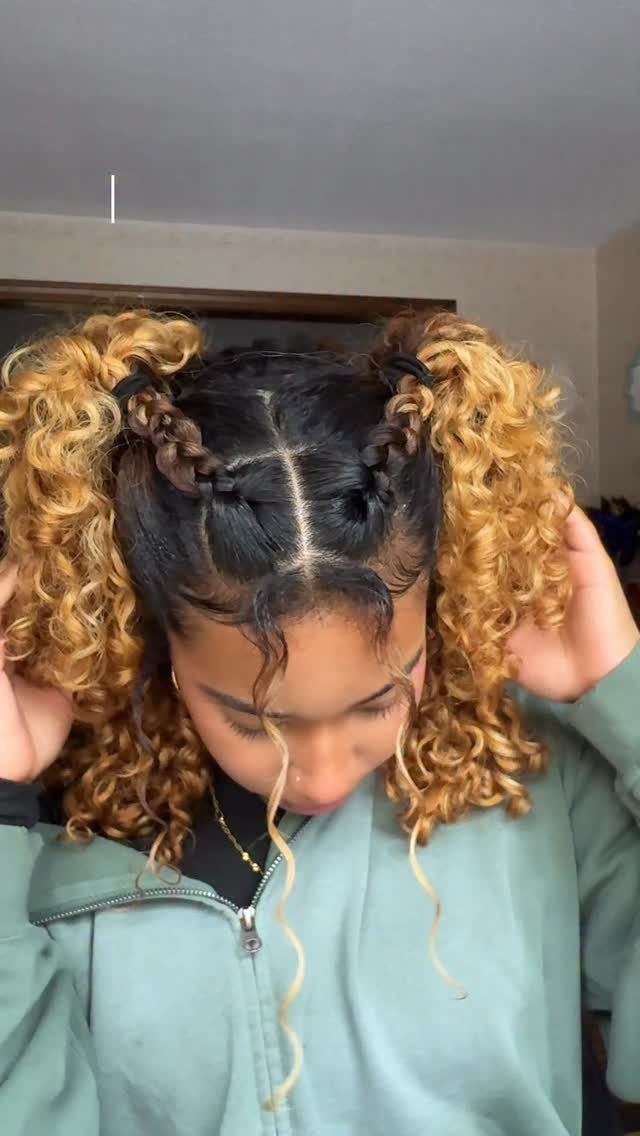
Two ponytails, one on each side, finished with curls: that is the whole idea, and the curls are what make pigtails look styled instead of simple.
Part the hair down the middle so both sides match.
A small braided section near the face is an easy extra to add to curled pigtails, and I would add it: it keeps loose face-framing strands in place and gives the look a little structure.
3. Braids
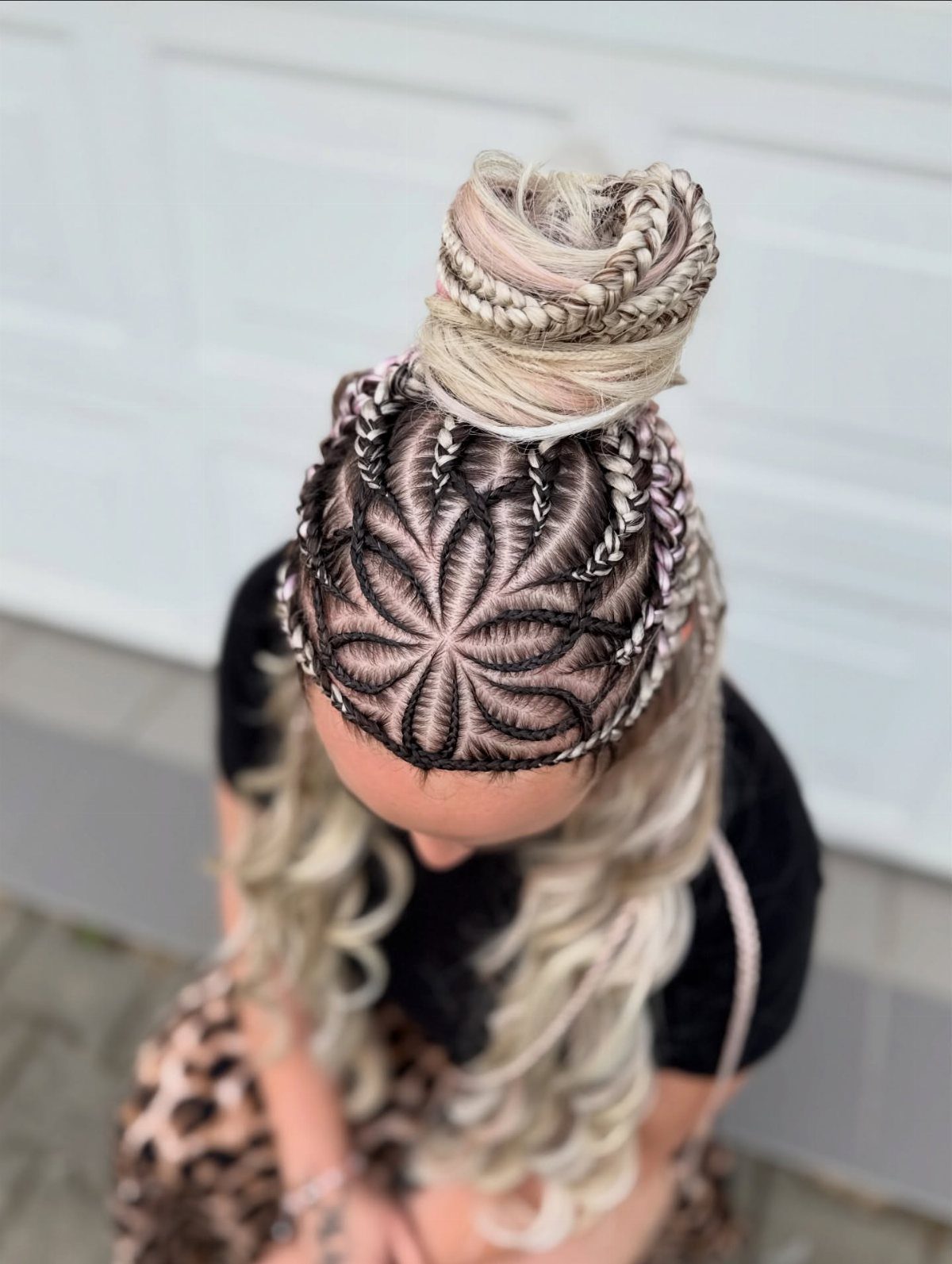
Cornrows can go well past a single plait: laid out in a starburst pattern and running up to a high bun, they turn into a full style.
The pattern is the look, so I would save the photo and take it to a stylist.
For home, a basic braid still counts. Hair interwoven in any arrangement is a braided style.
4. Bun
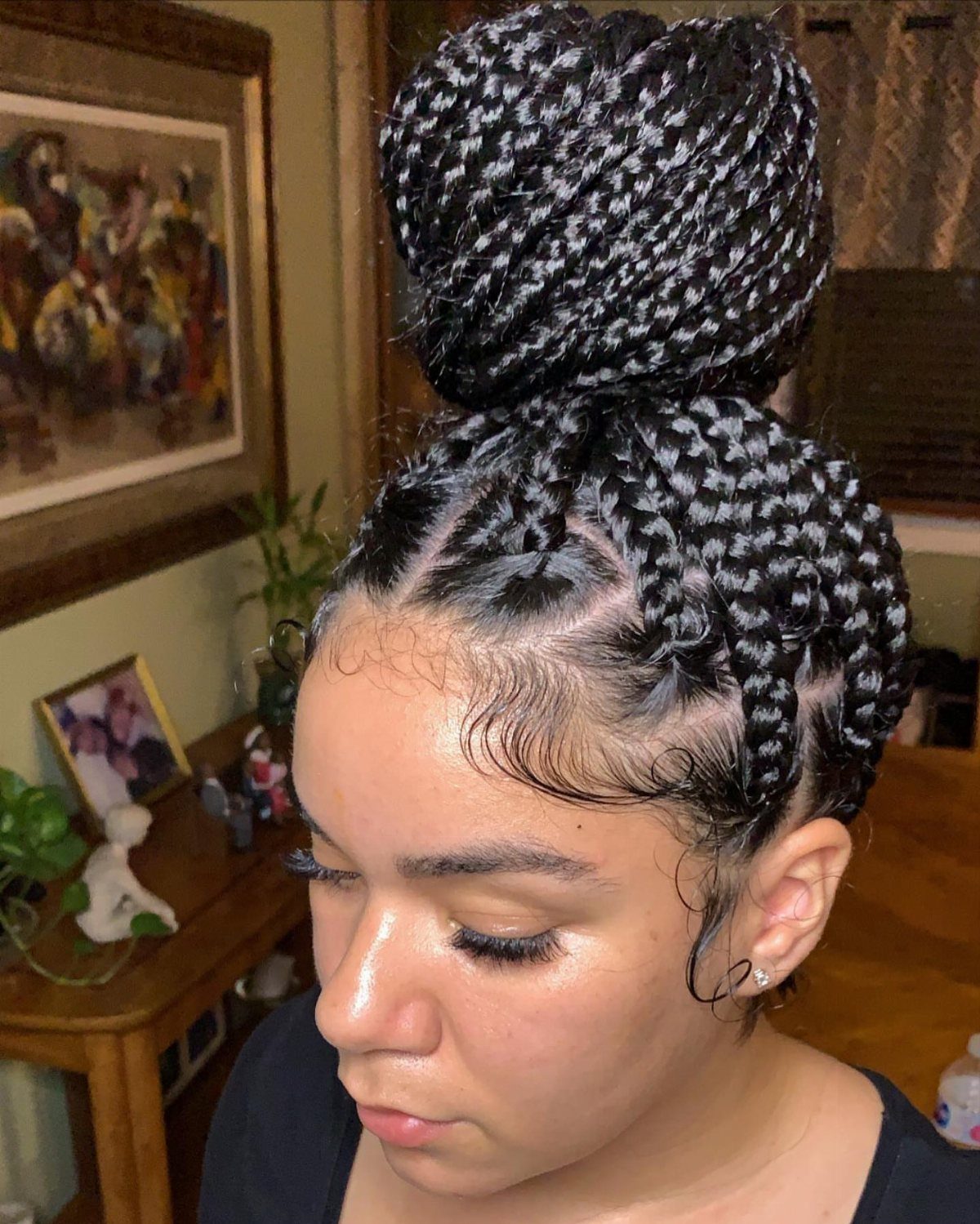
Smooth, messy or braided: a bun covers all three, and I would pick by how much patience the morning allows. A braided high bun with neat, laid edges looks polished because every detail is tidy.
A messy bun skips that effort on purpose, which is its appeal. Choose the finish first, then the height.
5. Curtain Bangs
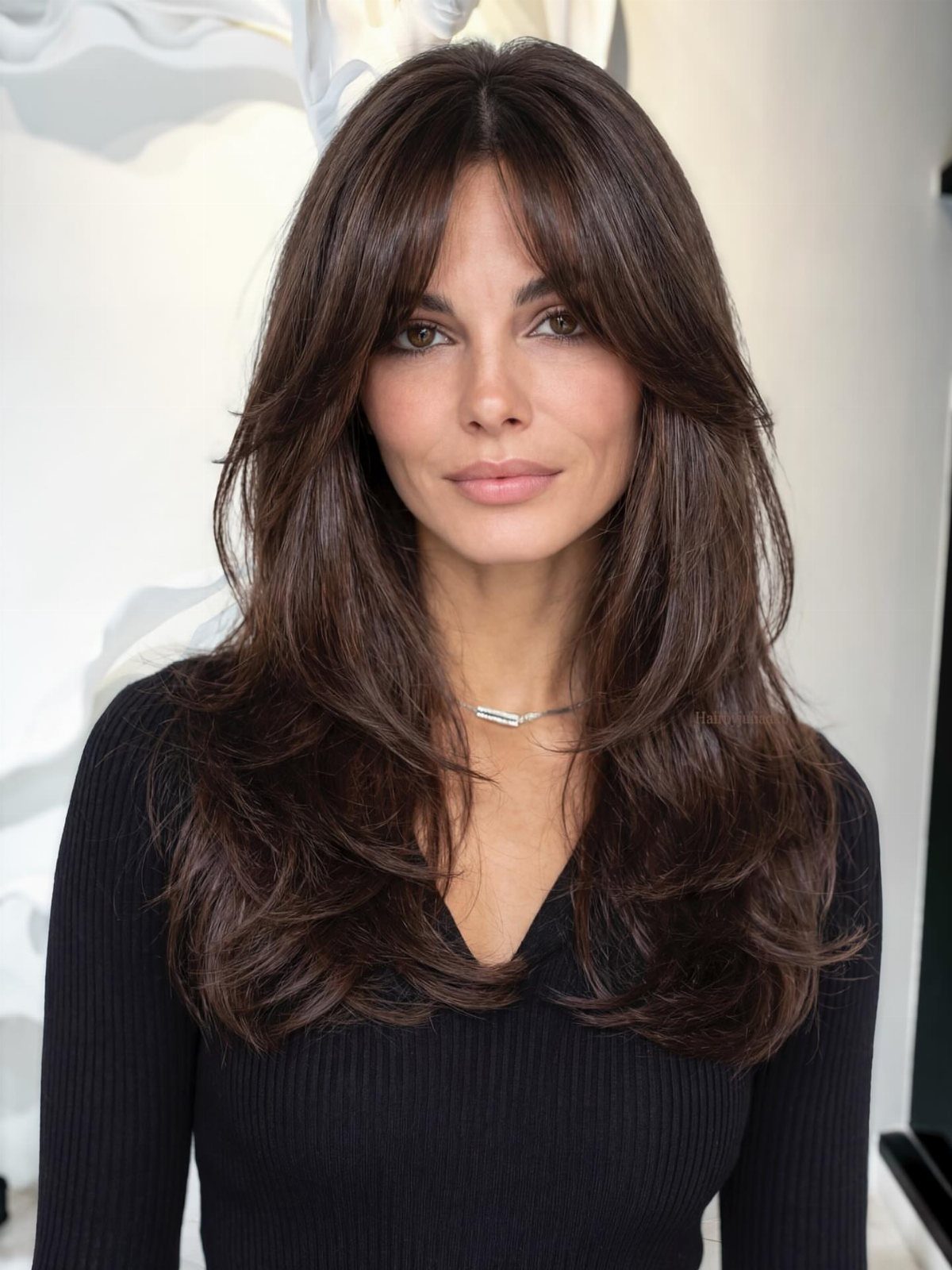
Split down the center and cut to a medium length, curtain bangs fall to each side and frame the face. Curtain bangs suit long, layered hair best, since the layers help the face-framing pieces blend into the length.
If you want them, ask for "curtain bangs" by name and mention the center part. I prefer them with some face-framing layers behind, so the bangs blend into the rest.
6. Peekaboo Bangs
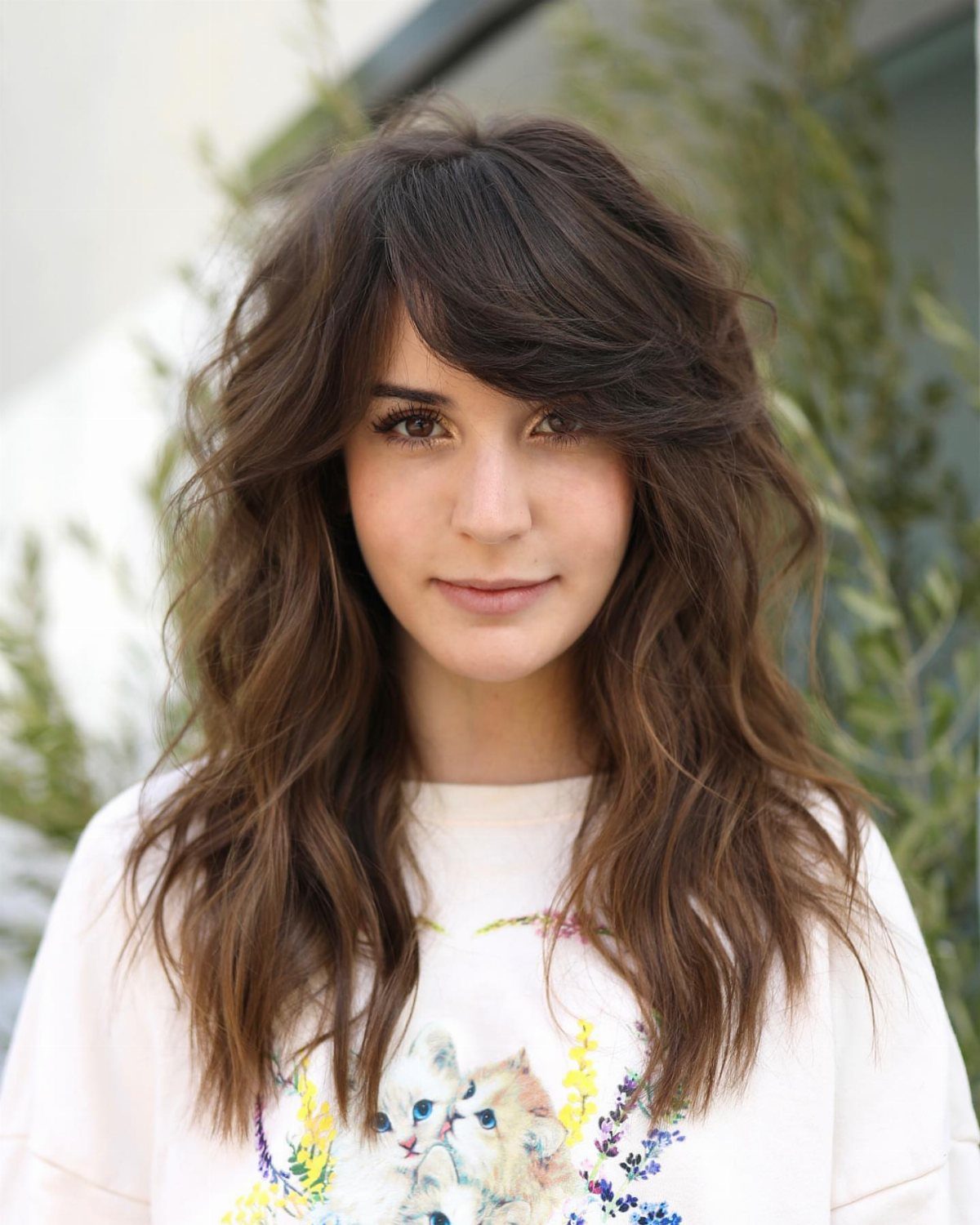
Long enough to sweep over one eye, peekaboo bangs give a partly hidden, side-swept look. Expect them to fall into your line of sight, so a tuck behind the ear or a pin will come in handy.
I would choose them for wavy hair worn long, where the sweep looks relaxed and the shape settles easily.
7. Twisted Side Braid
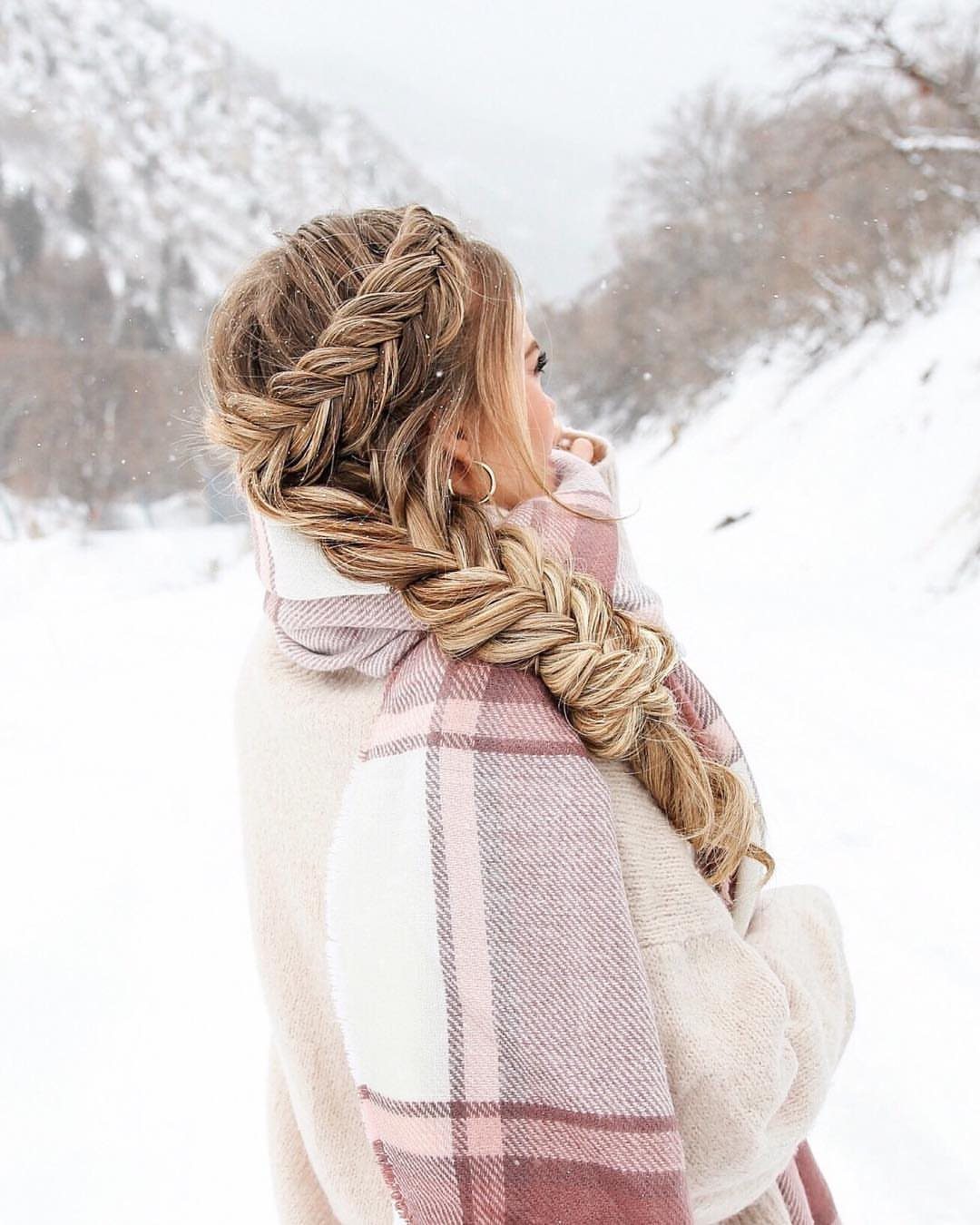
A front twist that melts into a French braid down one side gives you two techniques in a single style. The twist keeps hair off the face, and the braid carries it over the shoulder in a thick, rope-like line.
I would do this on hair that is already a little textured, since slick, freshly washed strands slip out of both the twist and the braid. Start the twist at the front, then pick up hair as you braid down.
8. Bob
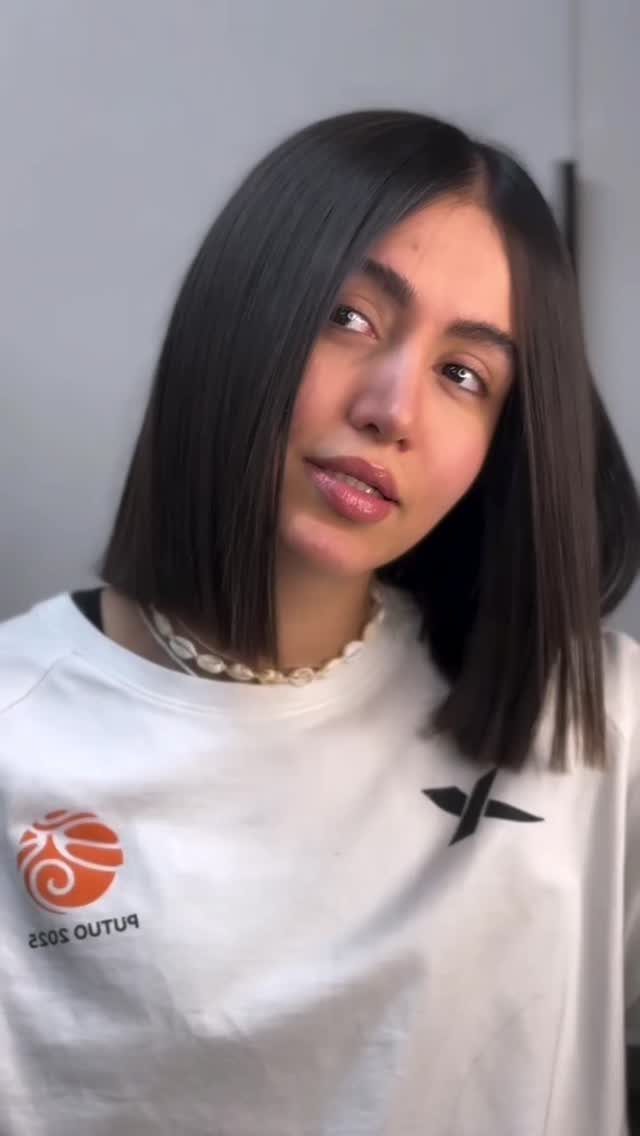
Ending around the chin or jaw, a bob is one of the quickest cuts to live with: no long hair to wrangle, and a sleek finish takes minutes.
A center part gives a bob a clean, balanced line, and it works best on hair with a fairly even density on both sides.
Ask your stylist where exactly the length should land, chin or jaw, because an inch changes how the cut sits. I would pick this if you want short hair that still looks polished.
9. Blunt Cut
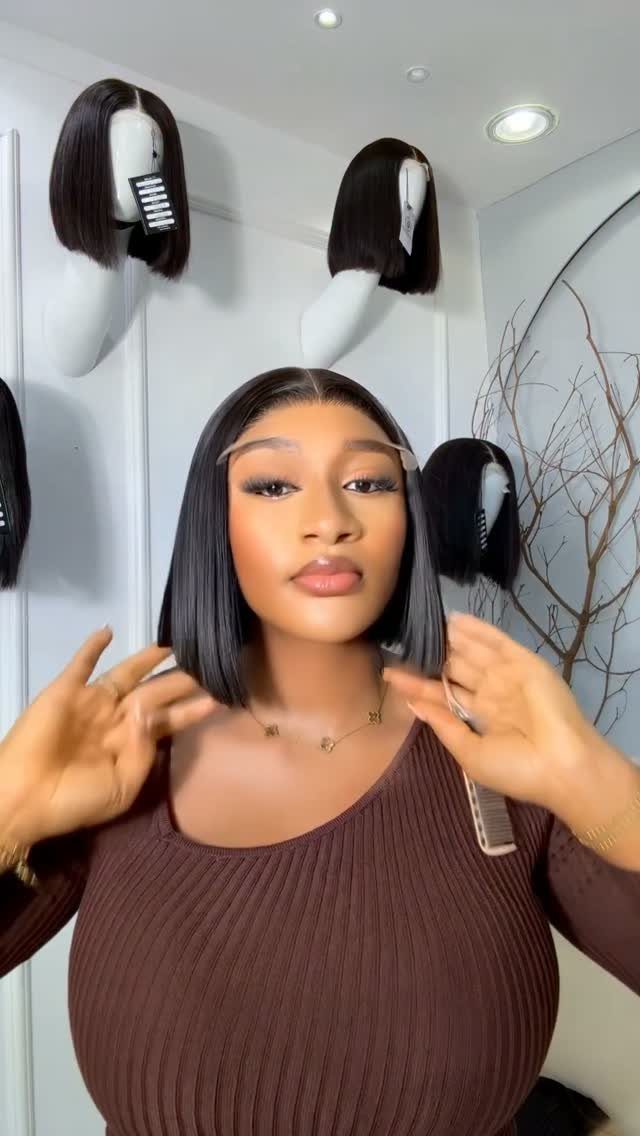
Every strand on a blunt cut is trimmed to one straight line, so the bottom edge looks thick and sleek. Straight hair shows that line best.
Say "blunt cut" to your stylist and ask for no layering or thinning at the ends.
I would keep it smooth with a flat iron or a quick blow-dry, since frizz breaks up the sharp edge that makes the style work.
10. Long Bob
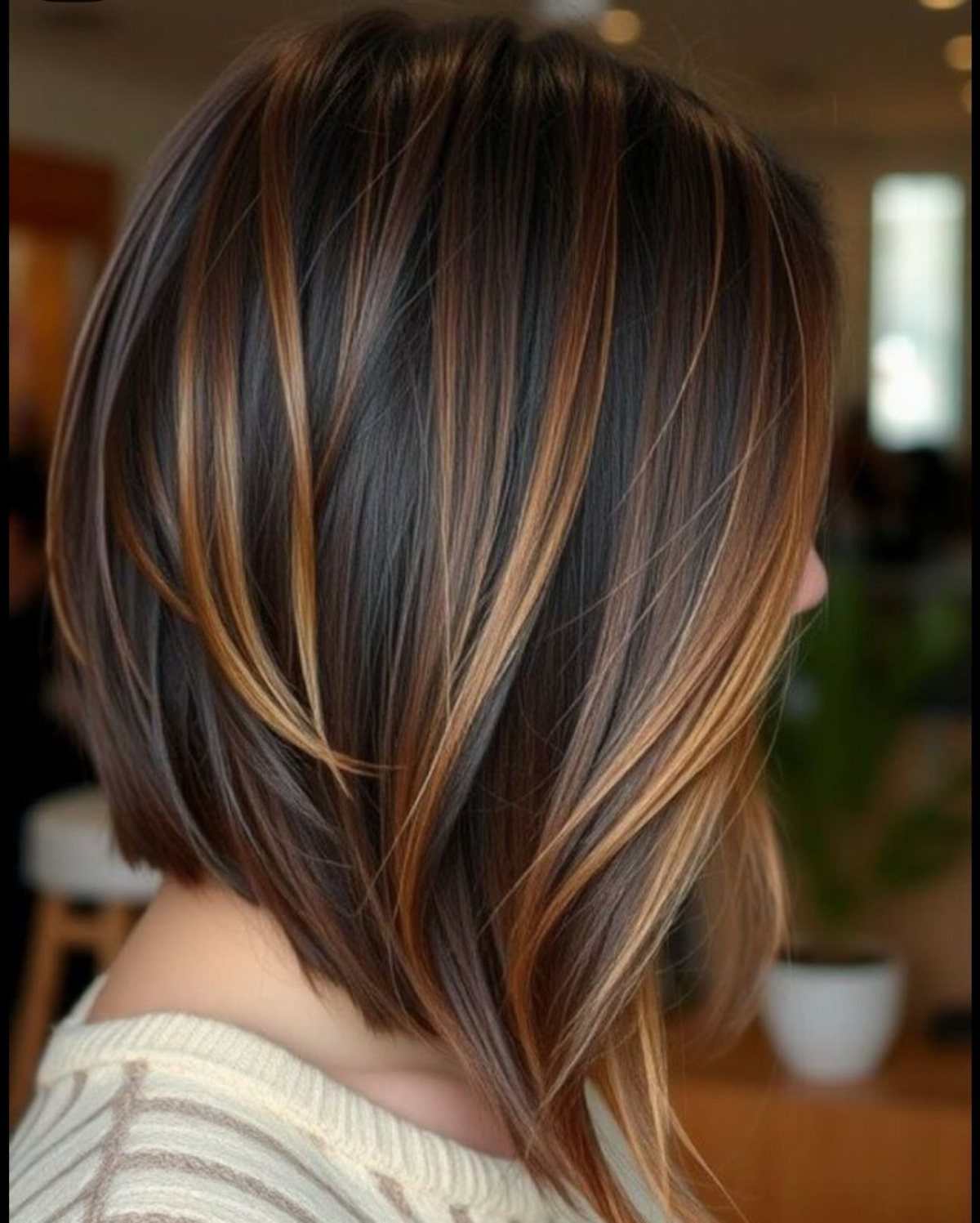
Landing between the shoulders and collarbone, a long bob is the cut I suggest to anyone unsure about going short. You keep enough length for a low ponytail and gain a shape that holds without much effort.
Light layers add movement to a long bob, and highlights show up well at this length, especially caramel pieces on dark hair. Ask for the length by name, and point to your collarbone so there is no guessing.
11. Shag Cut
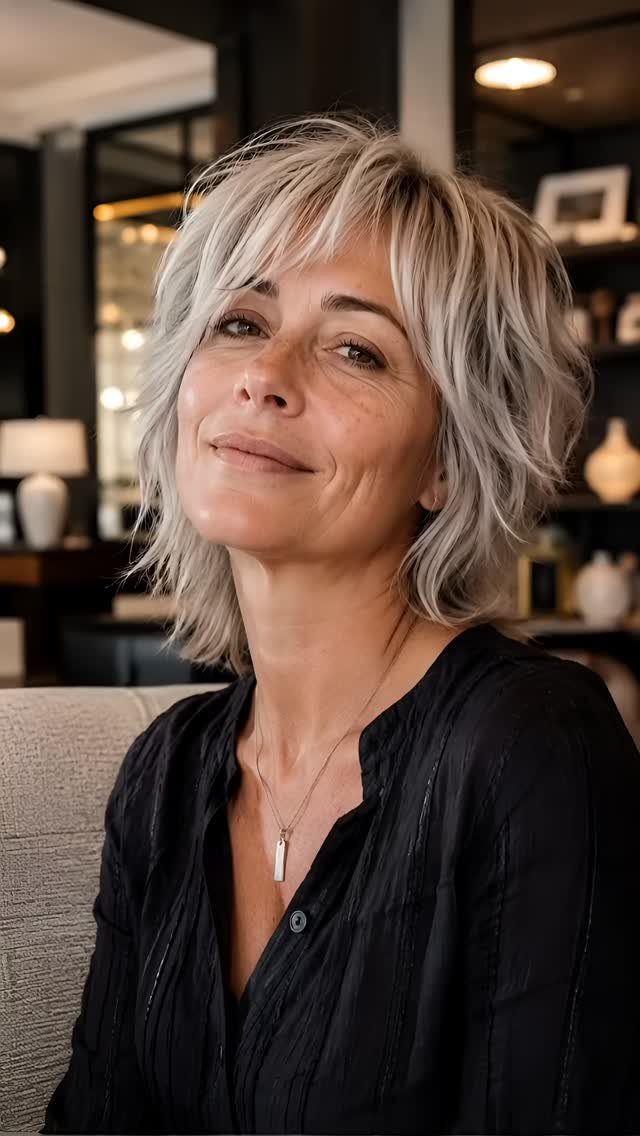
A shag runs on volume at the crown and ends cut short and uneven on purpose. The layers do the styling for you, so the cut looks lived-in even on a lazy morning.
Bring a photo, because "shag" means different things to different stylists, and ask about crown layers by name.
I like a short, choppy version on lighter hair, where the texture is easy to see. Expect to visit the salon for regular trims to keep the layers from growing shapeless.
12. Blunt Bangs
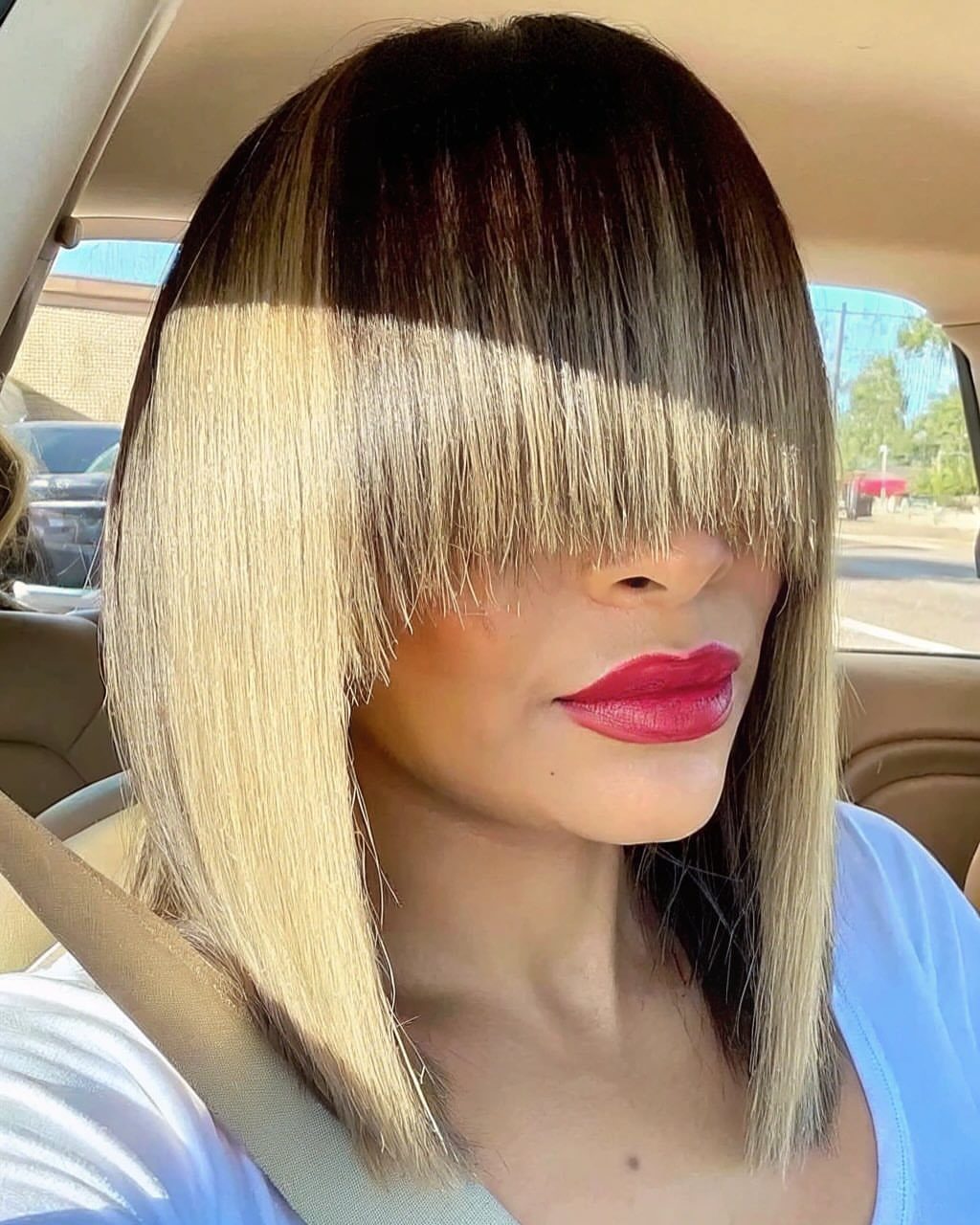
Cut straight across, blunt bangs make a hard horizontal line that frames the face and puts attention on the eyes. They look best on straight hair, where nothing disturbs the edge.
Because the line is so exact, I would book trims often instead of cutting them at home.
They also sit heavy on the forehead, so expect to restyle them when they curl or split. Ask for "blunt bangs" by name.
13. Half-Up Half-Down
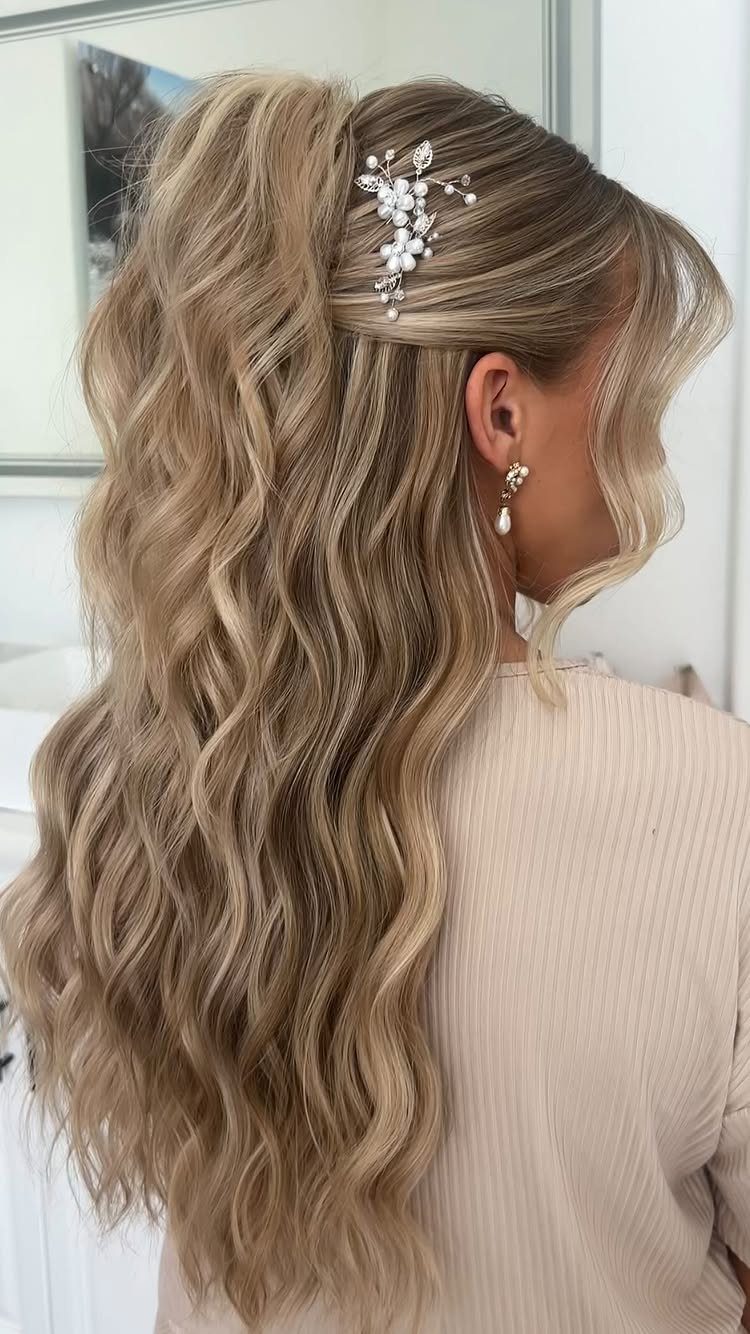
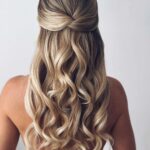
Pulling just the top section back and leaving the rest loose gives you a style that keeps hair off the face without putting it all up.
A clip does the holding, and a sparkly floral one turns a plain hair tie into the focal point.
I would pair it with long, loose waves, since the pinned section and the free length then read as one soft shape. Pick the clip first, then decide how much hair it gathers.
14. Beach Waves
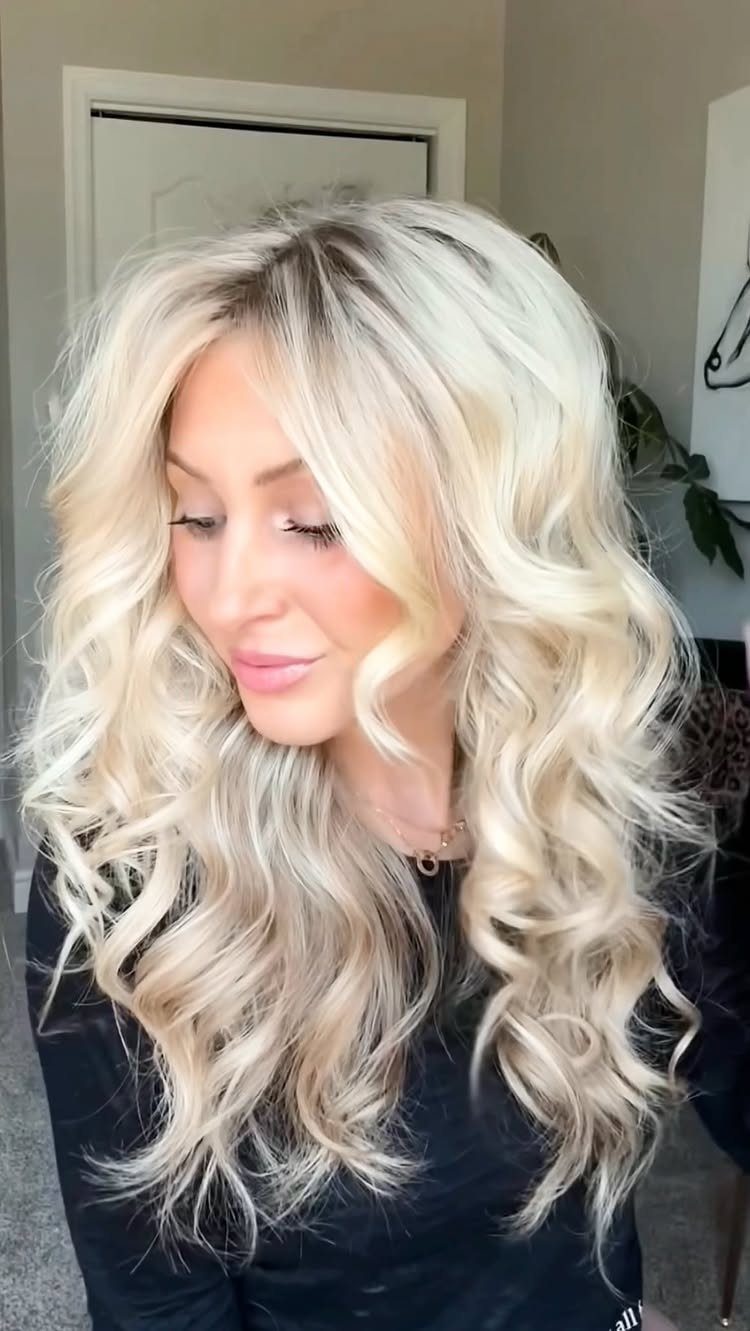
Beach waves should look a little undone, so perfectly even curls miss the point. Loose, tousled bends with uneven ends are what you want, the kind of texture hair has after a day by the water.
I like them on long hair, where the waves have room to move.
15. Pixie Cut
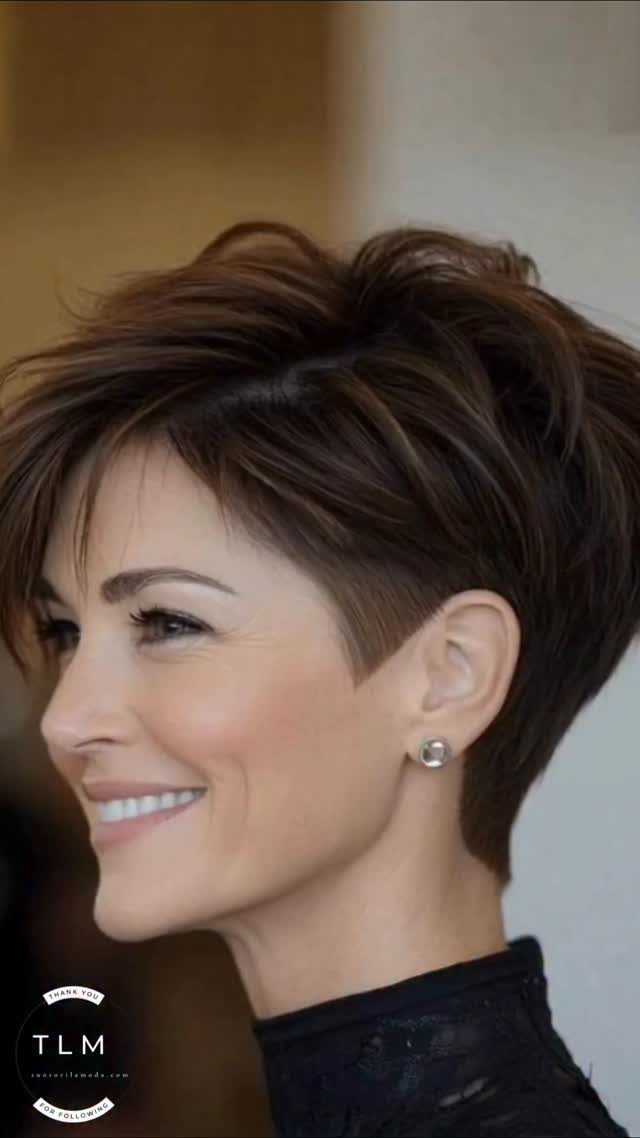
Sitting above the ears and the nape, a pixie cut is about as short as a layered cut goes. Tapered sides and swept-back ends give it an angular shape, and a dark color shows that shape clearly.
Say "pixie cut" and bring a photo, because the exact length at the ears and neckline changes the whole look. I would choose this if you are ready to commit to short hair and want layers doing the work.
16. Brushed-Out Waves
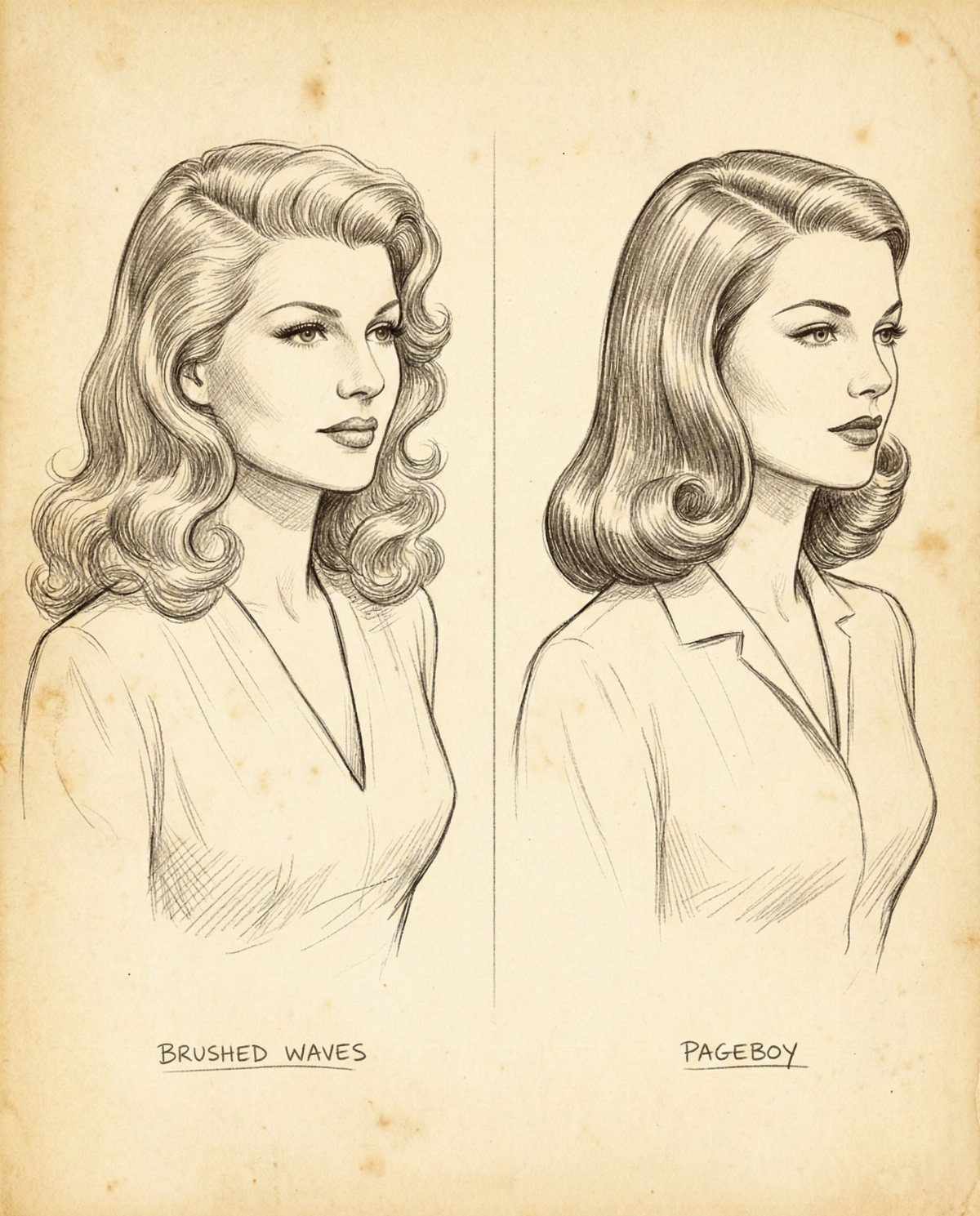
Brushing waves out softens each curl into one fluid, feminine outline. Brushed-out waves pair well with a pageboy bob, since the overall silhouette matters more than any single curl.
Ask for "brushed waves" and bring a picture like this one, since the name is older than most salon menus. I prefer the brushed version over a defined curl when I want something gentle around the face.
A style that is still as stunning now as it was then, finger waves was a heavily styled look (shown here on actress Alice Day) that gave softness to sharp, crisp bob haircuts.
17. Marcel Wave
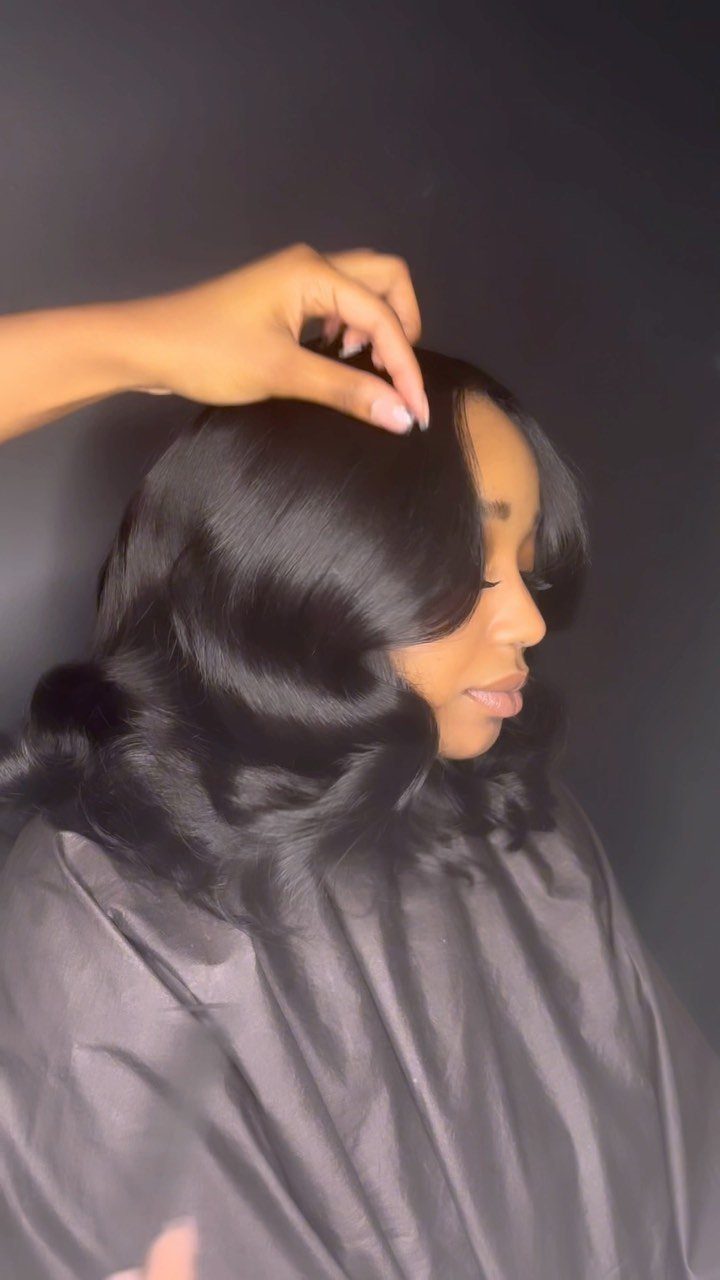
Hot curling tongs shape a marcel wave into deep, defined ridges with a sculpted, glossy finish. Each wave is set by hand, so the result looks deliberate in a way loose curls do not.
I would book this with a stylist who knows the technique by name, and ask for "marcel waves" so there is no confusion with a standard curl.
At home, a regular curling iron gives you something nearby, but not the same crisp depth.
18. Deep Side Part
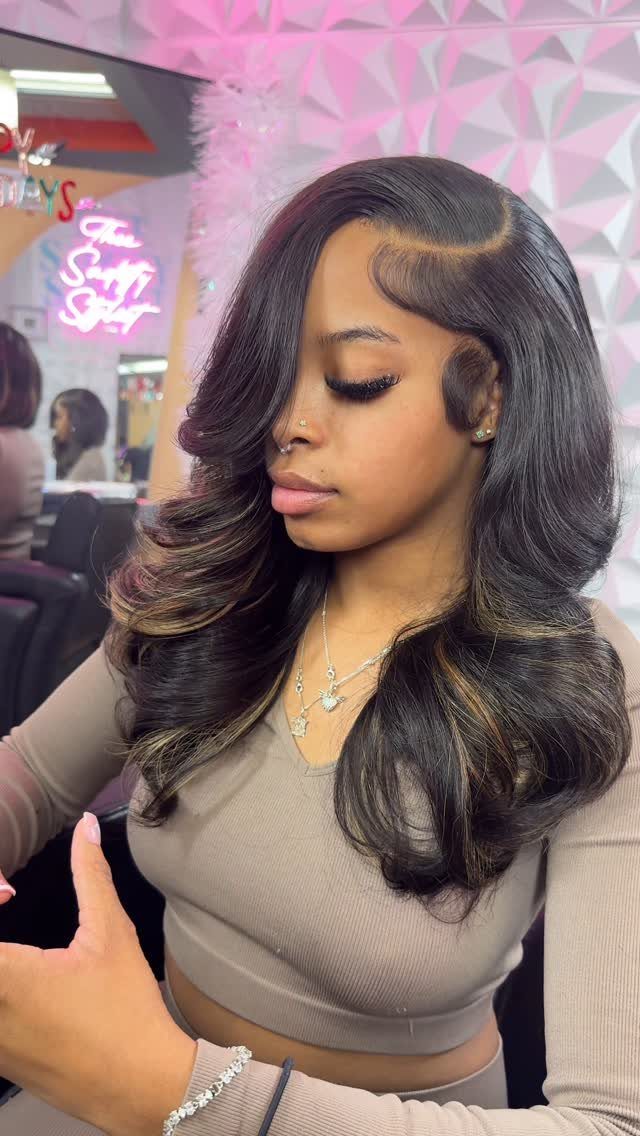
Parting hair far off center puts most of it on one side and leaves a dramatic sweep across the forehead. A deep side part needs no cut, only a comb and a decision about which side.
It looks especially good over curls and waves, where the volume on the heavy side shows. I would ask a stylist to find your natural part first, then push it deeper from there.
19. Updo with Flowers
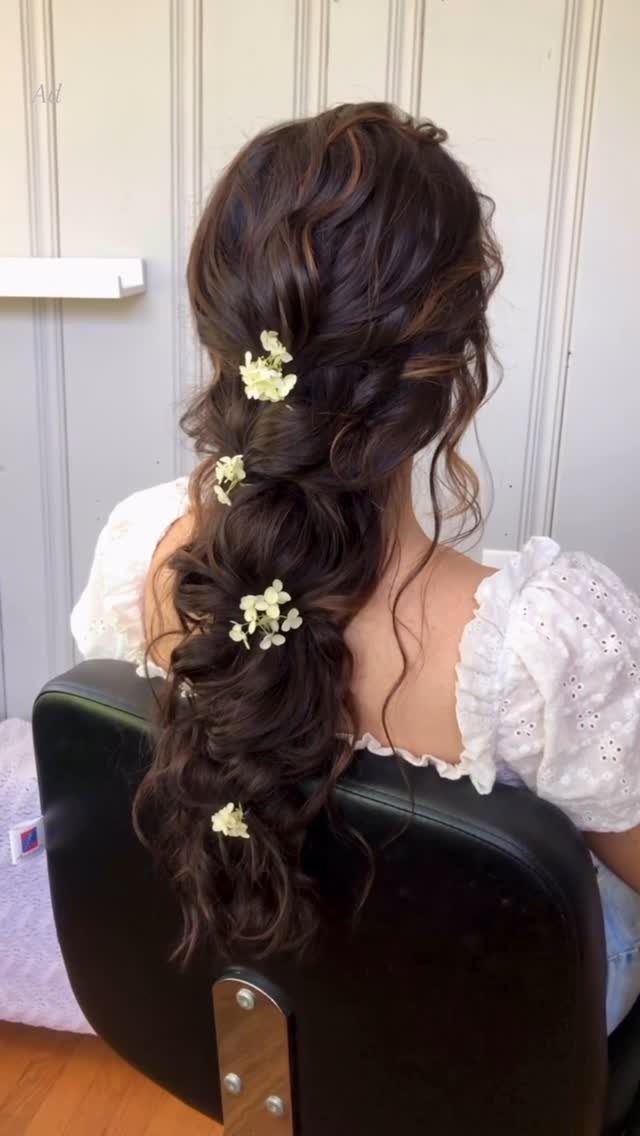
Small white flowers worked into a dark, twisted updo give the style its charm, and the loose curls trailing below soften the pinned-up shape.
I would keep the flowers small and spaced along the twist so the twist stays the main shape. Bring the flowers to your stylist, or a photo of where you want them, so they get placed on purpose.
20. Short Curly Cut
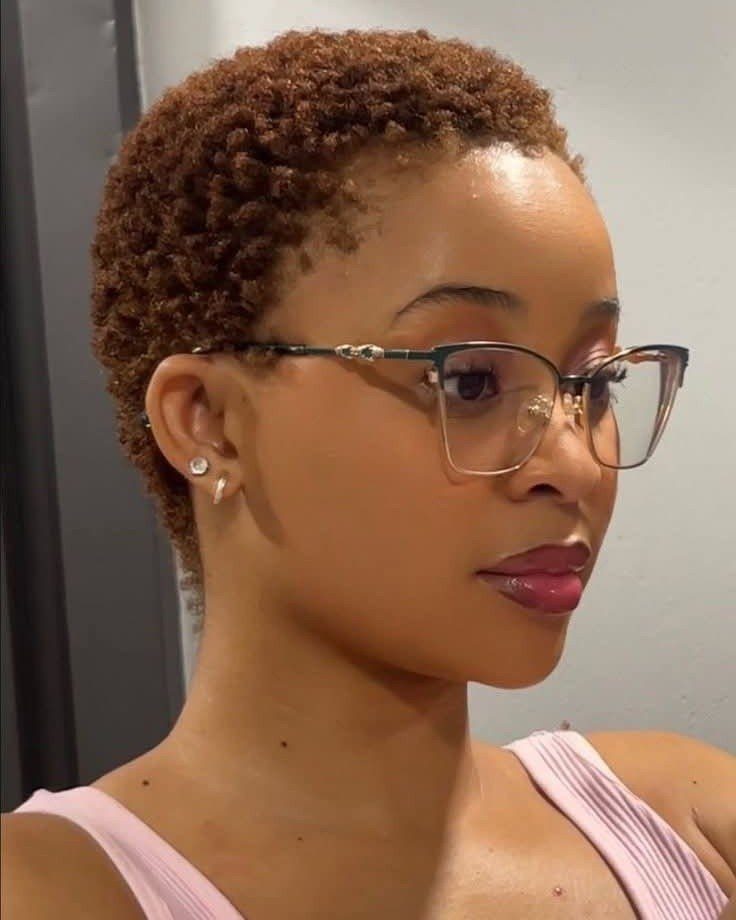
Short, tightly curled hair sits close to the head in a compact, rounded shape, and that outline is the whole style. Reddish-brown color makes each curl easy to see.
Find a stylist who cuts curls and bring a photo, because the round shape comes from how the curls are trimmed. I like how this length leaves the face open and gives glasses a clean frame.
21. Curly Undercut
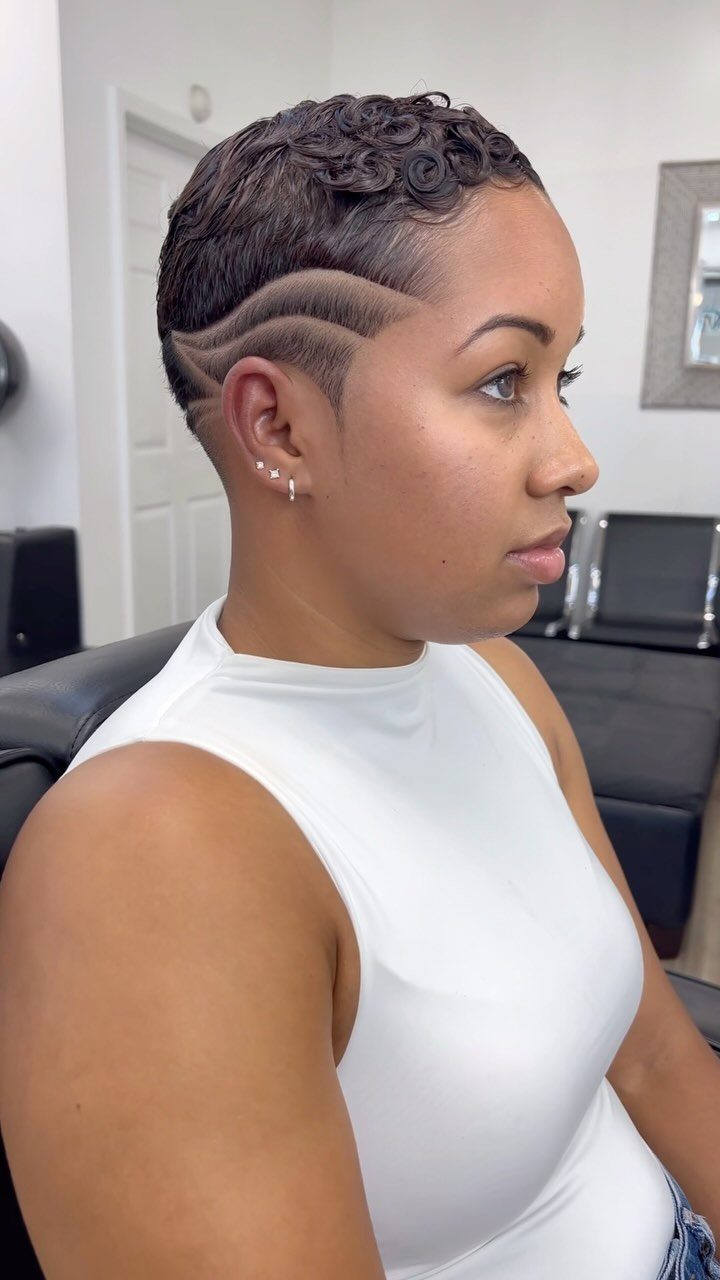
On a curly undercut, the contrast does the work: tight curls stay on top while the sides are shaved short, with curved lines cut in as a design.
The lines are the part to be specific about. Bring a photo of the curve you want, since a stylist can’t guess a custom pattern from a name.
22. Headband Curls
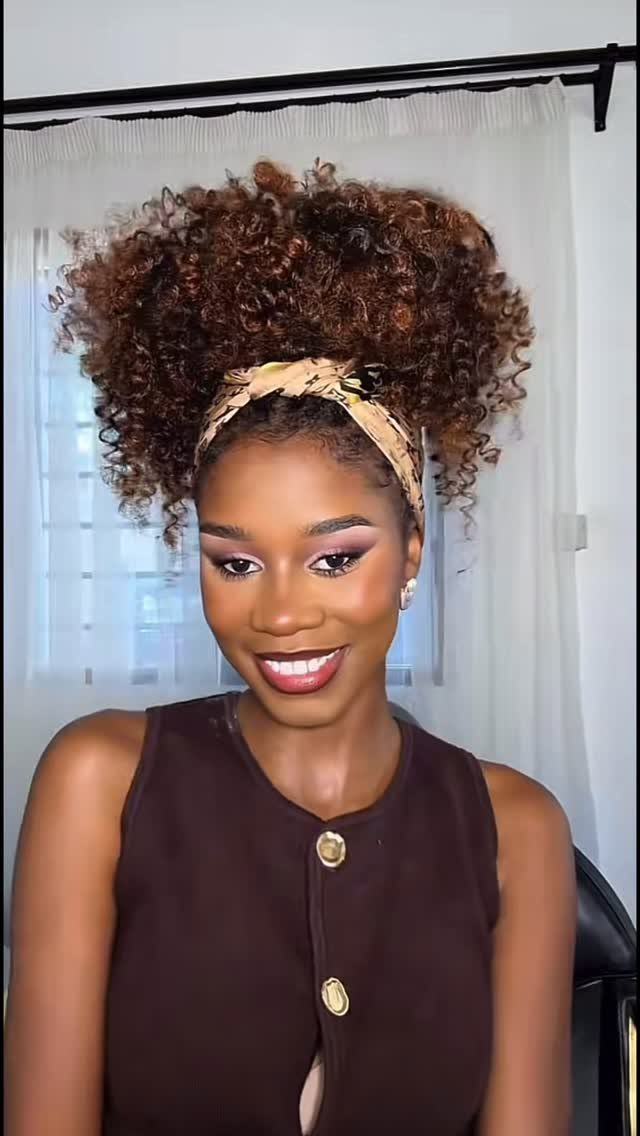
Full, voluminous curls with a patterned headband across the top: the band holds hair off the face while the volume stays untouched.
I would choose a headband in a soft neutral, like the beige pattern here, so it stands out against reddish-brown hair without competing with it. Slide it on after styling, then let the curls fall around it.
23. Long Layered Color
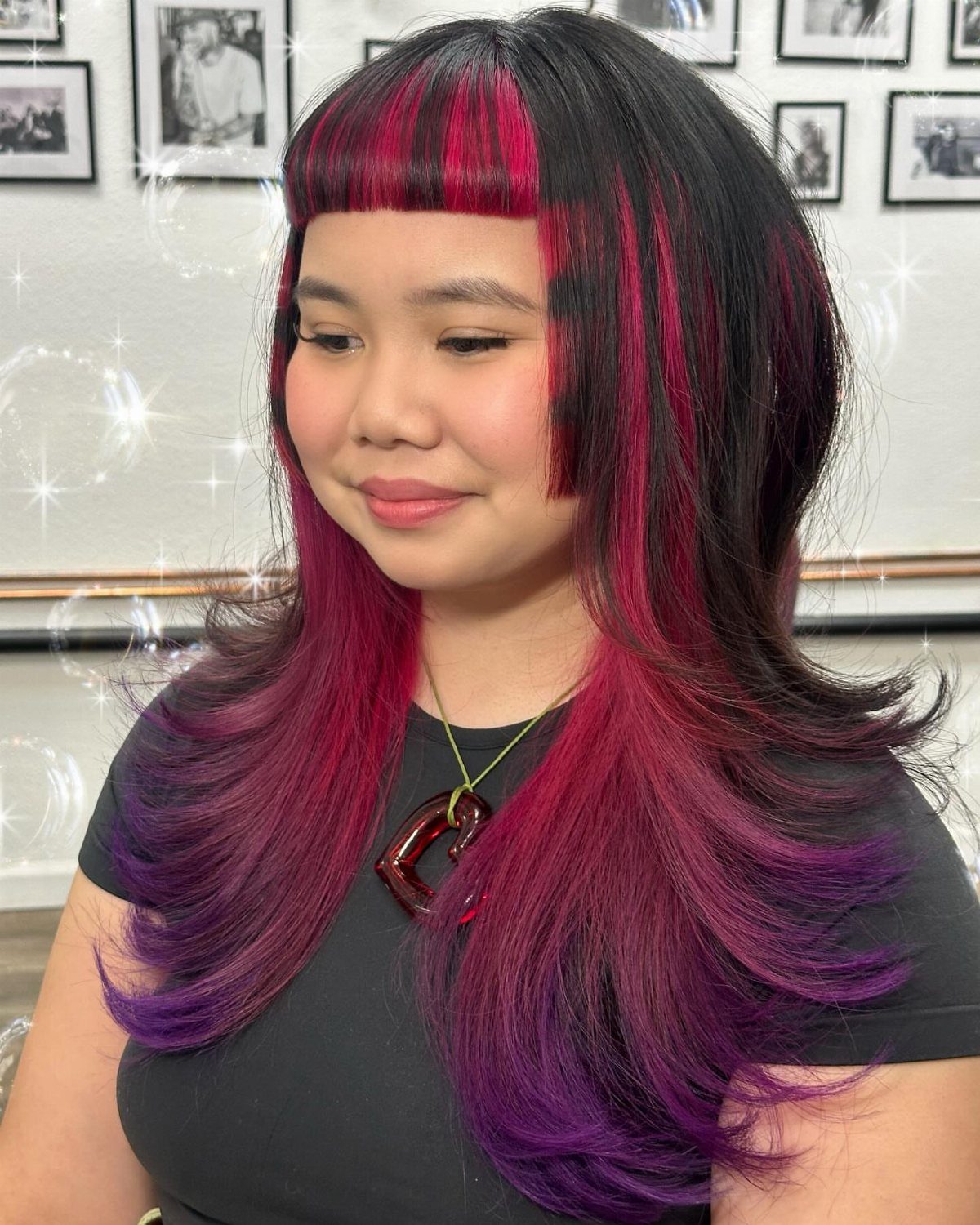
Magenta and purple streaks run through long, layered black hair, and short straight bangs add a sharp line across the front.
Bring a photo to the salon, because magenta and purple each come in many shades.
I would ask for the color in streaks rather than all over, so the black base keeps the layers visible. Mention the bangs length at the same visit.
Frequently Asked Questions
What is the most popular hairstyle for women right now?
The layered cut comes first at 27% in a survey of 2,748 women, followed by the ponytail at 21% and the bob at 16%.
Pixie cuts take 14%, then long bobs at 5%, shags at 4%, and beach waves and blunt cuts at 3% each. Layers lead even though the cut dates back to the 70s, which says a lot about how well it wears.
How do I know which hairstyle suits me?
Start with your face shape and bone structure, then shortlist styles that work with them. A square face, for example, tends to look good with side-swept bangs or long waves and curls, since both soften the jawline.
Once you have two or three options, save photos and bring them to a stylist, who can judge them against your actual hair.
What makes a bob so popular?
Because a bob ends at the chin or jaw, there is little hair to manage, and a polished finish goes fast. It also became a symbol of independence for women, and it can be tailored to your face shape.
What makes a ponytail so popular?
A ponytail adapts to nearly any situation, from a suit to sports shoes to an evening dress, and a high one suits every face shape.
Swap in a scrunchie, clip or ribbon, or wrap a small strand around the elastic, and the same ponytail looks like a different style.