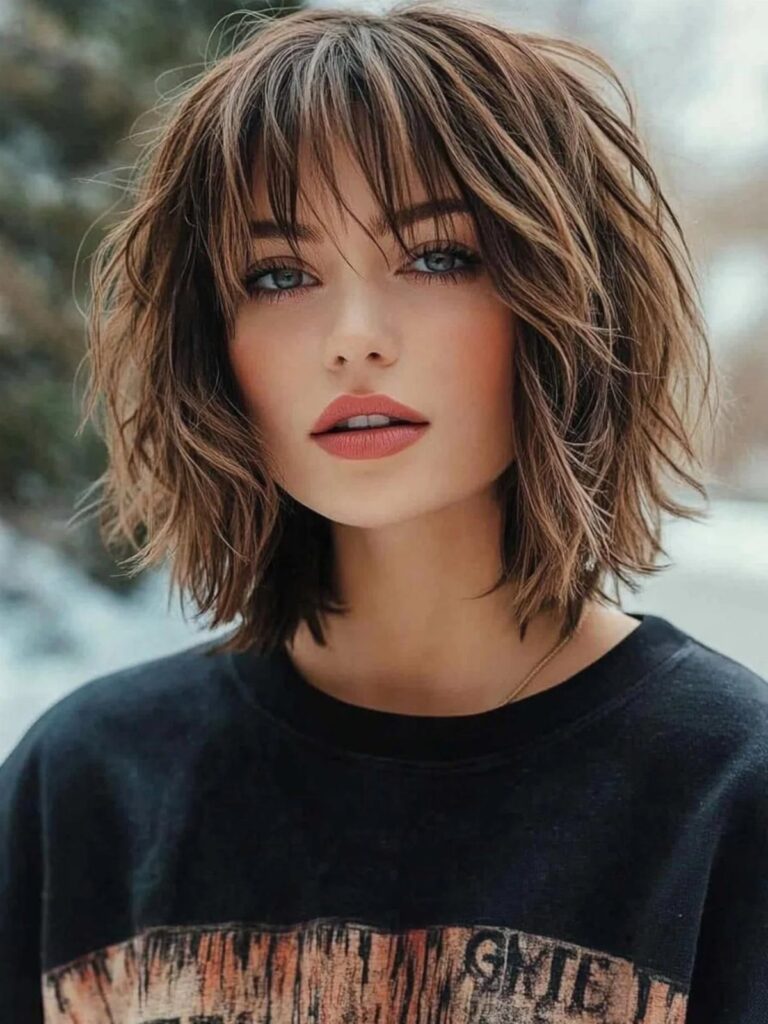
Hair length decides this list more than anything else: the cuts run from an ear-length bob and a blunt pixie to box braids that hang well past the shoulders, and each one asks for a different kind of commitment.
Pick based on how many minutes you’ll give your hair each morning and how often you’ll sit in a salon chair, then let the shape and shade follow from there.
1. Tousled Wavy Bob
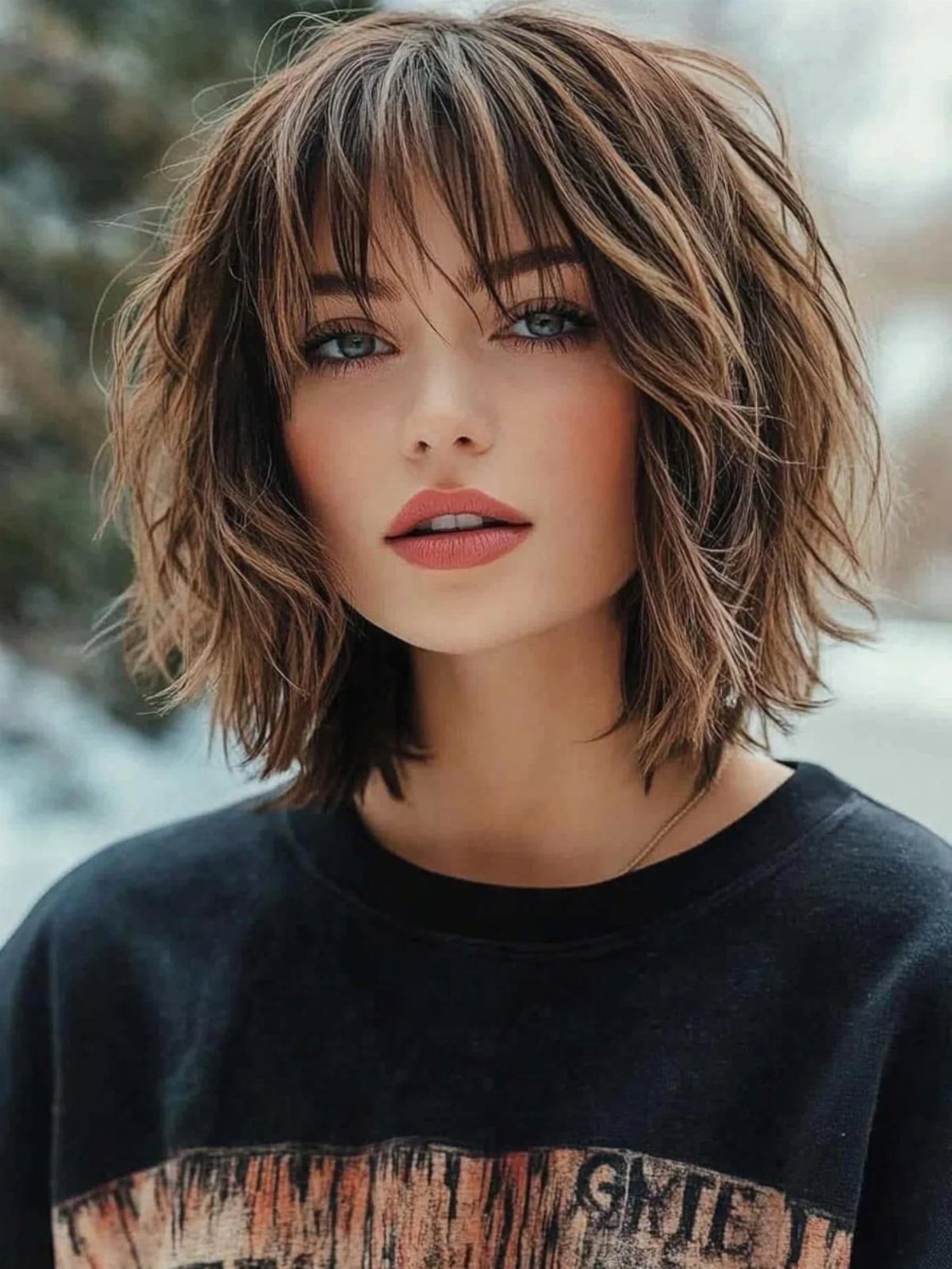
Dark brown looks richer with a bob this textured, because the waves and the long bangs catch light at different angles. The cut sits at a length where messy waves read as intentional instead of unfinished.
Ask for a bob with some texture through the ends, and tell the stylist you want the bangs long enough to sweep to the side.
I like this one for teens who want a cut that looks fine with minimal effort.
2. Long Layered Hair
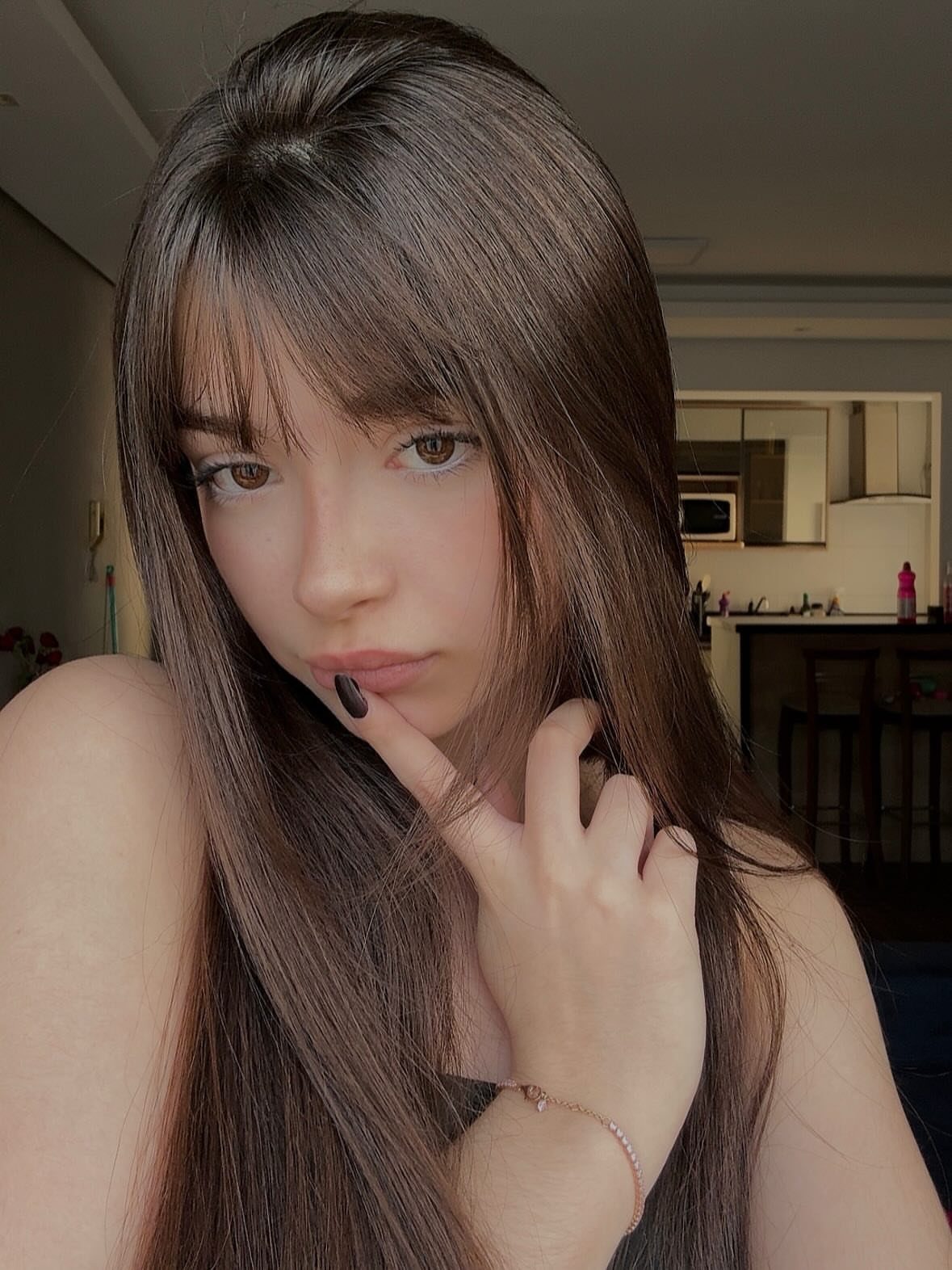
Layers are the easiest way to give long hair some life without losing the length. Face-framing pieces around the bangs soften the look and keep hair from hanging in one flat sheet.
When you show this to a stylist, ask for layers that start around the chin or below, so the cut stays long and doesn’t turn choppy.
Straight hair makes the layering easy to see, so it suits anyone after shape without much styling effort.
3. Shag Haircut
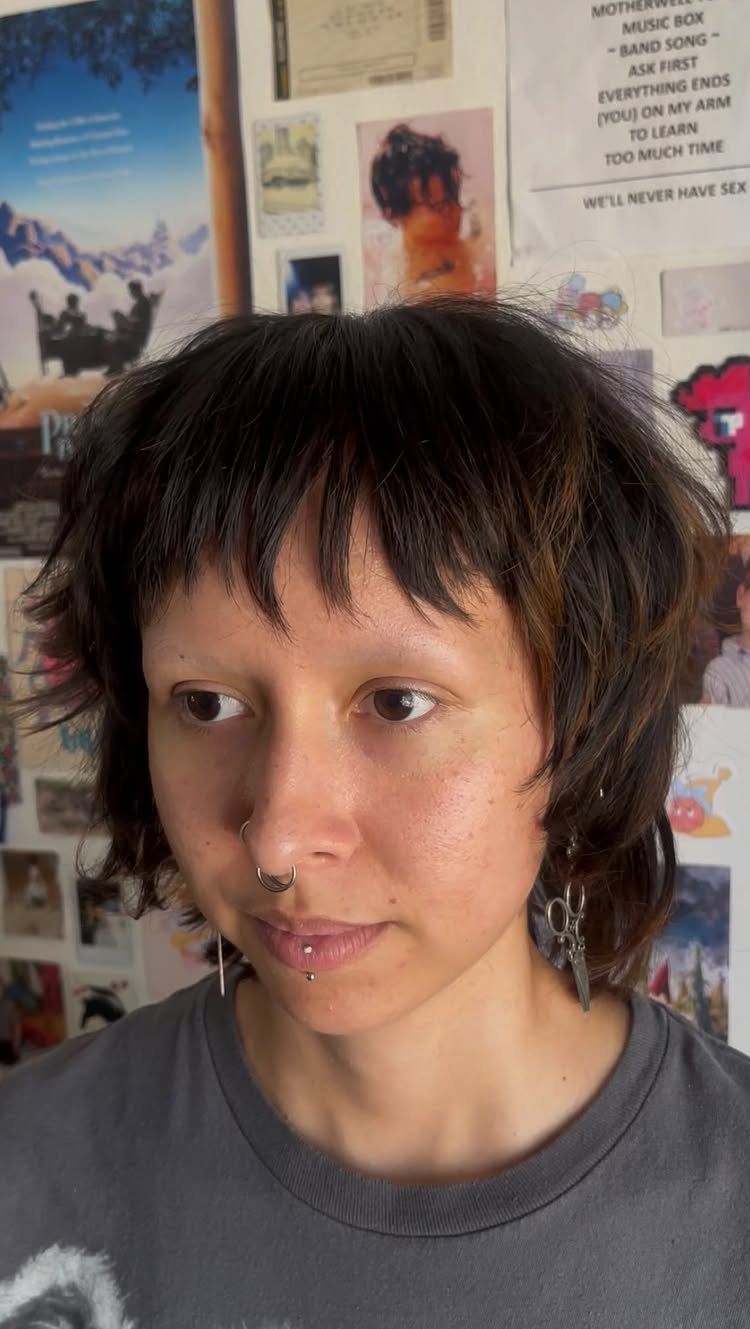
Choppy, wispy, and a little undone: a shag works because nothing about it needs to be perfect. The short layers add bounce, and the wispy bangs melt into them rather than reading as a separate block.
Name the shag outright and carry a reference picture, since every stylist cuts it a little differently. I’d pick it for a teen who likes a cut with attitude and wants movement more than polish.
4. Long Side Braid
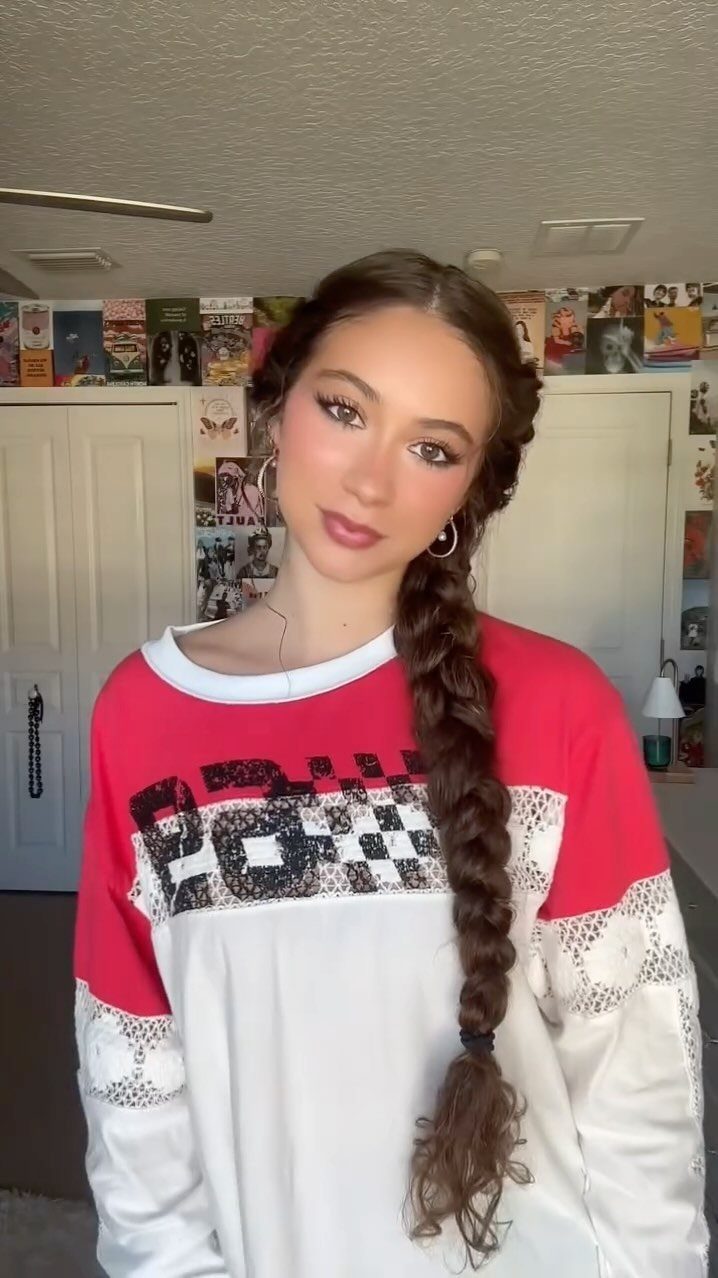
A long braid over one shoulder is about the simplest way to get hair off your face and still look put together.
Keep the finish loose, with a few pieces left out near the front, and it feels relaxed rather than strict.
Braid low, fasten the end with a clear elastic, and give the sides a light tug so the plait spreads wider. It suits school mornings, practice, or any day when you want one clean look and no further decisions.
5. Layered Bob
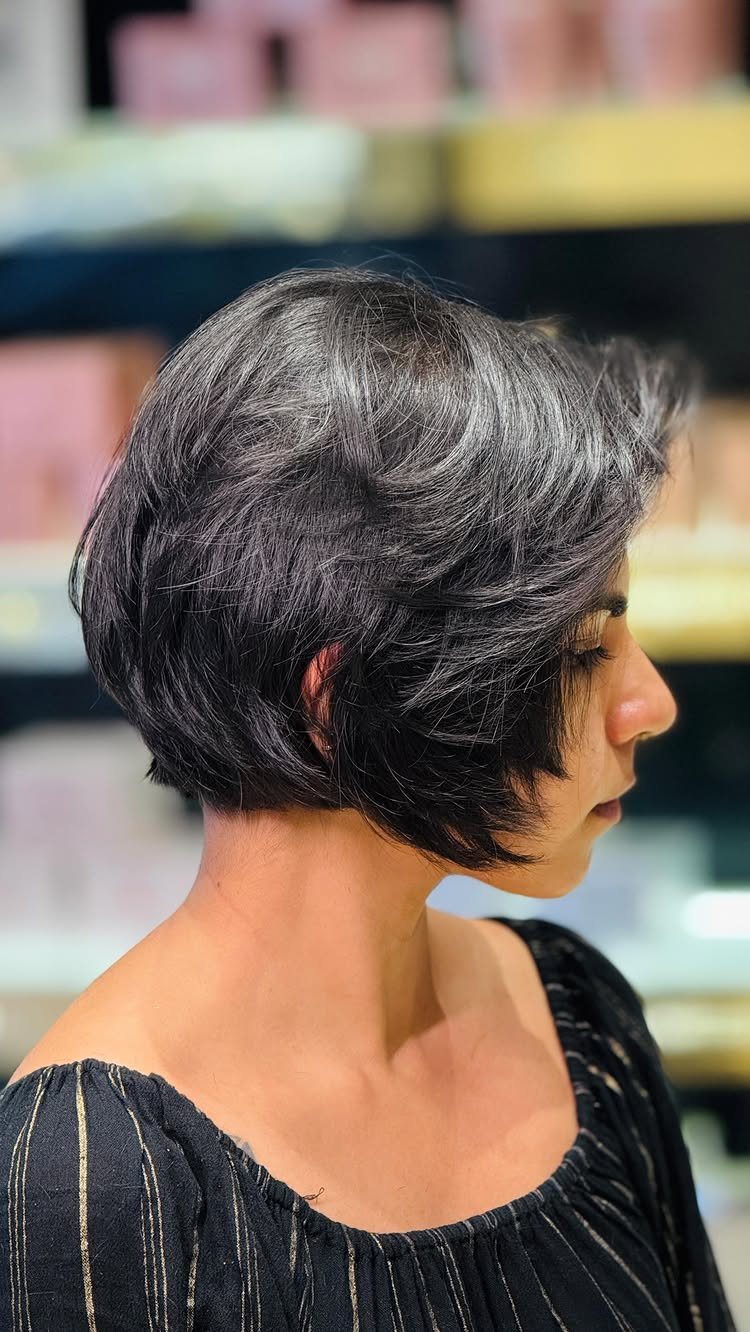
Finely trimmed, layered edges are what make a bob like this look sharp rather than heavy. The wispy ends curve inward along the cheeks and jaw, adding shape without adding any length.
Request fine layering through the ends with a clean outline, and tell the stylist the sleek finish should stay. I like it best on straight or smooth hair, where the cut does most of the work and styling stays short.
6. Sleek Long Layers
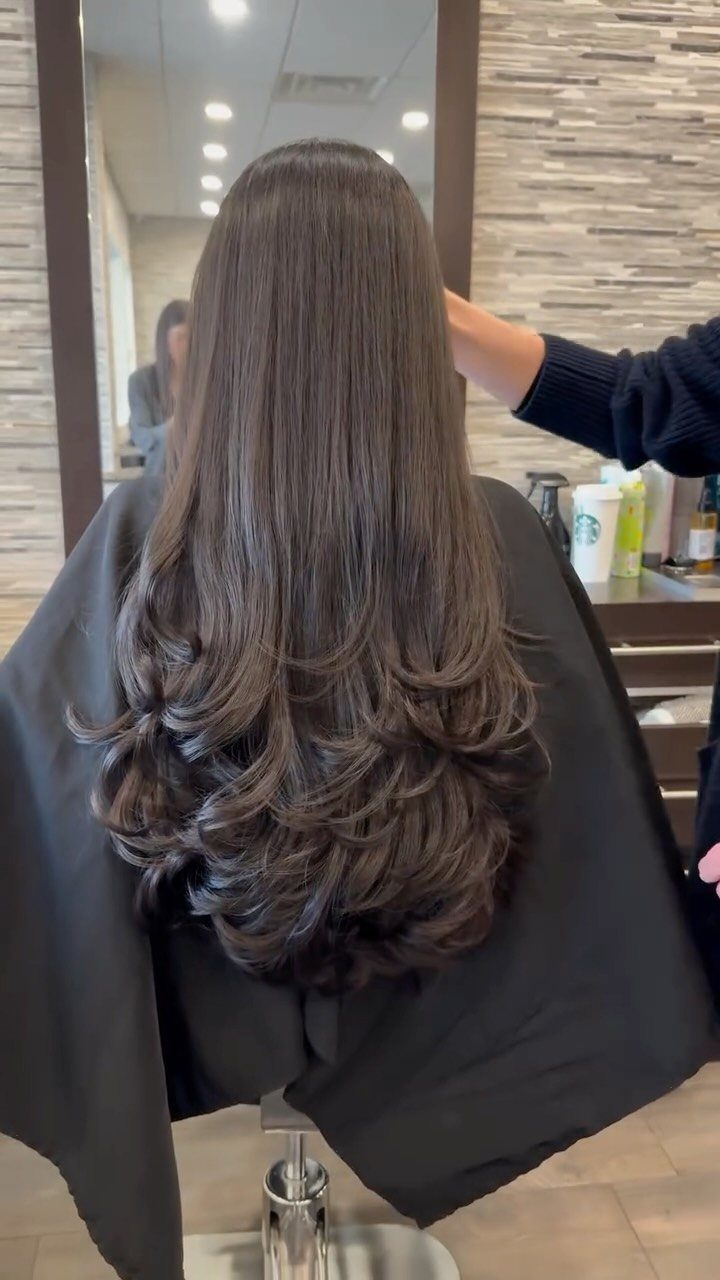
2 layers, no more: that’s what keeps long hair looking smooth on top while the ends still move. Cut this way, the length stays full and the shape doesn’t turn wispy.
For the styled finish, smooth the upper section sleek and curl only the ends so they feather out softly. Just 2 layers will protect the most length, so request that number up front.
7. Shaggy Bob
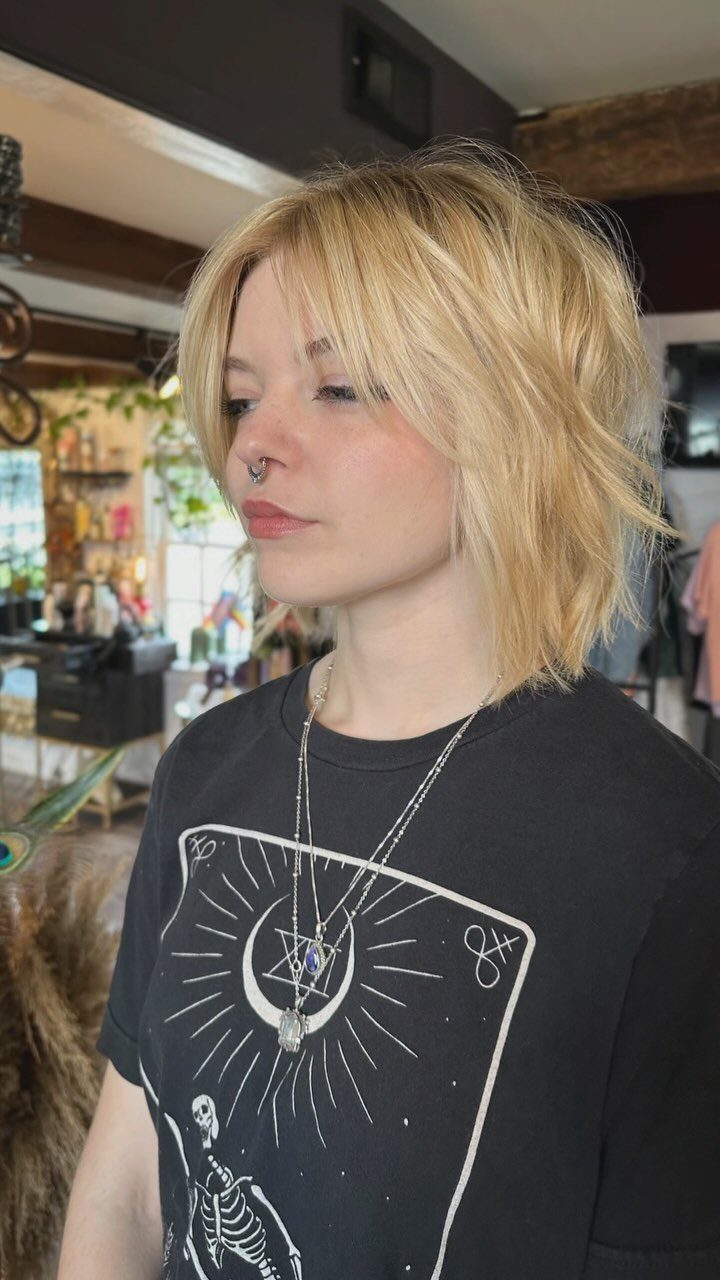
Stacked, choppy layers give this blonde bob its shape, and the tousled ends keep it from looking boxy. Short hair with this much texture can look a little wild, and that’s the appeal.
Ask for a shaggy bob by name, and show your stylist a saved picture too, since "layers" alone can mean very different things from one stylist to the next.
I’d choose it for a teen who wants a cut with some mess built in.
8. Space Buns
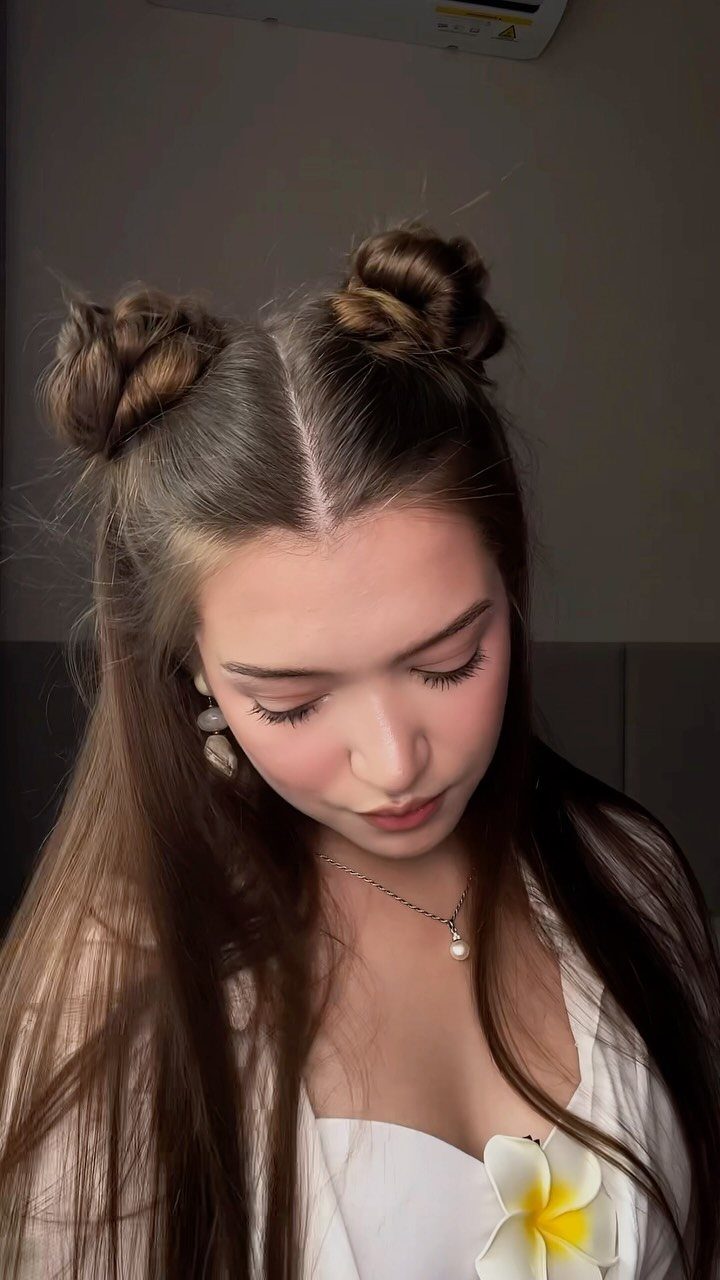
Two buns set high on either side of the head make one of the most playful updos going, and leaving the rest of the hair loose, as here, keeps it relaxed instead of costumey.
Part the hair down the middle, gather each side high, then twist and wrap into a bun and pin it.
Even the 2 sides before you pin, since a lopsided pair is the most common slip. It works for school, concerts, or a casual weekend.
9. Pixie Cut
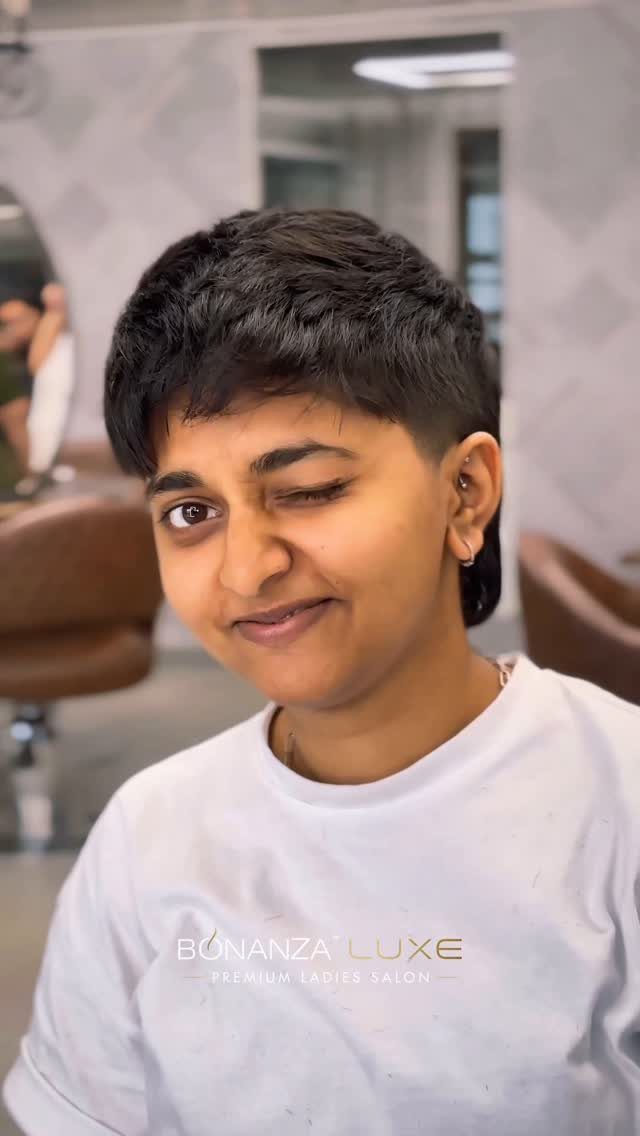
A pixie is the boldest short cut there is, and it can go soft and tousled or sharp and spiky depending on how you style it. Dark hair like this shows off the texture clearly.
Bring a reference photo and say how much length you want left on top, since that decides whether the cut feels gentle or edgy. I’d say go for it if you’re tired of ponytails, though growing it out takes patience.
10. Ruffled Pixie
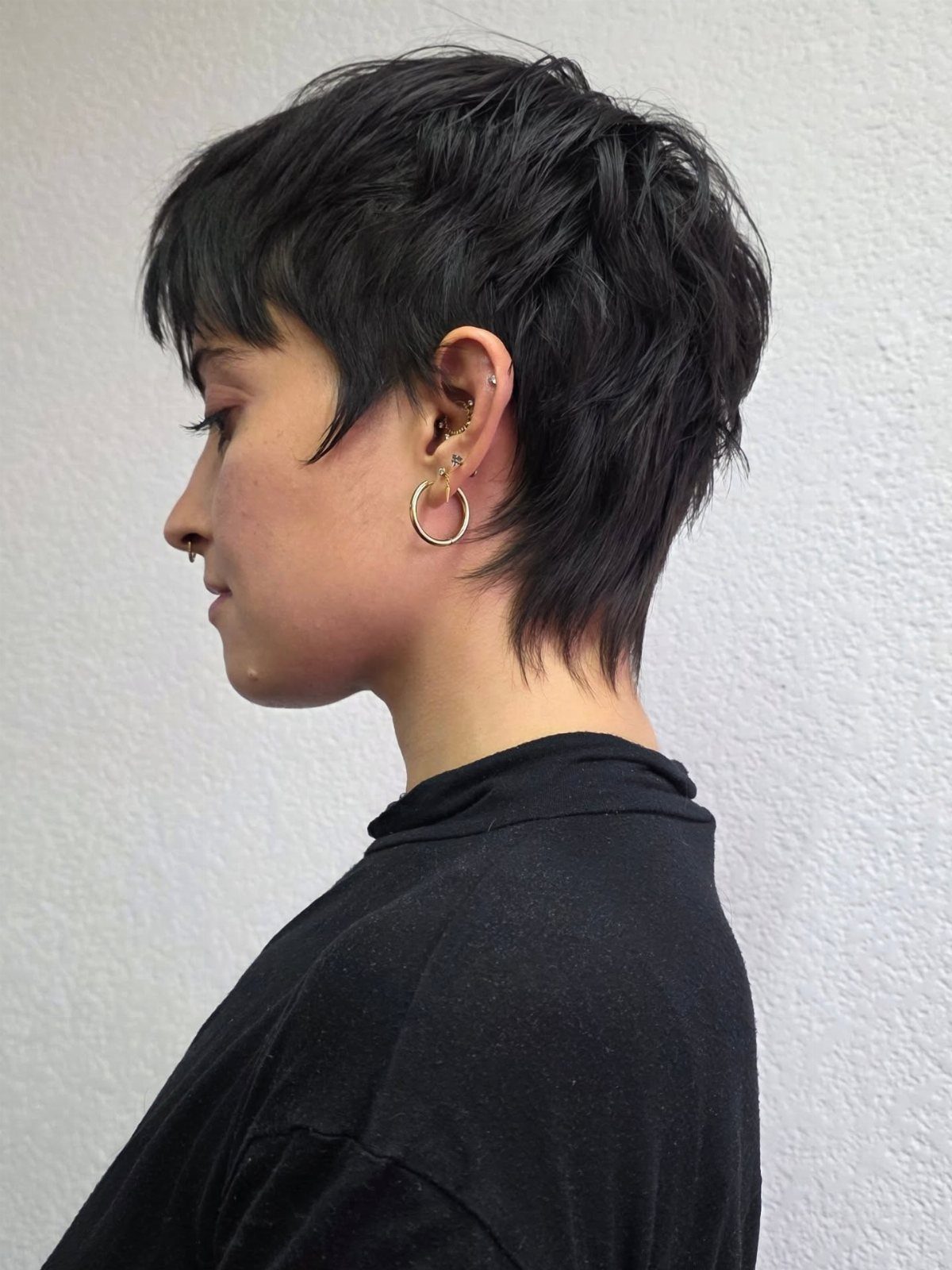
Bangs that sit messy and uneven are what give this pixie its attitude. Seen from the side, the ruffled top reads as full and lived-in, not slicked into place.
Tell your stylist you want texture through the top and bangs that fall forward without a hard edge.
Rough-dry it and push the pieces around with your fingers, and you’re done. Of the pixie options here, this is the one I’d pick for a low-effort morning.
11. Red Wavy Pixie
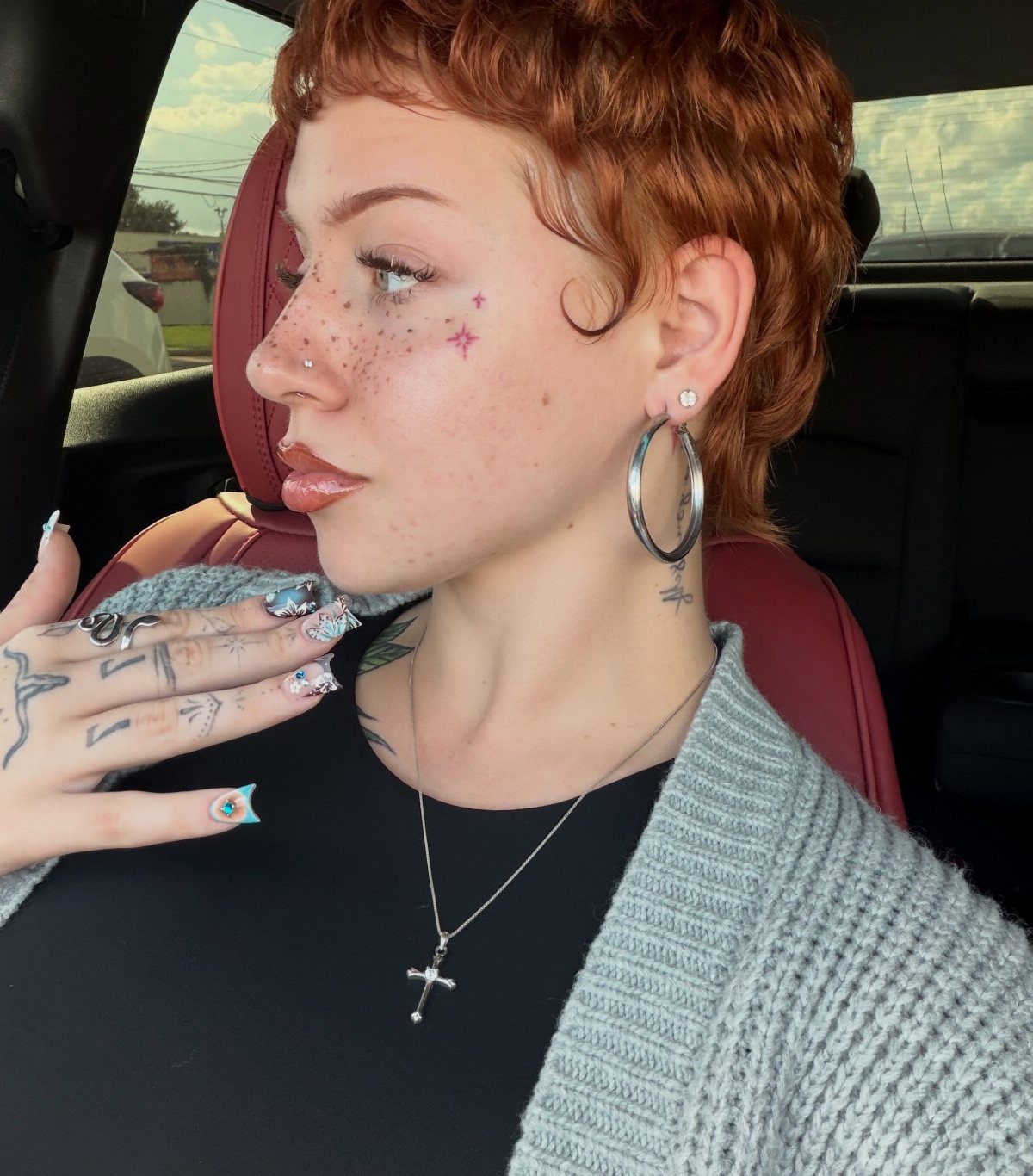
Copper-red color does most of the talking on this pixie, while the waves in the bangs add a soft curl so the cut doesn’t feel severe.
A bright shade on very short hair is also an easier commitment than it sounds, since there’s little length to maintain.
Ask for the wave to be kept in the bangs and mention the exact shade you want. Fair warning: bold red tends to fade, so expect salon visits to refresh it.
12. Fishtail Braid
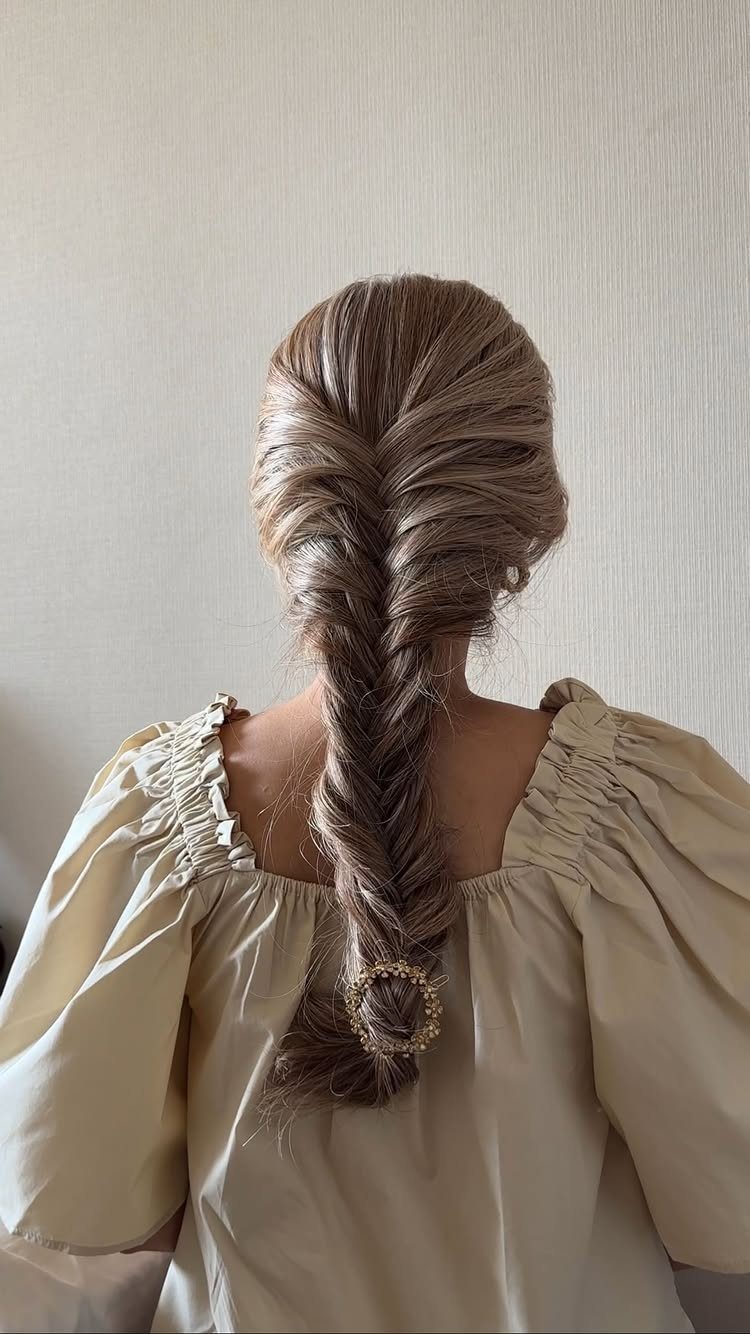
A fishtail braid looks far more complicated than it is. You split the hair into two sections and keep crossing small strands from the outside of one over to the other, which builds the tight, woven pattern.
Smaller strands make a neater braid, so take your time. Tug lightly at the outer loops of each section to loosen the weave and make the braid look wider and fuller.
Practice on dry, brushed-out hair and expect the first try to be uneven. It suits long hair best and works for school or events.
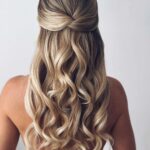
13. Half-Up Half-Down
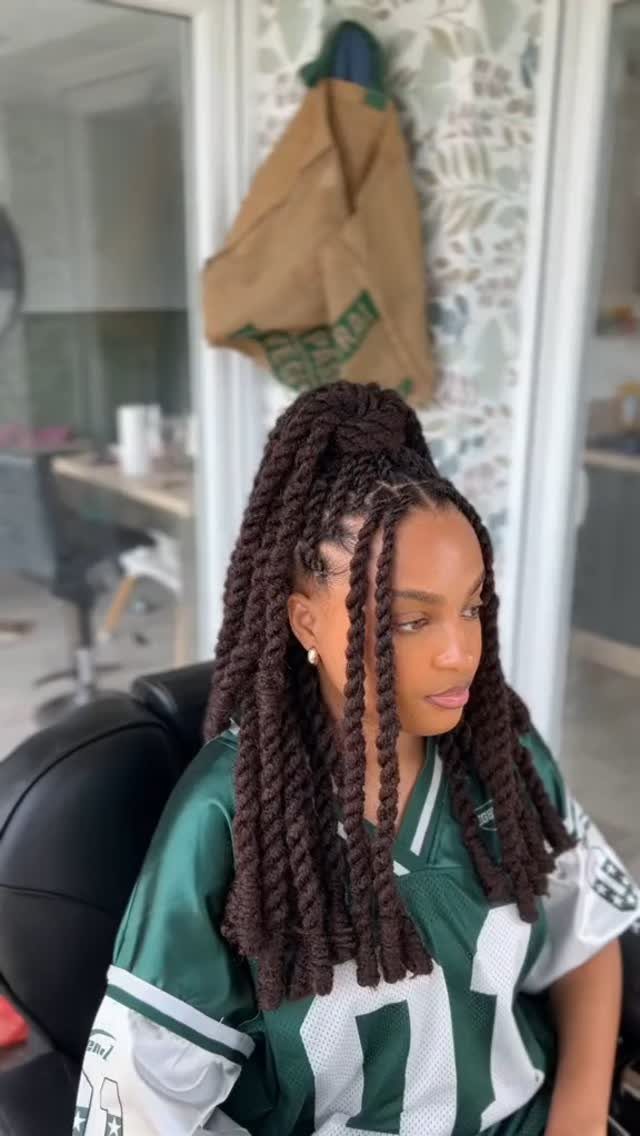
Twists pulled into a high half-up leave the longest lengths swinging loose, so the style reads as styled without hiding the texture.
Securing only the top section keeps hair off the face for class or a game and still shows off the full length of the twists.
I’d pick it for a teen who wants one quick move and nothing else to manage. Gather the top section, fasten it high, and leave the rest alone.
14. Pink Highlights
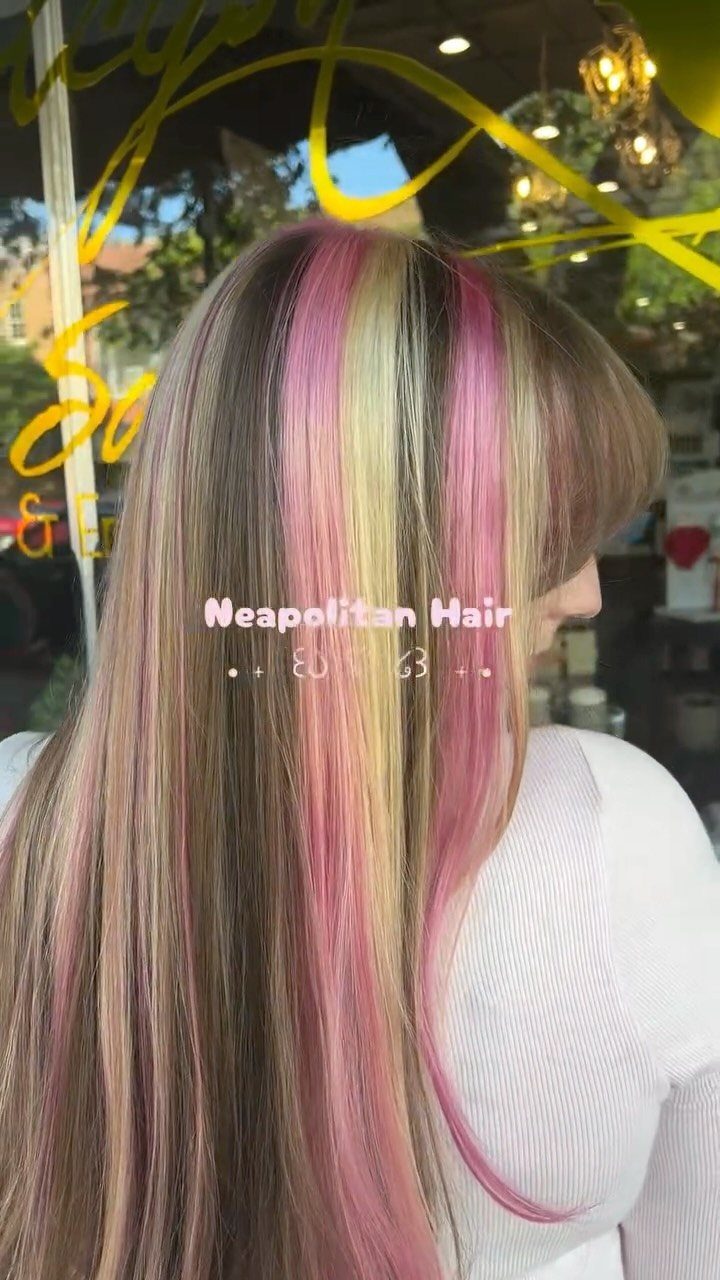
Wide ribbons of pink and pale blonde through long, straight brown hair give this color its Neapolitan-ice-cream look. Because the pink sits in broad sections instead of thin strands, the color shows from the side as well as the front.
Ask your stylist for the pink in wide, chunky pieces over a pale blonde base; thin foils fade into the blonde, while broad ones read as pink from across the room.
Blonde next to brown means lightening is involved, so expect a longer appointment than a basic trim. A low-risk first step for a teen who wants color without a full change.
15. Sleek Braid
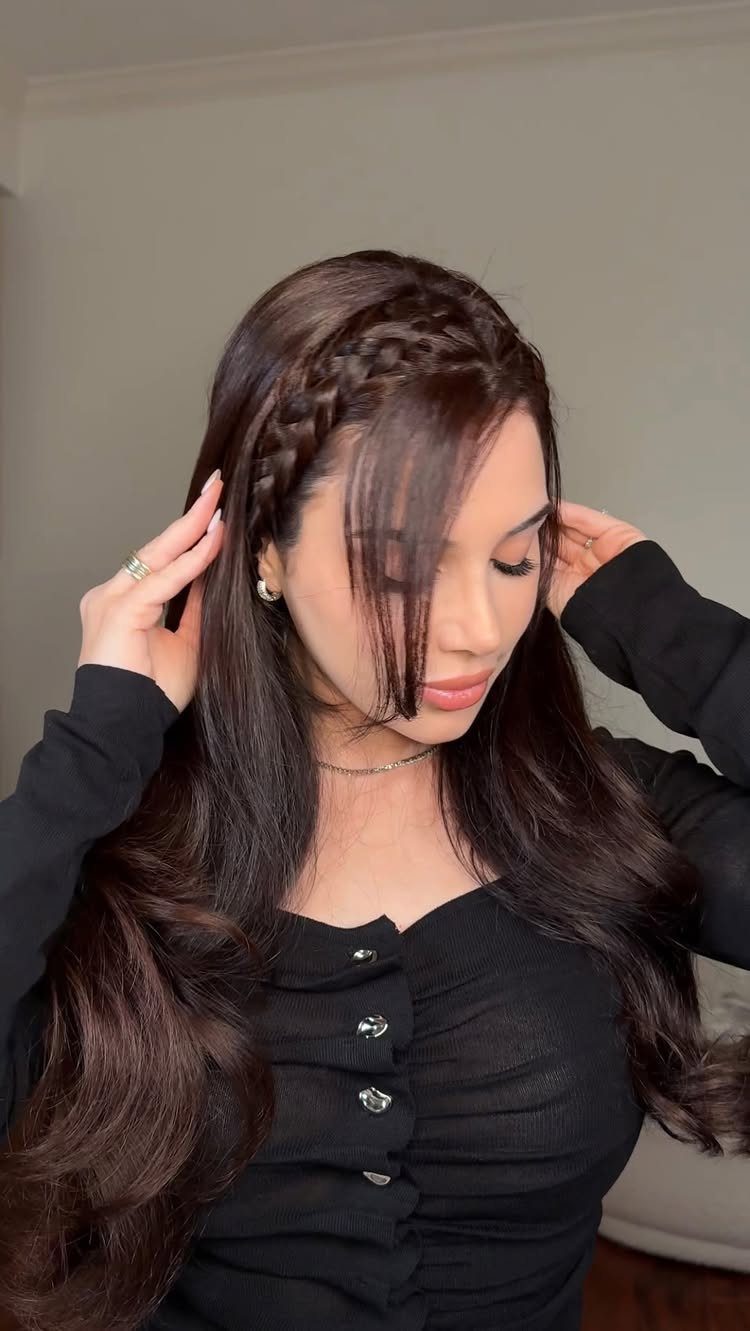
Thin braids stay delicate, and set against thick, wild bangs they give a plain length of hair a bit of contrast. The bangs stay loose and a little messy; the braid is the one neat detail.
Start the braid at the side of the head and keep it narrow, then leave the bangs unbraided so they frame the face.
Ask for extra hair left out along the front, so the braid starts from a full, thick hairline instead of a thin one. I like this for teens who want a polished touch without pinning everything back.
Bangs complement the youthfulness on a teen’s face and deliver an innocent charm.
16. Angled Bob
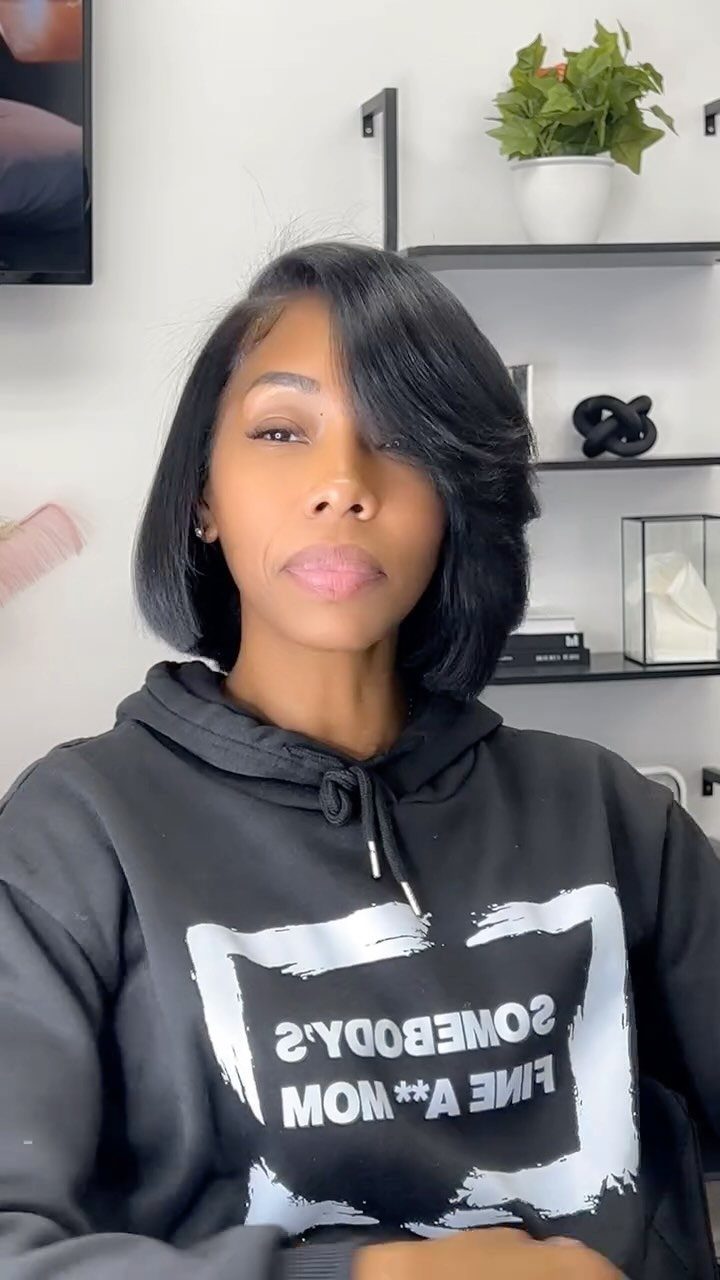
Longer front layers that taper toward a shorter back give this black bob its angle, and the sleek finish makes that line look sharp. Dark hair shows the edge clearly, so the shape does the talking.
Ask for the front to sit longer than the back, and request a tapered nape so the slope looks deliberate.
A smooth blow-dry keeps the line crisp. Bobs like this suit teens who want a cut that looks sharp without much daily styling.
17. Tousled Waves
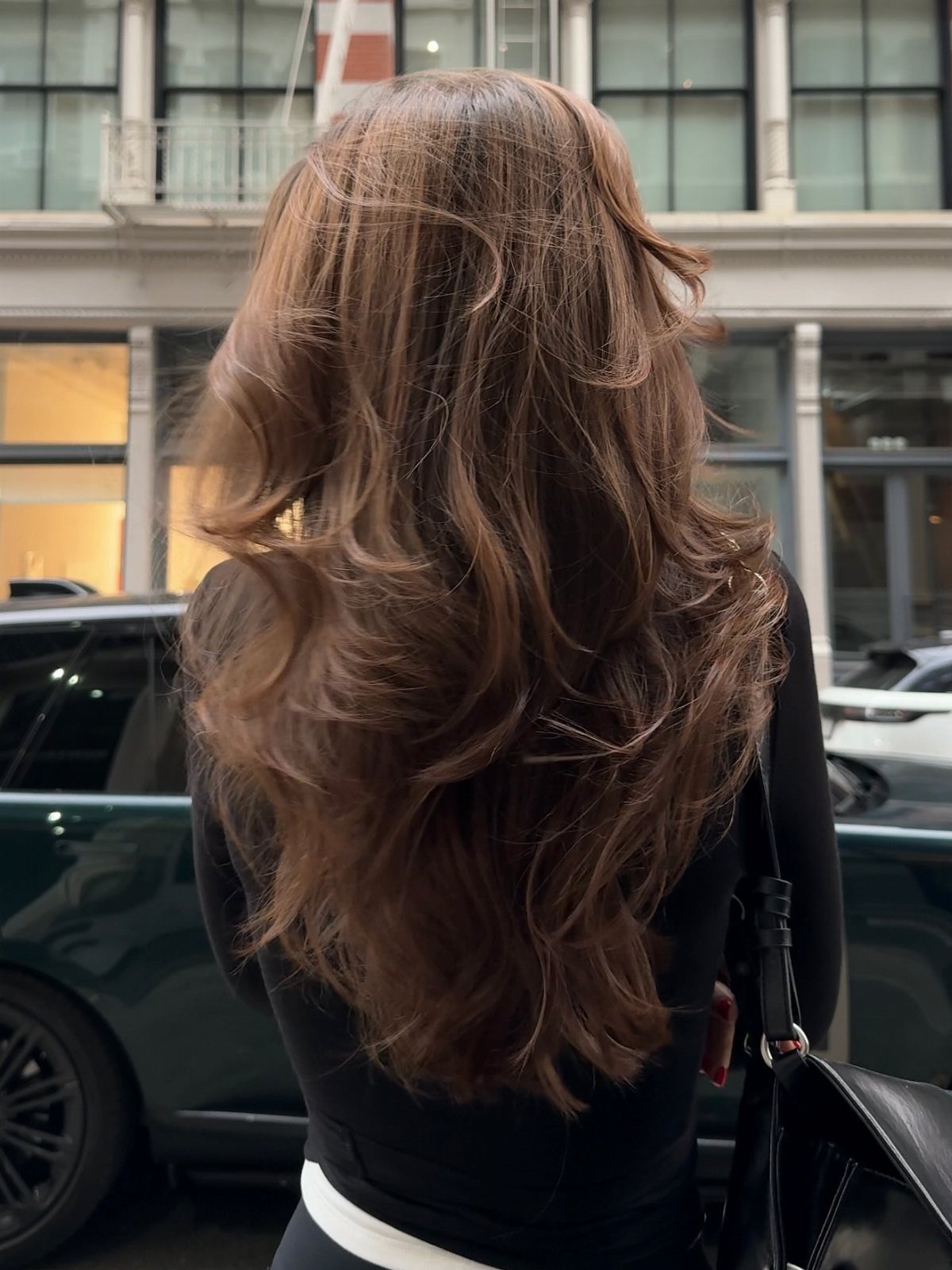
Loose, textured waves with an undone finish are about the easiest long-hair look to wear all day. Nothing needs to line up, and a little frizz or movement only helps the effect.
Keep the waves soft and uneven rather than curled in identical coils, and run your fingers through them instead of brushing.
I’d choose this for school days or weekends when you want long hair to look relaxed. Skip the brush and it holds its shape better.
18. Voluminous Curls
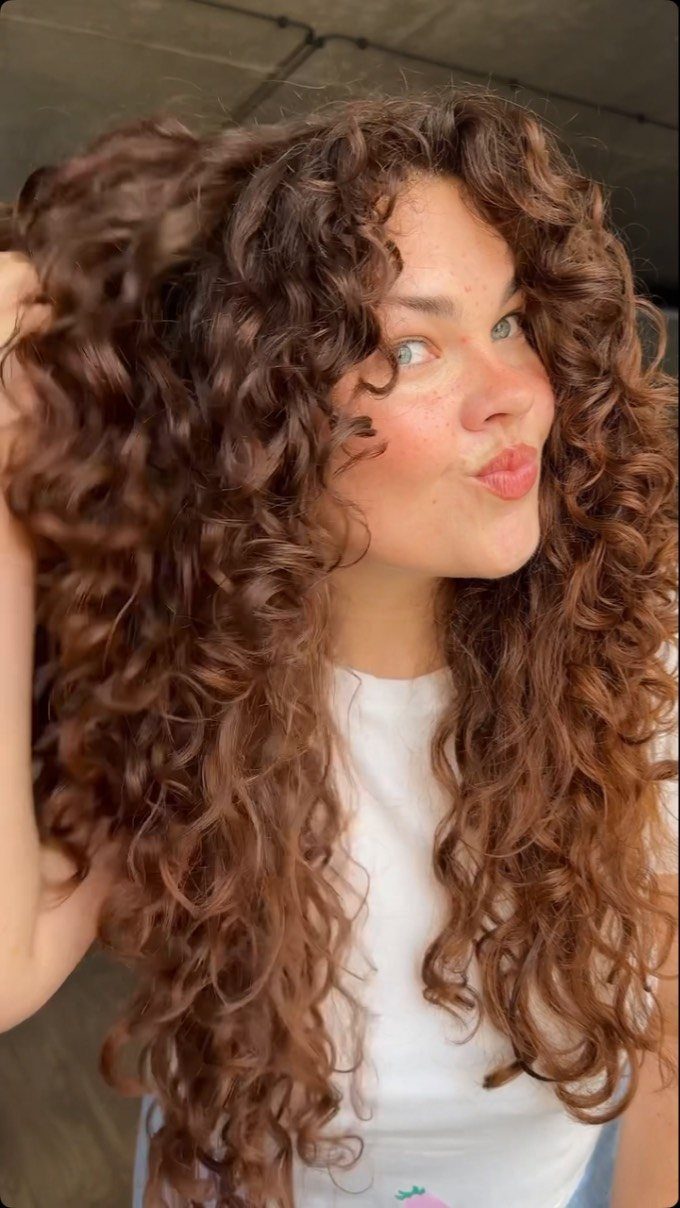
Long, tight curls combined with a side part give the hair extra lift at the crown and a asymmetrical frame around the face. Letting the curls fall full, as they do here, shows off their volume.
Part to one side and work from the roots, fluffing with your fingers instead of combing, since a brush pulls tight curls apart.
I like a deep side part for this look because it adds drama with no extra steps. It suits teens who want their curls to be the whole statement.
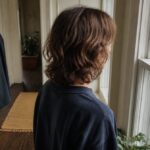
19. Ear-Length Bob
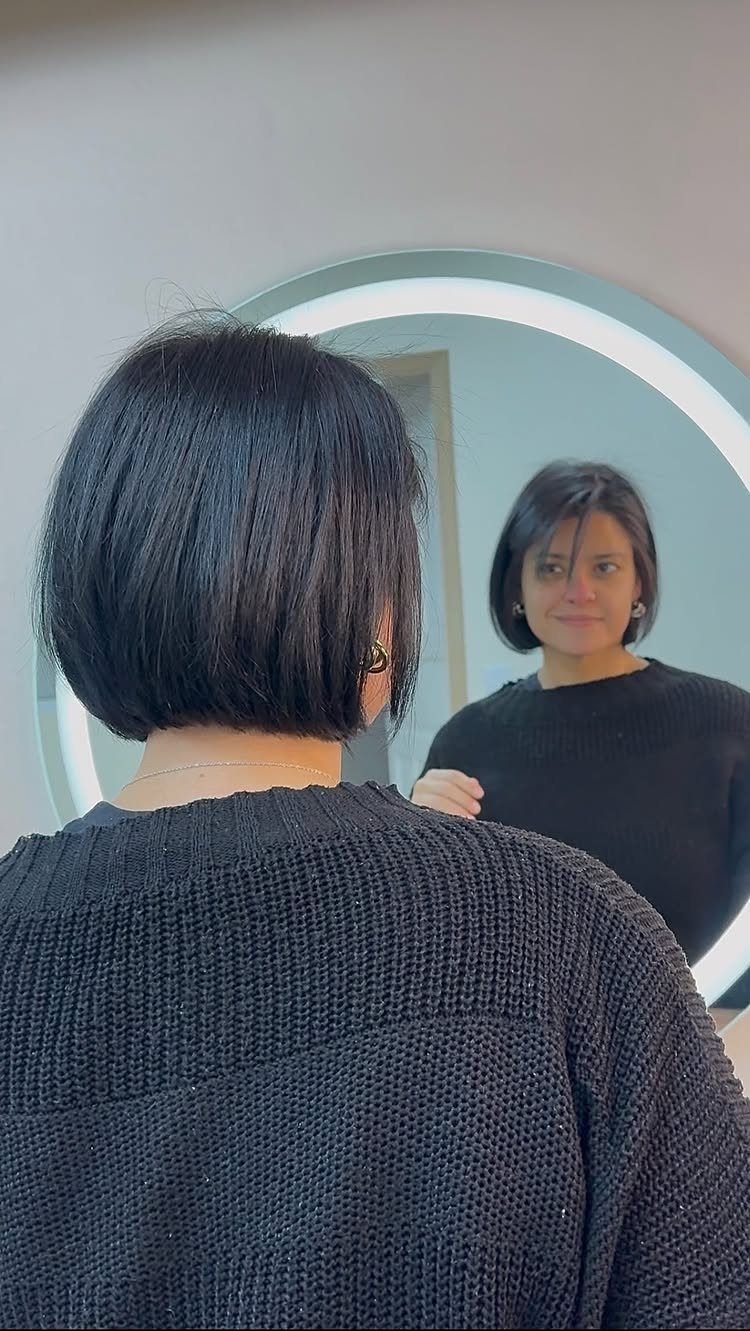
Hair that stops right at the ears shows off the nape and the shape of the head, and the dark color in this cut gives the edge a clean, solid line from behind.
Ask for the length to end at the ear and the back to be cut evenly, so the bob holds its outline.
I’d pick it for a teen ready to ditch long hair for good, though a cut this short means regular trims to keep the line crisp.
20. Side-Swept Bob
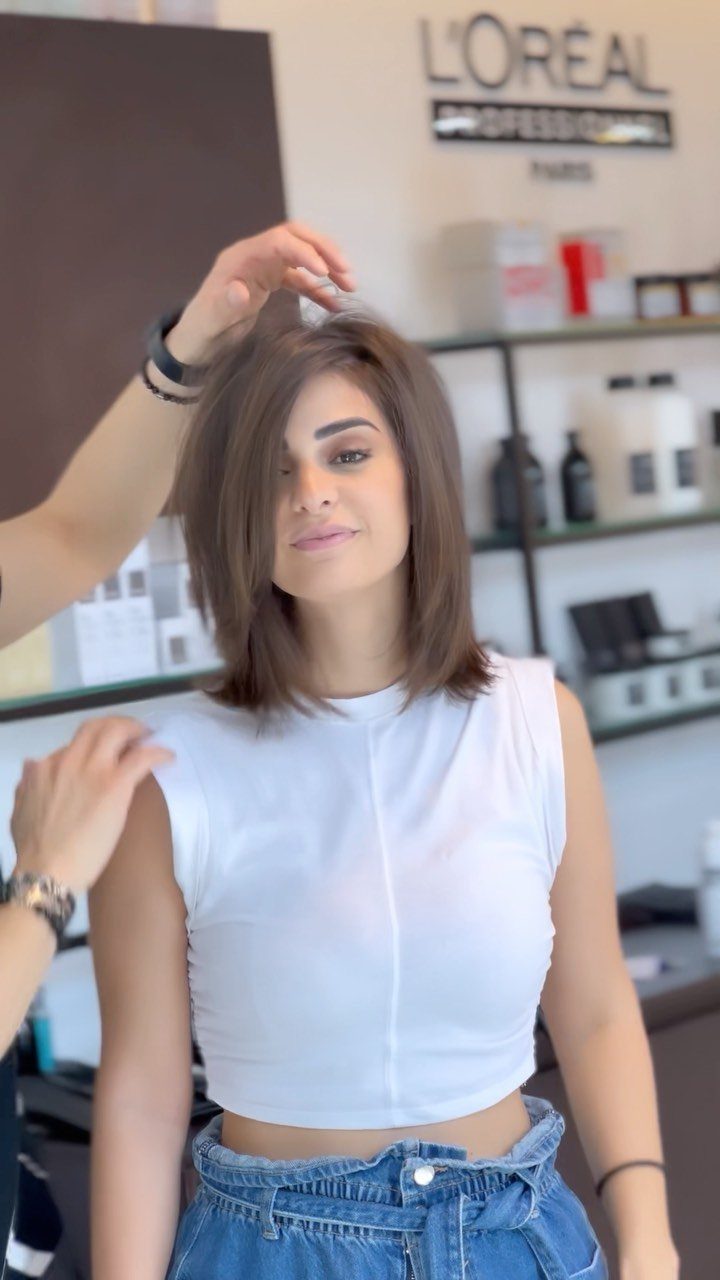
Tousled edges keep a short bob from looking stiff, and bangs swept to one side soften the forehead without covering it. The brown here has a lived-in finish, so nothing looks overworked.
Tell your stylist you want the bangs long enough to sweep across, with texture through the ends rather than a blunt hem.
Rough-dry it, then work your fingertips through the ends to push them in different directions and break up any blunt edge. Sweeping the bangs the opposite way on a different day gives you a second look from one cut.
21. Blunt Spiked Pixie
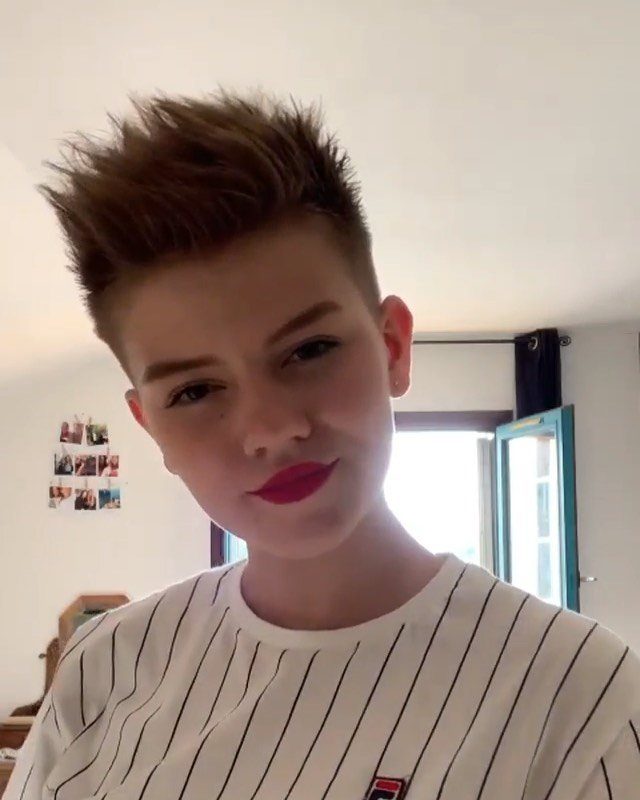
Spikes on a pixie only work when the cut underneath is blunt and precise, because the ends have to stand up as clean points. Dark hair makes each spike read clearly.
Ask for a blunt-cut pixie and tell the stylist you plan to style it upward.
Work a bit of styling product through with your fingers and push the hair up from the roots. It’s a loud, confident cut, and I’d save it for a teen who wants to stand out, not blend in.
22. Long Curled Layers
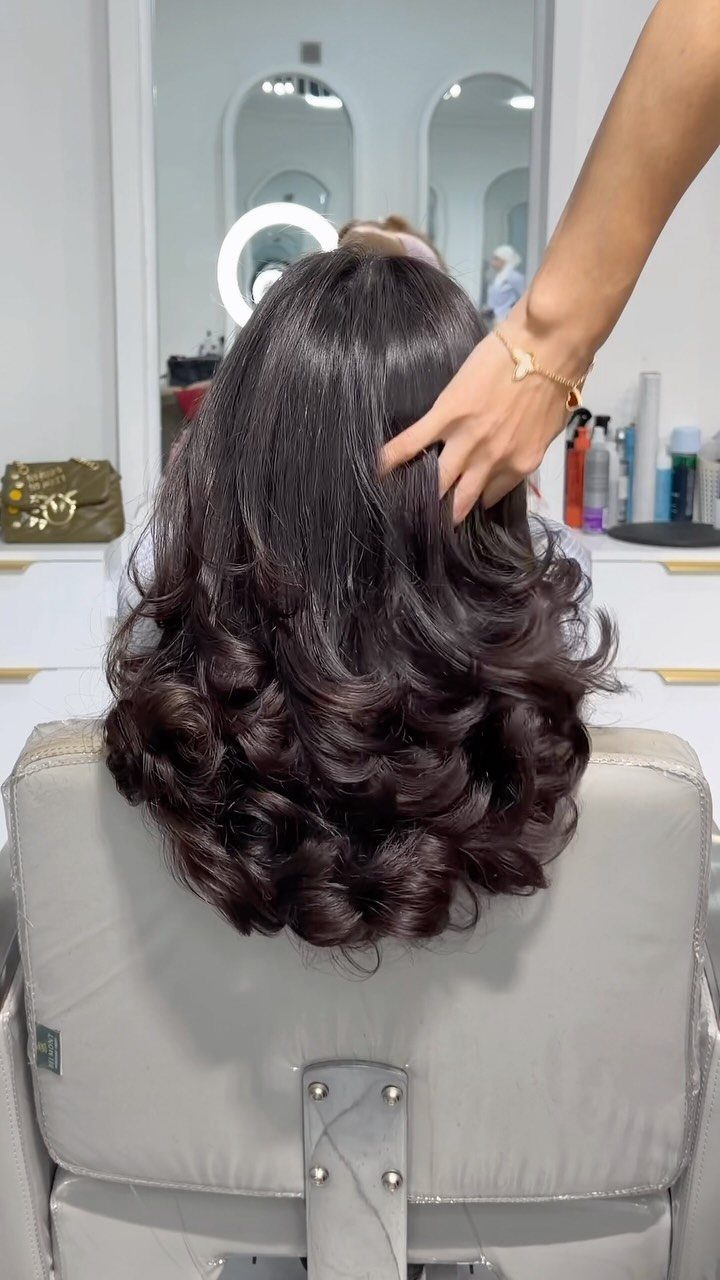
Spiral curls on long layers give the hair a glossy, bouncy finish, and the layers keep the curls from stacking into one heavy mass. A tousled finish makes the whole thing look loose instead of set.
Curl the hair in sections, then break the curls up with your fingers rather than brushing them out.
This takes real time on long hair, so I’d keep it for events or weekends, not school mornings. When you book, ask for layers so the curls have room to move.
23. Trendy Braid
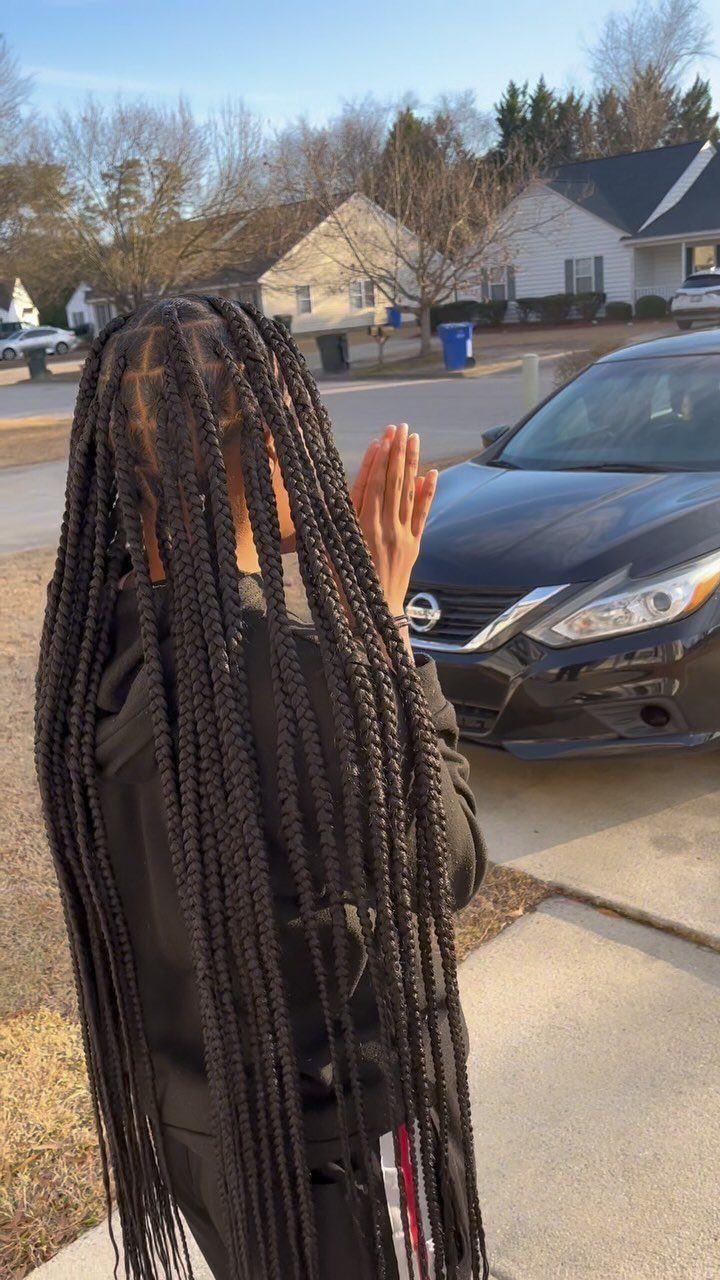
Long black box braids hang straight down the back and keep hair tucked away for weeks at a stretch, which is a big part of their appeal. Braids and messy twists are what most teens are asking for right now.
Bring a photo and tell your braider the length you want, since box braids can run well past the shoulders.
Plan on a long appointment; this is not a quick style. I like it for teens who want to stop thinking about hair each morning.
24. Double Dutch Braid Pony
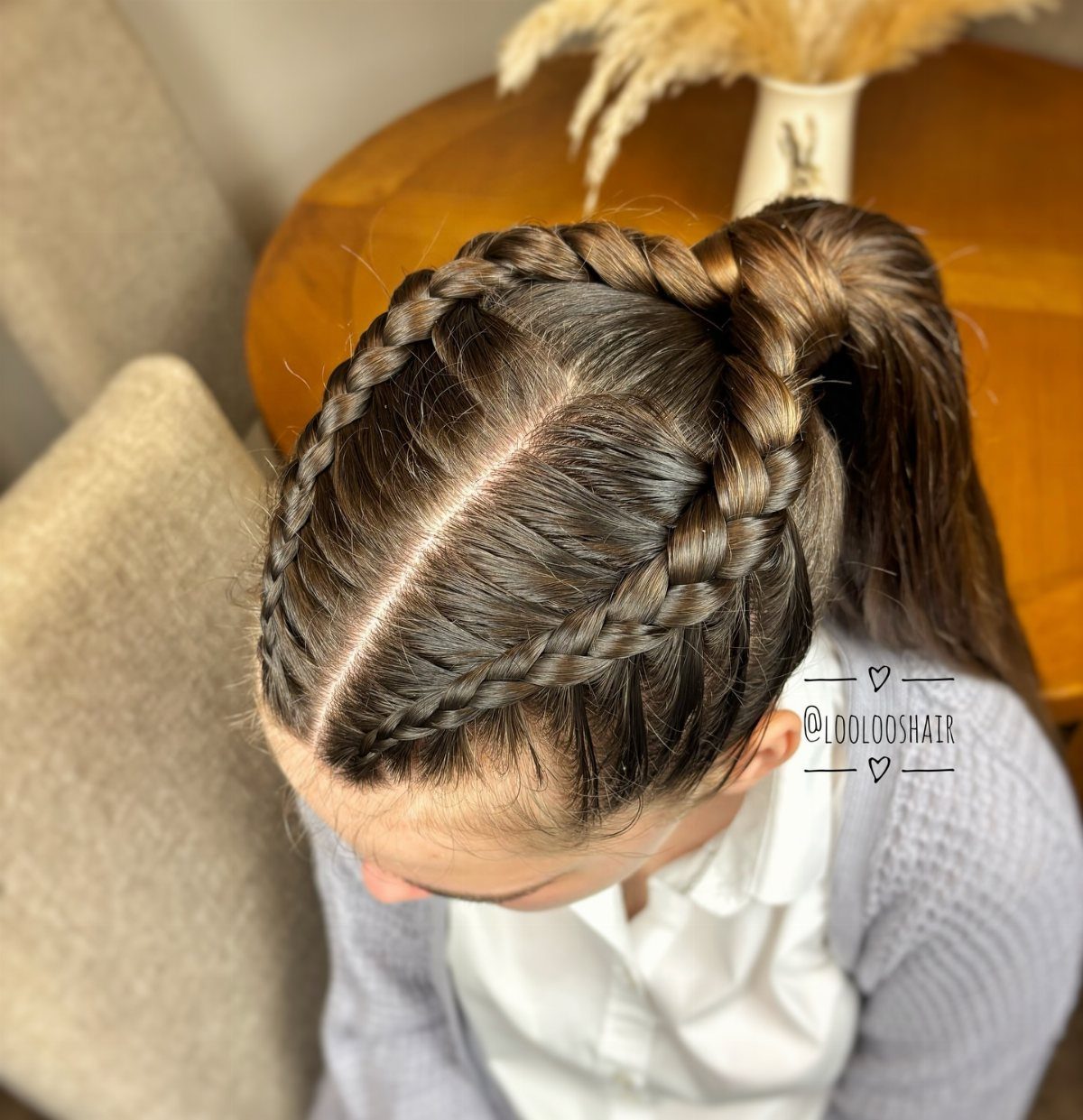
2 Dutch braids that meet in a high ponytail turn a basic pony into something that looks planned. Dutch braids sit on top of the hair, so they stand out more than regular braids.
Part the hair down the middle, then braid each side from the front, crossing the strands under the center instead of over.
Bring the 2 braids together at the crown, wrap them into a single high ponytail, and hold it with a small elastic.
Tug lightly on the outer loops of each plait and the braids spread wider, which gives you a fuller look. It works for practice or school.
25. Bantu Knots
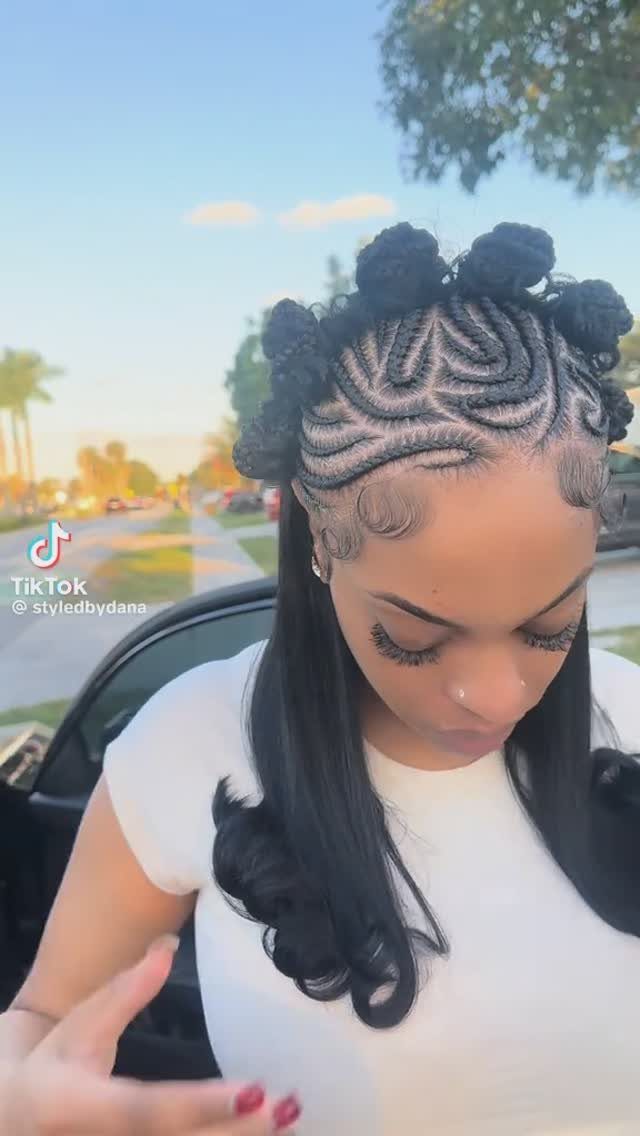
Curved cornrows that feed into Bantu knots give natural curls a defined, sculpted frame, and the long curls left loose below keep the look soft instead of severe.
Braids and knots in one style also mean you get texture and shape without any heat.
Bring a photo to your braider and ask for the cornrows to curve toward the knots, since the direction of the lines is what makes this style distinct.
The knots suit school days and a classmate’s birthday party equally well. For a teen who wants her curls to look deliberate rather than left to chance, this is the style I’d point her toward.
26. Flower Crown
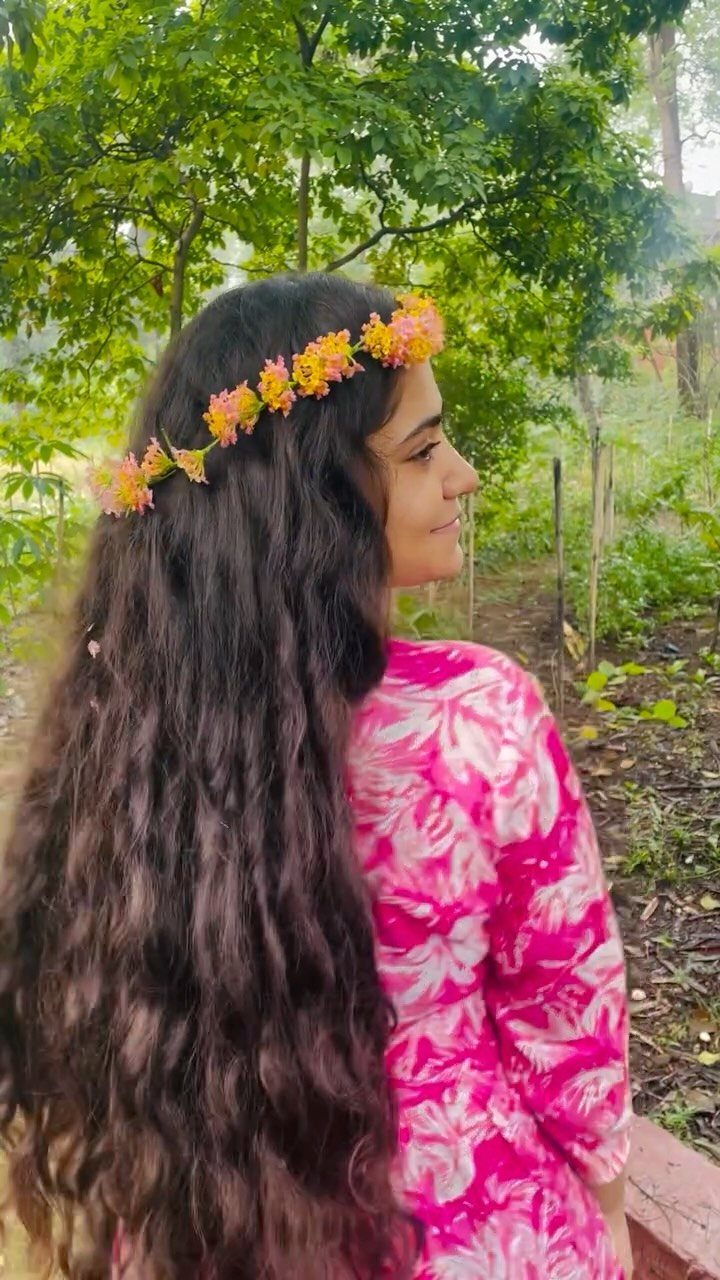
Yellow blooms set around long, curly brown hair turn a plain party look into a garden one, and the curls give the crown plenty of body to hold it in place.
A flower crown suits special occasions better than school days.
Leave the curls loose and full so the flowers sit among them instead of on top.
A crown in a color that contrasts with the hair, like the yellow here, reads clearly from a distance. Pick a shade that echoes the dress, and the whole outfit looks put together without extra effort.
Hair Color Care and Upkeep
Color dries hair out, so its condition before the appointment matters as much as the shade. If your ends are already brittle, get a trim and spend a few weeks conditioning before you book.
Pick a shade that suits your skin tone.
Most dermatologists and trichologists say teens over 16 can color their hair, provided they take precautions and already have a hair-care routine. If you don’t have a routine yet, build one first.
Colored hair loses moisture faster, so a deep-conditioning masque about once a month keeps the strands soft instead of straw-like.
Plan on a touch-up about every 6 weeks, since that’s what keeps the color bright. Add those visits to your calendar before you commit, because the upkeep is part of the cost.
Bangs and Glasses Upkeep
Glasses can clash with bangs. If the ends fall into the eye area, they’ll brush the lenses and sit crooked on the frames, so bring your glasses to the appointment and ask for a length that clears them.
Bangs that land on the forehead sit on skin that produces oil and sweat, so they get greasy faster than the rest of your hair.
Wash them more often than the rest, and keep dry shampoo on hand for days when you’d rather not wash everything.
Bangs also need regular trims, frequent washes and a quick comb-through. If that sounds like too much, a longer, side-parted version asks for less.
Frequently Asked Questions
How to look cute in school hairstyle?
A low ponytail clears the dress code and takes under a minute. If your school is relaxed, messy buns, half top-knots and high ponytails work too.
I also like a loose side braid worn low and fastened with a clear elastic, since it keeps hair off your face. Curly or coily hair looks cute in a headband braid with the rest gathered into a low puff.
What is the most popular hairstyle for teen girls?
Braids and messy twists top the list right now, worn casual or dressed up. Bright highlights come next, and pink is a good example.
Space buns, messy ponytails and buns, half updos and textured bobs also come up often. Braids hold all day without retouching, which is why so many teens wear them.
What’s a good haircut for a 14-year-old?
A tousled bob with texture through the ends is an easy pick, since it looks fine with little styling. A shag suits a teen who wants movement and some attitude.
A pixie is the riskier choice, though it can be exactly right for a teen who wants something bold, and growing it out takes patience. I’d let her weigh in, because a cut she chooses is one she’ll actually style.
What is an easy hairstyle to maintain?
Long layers on straight hair and a tousled, textured bob take the least work, because the cut does most of the job. If upkeep is the worry, skip bangs and bold color.
Is it safe to dye your hair as a teenager?
Most dermatologists and trichologists say teens over 16 can color their hair, as long as they take precautions and already have a hair-care routine.
Most salon and box dyes list 16 as the minimum age because of PPD and other chemicals in the formula. Younger hair is finer and more prone to damage, so I’d wait until the routine is in place.
What hairstyles are best for sports or gym class?
For gym class, a ponytail or braid stays secure, and short hair needs a few pins plus a sweatband that wicks moisture.
Are hair extensions suitable for teens?
No, I’d skip them. Extensions can pull on follicles that are still maturing, which can stall healthy growth over time.