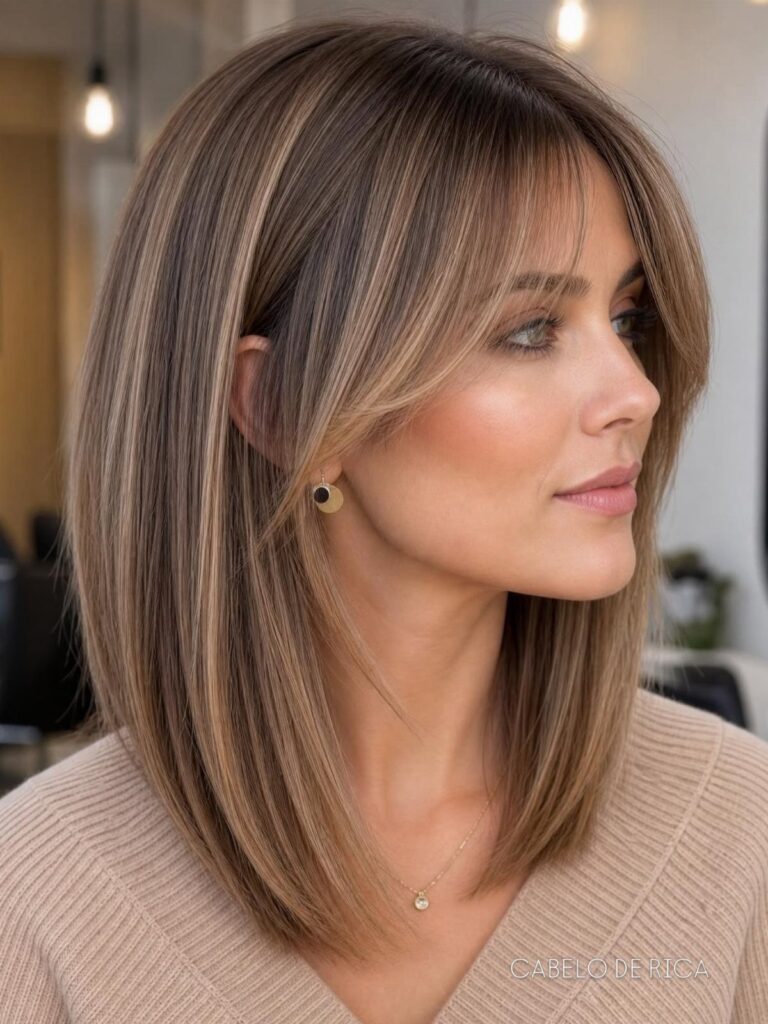
The cuts here range from a sleek bob with bangs to a mid-length afro where the outline does all the work, and they differ most in how much shaping each one asks of you.
Your hair’s natural texture picks the winner: a sleek bob stays sharp on straight hair, while a wavy shag works with a bend instead of against it.
Flippy layers sit at the high-effort end, because the flipped ends need styling every time you wear them.
1. Face-Framing Layers
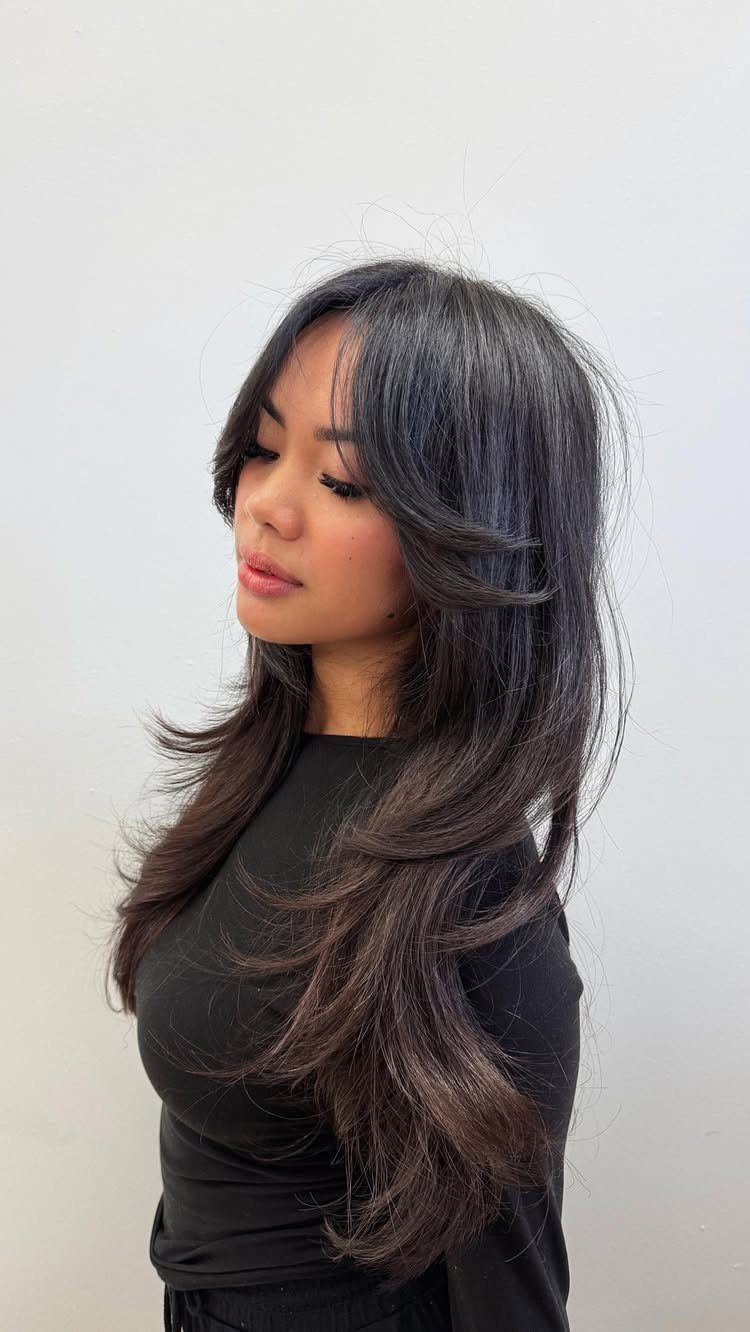
Short pieces cut around the face give one-length hair some movement without touching the back. Shorter layers frame the face more strongly, while longer ones stay subtle, so tell your stylist how visible you want them.
I’d pick the longer version if you wear your hair down most days. On dark hair like this, the layers show as they fall past the cheekbones, and the shape carries over to medium length just as well.
Both Kimble and Griscti say that face-framing layers are easily one of the most popular hairstyles for medium-length.
— Vogue
2. Curtain Bangs
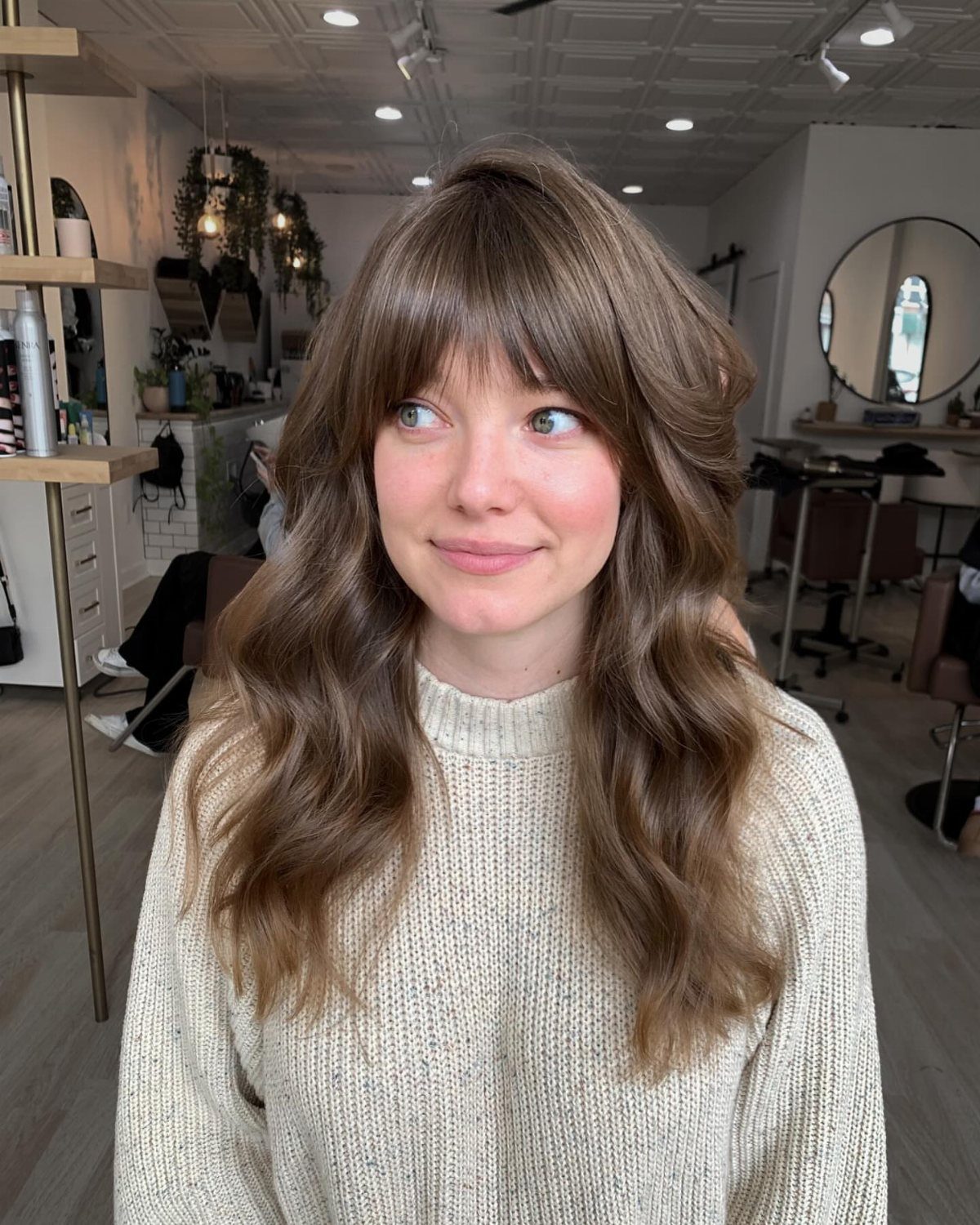
Part it down the middle and let the fringe sweep outward on both sides. That’s the whole curtain bang, and it’s why the shape is so forgiving.
I prefer them blended into face-framing layers, so the bangs don’t end at a hard line.
Ask for that by name. Soft waves, like the ones here, make the sweep look relaxed, but the bangs still work on straighter hair.
3. Collarbone Cut
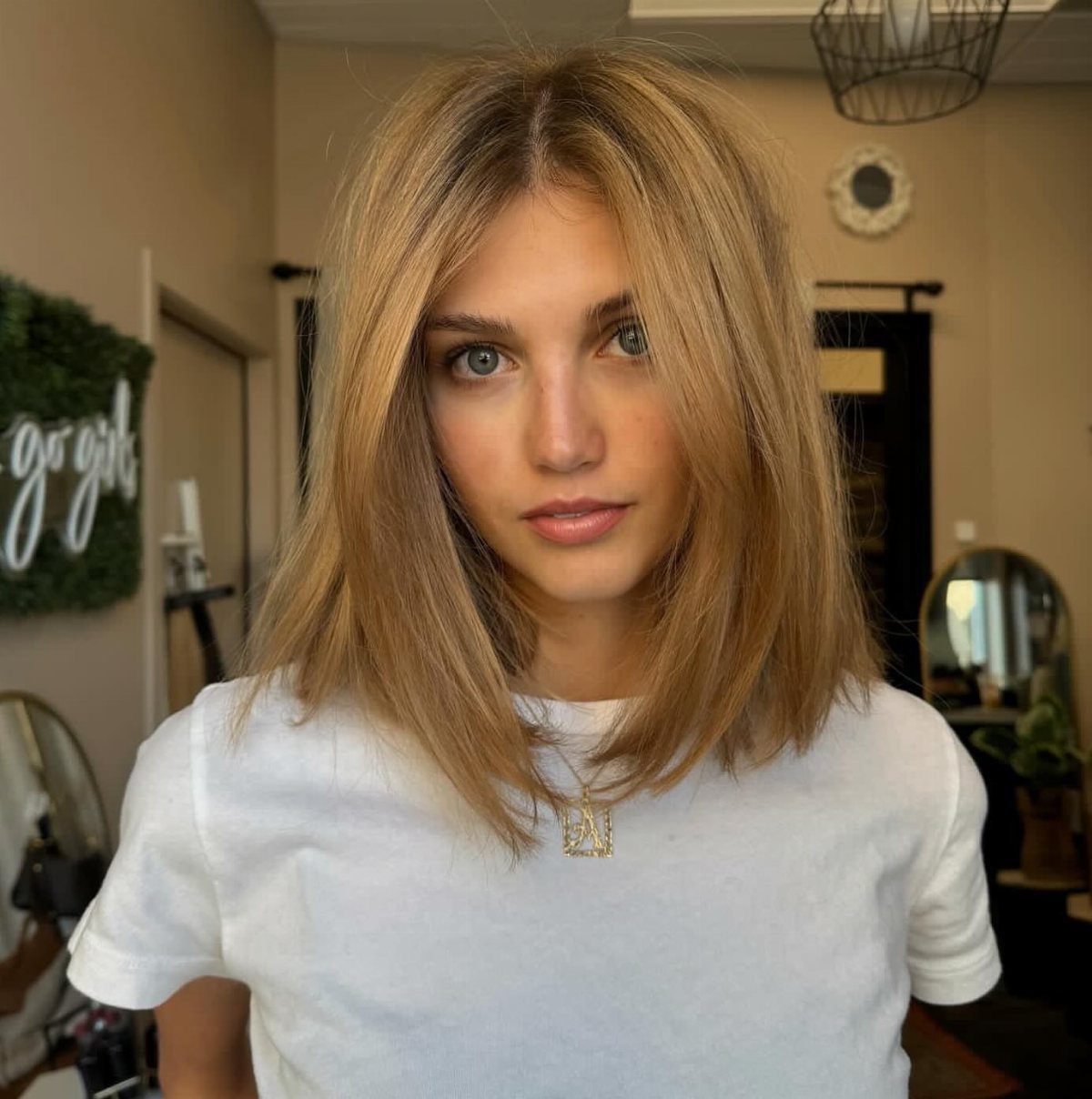
A cut that ends right at the collarbone sits in a useful spot: long enough to tie back, short enough to feel light.
A blunt finish suits straight hair because the ends read as one clean line, and a collarbone length keeps that line sharp without the weight of a longer cut.
A textured finish softens that edge and hides uneven growth between trims. I lean toward blunt on straight hair and textured on anything with a bend.
4. Mid-Length Afro
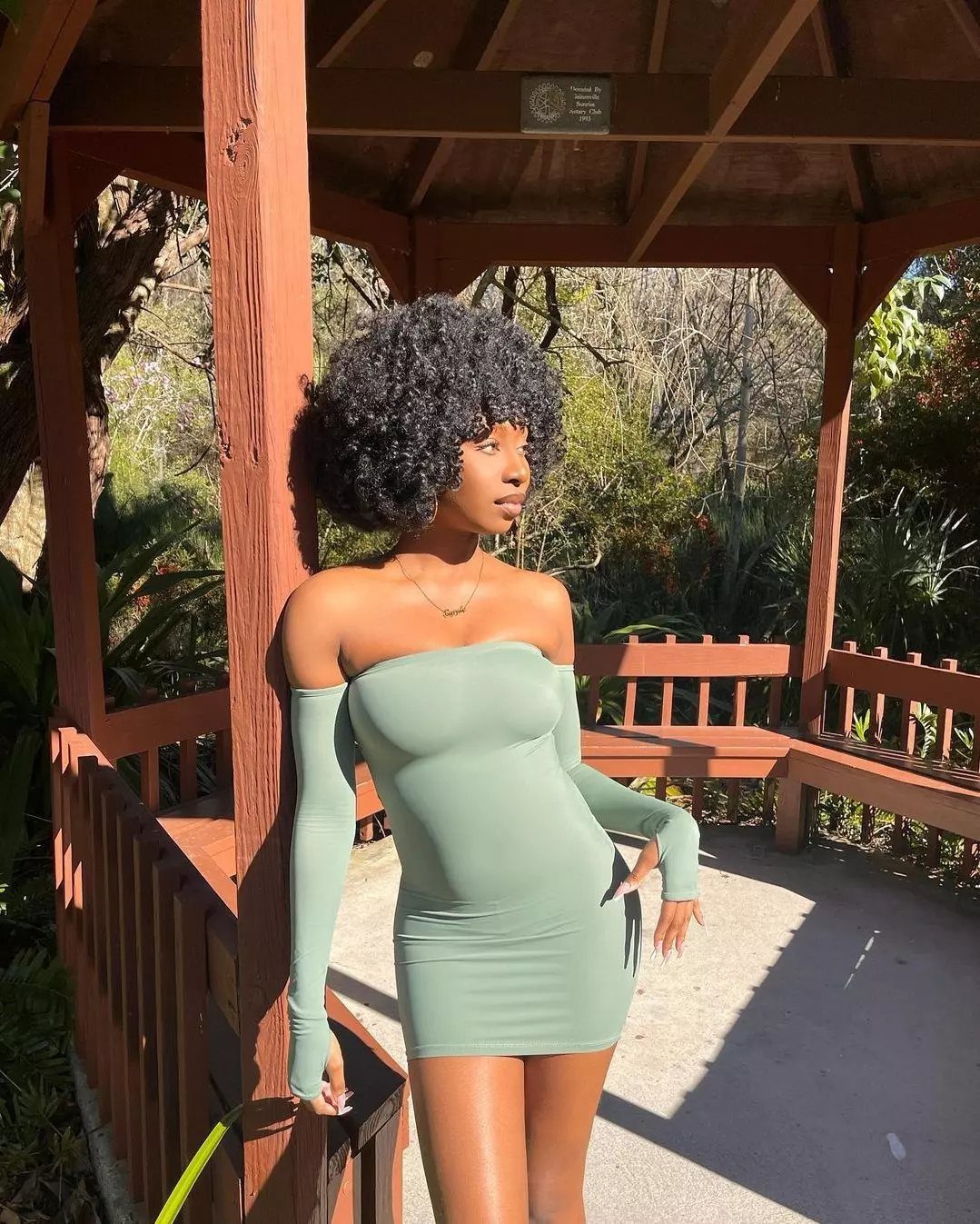
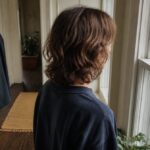
At a medium length, the natural afro is the haircut. The shape does the work, so the outline matters more than any styling.
Ask your stylist to keep it even all the way around, because the silhouette is what people notice first.
I like this length for the balance it strikes: full enough to show the texture, short enough to stay easy to manage.
5. Shoulder-Length Bob
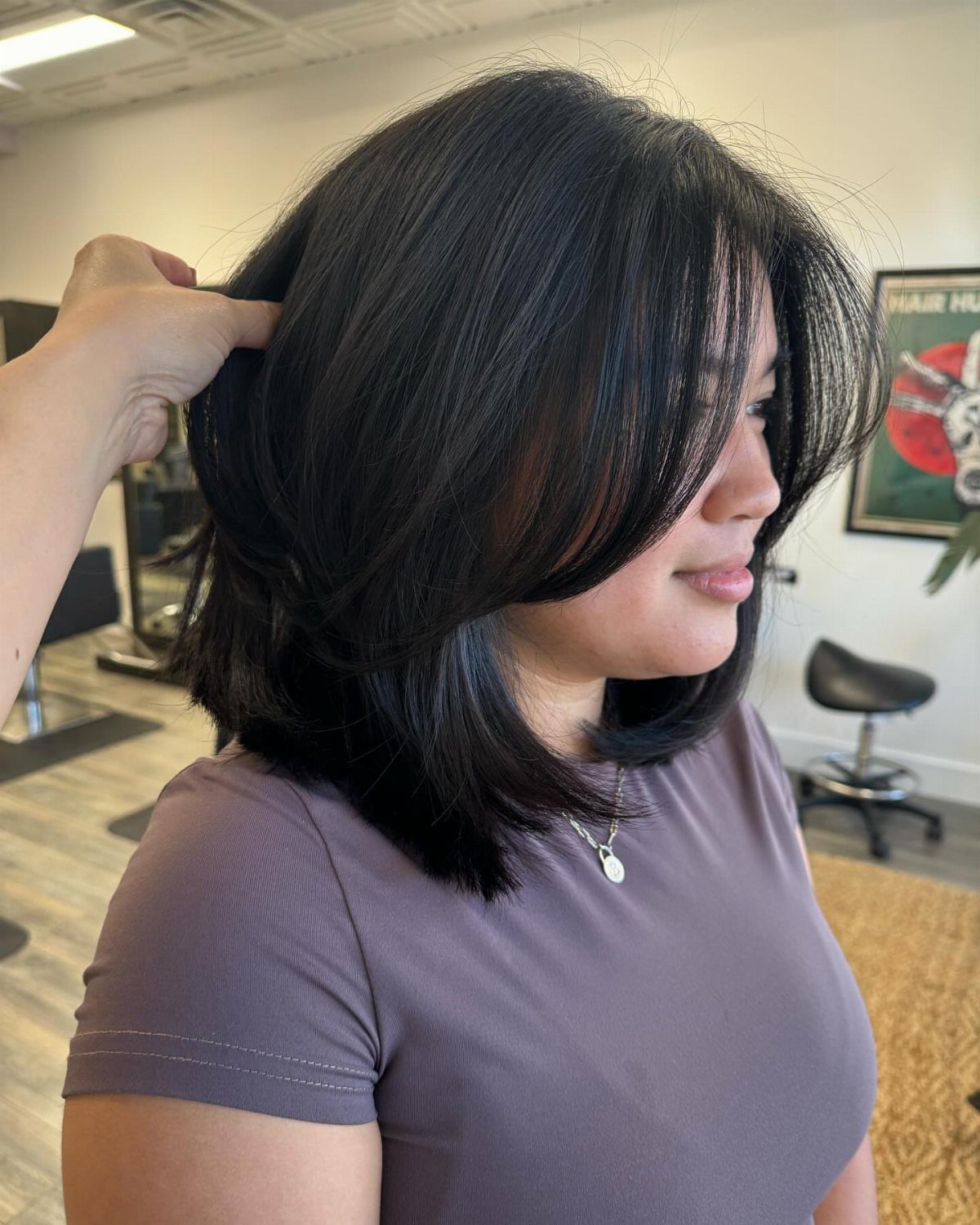
Stopping at the shoulder keeps a bob from feeling heavy, and a light, feathery fringe adds a softer edge to the front.
Layers give a shoulder-length bob some movement at the ends, so the shape flips and bends instead of hanging in one heavy block.
I’d choose the feathery fringe over a blunt one on a dark bob. The wispier texture lets the forehead show through, so the cut reads polished without looking severe.
6. Flipped Side Bangs
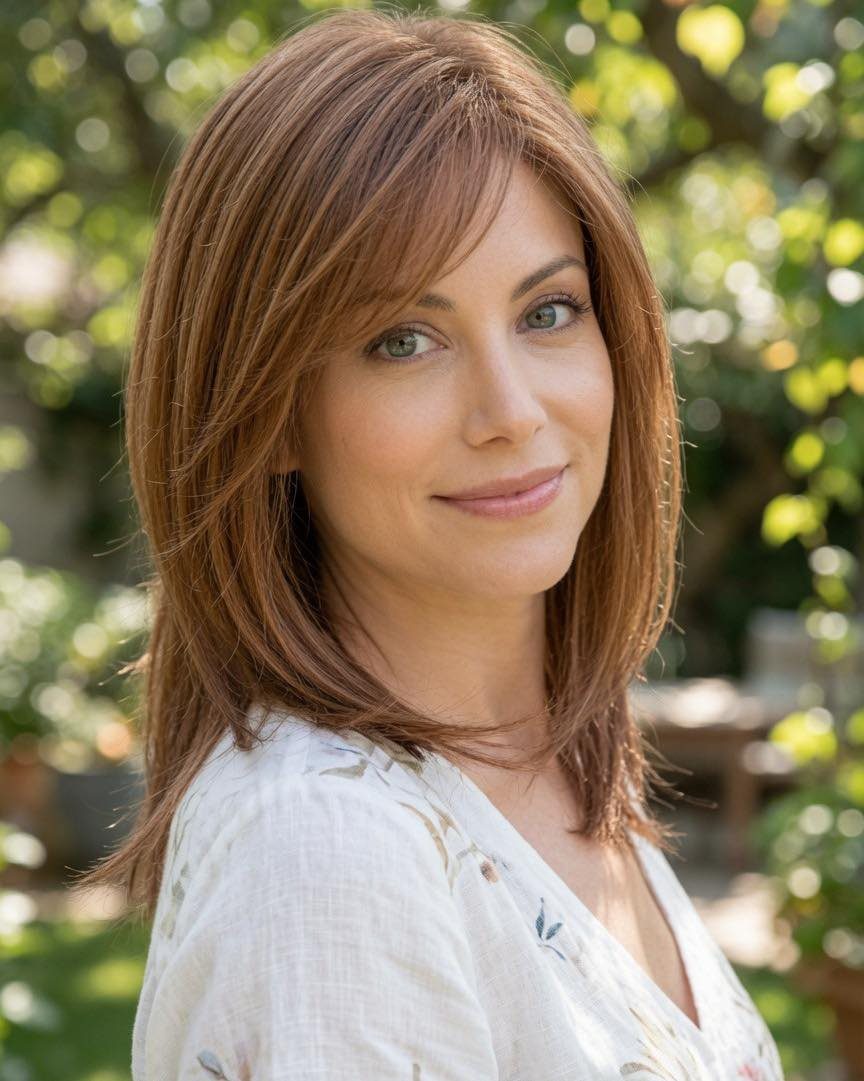
Longer side bangs, cut separate from the rest of the hair, give a shoulder-length cut its tousled look. Disconnected means they don’t blend into the layers; they sit as their own piece.
Wear them loose and a little messy. I like this version best on days when the rest of the hair is simply down, since the bangs supply all the shape and need very little styling.
7. Layered Lob
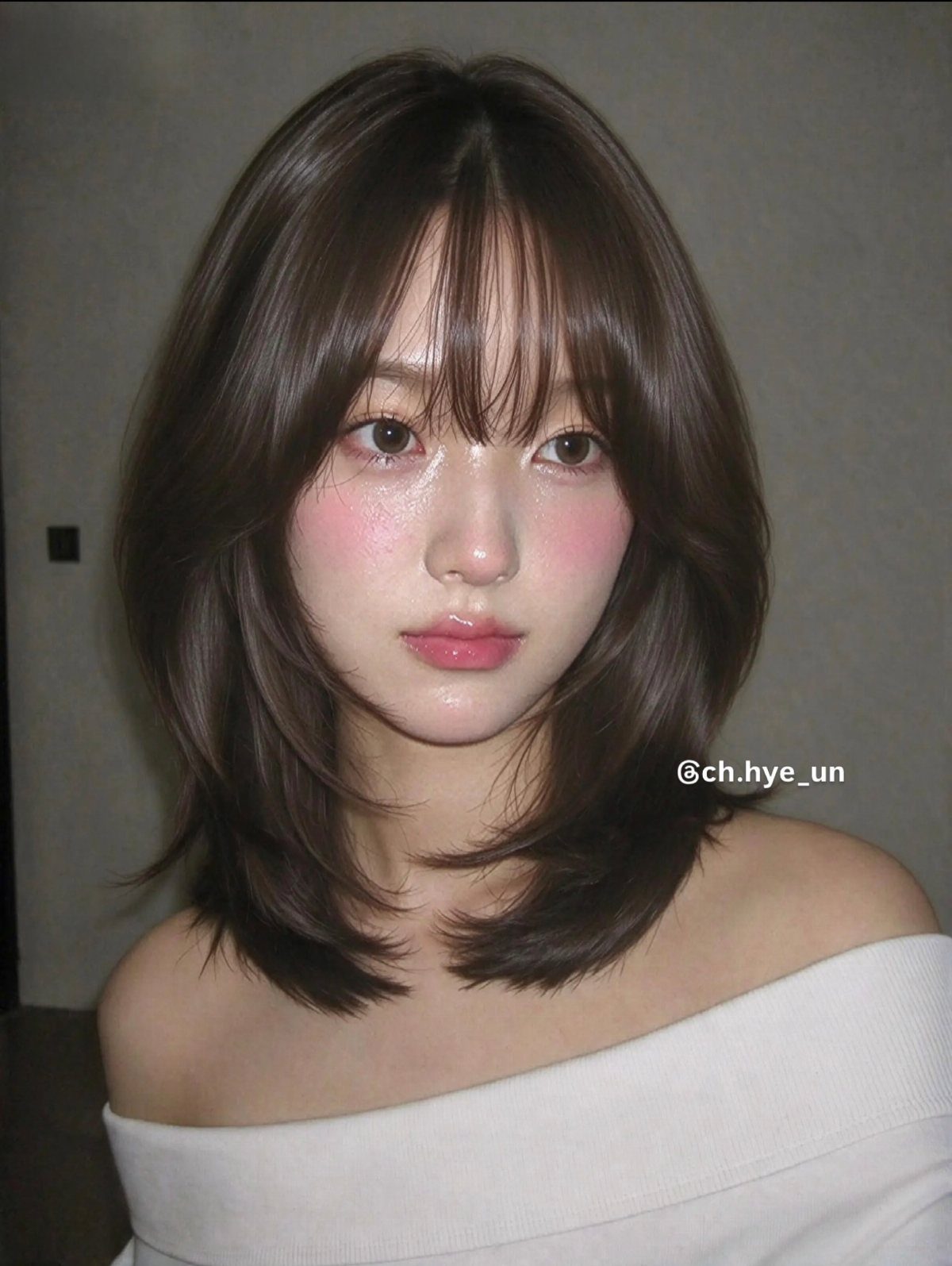
Shoulder-length hair with the layers cut through the whole shape gives a lob more movement than a single-length perimeter ever could. Here the ends sit lightly, and the parted, curved bangs blend into the rest instead of stopping short.
I’d choose this over a blunt lob if you want the length to feel less heavy. Ask your stylist for layers that start below the cheekbones, so the shape stays soft around the face.
8. Wispy Bangs
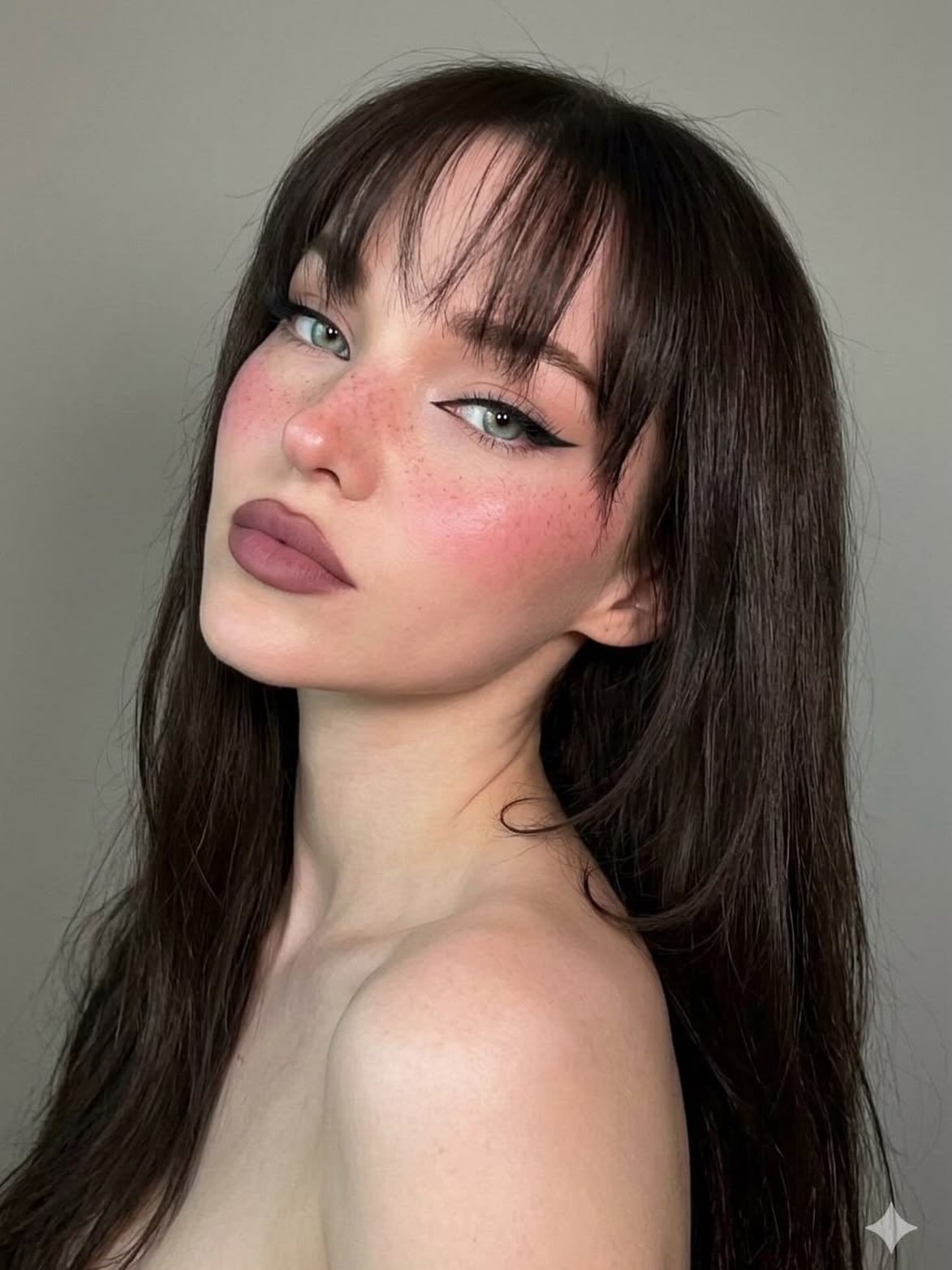
Fringe that is thin and see-through, cut to melt into medium layers, is what wispy bangs mean. You can see the forehead through them, which is the whole appeal.
I like them on long or medium hair that already has some layering, because the bangs then read as part of the cut and not an add-on.
Tell your stylist you want them light, not dense, or the fringe can come out fuller than you pictured.
9. Wavy Shag
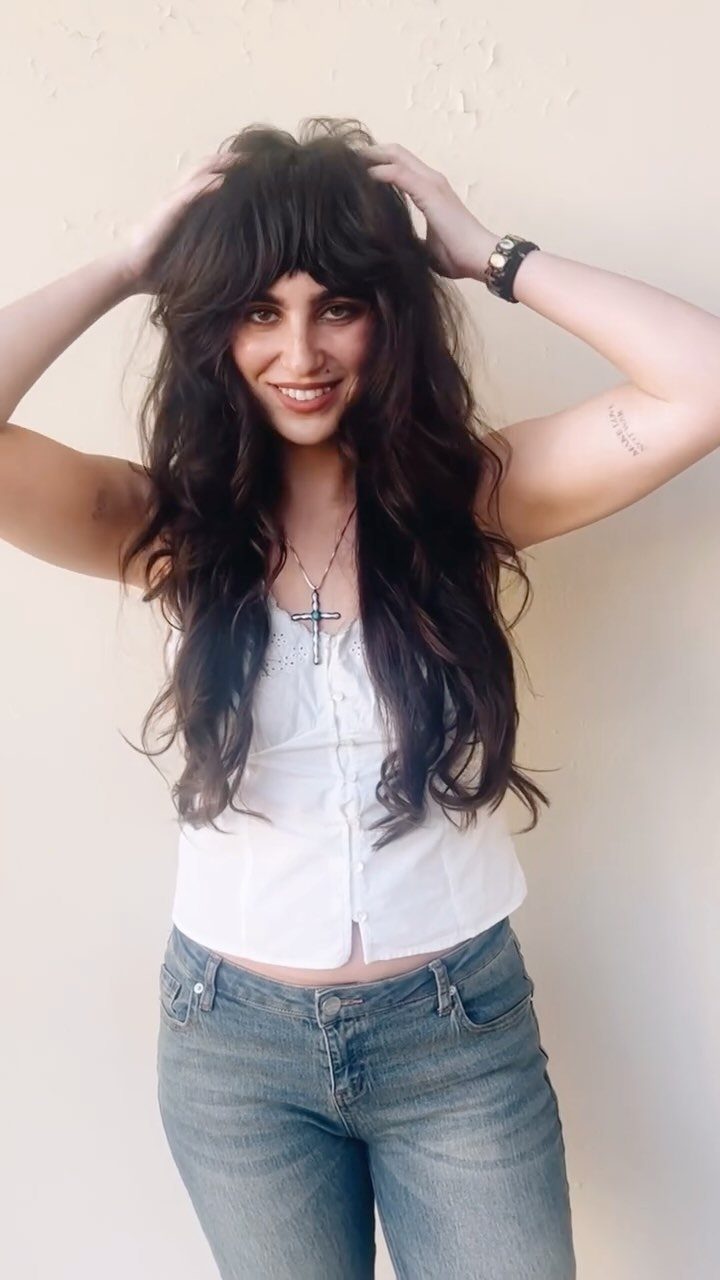
Shag layers shaped into waves give the hair separated, choppy texture, and full bangs finish the look at the front. The waves keep the layers from lying flat, so the cut shows its shape even on a plain day.
Dark hair shows that separation clearly. I’d ask for the layers to be cut with the wave in mind, then style the hair so the pieces stay apart instead of merging into one soft mass.
10. Layered Cut with Bangs
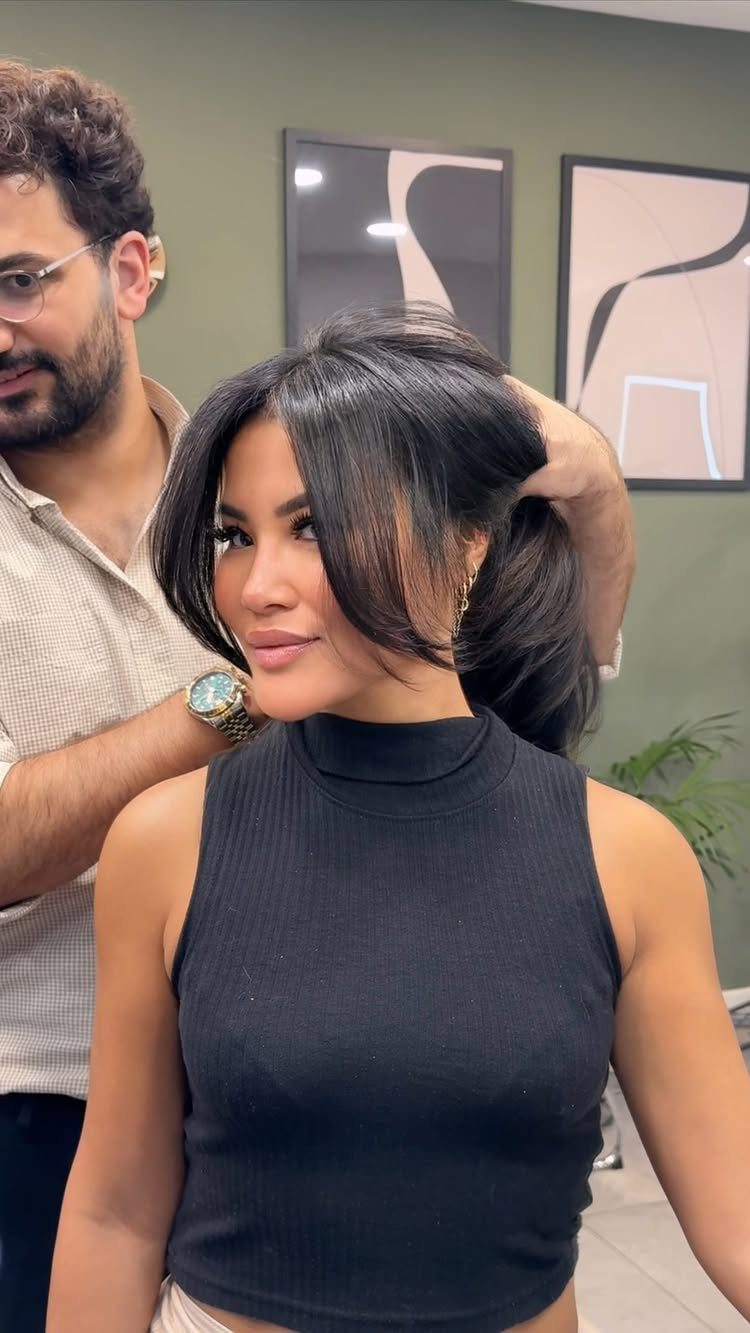
A medium layered cut with long, side-swept bangs is a modern take on a classic pairing. The bangs sweep across the face, and the layers keep the length from sitting in one flat sheet.
Bring a photo to the salon and point out where you want the bangs to start.
I’d keep them long and swept to one side, since that placement leaves room to tuck them behind an ear when they get in the way.
11. Feathered Fringe
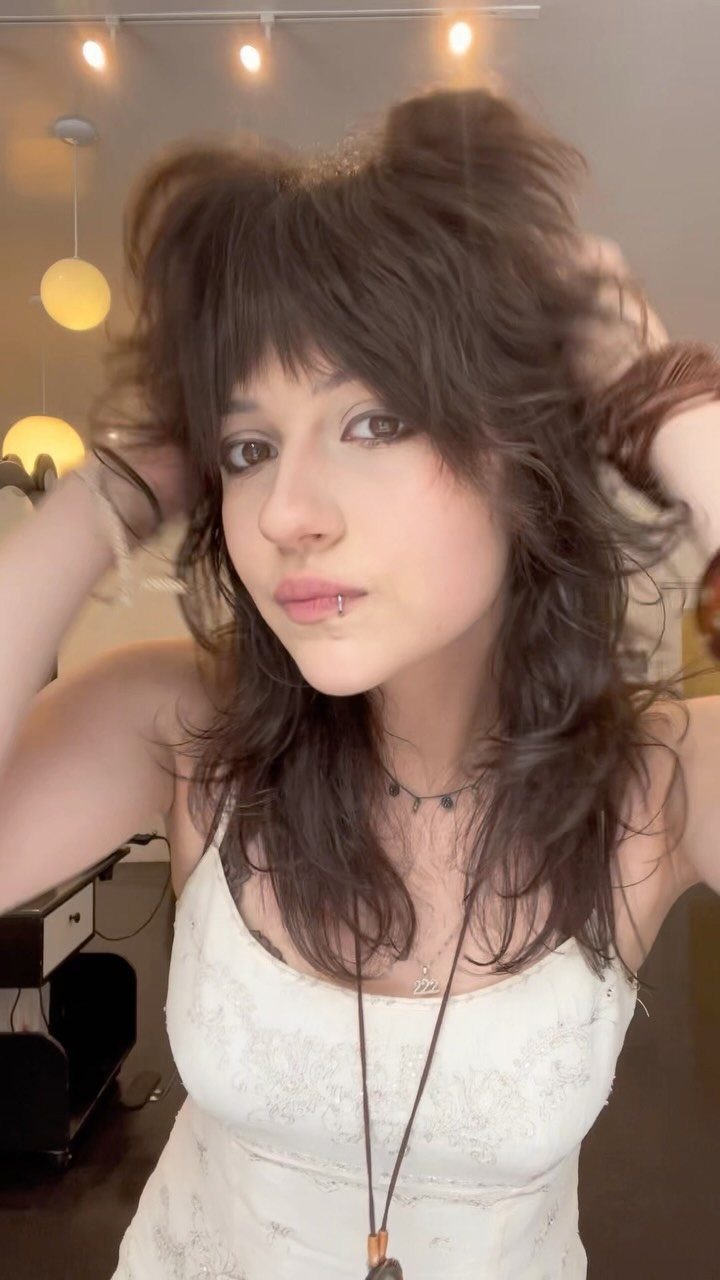
Feathered bangs have soft, uneven ends that lift away from one another instead of lying in a straight row. Paired with a modern shag, they give the front of the cut the same tousled feel as the layers behind it.
Ask for the fringe to be cut to match the shag, not set apart from it.
That keeps the whole shape in step. I prefer this on medium-length brown hair, where the feathered ends catch light and show their texture.
12. Flippy Layers
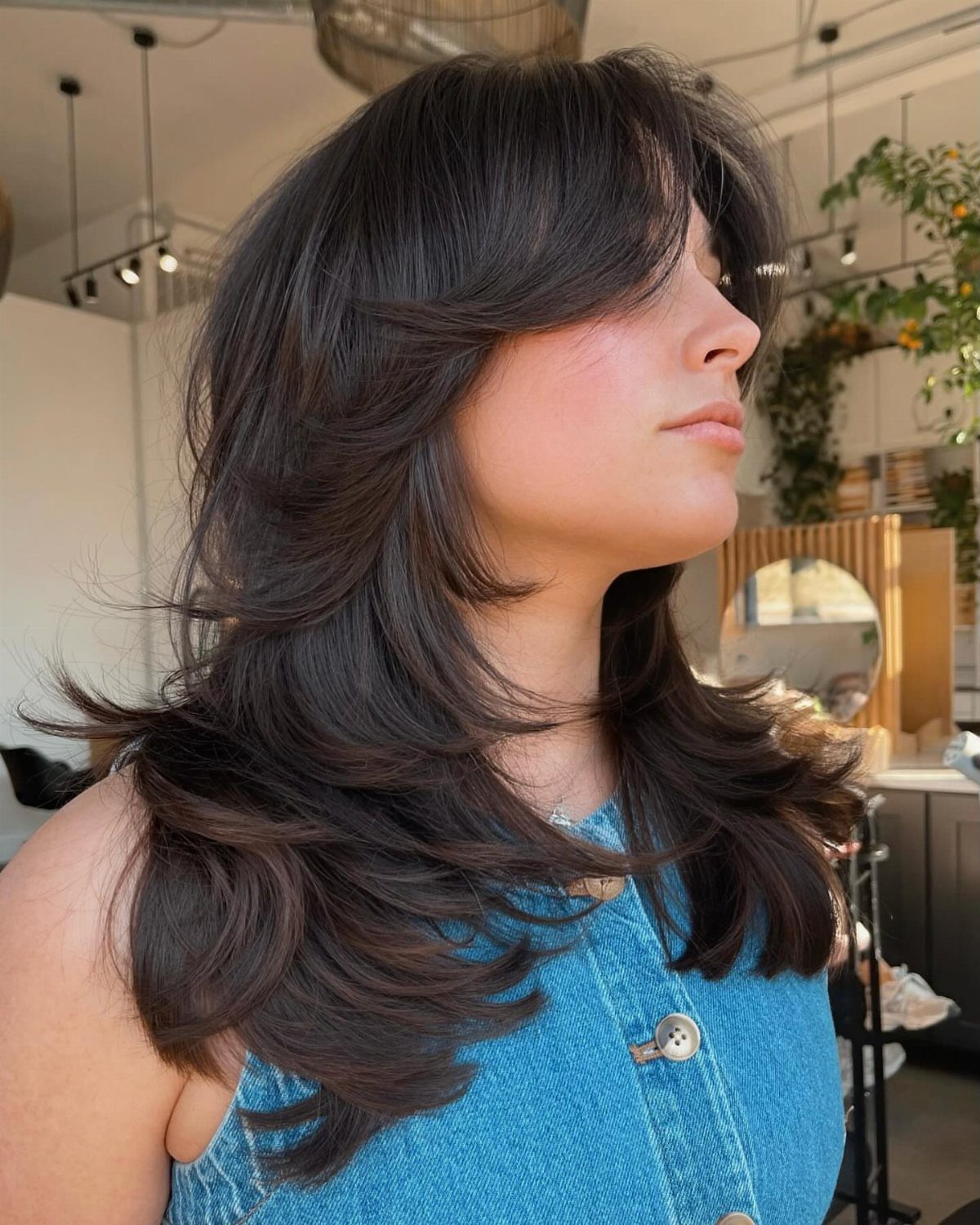
Layers cut at medium length and styled so the ends turn upward give a flippy shape with a lot of bounce. Framing bangs sweep across the front and carry the same lift.
The flip comes from styling, not just the cut, so plan on shaping the ends each time you wear it. I’d choose this if you like a polished, finished look and don’t mind spending a few minutes on the ends.
13. Sleek Bob with Bangs
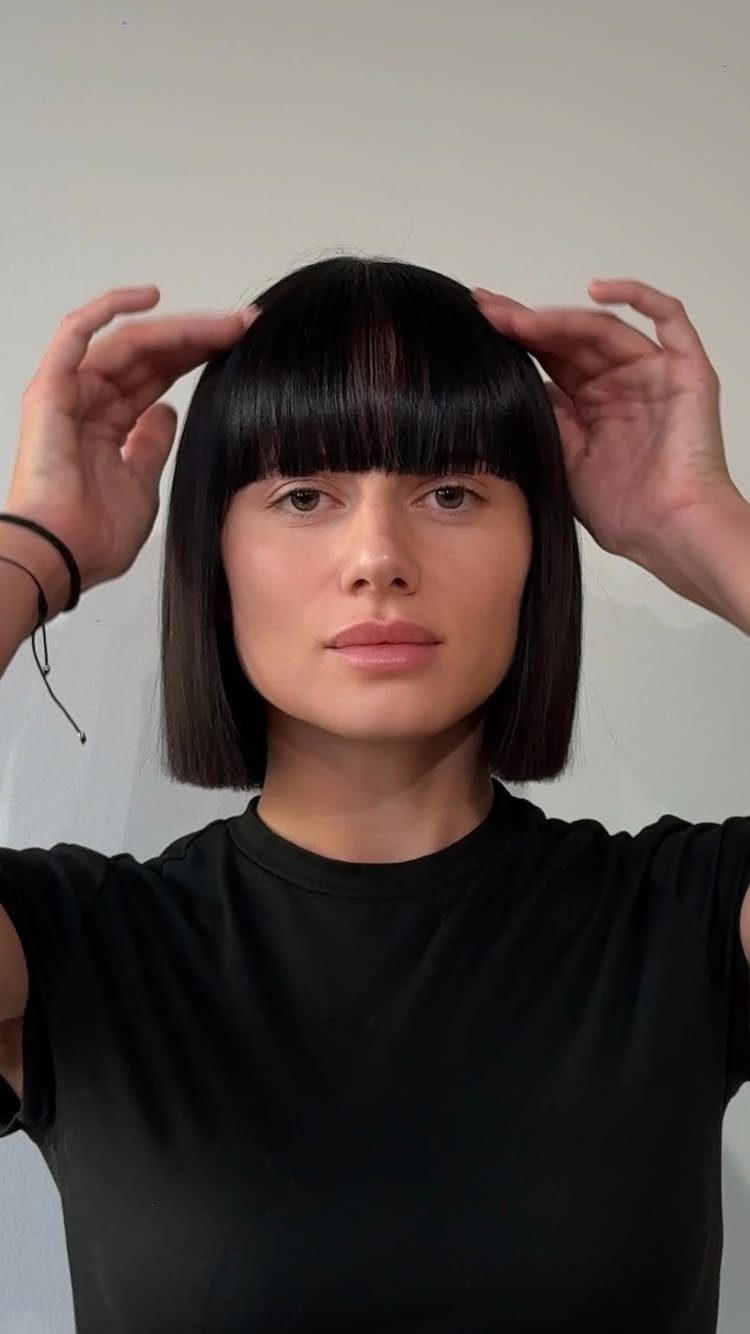
A blunt bob cut just below the jawline with straight-across bangs, both ends trimmed clean and flat ironed smooth. The bangs sit right at the brow or slightly below, and the bob itself is one length with no layers.
This cut looks sharp when hair is naturally straight or when you’re willing to flat iron it 3 to 4 times a week. If you skip the iron, the blunt line softens but the shape still reads.
Bangs need regular trims to stay out of your eyes. The bob itself grows out evenly, so you can stretch salon visits without losing the line.
14. Medium Lob with Bangs
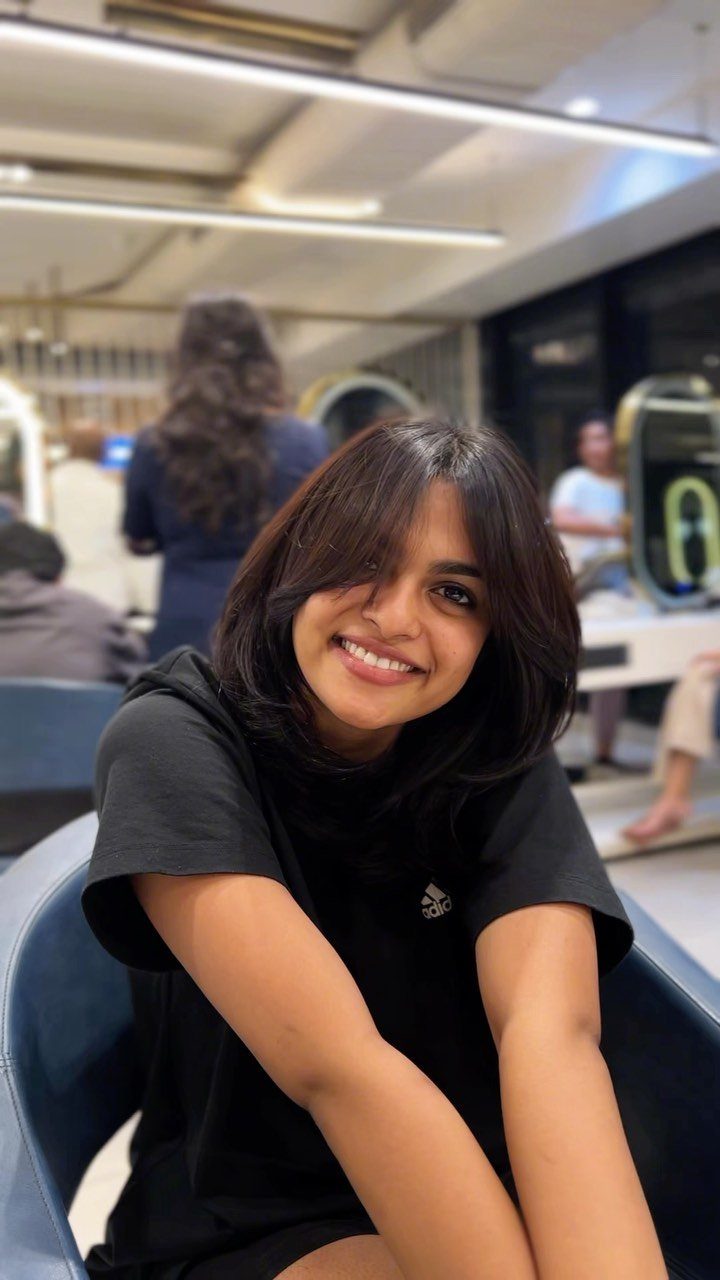
The length gives room to add texture or leave it smooth, and the bangs soften the forehead without shortening into a fringe.
If you already have a lob and want a change without losing length, center-parted bangs are the quickest shift.
They take time to grow past the awkward stage where they sit on your cheekbones, so decide before the cut whether you’re in for the grow-out or planning to keep them trimmed.
The lob itself can be layered for volume or kept blunt for thickness at the ends.
15. Asymmetrical Medium Cut
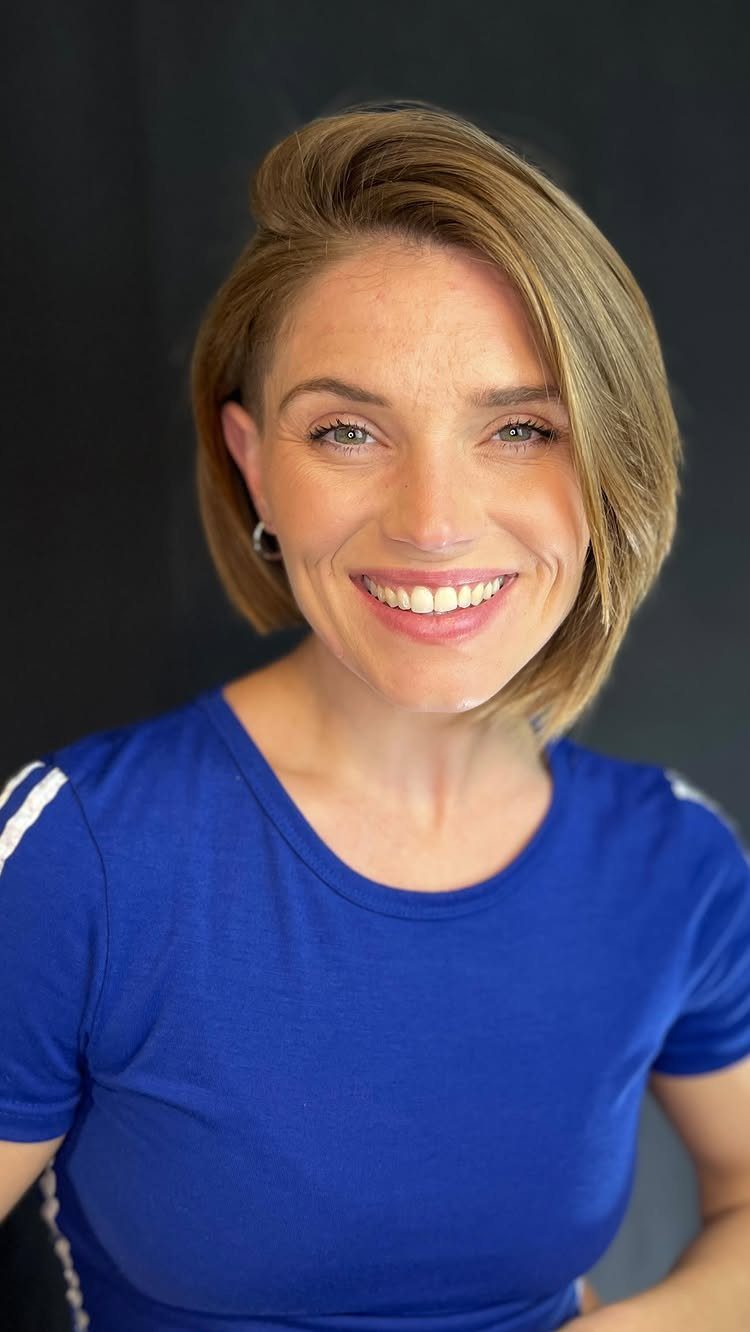
One side of the bob is cut longer than the other, so the asymmetry is visible from the front and even more obvious when hair is tucked behind one ear.
The shorter side sits near the jaw, the longer side grazes the collarbone or falls just above it.
This cut shifts as it grows. Some people skip the return trim and simply let the cut grow out.
A side part shows the difference more than a center part, and straight hair holds the line better than waves.
Frequently Asked Questions
Which cut is best for medium hair?
For fine hair, a collarbone cut or lob with just a few long layers wins, because a blunt, even bottom edge keeps the ends looking thick while choppy, heavy layering strips them down to wisps.
Thick hair has more room for weight removal through choppy layers or a shag, and wavy or curly hair benefits from cuts that work with natural texture instead of forcing a sleek line.
If you tie your hair back often, avoid heavy face-framing layers that leave pieces too short to reach a ponytail.
What hair length makes you look younger?
A cut that ends at the collarbone or shoulder keeps enough length to feel balanced without the weight that can pull the face down.
Bangs, especially wispy or curtain styles, soften the forehead and add movement at the front, which reads as fresher than one flat length all around.
What is the most popular women’s haircut right now?
The lob and shoulder-length bob, both with and without bangs, are showing up most often right now.
Curtain bangs and face-framing layers are the details people are asking for by name, and shag layers cut into waves are having a moment on medium-length hair.
So which shoulder-length haircut will suit you best?
A blunt collarbone cut or sleek bob suits straight hair that you’re willing to keep smooth, while a layered lob or shag works better if you want movement and less flat ironing.
An afro at medium length is all about the shape and outline, and flipped side bangs or face-framing layers add shape to shoulder-length hair without shortening the back.
What exactly are medium-length haircuts with bangs?
They’re shoulder-length cuts or lobs paired with bangs at the front, and the combination gives the cut a finished frame around the face.
The length itself is long enough to tie back but short enough to feel light, and bangs can be blunt, wispy, curtain, or side-swept depending on how much forehead you want to show.