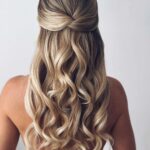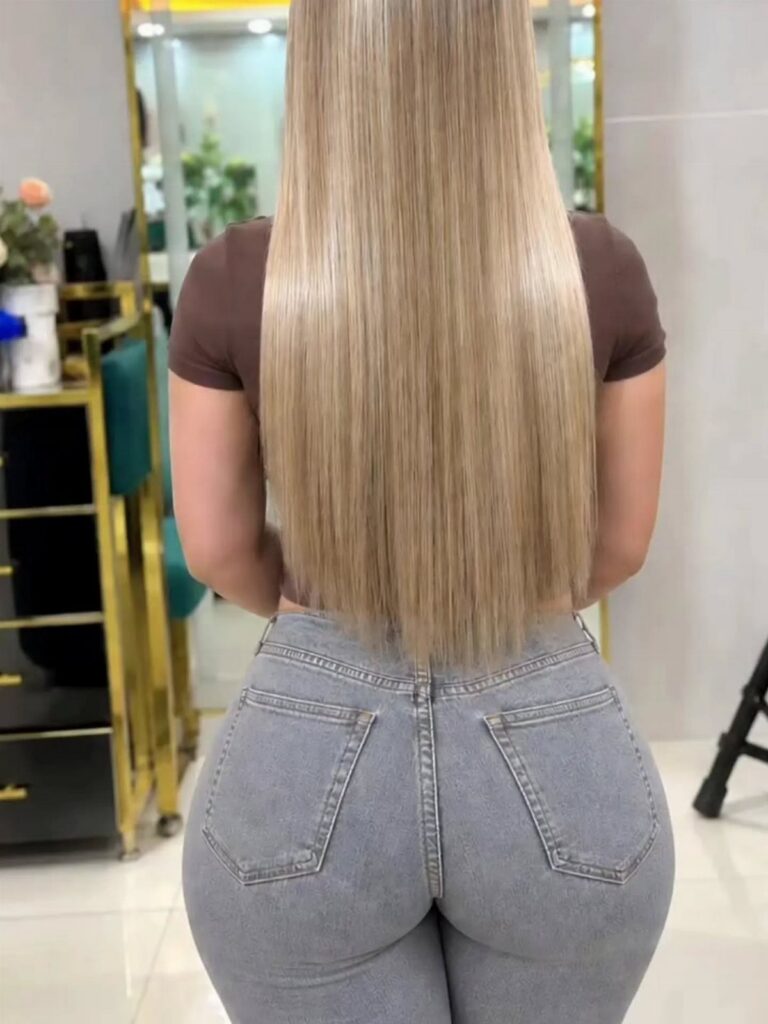
Texture decides how 22 inches of hair wears: straight hair shows close to the full length, waves shorten it by a few inches, and curls take even more.
The ideas here range from a sleek high ponytail held by one snug elastic to glass hair that needs a flat iron pass, serum and gloss, with long layers and a low bun among them.
Where 22 inches lands depends on who is wearing it, and the Length Varies by Wearer and Texture section below covers how much that shifts from one person to the next.
1. Sleek High Ponytail
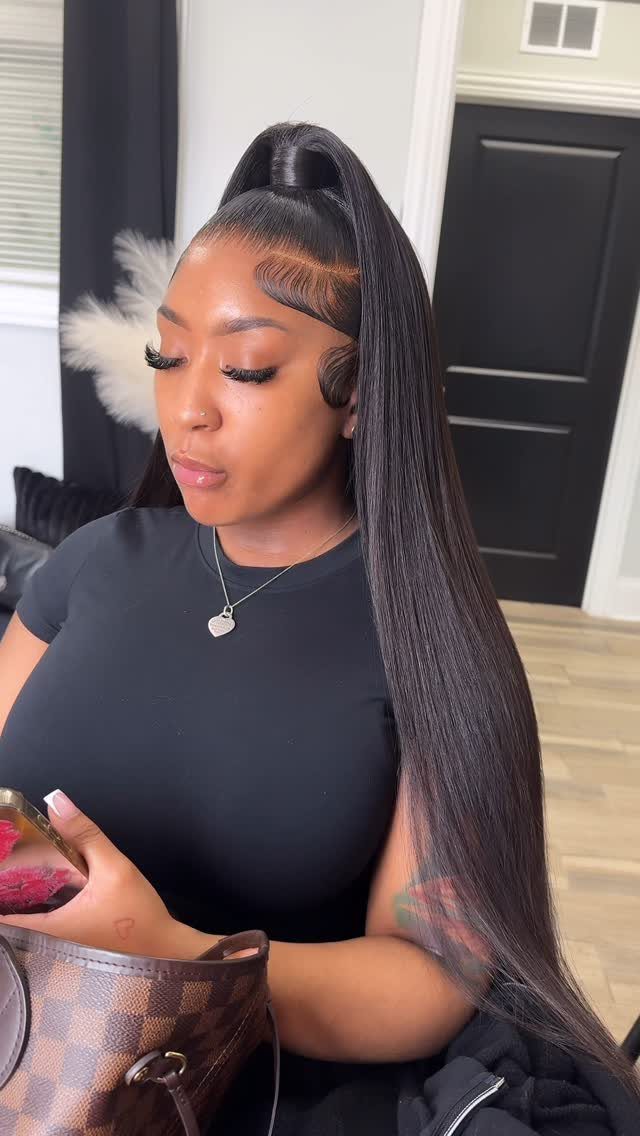
Pulled up to the crown, a sleek ponytail lets all that straight length fall in one clean line, with the edges laid flat so nothing breaks the shape.
Brush the hair smooth toward the crown before you tie it, and press the edges down with a small brush. I prefer a single snug elastic to several, because extra bands leave lumps at the base.
2. Bubble Ponytail
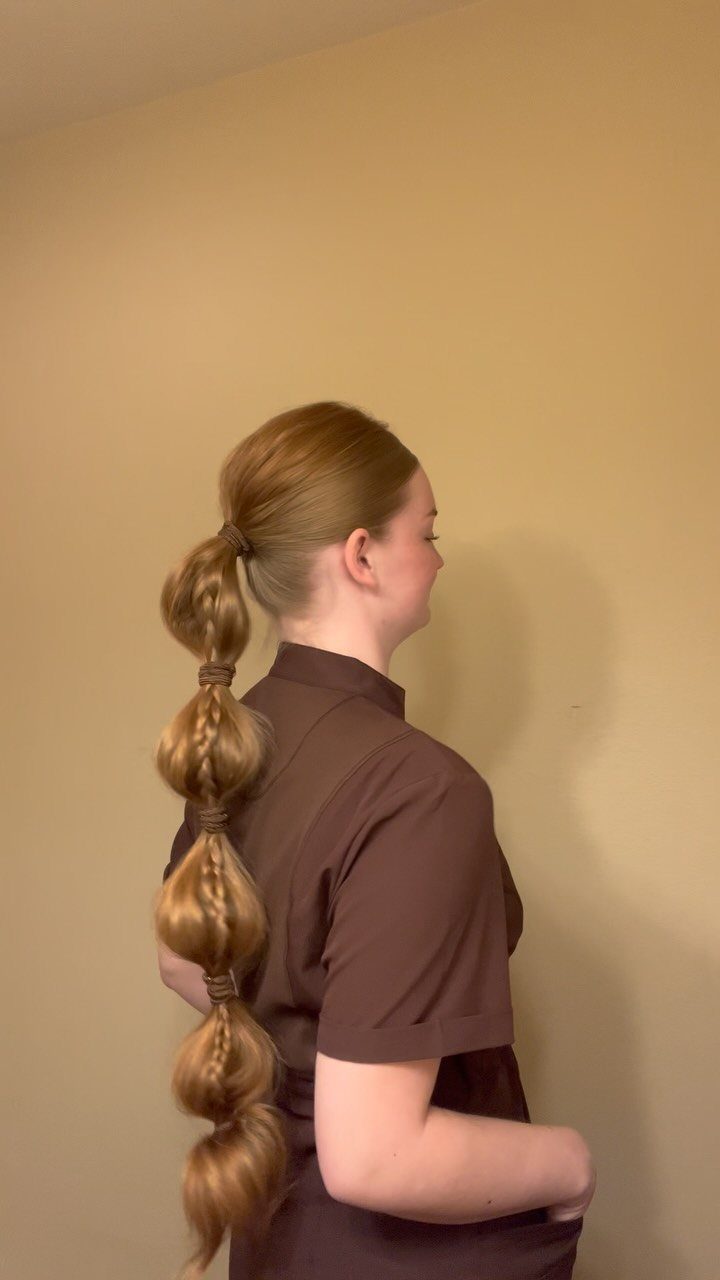
Elastics do the work in a bubble ponytail. Start with a regular ponytail, then tie more elastics down the length at even spacing and gently pull each section outward until it rounds.
On long hair, I like fewer, larger bubbles over lots of small ones, since they keep the shape clear and show more of the length.
Match the elastics to your hair color, or pick a contrasting color if you want them to read as part of the look.
3. Beach Waves
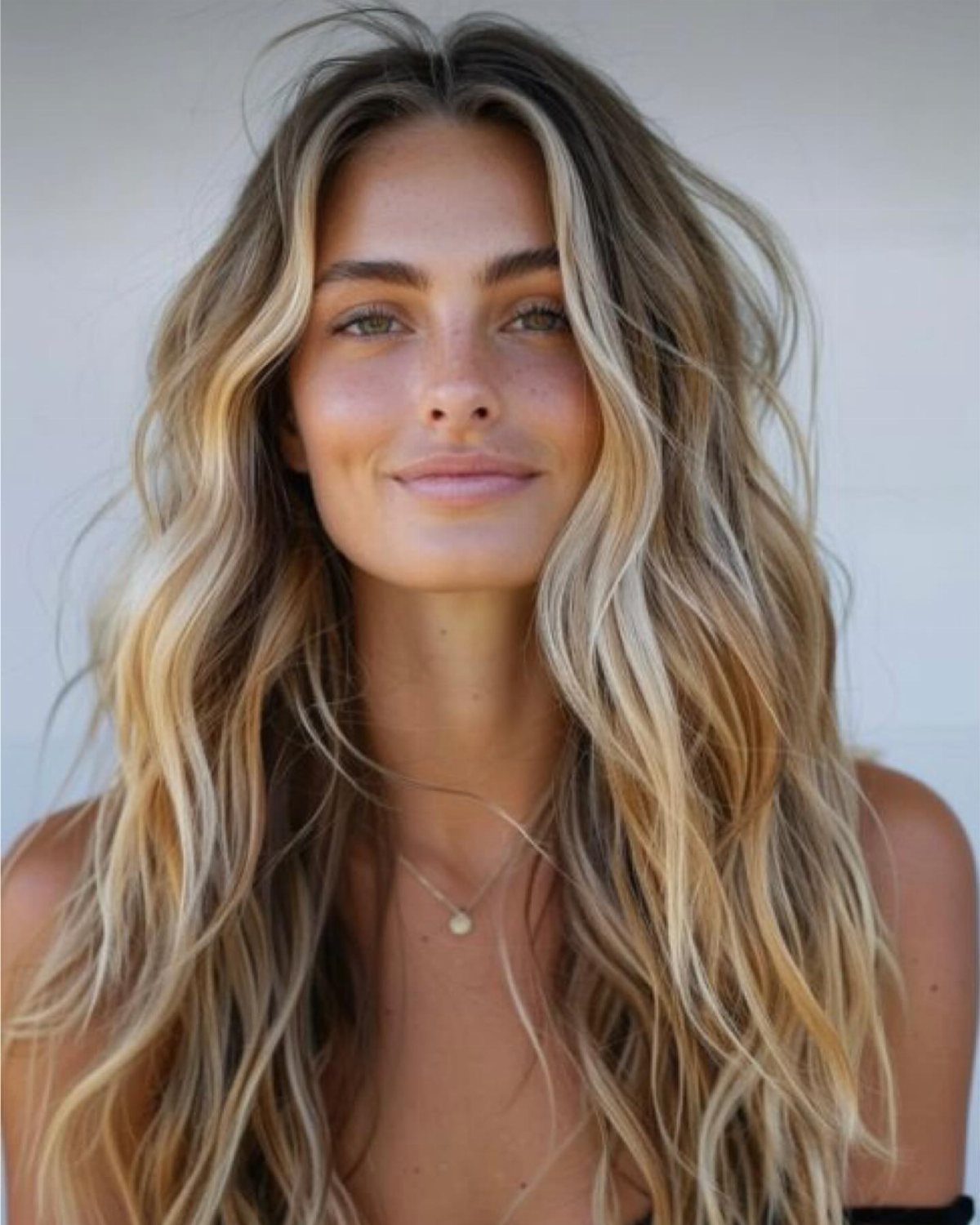
Loose, uneven bends are what make beach waves look relaxed. Curl sections in different directions, skip the last inch or so of each one, and run your fingers through instead of a brush.
Darker roots fit this style well, because the lived-in color matches the undone texture. Waves also take up some length, so 22 inches of hair will sit a bit shorter once it’s waved.
4. Old Hollywood Waves
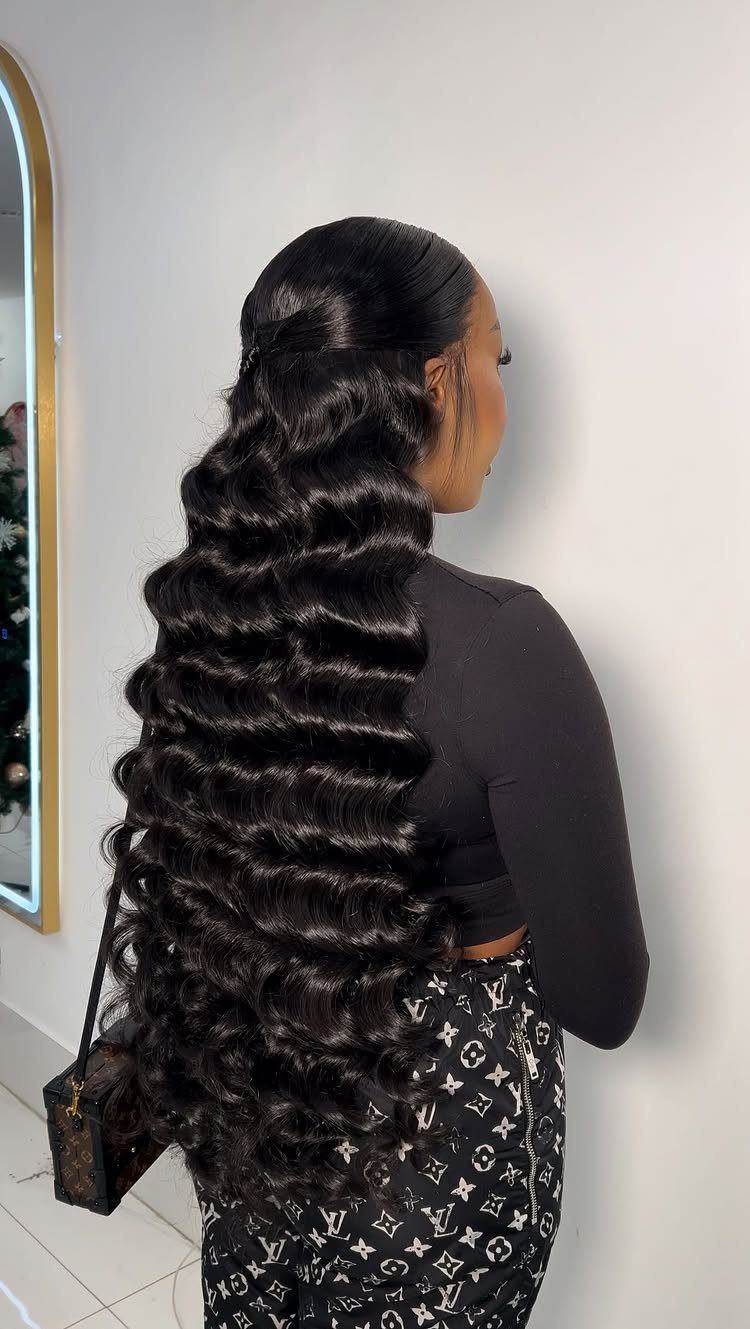
Brushing is the step that turns curls into Old Hollywood waves. Set the curls, let them cool completely, then brush through with a soft bristle brush until they merge into one smooth, glossy wave.
Skipping the brush leaves you with separate ringlets instead. Long hair rewards this look, since the wave pattern repeats several times down the length.
5. Loose Curls
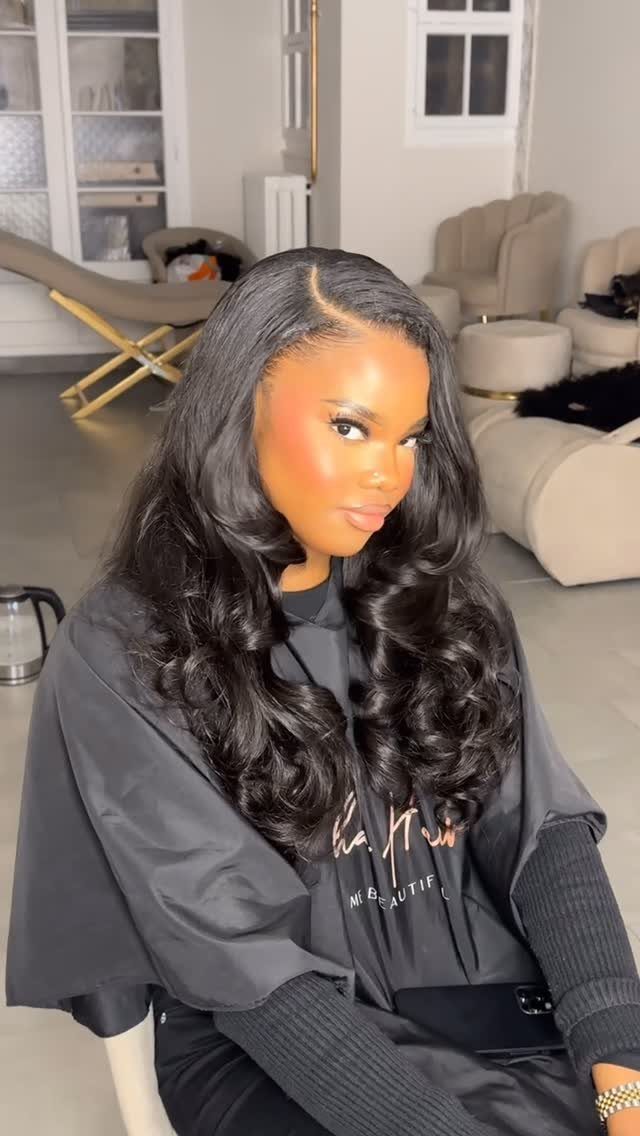
Curls this loose suit long hair that you want to look soft rather than styled. Wrap large sections around the barrel and leave the ends uncurled or only lightly bent.
Curls pull hair up shorter than it measures when straight, so loose ones keep more of the length visible.
I’d choose them over tight spirals for that reason alone. Finish with your fingers, not a brush.
6. Long Layers
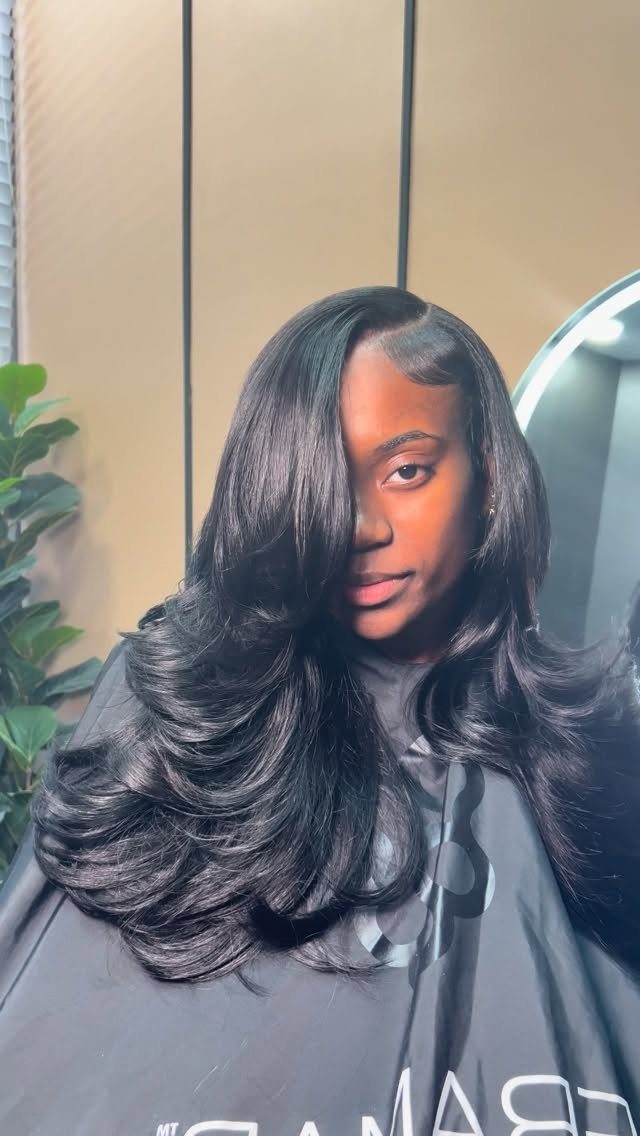
Ask for long layers by name, and have your stylist tell you where the shortest layer will land before cutting starts. That one answer decides how much length you keep.
The layers add movement, especially when the hair is waved or curled.
On straight hair they show up more quietly. Ask, too, how much weight will come out of the ends, since that changes how full the bottom looks.
7. Voluminous Ringlets
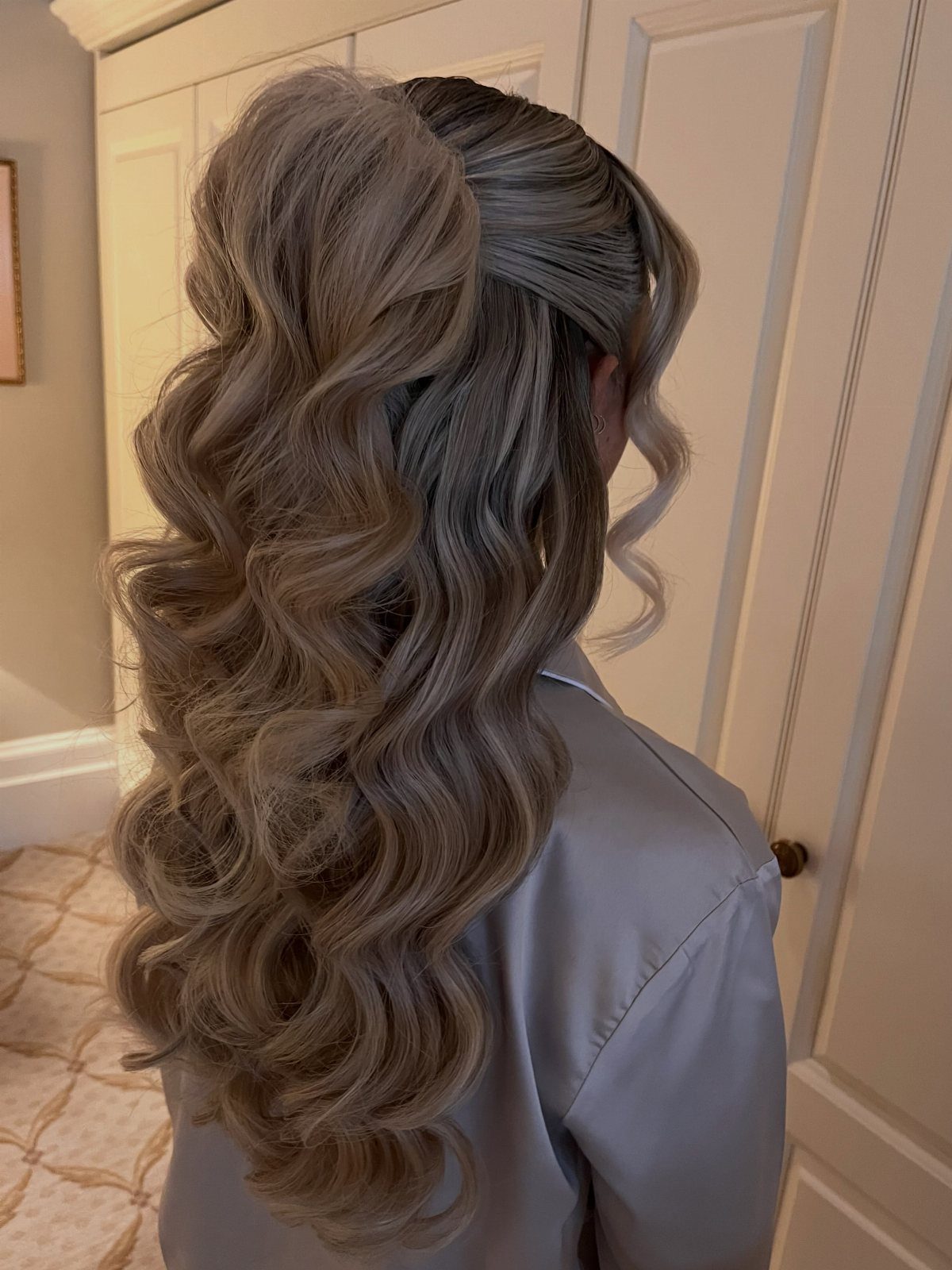
This half-up style uses a curling iron or wand to build spiral curls all the way down, then clips the top section back to keep volume at the crown while showing off the full length.
The weight of the hair will pull some of the bounce out by midday, so I set these curls tighter than I want them to finish.
The half-up keeps hair off your face without losing the drama of the full curled length. Pin curls at the roots before you clip the top section will hold lift longer.
8. Glass Hair
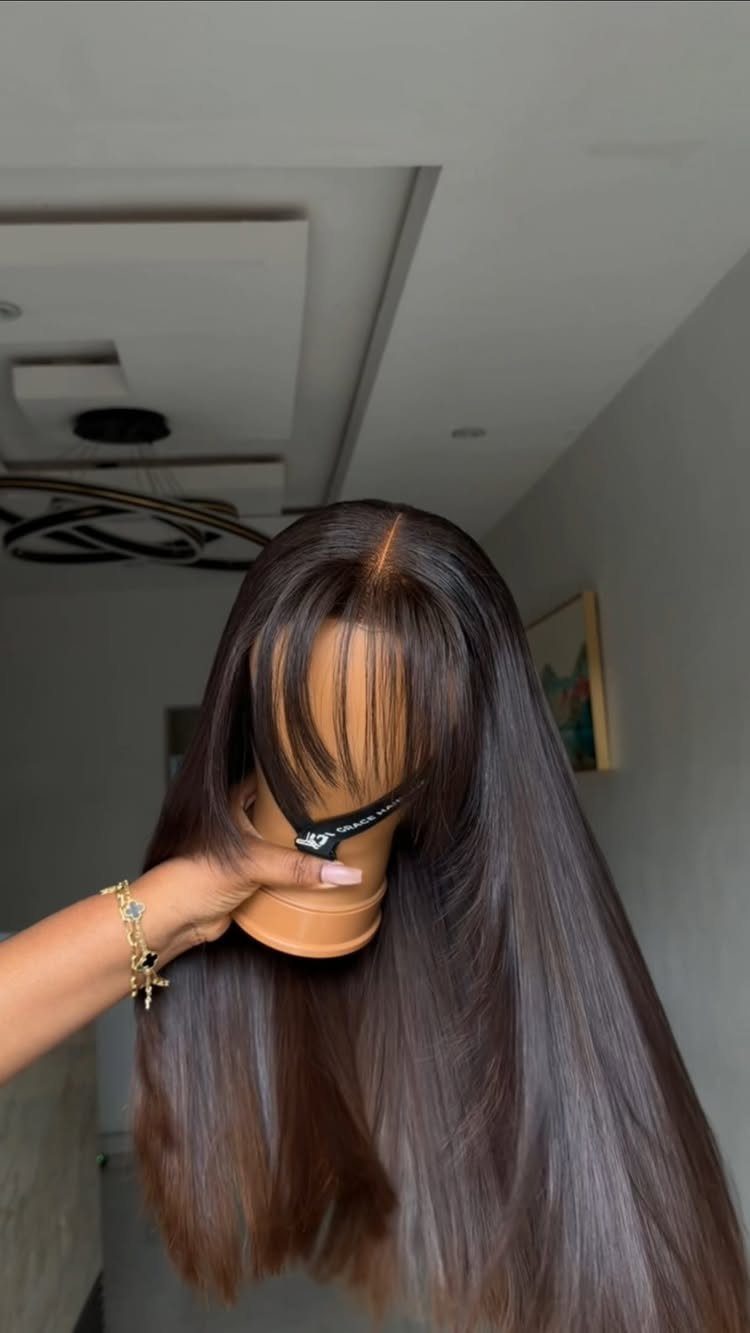
Glass hair is a straight, high-shine finish where light bounces cleanly off each section with no texture or frizz breaking the surface.
Getting there takes a flat iron pass on freshly dried hair, a smoothing serum applied to damp lengths, and a final gloss or oil misted lightly at the ends.
Any wave or kink becomes obvious at this length, so this look asks for patience and a good heat protectant.
The result is a polished, minimal style that reads modern and intentional. It grows out cleanly and needs a quick pass most mornings to stay sharp.
9. Low Bun
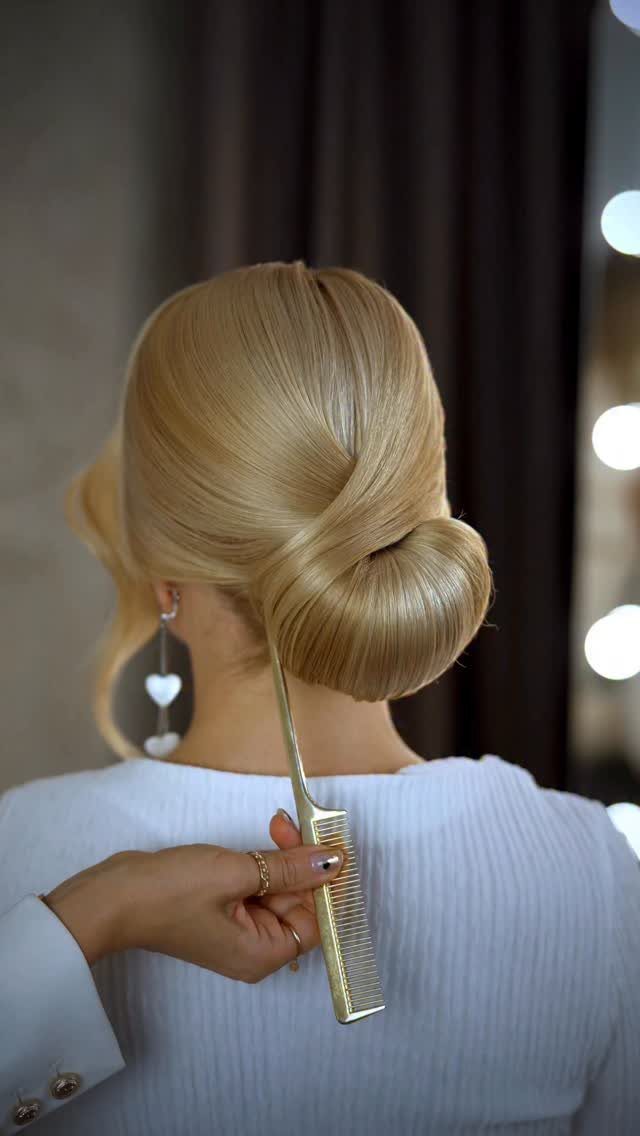
A low bun sits at the nape and gathers all the length into one smooth coil, secured with pins or an elastic and often finished with a decorative comb or clip.
You have enough hair to wrap the bun twice, which gives a fuller shape without teasing.
Smooth the crown and sides with a brush and light gel or pomade, then twist or loop the length and pin it flat against the base of the skull.
This style keeps hair secure through a long day without the height of a top knot.
Length Varies by Wearer and Texture
22 inches equals about 55–55.9 centimeters measured along the strand. That measurement stays constant, but where it lands on your body shifts with height, torso length, and texture.
On straight hair, the tape-measure number is close to what you actually see, since almost no length gets lost to bend or shrinkage. A woman shorter than roughly 5’3" will usually find 22 inches landing around her waist.
On frames around 5’3"–5’7", it typically finishes mid-back to waist. Above 5’7", expect mid-back placement.
Waves shorten the visual result by a few inches, since the hair bends instead of falling straight. Curls take up even more length in their pattern, often placing the ends a full zone higher than straight hair would.
Installation position matters too.
Hair measured from a crown attachment sits higher than hair sewn or taped lower on the head. Product photos offer reference, not a guarantee of where your particular length will end.
Extension Care and Daily Upkeep
Work knots out from the tips and climb toward the roots, pinching the hair right at the attachment with your free hand so the bond or tape never takes the tug. A brush made for extensions moves through without snagging.
Go easy when you cleanse the scalp and the spots where the extensions are attached. Keep hair hanging down instead of piling it on top of your head, where it knots.
Conditioner belongs on the mid-lengths and ends; keep rich or heavy products off tape, bonds and any other hardware at the root unless the label says they’re safe there.
Before bed, let the roots and attachment spots dry all the way. Wet hair at the attachment tangles into mats quicker and drags harder on the installation.
Spray a heat protectant first, then keep the tool on a medium setting. Real human hair can take a hot tool, yet frequent high heat wears down its good looks sooner.
Braid or tie long hair loosely at night.
A satin pillowcase or a bonnet cuts down on friction overnight. Clip-ins come out before you sleep, shower, or swim.
Blending and Choosing a Method
A soft blend between your natural hair and 22-inch extensions often calls for long layers or face-framing cuts that graduate the transition. Blunt natural ends next to long extensions can look abrupt, especially on fine or thin hair.
If you want extra length only now and then, or want to try it out first, clip-ins let you do that without committing to anything fixed.
Distribute the clips so one section is not carrying all the weight, and remove them before bed.
Tape-ins lie flat and work well for fine-to-medium density, but oils and conditioner weaken the adhesive, so keep those products away from the attachment zone.
Wefts, fusion, and microbeads require professional installation and deliberate maintenance. Row placement, bond size, and weight distribution should match your natural density and the attachment method you choose.
Frequently Asked Questions
Where does 22-inch hair fall on someone who is 5’2″?
On a 5’2" frame, straight 22-inch hair usually lands around the waist.
A shorter torso can make it look even longer. Someone between 5’3" and 5’7" will usually see the ends fall from mid-back to waist, while anyone taller than 5’7" should plan on mid-back.
Do 22-inch curly extensions look shorter?
Yes. Wavy hair looks a few inches shorter than its label, and tight curls can pull the ends up an entire zone compared with straight strands.
Sellers measure the strand pulled out straight, so a curly 22 inches hangs well above where that number suggests.
How do you measure 22-inch extensions and wigs correctly?
Start at the point that fits the product and finish at the longest ends.
For clip-ins and wefts that means the top seam or weft edge, for tape-ins the top edge of the tape tab, and for wigs the crown of the cap.
Use a soft tape on a flat surface, and straighten wavy or curly hair only until the pattern relaxes, never pulling it tight.
Measure a second time to check the number, and on layered hair run the tape to the longest section that sits naturally, ignoring any wisps that hang lower.