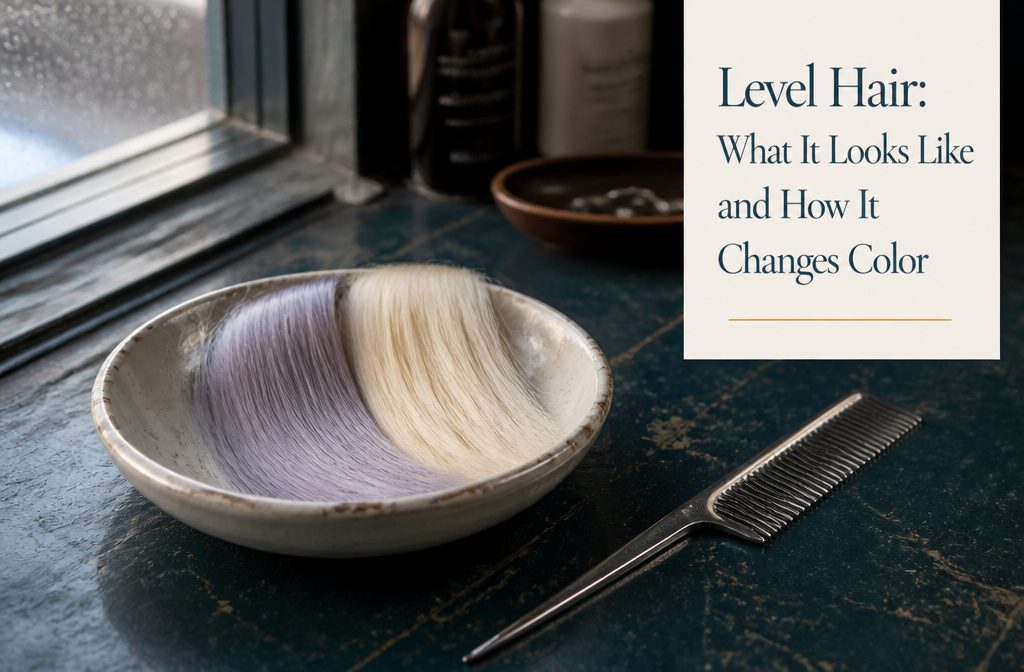
Level 10 hair is the palest workable blonde on the 1-to-10 scale, very close to platinum.
What’s left at this level is yellow, so a violet or silver toner is what keeps it from reading brassy indoors. Pastels like Poseidon and Periwinkle show most accurately on this base, since there’s no warm undertone pulling them off.
1. Hair Color Levels 1 to 10
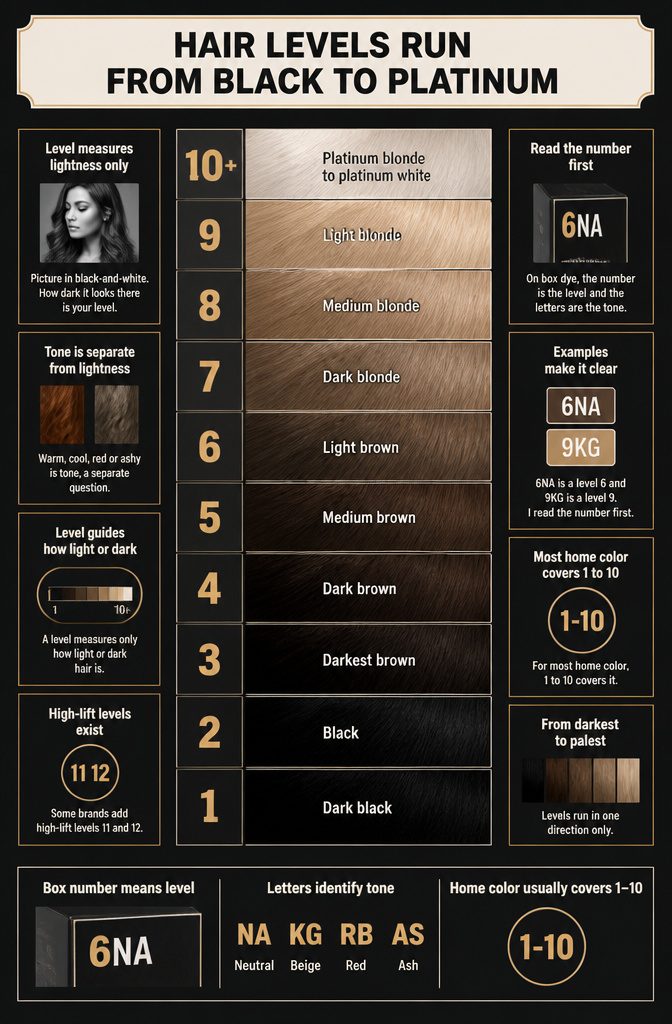
A level measures only how light or dark hair is.
Warm, cool, red or ashy is tone, a separate question. Picture a black-and-white photo of your hair: how dark it looks there is your level.
| Level | Shade |
|---|---|
| 1 | Dark black |
| 2 | Black |
| 3 | Darkest brown |
| 4 | Dark brown |
| 5 | Medium brown |
| 6 | Light brown |
| 7 | Dark blonde |
| 8 | Medium blonde |
| 9 | Light blonde |
| 10+ | Platinum blonde to platinum white |
On box dye, the number is the level and the letters are the tone, so 6NA is a level 6 and 9KG is a level 9.
I read the number first. Some brands add high-lift levels 11 and 12, but for most home color, 1 to 10 covers it.
2. What Level 10 Looks Like
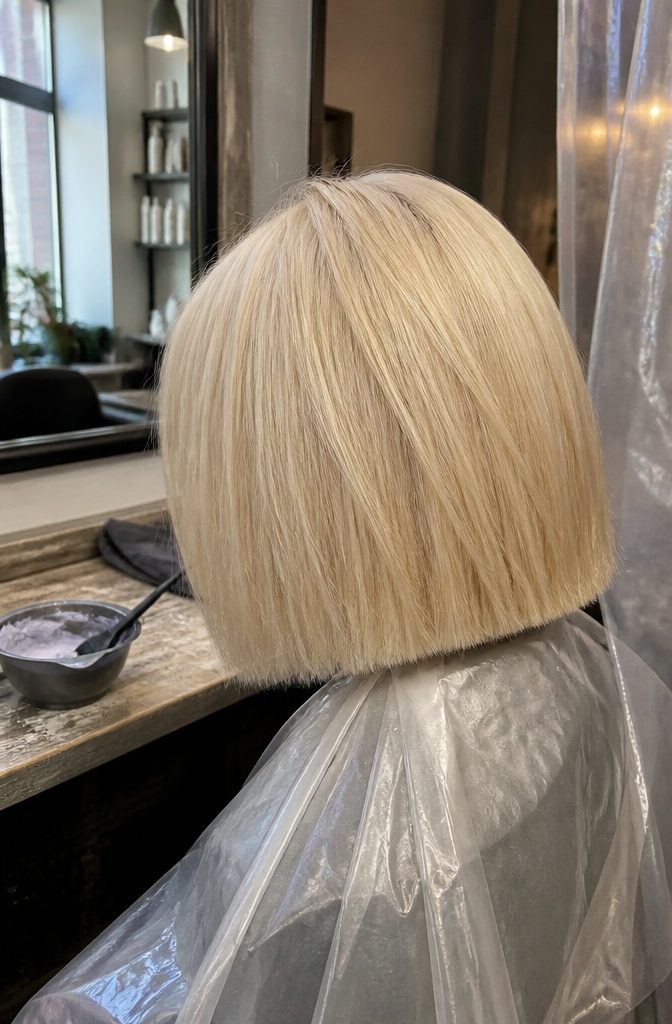
Level 10 sits very close to platinum, the palest workable blonde before white. Level 8 is bright and obvious.
Level 9 reads pale and soft. At 10, you’re at the far edge of visible warmth.
The leftover pigment at this level is yellow, so toning matters more than it ever has.
Skip it and the base reads brassy under indoor light, even when it looks clean in the mirror at the salon. A violet or silver toner neutralizes what bleach leaves behind.
The guides word this differently.
One calls 10 close to platinum and stops there. Another groups 10 and above as platinum blonde to platinum white with little or no yellow, treating the whole range as a single category.
Both agree that natural hair this pale is rare, and that reaching it almost always requires bleach first unless you were born very fair.
3. How Level 10 Changes Color
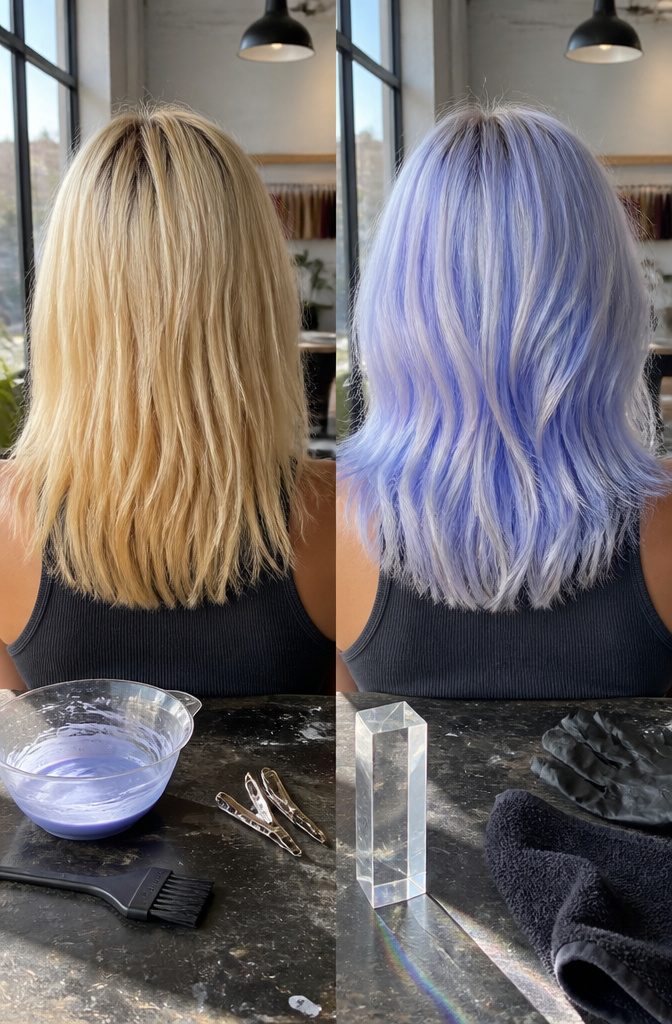
Pastels turn out best on level 10 or lighter. Level 9 can hold some of them, depending on porosity, and level 8 is generally a good base for most Arctic Fox colors, though pastels are the exception there.
Blues show most accurately on a level 10 base.
Poseidon, Periwinkle and Sterling have no yellow underneath pulling them toward green, so the color on your hair stays close to the jar. Expect most shades to land lighter and brighter, with undertones showing more.
Wrath and Violet Dream can read pinker, and Phantom Green can lean bluer. If a toner got you to level 10, its tones also interact with whatever you put over it, so I’d pick the shade with that in mind.
Warmth on the Way Up
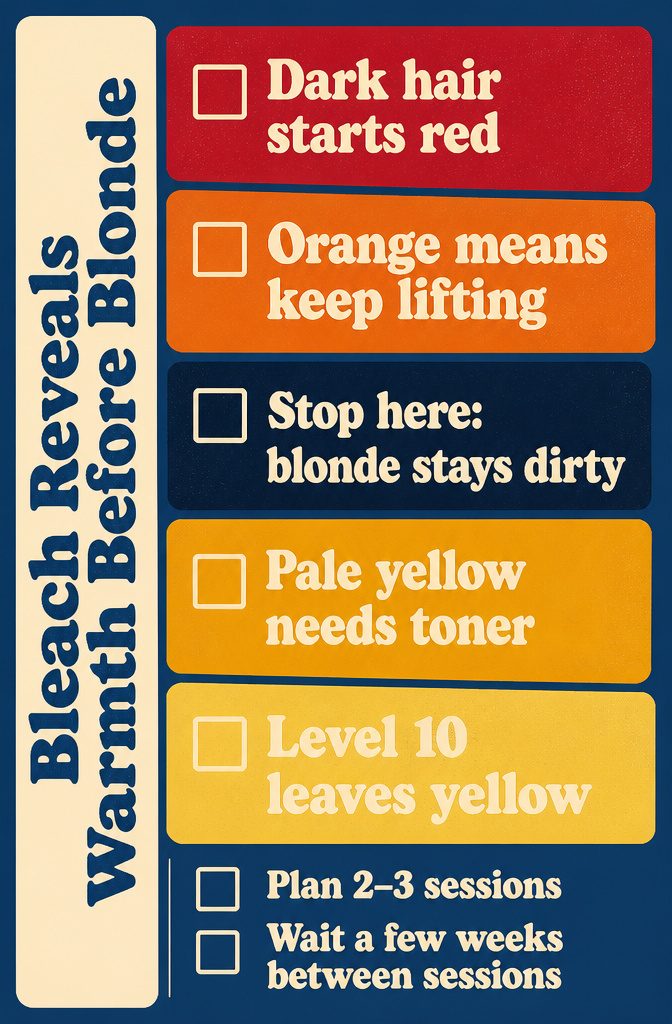
Hair turns orange on the way up because bleach doesn’t add color. It clears out dark pigment and exposes the warm tones underneath, one layer at a time:
- Red: dark hair starts to warm up.
- Orange: the stage most people panic at. If you stop here, no blonde dye will look clean, so keep lifting.
- Gold or yellow-orange: closer, but still too warm for a cool blonde.
- Pale yellow: the base icy or platinum blonde needs. At level 10, yellow is the last warmth left, and a toner is what finishes it.
- Black or very dark brown hair makes the longest trip. I’d plan on 2 or 3 sessions a few weeks apart, since doing it all at once is how hair turns gummy and breaks.
Checking and Reaching Level 10
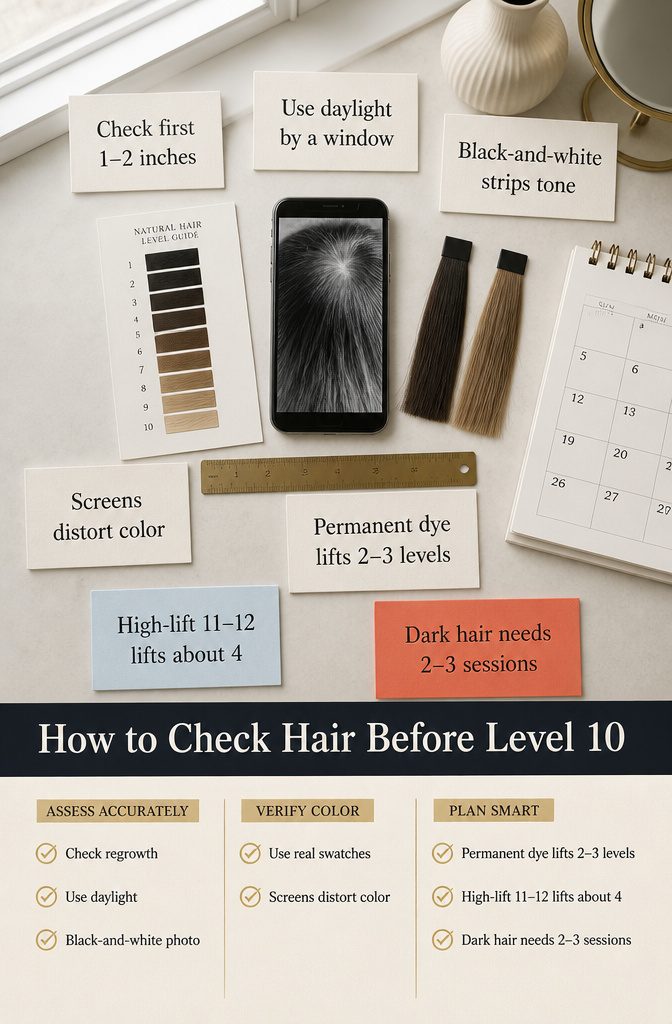
Most people read their own hair lighter than it is. Check the first inch or two of regrowth, or the mid-lengths if you’ve never dyed, since sun-faded ends mislead.
Stand by a window in daylight, take a photo, and switch it to black and white to strip out tone. Hold real swatches to your hair too, because screens distort color.
Permanent dye lifts natural hair about 2 to 3 levels. High-lift color, labeled 11 or 12, gets about 4 and works best on natural level 5 and lighter.
Dark hair usually needs two or three sessions a few weeks apart. Rushing it can leave hair gummy and breaking, so I’d take the slow route.
Frequently Asked Questions
What is level 10 hair?
Level 10 is very pale blonde, close to platinum and sitting at the far edge of visible warmth before white.
The leftover pigment at this level is yellow, so a violet or silver toner is needed to neutralize what bleach leaves behind. Natural hair this light is rare, and reaching it almost always requires bleach first.
What do the numbers and letters on hair dye mean?
The number is the level (how light or dark) and the letters are the tone (warm, cool, ashy, red).
A box labeled 6NA is a level 6, and 9KG is a level 9. Some brands add high-lift levels 11 and 12, but for most home color, 1 to 10 covers it.
Why does my hair turn orange when I bleach it?
Bleach clears out dark pigment and exposes warm tones underneath, one layer at a time.
Orange is the stage most people stop at too soon, and no blonde dye will look clean on it. Keep lifting through gold and yellow-orange until you reach pale yellow, which is the base platinum blonde needs.
How many levels can you lift hair?
Permanent dye lifts natural hair about 2 to 3 levels.
High-lift color, labeled 11 or 12, gets about 4 levels and works best on natural level 5 and lighter. Dark hair usually needs 2 or 3 sessions a few weeks apart to avoid turning gummy and breaking.
How do I know what level my hair is?
Check the first inch or two of regrowth in daylight, since sun-faded ends read lighter than your real level.
Take a photo and switch it to black and white to strip out tone, then hold real swatches to your hair. Most people read their own hair lighter than it actually is.