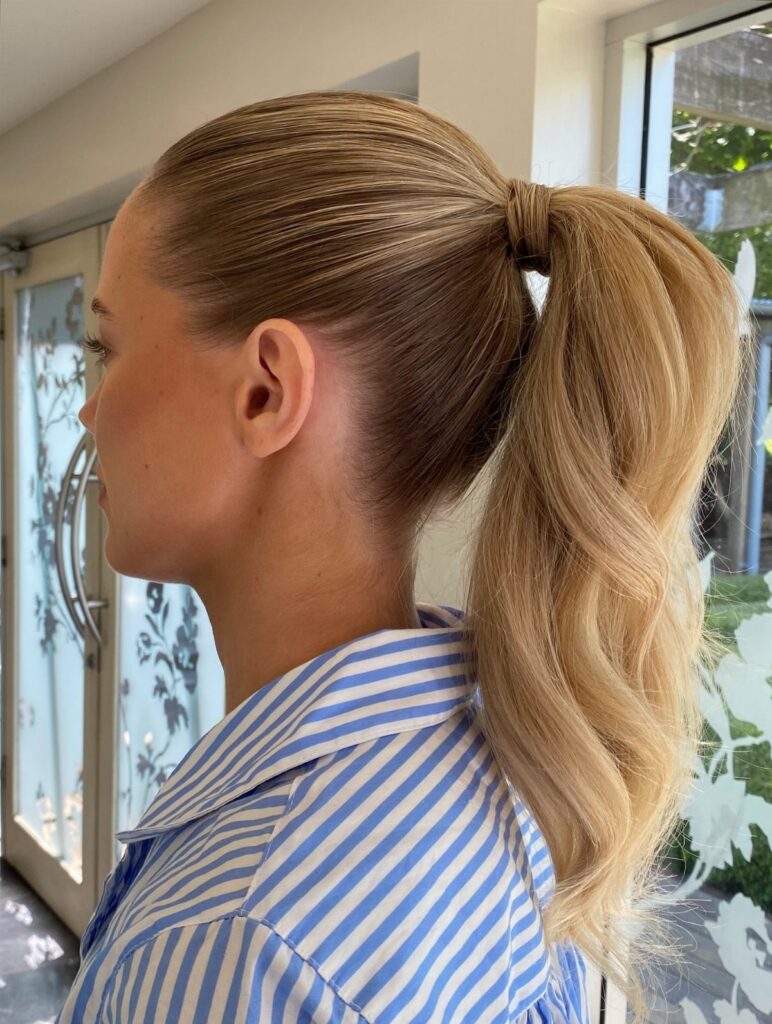
Your hair’s texture and current length narrow this list faster than any trend does: a blunt bob holds best on fine, straight hair, while a curly bob, twists and puffs are cut or parted around the curl pattern.
The range runs from a claw-clip updo that goes on in under a minute to braids and cuts that call for a booked appointment and a reference photo.
1. Buns
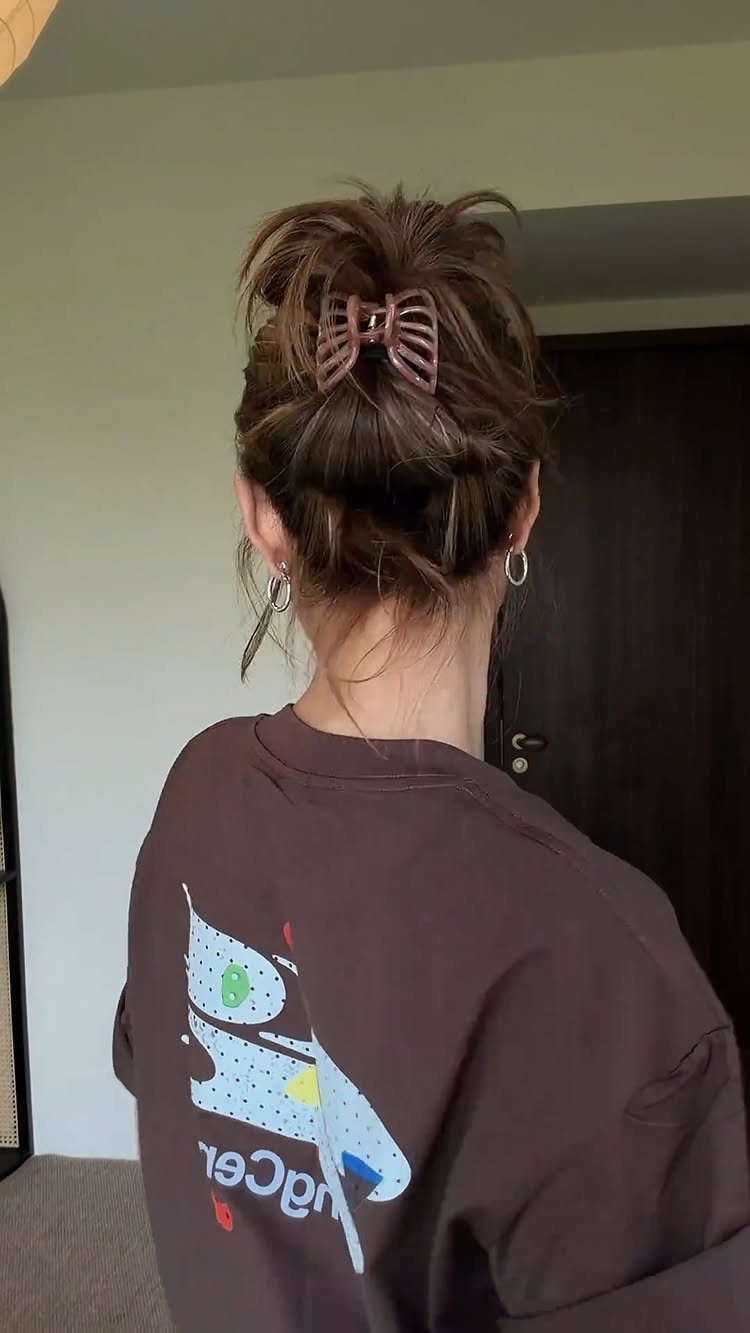
A bun is the fastest way I know to get hair off the neck and still look put together. The messy version forgives everything: no part to line up, no smoothing, and a loose pull-through even helps it look right.
For a high messy bun like this one, gather the hair at the crown, twist it once or twice, and wrap it around its own base. Pinching a few pieces loose around the face softens the shape.
Low, high and mini buns all work from the same wrap. I’d pick high for the days you want height and low for anything you’ll wear under a hat.
2. Ponytails
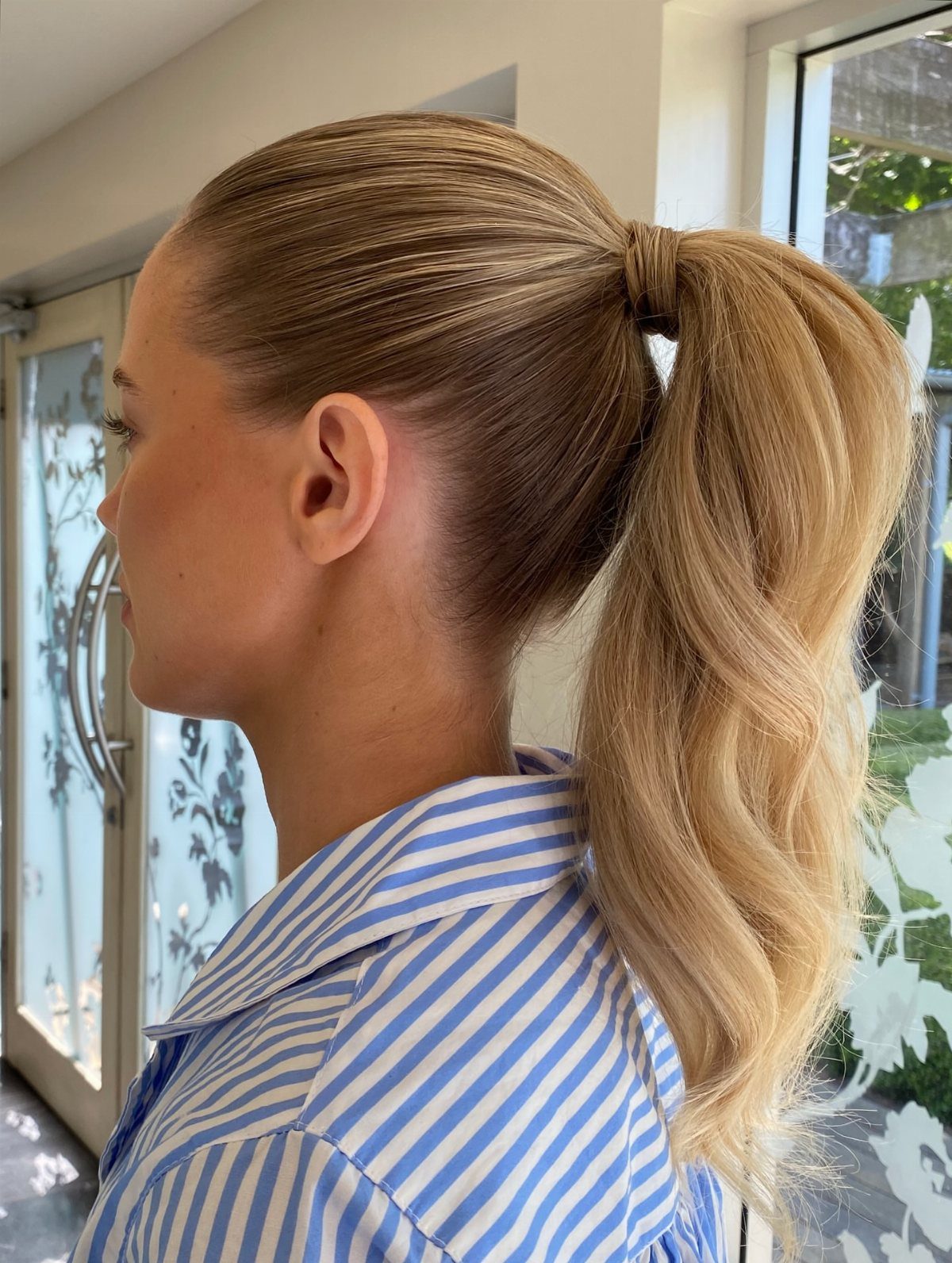
Sleek, high and swinging: a ponytail set at the crown gives the face a lift that a low tie never will.
Softly waved lengths add movement to a ponytail without losing the polished line, so curl the hair loosely first and leave the ends slightly undone.
Smooth the hair back with a brush before you tie it, and check the sides in a mirror so no bumps sit above the ears.
Wrapping a small section of hair around the elastic hides it and finishes the look in seconds.
I’d choose the high placement for a clean, awake look and drop it to the nape when you want something softer.
3. Loose Waves
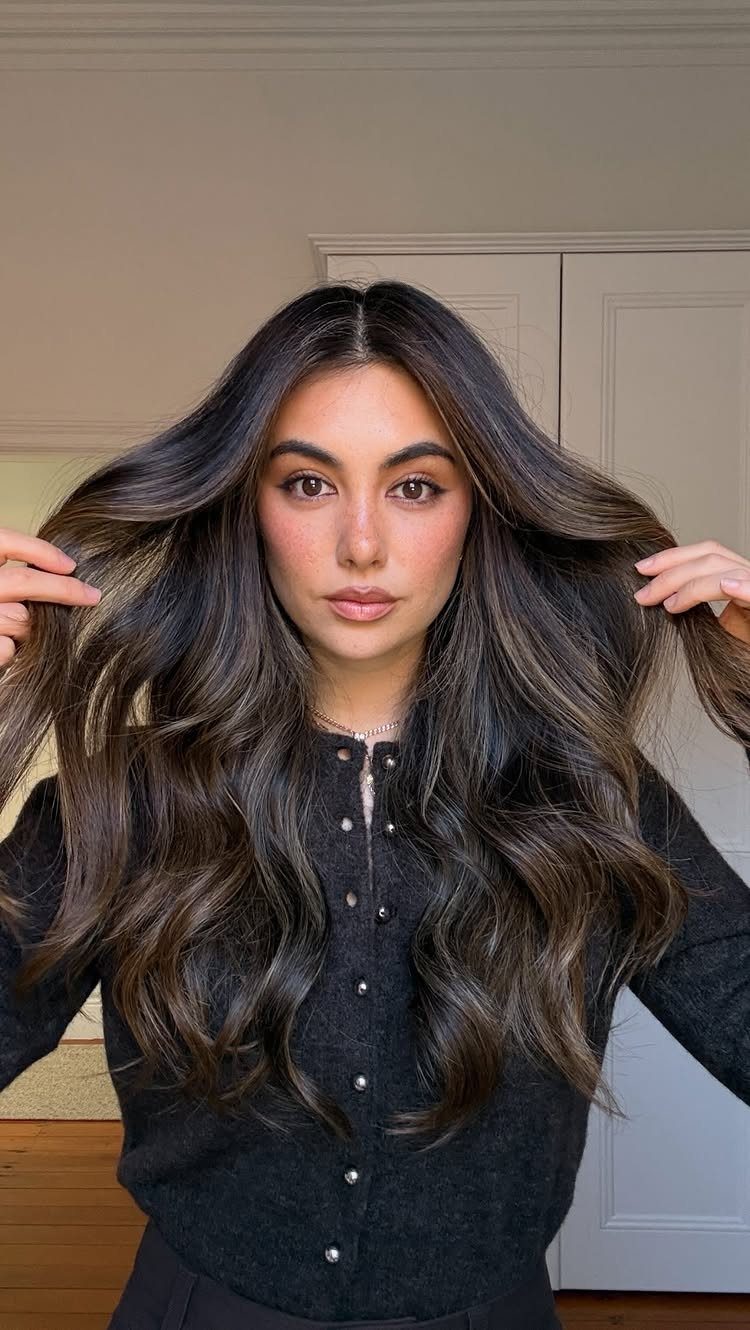
Hair worn down with loose, softly defined waves reads as easy rather than styled, which is why it suits almost any day. Long, dark hair like this shows the wave pattern clearly, with S-shapes instead of tight ringlets.
Keep the waves relaxed by avoiding a brush once they’re set. Run your fingers through them and let the bends fall where they land.
I like this look best on days when I want the hair to do its own work. It asks for little styling time once the waves are in, though waves do soften as the day goes on.
4. Half-Up Styles
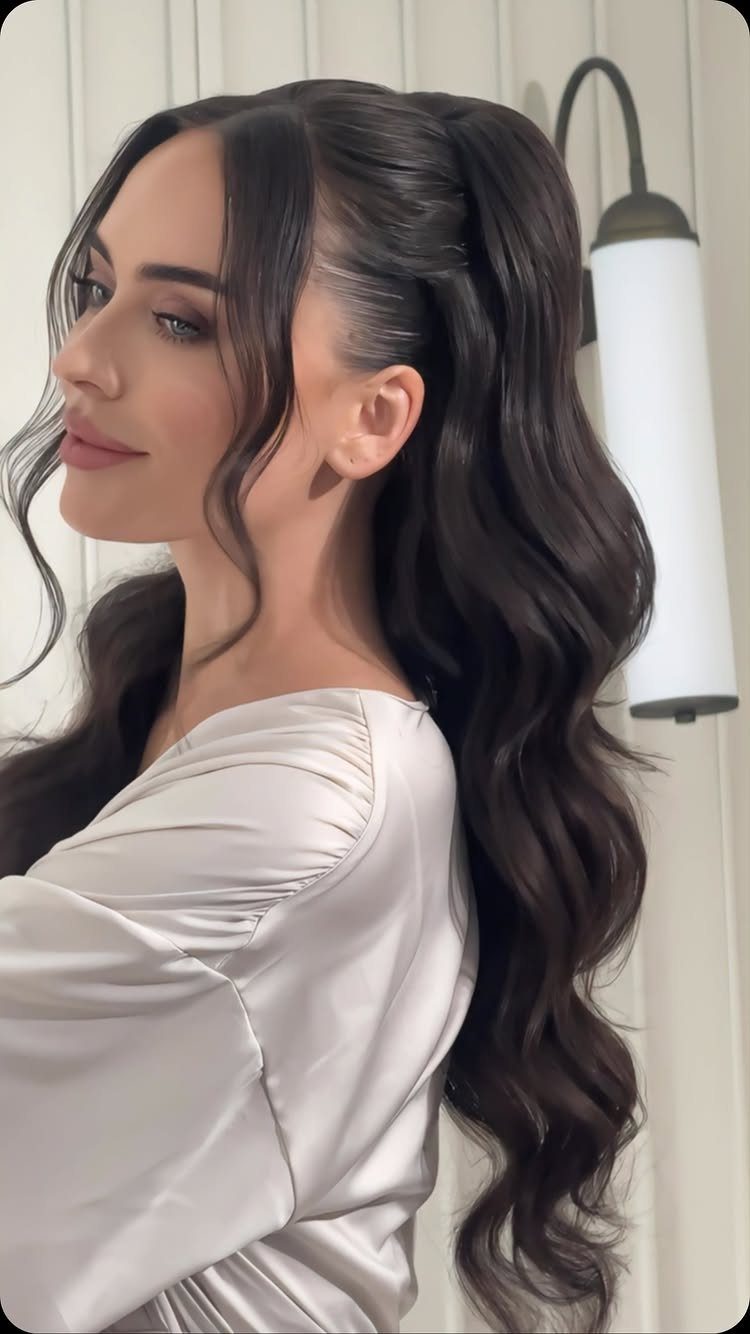
Half-up styles keep length down and the face clear, so you get two looks in one.
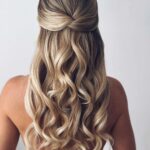
Here the top section is pulled into a high ponytail while long waves hang below, a version I’d choose when I want a little height at the crown.
Gather the hair from temple to temple, tie it at the top of the head, and leave the rest loose. Pulling the ponytail slightly looser gives more lift.
A half-up is a good answer for a day when full-down feels messy but a full updo feels like too much.
5. Pixie Cut
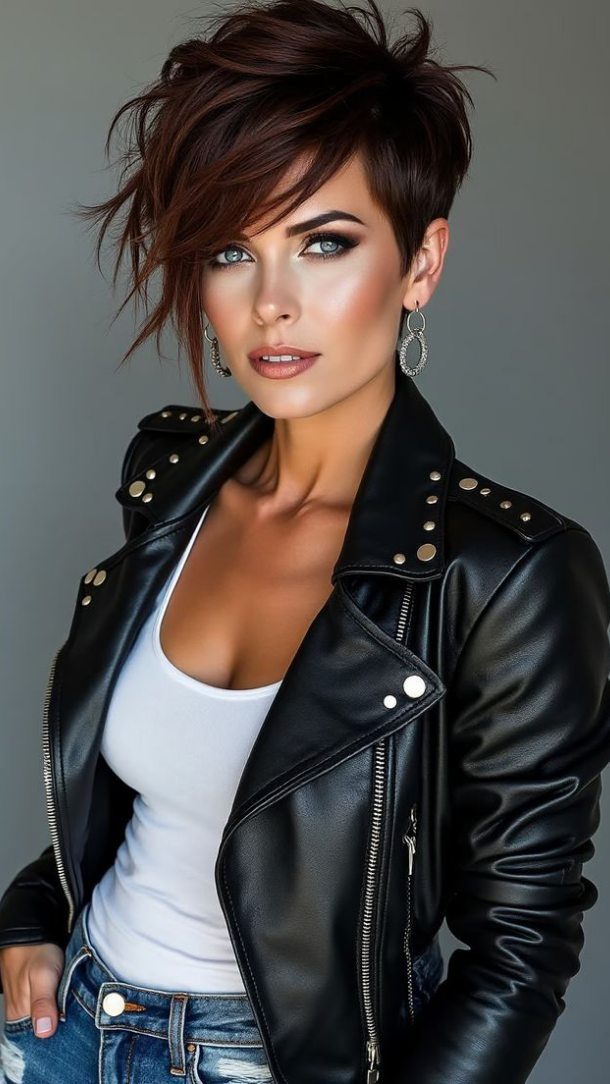
Short, tousled and unfussy, a pixie cut puts the shape of the face front and center. The textured, messy finish in this reddish-brown version looks lived-in, which suits a leather jacket and plain jeans well.
Ask a stylist for a pixie by name and bring a photo, since the length and the shape around the ears and neck can vary a lot from one cut to another.
I’d pick a tousled finish over a slick one for everyday wear. Short hair means no tying back, so the cut itself has to look good on its own each morning.
6. Claw-Clip Updo
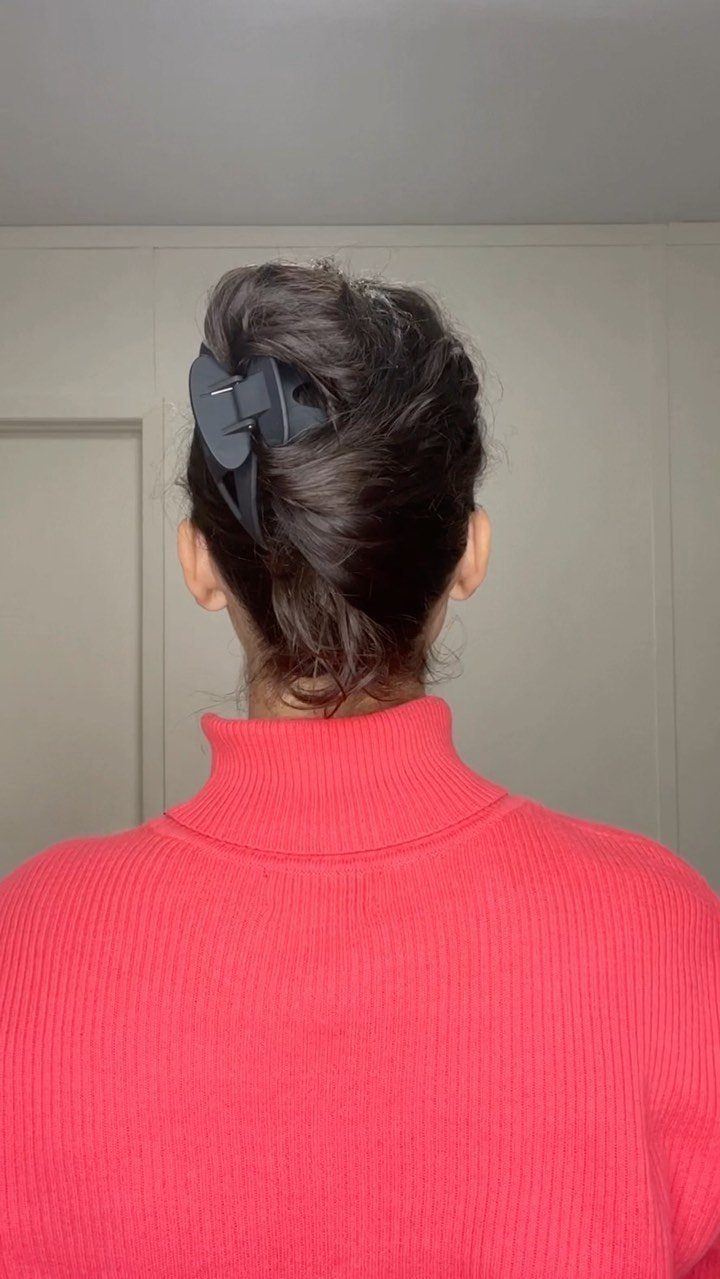
Twist the hair up, fold it over, and snap a large claw clip across the top: that’s the whole updo.
A dark claw clip holds a thick gathering of hair at the back of the head, and the whole updo goes on in under a minute.
Twisting before clipping gives the hold more grip than clamping loose hair alone. Pull a few strands free around the face if you want it looser.
I’d keep one clip in a bag for the days a bun feels like too much work. A bigger clip handles more hair, so size it to your thickness.
7. Braids
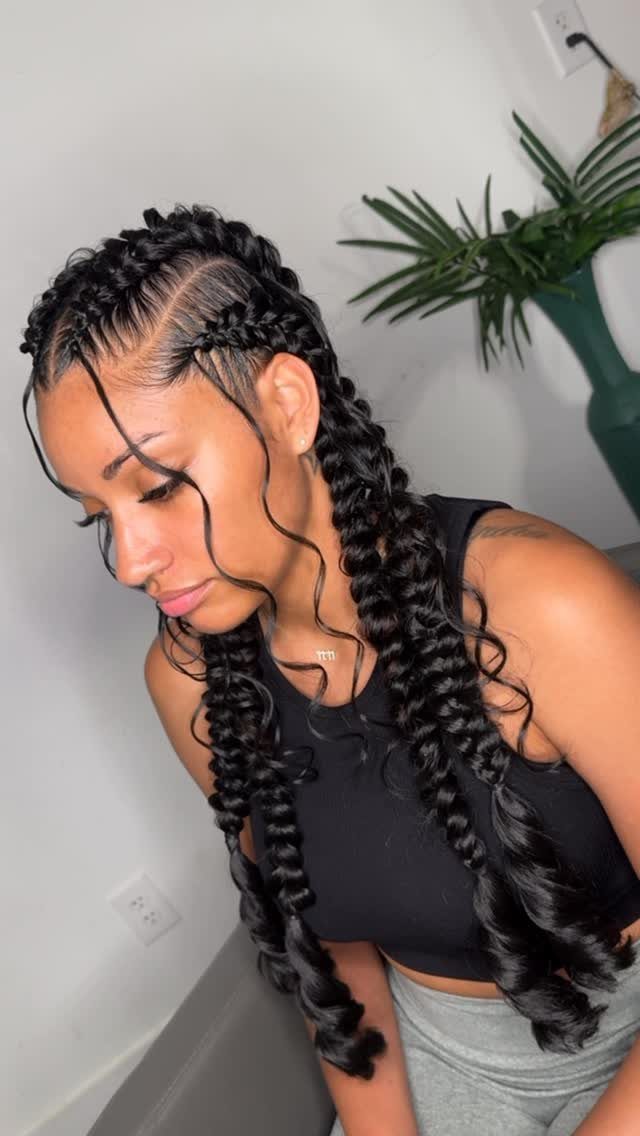
Thick braids with curled ends make a bold finish, and scalp braids at the top keep the front neat while the length does the talking. This look pairs fine braids near the head with chunkier, wavy sections below.
Braids come in many patterns and placements, so name the one you want and bring a photo to your stylist. I’d pick a style where the braids start tight at the scalp, since that keeps the top looking clean.
8. Layered Cut
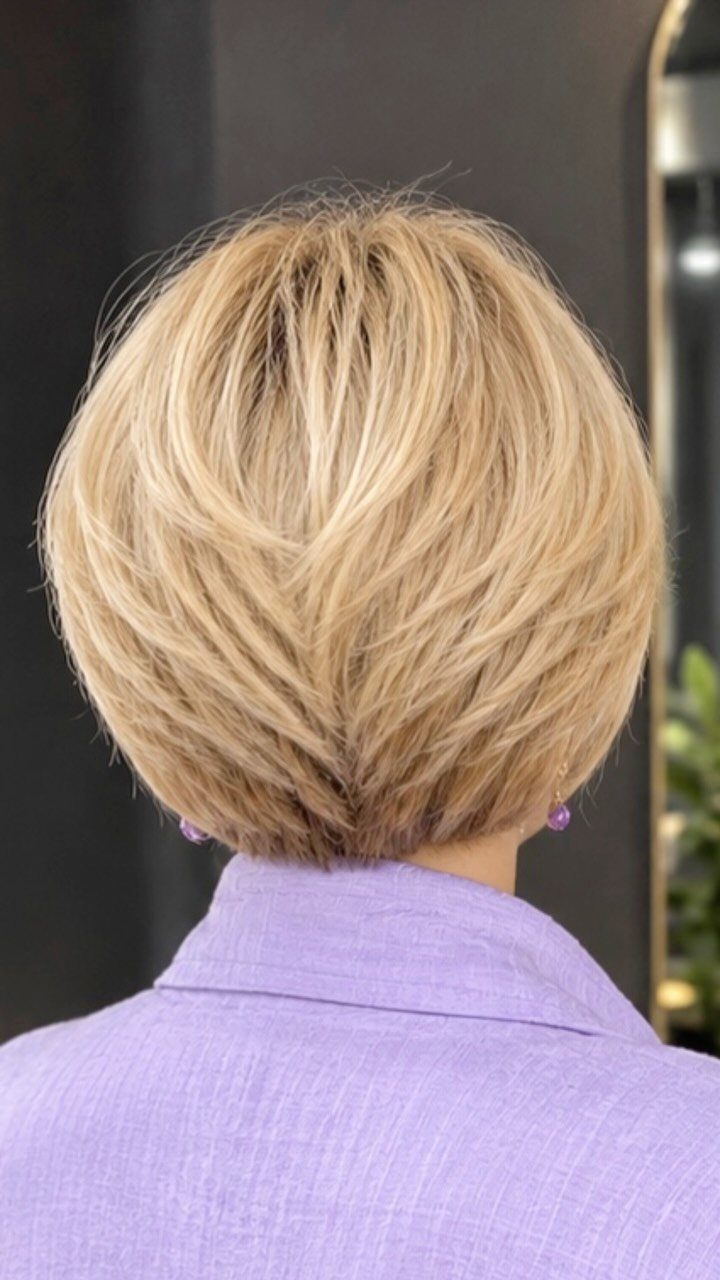
Feathered ends are what make a layered bob move. Cutting layers into short hair builds shape and softness, so the ends don’t hang in one heavy line.
Ask your stylist for layers by name and say you want the ends feathered, then bring a photo to show the length.
On a bob, I’d keep the layers subtle: the cut stays tidy from behind, which is the angle this blonde version shows off best.
9. Curtain Bangs
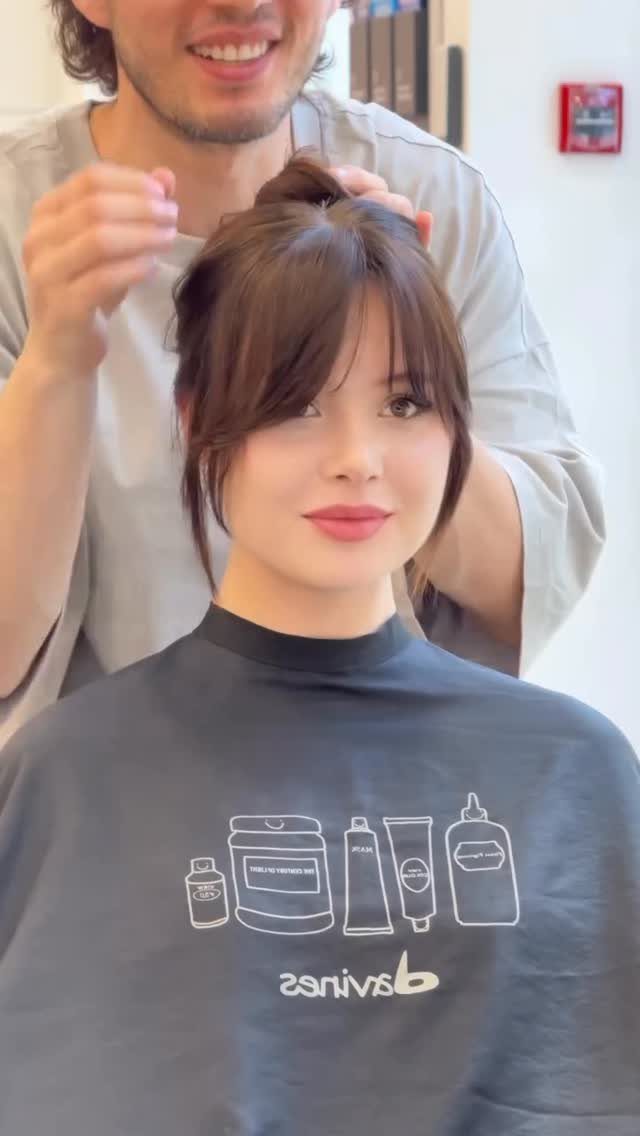
Curtain bangs part in the middle and sweep to each side, framing the face the way drapes frame a window. They’re a named cut, so ask for them that way.
I’d choose them over blunt bangs for a softer look, because the center part lets them blend into the rest of your hair instead of sitting like a separate piece.
10. Twists
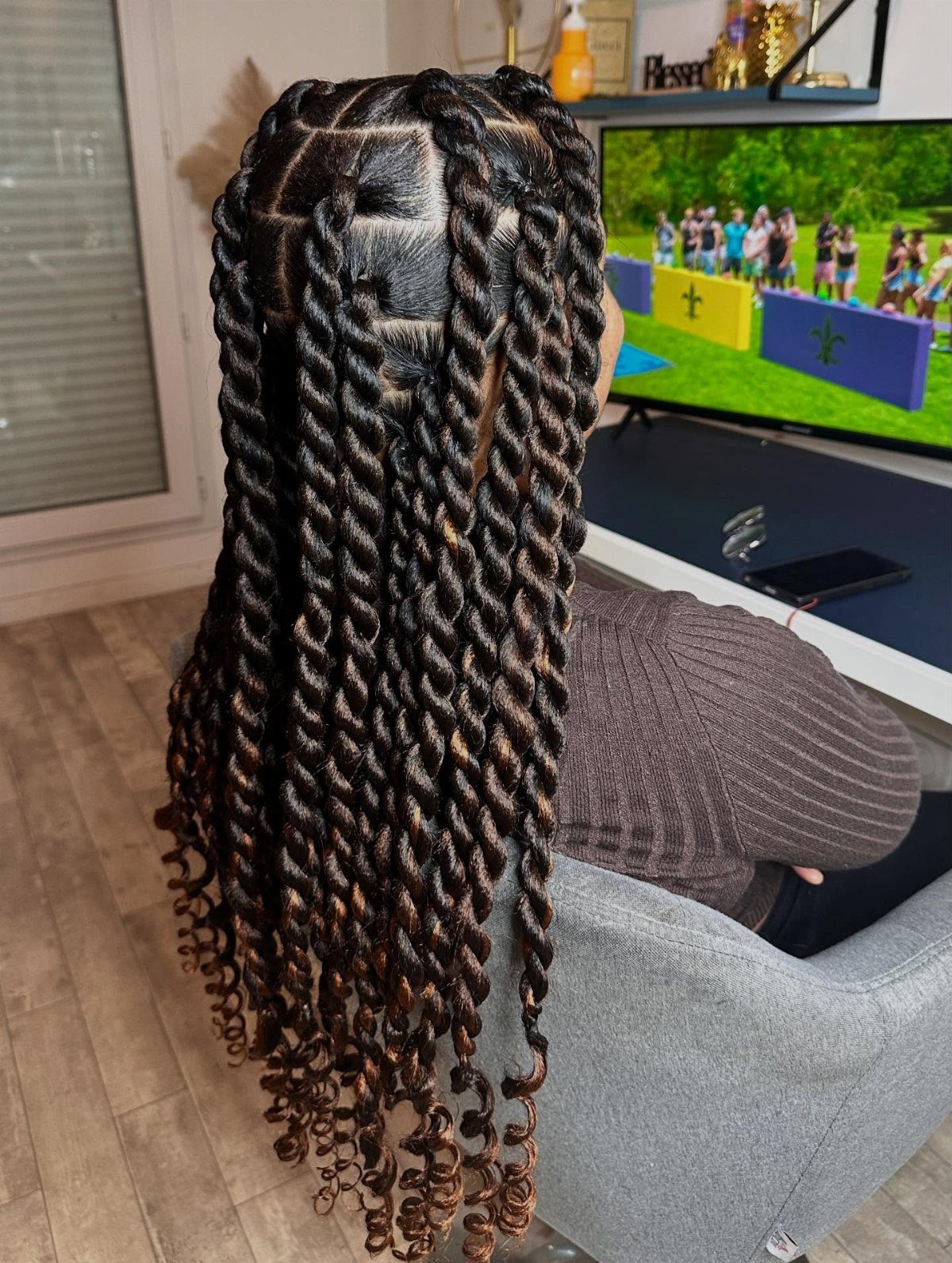
Chunky twists with curled ends give long hair weight and a rope-like texture from root to tip. Brown and black tones mixed together, as here, make each twist read as its own strand.
Because twists are bold, I’d keep the rest of the look simple. Twisted crowns and updos are worth asking about too, since the same technique can lift the length off your neck when you want it up.
11. Updos
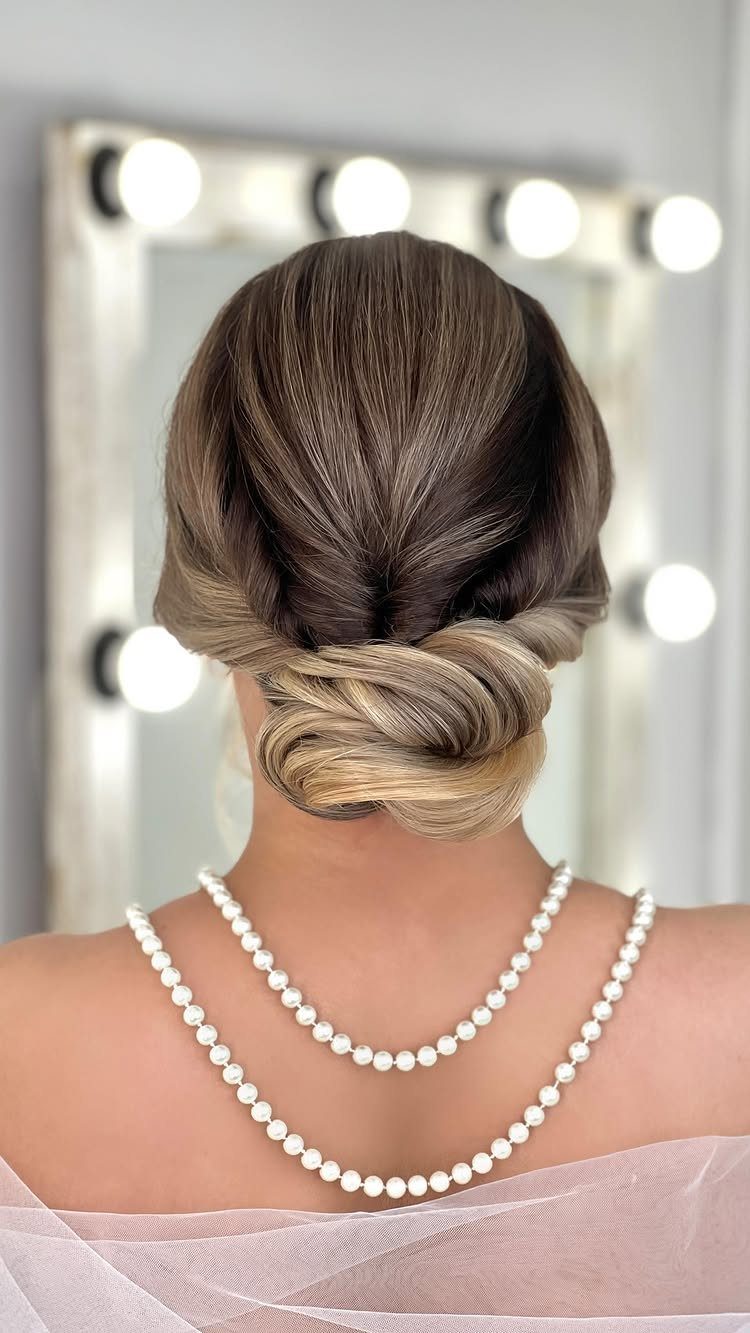
A low updo twisted into a bun sits at the nape, which is why it pairs so well with a necklace: nothing competes with it from the back.
Twist the hair into a rope, coil it against the head, and pin it flat.
I’d choose a low placement over a high one for anything dressy, since it reads as calm and finished. An updo keeps the hair secured and off the shoulders, though it takes more care to pin than a plain tie.
12. Straight Hair
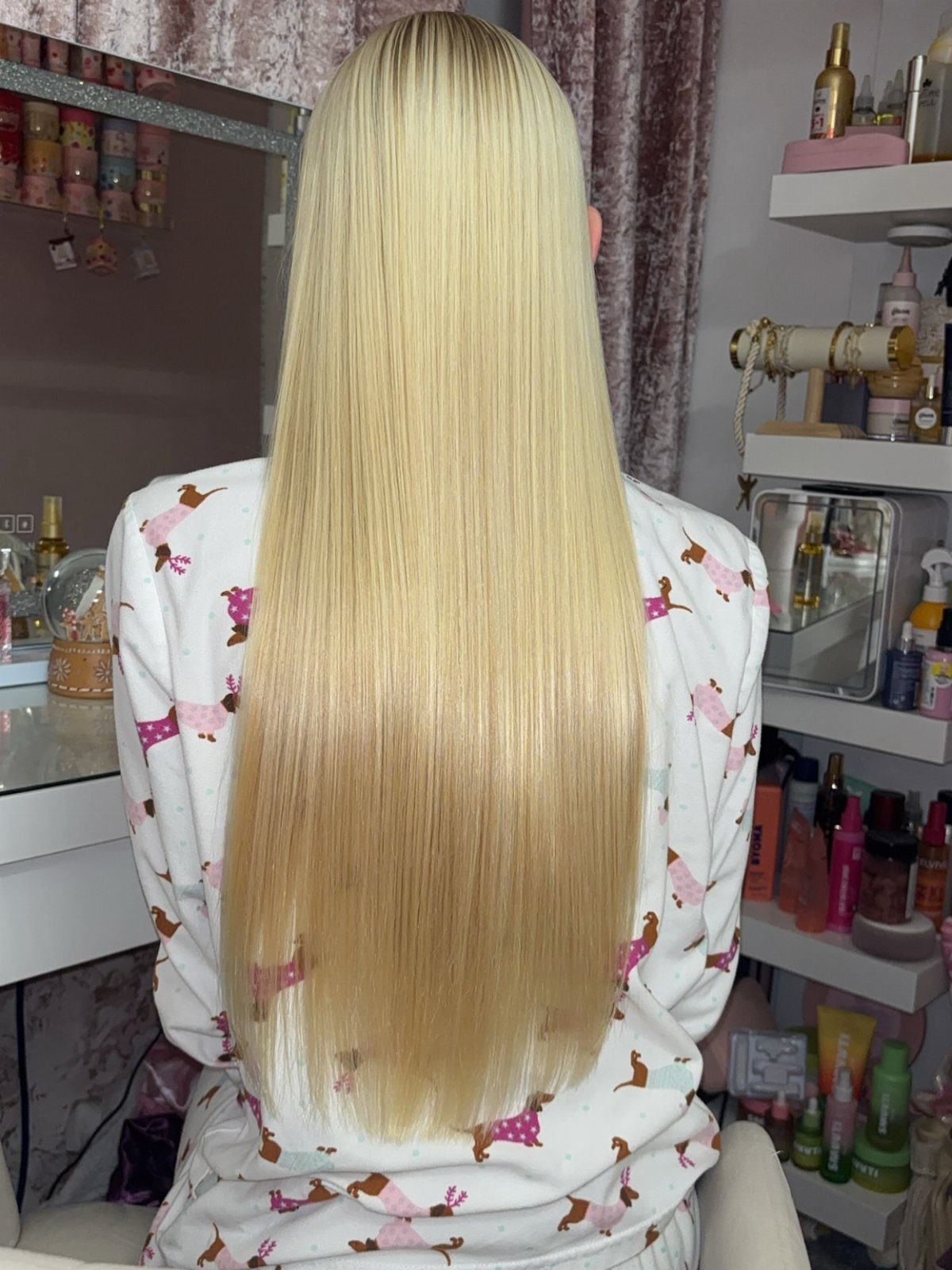
Long, straight hair hangs in one clean sheet, and with no curl or braid to hide behind, the shine and the ends show first. Healthy ends matter most here, so I’d trim before wearing it this way.
Blow-dry the hair smooth, then run a flat iron down in sections if it needs more polish. Straight hair is the simplest style to wear, though it holds a little less volume than a wave or a curl.
13. Curly Hair
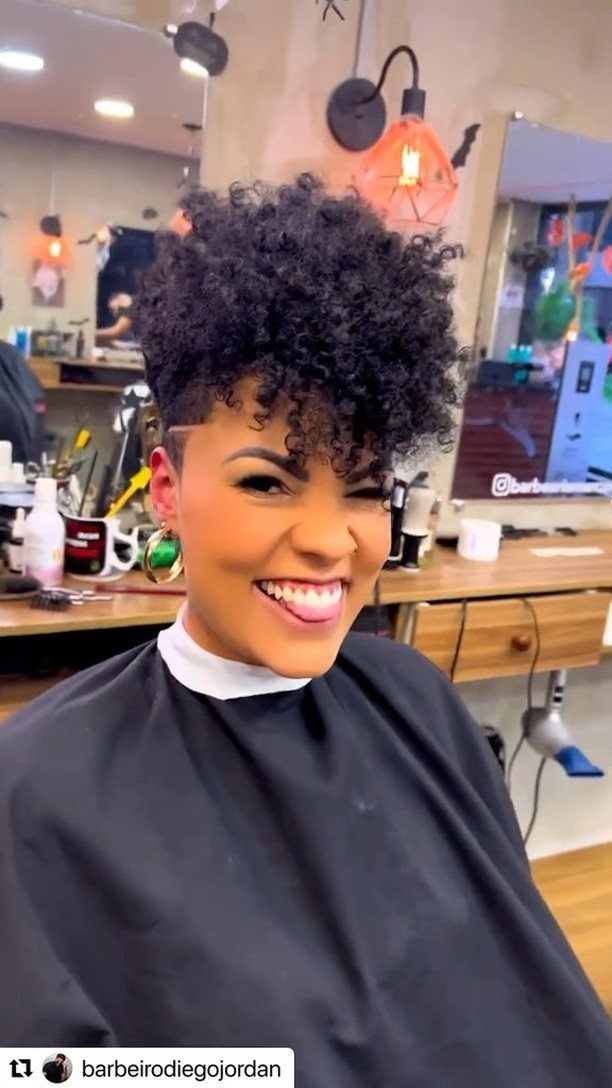
Tight, springy curls with a shaped sides-and-volume-on-top cut make a strong case for letting texture be the whole style. The curls here stand up and out, so the shape comes from the cut rather than from anything you add.
Ask a stylist who cuts curly hair, and bring a photo so the length on top and the taper at the sides match what you want.
I’d choose a cut like this over a one-length curl, since the shape does the work on mornings when there’s no time to style.
14. Headband Style
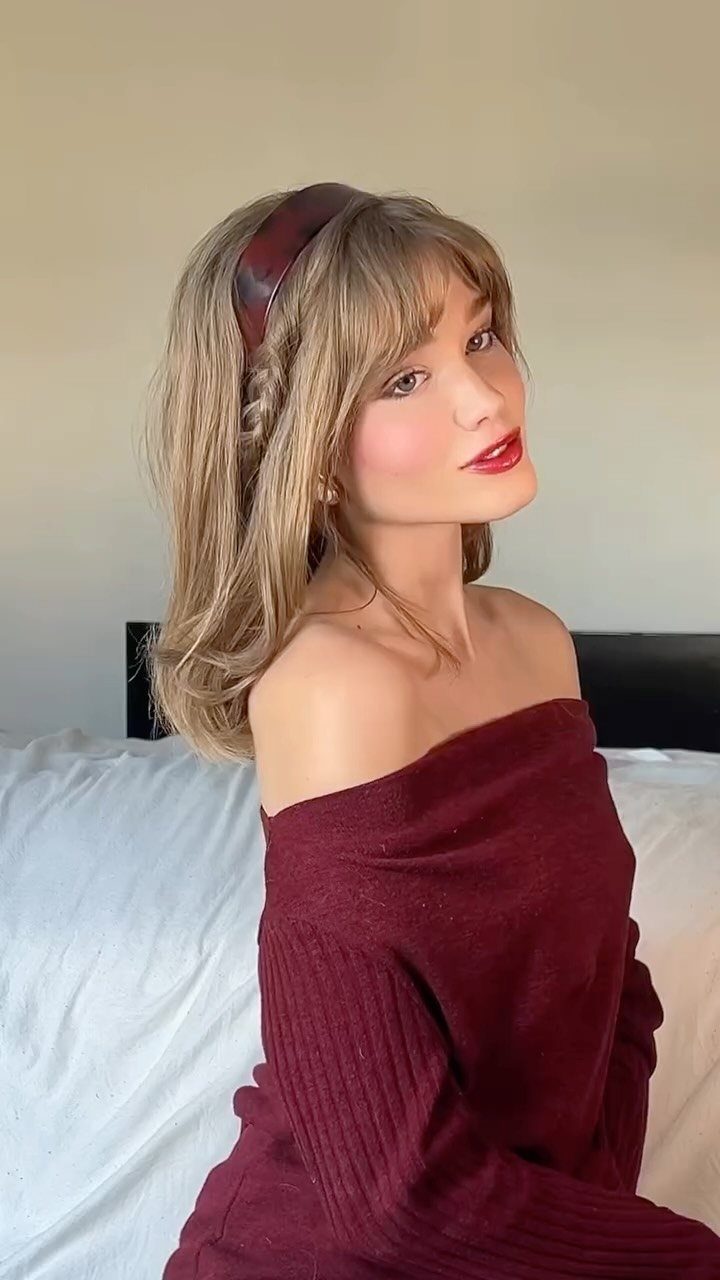
A headband across the crown pulls long, layered hair off the face while side-swept bangs stay loose in front of it, so you get a polished look with one accessory.
Pick a band that matches something you’re wearing, as the red one does with a sweater, and the whole look reads as planned.
Slide it on after the hair is dry and styled, then ease it back a little so it sits behind the bangs rather than on top of them.
I’d choose a wider band for a statement and a thin one for a quieter day.
15. Shag Cut
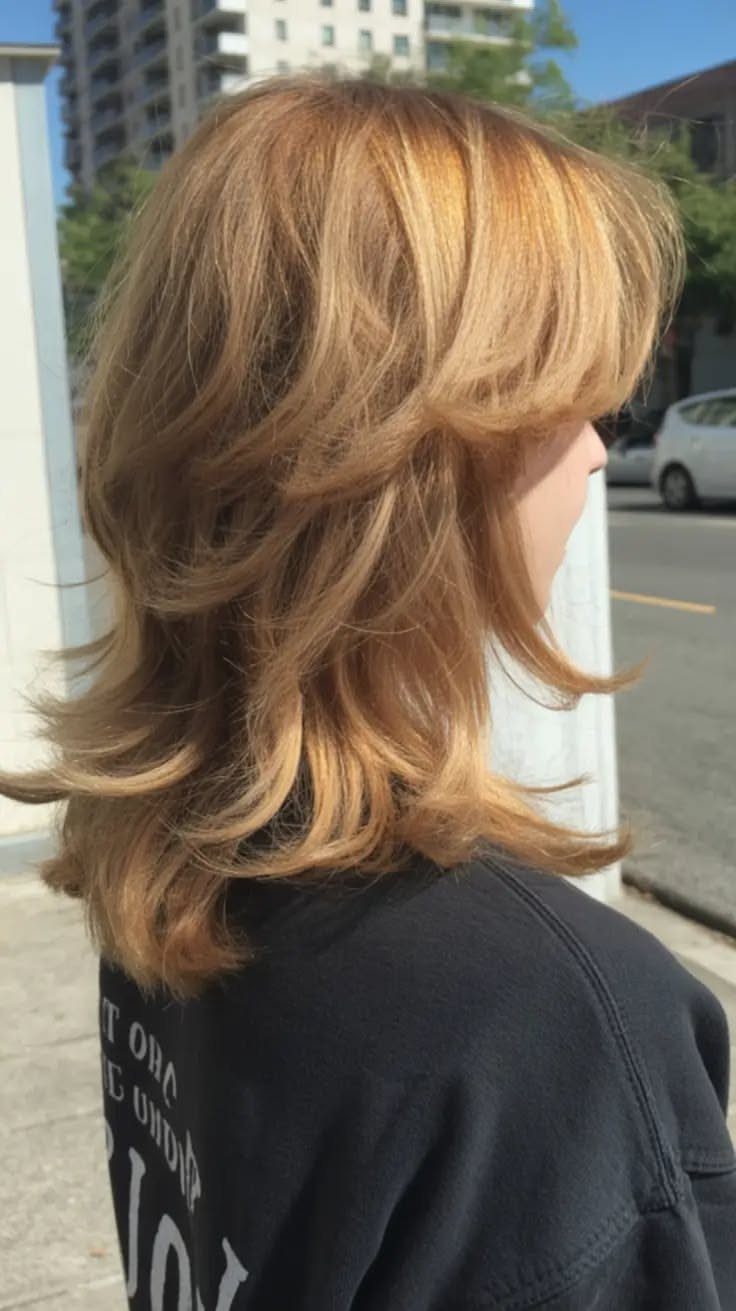
Layers cut short at the crown and left long at the ends give a shag its choppy, lived-in outline.
A good shag has feathered ends and bangs that sweep into the sides, so no hard line shows anywhere, and that softness is what lets it grow out gracefully.
Ask for a shag by name, mention the feathered ends and the bangs, and bring a photo.
I’d pick this cut for the days you want to do little: the layers carry the shape, and a bit of texture in the hair finishes it.
16. Clips and Pins
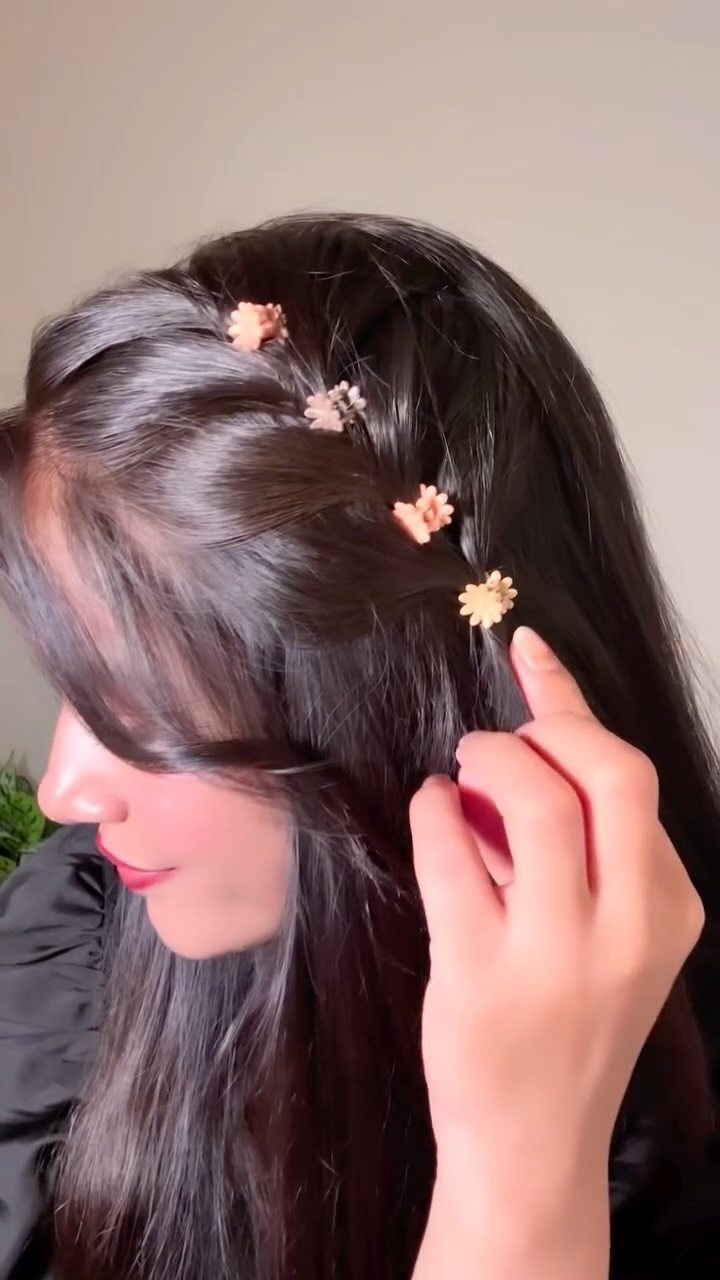
Small flower clips lined up along one side of long dark hair turn a plain down style into something decorated, with no heat and no braiding.
Clip them in a row along a section, or scatter them for a looser look.
Slide each clip in at the root of a small piece of hair so it grips.
I’d keep the clips small and similar in size, since a tight line of the same shape looks deliberate, while a mix tends to look cluttered.
17. Cornrows
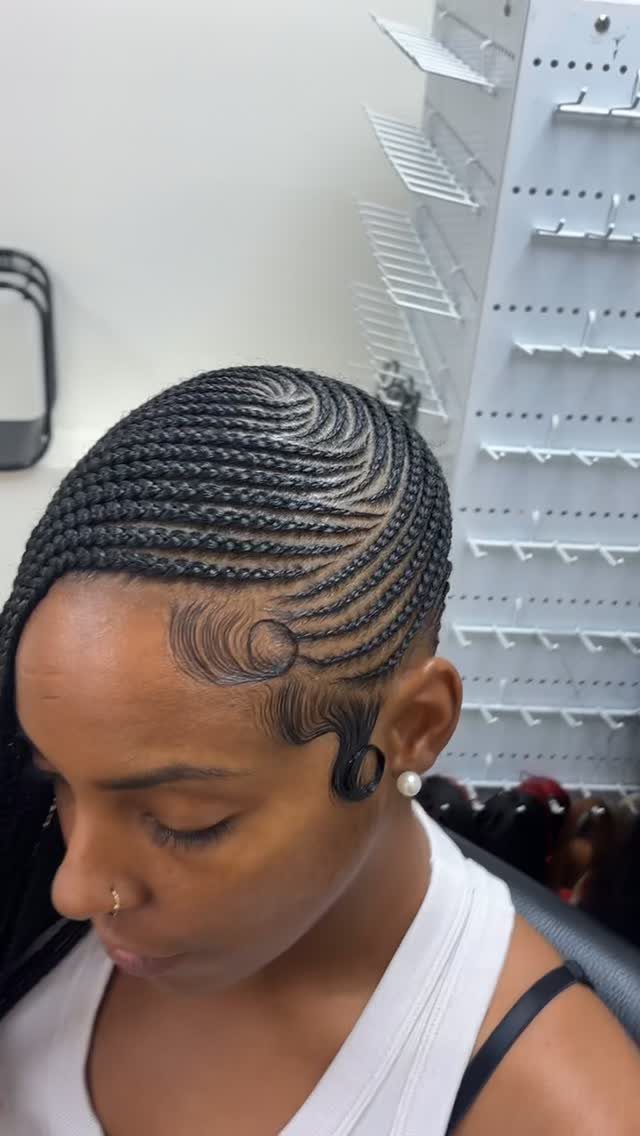
Cornrows lie flat against the scalp in rows, and curved patterns that follow the shape of the head look the most intentional, especially when finished with sculpted baby hairs at the edges.
The neat parts between rows are what make the pattern read cleanly.
Bring a photo to a braider so the direction of the rows and the curve match what you want.
I’d choose a curved pattern over straight-back rows when I want more shape. A scarf at night helps the rows stay tidy.
18. Goddess Braids
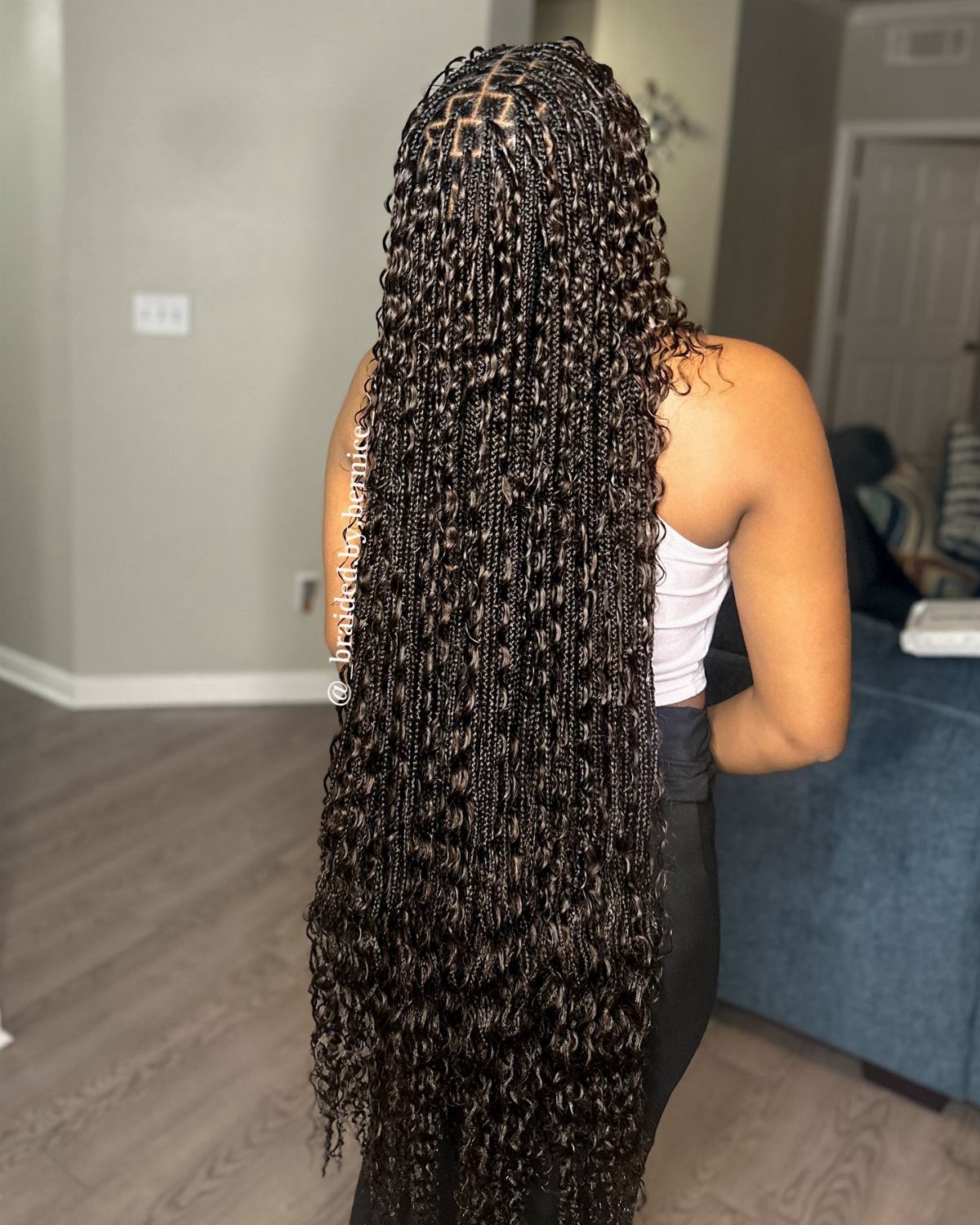
Stylists know this look by name, so book it as goddess braids and bring a reference photo to settle the size and pattern.
The long, dark braids here end in loose curls, which gives the length a soft finish instead of a blunt stop.
I’d pick curled ends over straight ones, since they add movement down the back. Braids this long hang heavy, so ask your braider about the size of each braid before you book.
19. Waterfall Braid
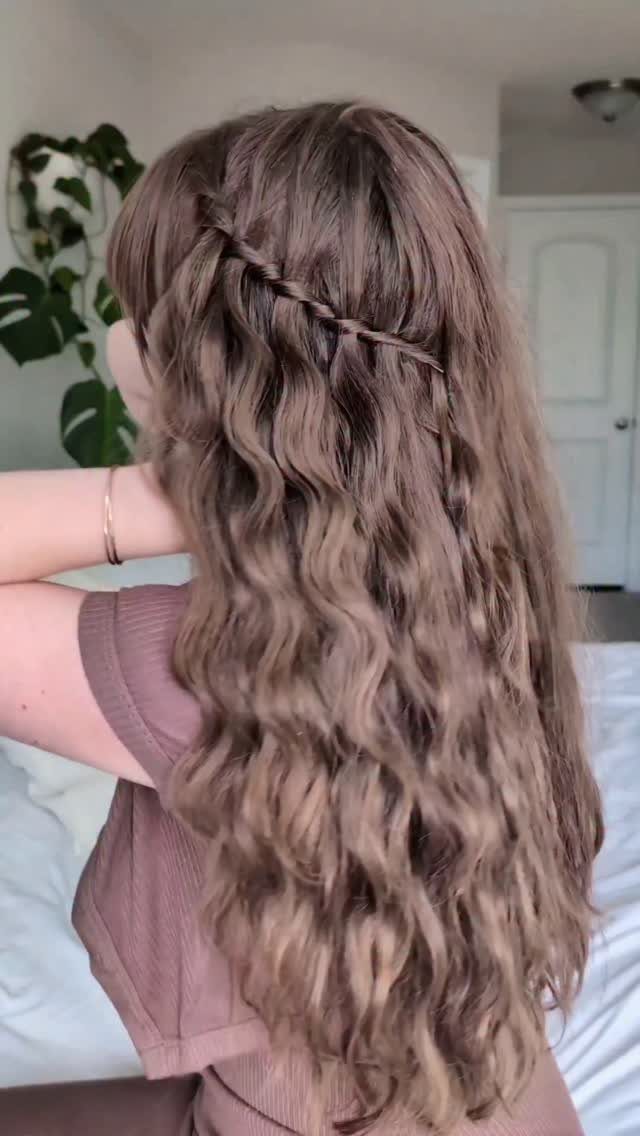
A waterfall braid lets the strands drop out of the plait and hang loose, so the braid runs across the back of the head like a thin rope while the wavy length stays free below it.
That mix of braid and loose hair is what makes it look more complicated than it is.
Waves help here: the dropped strands show off the bends instead of lying flat. I’d choose this over a full braid when I want the hair worn down but kept tidy.
20. French Braid
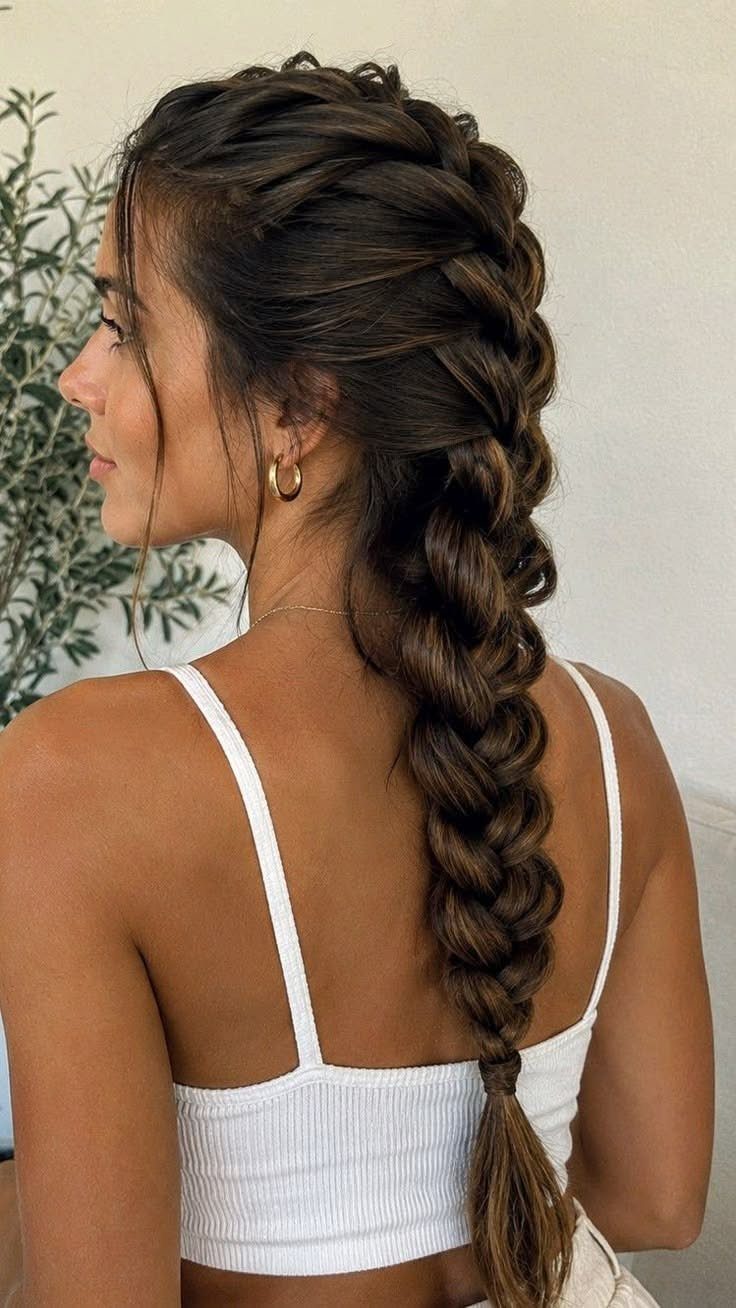
Starting at the crown and adding hair as you go is what makes a French braid, and it’s why the plait sits snug against the head instead of hanging off it.
The thick, even weave here is the version I’d ask for by name.
Keep the tension steady from the first crossing to the last, or one side ends up looser than the other. Pull gently at the edges of each section afterward if you want a fuller braid.
I’d pick it for days when the hair has to stay put.
21. Dutch Braid
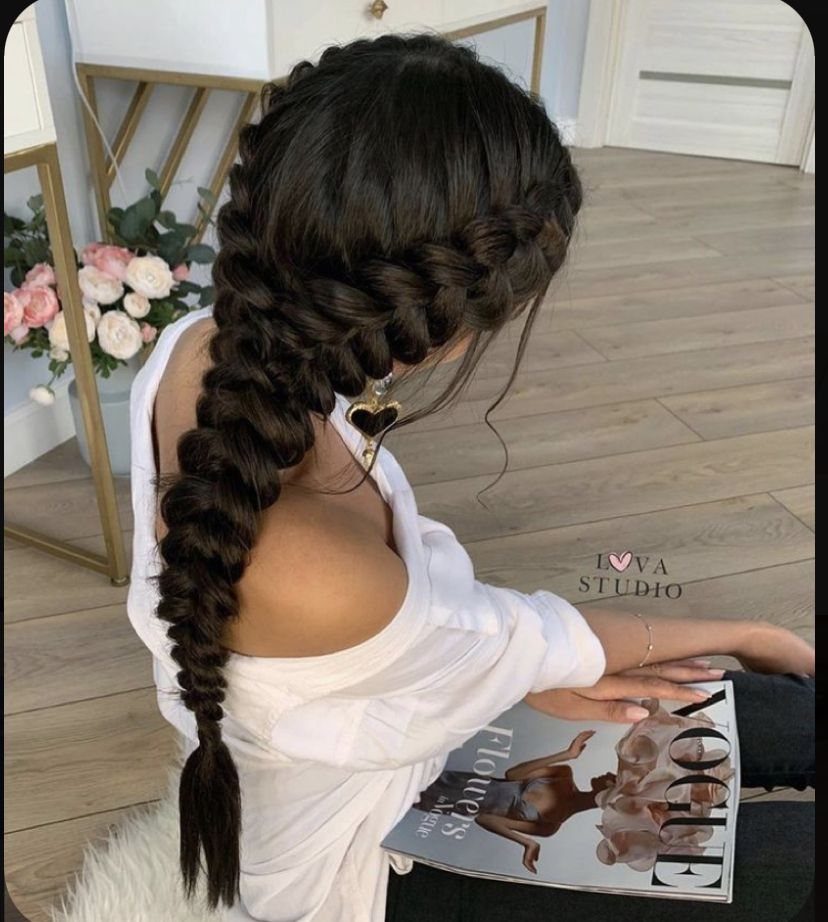
Where a French braid tucks strands over, a Dutch braid crosses them under, which pushes the plait up and out so it sits on top of the hair like a raised cord.
A Dutch braid sits on top of the hair instead of tucking under, so the strands stand out in relief, and on dark hair that raised ridge reads bold all the way down the back.
Cross each section under the middle one, adding hair from both sides as you go. I’d choose Dutch over French when I want the braid to be the feature, not just a way to hold hair back.
22. Fishtail Braid
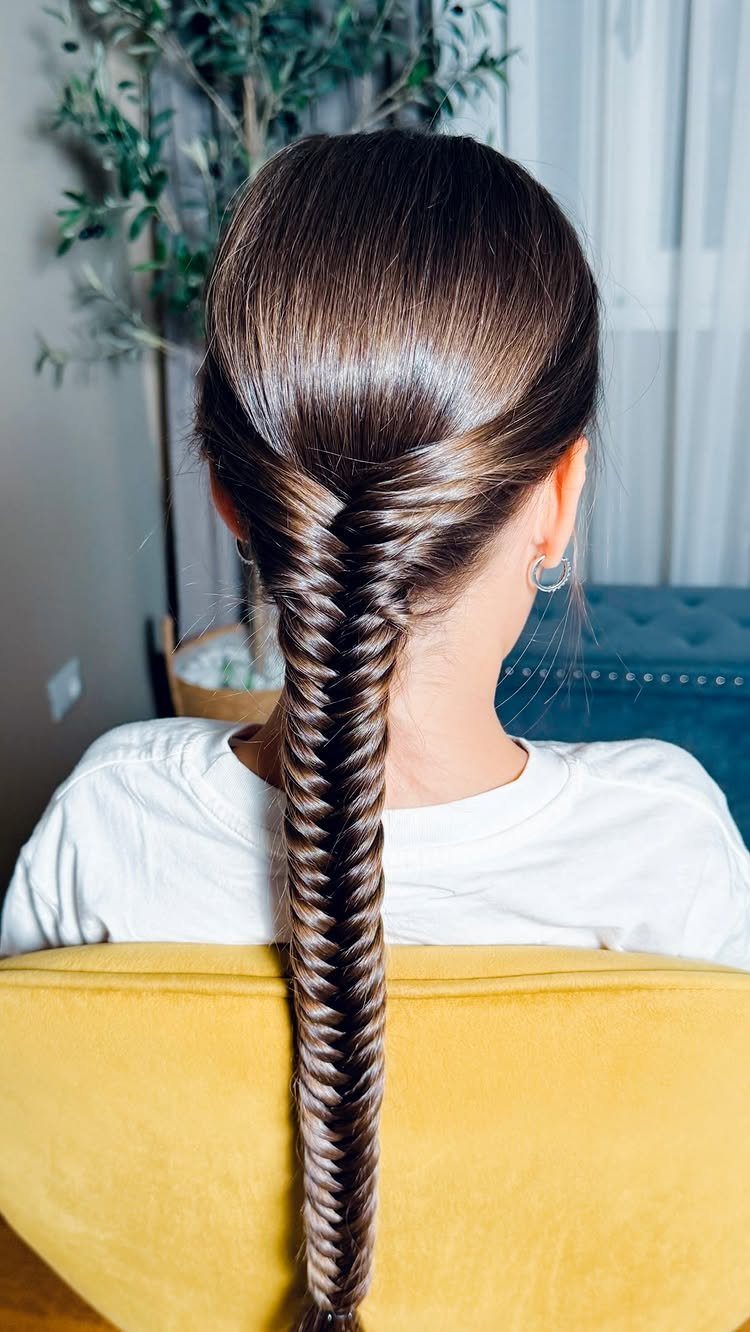
A fishtail braid uses two sections instead of three, which gives it a fine, woven pattern that looks like fish scales. Long hair shows it best, since the pattern needs length to read.
Split the hair in two, then take a thin strand from the outside of one half and cross it over to the inside of the other. Keep the strands thin and the pattern stays tight.
I’d pick it over a standard three-strand braid for a more detailed finish, though it takes longer to make.
23. Crown Braid
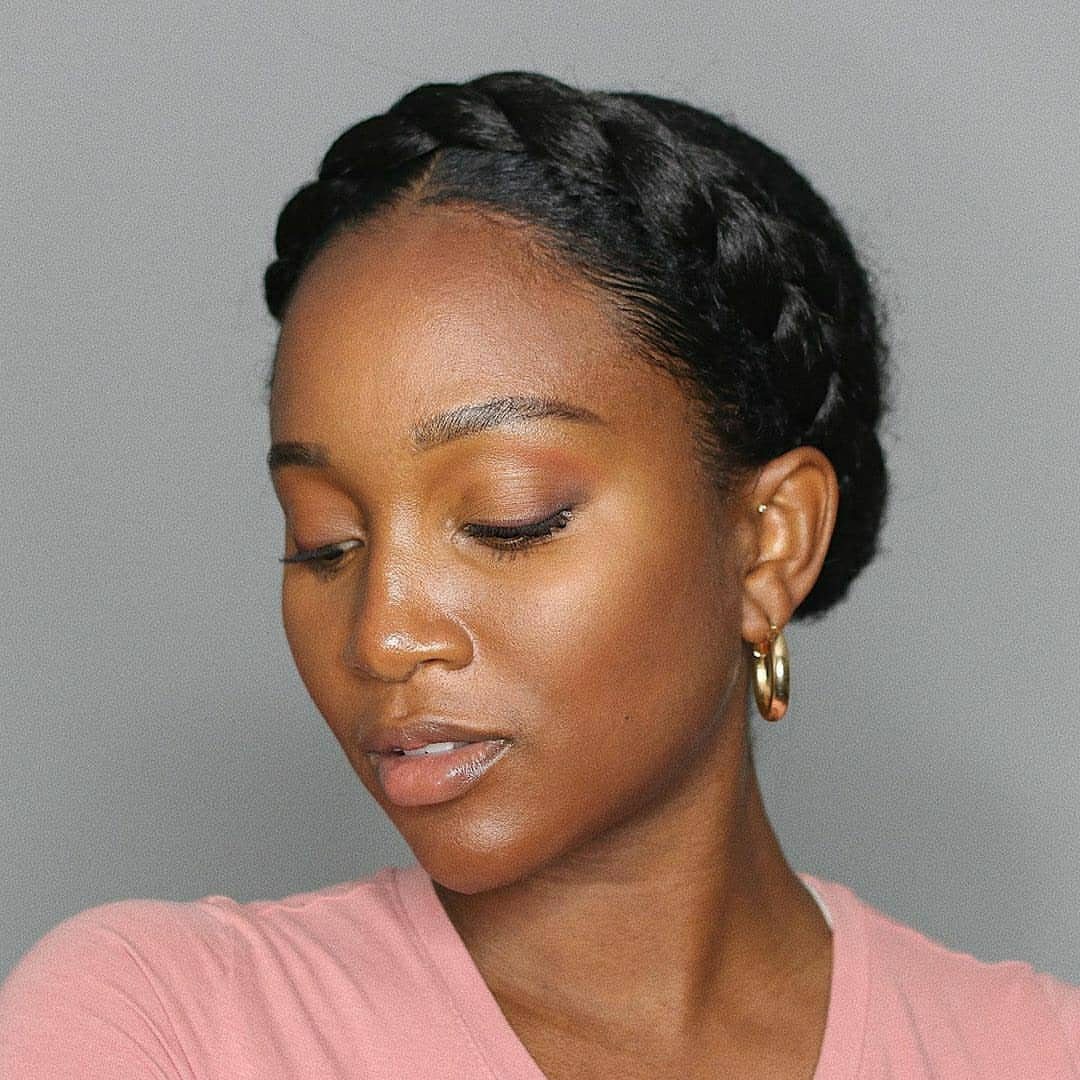
Wrapped around the head like a headband made of hair, a crown braid keeps everything off the face and neck and finishes the look from every angle.
Smooth, neat plaiting matters most at the front, where the braid is closest to the eye.
Braid the hair, then lay it across the head and pin the end out of sight under the braid. Bobby pins matched to your hair color disappear best.
I’d choose this for a day when you want a finished look without any extra accessories.
24. Blunt Bob
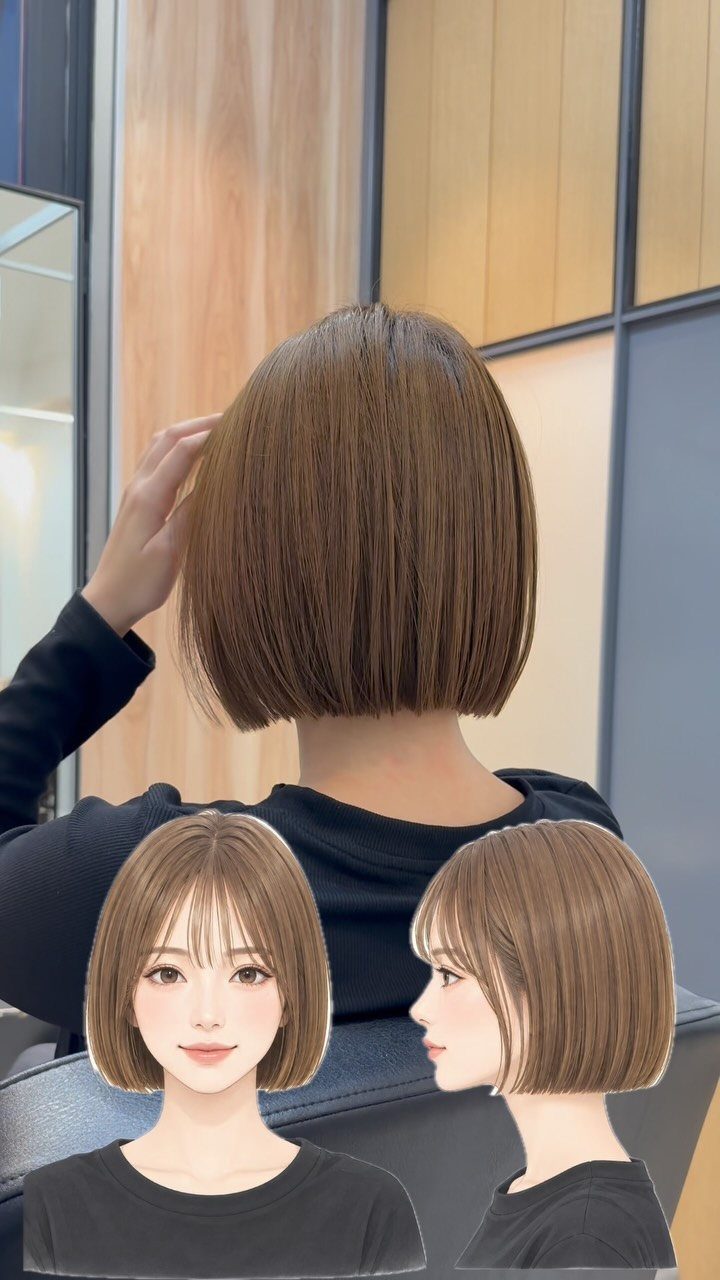
A blunt bob is cut in one straight line with no layers, so it hangs thick and clean at the edge, and any uneven trim shows right away.
Ask for a blunt bob by name and bring a photo, then say where you want the length to land. Fine, straight hair holds this shape best.
I’d pick it for a sleek, no-fuss morning, but expect regular trims to keep the line sharp.
25. Angled Bob
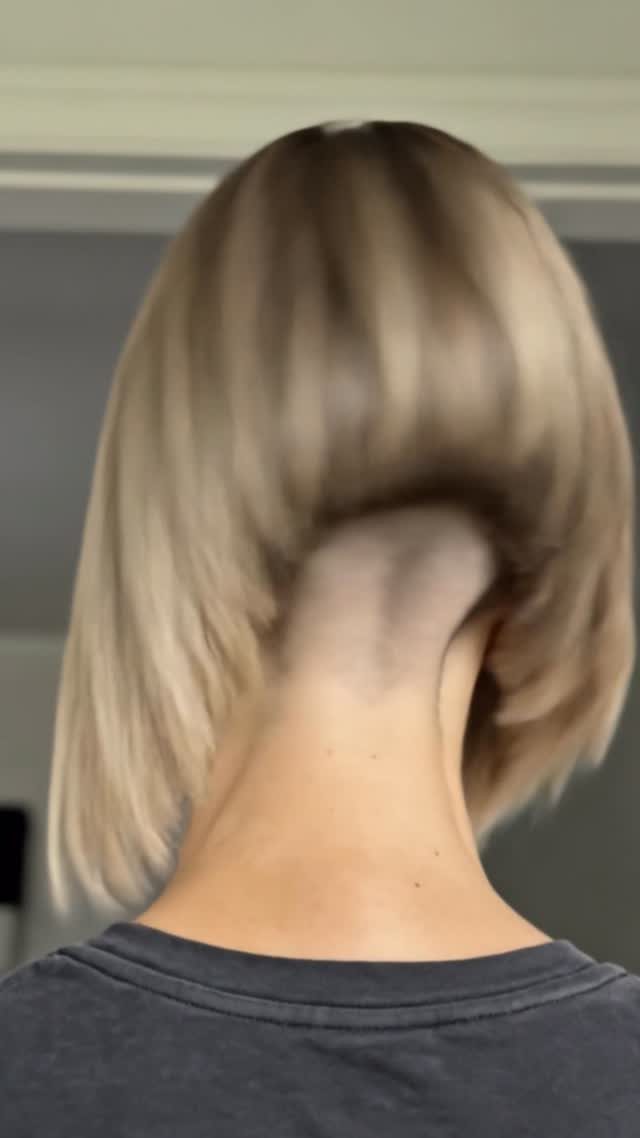
Longer sides that taper down to a short nape give an angled bob its slope, and from behind the line reads as a clean diagonal.
Say "angled" when you book, and ask your stylist to show you where the shortest point at the back will land.
I’d pick this over a straight-across bob if you like a little forward movement. It keeps the neck bare, so expect trims to hold that short back in shape.
26. Asymmetrical Bob
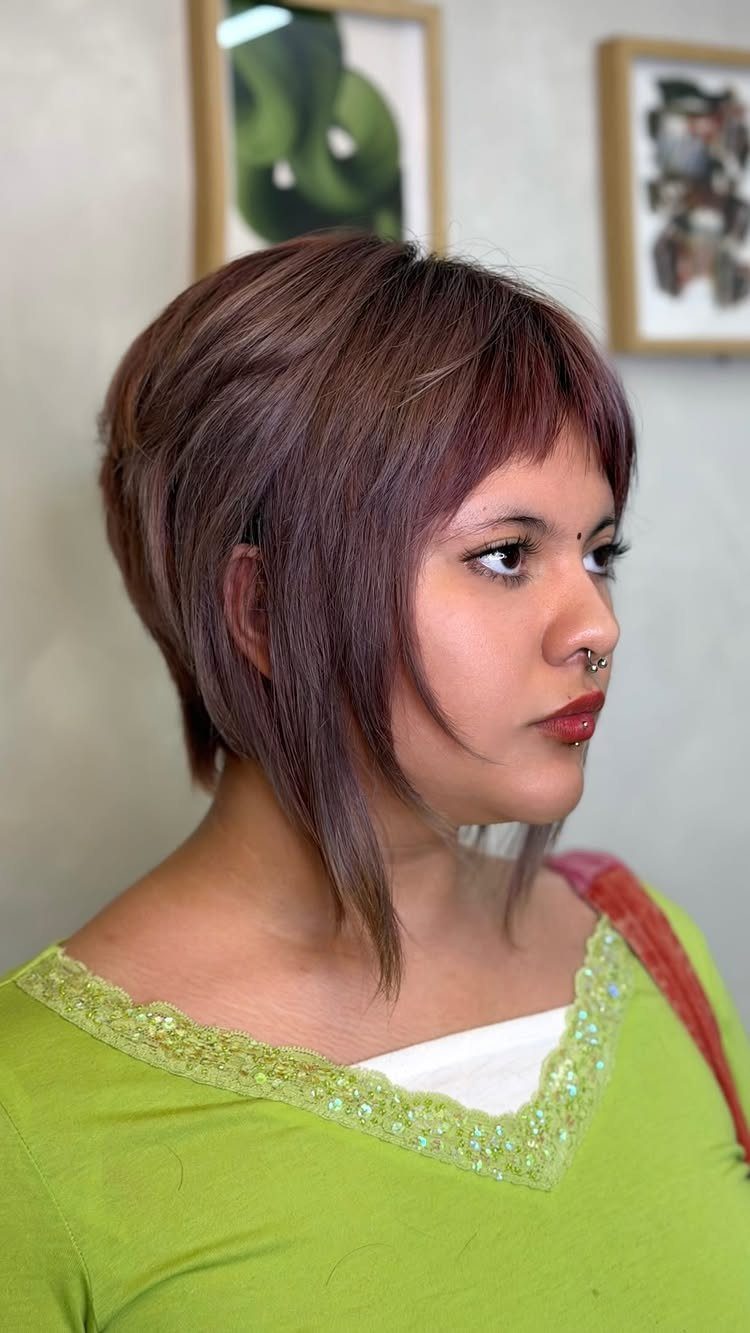
Cut shorter on one side and longer on the other, an asymmetrical bob puts the shape in the imbalance. Side-swept bangs, as on this reddish-brown version, help the 2 lengths blend instead of fighting each other.
Bring a photo and point to which side should run longer, because "asymmetrical" alone leaves a lot of room. I’d choose it when a standard bob feels too expected, though the uneven line needs regular trims to stay deliberate.
27. Wavy Bob
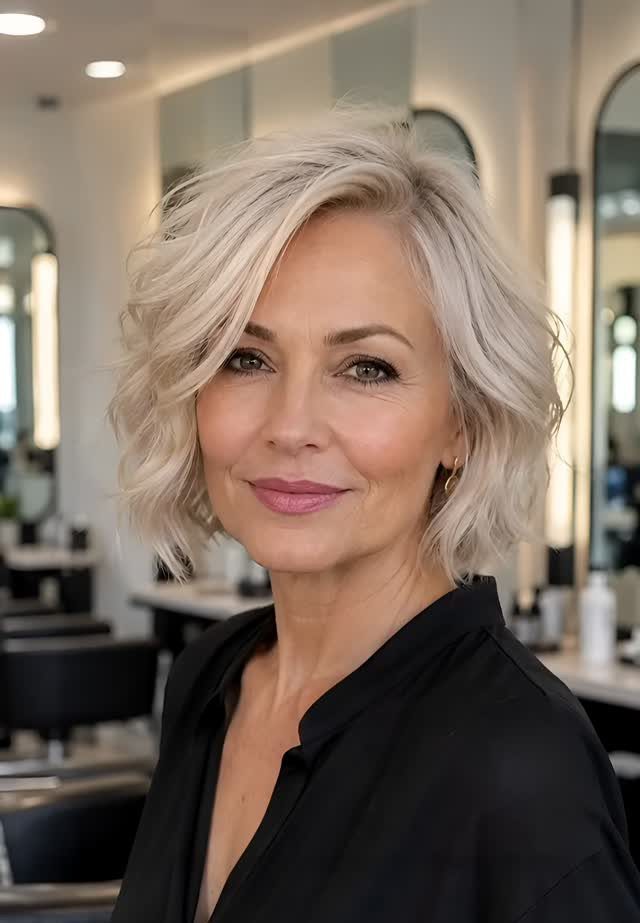
Waves give a bob a softer edge than a blunt cut ever will, and on silver-blonde hair they catch the light along every bend.
Ask for the bob cut to suit your natural wave so the shape settles on its own.
I’d skip a razor-sharp line here; a slightly loose outline lets the waves do the work.
Wavy hair also sits a little fuller than straight hair at the same length, so tell your stylist how much width you want at the sides.
28. Curly Bob
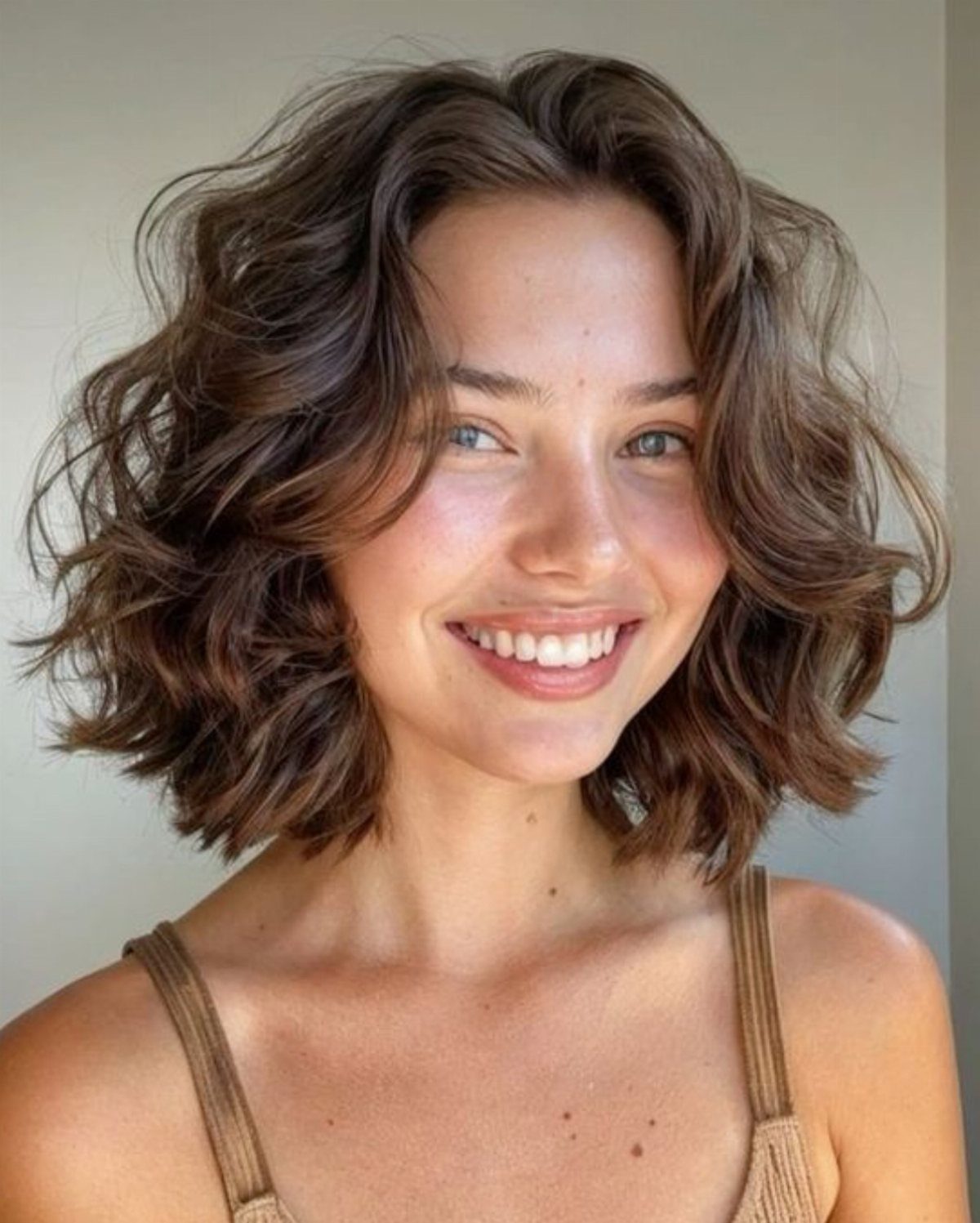
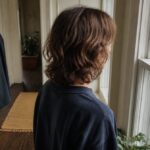
A chin-length curly bob sits right where curls spring up, so the length looks shorter once the hair dries than it does wet. Mention that to your stylist, and ask for the cut to be shaped around your curl pattern.
I’d choose a curly bob when you want curls without the weight of long hair. Skip the brush on dry days and let the curls stay grouped; that keeps the shape round.
29. Bob Cut
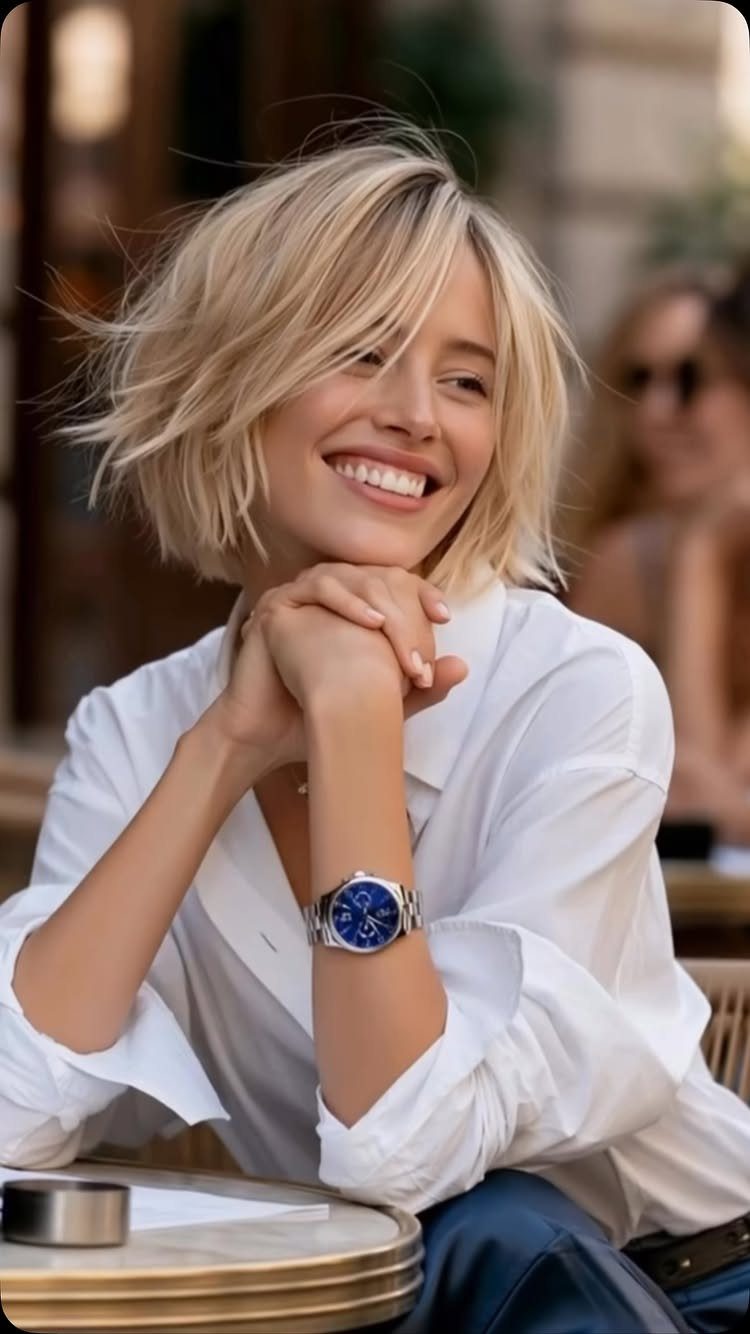
The word bob covers blunt, angled, wavy and layered cuts, so tell your stylist which version you want and whether bangs are part of it.
Pick the variation first, then bring a photo, since "bob" by itself doesn’t tell a stylist much.
I’d go with the textured, layered take for easy mornings. The movement hides small imperfections in styling, which a one-length cut can’t do.
30. Lob
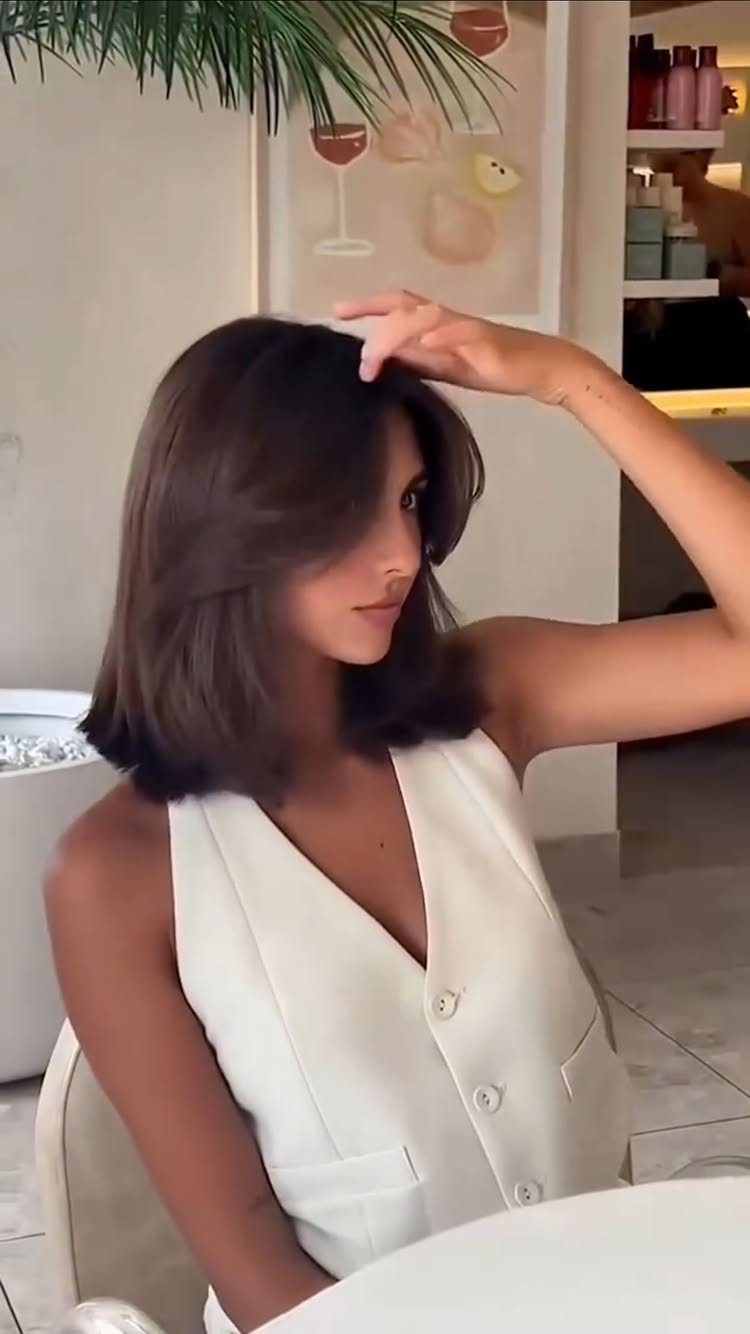
At the salon, say "lob" and ask for some texture cut into the ends so they move instead of stacking up in one heavy line.
I’d pick it if you’re growing out a bob or trimming down from long hair, since you can still pull it back. Bring a photo to show exactly where the length should fall.
31. Afro
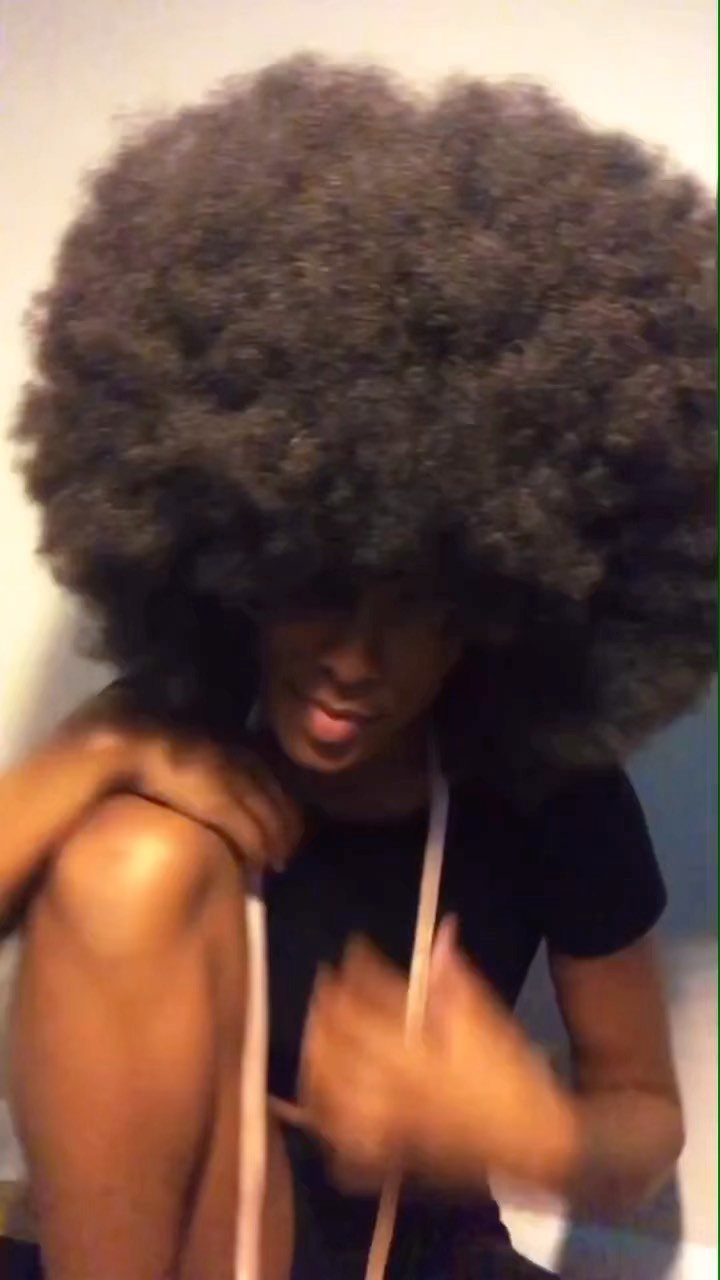
Shape is the whole story with an afro: a large, rounded outline that frames the face evenly on every side. Because the silhouette is what people see first, the round matters more than any detail inside it.
A stylist who works with natural texture should do the shaping, since a round Afro depends on where the length is balanced around the head. Keep it simple with a plain tee, as here, and the hair stays the focus.
32. Tight Curls
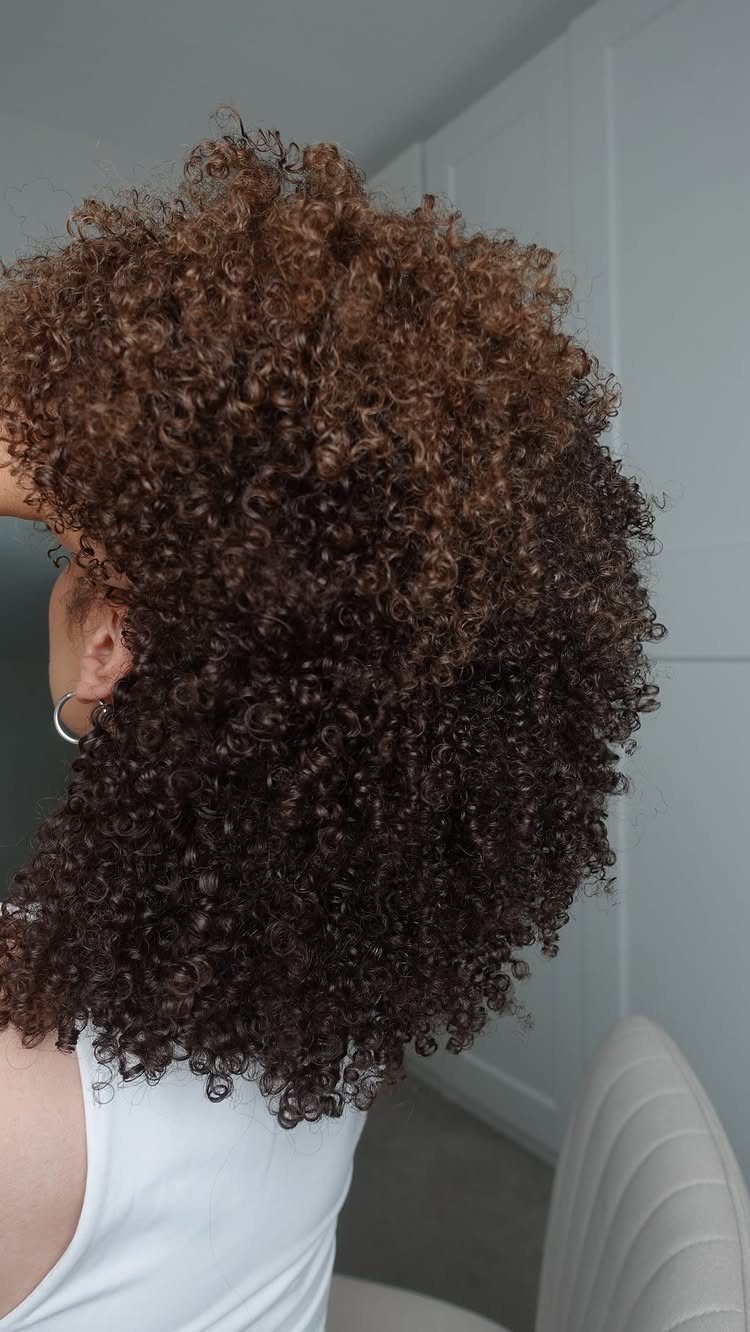
Each curl stacks against the next, so the volume looks full without any styling tricks.
Ask for a cut shaped around your curl pattern, since that decides how the volume sits.
Highlights like these read best on curls, where the lighter strands show between the coils. Light products and minimal fussing work best here, because touching curls too much breaks up the clumps that give them definition.
33. Natural Twists
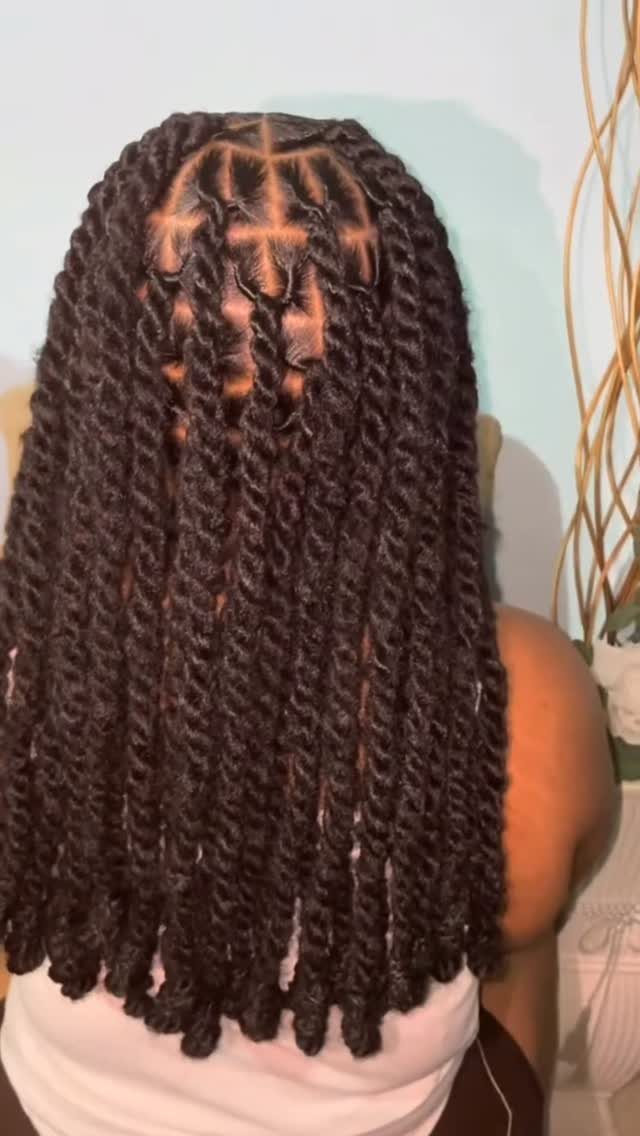
Neat scalp sections are what make natural twists look finished, because each twist starts from a clean part and hangs as its own rope. Long twists in black read sleek, with the length falling straight down the back.
Twist size sets the whole look, so tell your stylist whether you want chunky sections or thin ones before they start parting.
Smaller sections give a finer look, while larger ones go faster. I’d pick twists when I want natural hair that stays tidy without daily styling.
34. Locs
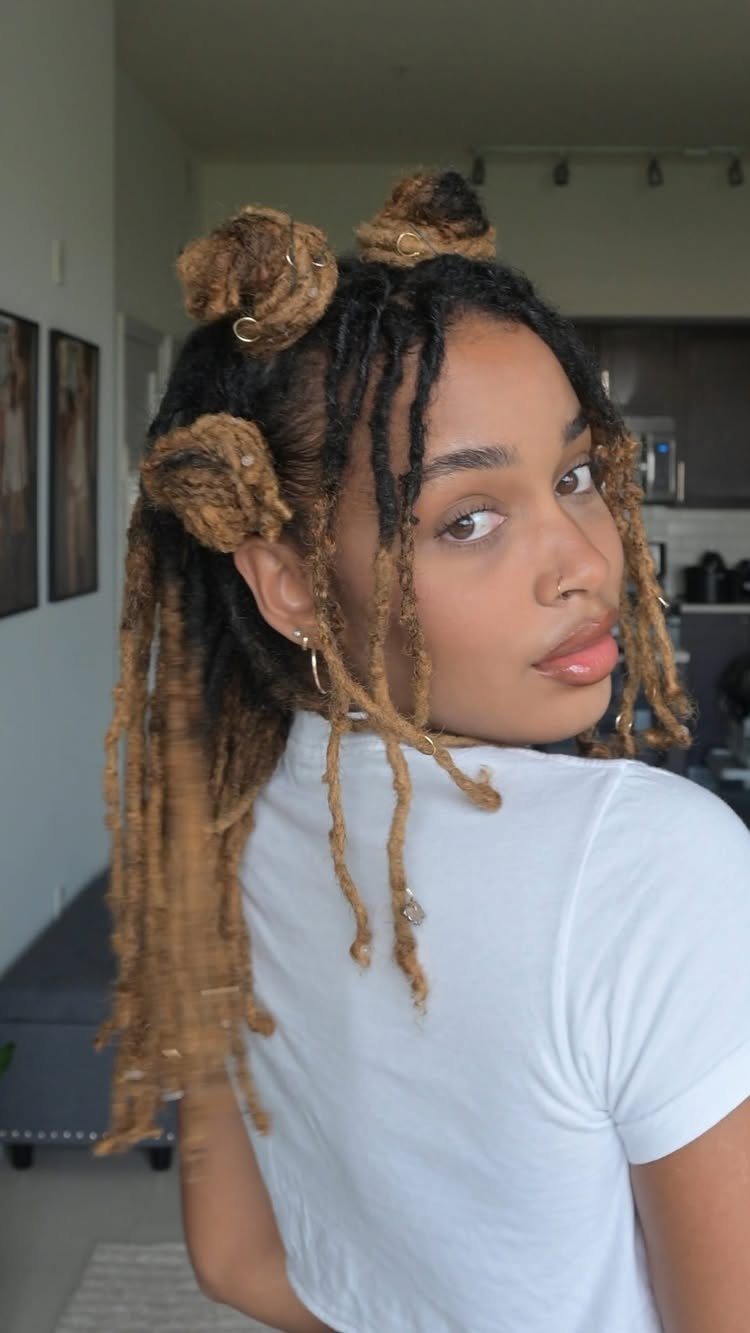
Locs gathered into small buns give you a way to wear them up, and three buns with the long sections left hanging mixes both lengths in one look. The brown and black tones add depth to each strand.
Gather a few locs at a time and wrap them at the base to form each bun. I’d choose loose buns over tight ones, since a relaxed hold looks easier and puts less pull on the roots.
35. Puffs
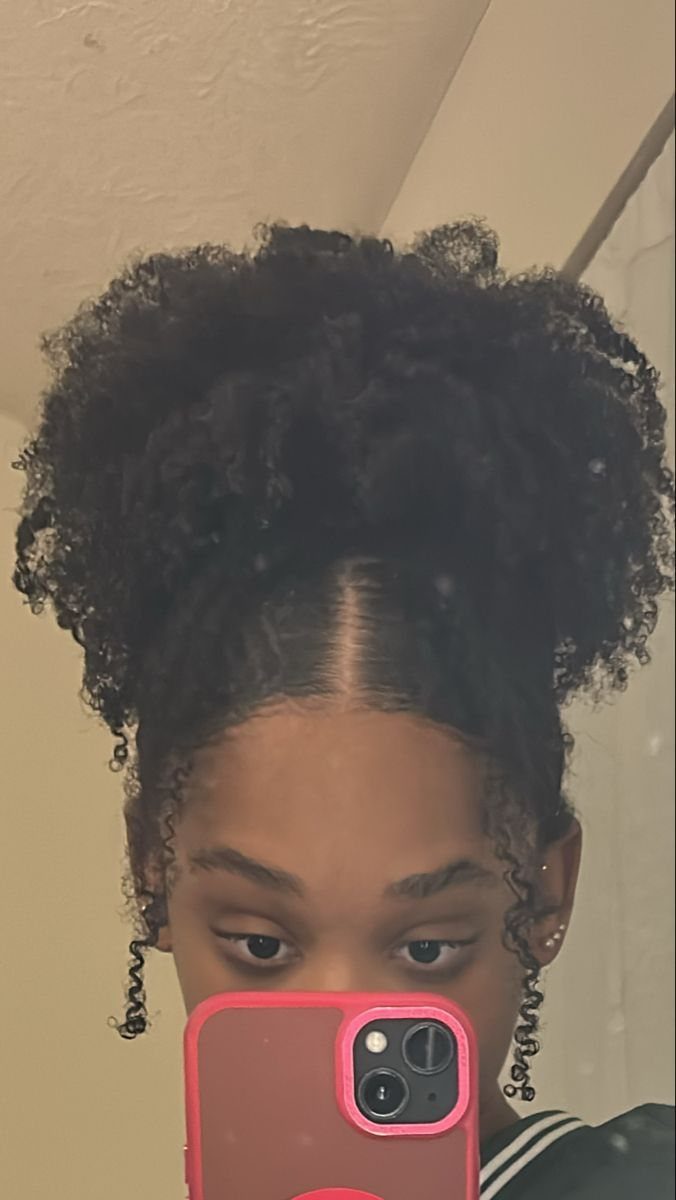
Two large curly puffs on either side of a center part turn natural curls into a playful shape. The part is what keeps it neat, so draw it straight before you gather anything.
Gather each side and secure it at the base, then let the ends stand up and out in their full volume.
I’d pick two puffs over one when I want a balanced look, and a single puff on top when I want height.
36. Knotless Braids
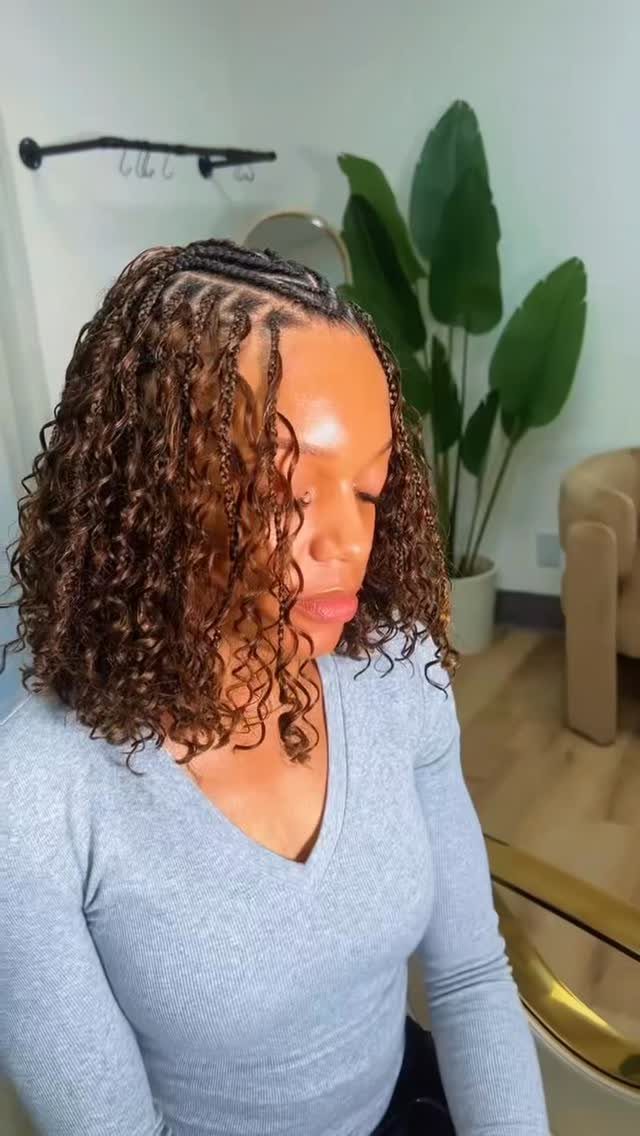
Knotless braids start with the hair itself and add extra length gradually, so the base sits flatter than a knotted braid would. Leaving the ends as loose curls, as here, softens the finish.
Book it by name and bring a photo, then settle the braid size with your braider before you start. I’d choose small braids for a neat, detailed look, though smaller braids take longer to install.
37. Mermaid Braids
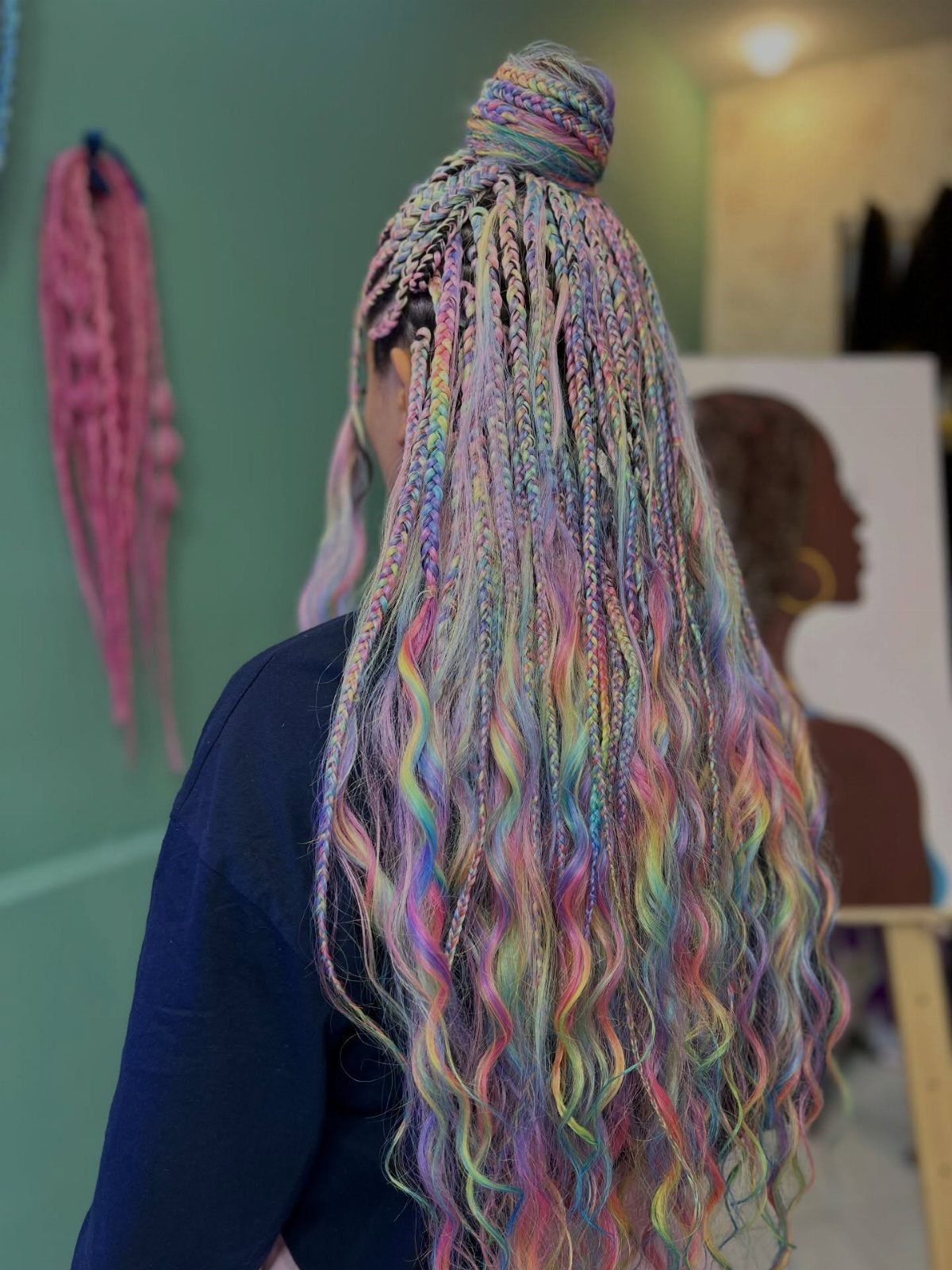
Mermaid braids run long and loose, with the plaits falling in soft waves down the back instead of hanging straight.
Pastel shades like lilac, mint and pink suit mermaid braids, and a top bun keeps the crown neat so the braided length stays the focus.
I’d choose the wavy finish over stick-straight braids, since the bends catch the color along the way.
38. Fulani Braids
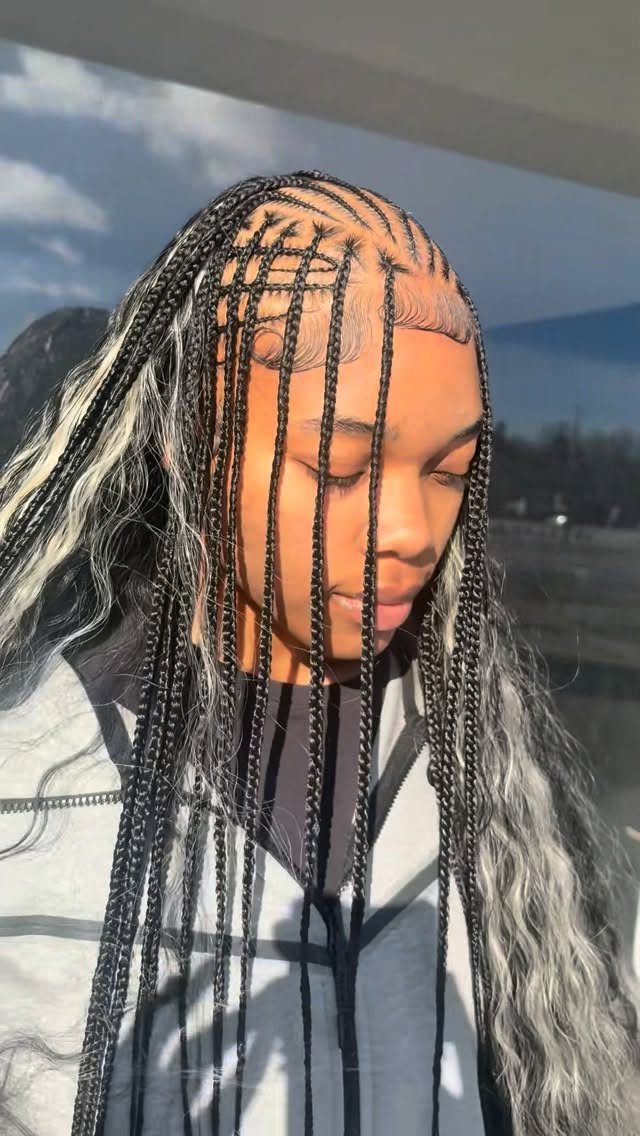
Curved cornrows at the scalp that feed into long hanging braids are what separate Fulani braids from a plain braid set.
Ask for them by name and bring a photo, because the curve of the front rows is the part a braider needs to see.
Mixing black with silver-grey, as here, adds contrast along the length.
I’d choose that blend over a single shade when I want the pattern to show. Long braids hang heavy, so settle their size before you start.
39. Bubble Braid
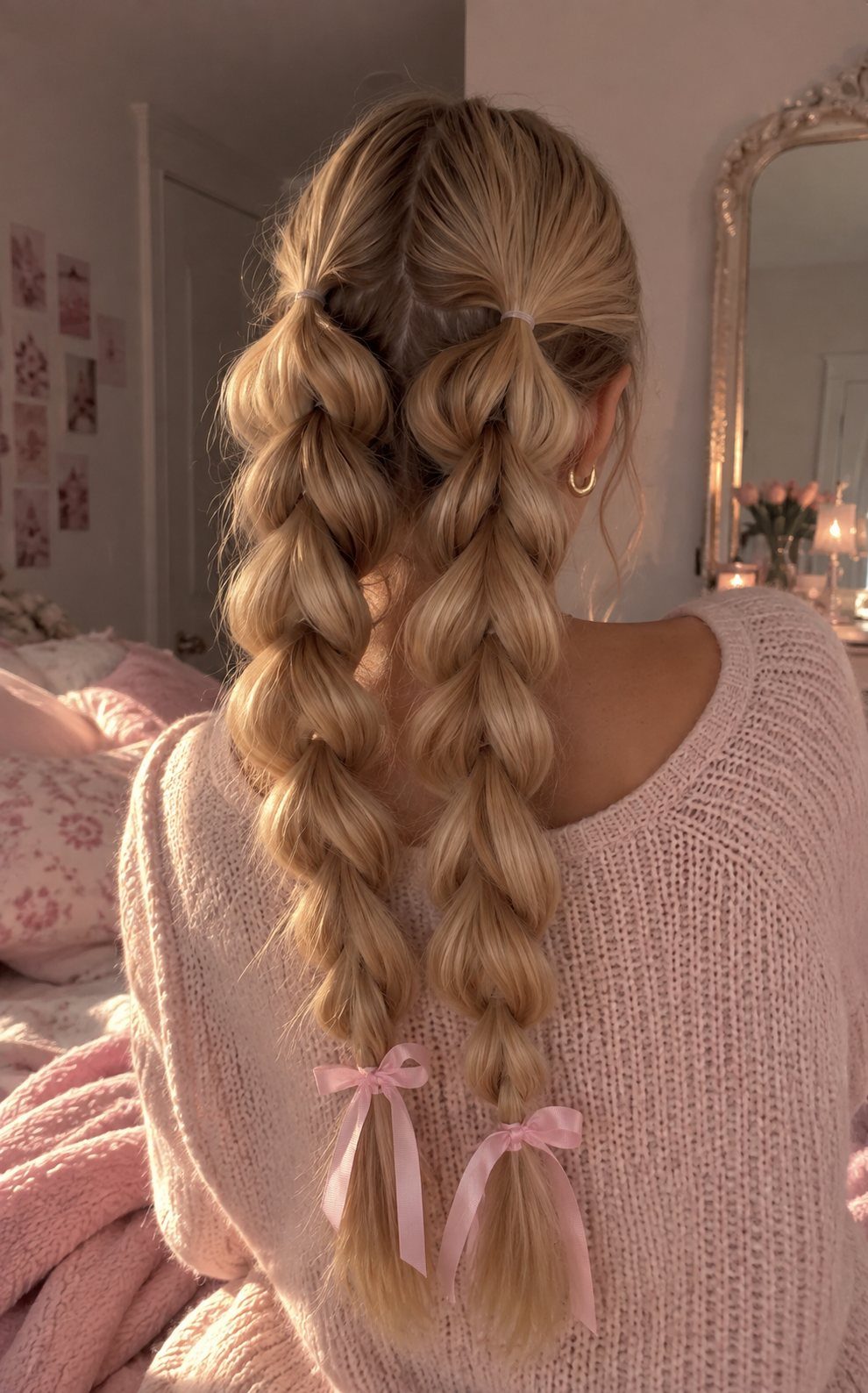
Small sections tied off at intervals, then gently pulled apart, give a bubble braid its puffed, rounded segments. Two of them in pigtails, finished with ribbons, make an easy everyday style.
Use clear or color-matched elastics, and pull each bubble out slowly so the hair stays smooth.
I’d keep them loose, as here, since the soft shape reads sweeter than a tight, stiff one. Ribbons hide the elastics at the top.
40. Boxer Braids
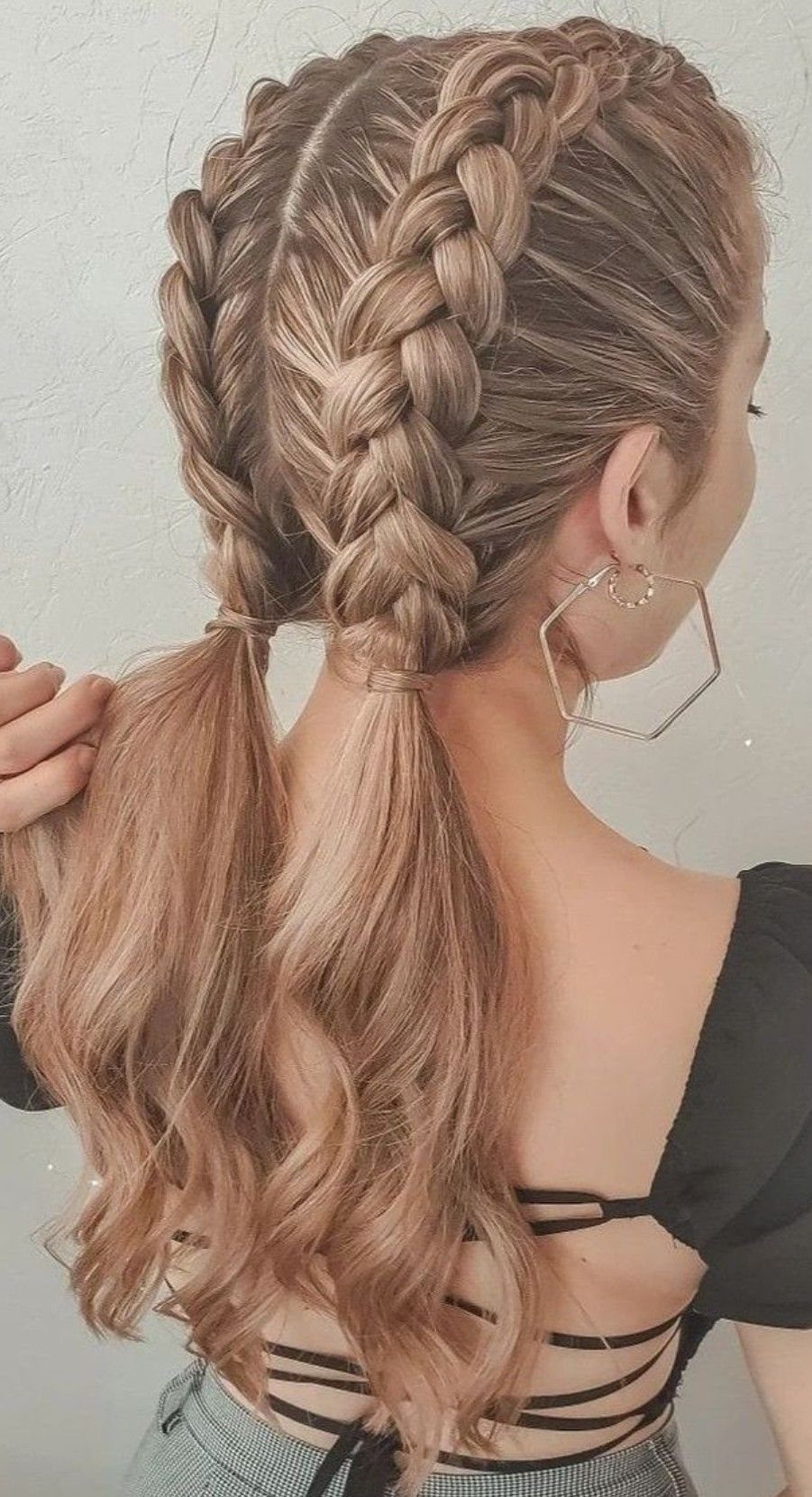
Two thick Dutch braids that finish in loose ponytails are the boxer braid: the cord sits raised on top of the hair, then gives way to free-flowing length.
Part the hair down the middle, braid each side tightly from the front, and secure the ends low. Wavy ends, as here, soften the sporty line.
For a firm hold that keeps hair off the face and neck, 2 boxer braids beat a single Dutch braid, since the weight is split and each braid stays tight to the scalp.
Frequently Asked Questions
What are some funky hairstyles for girls?
A shag, an asymmetrical bob and chunky twists are my picks. A shag is cut short at the crown and left long at the ends, with feathered tips and bangs that sweep into the sides.
A bob cut with one side visibly longer than the other reads as a bold shape, while twisted sections turn long hair into ropes of texture that run from the roots all the way down.
All three have an outline you notice right away instead of one plain, even line.
What are the types of haircuts for females?
The main ones are the pixie, the bob, the lob, the layered cut and the shag, with curtain bangs as a popular add-on. A pixie is short and tousled, while bobs come blunt, angled, asymmetrical, wavy or curly.
Cut a lob somewhere between the chin and the collarbone, then add choppy texture through the ends and layers through the body so the hair moves instead of falling in one blunt, heavy line.
Naming the cut and bringing a photo to your stylist matters, because even a word like "bob" covers several different versions.