Density and texture decide which of these medium cuts is yours, and I’d sort by hair type before looking at any photo: too many short layers remove density that fine hair can’t spare, while thick curls gain from layers that take out bulk.
The range runs from a blunt bob with one crisp line at the chin to a choppy shag you restyle each morning. Bangs add extra trims, and the rest of the cut wants one every 8–10 weeks.
1. Soft Layers
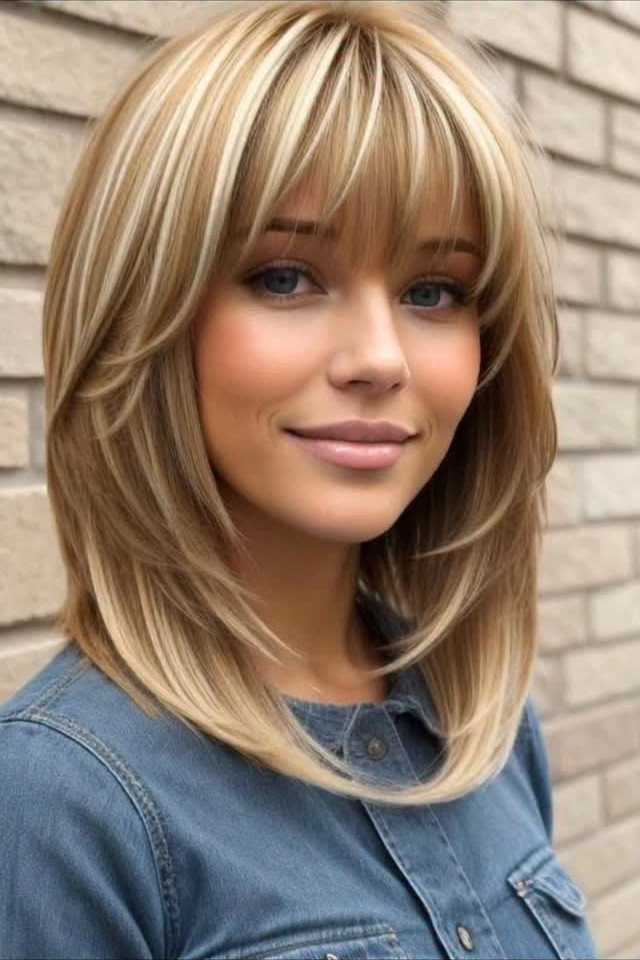
Blended layers keep the weight at the ends while adding movement through the shoulder-length body. Nothing is cut so short that it announces itself, which makes this one easy to ask for and hard to get wrong.
Bangs are part of this version, and I like them grown to a soft sweep. Full ends mean the shape holds up on hair with decent density.
The result brings out texture and keeps the hair from falling flat, all while maintaining a seamless finish. You basically shouldn’t be able to tell where the layers start and end.
2. Face-Framing Layers
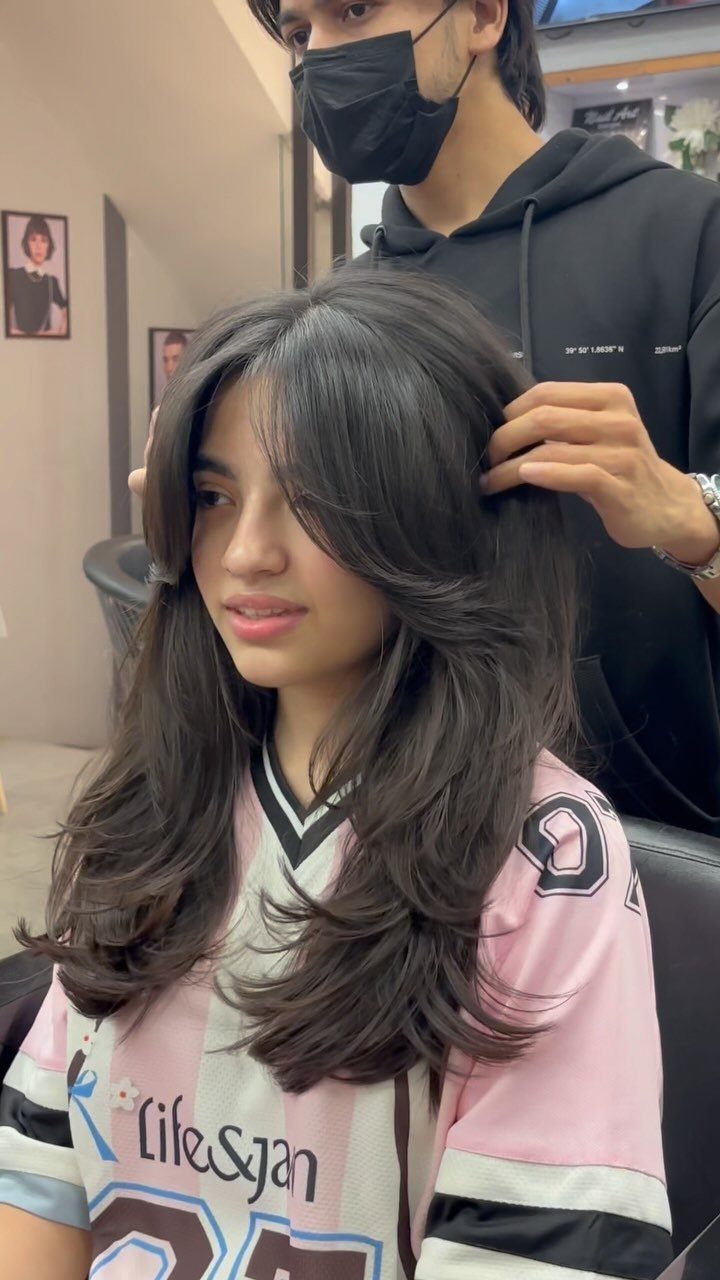
Shorter front pieces that melt into the length are what make this cut work on long, dark hair. They pull the eye toward your cheekbones and eyes without taking inches off the back.
Ask for the shortest piece to start near the face and blend gradually, so there’s no visible step between sections. Dark hair shows that blend clearly, which is a reason to like it.
3. Medium Shag
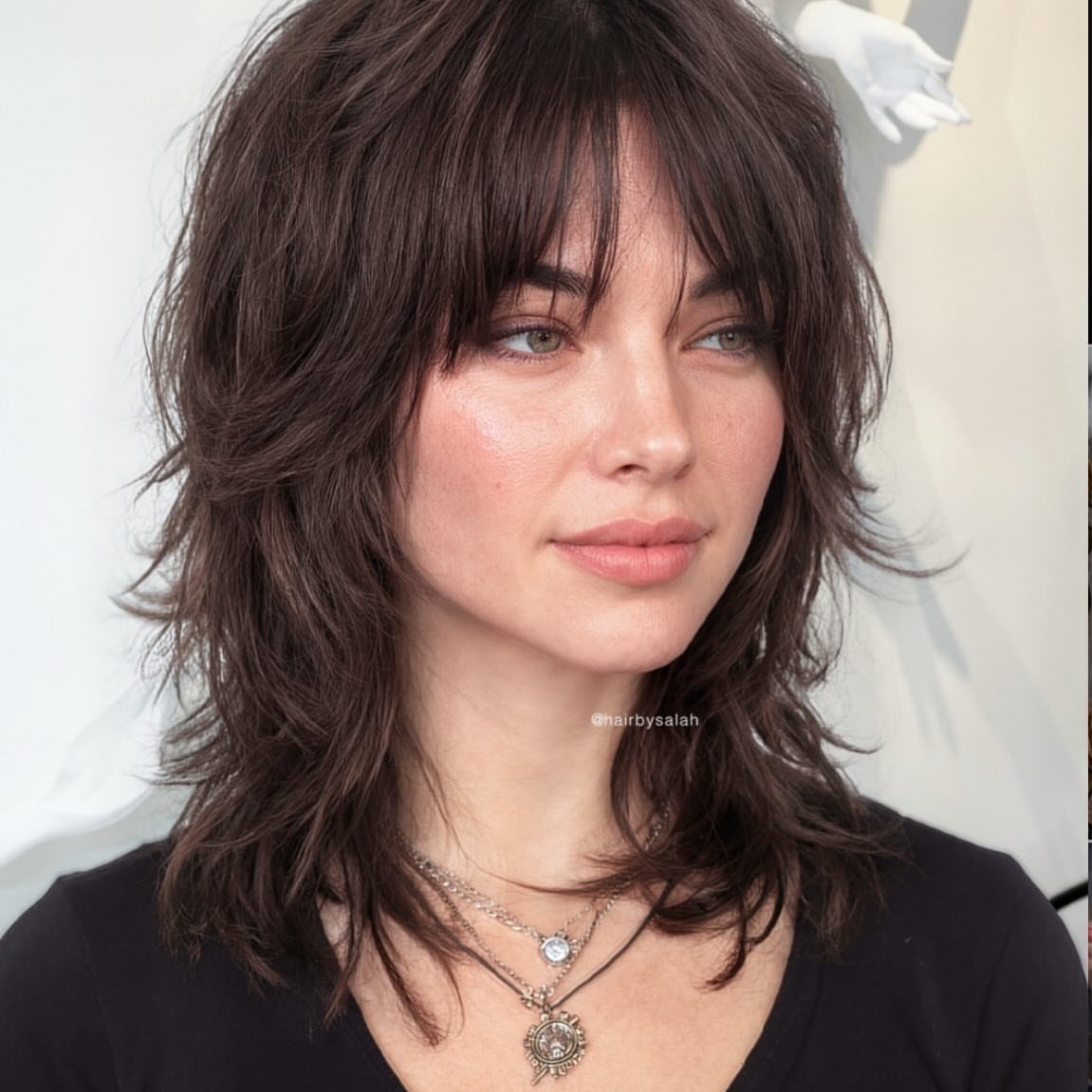
Choppy layers all around the head, plus bangs, build a shag with texture and volume at every angle. I’d pick this over a smoother layered cut if you want your hair to look lived-in with little effort.
A dark shade shows off the separation between pieces nicely. Because the shape depends on that texture, expect to restyle it rather than comb it flat.
4. Blunt Bob
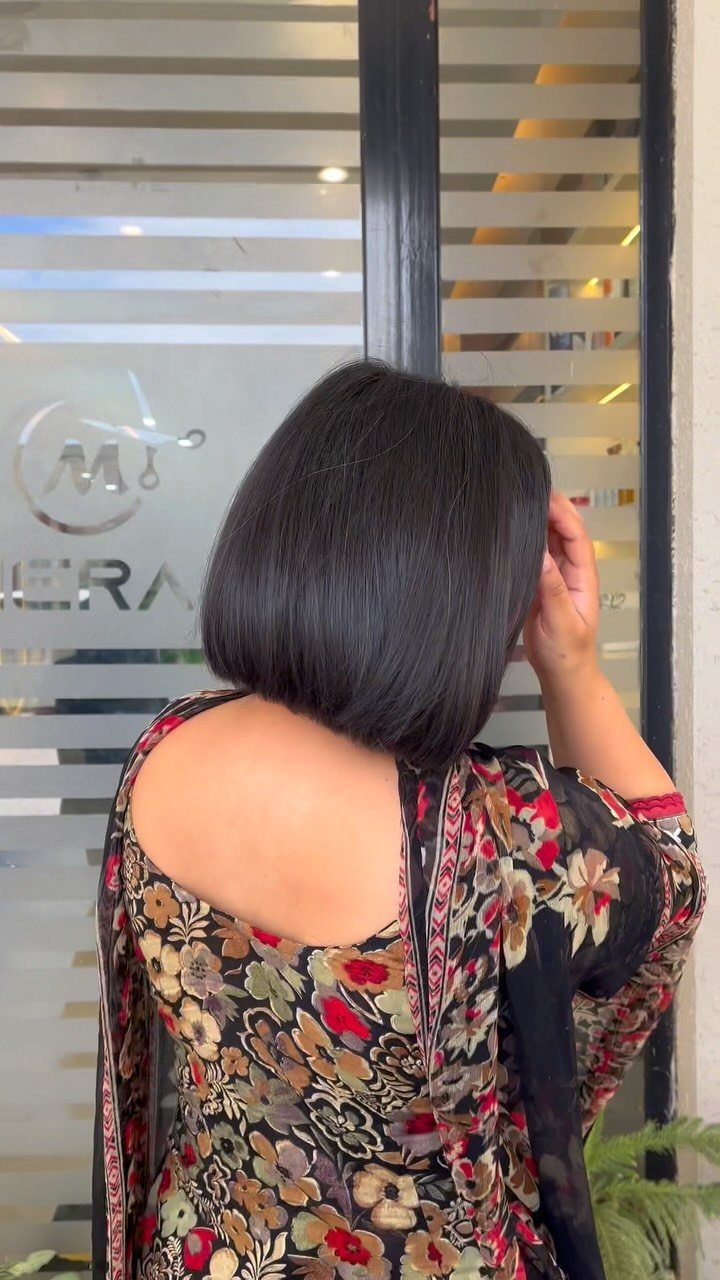
A blunt bob lives or dies by its perimeter: one clean, sharp line at the chin makes the ends look thicker than they are. That is the biggest appeal for anyone whose hair feels thin at the bottom.
A smooth, glossy finish suits it best, so plan on a flat iron or a sleek blow-dry. Any texture added on top softens the line, which is the opposite of what this cut is for.
5. Bob with Curtain Bangs
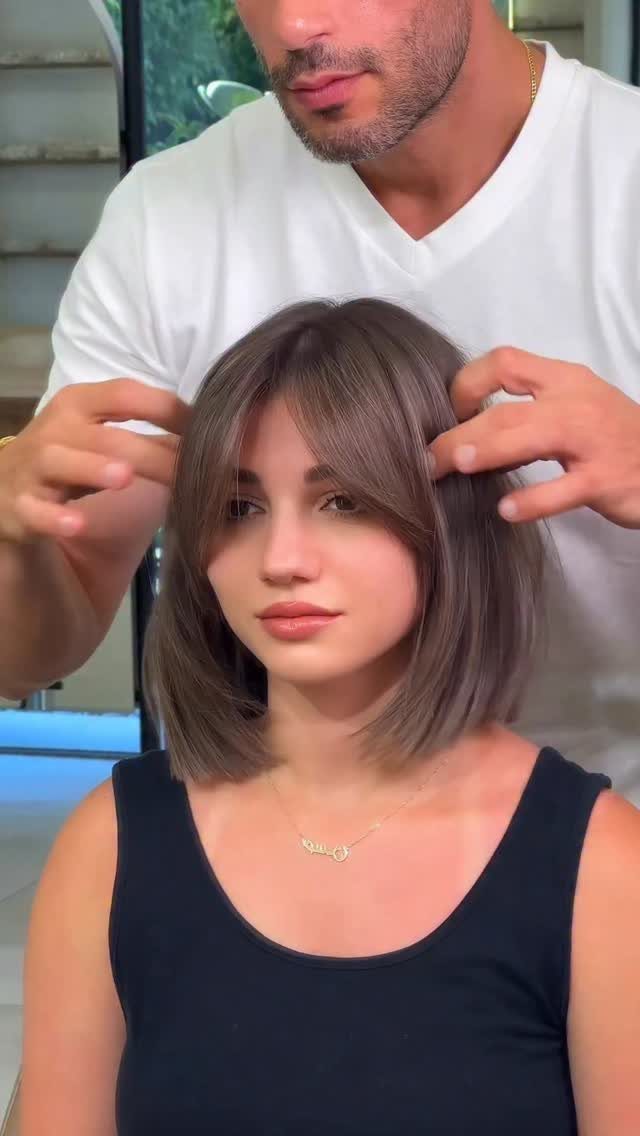
Swoopy curtain bangs parted down the middle and brushed outward give a textured bob a soft frame around the eyes. I think the contrast is the draw: a bob with some edge, bangs with some drift.
Bangs mean extra upkeep, since they need trims to stay off your eyes. Roll them over a round brush while drying to keep the swoop.
6. Side-Parted Lob
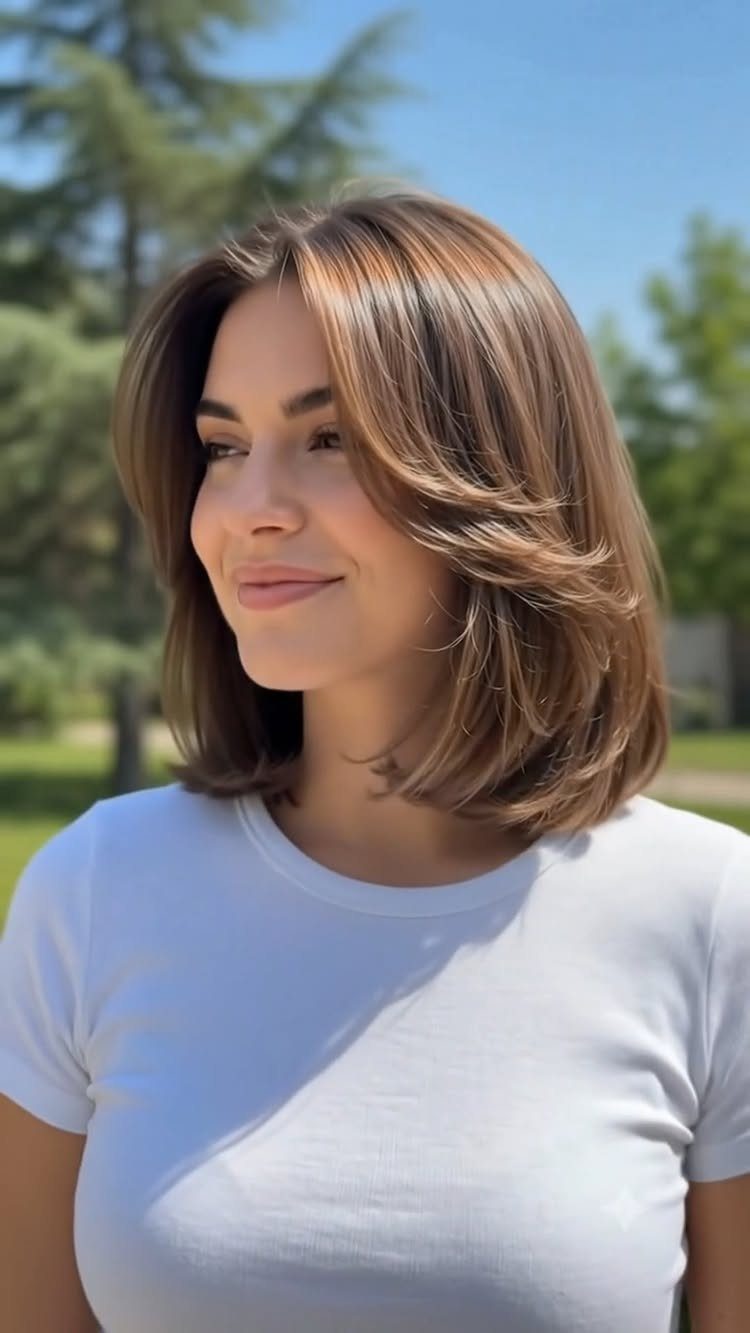
Moving the part off-center gives a textured lob an easy asymmetry, with more hair falling on one side and a bit of height at the root.
Of all the changes for medium hair, this is the simplest, because you can try a side part at home before booking anything.
Keep the ends piecey, not blunt, so the part reads as casual. Switch sides if the cut ever feels flat.
7. Shag with Thick Bangs
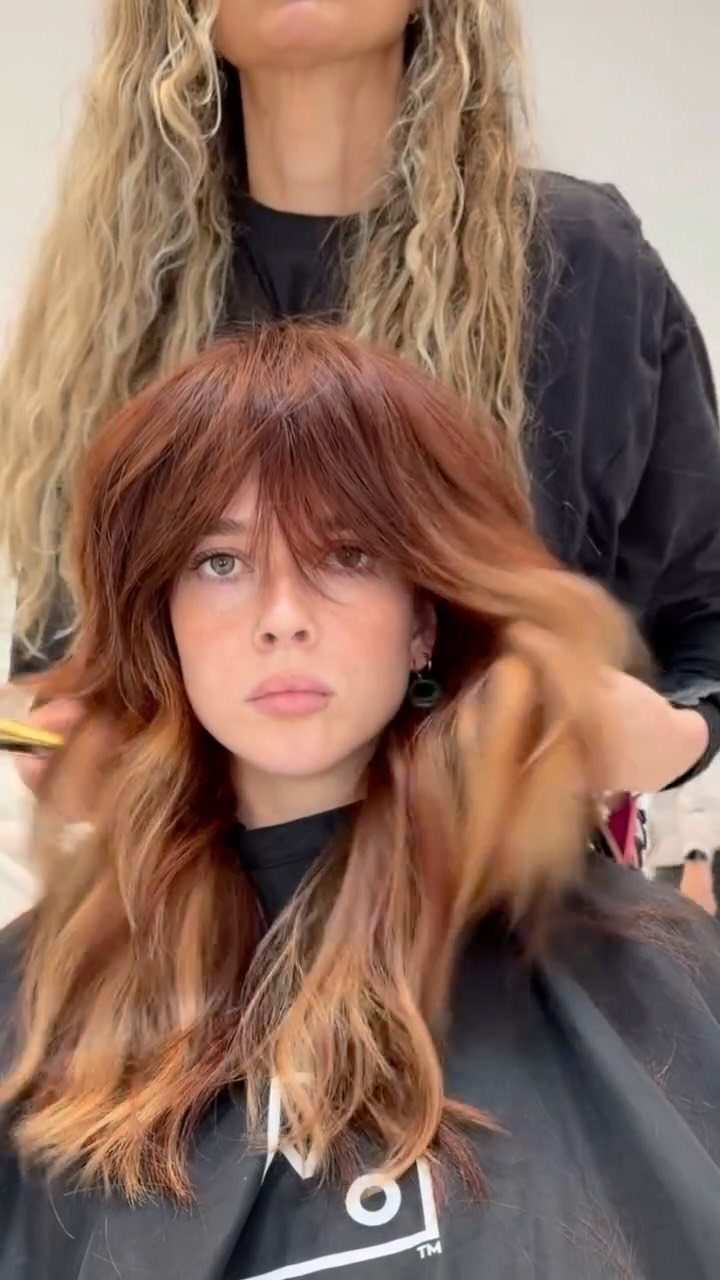
Thick bangs and a full crown do the heavy lifting in this shag, so the shape reads big from the front and the top.
Ask for the bangs cut heavy and the crown layered for lift, and tell your stylist you want that volume to stay put between trims.
Heavy bangs need regular trims to keep from sitting in your eyes. I’d choose this if you like a bold, lived-in look and don’t mind restyling the front each morning.
8. Soft V-Cut
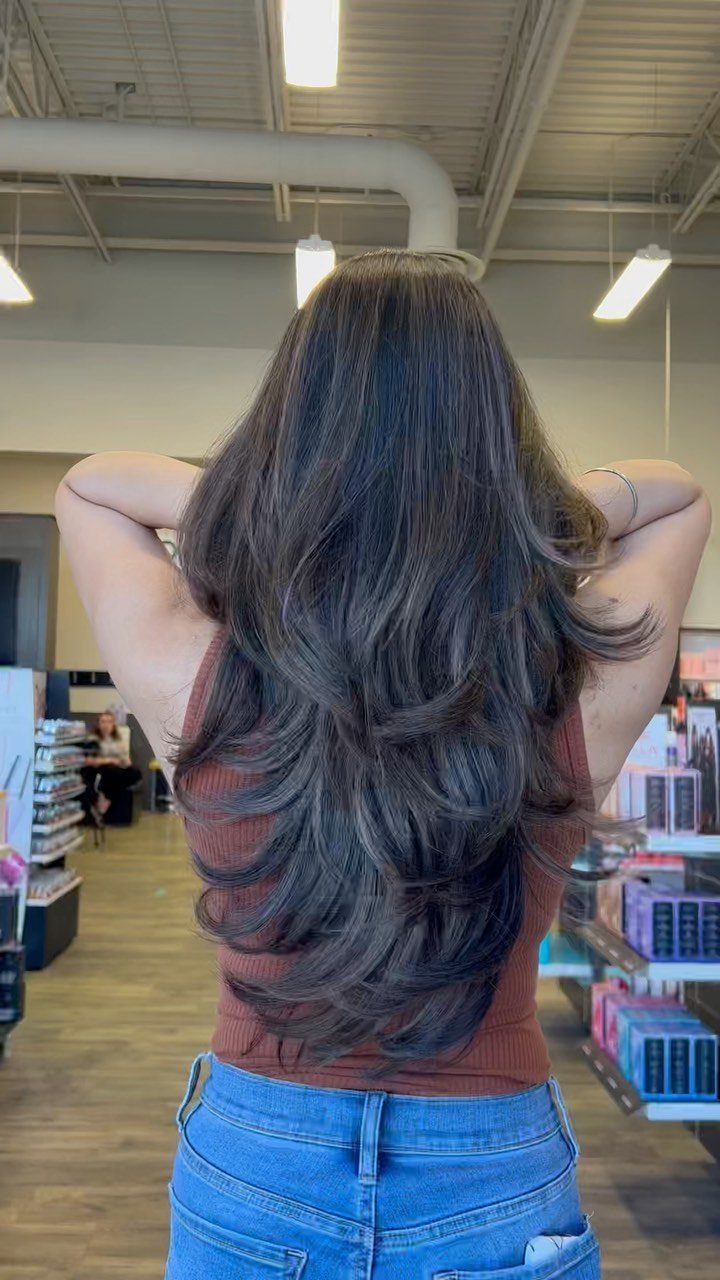
Long hair cut into a V-shape tapers to a point at the center of the back, and that single point makes the length look longer than it is. Layers through the ends keep the taper soft, not stringy.
For a gentler version, ask your stylist to curve the point just slightly. Brush it smooth after washing so the shape stays easy to read from behind.
I like this on dark hair, where the line is hard to miss.
9. Textured Lob
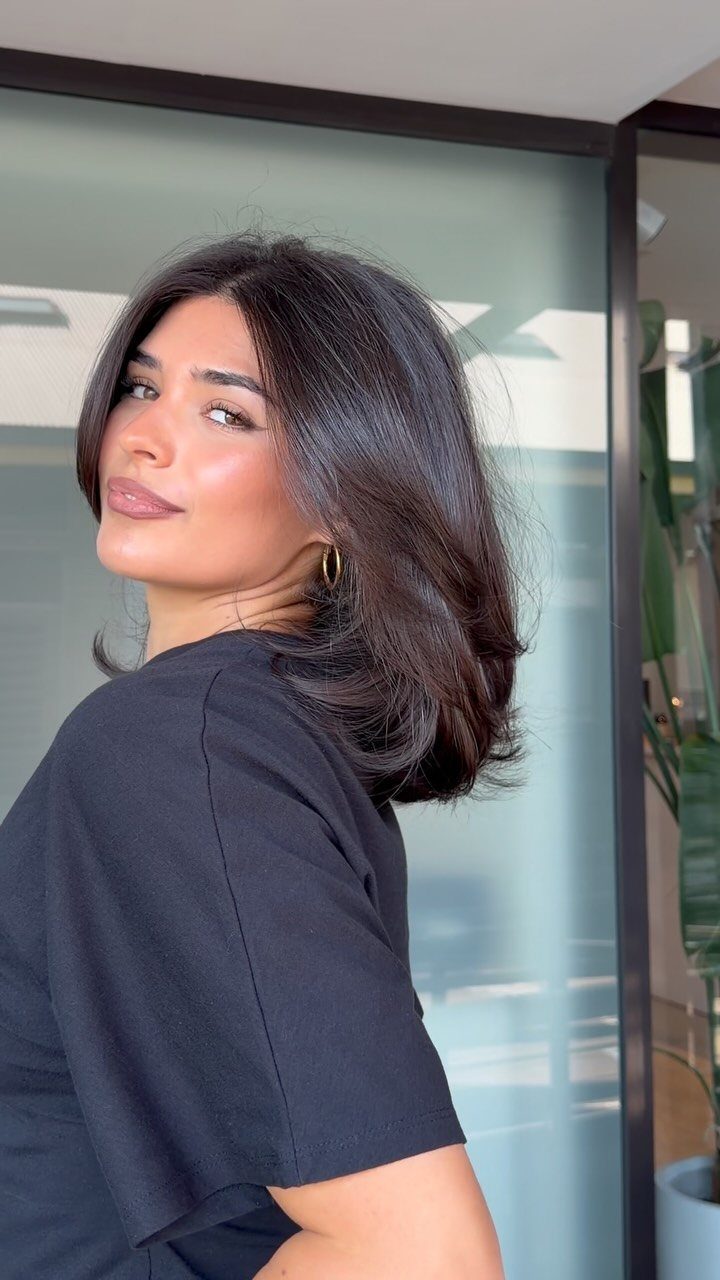
Point-cutting the ends of a shoulder-area lob gives it a relaxed, slightly rough finish, and a few soft layers keep it from stacking into a flat block. Ask for texture at the ends instead of a blunt line.
This cut suits air-drying and a bit of scrunching, so mornings stay short. It’s my pick over a blunt bob if neat edges feel stiff on you.
10. Feathered Layers
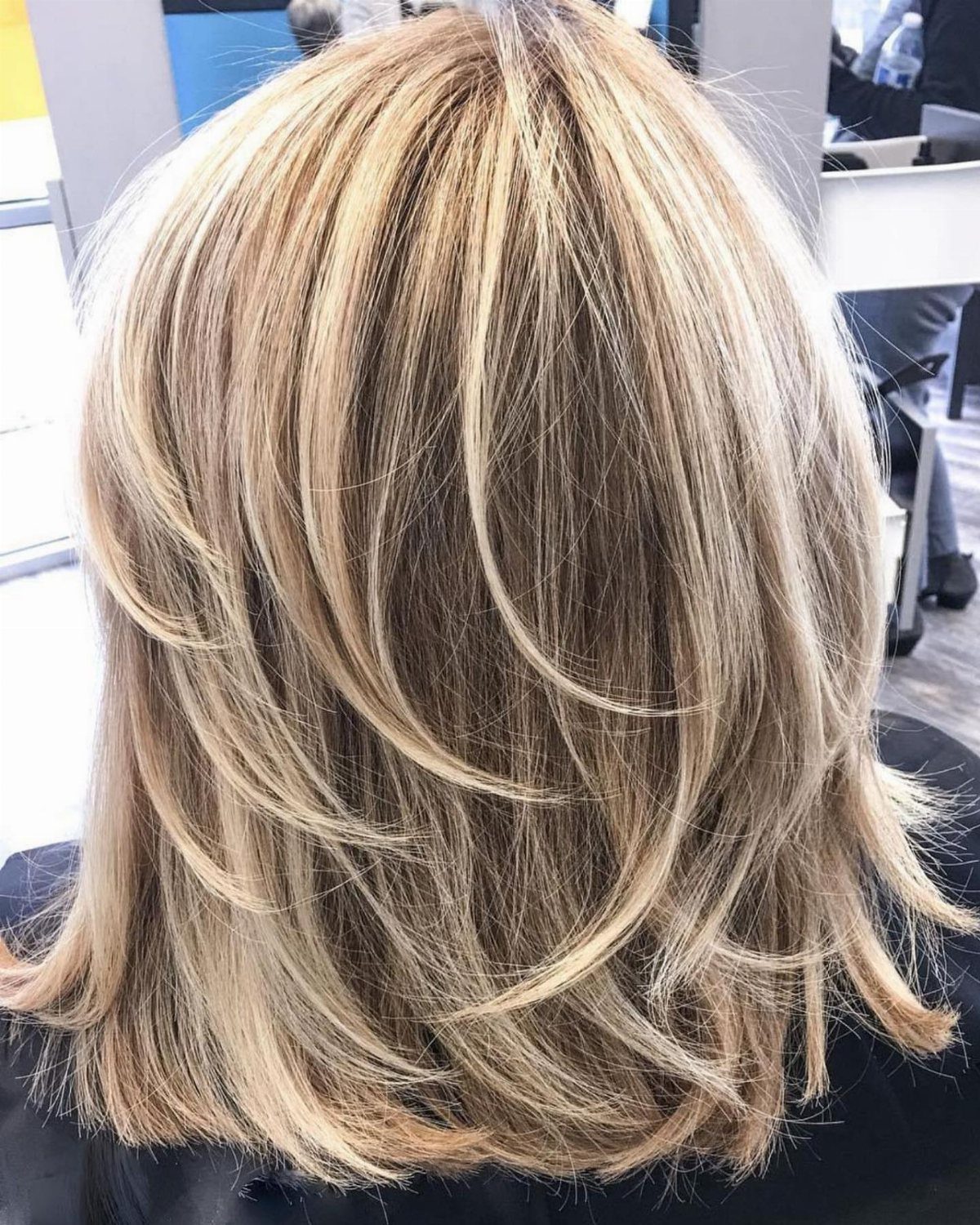
Feathered layers taper into light, wispy ends that curve around the shoulders and add air through the length. The movement is the whole appeal, and blonde hair shows it well.
Ask for the layers tapered, not chopped, so the ends stay soft.
A round brush while blow-drying turns the ends under or out. This works best if your hair has some body, because very fine strands can look thin once the ends get this light.
11. Butterfly Layers
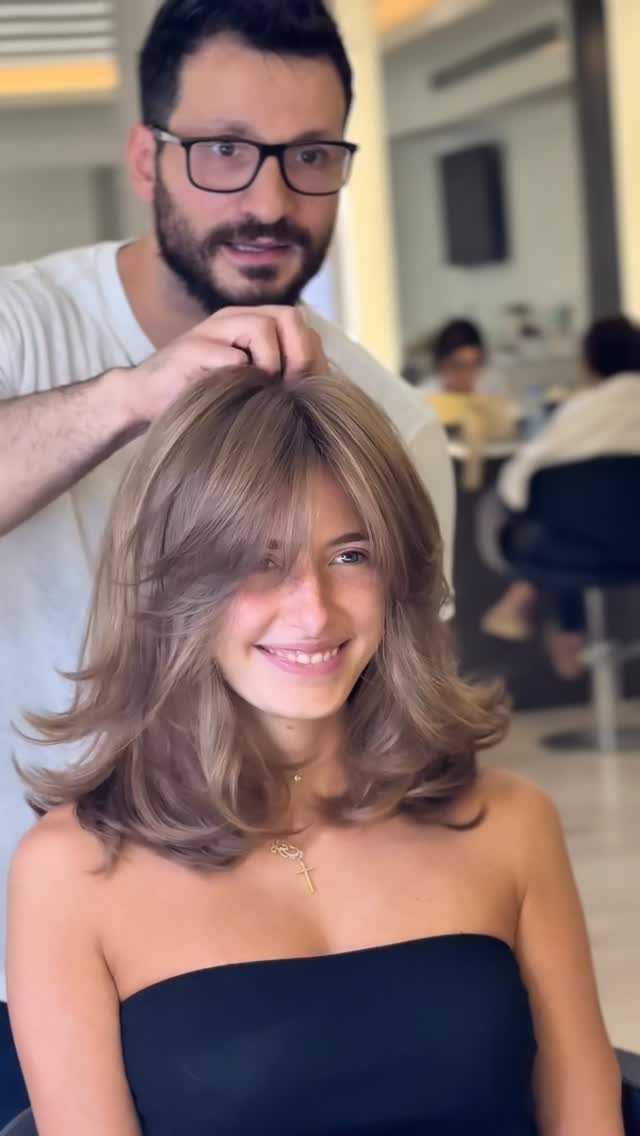
The cut layers the front short and feathered while the back stays long, so you get lift where your face is and weight below. Flipped ends finish the shape.
Tell your stylist you want the face-framing pieces clearly shorter than the back layers. Flip the ends out by pulling a round brush through them as you dry.
Plan on trims to keep the front pieces looking intentional as they grow.
12. Medium-Length Curls
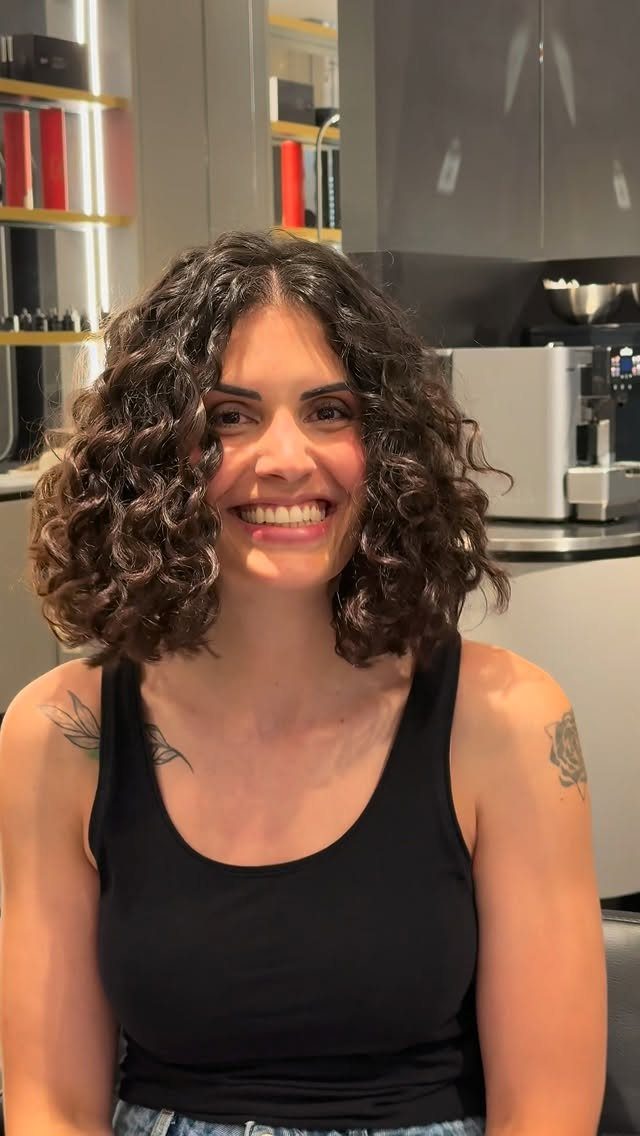
Medium length gives curls enough weight to form their pattern while staying easier to handle than long hair. That balance is why I’d pick this length for curls over going longer.
Ask for the cut to be shaped with your curls in mind, ideally on dry hair, so you can see where each curl lands. Style with your fingers and let it air-dry.
13. Textured Shoulder-Length Cut
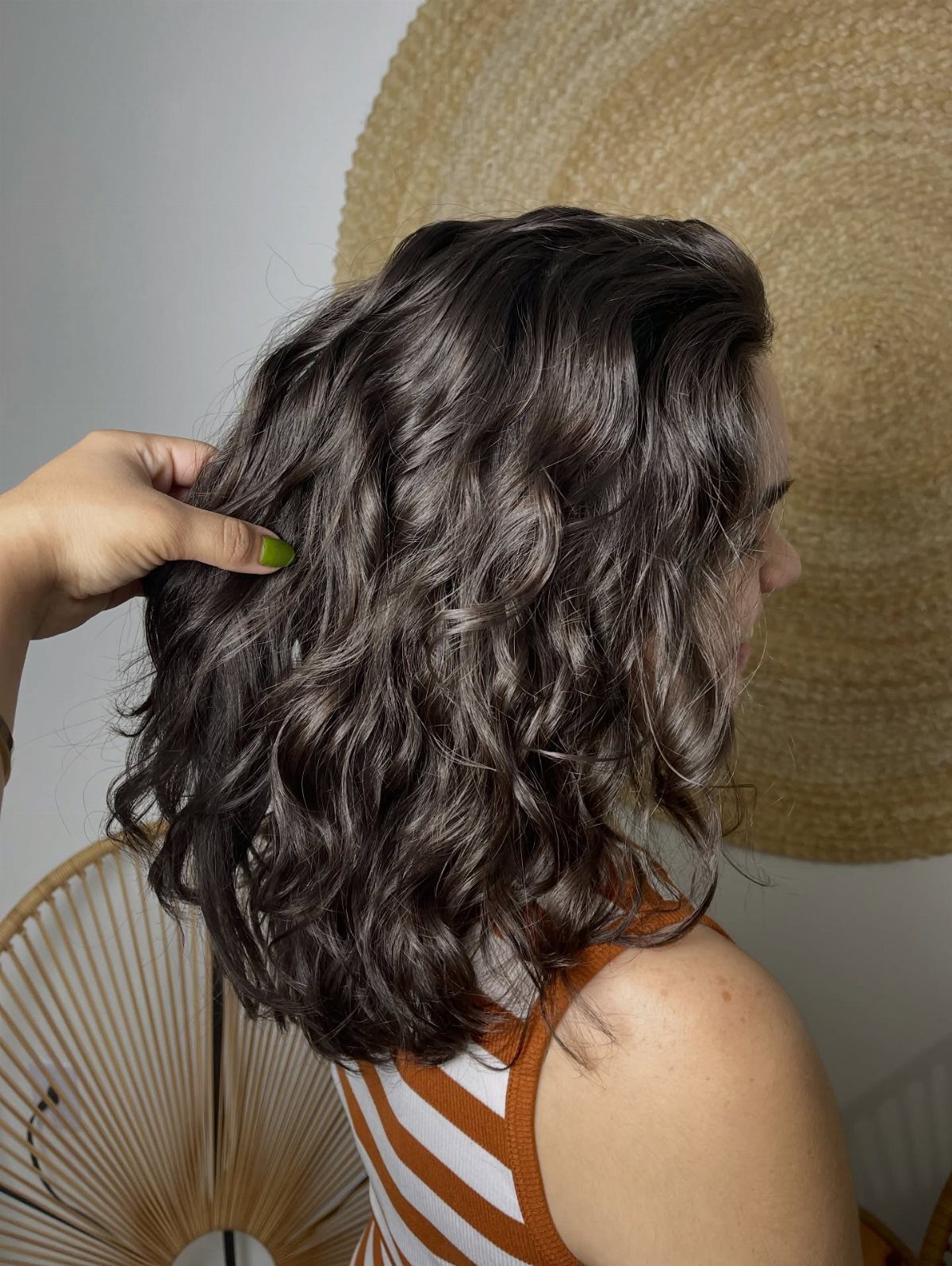
Sitting just above the collarbones, this cut stays light enough for waves to move instead of drooping. The texture is the point, so ask for airy, lived-in shaping through the ends and skip anything blunt.
Work product through damp hair with your fingers, then leave it alone while it dries; a brush will pull the texture out. Lifting sections at the roots as you dry keeps the waves shaped, and you can skip the brush.
14. Updated Rachel Cut
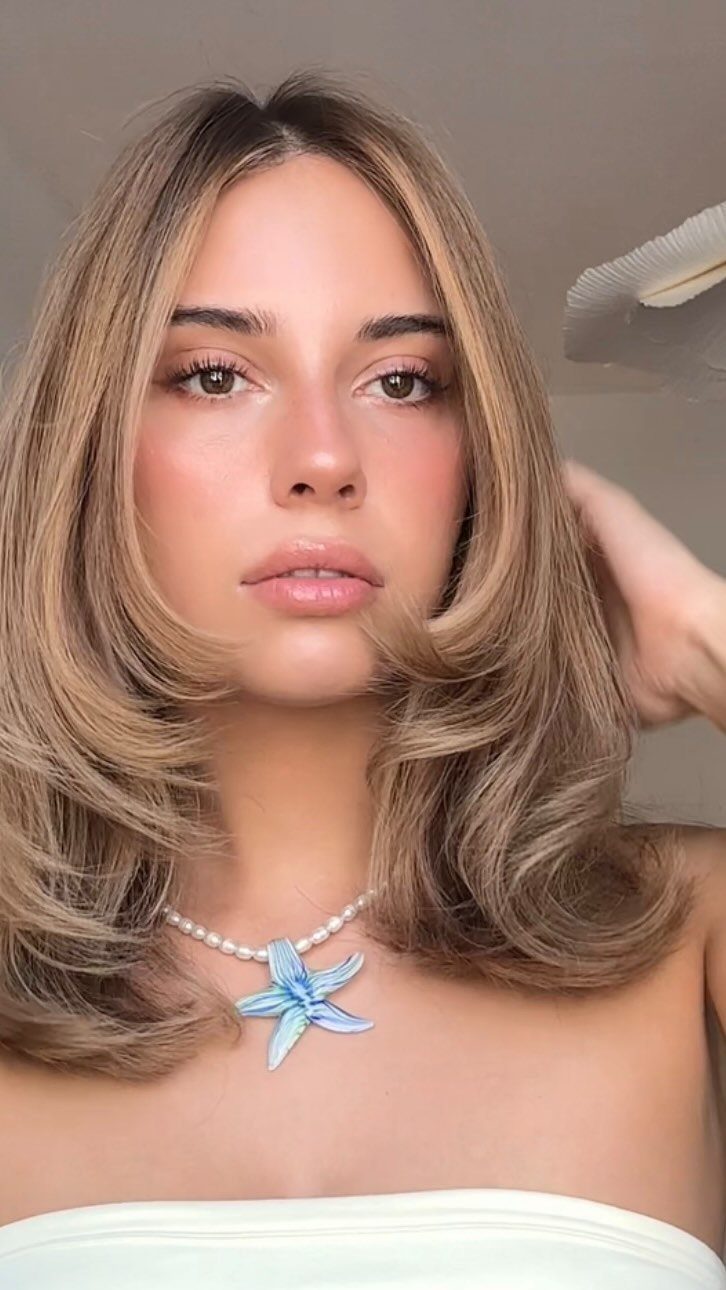
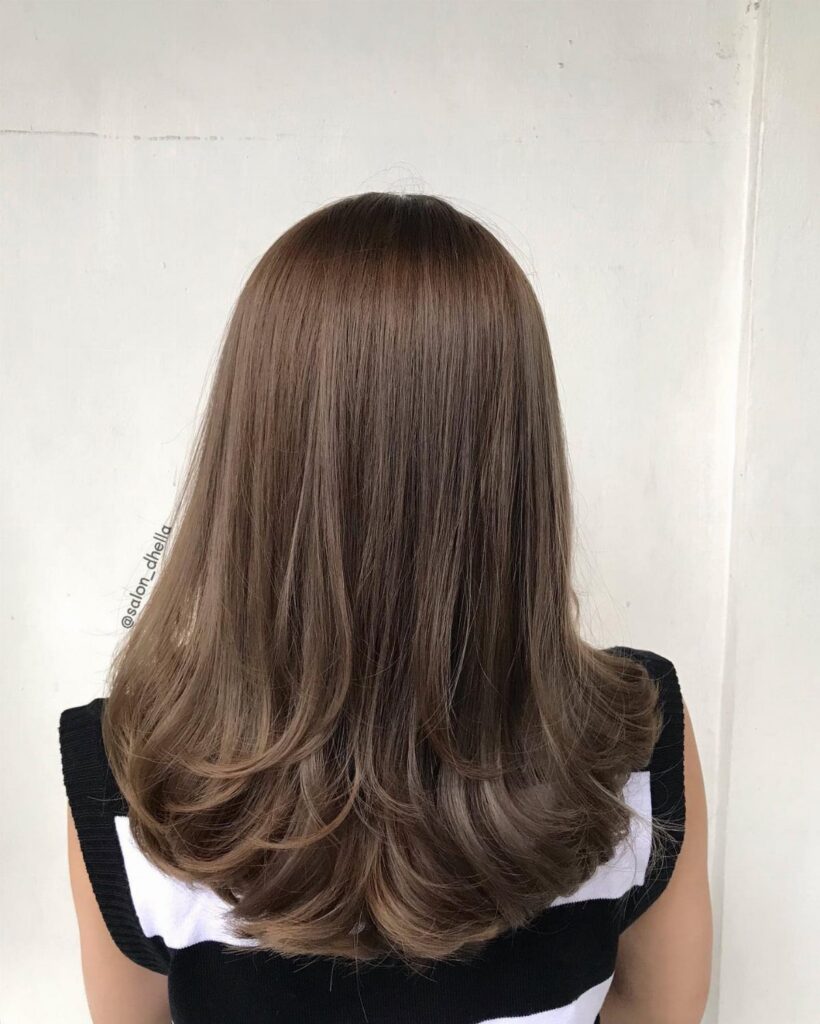
Rachel layers usually read bouncy and flippy, but this version runs longer and sleeker, with the ends turned outward. That makes it easier to wear day to day, since it looks polished without looking like a throwback.
Tell your stylist to start the layers at the face and let them blend into the rest of the length, so nothing looks stepped.
Blow-dry with a round brush, rolling the ends out, then smooth the top with a flat iron or a quick pass of the dryer.
15. Lob for Wavy Hair
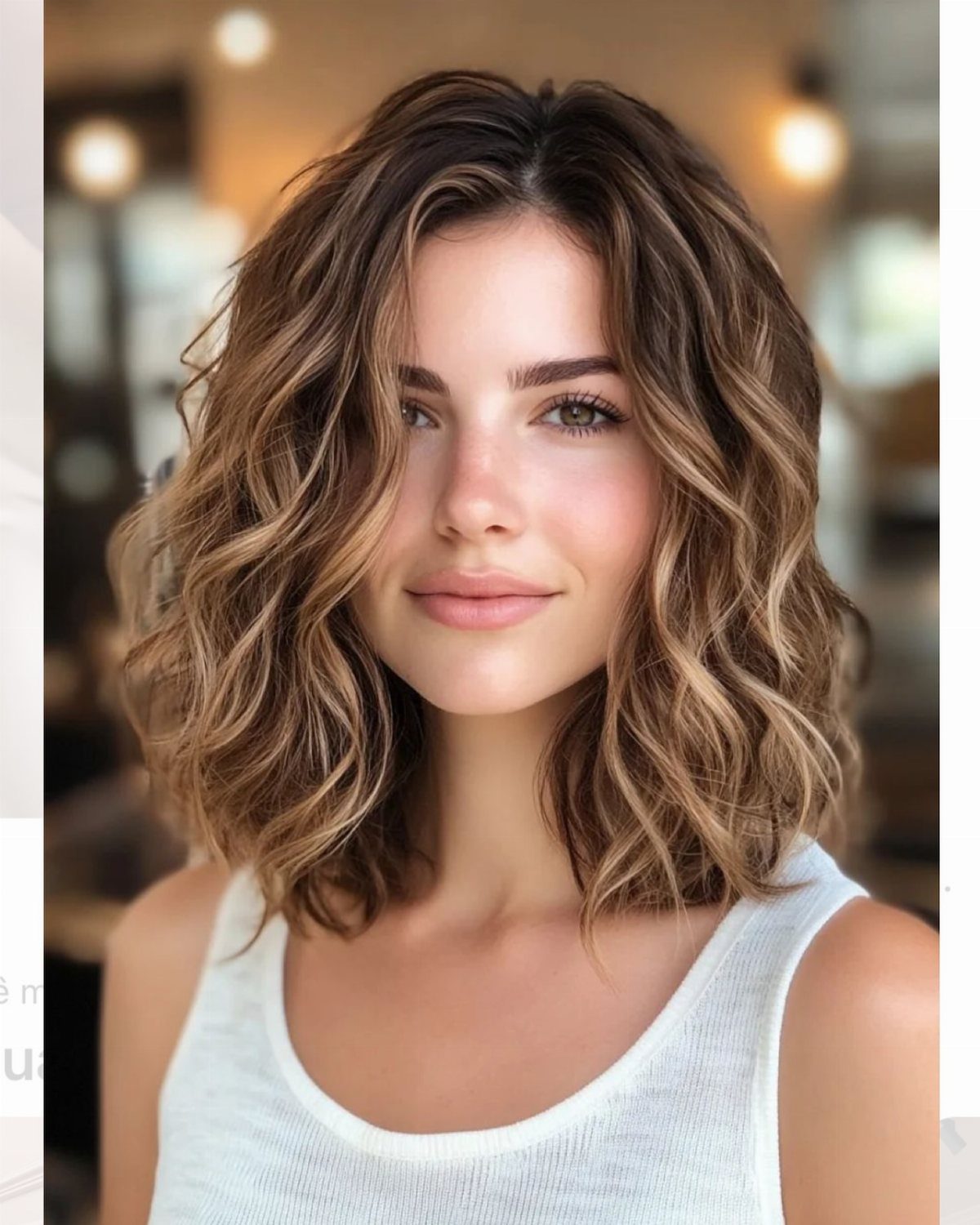
A lob that lands around the shoulders gives natural waves room to bend, yet it’s short enough that they don’t swallow the shape. I’d pick it over a shorter bob if you dislike waves puffing out at the sides.
Soft highlights give wavy hair more dimension, and they make the wave pattern easier to see. Scrunch in a light product and air-dry for the simplest morning.
16. Neck-Length Curly Bob
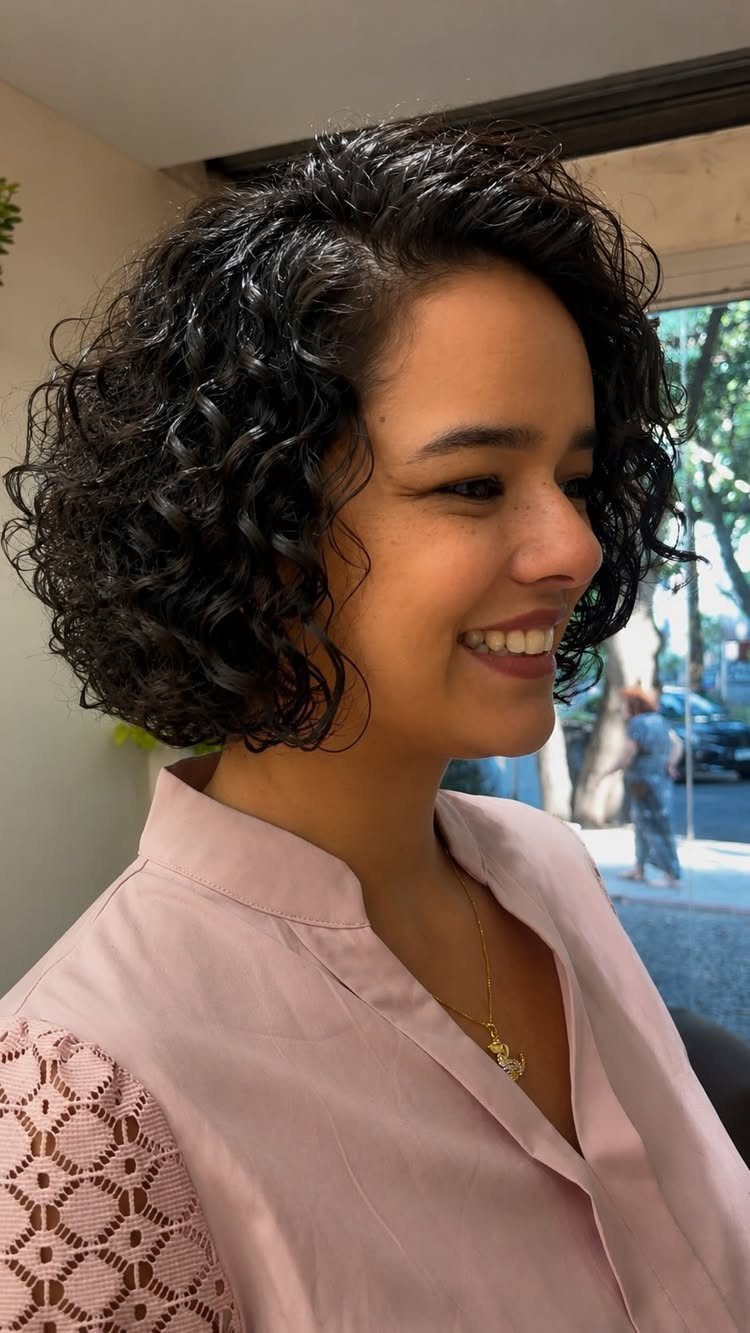
Curls tend to spring up as they dry, so a neck-length bob ends up sitting shorter than it looks wet. Keep that in mind when you tell your stylist where you want it to land.
This is a manageable shape for curly hair: short enough that the curls don’t get pulled long and loose, and easy to frame the face with.
Wash-and-go works well here, and a diffuser speeds things up if you’re in a hurry.
17. Choppy Bangs

Choppy bangs break the fringe into uneven pieces that blend straight into the layers around them, so the whole cut looks carefree and not planned.
A choppy fringe should have broken, uneven texture through it, so skip the clean, blunt line.
On dark hair, that piecey separation stands out clearly.
Style with your fingers, maybe a little texturizing spray, and let the pieces fall where they land. I like this better than a smooth fringe if you hate fussing in the mirror.
18. Layers for Straight Hair
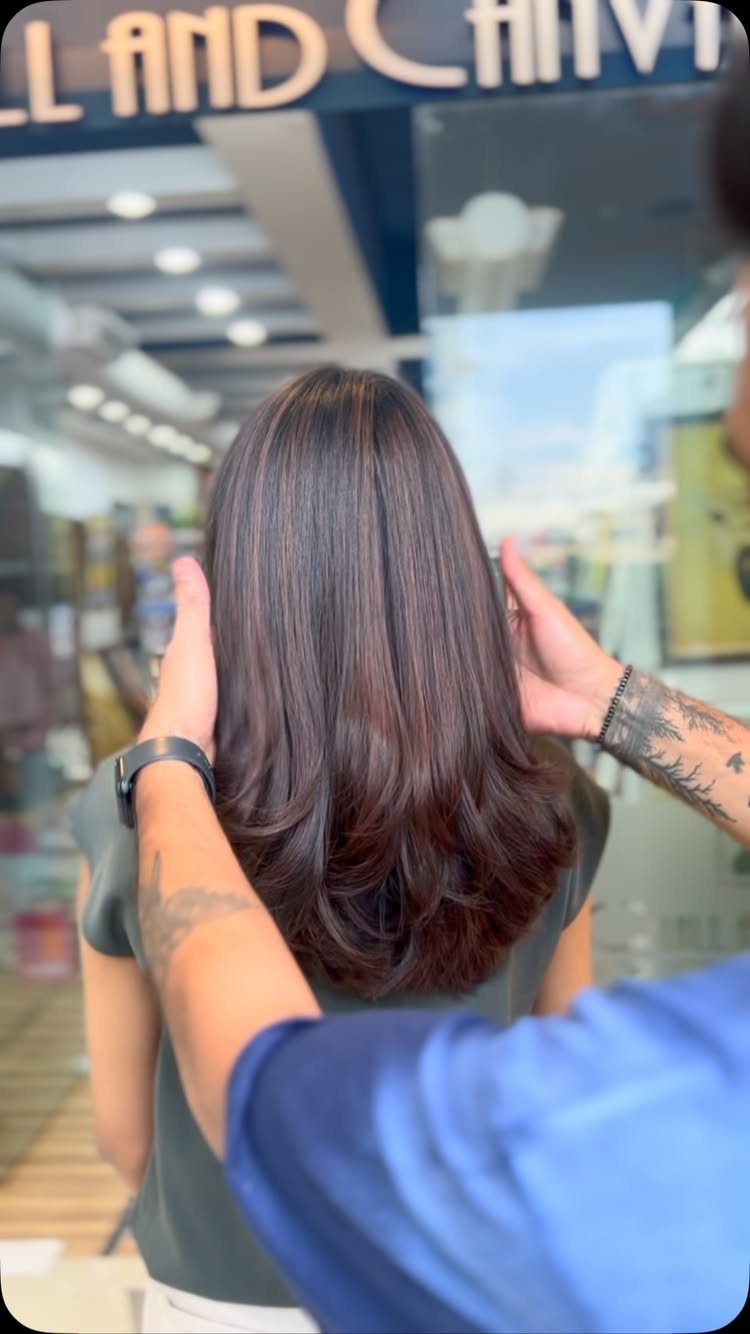
Straight hair shows every cutting line, so long layers need to be blended well. Ask for them to start below the chin and fall gradually, which adds shape without chopping up the shoulder-length outline.
Layers give straight hair movement and some body, so it stops hanging as one flat sheet.
A paddle brush and a quick blow-dry are all you need, and a few loose bends with a round brush add extra lift at the ends.
19. Layered Medium Cut
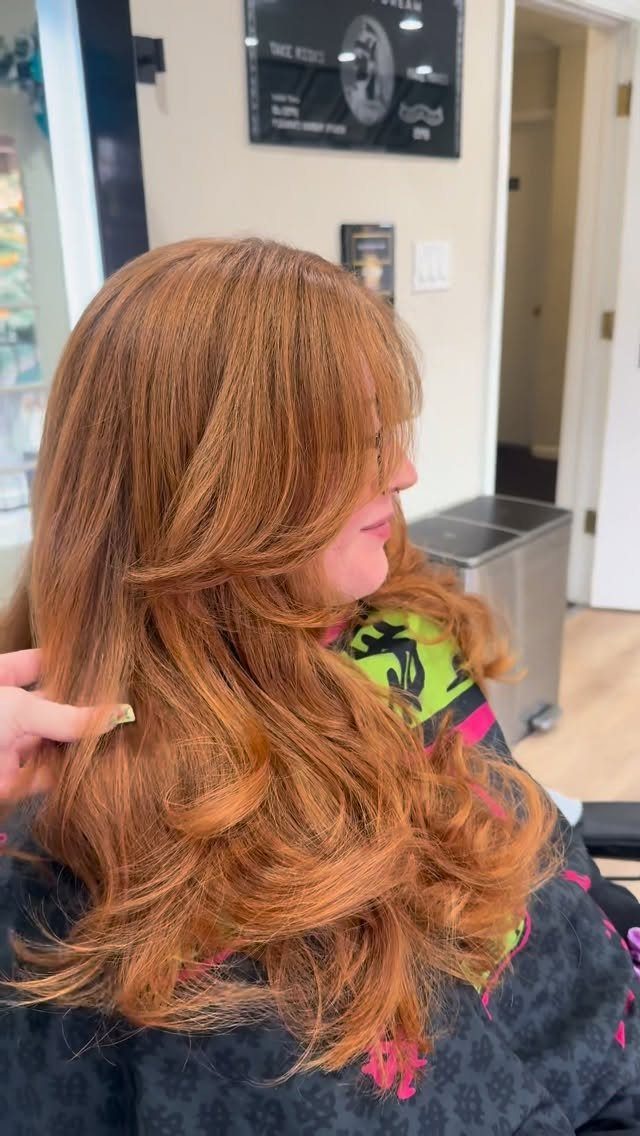
Longer layers remove weight without losing length, which is how you keep a medium cut from sitting flat or pulling too heavy at the ends.
The shorter face-framing pieces give you some movement around your face, and the rest stays long enough to pull back when you need it.
Works best on hair that already has some body. If your hair is pin-straight and fine, you might find the layers don’t do much unless you add a little bend with a round brush.
Blow-dry with a paddle brush or let it air-dry; either way, it’s fast.
20. Layered Thick Curly Bob
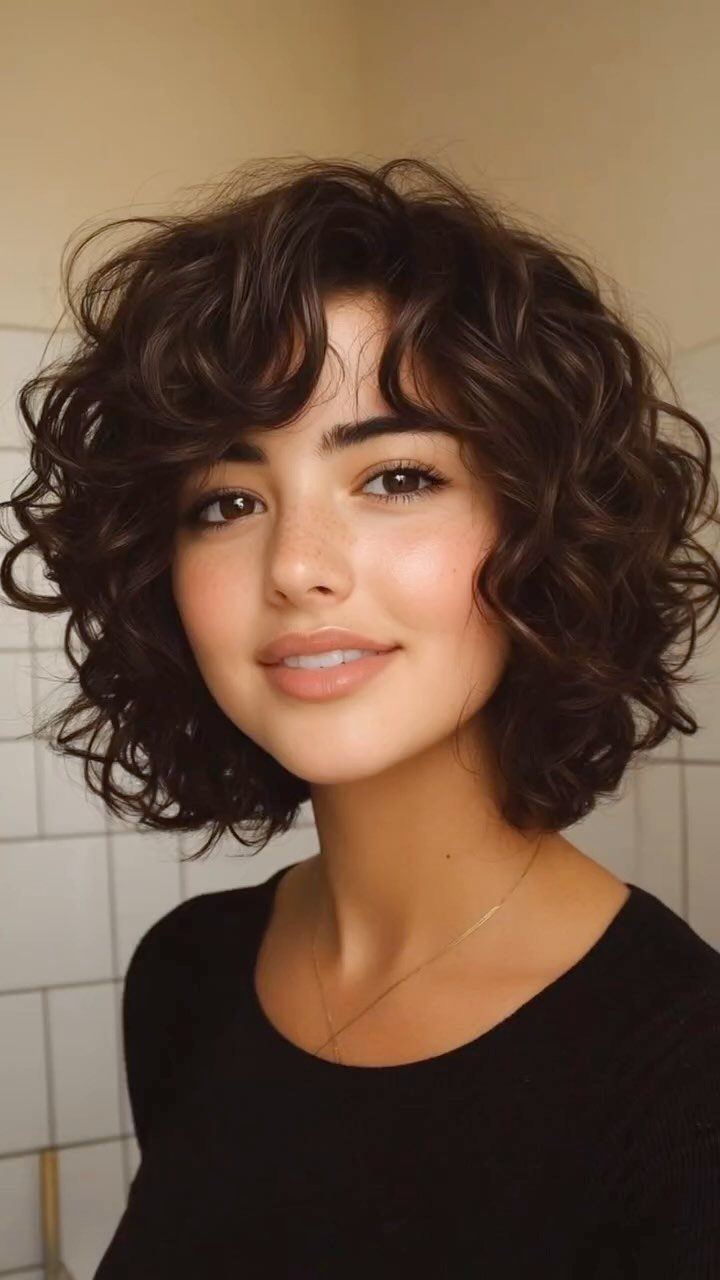
Shaggy layers carved into thick curls take out the bulk that makes a bob feel heavy or pyramid-shaped. The weight comes off at the interior, so the curls sit lighter and separate more instead of clumping into one dense shape.
Shorter pieces at the crown add lift where thick hair usually falls flat.
If your curls are fine or loose, skip this one. You need enough density for the layers to actually remove something, or you’ll end up with frizz instead of definition.
Dries faster than a one-length curly bob and needs less product to hold its shape.
21. Elongated Shag
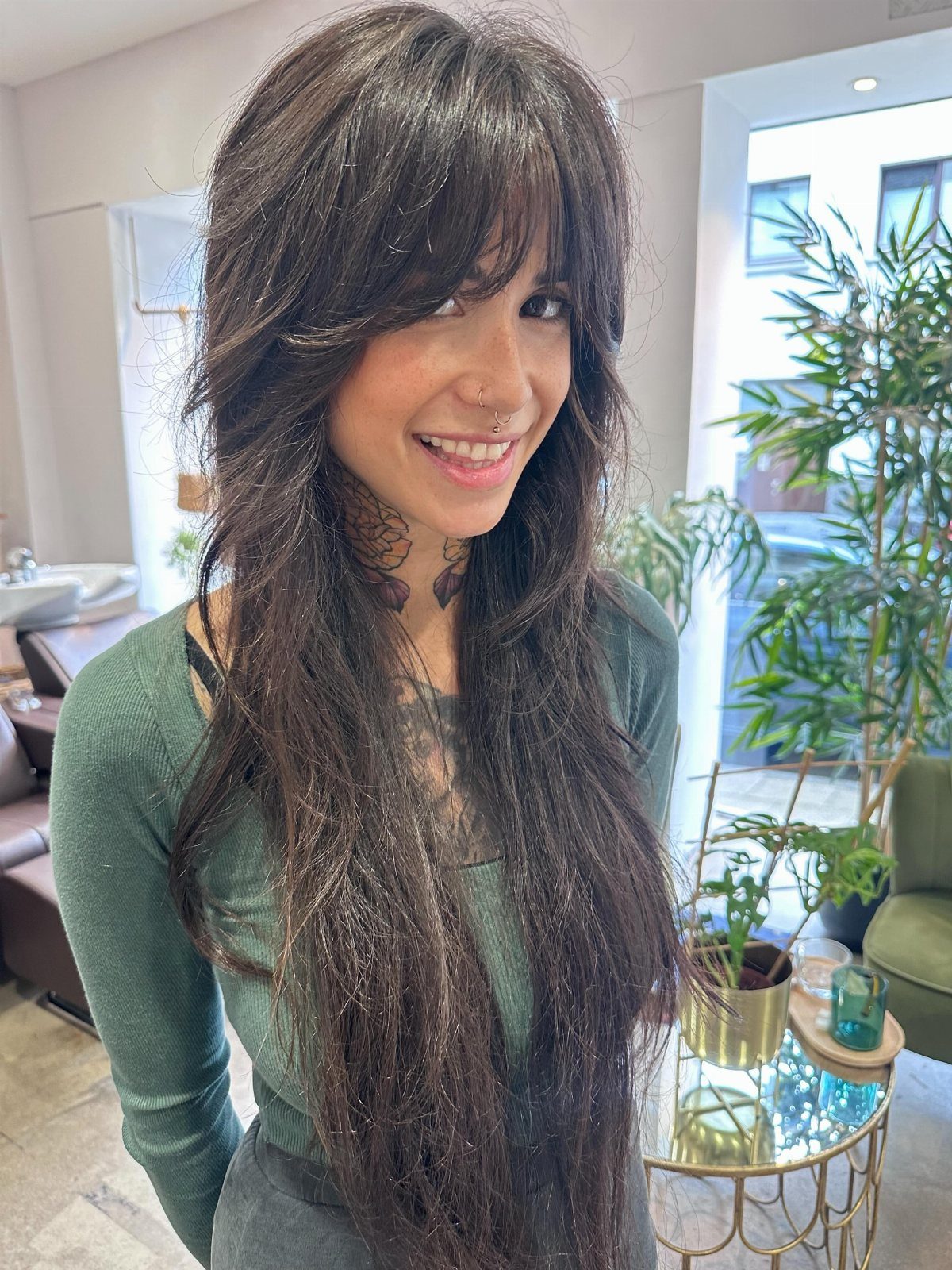
An elongated shag keeps most of your length and adds soft, piecey bangs that sit just past your brows. The layers stay subtle, which gives you texture without shortening the overall shape too much.
Works best with a slight wave. If it’s very curly, the shag reads more choppy than soft.
Natural wave makes this one quick to finish. Add 10 if you’re starting from straight and need to rough in some texture.
22. Shaggy Bob
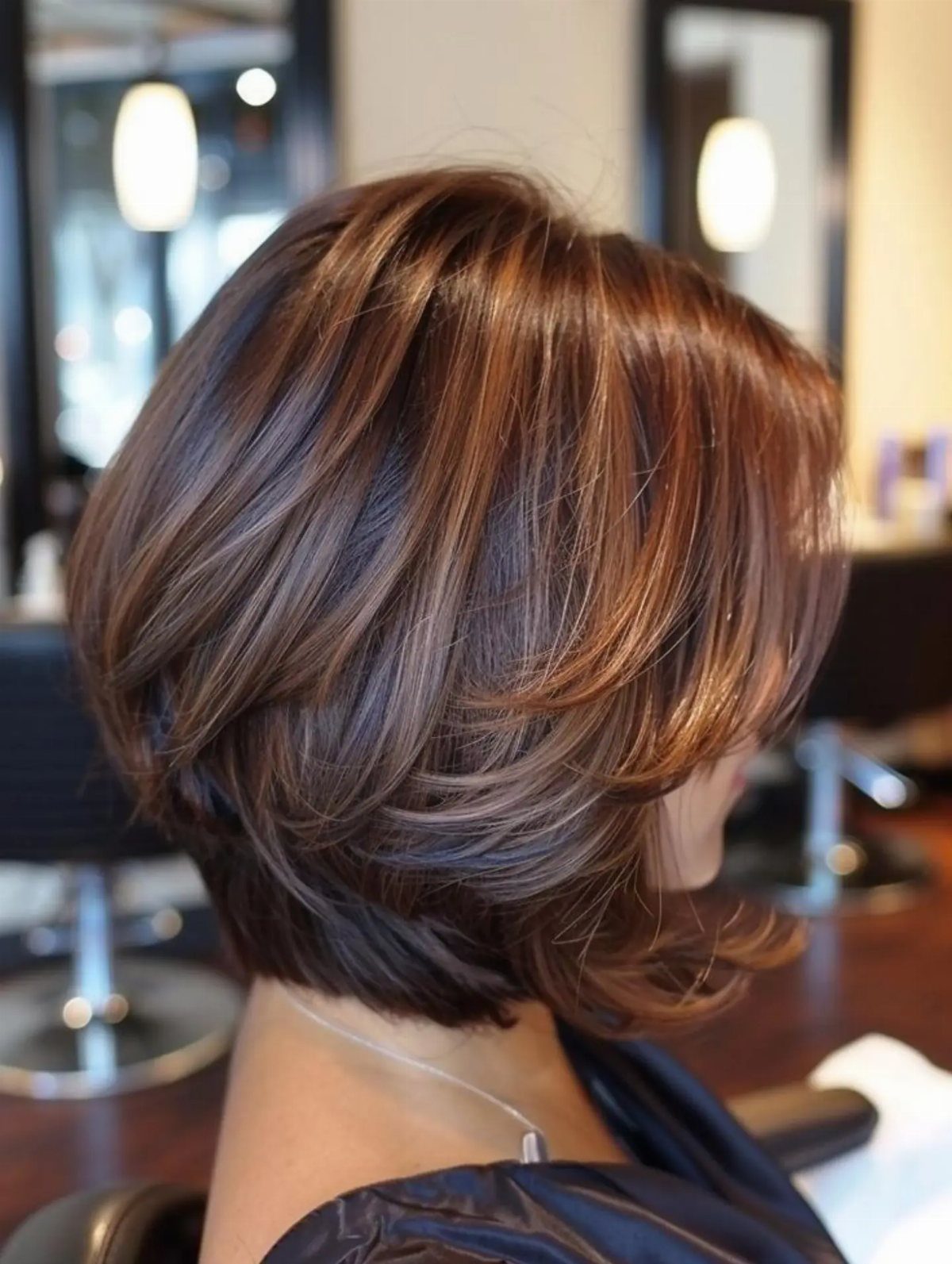
A bob cut with shaggy layers and soft side bangs gives you texture and movement without needing heat every morning. The layers are short enough to flip at the ends, which keeps the cut from sitting too heavy or blunt.
Side bangs soften the look and give you a little asymmetry, which helps if you have a round or square face.
If your hair is very fine, ask your stylist to go easy on the thinning. Too many layers and you lose the fullness that makes the flipped ends work.
Works with air-drying when your hair has texture. Flat-iron the ends under for a cleaner version.
23. Layered Long Bob
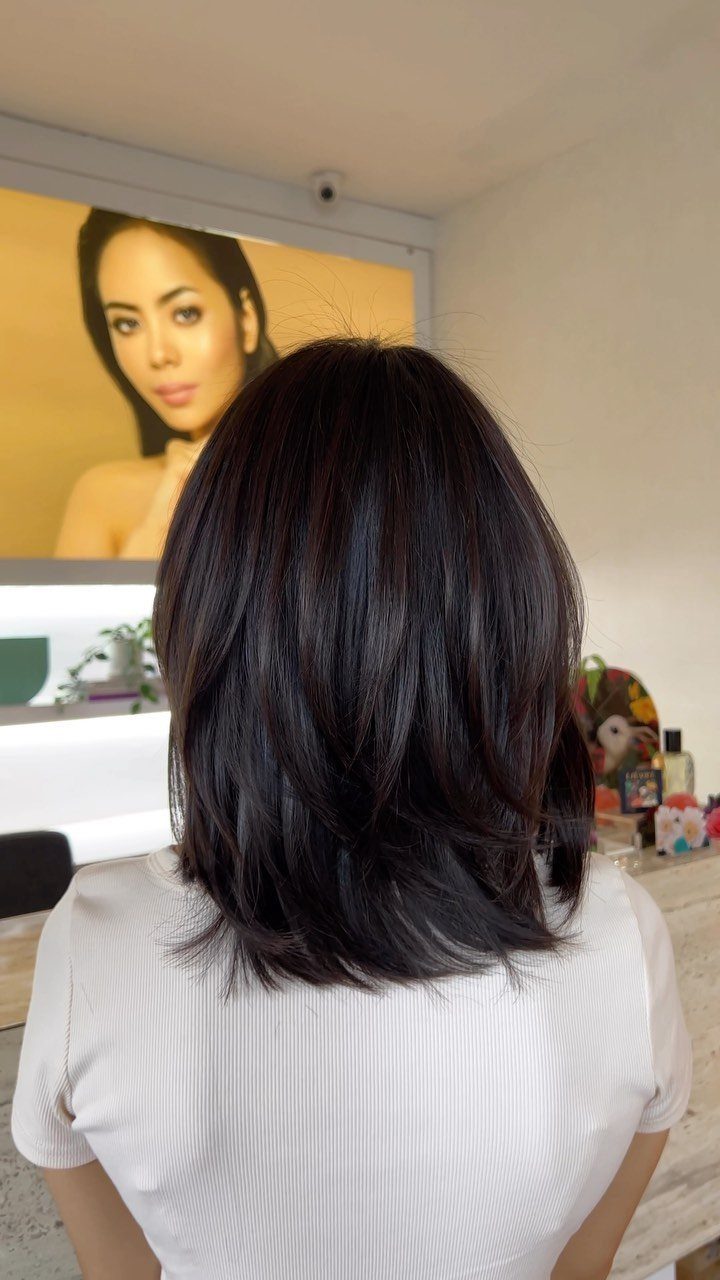
A long bob with layers avoids the weight that makes fine hair fall flat. Layering begins near the ends instead of higher up, so you get lift and movement without losing much length.
Works well if your hair is shoulder-length or just above.
If it’s much longer, the layers won’t do enough to lighten the load. If it’s shorter, you’re better off with a standard bob or a shag.
Choosing Cuts for Hair Type
Density and texture decide how a medium cut behaves more than the photo does. I’d sort your hair first, then pick the shape that works with it.
Too many short layers remove density you can’t spare.
Thick hair goes the other direction.
With waves and curls, judge the cut by how the hair looks dry, since texture changes as it dries.
With straight hair, you can choose between a blunt lob, which puts a crisp, precise line front and center, and face-framing or feathered layers, which soften the whole shape.
Be honest about how much styling you’ll do each morning, too.
Maintenance and Trim Timing
Day to day, a plain lob or shoulder-length cut with soft layers asks for far less styling than a heavy shag or anything with bangs. My pick for low upkeep would be one of those two.
Bangs also set the trim schedule. If you want bangs but not the appointments, go longer.
Book a trim every 8–10 weeks for the rest of the cut, and a U-shaped hem will stay neat in between.
Asking your stylist for a cut that grows out gracefully matters more than any single technique, because it decides how the last few weeks before a trim will look.
Frequently Asked Questions
Which haircut is best for medium hair?
It depends more on your texture and density than on the photo you saved.
Fine hair does well with a blunt lob or light layers that keep the ends full, while thick hair looks better with longer layers that take out bulk.
Straight hair suits either a crisp blunt lob or soft face-framing layers, and waves and curls should be judged by how they look dry.
What is considered medium-length hair?
Medium length runs from the chin to the shoulders, and hair that reaches the collarbone is commonly counted too.
That range covers a neck-length bob, a lob that lands around the shoulders, and a cut that sits just above the collarbones.
Are layers good for medium-length hair?
Usually, yes. How many you need depends on your hair: too many short layers on fine hair remove density the ends can’t spare, and pin-straight fine hair may barely change unless you add a bend with a round brush.
How much maintenance does medium-length hair need?
Less than long hair, as long as you pick the cut with care. The best cuts still look intentional at week nine, not like you missed an appointment.