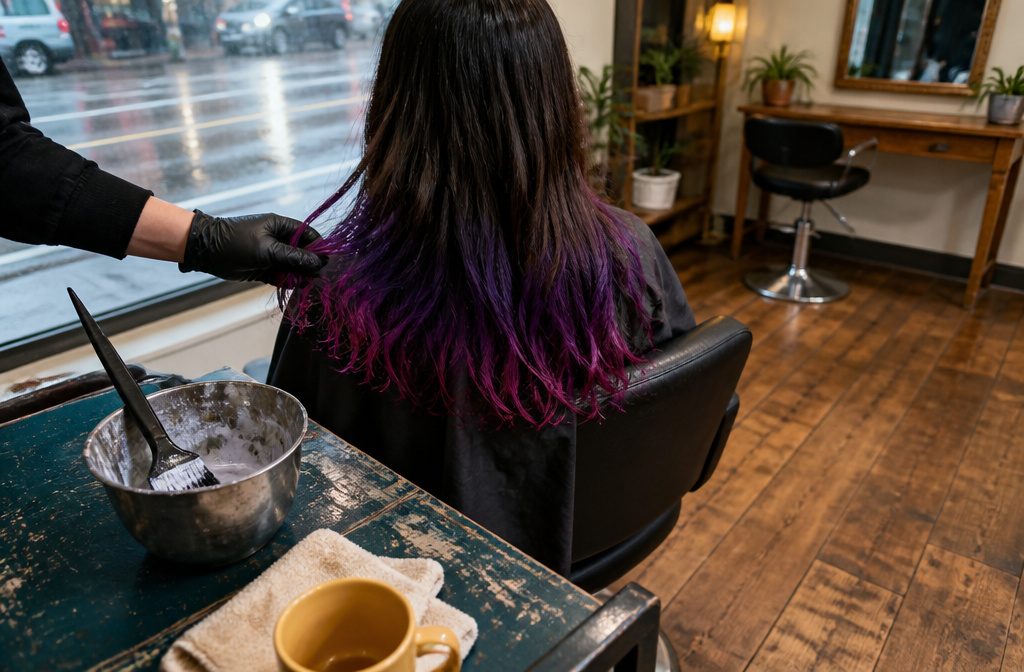
Dip dye puts fashion color on just the ends, so you skip the upkeep of root touchups and can cut the whole thing off if it doesn’t work.
Dark hair usually needs bleach first, which makes this a longer afternoon than blonde bases require.
One brunette’s salon visit took four hours to lift from dark brown to bleach white, while the actual dye application with Ion Brights in purple and fuchsia uses about one-fourth of each $5 tube.
Dye and Supplies
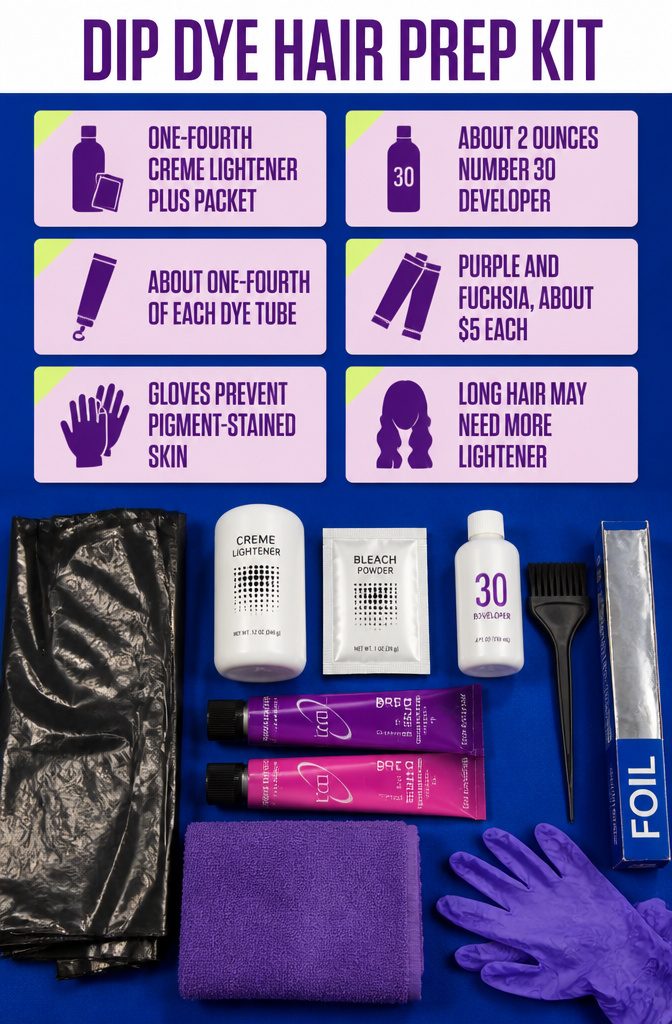
Dip dyeing uses only a fraction of each product, so the kit stays small:
- Lightener: one-fourth of the creme lightener bottle plus 1 packet of bleach, mixed with about 2 ounces of number 30 developer. That is one-fourth of the box contents. For very long hair, mix more, following the box directions.
- Dye: Ion Brights in purple and fuchsia, about $5 a tube, using about one-fourth of each tube. These come only in semi-permanent; a demi-permanent dye is the alternative if you want something with more staying power.
- Tools: a large trash bag, paintbrush, towel, and foil or plastic wrap.
- Gloves: bright pigments stain skin badly, so wear them.
How to Dip Dye at Home
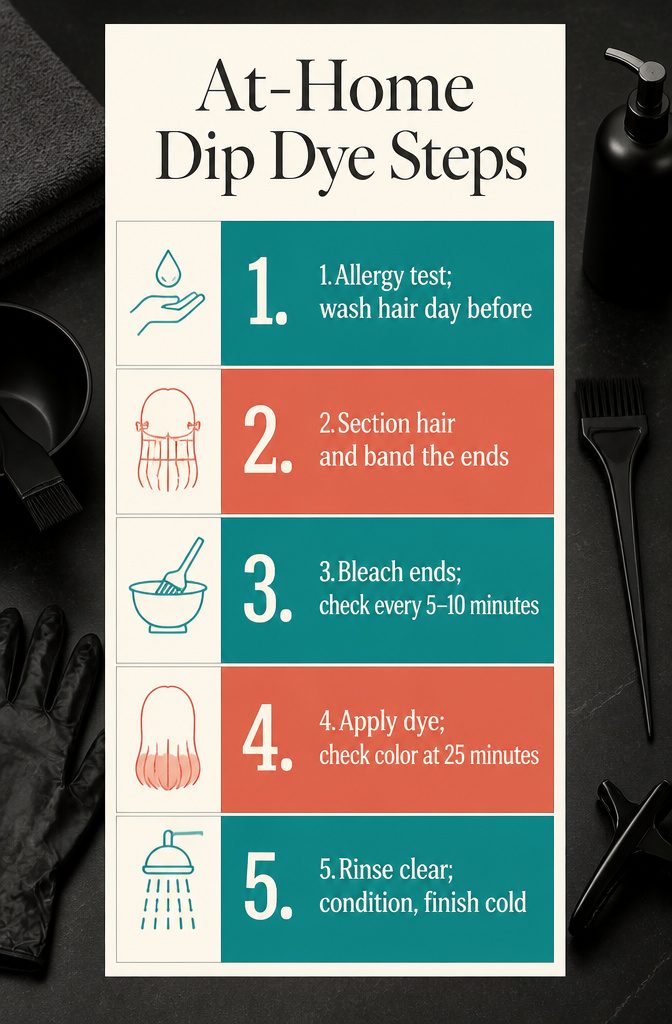
- Run an allergy test at least 48 hours ahead, and wash and condition your hair the day before.
- Section and band the hair. Measure five fingers up from the ends for shoulder length, or about four for a bob. Curly or thick hair gets a third back section. On long or medium hair, the line sits between chin and ear.
- Bleach the ends for about 15 minutes, checking every 5–10 minutes after that. Rinse when they’re light enough.
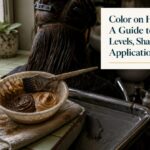
- Apply the dye with gloves on, pressing it through every layer. Let it develop 25–45 minutes, and wipe a small section clean at 25 minutes to check the color.
- Rinse until the water runs clear, condition for about 2 minutes, then finish with cold water.
20 Shade Ideas
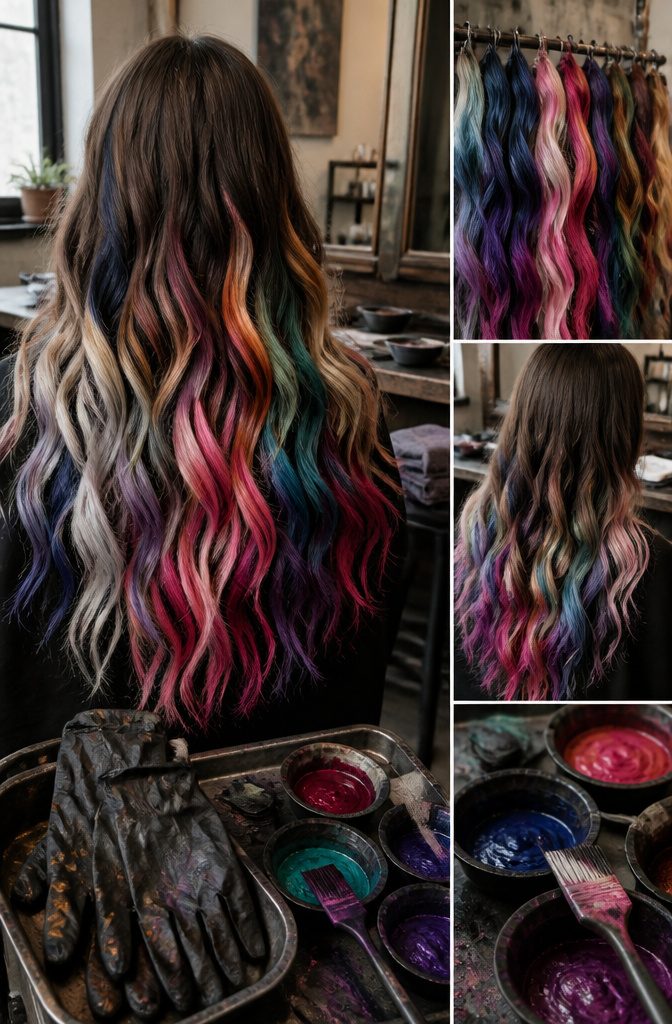
Choose the shade around your base color, and save photos of it on hair like yours. A stylist can work straight from a reference photo, and a photo on a similar base shows you the real result.
- Cornflower
- Plum
- Teal: it bleeds, and it looks good on brunettes
- Copper
- Rose: pretty on lobs and bobs
- Platinum
- Navy: try it as a peekaboo first
- Lavender and blue
- Neon pink, blue or teal
- Violet: best on very dark hair
- Ruby
- Rainbow
- Silver-white
- Red and green
- Orange: made for redheads
- Cobalt
- Magenta
- Forest green: works on black hair
- Palest pink
- Honey
Starting Hair Color and Bleach
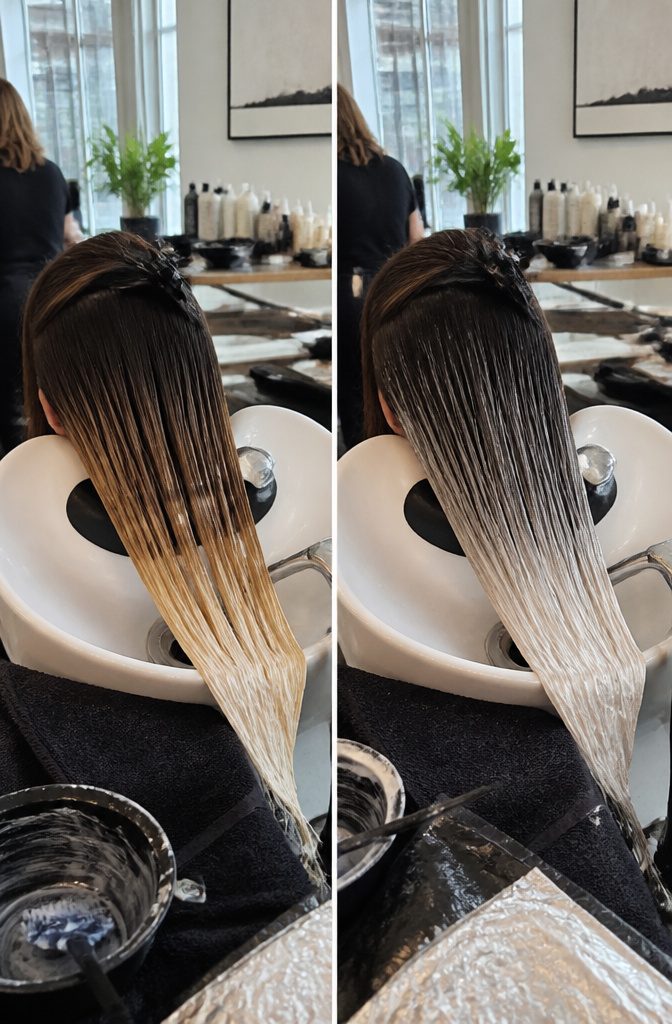
Color can’t lift color, so box dye or any earlier shade has to be lightened before fashion color will show. Dark hair usually means bleach.
One brunette’s salon visit started with 20-volume bleach, needed a 30-volume pass about an hour later, and took four hours to get from dark brown to bleach white (six hours and two visits in total). Blonde bases take less time.
Skipping bleach is a gamble. People on Reddit report that blue on dark brown reads as a tint, and purple shows even less.
Color also looked weaker than expected on medium brown in one tutorial, and a green-blue look was bleached first. Dark hair usually needs bleach first, so block out an afternoon.
Fading and Aftercare
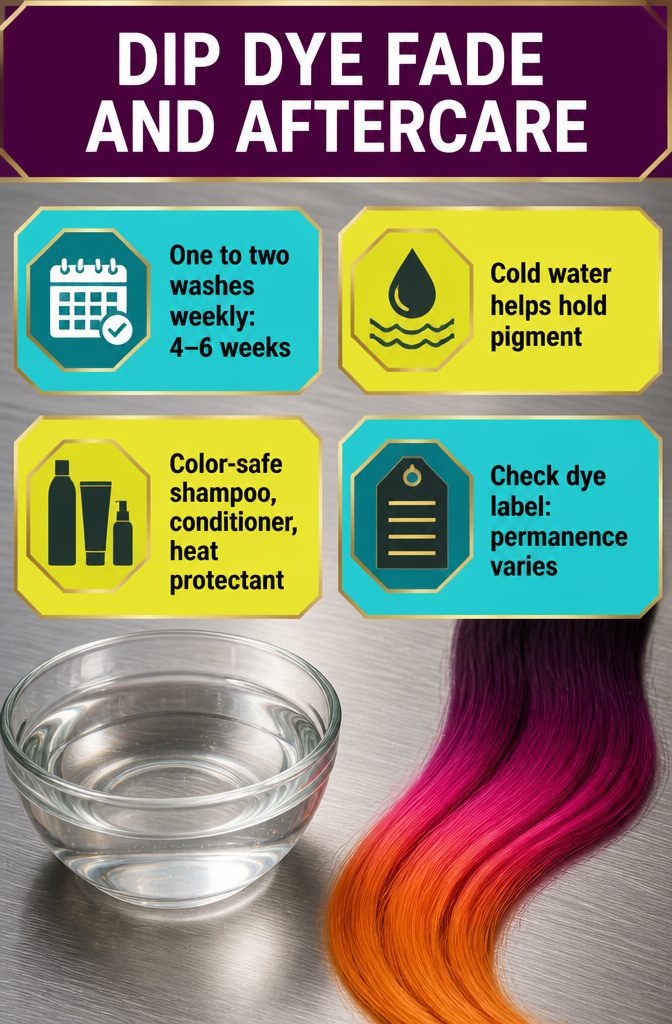
Wash frequency sets the fade rate.
The longevity of the dip-dye varies according to how often you wash your hair, but with one to two washes per week, it lasts about four to six weeks.
— Glamour
Plan on 4–6 weeks at that pace, and rinse with cold water to hold the pigment longer.
Switch to a color-conserve shampoo and conditioner, such as Aveda Color Conserve, or any line made for color-treated hair, and use a heat protectant before styling. Once the ends fade, redo the same shade or go darker or lighter.
Dip dye gets called both permanent and semi-permanent, so check your dye’s label before assuming it will wash out.
Bleach Damage and Conditioning
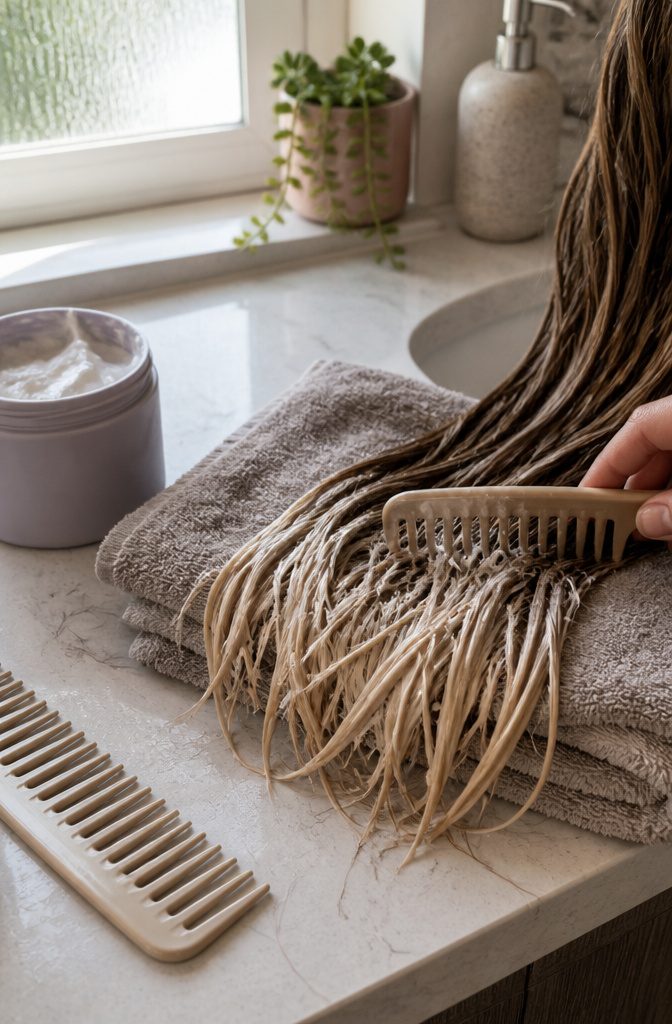
Bleach left sitting on the strands for a long stretch leaves hair dry and brittle. Small broken pieces show up in your brush afterward, even with gentle brushing.
Dip dye only lightens the ends, which is why I prefer it to a full-head pastel, but those ends still won’t be as strong or healthy as before.
Deep condition before you lighten. A stylist’s advice is that it strengthens the hair before the bleach touches it.
Prep with a mask, then keep the hair hydrated afterward. If you’re growing your length out, expect to trim the damaged ends eventually.
Allergy and Strand Tests
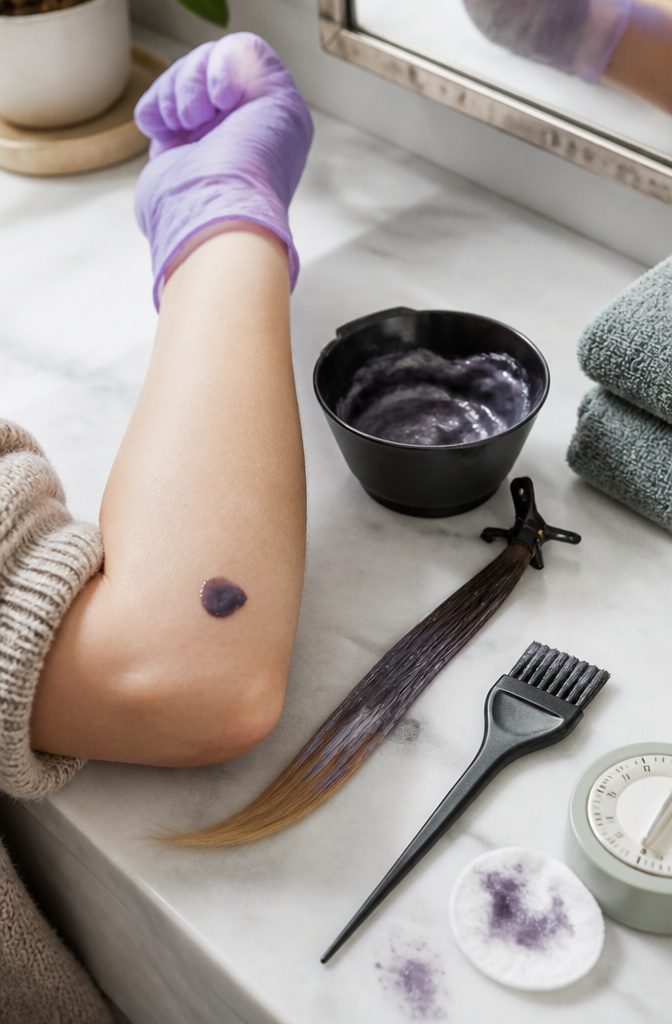
Run an allergy test at least 48 hours before you apply any dye. Mix a drop of the product according to package directions, dab it on the inside of your elbow or behind your ear, and leave it alone.
If the spot turns red, itches, swells or stings at any point over those two days, do not use that formula. The test catches reactions you would rather meet on your arm than across six inches of freshly bleached ends.
A strand test tells you what the color will actually do to your hair, which matters more if your hair is virgin or fragile from previous work.
Snip a small section from underneath where it will not show, apply the dye the way you plan to during the real process, wait the full development time and rinse.
You get to see the final shade, how fast it lifts and whether the hair holds up before you commit the whole length.
Salon or DIY
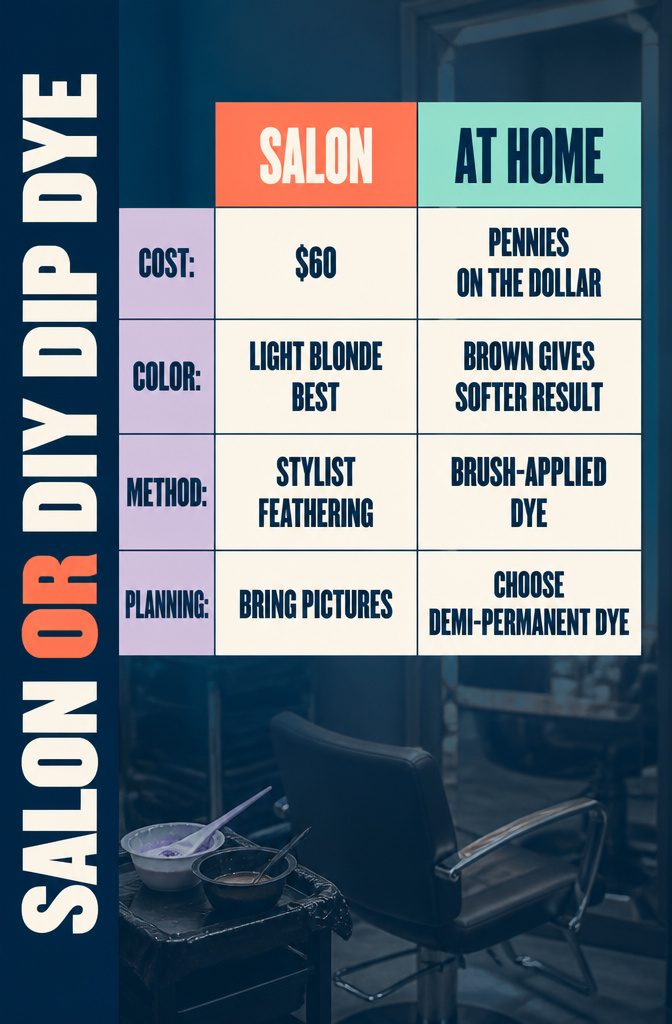
A salon dip dye ran $60 per head in one mother’s telling, and her stylist advised against it for two girls with medium brown hair because the color wouldn’t show well.
Light blonde hair is where the look works best. If you book a salon, bring pictures and show every one.
Say whether you want a blended ombré or a hard line, since a stylist can back comb the section and feather the color down, and a clear photo leaves room to adjust if your hair doesn’t lift.
At home, demi-permanent dye, a paintbrush and a trash bag do the job at pennies on the dollar. I’d do it that way on blonde or light hair, and accept a softer result on brown.
Avoiding a Straight Line
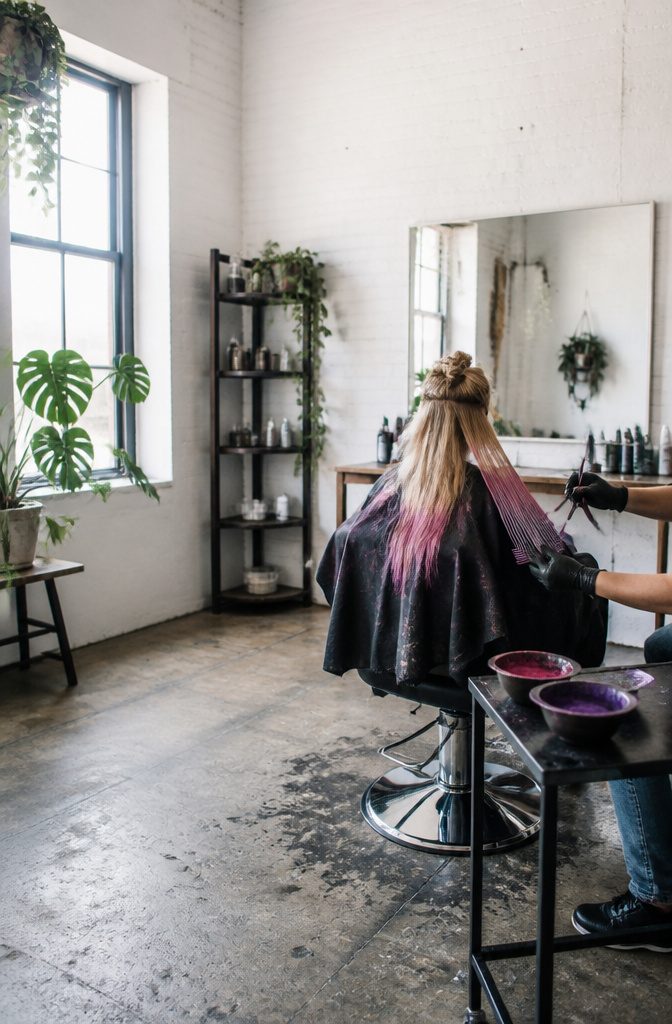
To avoid a hard line, backcomb the section first, paint the dye into the backcomb, then feather it down toward the ends. With two colors, work them together with gloved fingers where they meet.
The join doesn’t need to be straight, and I’d rather it weren’t. A brush gives you more control than dunking, and dye painted on works better anyway.
There are two ways to play this.
A feathered, blended join reads as ombré. The classic dip dye is a blunt, stark line, kept as straight across as you can manage.
For a first attempt I’d go soft, because a wobbly hard line shows every slip. Choose the blunt edge only if you want that graphic look.
Temporary Options
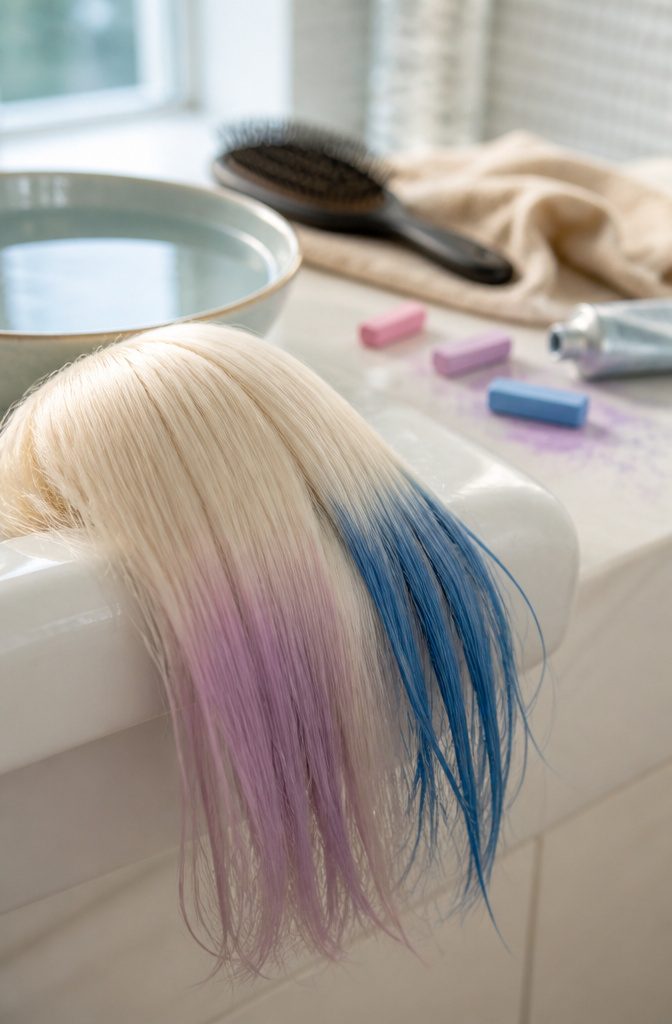
Hair chalk washes out with water the first time you shampoo, which makes it the safest option if you want to see dip dye in your hair before you commit to anything permanent.
Sephora’s chalk sticks work for a single event or a weekend, and Manic Panic Siren Song semipermanent color sits in the middle: it fades gradually over several washes instead of disappearing all at once.
Temporary color gives up intensity: chalks, sprays and wash-out dyes show up softer than a bleached and toned dip dye, and they fade within a few washes.
Chalk gives you a soft pastel tint that shows up best on light hair, while semipermanent color deposits more pigment and holds longer.
Dip dye with permanent color is still lower commitment than an all-over dye job because you can cut the colored ends off without losing much length, but calling it temporary overstates how easy it is to reverse.
Frequently Asked Questions
What is dip dye hair?
Dip dye is a coloring technique that creates a blunt, straight line where the new shade meets your base color, with less blending than ombré.
The look is graphic and stark, though you can soften the line by backcombing and feathering the dye down. It works on any length, from bobs to long hair, and reads as a bold statement rather than a subtle gradient.
How long does dip dye hair last?
Dip dye lasts 4–6 weeks if you wash once or twice per week.
The fade rate depends entirely on wash frequency, since color bleeds out with each shampoo. Rinsing with cold water and switching to a color-conserve shampoo helps hold the pigment longer.
How do you dip dye your hair at home?
Section and band the hair about five fingers up from the ends for shoulder length, bleach those ends for 15 minutes (checking often), then rinse.
Apply the dye with gloves on, pressing it through every layer, and let it develop 25–45 minutes before rinsing until the water runs clear.
A paintbrush gives you more control than dunking, and a trash bag draped over your shoulders keeps the mess contained.