The cuts here run from a pixie to long layers, but length is not what separates them.
How you dry your hair on an ordinary morning is: the ’90s blowout is built around a round brush, while a sleek mid-length cut looks intentional when you wash and air-dry.
I’d pick the cut your current routine already supports, since a ’90s blowout haircut is built around a round brush and won’t hold the same shape air-dried.
1. Curtain Bangs
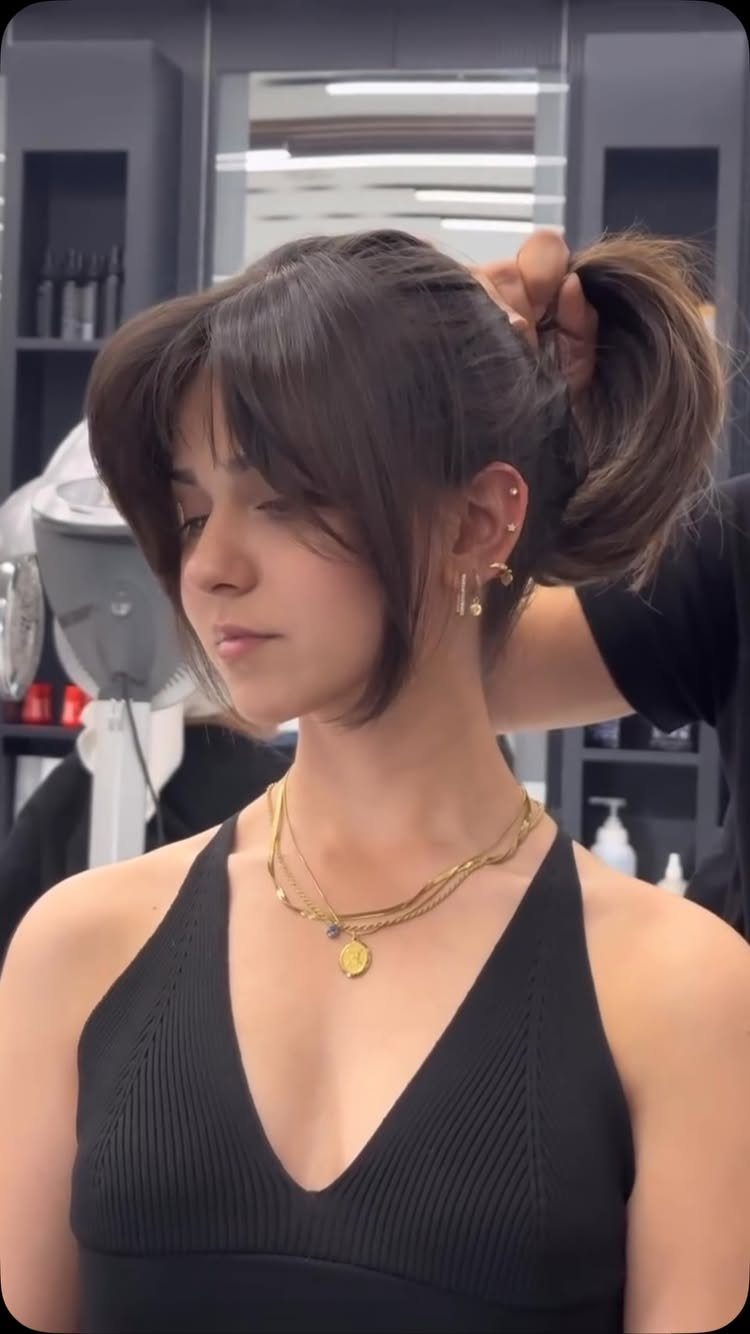
The part falls naturally down the center and the bangs sweep outward to frame your face, blending into the layers around your cheeks.
If your last set of bangs felt too short or too rigid, this fixes both problems at once.
Ask for bangs that start shorter at the center part and angle longer toward your temples, long enough to tuck behind your ears when you need them out of your face.
They grow out without an awkward in-between phase, which matters if you’re not planning to trim them every 6 weeks.
Most stylists will cut them dry so the length sits where you actually wear it.
2. Shag

Layers run through the entire cut, shorter pieces stacked through the crown and longer lengths falling around the face and shoulders. The result moves when you do, and it reads as intentionally undone rather than perfectly polished.
The 2026 versions soften the edges that made older shags feel choppy. Stylists are cutting longer, more connected layers that still give you texture and volume but work with a round brush if that’s how you dry your hair.
If your hair tends to sit flat at the roots, this is one of the fastest ways to build lift without spending time on it each morning.
Flexible, wispy bangs that don’t force you to commit to daily styling. Or a softer, gentler shag after a season of rock-and-roll edge.
— Allure
3. Long Layers
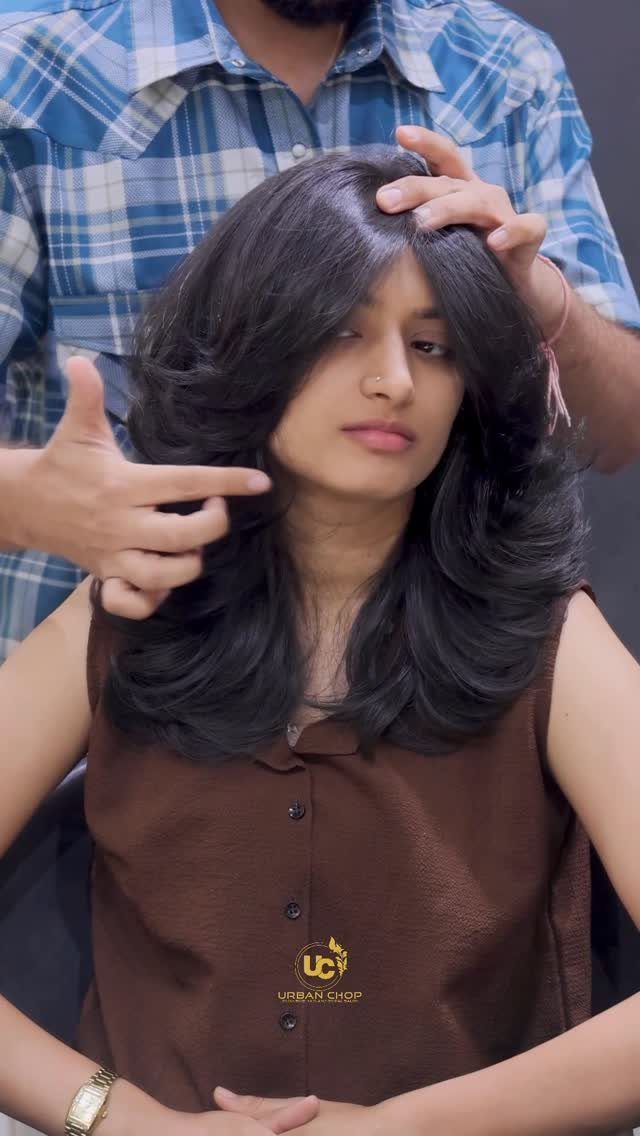
Layers begin somewhere between your collarbone and mid-back, depending on where your hair is thickest, and taper toward the ends to remove weight without shortening the overall length.
If you’ve been growing your hair out and it feels heavy or shapeless, this is the adjustment that brings movement back.
The layers frame your face without requiring you to commit to bangs or a dramatic length change. Styling time stays the same, you’re just working with more dimension when you curl or straighten it.
Ask for face-framing layers if you want shorter pieces around your cheeks, or start the layers lower if you prefer length in front.
4. ’90s Blowout Haircut
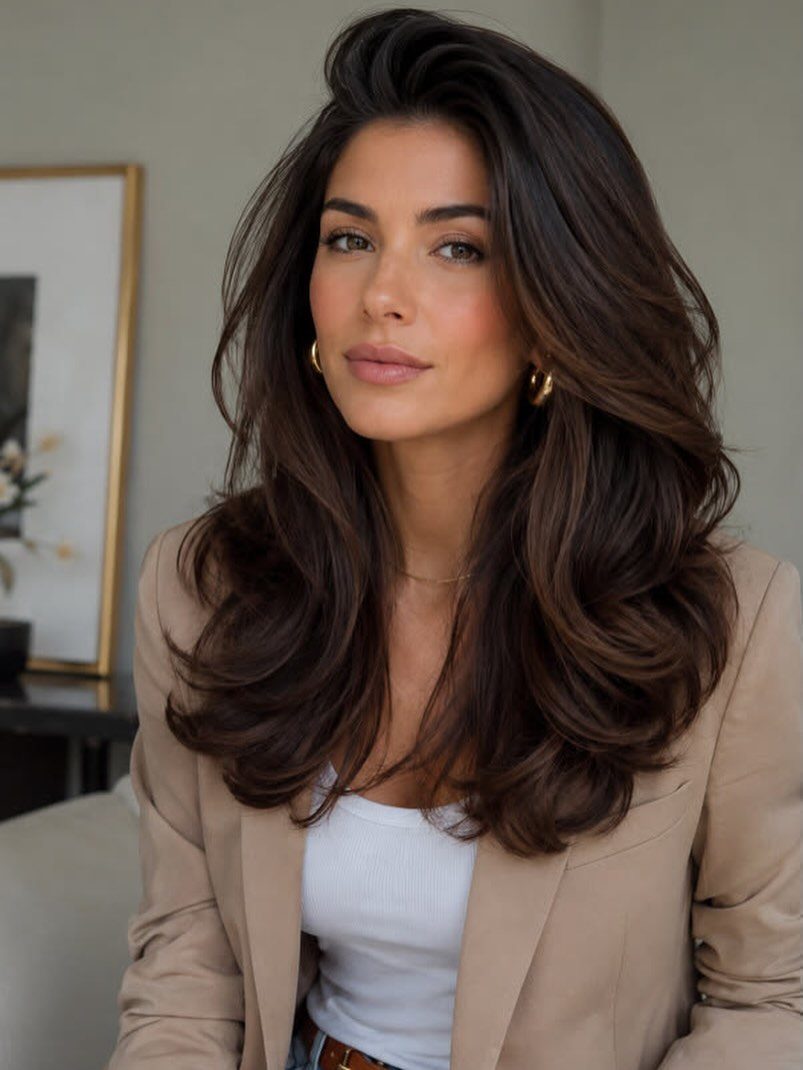
The layers are cut to create volume when blown out, with shorter interior angles that lift at the roots and longer lengths that flip outward at the ends. Think rounded, bouncy movement rather than flat or sleek.
This cut is designed around one specific styling routine: a round brush blowout with the roots lifted and the ends turned under or flipped out.
If that’s already how you dry your hair, this makes it easier. If you air-dry or flat iron, the cut will still work but it won’t give you the same shape the layers were built for.
It suits women who want their hair to look full and finished without adding extensions or spending time on curling.
5. Sleek Mid-Length Cut
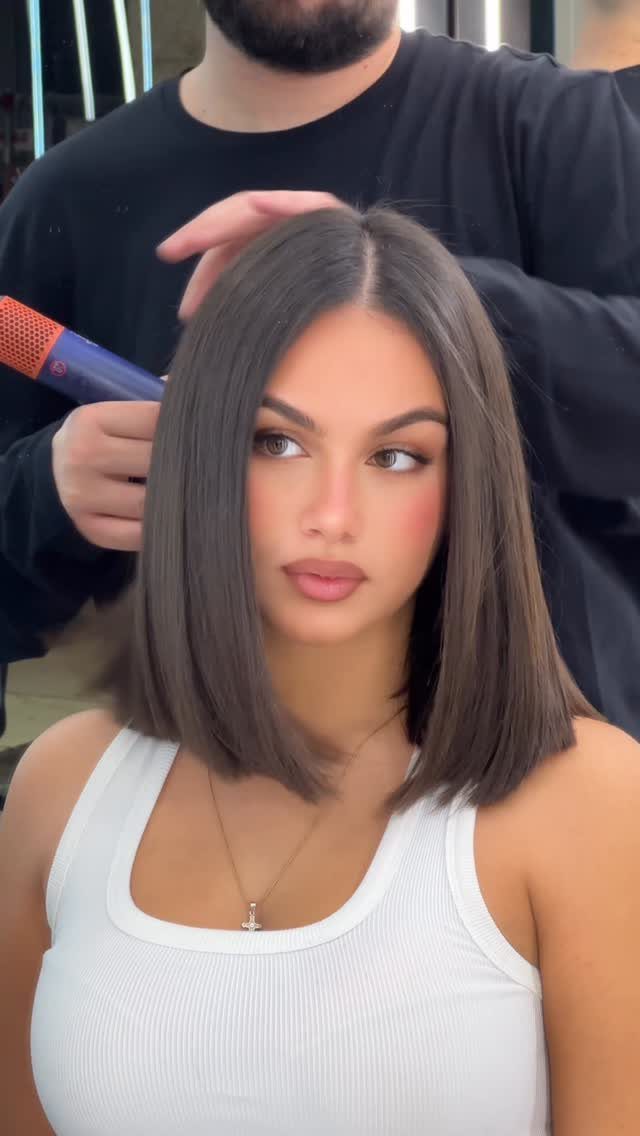
The length hits right at your shoulders or just below, and the cut is even all the way around with minimal layering.
No volume at the crown, no flipped ends, just a clean line that looks the same whether you part it in the center or off to one side.
If your routine is wash, air-dry, and go, this is one of the few cuts that reads as intentional when you do that. It also straightens faster than a layered cut because there are fewer angles to work around.
A sleek mid-length cut won’t give you much movement or body, so if your hair is fine or tends to fall flat, add texture with a styling product or accept that this sits close to your head.
6. Pixie

The sides and back are cropped short, and the top is left longer so you can style it forward, sweep it to one side, or let it curl if that’s your texture.
A pixie that keeps more length through the crown gives you options in the morning instead of locking you into one look.
Pixies grow out fast, and trims are what keep the shape. If that sounds like too much maintenance, ask for a slightly longer version where the grow-out phase still looks intentional.
This suits women who want to spend less time drying and styling their hair, and it works across textures as long as your stylist adjusts the cut for how your hair actually behaves.
7. Face-Framing Layers
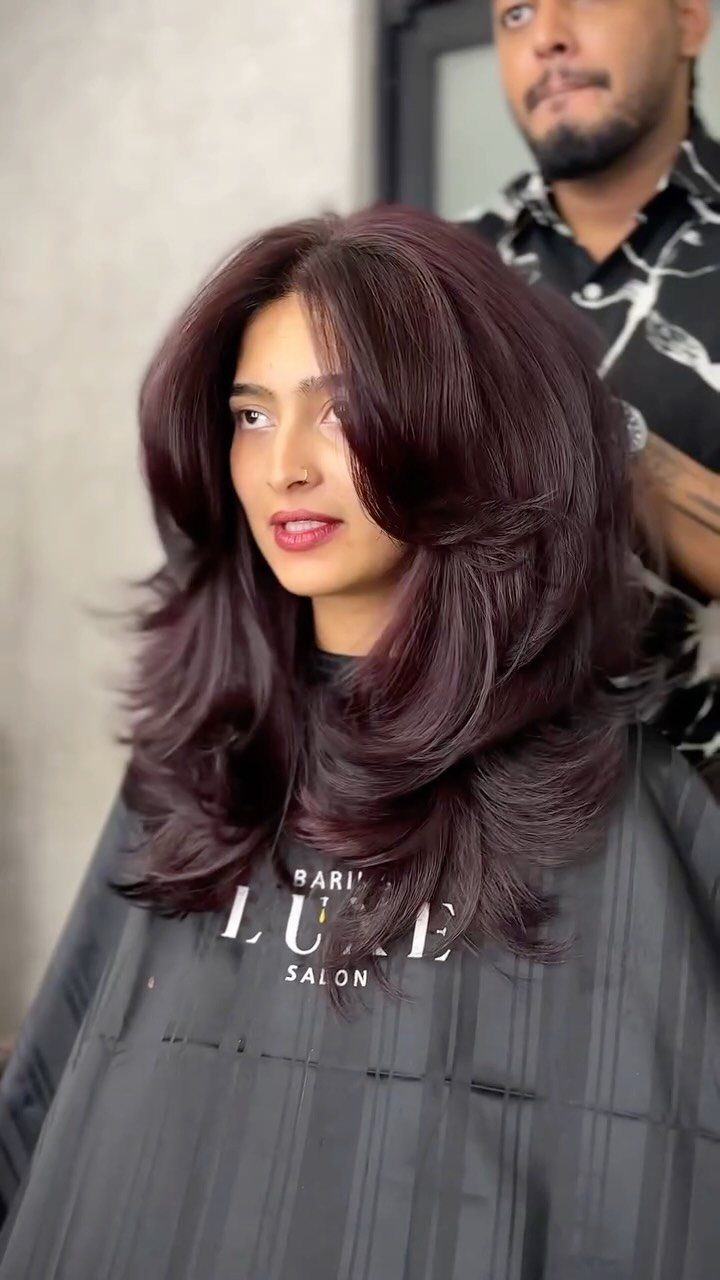
Only the pieces around your face get cut shorter here; the rest of the length stays where it is. That makes it an easy change if you’ve grown your hair out and don’t want to lose any of it.
Ask your stylist where the shortest piece should land, because that spot is where the eye goes.
A deeper shade like burgundy makes each face-framing piece easier to see, and I’d pick it over a flat color if movement is what you’re after.
8. Blunt Bob
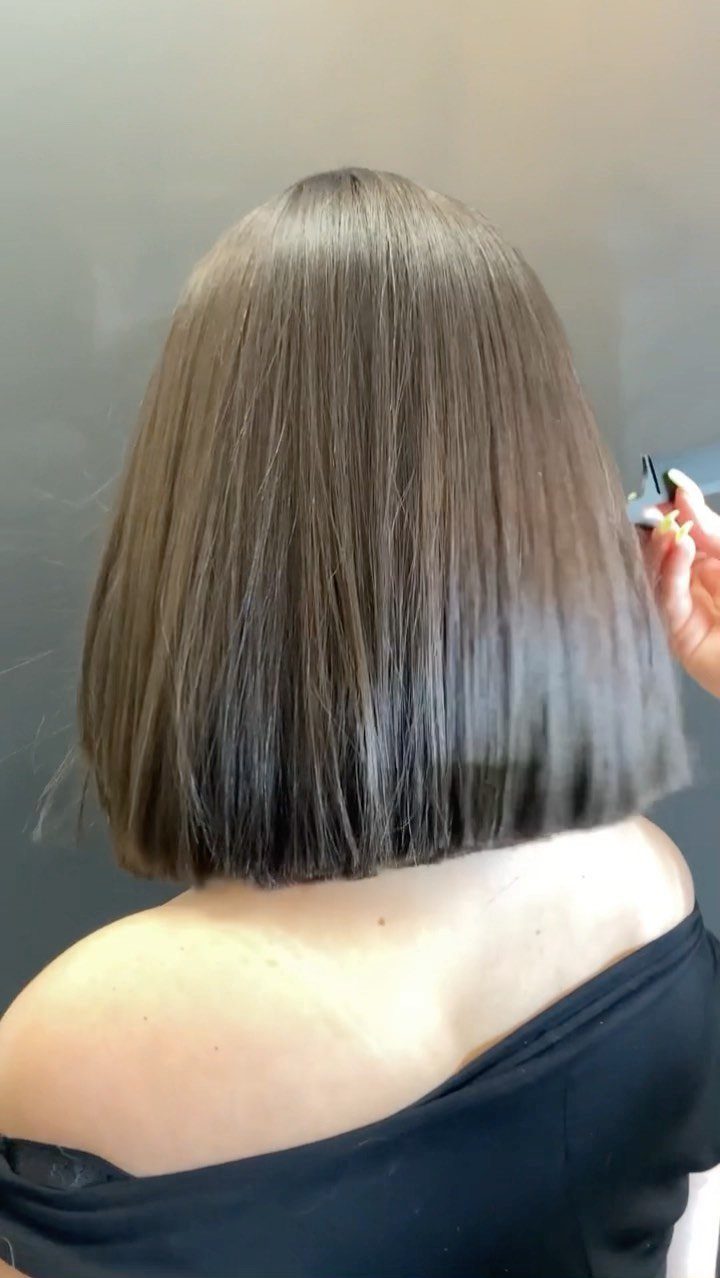
A blunt bob is built on its edge: one straight-across line with no layers to soften it.
Smooth, even ends are what make it look finished, so ask for a crisp perimeter and decide with your stylist how high or low the line should sit.
I like it at the shoulder, as above, because the hem stays visible from the front and the back. Ash brown suits the clean line, though the cut works with any color.
9. Birkin Bangs

Birkin bangs are wispy instead of heavy: the center is cut shorter, and the pieces get longer as they move toward the sides.
Ask for the fringe to look soft and slightly see-through, then say how far down you want the side lengths to run.
Long, loose waves are my favorite pairing, because the bangs melt into the rest of the hair instead of sitting apart from it.
10. Face-Framing Midi
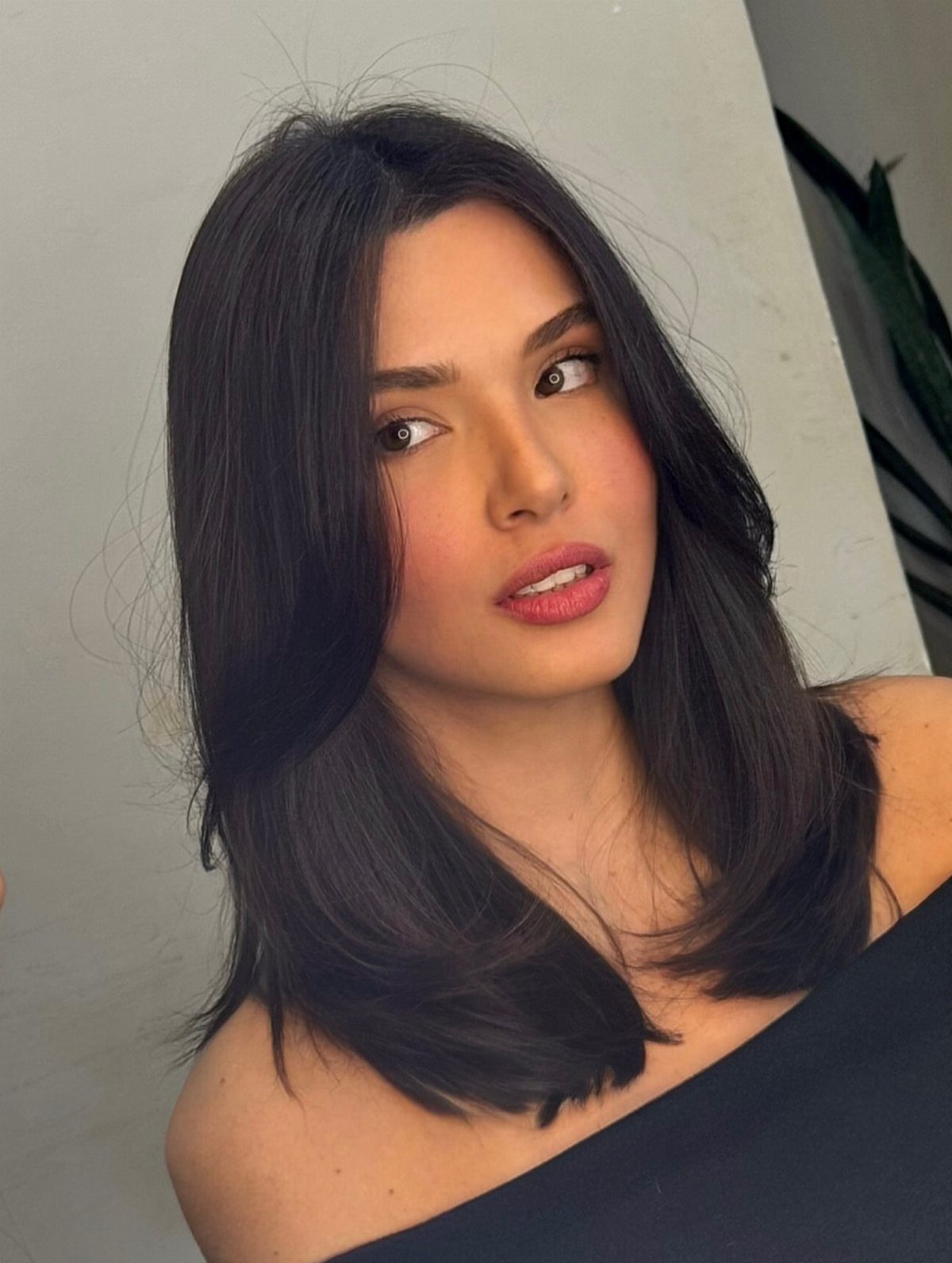
Cheekbone, jaw or chin: where the shorter pieces land shapes this cut more than the overall length does.
The length itself sits between the shoulders and the collarbone, so tell your stylist which feature you want the layers to point toward.
My pick is the jaw. This cut gives the hair a visible shape without taking much off the length, and on dark hair those layers show up clearly.
11. Lob
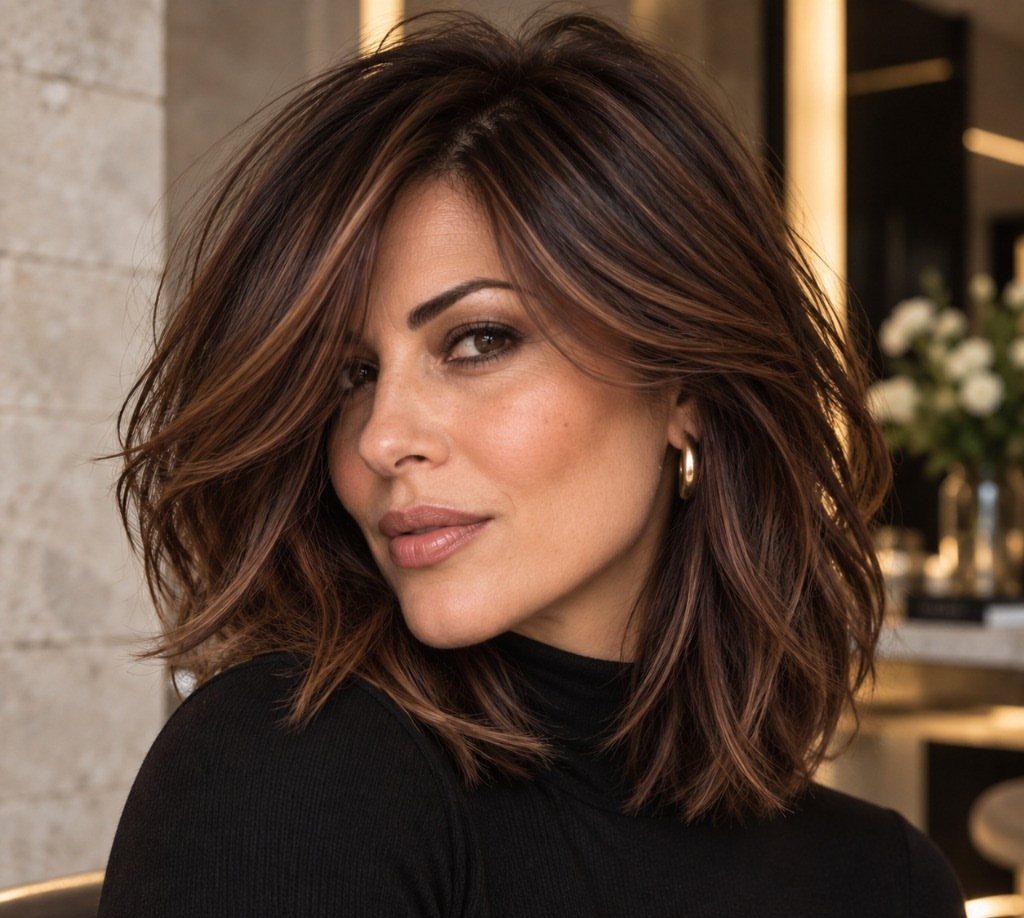
Short for long bob, the lob sits between a bob and a longer cut, so you get the shape of short hair with extra length still on hand.
Layers and side-swept bangs, as above, add movement; skip them if you’d rather have a cleaner line.
Highlights show the layers well. I’d go with the layered version, since a single length can look flat at this size.
12. Butterfly Cut
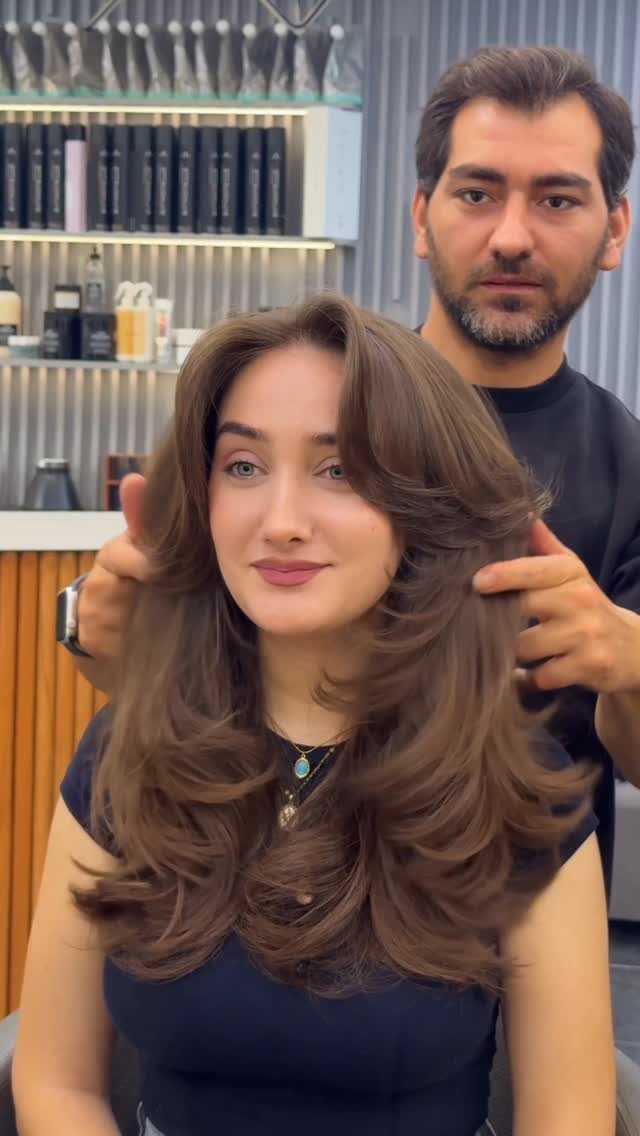
From the front, a butterfly cut reads shorter than it is. The length stays long through the back, while shorter layers around the face create that shorter look.
When you book, ask for both parts by name: the face-framing pieces and the kept length. That separates it from plain long layers, and I’d choose it over those if the front view matters to you.
13. Curly Halo
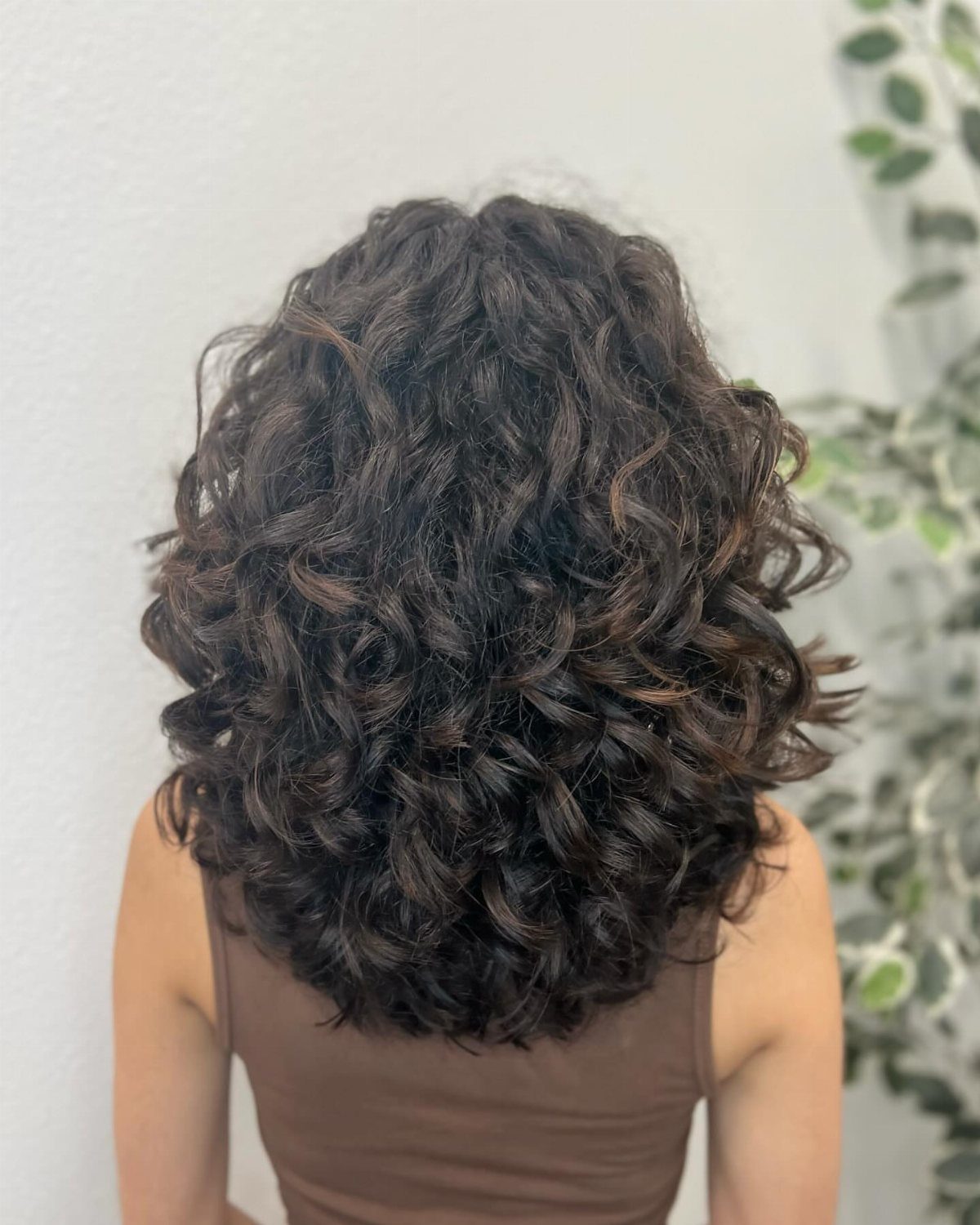
Placement decides a curly halo. Layers are cut so the curls stack into a rounded shape that sits evenly around the head and face, with no flat sides or heavy bottom edge.
Ask your stylist to shape it with your curls in their natural pattern, so you can see how each one springs up before any length comes off.
I’d choose this over a one-length cut if your curls tend to spread wide at the ends and sit narrow at the crown.
14. Beachy Waves Haircut
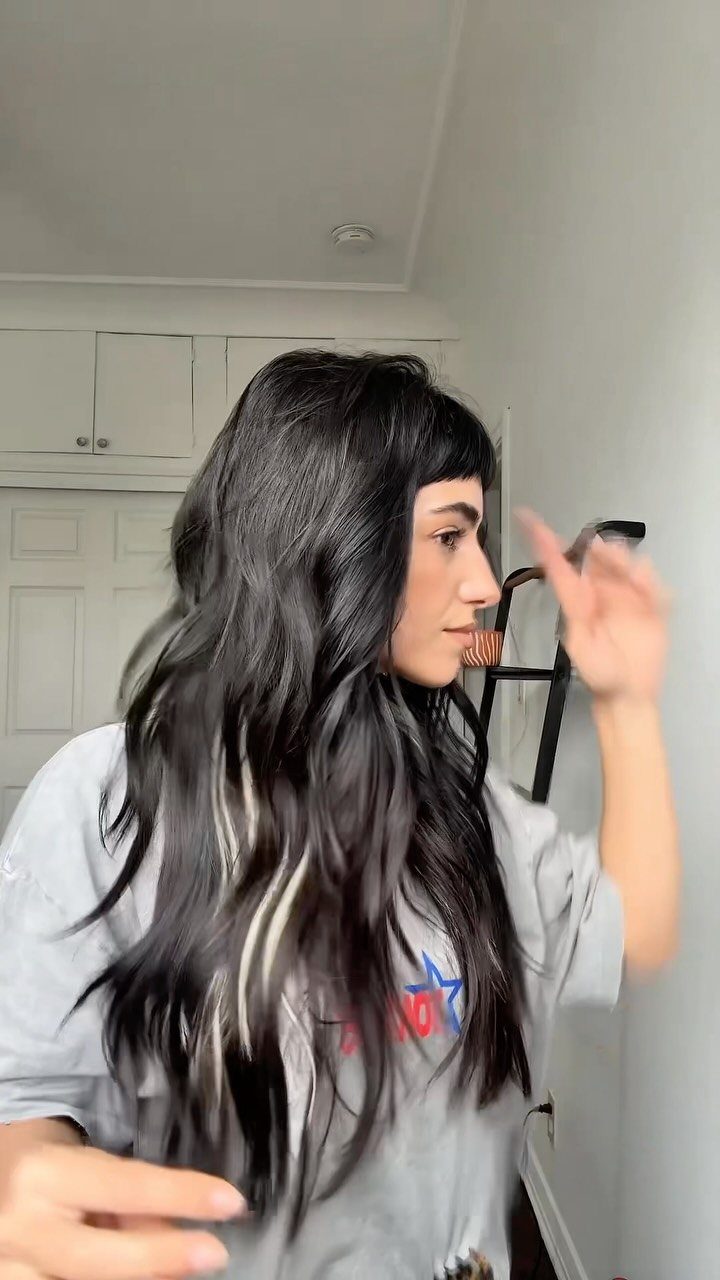
Subtle layers keep long waves from going heavy. The length stays past the shoulders, and the layers are blended so the waves move loosely instead of stacking into a shelf.
Ask for light, blended layers and add bangs only if you want them, since a wavy fringe is a separate decision from the cut itself.
Long hair with natural waves already has the movement, so I’d keep the layering minimal and let the texture do the work.
15. U-Shaped Haircut
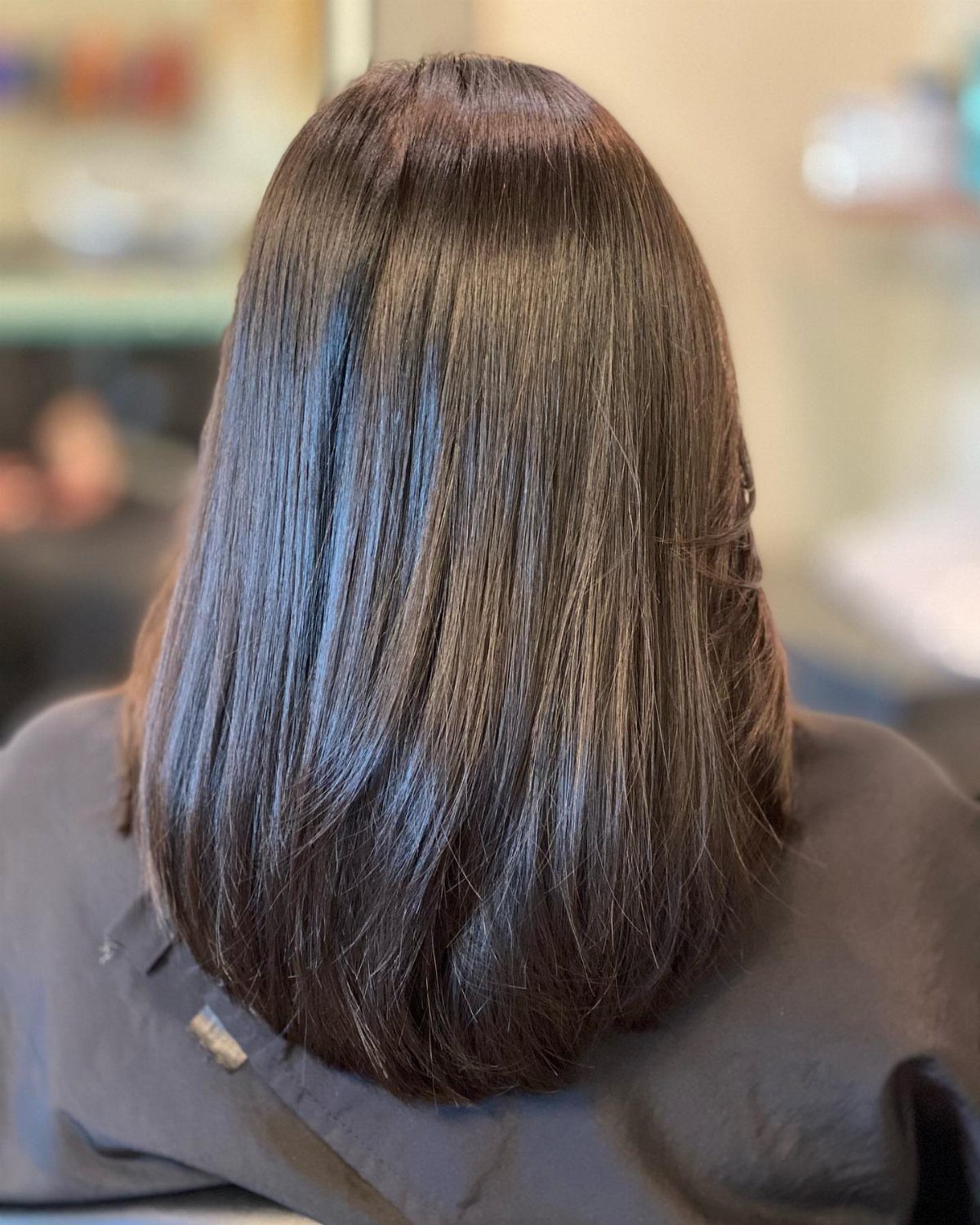
Ends cut in a U curve to the back, so the longest point sits at the center and the sides sweep up and in.
Hair this long and straight keeps its fullness through the ends instead of thinning out into a point.
Ask for a soft U rather than a deep one, and tell your stylist how much length you can spare. A gentle curve is my pick: it looks finished on straight hair and still reads as one clean shape.
16. Layered Side-Swept Bob
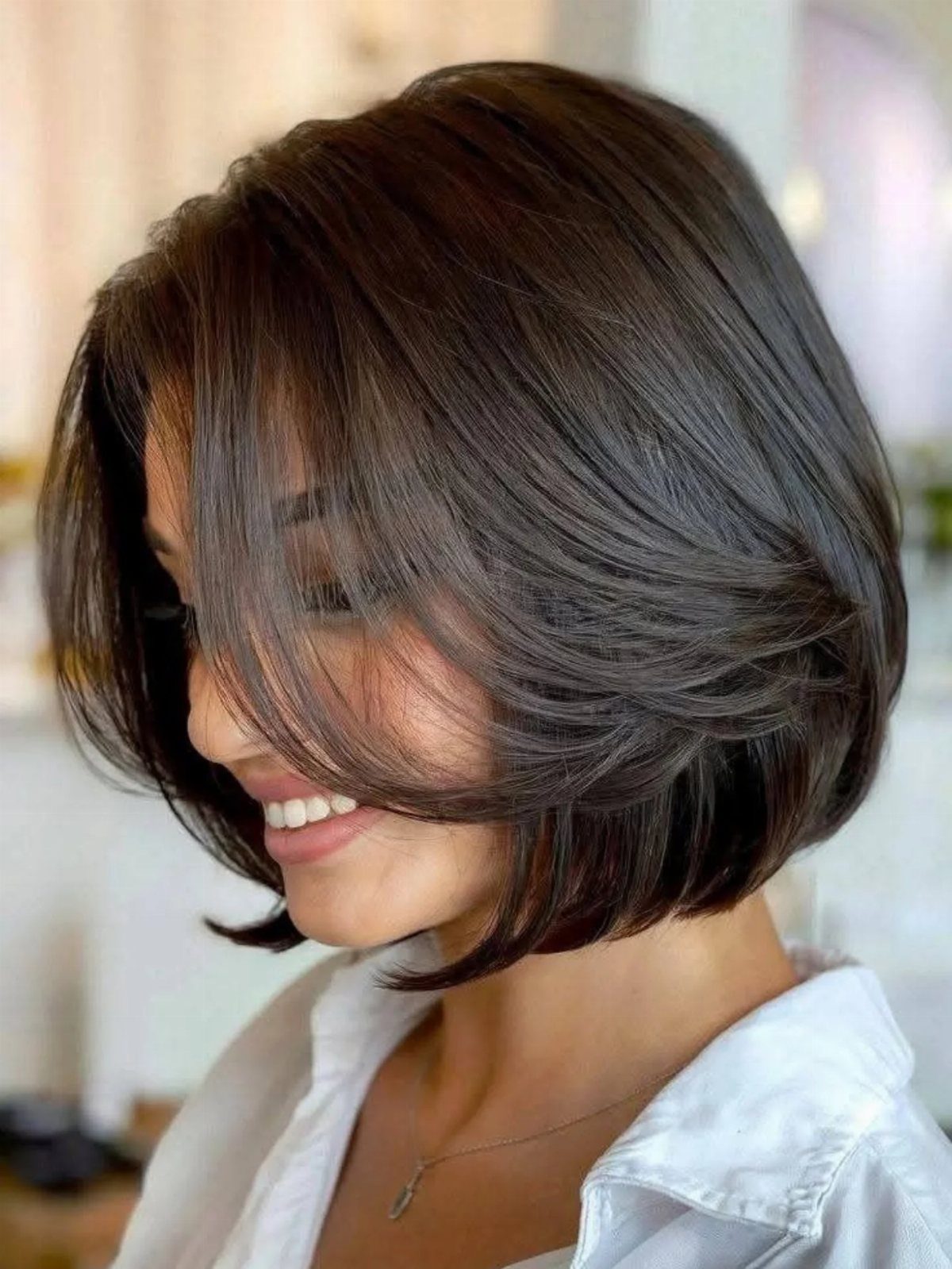
Sweeping layers, side-swept bangs and ends that curve or flip: the layered side-swept bob puts movement into a length that sits between the neck and shoulder. Bring the bangs into the layers so they read as one cut.
I’d take the curved-under finish over a flipped one for everyday wear. It looks softer with the bangs, and the full shape stays easy to live with when you’re short on time.
Cut for Natural Texture
A blow-dry you do twice a year shouldn’t set the cut; tell your stylist how you wear your hair on a normal Tuesday and have it shaped for that. If you air-dry, say so at the start of the appointment.
For curls, ask about dry-sculpting, where the shape is cut with your hair dry so the stylist can see how each curl bounces back.
Then ask for point-carving instead of thinning shears. Inside the curl clusters, a stylist removes small pockets of weight so each curl can coil tight and the outer layer stays smooth instead of puffing out.
Keep the perimeter sturdy. Ends cut too light turn wispy and split, while a solid base holds moisture and weight.
This approach isn’t only for curls. On wavy or straight hair it means shaping what’s already there instead of forcing it into something else.
Match the Cut to Your Face
Face shape changes which version of a cut works, so say yours at the consultation and let the stylist judge the balance between length and your features.
Round faces do best with vertical length and long face-framing angles. In a bixie, keep the lines from going too short.
Square faces pair well with a soft, layered shag, since the layers ease the jawline. Heart-shaped faces suit chin-length bobs and wispy curtain bangs.
With an oval face, you can pull off nearly any length or shape, so texture and upkeep can drive the choice. With that shape, I’d let your hair texture and how much upkeep you’ll tolerate make the call.
Bring Reference Pictures
Bring pictures. A photo tells your stylist what you expect faster than "a little shorter" ever will, and it gives you both the same thing to point at.
If you want cropped curls, choose photos where the curls look like yours.
Curly hair gets cut differently than fine, straight hair, so look at the cut you want and ask whether the stylist regularly works with your texture before you book.
Afterward, a mousse and a styling gel will define the curls and add shine and hold.
Frequently Asked Questions
What are the hair trends for 2026?
Soft, moving layers and easy upkeep lead the year: curtain bangs, the shag, long layers and the butterfly cut all fit.
The common thread is a cut that works with your natural texture and dries well with little heat, so mornings stay short.
Which is the best haircut in 2026?
No single cut wins for everyone, so pick the one that fits your usual morning, whether that means air-drying or a quick round with a blow dryer.
Air-dried hair looks intentional in a sleek mid-length cut that ends at the shoulders with minimal layering. If you round-brush your hair dry, a ’90s blowout cut is built for that routine.
For a current pick, I’d choose butterfly layers, one of the most popular cuts of 2026, since the long layers with shorter face-framing pieces move naturally with minimal heat.