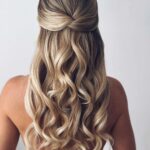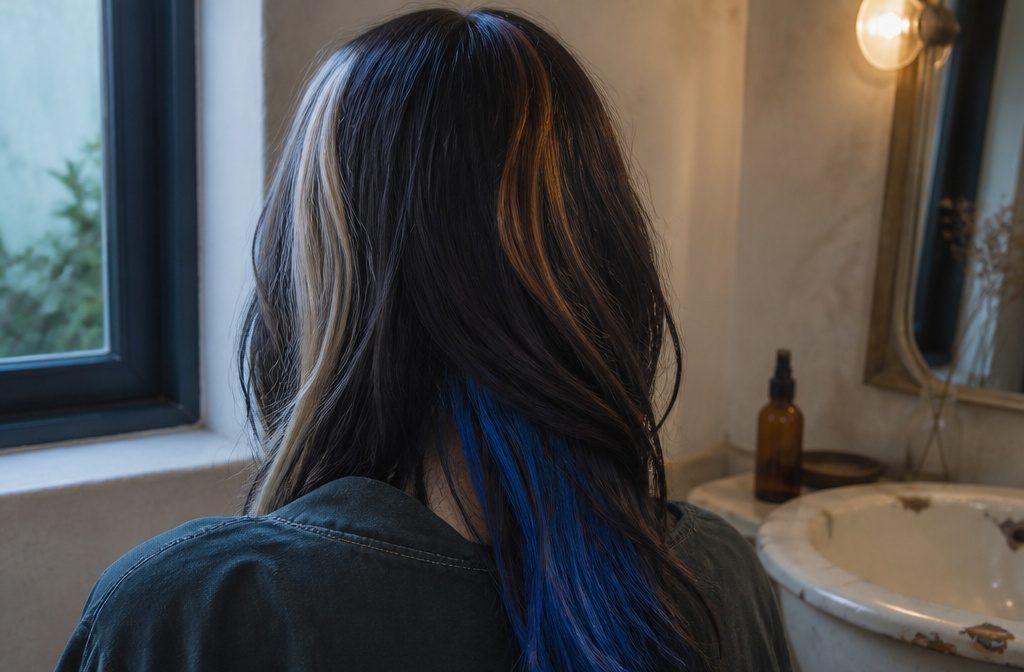
Streaks are sections of hair colored a different shade from the rest, from subtle tiny pieces to loud neon.
Contrast decides whether they work: platinum only shows on dark hair, and a money piece needs to sit 2–3 shades lighter than your base. Temporary 1-day sprays let you test a placement before dye.
Money Piece
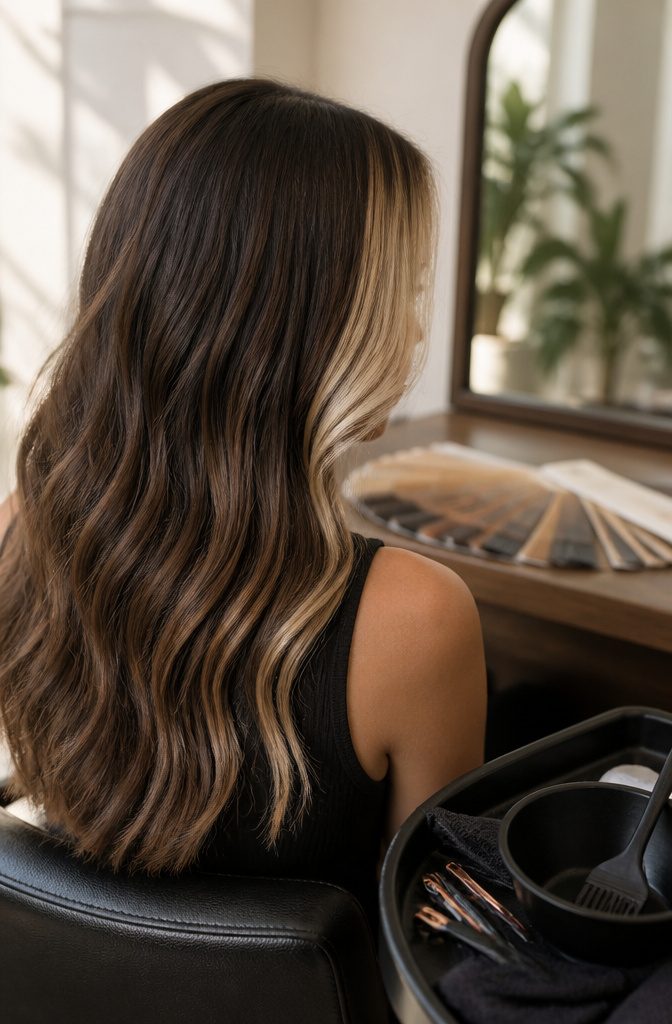
Face-framing highlights painted at the front put the brightest color right beside your skin, so a few front sections brighten the whole look.
It suits nearly any hair color because the shade is your call: blonde or brunette for subtle, lilac or rose gold for loud. I’d go neutral on a first try.
Placement aside, the contrast rule decides whether this works:
A money piece should be two to three shades lighter than your base color to create the perfect amount of contrast.
Stay within two to three shades lighter than your base. Much less disappears into the rest of your hair, and the piece stops reading as a frame.
Gray Streak
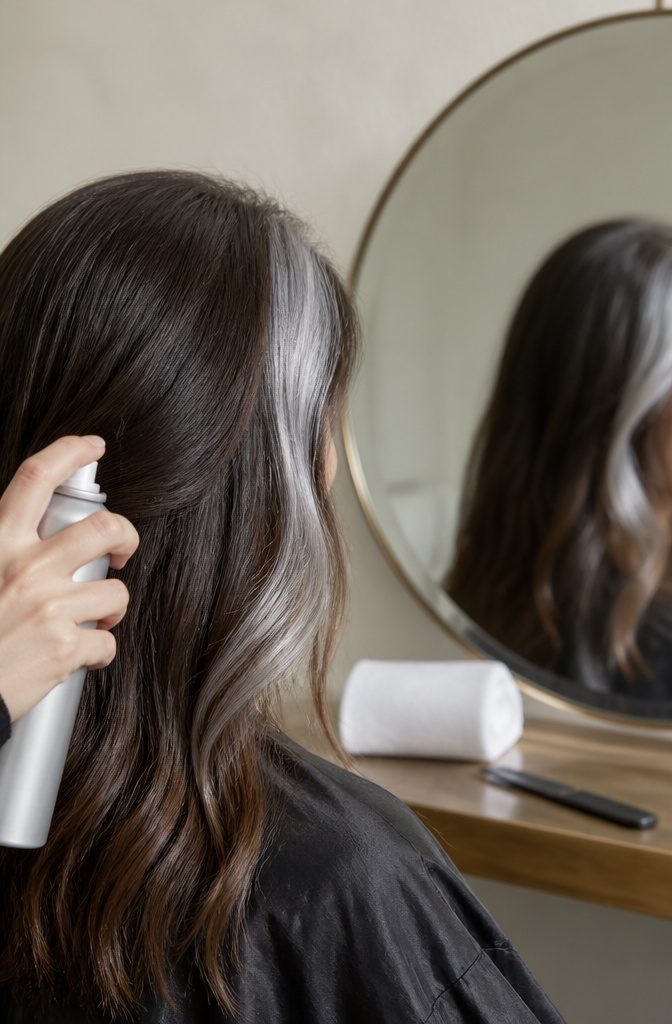
Gray looks fashion-forward rather than aged when it sits against cool, dark brown or black hair, because the contrast does all the work.
Placement is flexible, but I’d put the streak at the front, framing the face, where the silver catches the eye first.
Before committing to bleach and toner, test the idea with the L’Oréal Paris Colorista Hair Makeup Temporary 1-Day Hair Color Spray in Silver.
It’s a 1-day color, so a streak that lands too thick or too far back costs you one morning, not a salon appointment.
Spray a single section near your face, check it in daylight, and adjust the placement before you go permanent.
Tiny Streaks
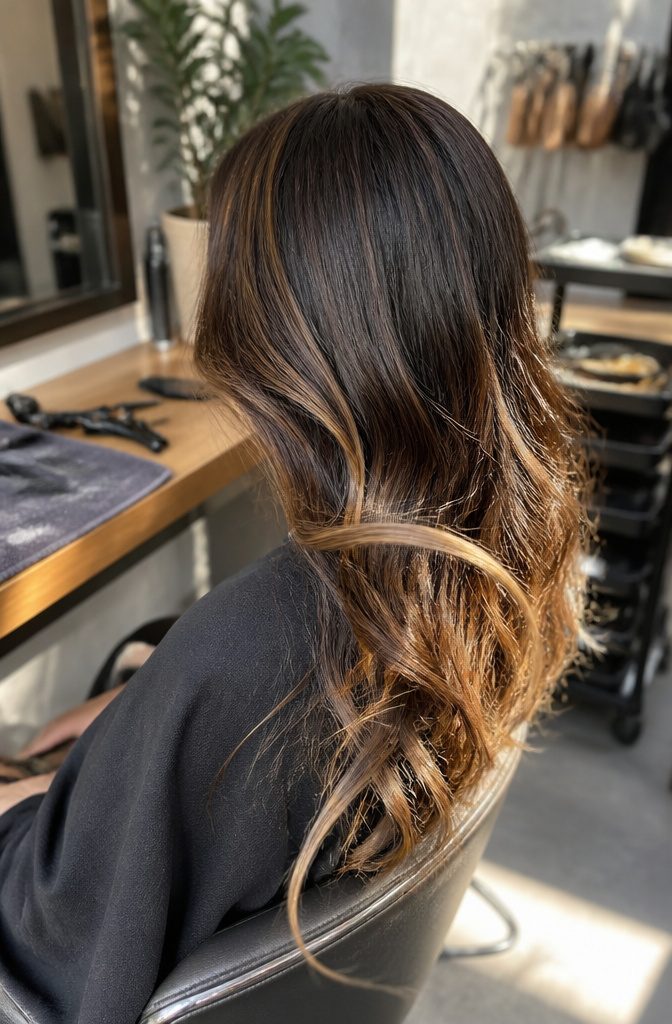
Tiny streaks are the low-contrast pick: thin, carefully placed pieces that melt into your base color and add dimension instead of a visible stripe.
If you want people to notice your hair looks richer without being able to say why, this is the version I’d choose.
The most natural pairing is tiny gold streaks on a chocolate base, a warm glint that reads like sun-touched hair.
Red threaded through espresso turns the volume up a notch, yet the pieces stay fine enough to blend at a glance.
Bolder streaks are built to be seen from across the room. Tiny ones suit anyone who wants a hint of color and a subtle finish.
Turquoise Streaks
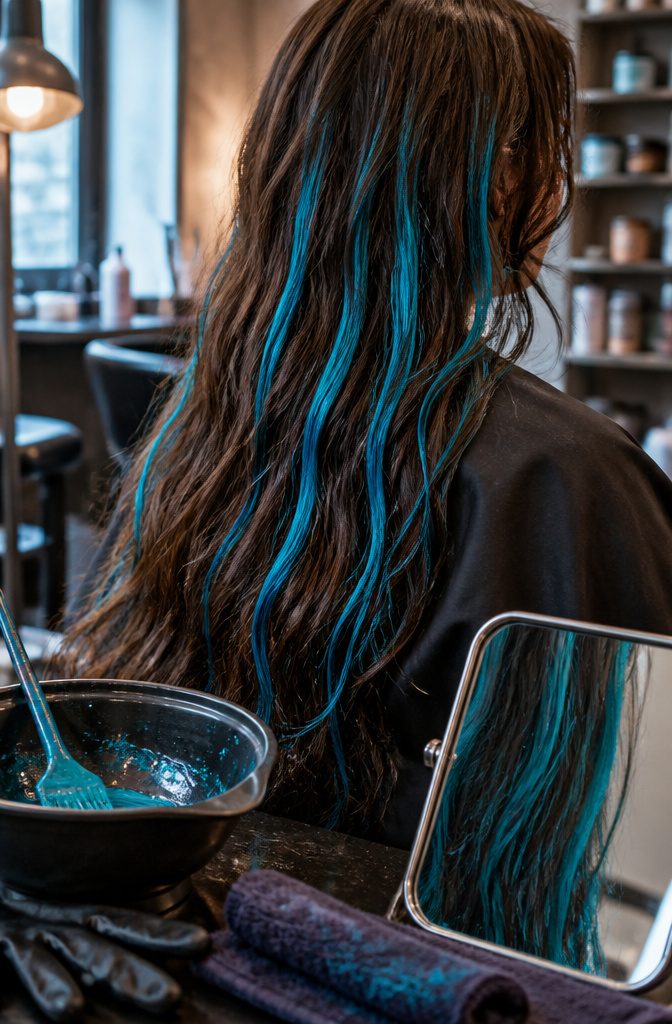
Turquoise is the mermaid option: a bright, saturated blue that reads as a statement from across the room.
It looks best against rich brown hair, where the color has a deep backdrop to stand out from, and that’s the pairing I’d choose first. Blonde and black hair can carry it too, so no base shade rules it out.
For the dye, the pick is L’Oréal Paris Colorista Semi-Permanent Hair Color in Turquoise. Because it’s semi-permanent, a few streaks are a low-commitment way to test a loud shade before you spread it across more of your head.
Stand-Alone Streak
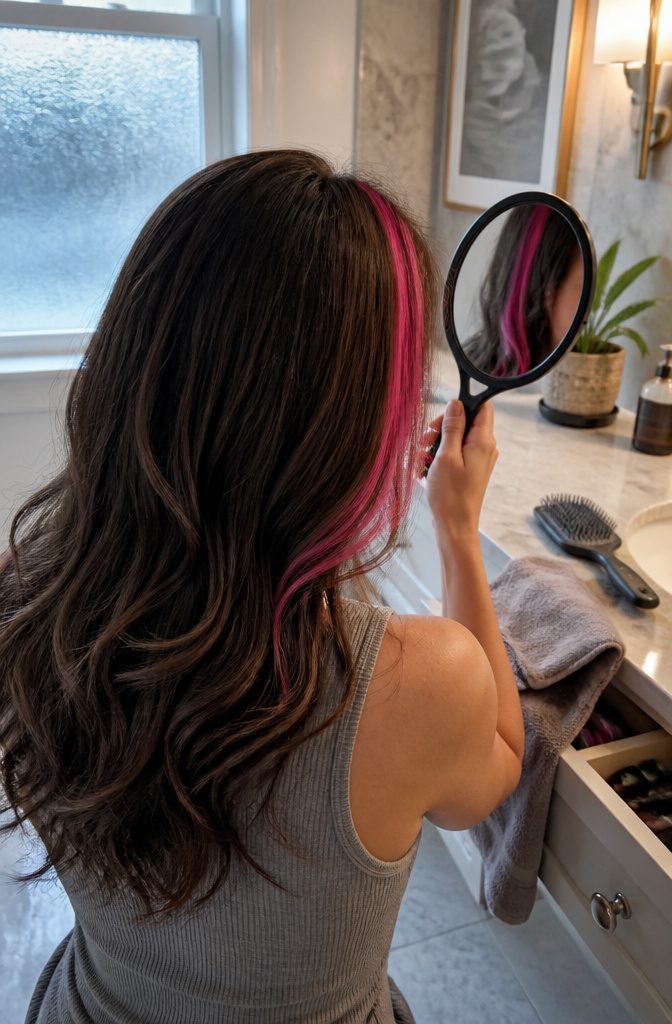
A single streak near the front of your hair acts like a spotlight on your face. Spread color across several streaks and the eye wanders; put it in one place and the eye goes where you aim it.
For anyone curious about color but not ready to live with it, I’d choose this over a full set every time.
Place it at the front, beside the face, and everything else stays your natural shade, so there is only one section to maintain and only one to change your mind about. Less really is more here.
Platinum Pieces
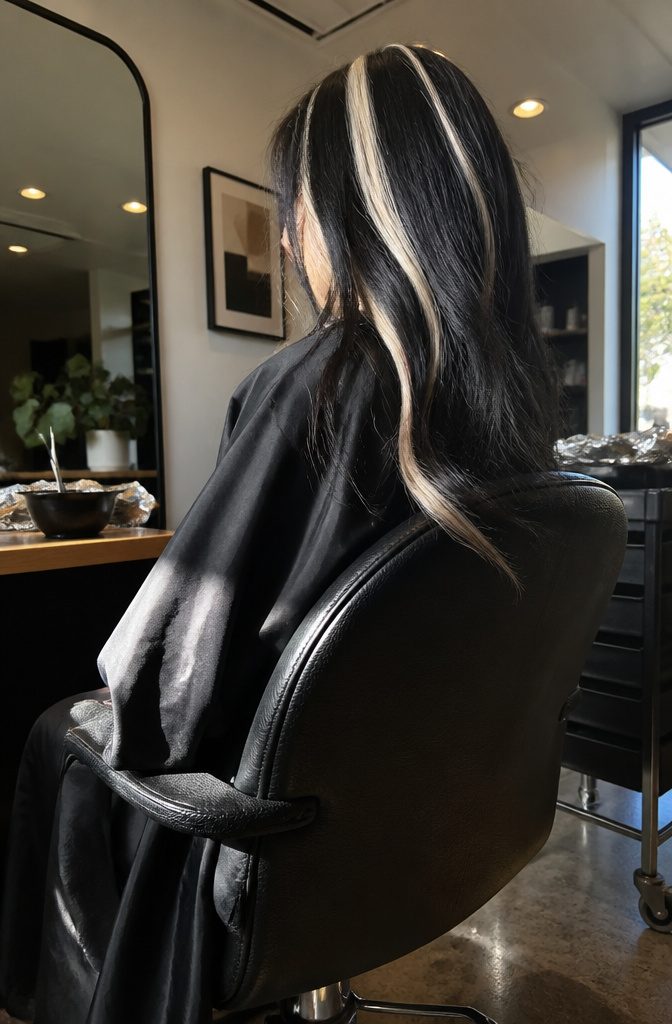
Platinum pieces only work on dark hair. The whole effect depends on contrast, so a light base swallows the streak and leaves a faint, washed-out stripe where you wanted a statement.
Against black or deep brown, bright platinum is the boldest streak color there is, and I’d choose it over any softer shade if you want the look noticed from across a room.
Placement matters as much as shade. Pieces that frame the face or sit in the bangs catch the eye first, and a platinum blonde streak there looks especially sharp, whether you color a full section or just a few strands.
Keep the base dark and the pieces few, and the contrast does the work for you.
Ruby Red
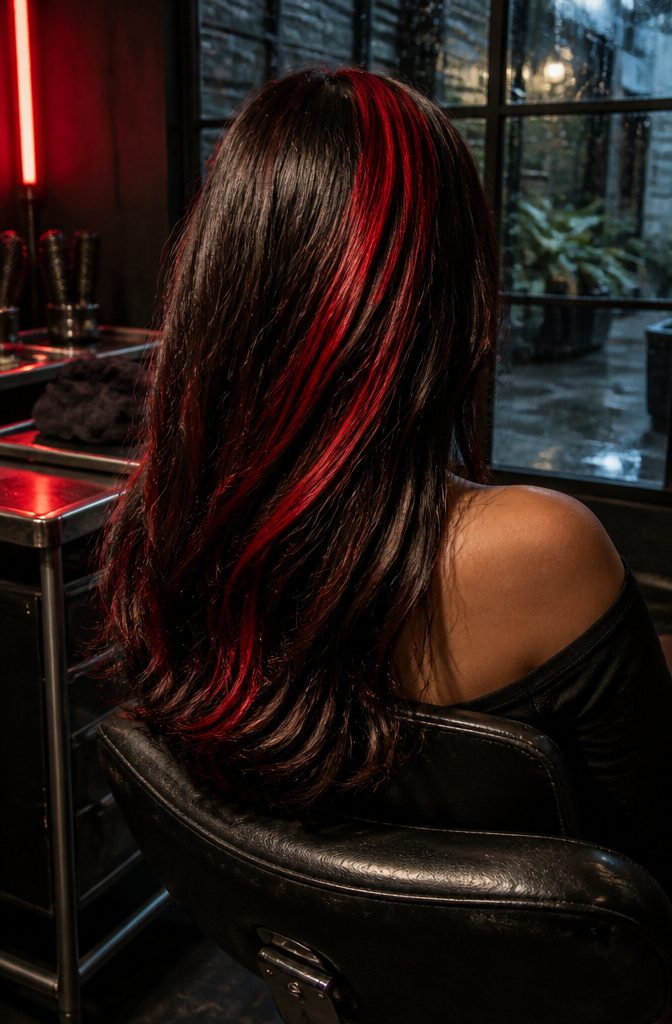
Red is one of the boldest, most confident colors you can put in your hair, and it looks its best against a dark base.
On black or deep brown, a streak of bright ruby red reads as a sharp flash of color rather than a gentle shift in shade.
The mood is dramatic and a little daring, the kind of look people notice from across a room.
I’d choose true ruby over a muted brick or copper red for this. Dark hair absorbs a lot of light, so a dull red can sink into the base, and the streak loses the contrast that makes it worth doing.
Bangs Streak
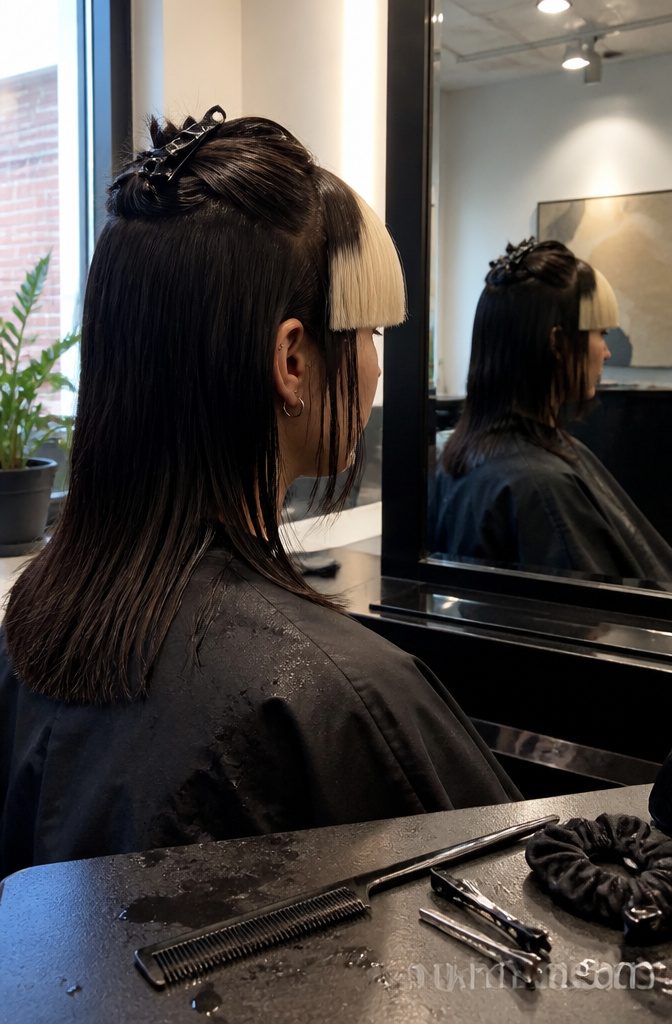
Bangs take color two ways: the whole fringe, or only a few strands. Coloring the entire bang gives you one solid block of contrast across the forehead, so the eye lands on the face first.
Picking out just a few strands is softer. The color breaks up as the bangs move, and it frames the face with a flicker rather than a statement.
For a bolder result, I’d go with the full bang.
The contrast between the bangs and your base color is what makes this placement work, and platinum blonde is the shade that shows it best. Choose strands if you want the effect to stay subtle.
Peek-a-Boo Streak
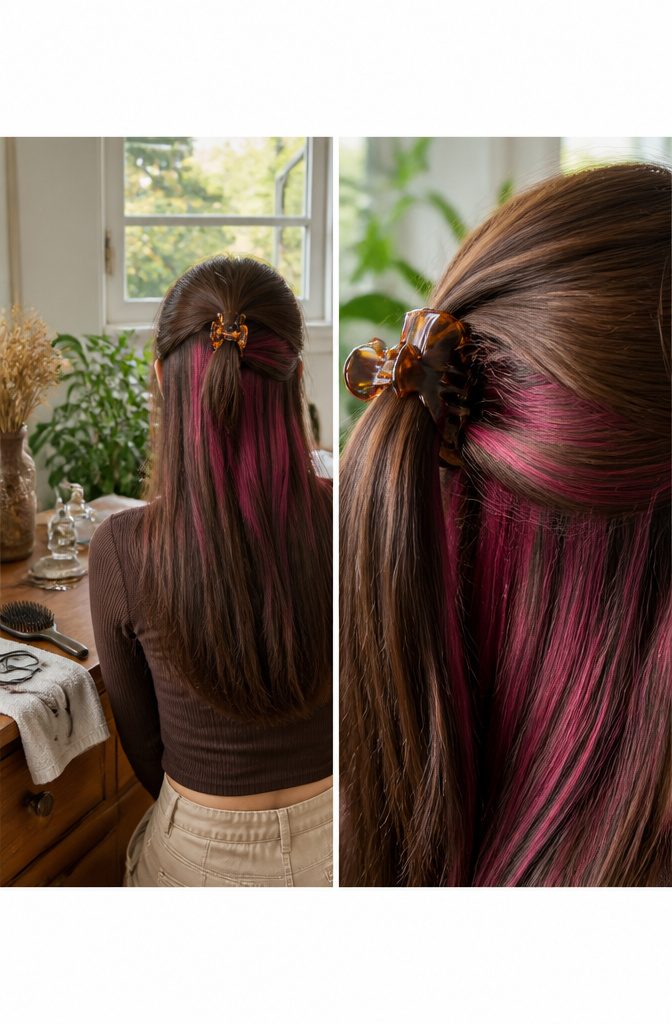
A peek-a-boo streak sits on the underlayer of your hair, so it stays out of sight while your hair hangs straight down.
Swing a ponytail, turn your head in a breeze, or pin the top layer into a bun or half-up, and the color flashes through.
I’d pick this over a front-facing streak for anyone with a dress code or a boss who raises eyebrows at bright color.
The color shows only when the hair moves or is pinned up, which makes it the lowest-risk way to try a bold shade. A smooth, flat blowout can hide it completely, which is the price of keeping the streak subtle.
If you wear your hair down most days, you’ll be paying for color you rarely see, and an upstyle-heavy routine is where this placement earns its keep.
Pastel Blue
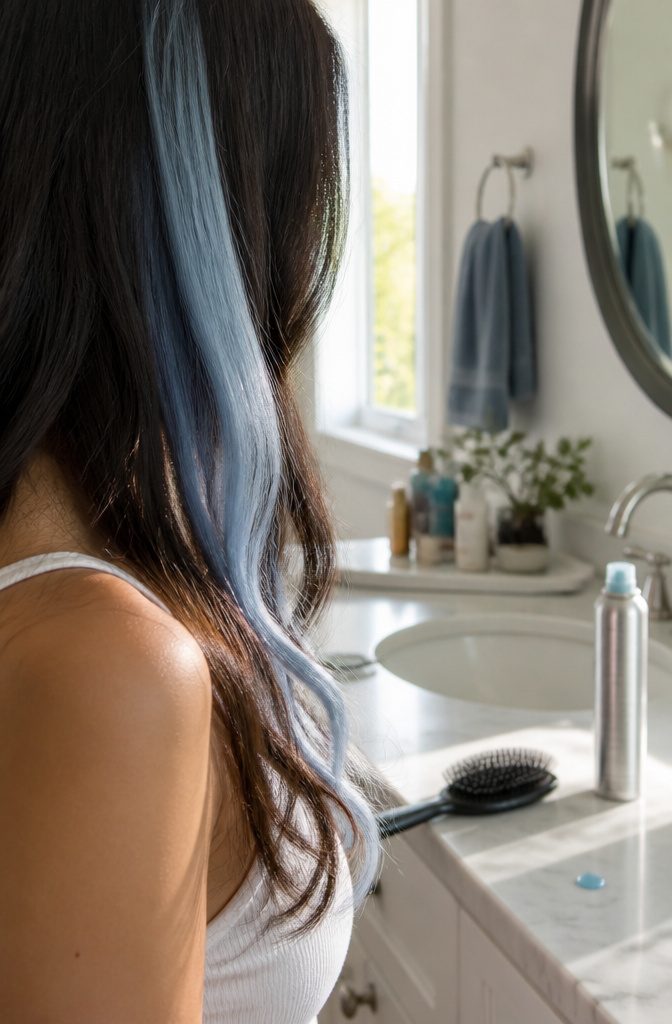
Pastel blue is flattering on blondes, brunettes and every shade in between, which makes it an easy first color streak.
Pastels are still in rotation, and one soft blue piece keeps the look light instead of turning your whole head into a statement.
To try it without committing, I’d go with L’Oréal Paris Colorista Hair Makeup Temporary 1-Day Hair Color Spray in Pastel Blue. The 1-Day in the name is the selling point: a streak you don’t love doesn’t outlast the day.
Spray a single section near your face, check it in daylight, and decide from there whether the shade is worth a longer-lasting version.
Neon Green
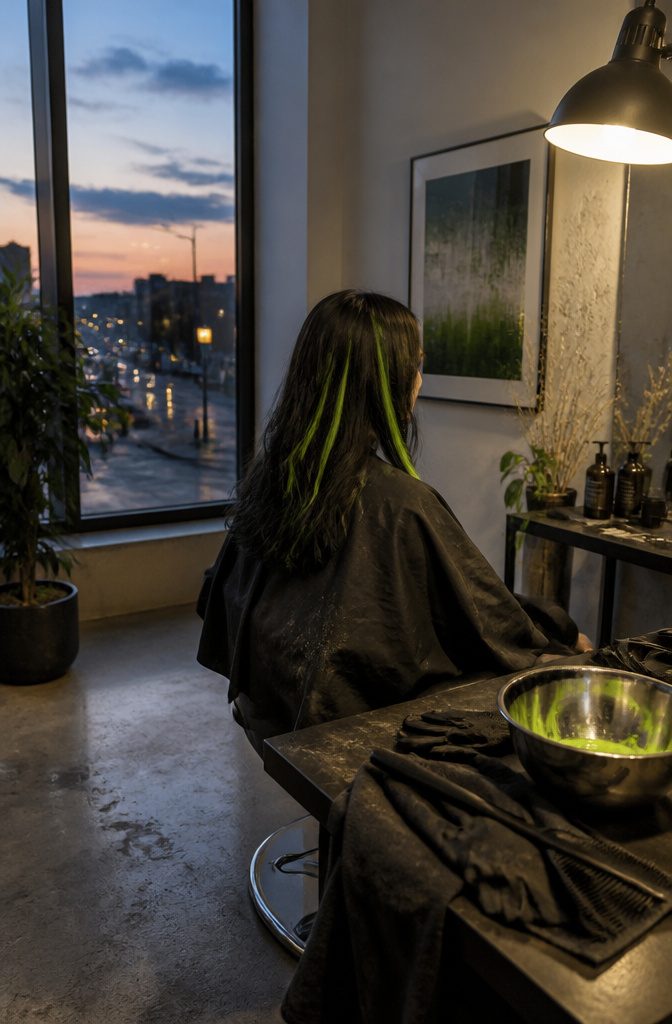
Neon green is the loudest shade on this list, and the smart way in is temporary hair makeup rather than dye.
The L’Oréal Paris Colorista Hair Makeup Temporary 1-Day Hair Color in Neon Green glows in the dark and washes out in a single shampoo, so a bad guess costs you one evening.
For any streak this bright, I’d start there.
Paint one or two face-framing pieces, then check them in daylight and under lamp light. See whether green suits your skin tone and your workplace before you book anything permanent.
If you hate it, the next shower settles the question. If you love it, you now have a real photo to hand a colorist.
Box Braid Streaks
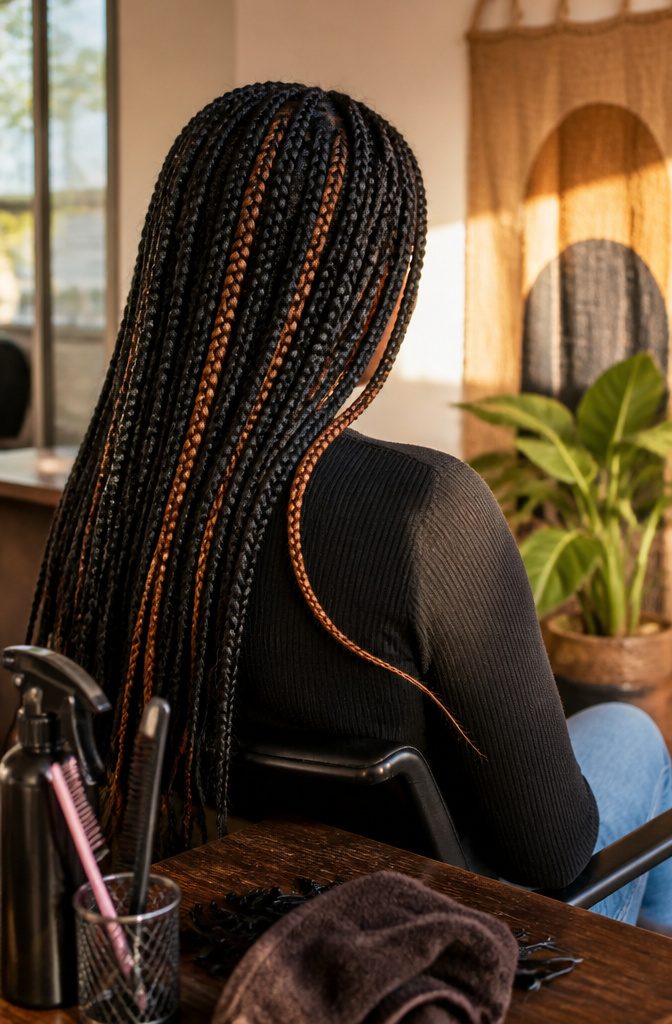
Box braids take color well when only select braids carry a different hue, and red and auburn are the shades I’d reach for first.
Coloring a handful of braids and leaving the rest alone makes the color read as a deliberate accent rather than a full change.
For a do-it-yourself version, L’Oréal Paris Colorista Hair Makeup Temporary 1-Day Hair Color in BronzeAuburn is where I’d start.
It’s a temporary 1-day color, so you can try auburn on a few braids for one event before committing to anything longer. If the shade looks off against your base color, it’s gone after a single day.
Multicolored Streaks
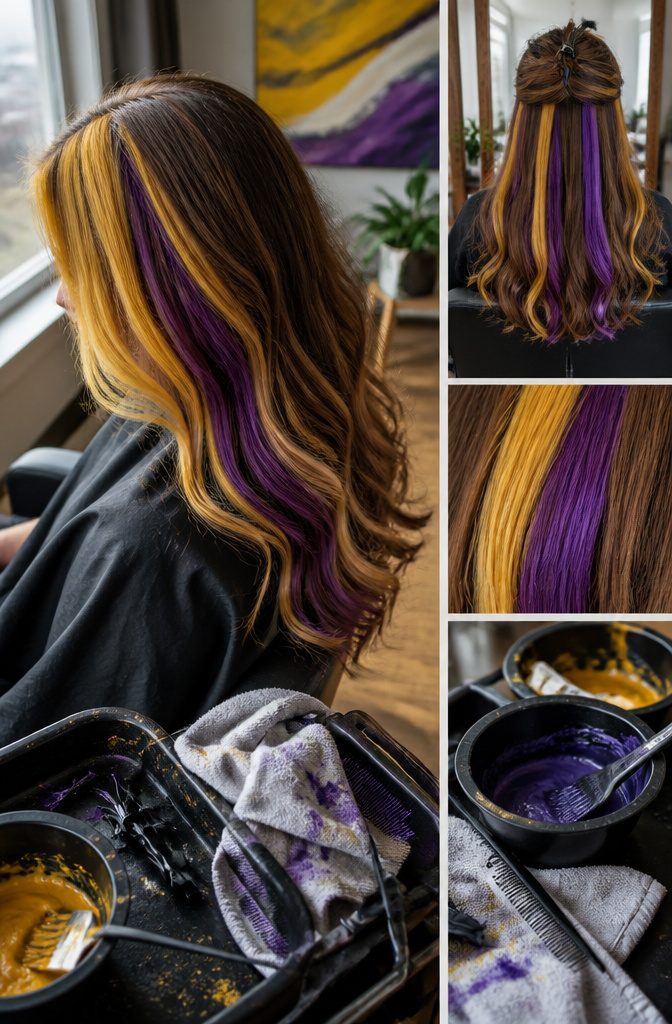
Gold and royal purple work as a pair because they sit near opposite ends of the color wheel, so each makes the other look richer.
Keep the shades at the same intensity: two jewel tones or two pastels, never one of each, or the louder color swallows the quieter one. I’d stop at three shades, because a fourth turns a coordinated set into confetti.
Choose one lead shade and treat the rest as support, with the lead on the strands nearest your face and the accent tucked underneath. Give every shade the same streak width so the pattern reads as planned rather than scattered.
Moonstone
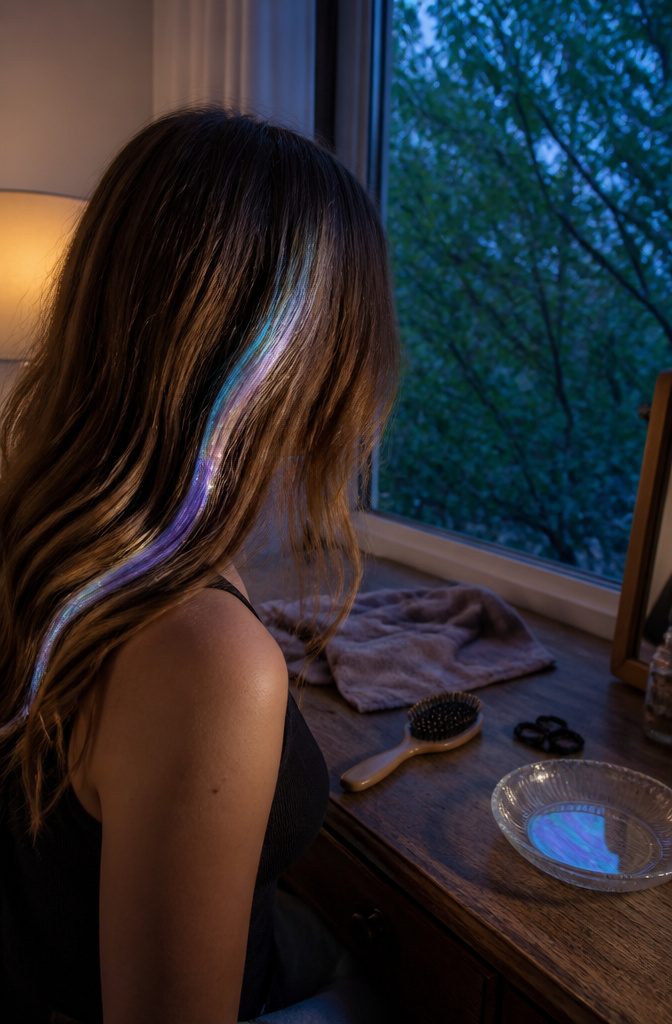
Moonstone is the streak color that shifts as the light hits it, an iridescent, holographic effect instead of one flat shade.
The product to reach for is L’Oréal Paris Colorista Hair Makeup Temporary 1-Day Hair Color in Moonstone, and the "1-Day" in the name is the selling point: it’s a temporary color change, not a dye commitment.
That makes it my pick for anyone curious about holographic hair who doesn’t want a permanent streak.
Holographic hues were the color of 2020, so the look is tied to a moment, and a one-day formula lets you wear it without it outliving the trend.
Indigo Streaks
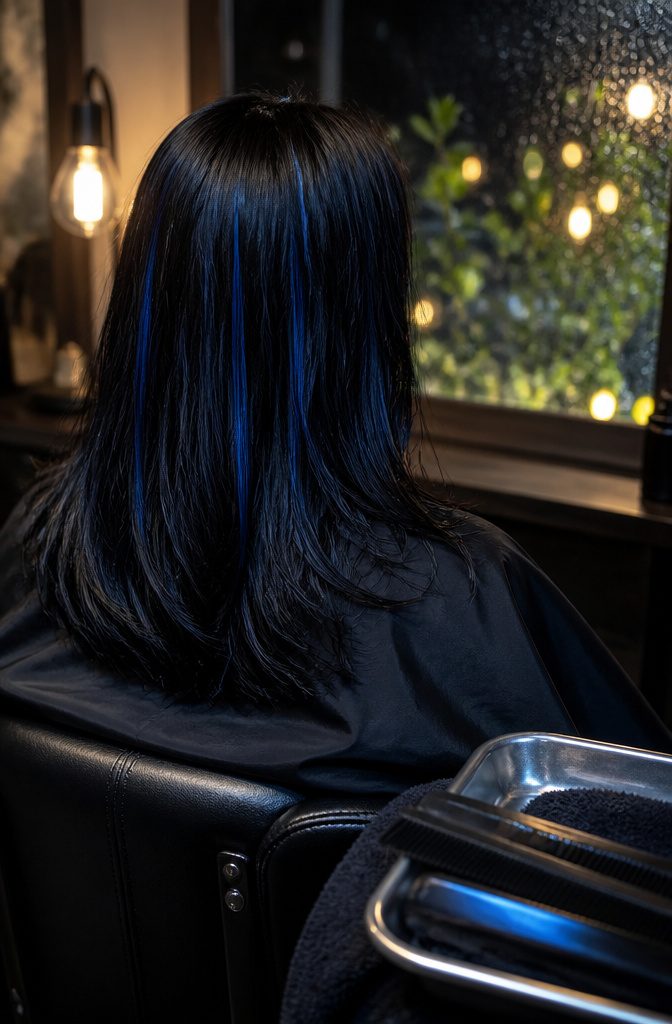
Indigo is the streak I’d pick for black hair when you want contrast without leaving the dark family.
The shade is a deep blue, and against black it looks like a star-filled midnight sky rather than a loud pop of color.
That makes it a good fit if you want something noticeable up close that still reads as moody from a distance.
The product to look for is L’Oréal Paris Colorista Semi-Permanent Hair Color in Indigo.
Semi-permanent color is the lower-commitment way to test a bold shade, so I’d start with a few thin streaks near your face and add more only if you like how the blue sits against your black.
Chunky Streaks
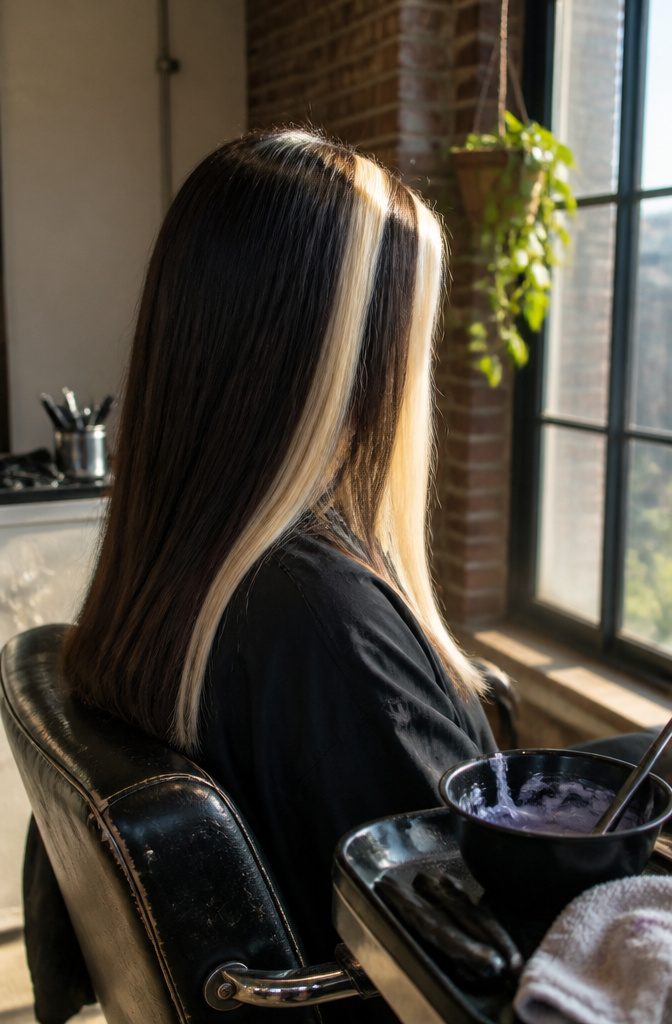
Chunky streaks are the louder version of tiny streaks: wider sections, more color, and no way to read them as subtle.
I’d keep them to two face-framing pieces, one on each side, instead of scattering them across your head. Two thick pieces give plenty of contrast while the rest of your hair stays calm around them.
Because each streak is a large section, the shade shows from across a room, so the color choice matters more than it does with thin strands.
If you’re unsure, try a chalk or spray first, since both wash out. Semi-permanent and permanent dyes last longer but need more upkeep to keep from fading.
Clip-In Streaks
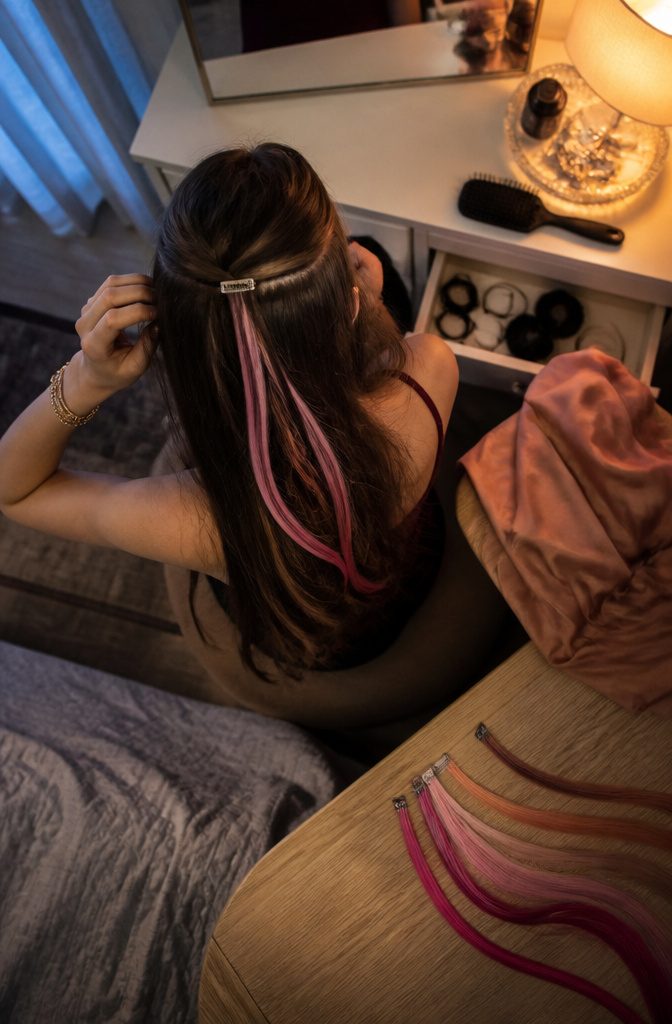
Clip-in streaks are removable hair extensions, so the color goes on and comes off in a moment, with no dye and no commitment.
They suit two people best. One has an event coming up and wants a bold strand for a single night.
The other is curious about a shade and would rather test it than color for it. I lean toward clip-ins for that second person, because you can wear a shade for an evening before deciding it deserves real dye.
They also work for anyone who wants streaks on weekends and plain hair on Monday, without reapplying temporary color each time.
Caramel Blonde
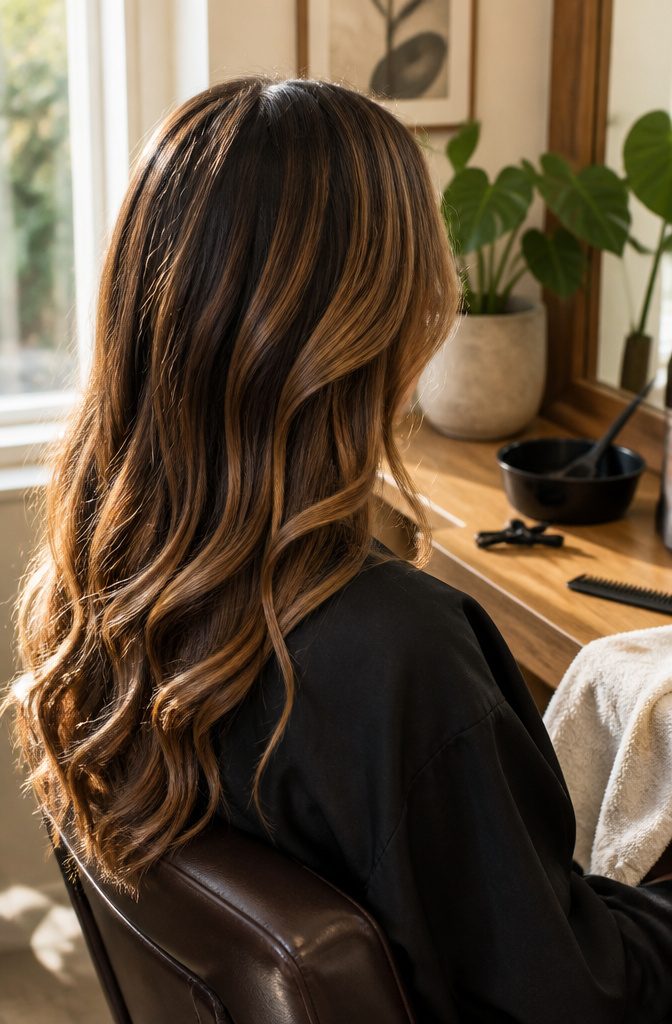
Caramel blonde is the streak color I’d point any brunette with a warm brown base toward. It sits close enough to chocolate that the two read as one creamy combination, with the contrast staying soft instead of striped.
Because caramel shares the golden undertone already in warm brown hair, the streaks look like strands the sun got to first.
Cooler blondes tend to fight that undertone and stand out as separate pieces, which is the opposite of what this shade is for.
If you want streaks people notice only as a bit of dimension, this is the one to bring to the salon. If you want a statement, look elsewhere in this list.
Streaks vs Highlights
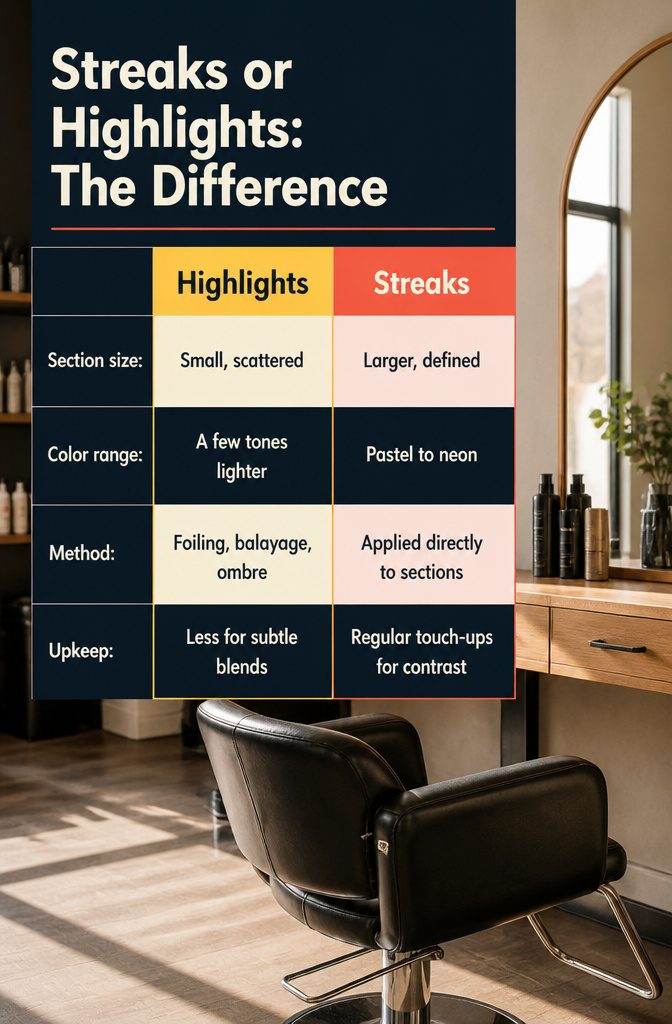
Highlights lighten small, scattered strands so the result looks sun-kissed.
Streaks put color into larger, defined sections, and they are meant to be noticed. The table lines up the differences.
| Highlights | Streaks | |
|---|---|---|
| Section size | Small, scattered | Larger, defined |
| Color range | A few tones lighter than your base | Pastel to neon |
| Method | Foiling, balayage, ombre | Color applied directly to sections |
| Upkeep | Subtle blends need less; high contrast needs touch-ups | n/a |
Choose highlights for depth that reads as natural, streaks for a statement. Weigh color range, upkeep, lifestyle and how permanent you want the change, then ask a stylist how your base color will take it.
Temporary to Permanent Color
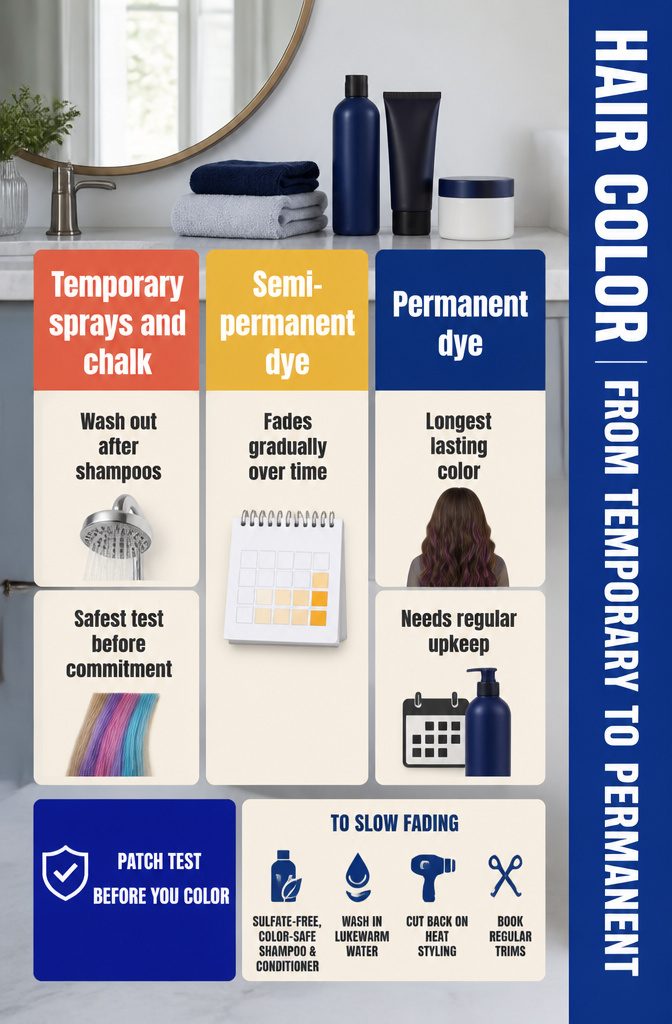
Temporary sprays wash out after a few shampoos, and chalk behaves much the same, so either one is the safest way to test a streak before you commit. Semi-permanent dye lasts longer and fades gradually.
Permanent dye lasts longest, needs regular upkeep, and often contains hydrogen peroxide, which lifts natural color and can lead to dryness, breakage, uneven patches and overprocessing. Any dye can trigger an allergic reaction, so patch test before you color.
To slow fading, I’d use sulfate-free, color-safe shampoo and conditioner, wash in lukewarm water, cut back on heat styling, and book regular trims so damaged ends don’t dull the streak.
Coloring Streaks at Home
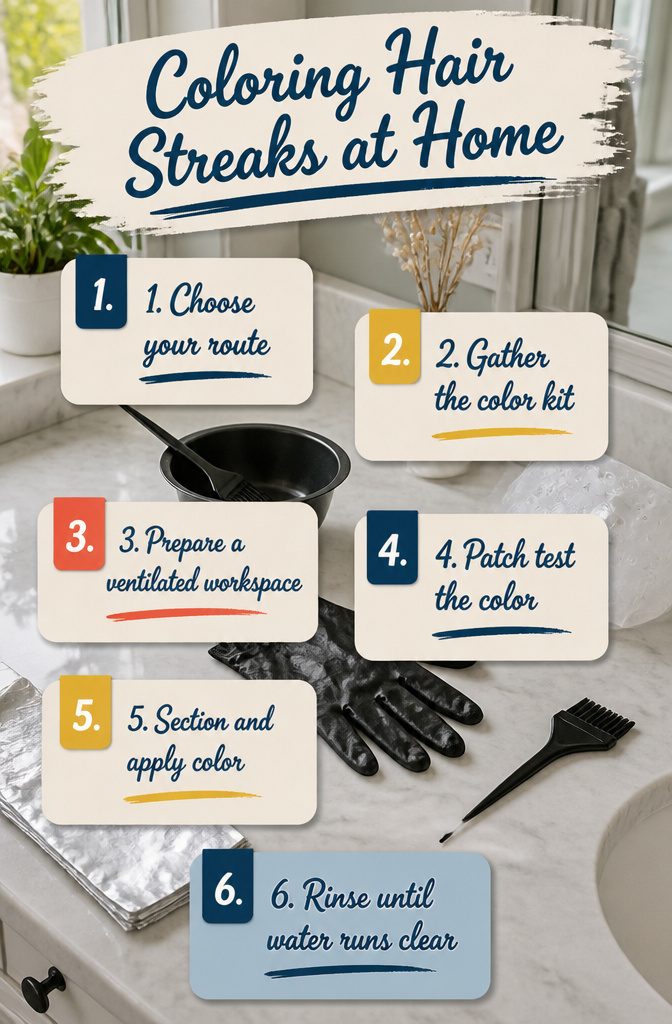
- Choose your route. A single face-framing streak is a fair DIY job, but book a professional for multiple colors, big lifts from dark hair, or any time you feel unsure.
- Gather a color kit, gloves, a mixing bowl and brush, foils or a cap for highlights, and an applicator for streaks.
- Set up in a well-lit, ventilated room. Cover counters and floors, and wear an old shirt you don’t mind staining.
- Patch test the color on a small area before full application, following the kit’s directions.
- Section off the strand, mix the color, and paint it on with the applicator, or wrap each section in foil.
- Rinse with cool water until it runs clear.
Frequently Asked Questions
Can highlights and hair streaks damage your hair?
Yes, when the chemical treatment is done badly or too often. Lighteners and permanent dyes often contain hydrogen peroxide, which can leave hair dry and brittle and lead to breakage, uneven patches and overprocessing.
Some people also react allergically to dye, so patch test first, space out your appointments, and switch to sulfate-free shampoo and less heat styling afterward. Temporary sprays and chalk wash out, so they carry far less risk.
Can I color my hair at home for streaks or highlights?
Yes, a single face-framing streak is a fair DIY job. Patch test the color, work in a well-lit, ventilated room with gloves on, and either paint the color onto a sectioned strand or wrap it in foil.
Book a professional for multiple colors, a big lift from dark hair, or any time you feel unsure.
What is the difference between highlights and hair streaks, and how do I choose?
Highlights lighten small, scattered strands for a sun-kissed finish, while streaks put color into larger, defined sections that are meant to be noticed.
Choose highlights for depth that reads as natural and streaks for a statement. Then weigh the color range, upkeep, your lifestyle and how permanent you want the change, and ask a stylist how your base color will take it.
Are streaks a good hair color choice?
They are a good choice if you want a visible statement without coloring your whole head.
A few streaks let you try a bold shade in one spot, and temporary options like 1-day sprays, chalk and clip-ins let you test it before paying for dye.
If you only want a hint of dimension, tiny streaks or highlights will suit you better than wide, bright ones.