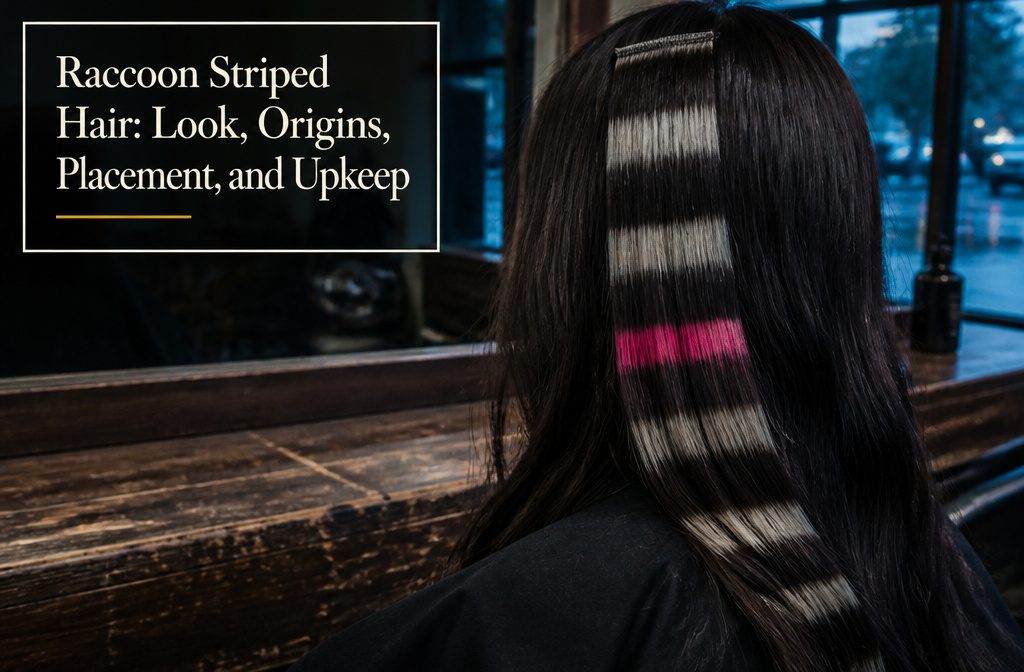
Raccoon striped hair is one panel of hair banded with crisp horizontal stripes, like a raccoon’s ringed tail, usually black and white.
On a dark base, though, bright colors like hot pink won’t show until a strip is bleached, and bleach always damages. Clip-in extensions give the same look with no dye.
What Raccoon Hair Looks Like
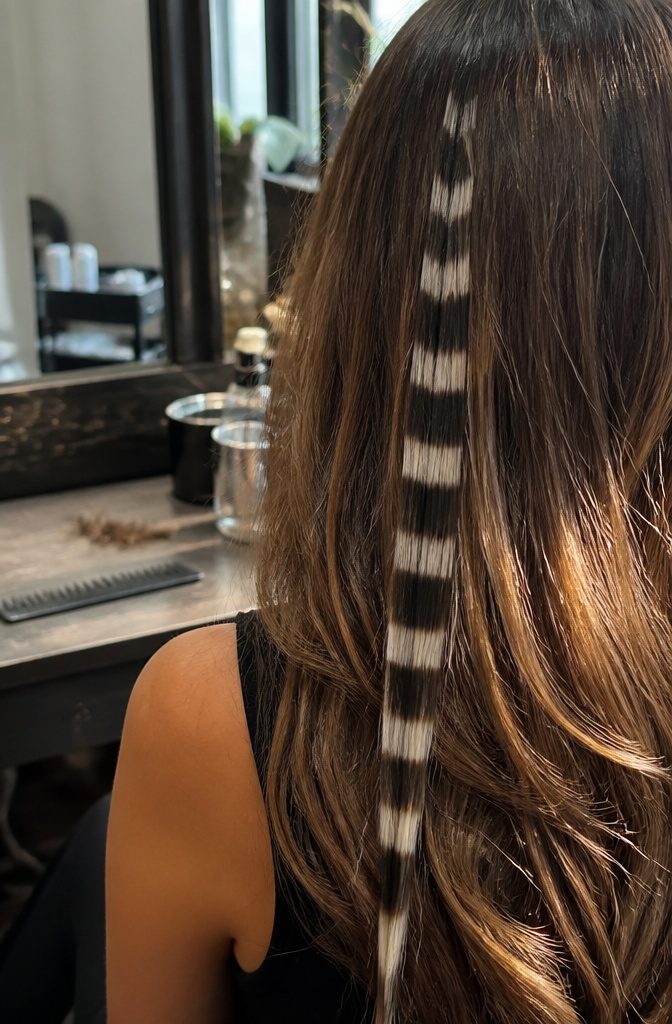
Raccoon striped hair is a single panel of hair banded with horizontal stripes, so it reads like a raccoon’s ringed tail.
The classic version alternates black and white, and that hard contrast is what keeps it from looking like ordinary highlights.
Colors now run from neon pink to softer natural shades, and the bands can change color from stripe to stripe.
I still pick black and white when I want the look to be unmistakable, but the stripes only read as a tail when the bands are crisp and horizontal, whatever the palette.
Clip-in extensions create the same effect with no dye, so you can wear it for a day and take it out.
Emo Roots and the 2022 Revival
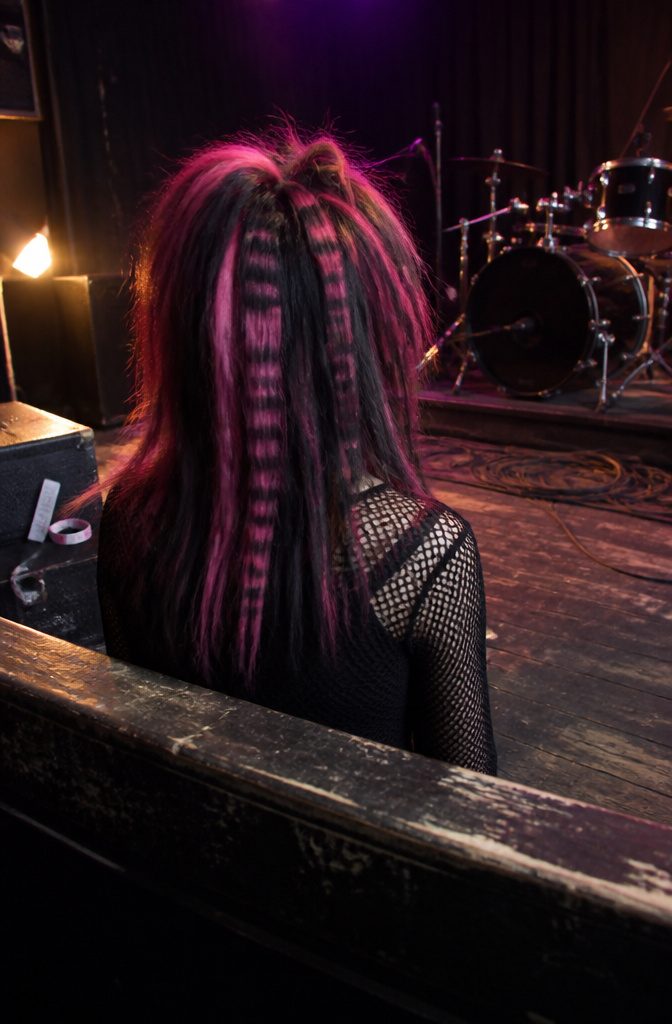
Raccoon stripes began in early-2000s emo and scene culture, on fans of the scene bands who filled Warped Tour stages and small underground venues.
Myspace was at its peak, and scene queens like Lexi Lush, Audrey Kitching, and Kiki Kannibal made bright, teased, extension-heavy hair the look to copy. A couple of bold streaks was the easy way in.
The 2022 revival is led by Gen Z TikTokers, who borrow from past decades the way they have with Y2K fashion. #RaccoonTail has been reported at 7.1 million TikTok views.
Celebrities have joined in too: Avril Lavigne has been seen with the look, and Rihanna showed black and red stripes on Instagram in January.
Raccoon Versus Skunk Highlights
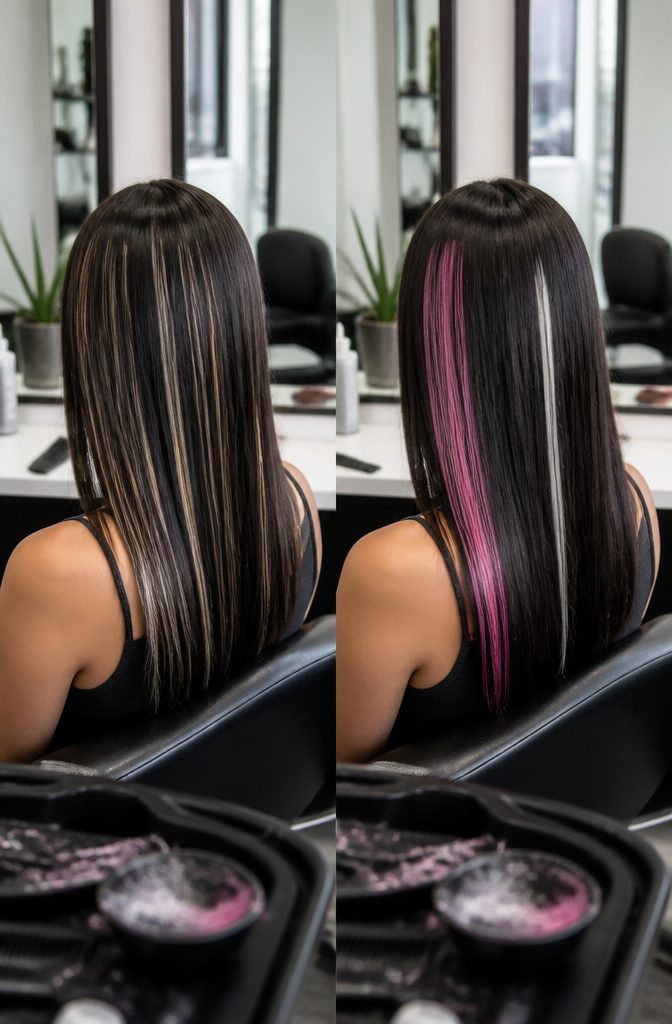
Raccoon hair runs in multi-tonal stripes, while a skunk highlight is one singular streak of a single color.
Both add playful contrast and a pop of color without an all-over commitment, so the real decision is how many shades you want in the mirror.
If more than one color is on your saved board, choose raccoon. Stripes in several tones let you keep every shade you like instead of picking a favorite and dropping the rest.
If one solid hue keeps pulling you back, skunk is the better call. I’d argue a single streak looks bolder, since no second color competes with it, and it leaves you one shade to think about.
Placement and Color Choices
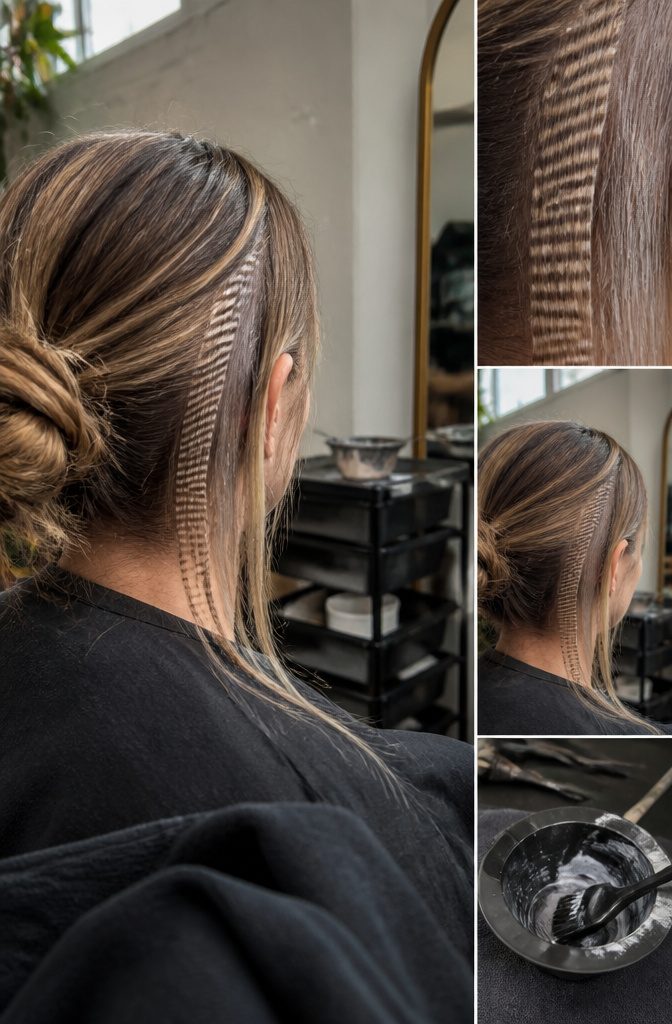
A face-framing streak puts the stripes beside your eyes, a peek-a-boo highlight hides them under a top layer until you move, and an accent down one side runs the length of a single panel.
Black and white is the classic palette; hot pink and black is the loud version.
For a quiet look, I’d go with thin horizontal stripes set close together, like the faint black lines some people create at the side of the head.
Semi-permanent dye lets you test thickness and spacing without a long commitment. Clip-in extensions skip dye entirely: try the color, then take it out if it’s wrong.
Extensions, At-Home Dye, or Salon
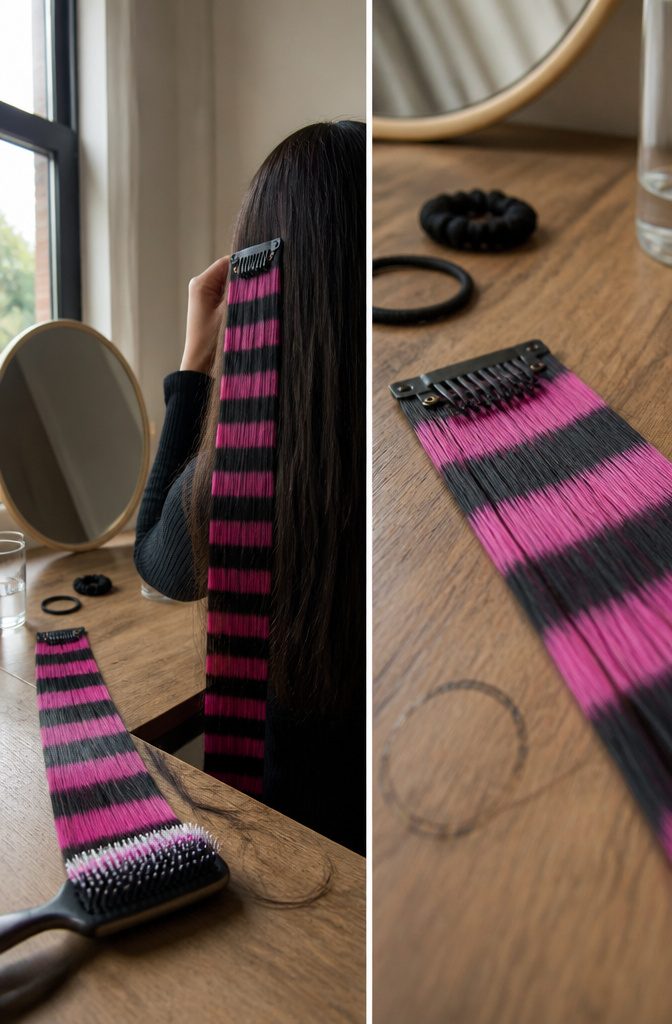
Clip-in extensions are the easiest route, and I’d start there. Etsy sellers list raccoon tails in bold pairings like hot pink and black, and you can unclip one that doesn’t suit you.
Dyeing is the middle route: straighten a strip of hair over cardboard, tape it into horizontal segments, bleach it, then apply hot pink over the top. That way you never color your whole head.
A salon is the safer choice on a dark base, because bleaching may be needed first.
Bleach will always cause some damage, which is why we recommend leaving it to the pros to help preserve the integrity of your hair.
— Hair.com
Clip-ins are the only route that skips that damage entirely.
Hair Texture and Styling
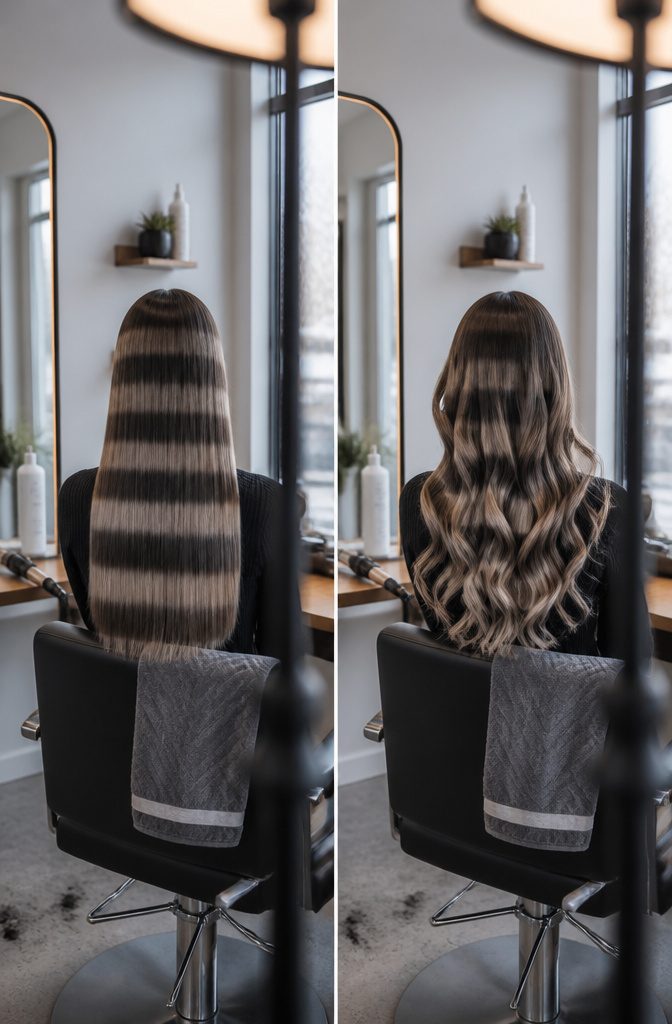
Straight hair gives raccoon stripes their sharpest look. When strands lie flat, the dark and light bands read as two clear colors, and straight hair reflects light evenly, so the contrast looks bright and multidimensional.
Waves, curls and coils blend the bands together.
That isn’t a flaw. If a hard, graphic stripe feels like too much, natural texture softens it, and I’d point anyone after a quieter version toward their own pattern.
Curling a straight-haired stripe is fine, but heat is what fades color. Apply a heat protectant before the curling iron touches your hair, and do the same on flat-iron days.
Upkeep and Staying Power
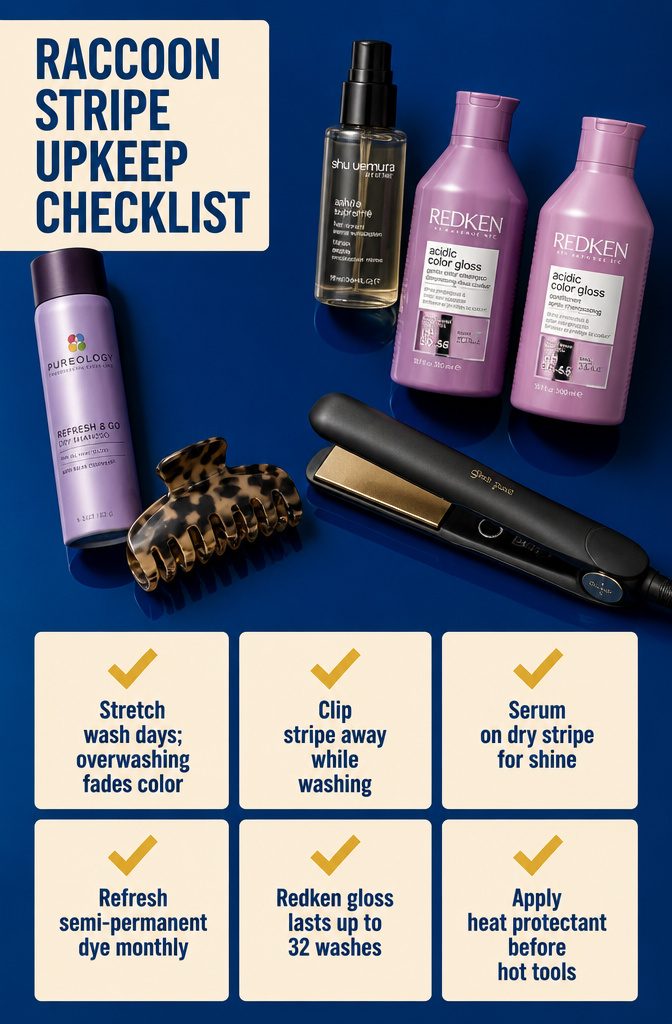
Overwashing fades color fastest, so stretch wash days with Pureology Refresh & Go Dry Shampoo, whose AntiFade Complex won’t dull the stripe.
If the stripe sections off cleanly, I’d clip it up and wash the rest around it. Once your hair is dry, work Shu Uemura Ashita Supreme Hair Serum through the stripe for shine.
Semi-permanent dye lasts about a month, so plan the refresh around that.
The Redken Acidic Color Gloss line keeps vibrancy for up to 32 washes, and Biolage Professional Bond Therapy covers aftercare. Add a heat protectant before any hot tool.
Stylist Madie Thomas calls the upkeep quite difficult. Cam, 23, finds the look almost a bridge too far.
Bleaching Dark Hair
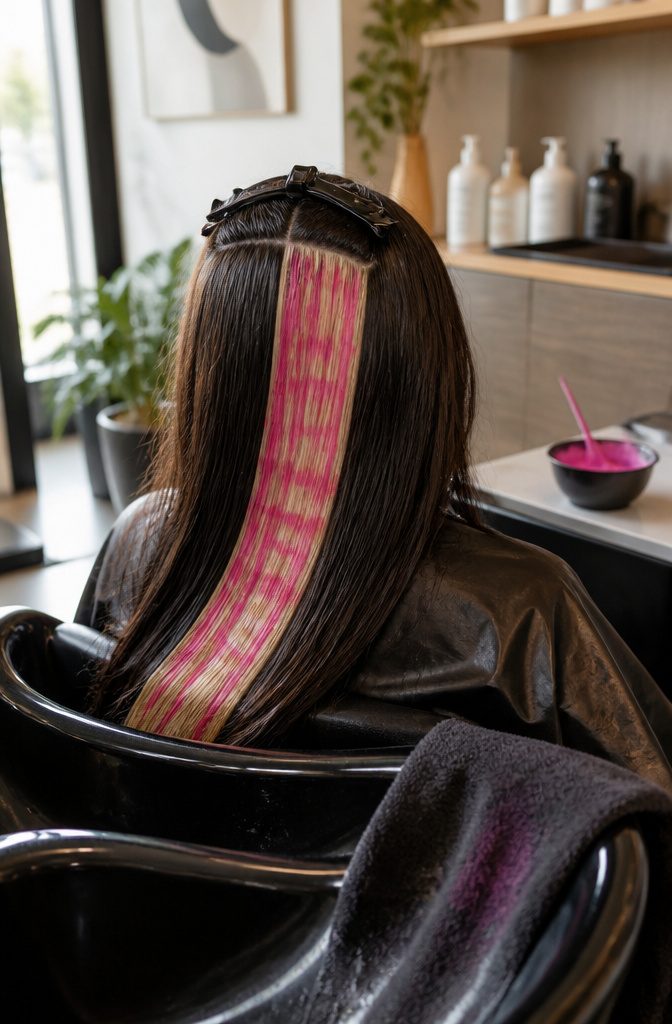
On a dark base, hot pink will not show until the strip underneath has been lightened.
The at-home version of this look is a bleached strip with hot-pink color over it, and that bleaching step shapes every color choice beyond black and white. A bright shade needs a lifted section to show up as intended.
Bleach always causes some damage, so I’d leave the lightening to a professional rather than try it over the bathroom sink.
Afterward, a bond-repairing line like Biolage Professional Bond Therapy helps. It’s a five-piece system with citric acid and coconut oil, made to condition weakened strands from the inside out.
Booking the Salon Visit
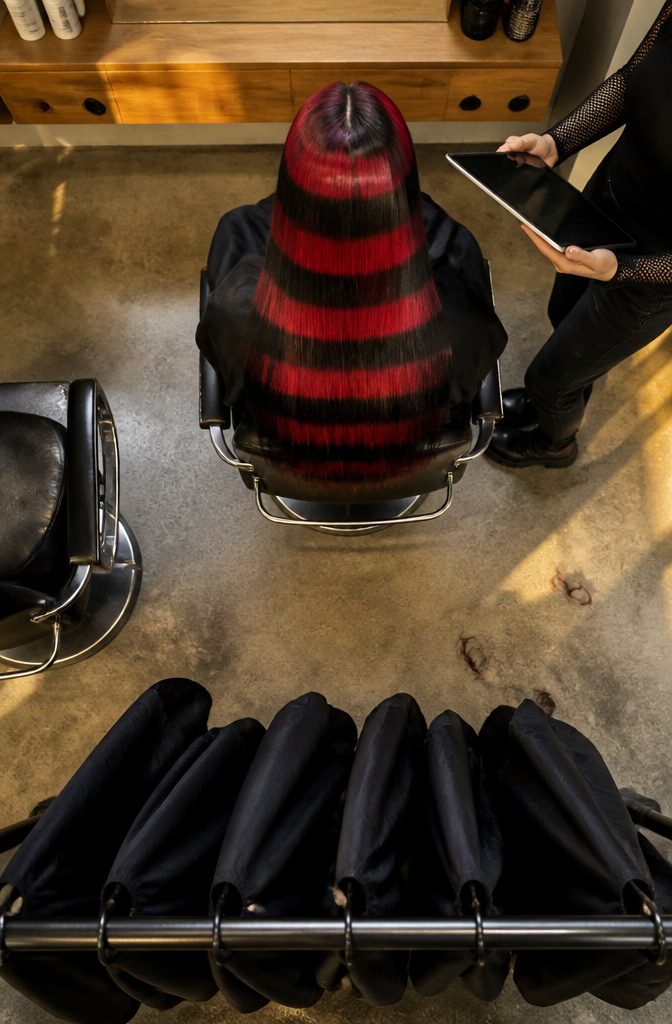
Stripes as large and bold as Rihanna’s are where I’d book a salon instead of reaching for a box.
An at-home bleach kit is a quick way to fry the hair you want to show off, and a stylist can control a wide section far better than you can at the bathroom mirror.
Settle two decisions before you sit down. Pick the section to color: one strip, or the whole head, as Rihanna did.
Then choose whether the stripes go over your natural color or over hair that is bleached and dyed first. Natural color skips a step, while bleach-first adds one.
Bring photos, or build a Pinterest mood board, so your stylist sees the exact width and placement you mean.
Frequently Asked Questions
What is raccoon striped hair?
It’s a single panel of hair banded with horizontal stripes, meant to look like a raccoon’s ringed tail.
The classic version alternates black and white, though neon pink and softer natural shades are common, and the bands can change color from stripe to stripe.
People wear it as a face-framing streak, a peek-a-boo highlight under the top layer, or an accent down one side.
What’s the difference between raccoon hair and skunk hair?
Raccoon hair has multi-tonal stripes, while skunk hair is one streak of a single color.
If you have several shades on your saved board, go with raccoon so you don’t have to drop any of them. If one solid hue keeps pulling you back, skunk is the better fit.
How do you do raccoon stripes in your hair?
Clip-in extensions are the easiest route: you get the stripes with no dye and can unclip them if the look is wrong.
To dye your own, straighten a strip of hair over cardboard, tape it into horizontal segments, bleach it, then apply a bright color like hot pink over the top.
On a dark base, a salon is the safer choice because the bleaching step can damage hair.
When was raccoon tail hair popular?
It began in the early 2000s in emo and scene culture, when Myspace was at its peak and fans of scene bands wore bright, teased, extension-heavy hair.
It came back in 2022, led by Gen Z TikTokers who borrow looks from earlier decades. Celebrities like Avril Lavigne and Rihanna have been seen with the style.
Is raccoon hair here to stay?
Its long-term popularity is unclear, and some people doubt it will last or be easy to keep up.
Upkeep is a real factor: semi-permanent dye lasts about a month, and one stylist calls maintenance quite difficult. Clip-in extensions are a low-risk way to find out whether you like it before committing.