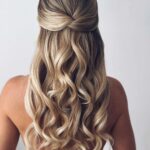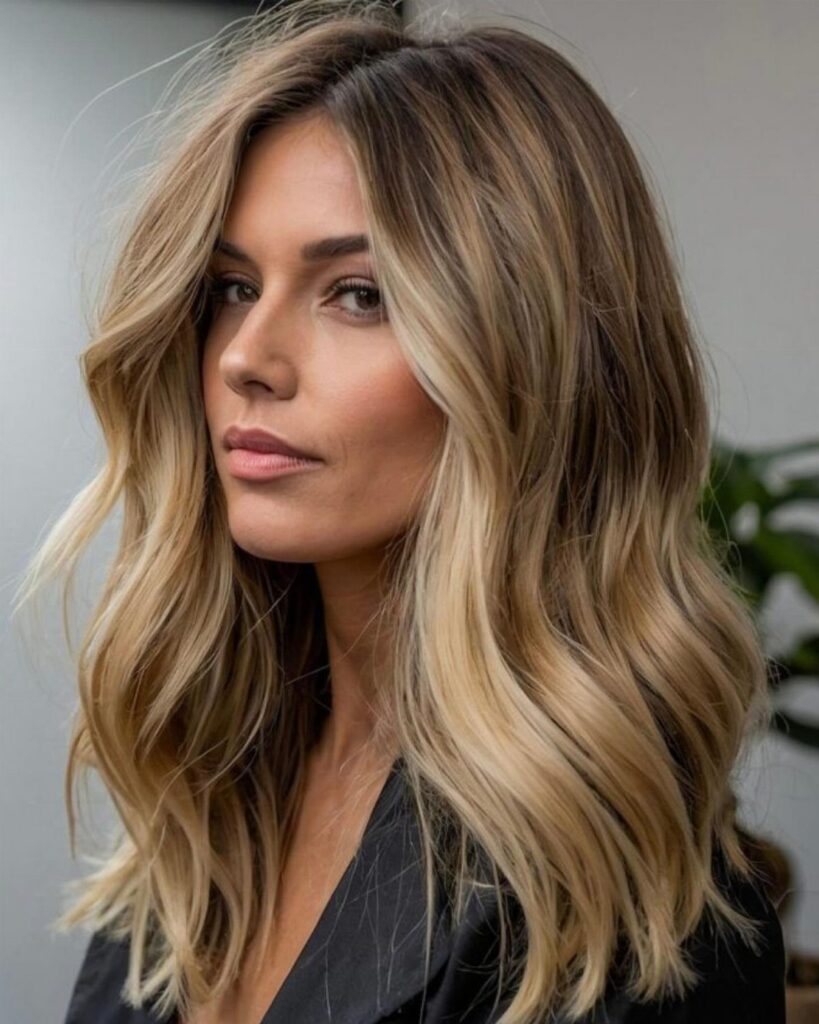
A 16-inch cut doesn’t sit in the same spot on every head: wavy hair pulls up 1–2 inches, curly hair pulls up 2–4, and on curls that usually means the ends land near the shoulders.
The ideas range from a messy bun to braided curls and 3 different wigs, so the choices are wide, but length narrows them fast.
The Measuring Hair Length section near the end shows how to check where 16 inches falls on your own hair, and the texture breakdown right before it helps you pick from there.
1. Beach Waves
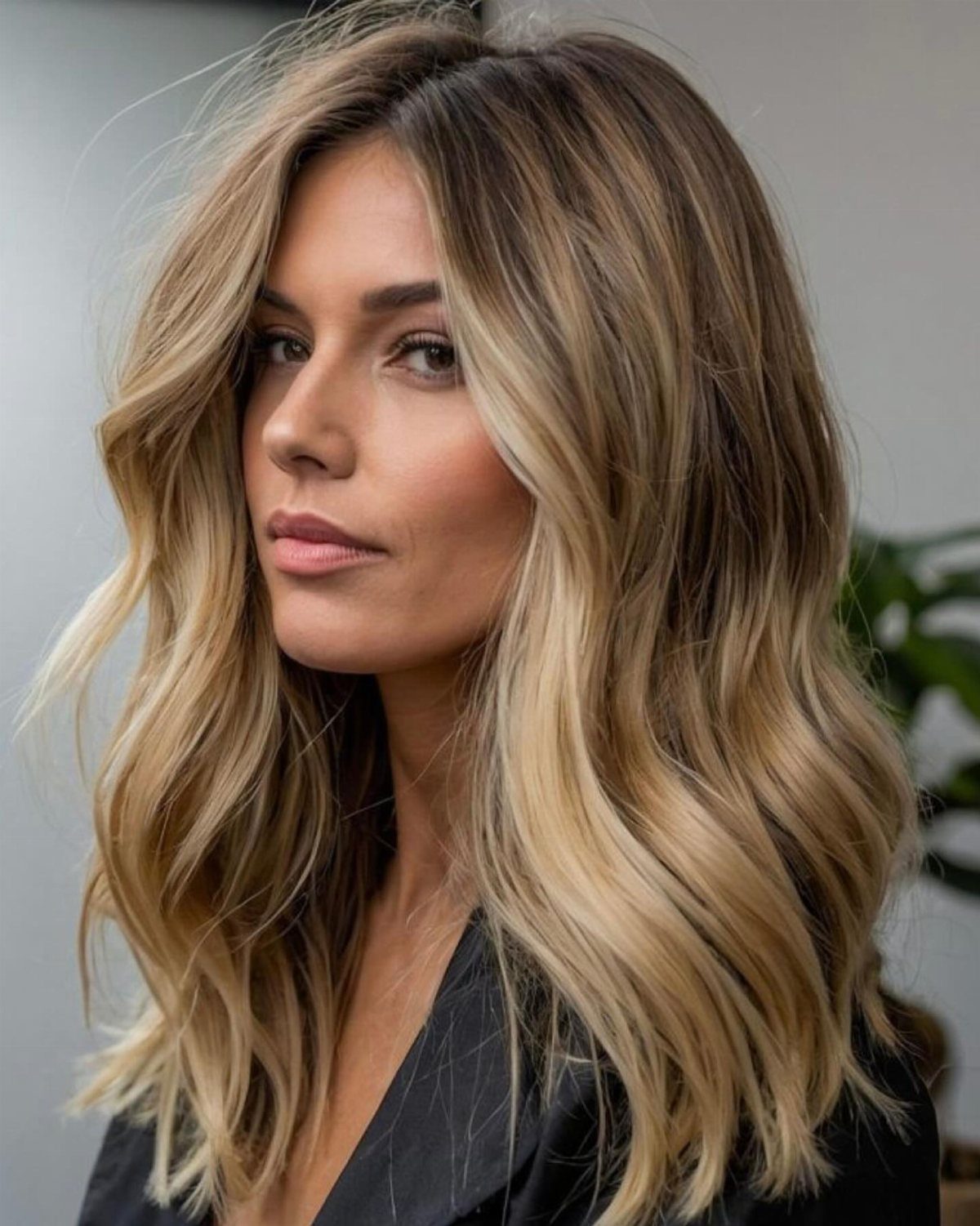
Loose, uneven bends are what make beach waves look relaxed instead of set. They add texture and movement while the length stays easy to see, which is why I would pick them over a tight curl at this length.
Blonde balayage shows them off well, since the lighter pieces catch each wave. Good on a day when you want hair that looks styled but not fussed over.
2. Curly Wig
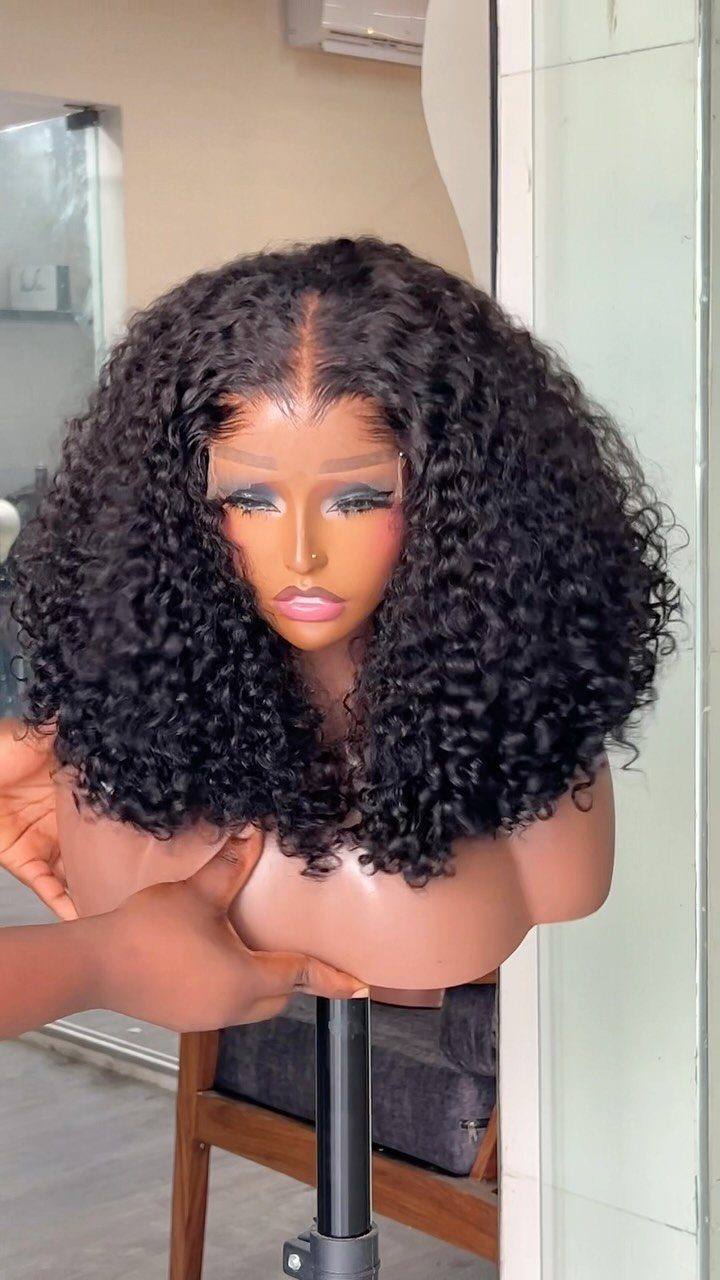
A wig gives you fuller, more playful curls than many people get from their own hair, and you can put them on in a minute.
This one is a voluminous black curl with a center part, which keeps the shape balanced on both sides of the face.
Check the length listing before you buy. Curls pull up shorter than the stated measure, so a 16 inch label can land higher than you expect.
3. Braided Waves
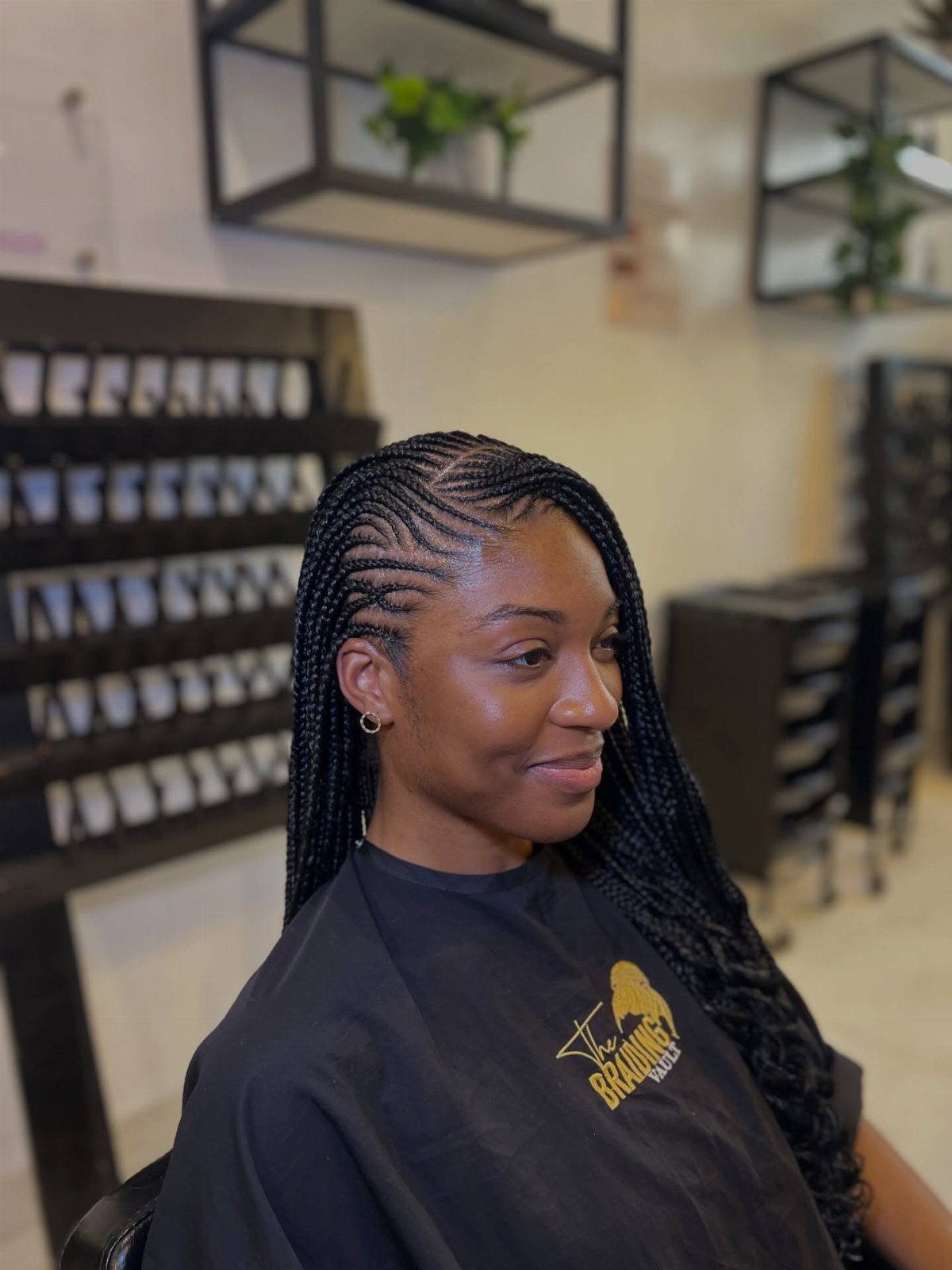
Braids at the scalp, waves at the ends: that pairing is what separates this from plain box braids. The braids give structure on top, and the loose waves at the tips add movement where a braid would otherwise end bluntly.
I like it in black, where the wave pattern reads clearly against the straight braid length. It suits anyone who wants a braided style that still feels soft.
4. Bouncy Braided Curls
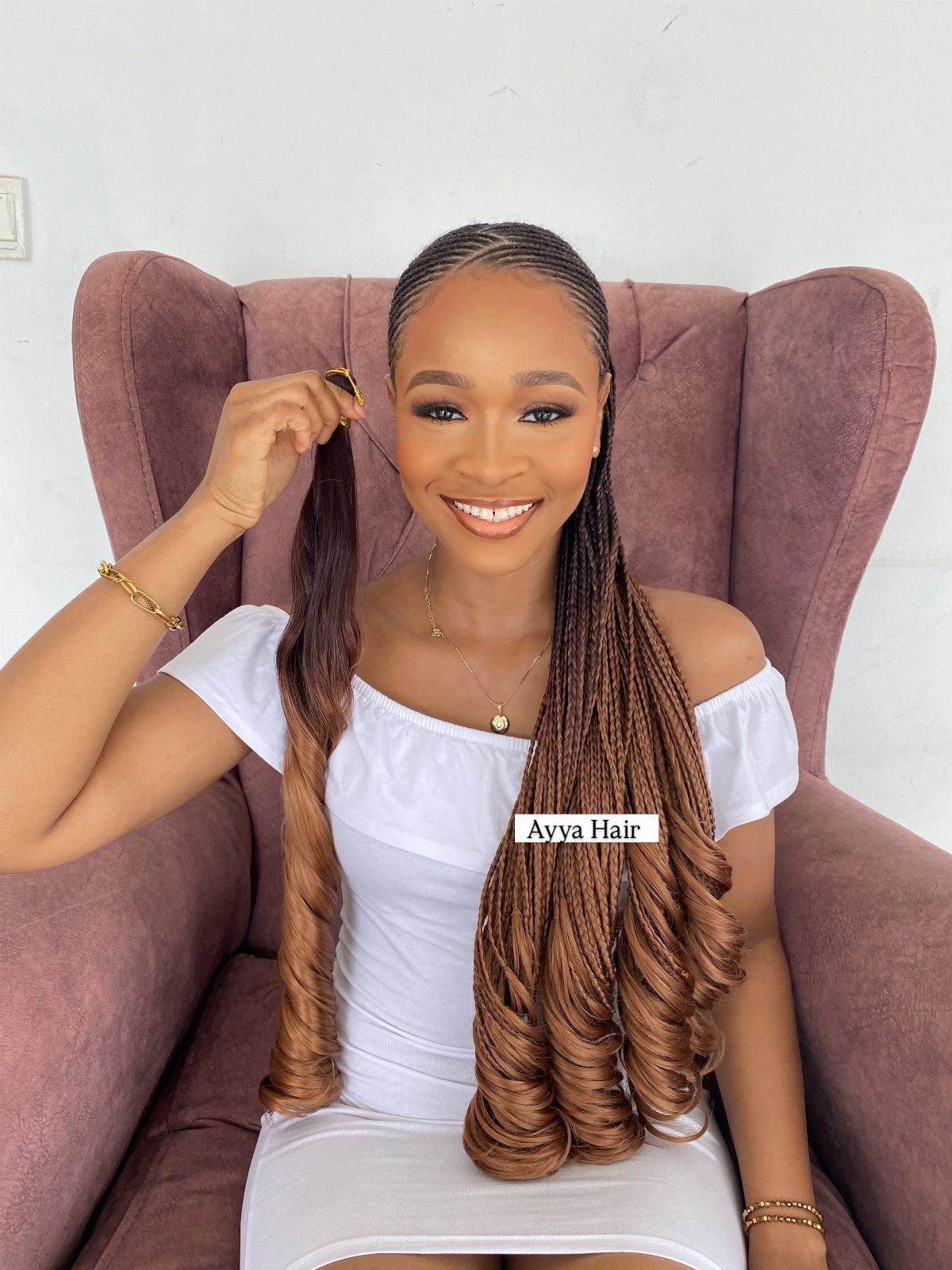
Cornrows laid into a braided crown, then released into long curls, give you a style with a clear top and a soft bottom.
The cascading curls come from added hair, so the length and fullness are your choice rather than whatever your own hair allows.
Pick curl hair that matches your color and has a close pattern to the braid base. A mismatch shows most where the cornrows meet the curls.
5. Straight Wig
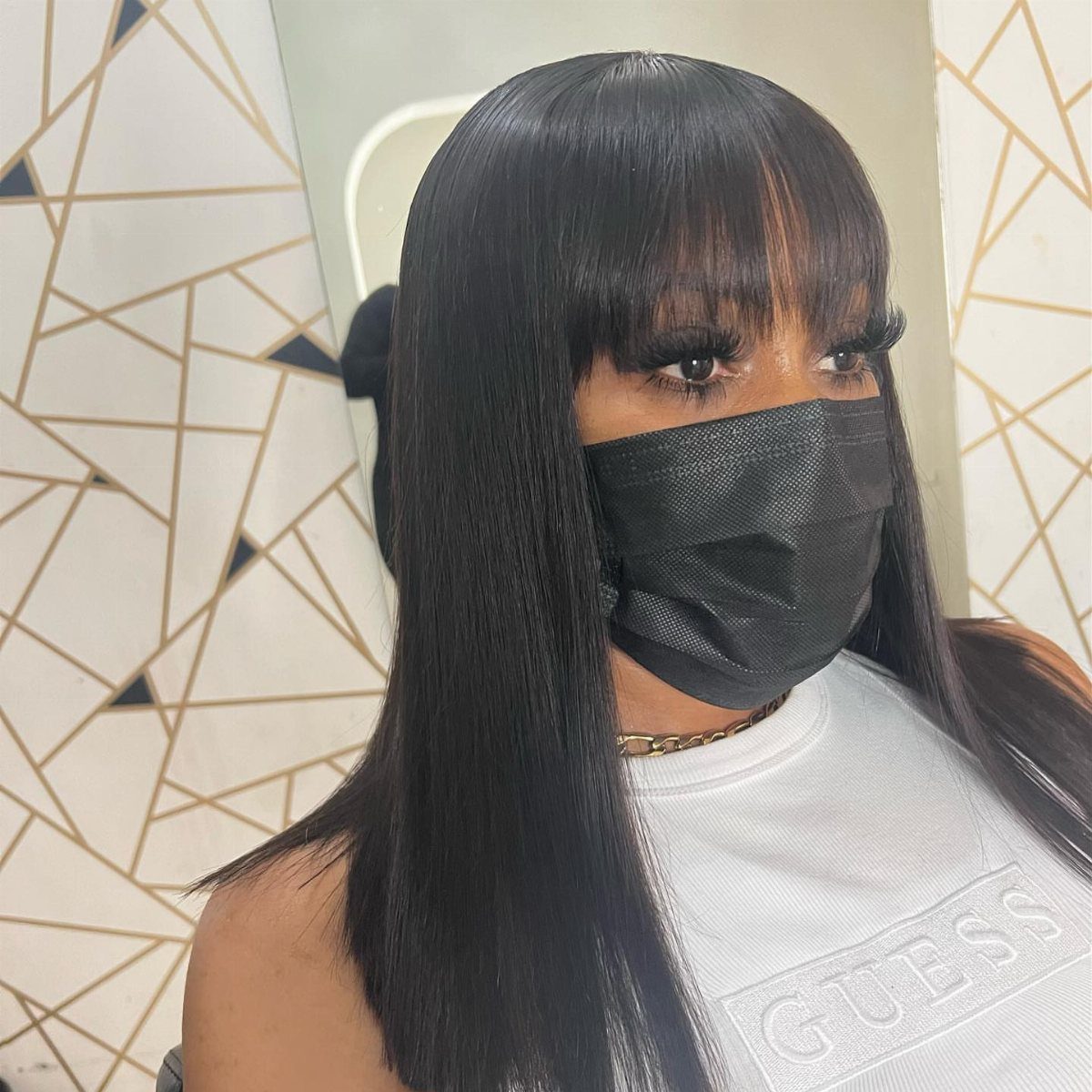
Blunt bangs on a long, straight wig make a strong frame, and the sleek finish suits a polished day.
Straight wigs also take a gentle tousle well: run your fingers through the lengths and the line loosens without losing its shape.
Try the bangs before the wig leaves the house. Trimming them is easy.
6. Sleek Ponytail
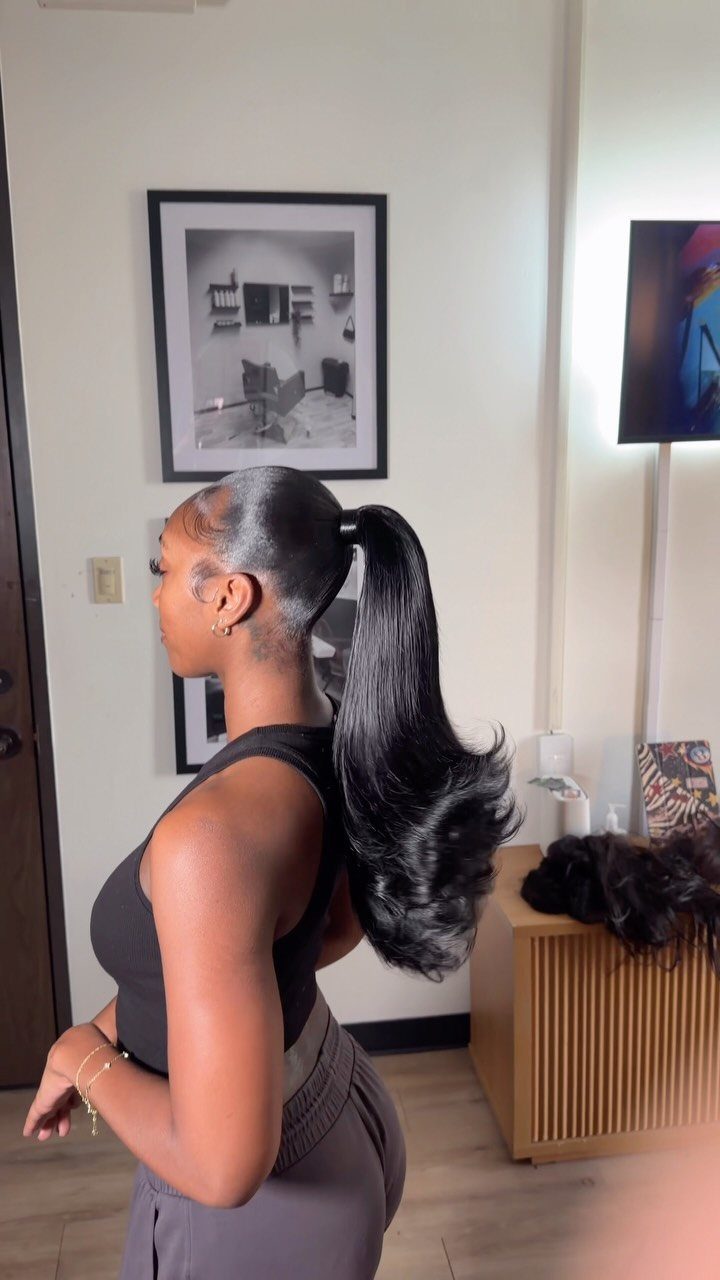
Pulled back smooth, a ponytail looks neat and finished in about as much time as it takes to brush your hair.
Curling just the ends, as in this version, softens the line where the tail stops. I would keep the crown flat and let the curl do the only decorating.
7. Low Chignon
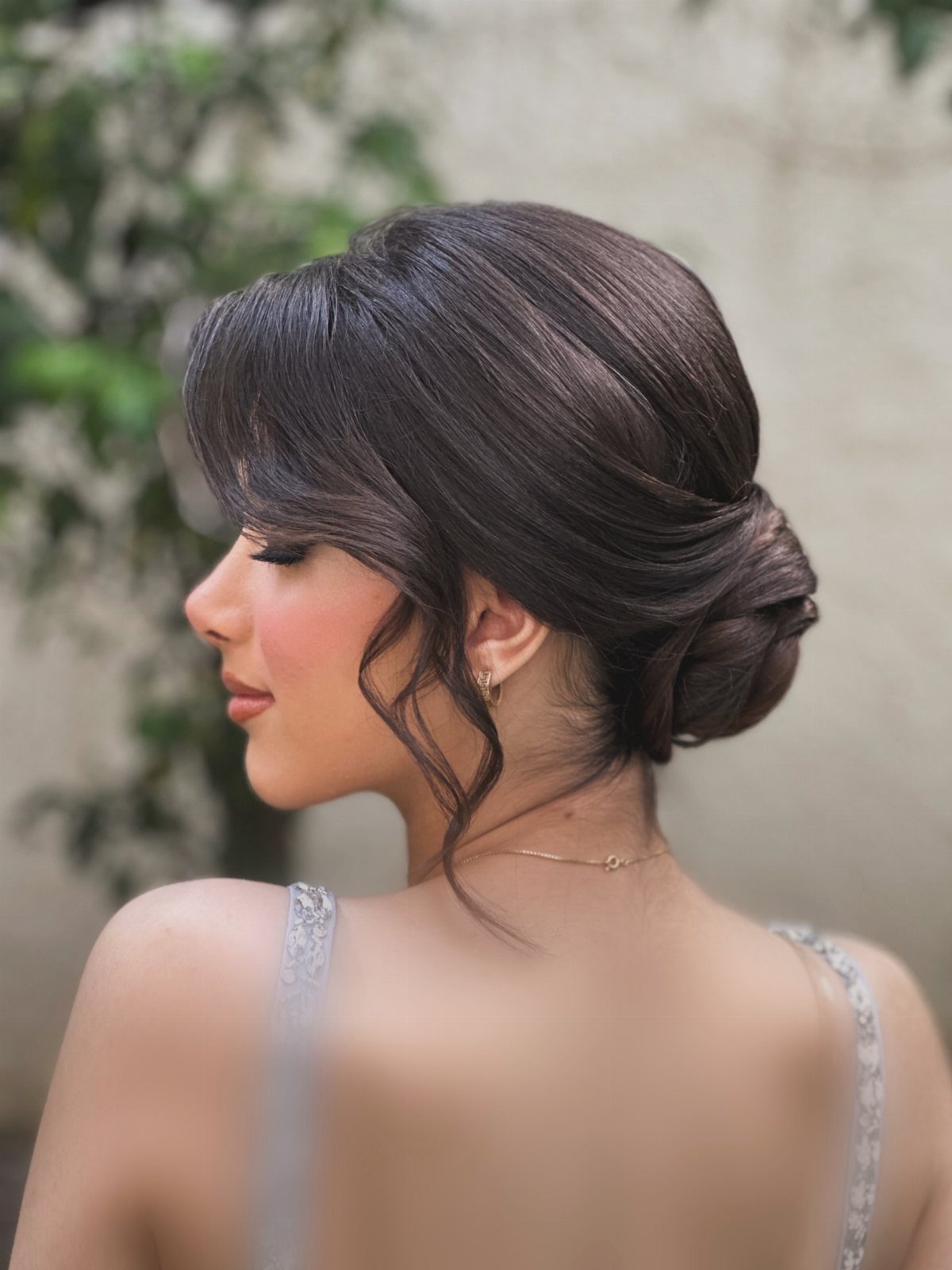
A low chignon twists the hair into a neat knot at the nape, and a few loose tendrils keep it from looking stiff.
At 16 inches there is enough length to wrap the twist once and tuck it, so the knot sits compact instead of bulky.
I would pull out the tendrils last, once the pins are in, so you can judge how much to leave. 2 thin pieces near the face are plenty.
8. Sleek Blowout
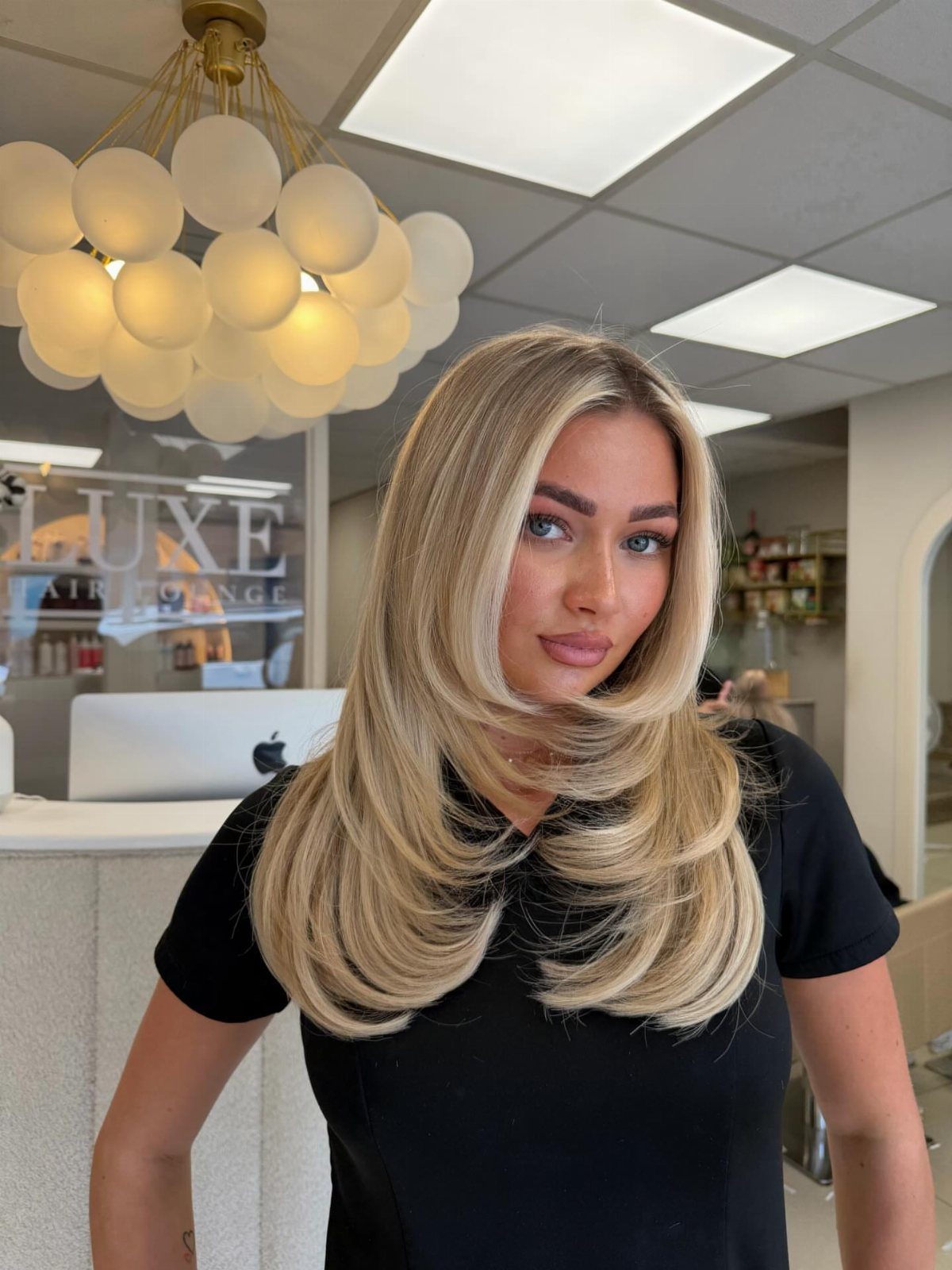
Smooth through the roots and curled under at the ends: that is the blowout I would ask for at this length. The layers give the hair bounce, and the curve at the tips keeps the finish soft rather than flat.
Blonde shows the shine well, but the shape works on any color. Ask your stylist for the curled-under finish by name, and bring a photo of the layers so the cut and the styling match.
9. Straight Layered Hair
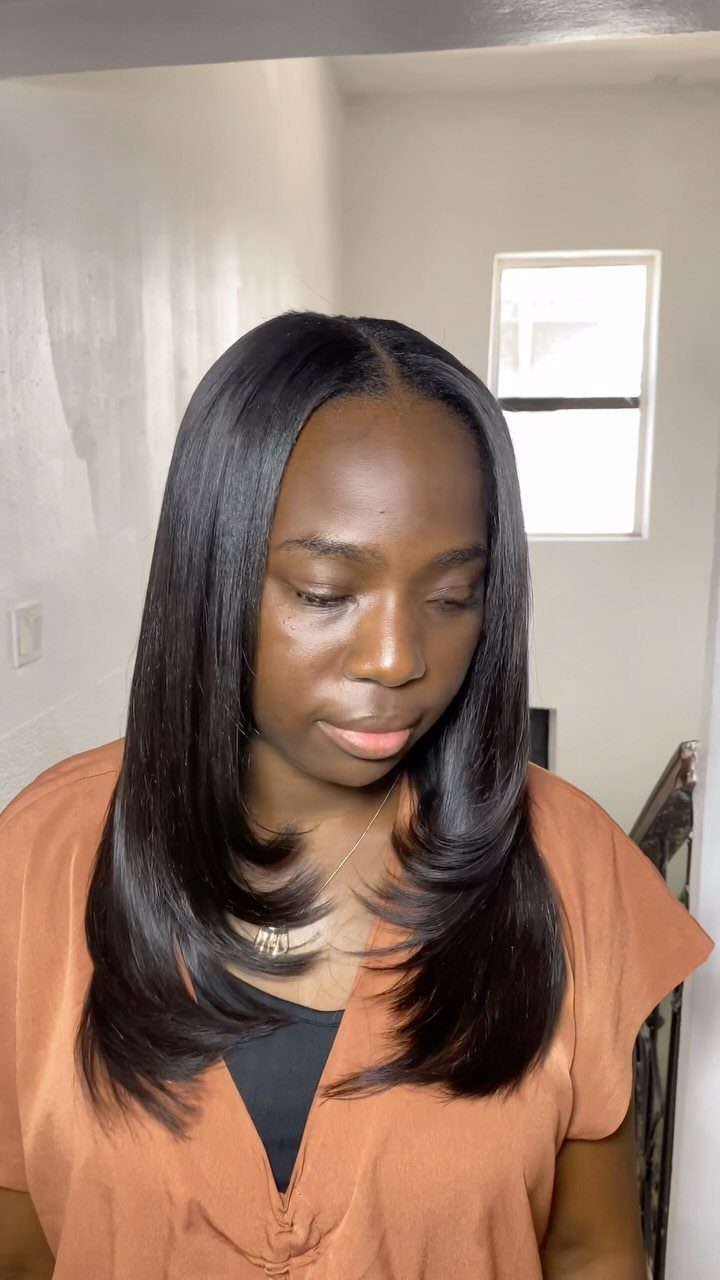
Glossy, straight hair with layers around the face gives you a polished line without losing movement. The curved ends are what keep it from looking blunt; they turn in slightly and let the layers settle into place.
I like this most on dark hair, where the shine reads clearly. A flat iron with a quick pass over the ends is usually enough for the curve, and it takes only a few minutes in the morning.
10. Wavy Wig
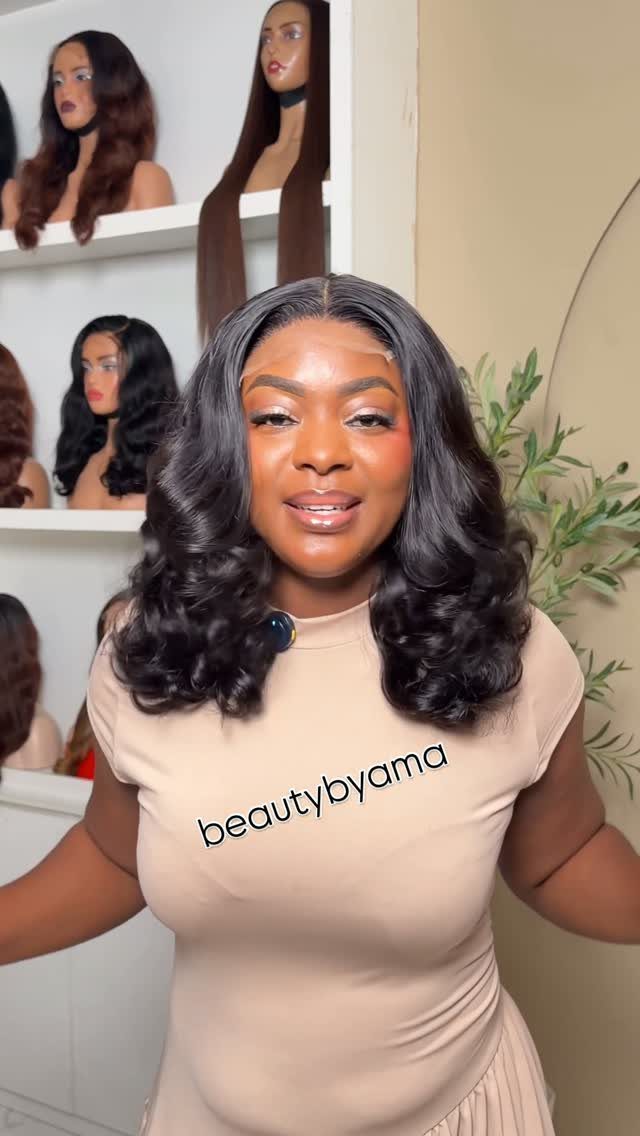
Shoulder-length waves in a wig pull off a trick that is hard to do with your own hair: relaxed texture with a finish that still looks dressed up.
The waves are loose enough to feel casual, yet even enough to look elegant with a simple dress.
Pick a wavy wig over a curly one if you want the length to read clearly. Waves pull up less than tight curls, so the label is a closer guide to where it will actually fall.
11. Messy Bun
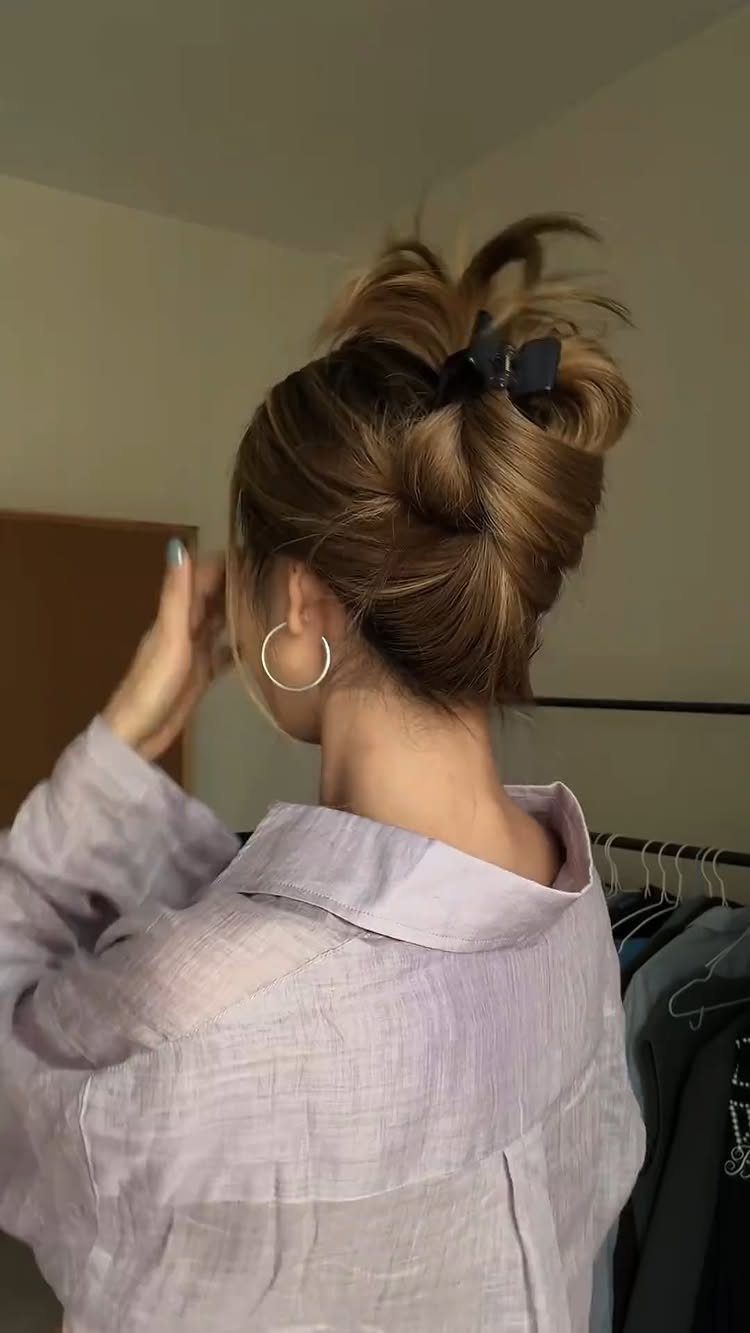
Gathered high and held with a dark clip, this messy bun keeps its fullness because the hair is left loose instead of wound tight.
The clip does the work of a pin and an elastic together, which makes it the fastest way I know to finish the look.
Twist the hair once, fold it up, and clip it where it sits best.
Pull a few pieces loose at the nape if it looks too tidy. Practical for busy mornings, and still polished enough to go out in.
12. Half-Up Bun
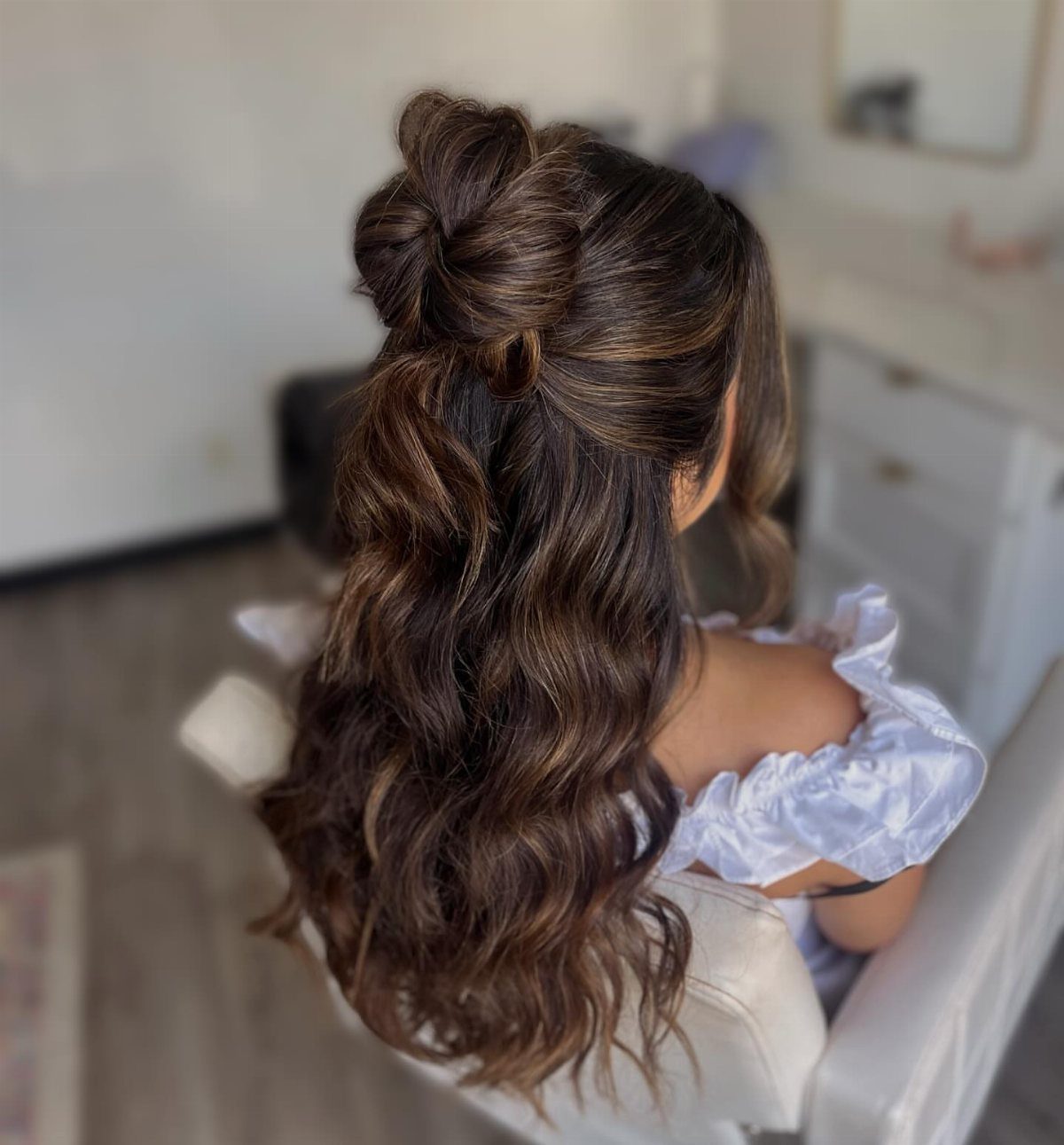
Pulling the top section into a bun at the crown, while the rest hangs down the back, gives you an updo and loose hair in one look.
With long waves left flowing, the bun adds height and the lengths below keep the softness.
Gather only the upper section so plenty of hair stays down.
Keep the bun a little loose so it sits round on top. This is a good pick when you want your hair off your face but do not want to commit to a full updo.
13. Side Braid
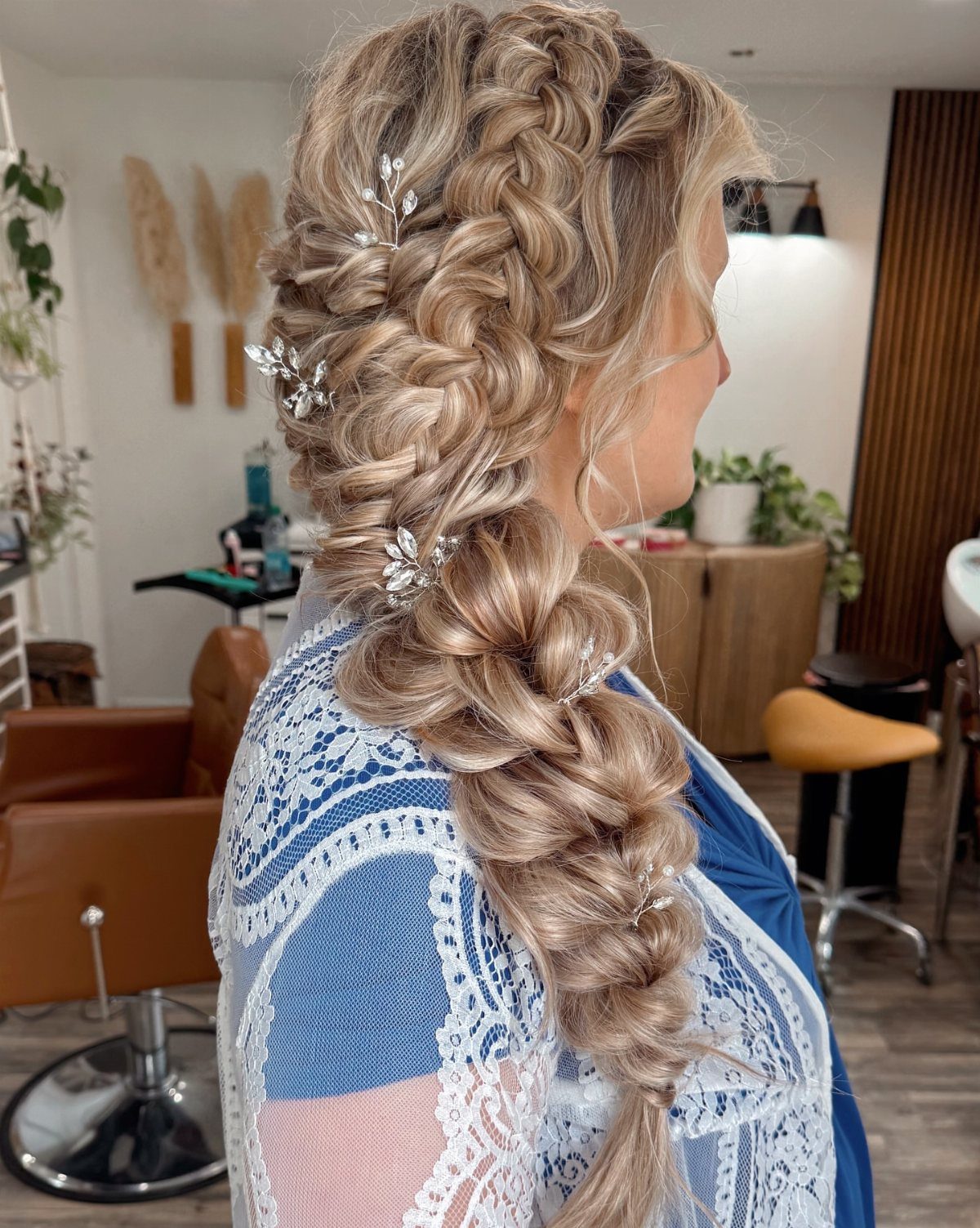
Pulling all your hair to one side and braiding it there gets the whole style off your neck and gives you something to do with a braid that’s longer than the usual three-strand down the back.
The side position lets you see the braid without a mirror, which makes it easier to pin flowers or clips exactly where you want them.
At 16 inches you have enough length to cross the braid over one shoulder and let it sit in front, or pin it loosely so it drapes along your collarbone. Looser tension gives more width, tighter keeps it compact.
14. Layered Curly Cut
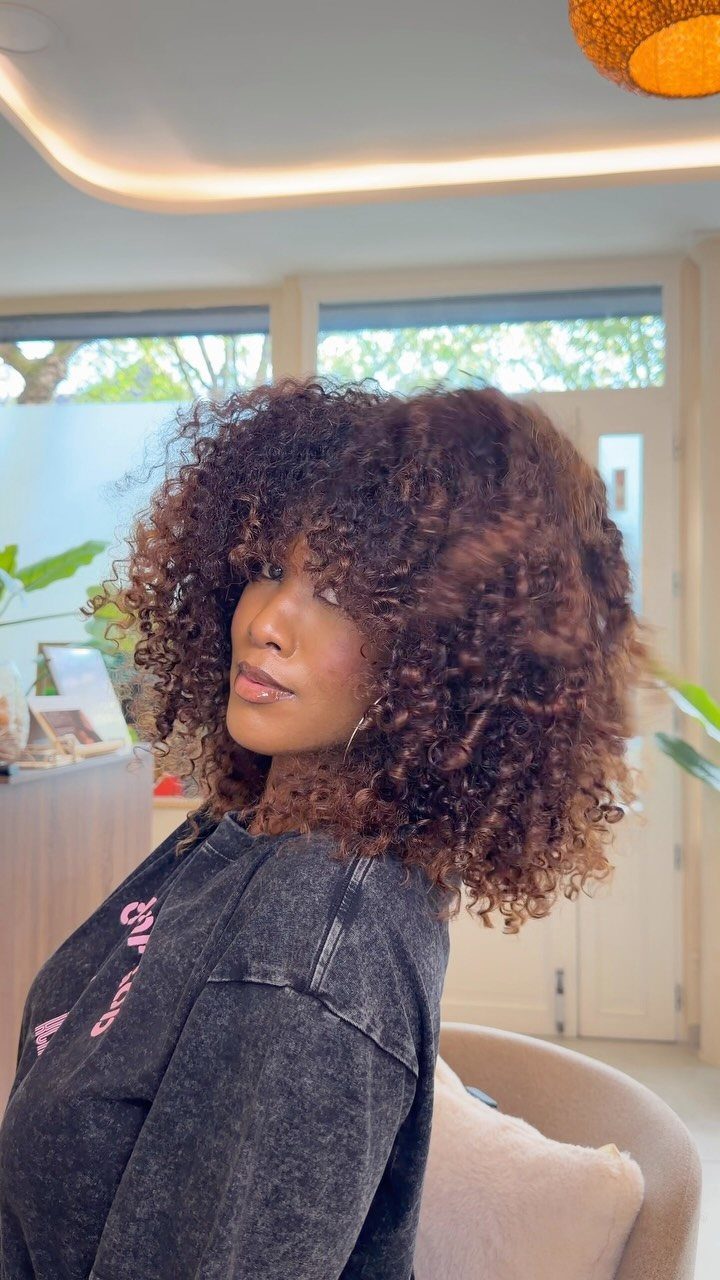
Layers cut into curly hair remove weight from the ends and let each curl spring up on its own, so the shape fans out instead of pulling down into a triangle.
The shortest pieces frame your face, the longest hit your shoulders, and everything in between fills the space.
At 16 inches the length gives you coverage without the bulk that makes longer curly cuts feel heavy by the afternoon.
Layers work best when your stylist cuts them dry so they can see where each curl naturally falls. The cut grows out over 8 to 10 weeks before you lose the shape.
15. Voluminous Curly Hair
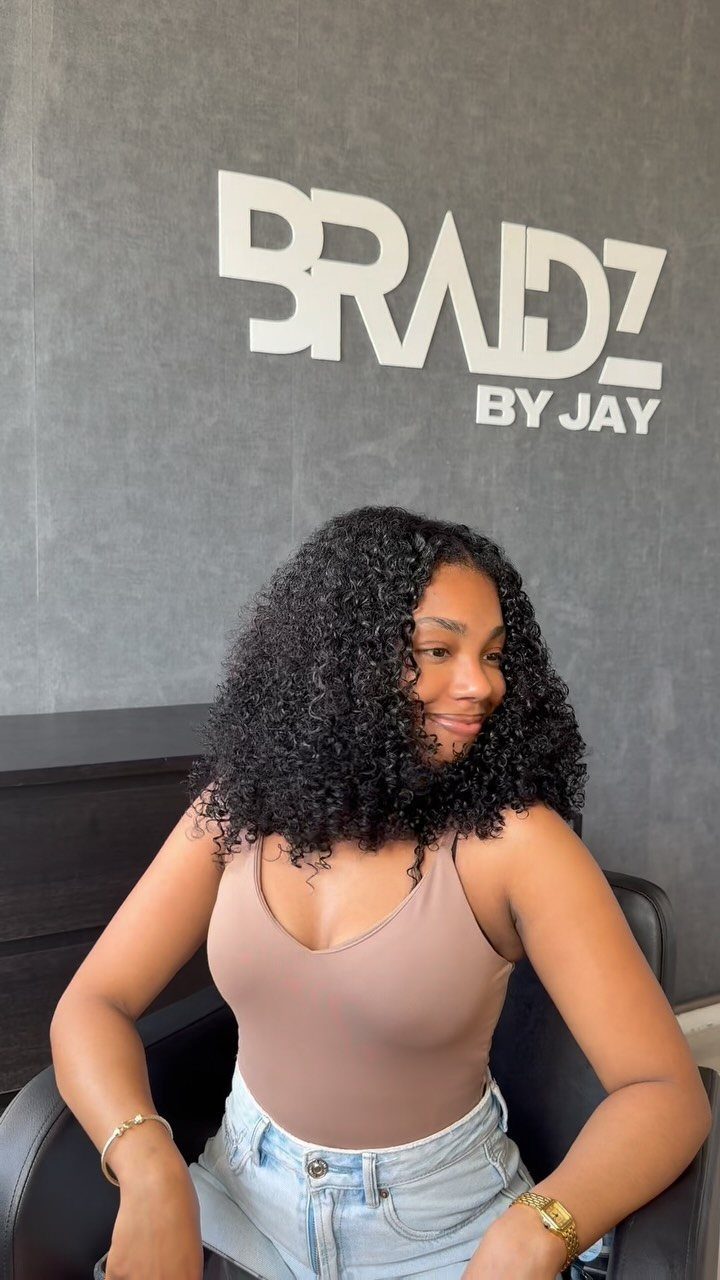
Tight curls worn full and loose add serious width at this length, and the volume comes from the curl pattern itself rather than teasing or product.
At 16 inches the curls stop just past your shoulders, which keeps the shape round instead of long.
Diffusing after styling locks the curl without flattening it, and a pick lifts the roots if you want more height at the crown.
The style holds for 2 to 3 days if you wrap it at night, longer if you refresh with water and a little gel in the morning.
How Length Appears by Texture
Texture changes where 16 inches lands. Wavy hair reads 1–2 inches shorter, and curly hair reads 2–4 inches shorter, often ending near the shoulders.
Shrinkage is just the strands coiling. Curls cheat the ruler: a strand that measures 16 inches when stretched will hang noticeably shorter once it springs back.
For curly hair that should still reach the shoulder blades, order a longer length than the straight-hair number.
I would go to 18 inches for loose curl or body wave, and 20 inches for tight or kinky curl. A curly 16-inch set tends to sit around a shoulder-length lob, which leaves little length for braids or updos.
Height and body proportions shift the placement too, so the same 16 inches sits a little differently on each person.
Measuring Hair Length
Curls and waves measure shorter if you leave them coiled, so stretch the strand first.
With extensions, begin measuring where the weft or bond attaches, not at the scalp. That is where the usable length begins.
Wigs need a different starting point. Skip the front hairline and measure from the crown instead, since the front sits at a different spot than the length the label describes.
Measure before you buy. Since 16 inches falls between 14 inches (collarbone) and 18 inches (mid-back), measuring even an inch or two off can land you in a different length altogether.
Frequently Asked Questions
Is 16 inches of hair considered long?
It counts as medium to medium-long, so it’s neither short nor a lot of length.
On straight hair it sits between the collarbone (14 inches) and mid-back (18 inches), which clears the shoulders. Curls and waves pull it up higher, so a curly 16 inches can end near the shoulders.
How long is a 16-inch wig in real life?
A straight 16-inch wig lands between the collarbone and mid-back, but your frame moves that spot.
Body proportions shift the landing spot: a petite frame carries 16 inches lower down the back, while a tall person or a long torso pushes the same length higher.
Because curls spring up and shrink, I’d size up for a wig that should reach the shoulder blades: 18 inches for a loose curl, 20 for a tight one.
What hairstyles are best for 16 inch hair?
Beach waves, a messy bun and a half-up bun are my top picks, with a low chignon close behind.
Loose waves let the length show, a messy bun comes together fast, and a half-up bun keeps hair off your face without a full updo.
How do you measure 16 inches of hair?
Stretch the strand first, since curls and waves measure shorter when they stay coiled. For a wig, measure from the crown instead of the front hairline.