The looks here run from a claw clip that goes in within seconds to cornrows swept back into an updo, which takes a braider, and the length of your ends decides where you land.
Ends long enough to reach a pin can handle a French twist or a smooth low updo. Ends that slip out do better with curls, braids or a clip, where a stray piece reads as part of the look.
1. Twisted Pinned Curls
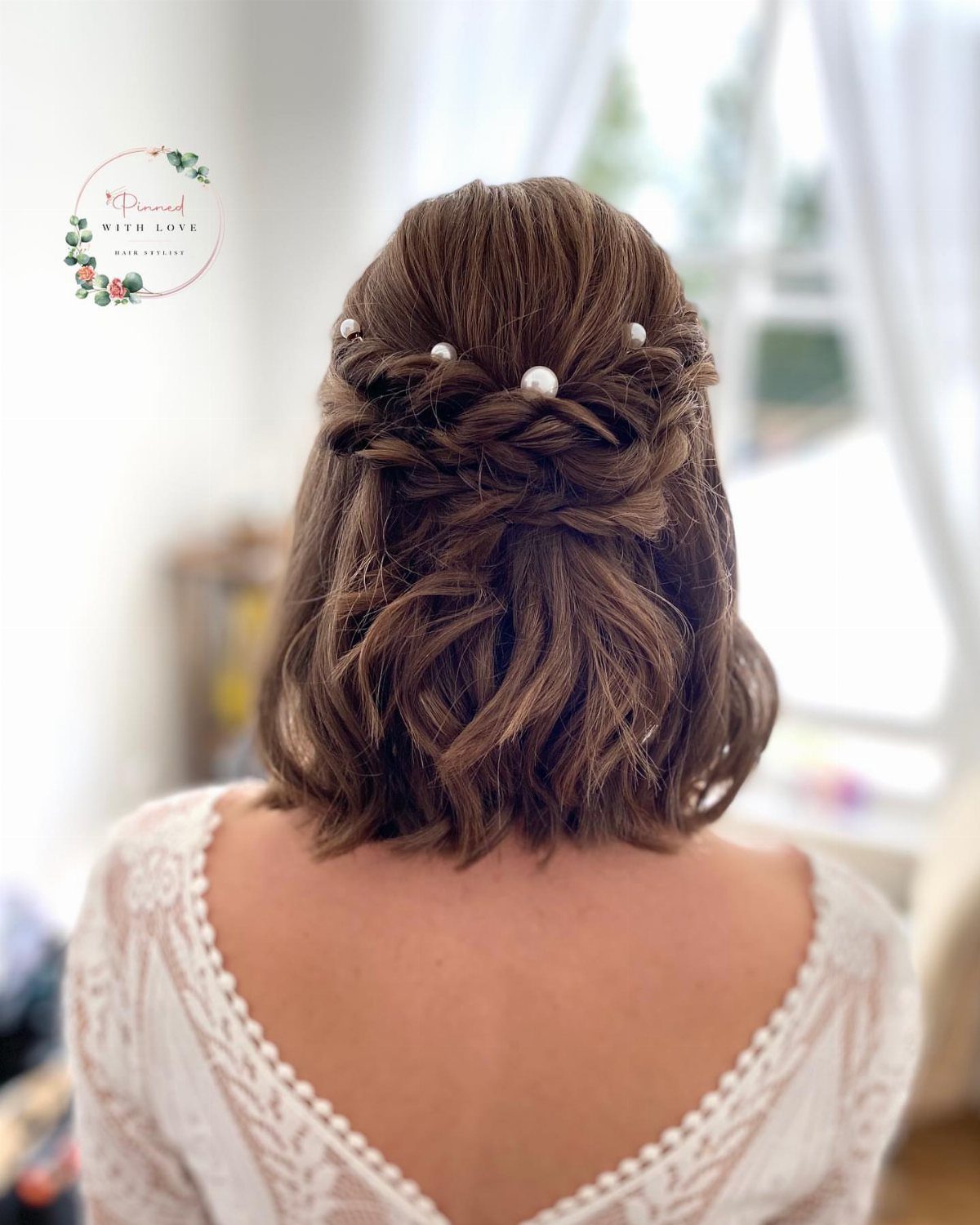
Pearls pinned into twisted curls give short hair a dressed-up shape without forcing it into a bun.
Each curl is rolled into a loose twist and anchored flat or slightly raised, so the texture stays visible instead of disappearing into one knob.
I like this for weddings and dinners where a plain bun would feel too serious. Pins do the work, so choose ones that match your hair color and add the decorative pearls last, once the shape holds.
Twisting curls one at a time takes patience, though it needs no special skill.
2. French Twist
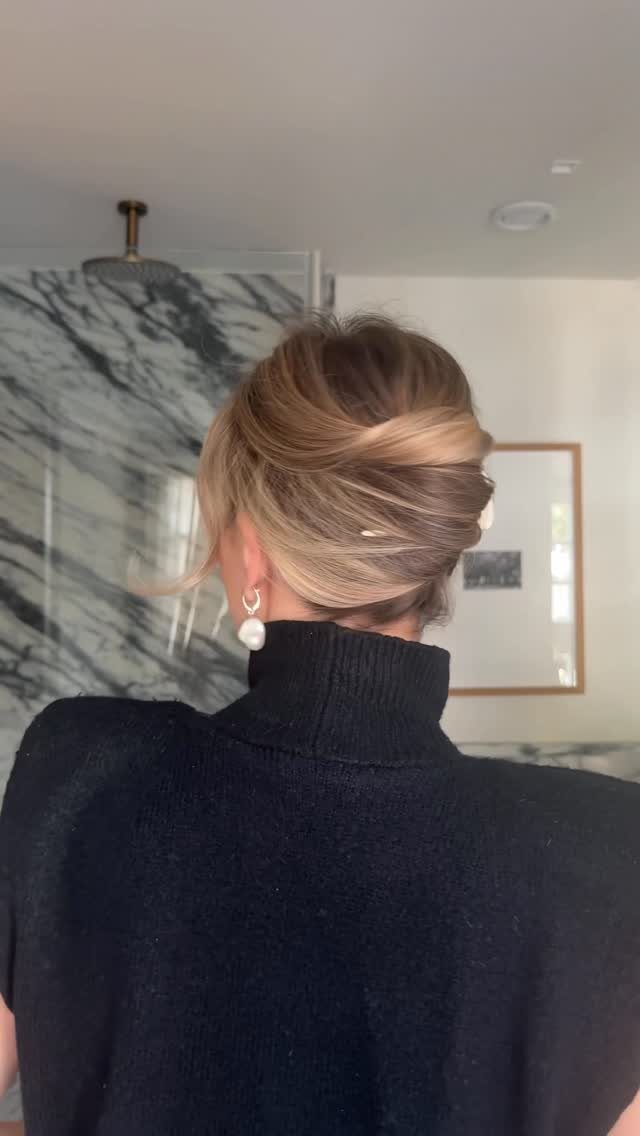
A French twist rolls the hair upward and tucks it along the back of the head in one smooth line. A French twist is the most formal short-hair updo, and smoothness is the whole look.
On short hair, the hard part is length: ends that sit too low slip out of the roll.
Brush everything back first, twist, then secure the seam with pins before you check the sides. A light-hold spray helps flyaways lie flat.
Ask for it by name at a salon, since stylists know it well.
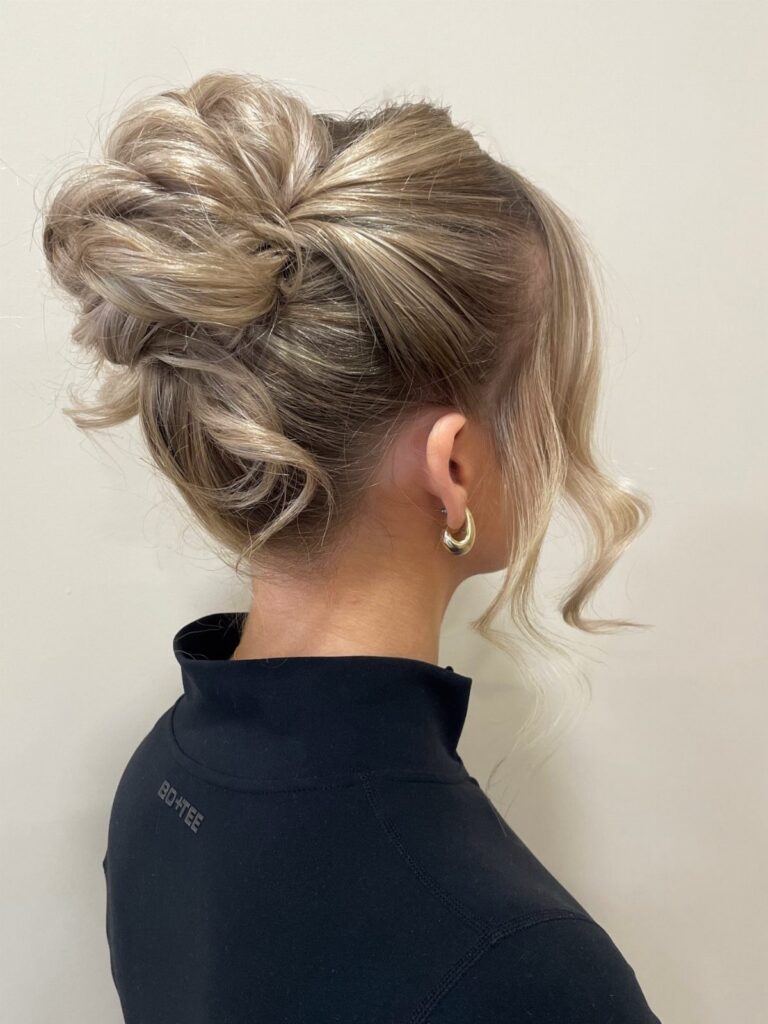
3. Messy Updo
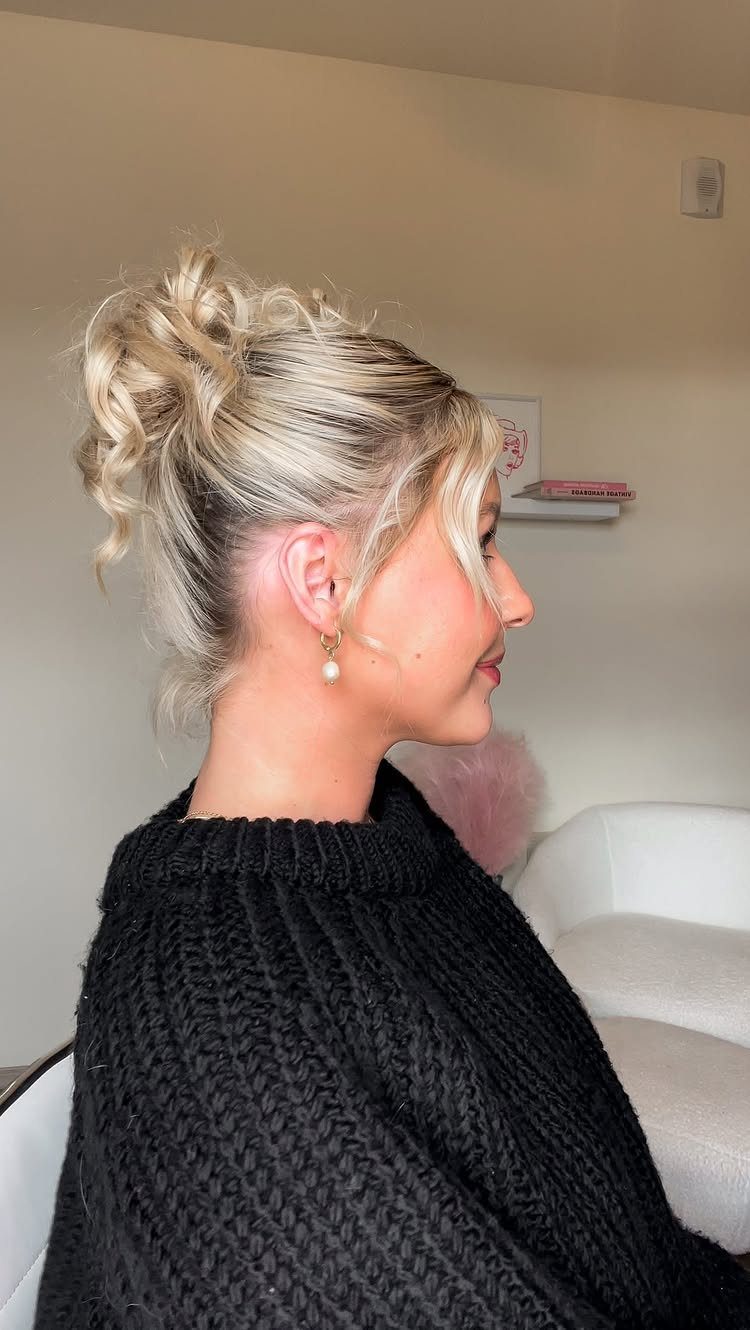
Undone is the point: a messy updo leaves face-framing strands loose and lets curls fall where they land. That makes it forgiving for short hair, because stray pieces read as intentional.
Pin the base quickly, without brushing it smooth, then tug a few strands free around the face. A curling iron on those loose pieces adds the soft bend that keeps it from looking accidental.
Of the casual looks, I reach for this one when I have no patience for precision.
4. Curly Bun
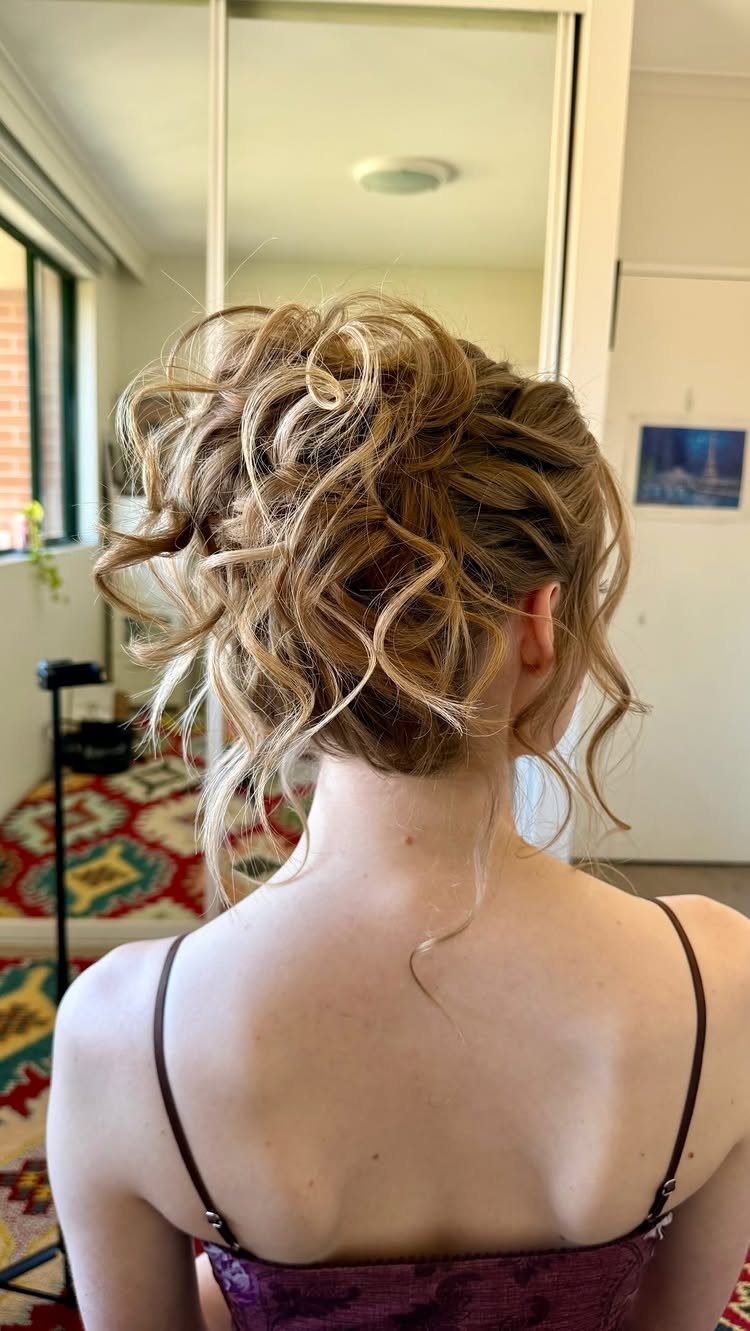
Short curls make a bun that is more cloud than coil. Gather the curls at the back, twist them loosely and pin, leaving the ends soft rather than slicked down.
A teased crown adds height.
Backcomb a small section at the top before you gather, then smooth only the surface layer over it. Skip heavy gel, because stiff curls pin badly and lose their bounce.
I prefer a lower, looser placement for everyday wear; it feels easier than a tight high bun and tolerates a few escaped curls.
5. Wavy Curly Updo
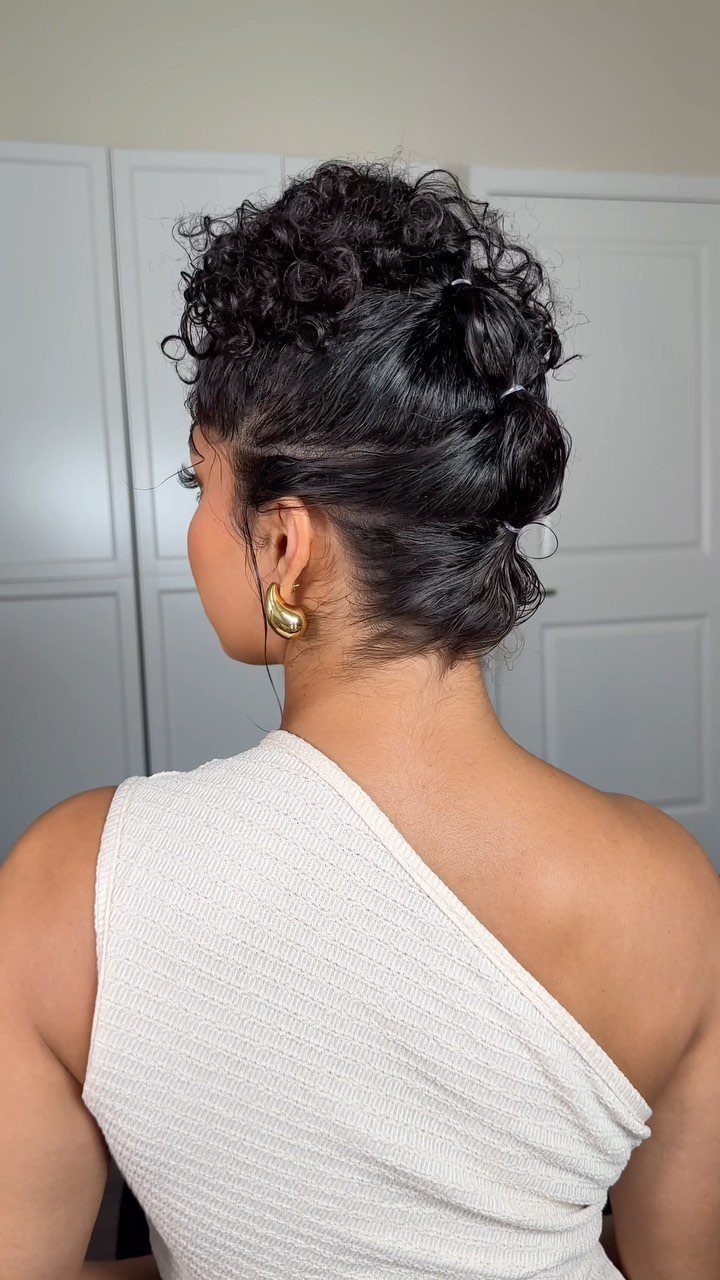
Texture does the styling in a wavy curly updo: the curls or waves are pinned up, not smoothed out. Keep the hair as it naturally falls, lift it toward the crown and pin in layers so the curl pattern shows.
Pinning high gives short hair volume and exposes the neck. Use pins that blend with your color, since the curls are meant to cover them.
If your curls are loose, a bit of curl cream before pinning keeps them defined instead of fluffy.
6. Messy Top Knot
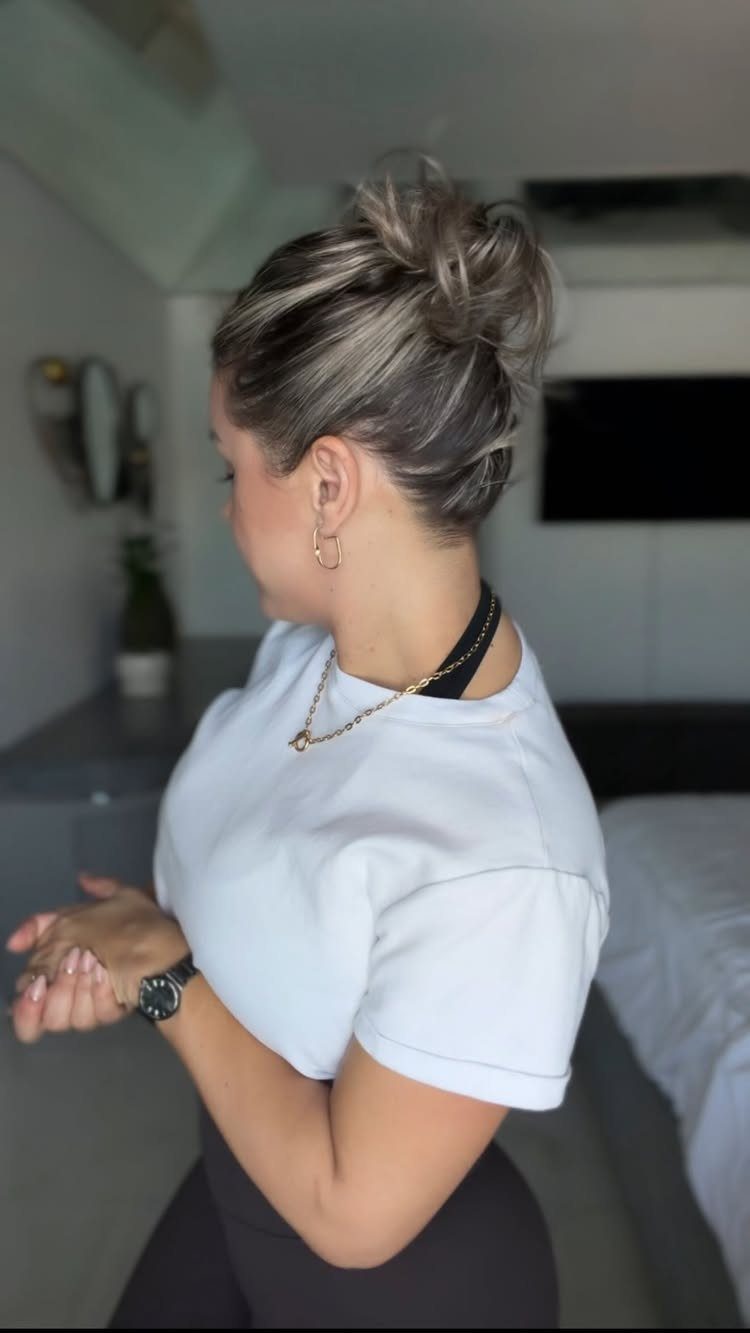
Short hair can still make a top knot; it just takes a looser hand. Gather everything high on the crown, twist once and wrap it into a small bun, then pull a few pieces out so it looks relaxed.
An elastic holds it best, with a pin or two for shorter layers that won’t stay in. I like it for errands and workouts, since it needs no mirror.
Expect some ends to stick out. That is the style, not a mistake.
7. Twisted Updo
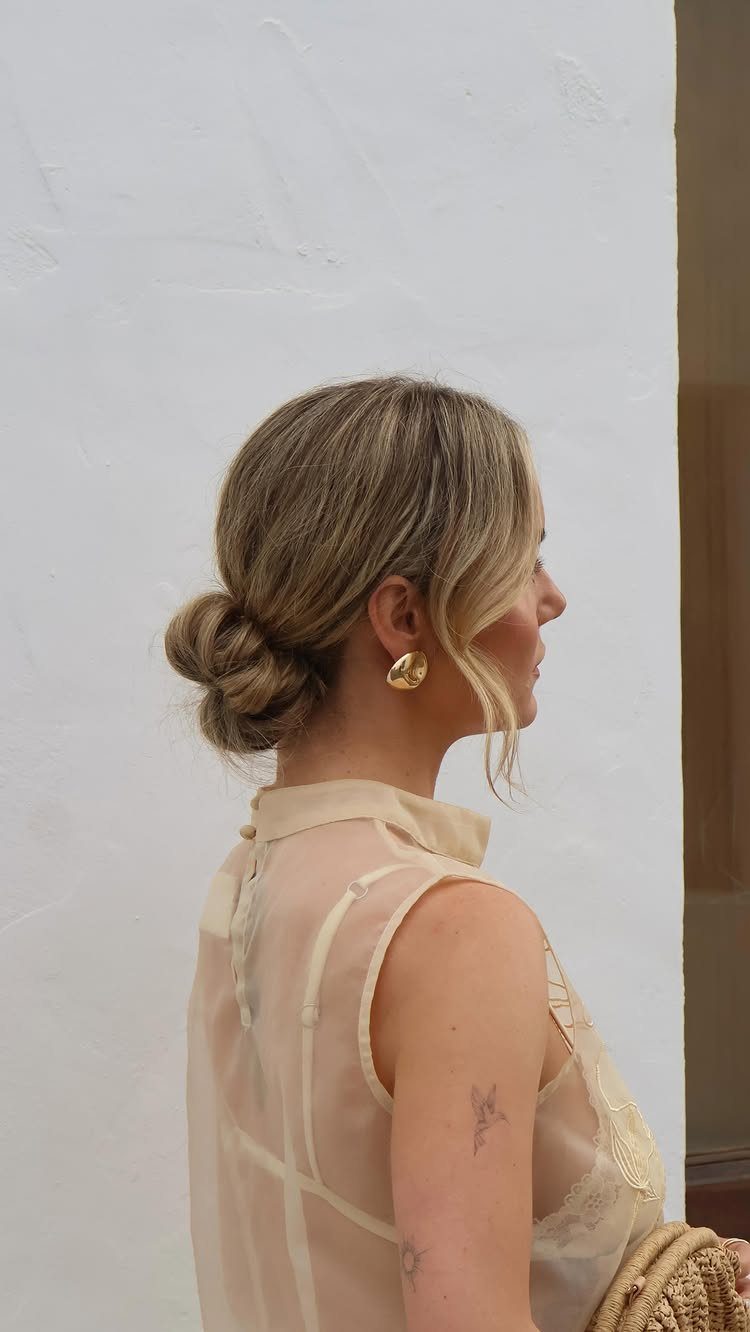
Two or three twists laid against each other make a low bun look planned instead of just gathered. Twist sections back toward the nape, cross them and pin the ends underneath so the coils stay visible.
Leave a couple of strands loose at the face.
They soften the shape and cover short ends that won’t reach the pins. For short hair, I like this as the casual option that still looks dressed, and it takes only pins and some patience.
8. High Curly Updo
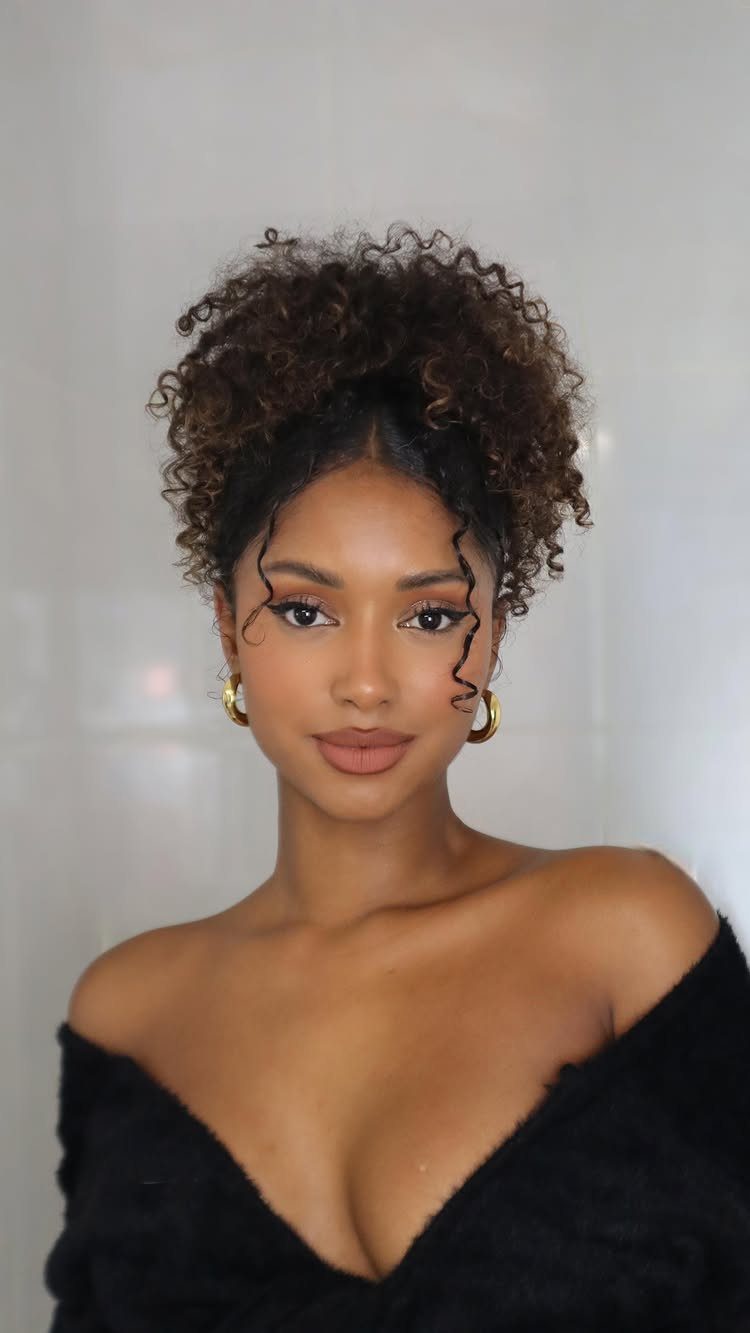
Height is the whole idea: curls pinned high, with tendrils left out around the face.
Lift the curls toward the crown in sections and pin each one where it lands, rather than gathering them into a single bun, so the volume stays full.
Short hair needs more pins than you’d expect, so pick ones that match your color and let the curls cover them.
Pull the face-framing curls loose last. This reads as formal without any slicking down.
9. Swept-Back Updo
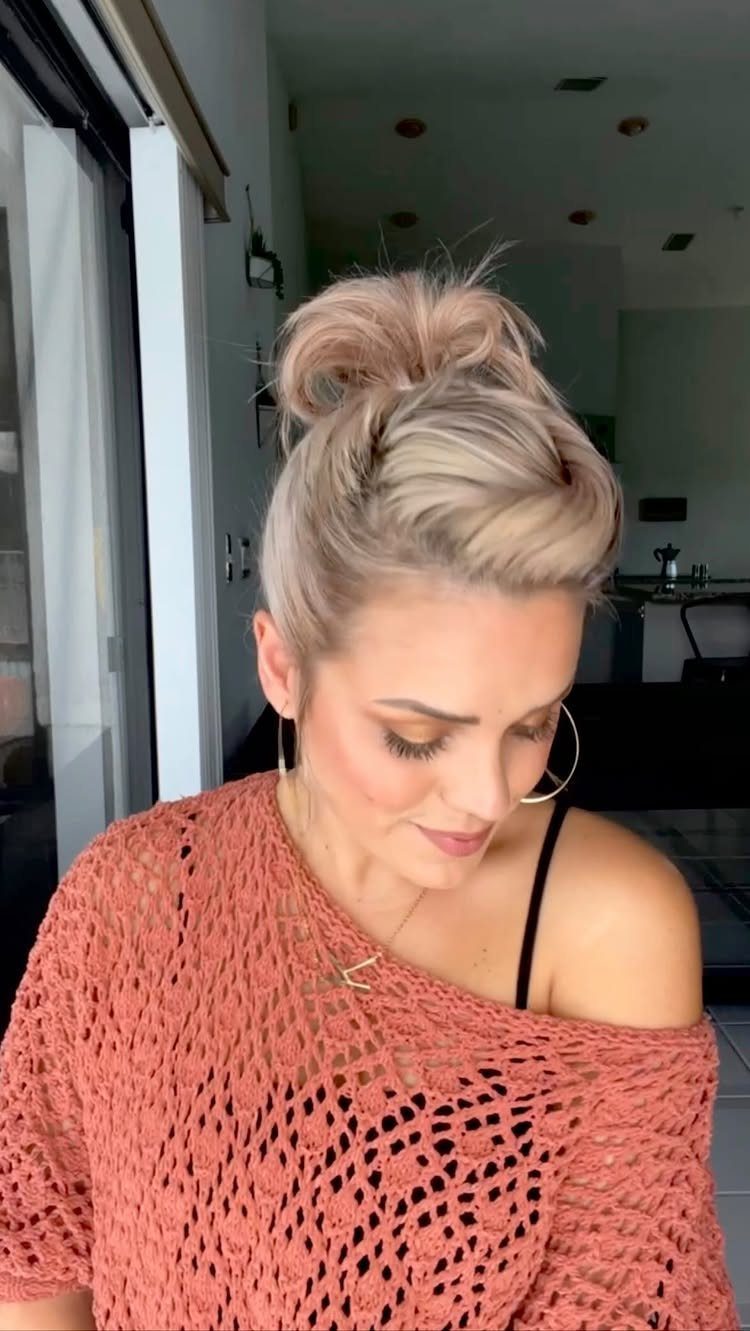
Fine, straight hair tends to go flat in an updo, and lift above the forehead is what fixes it.
Raise the hair at the hairline first, smooth the top layer over that height, then sweep everything back into a high bun.
Straight, fine strands slide out of a bun easily, so cross 2 pins in an X at the base. I’d pick this over a smooth ponytail for any evening when you want a taller shape.
10. French Braid Updo
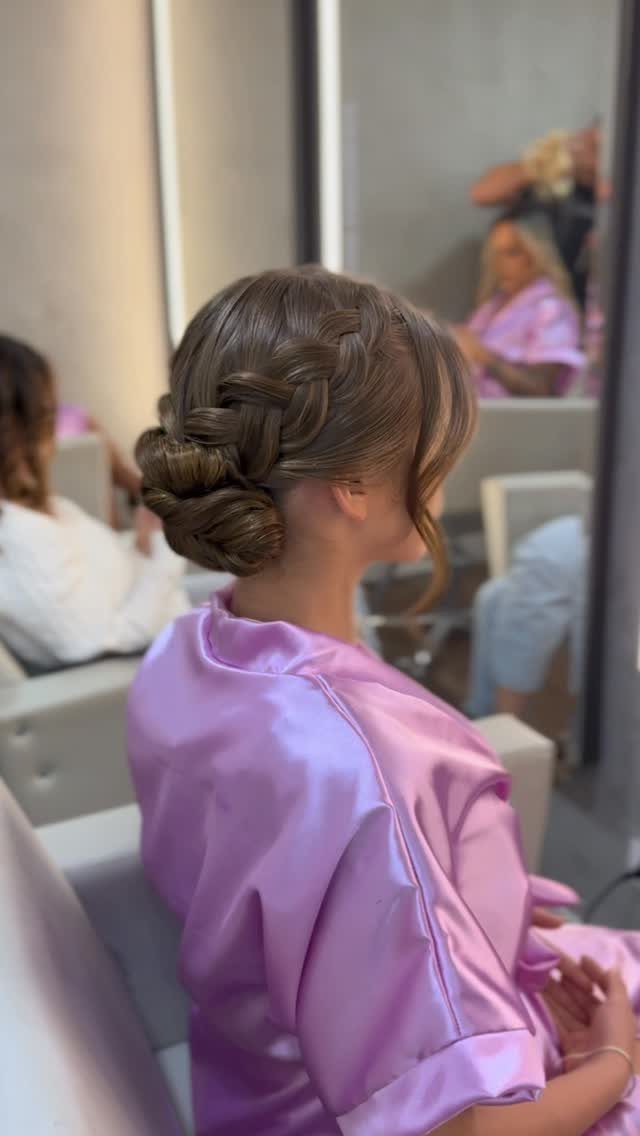
A French braid does the holding work, which suits short hair that won’t stay in an elastic.
Start at the hairline, add hair as you go, and when you run out of length, tuck the ends up and pin them under the braid.
Braiding the back of your own head is the hard part. If that’s a struggle, this is a good look to book with a stylist and ask for by name.
To get Sienna Miller’s look, start at the top center of your head and braid very close to the scalp near the hairline. Don’t forget to continuously tuck shorter pieces underneath to prevent pesky flyaways.
— TODAY
11. Loose Chignon
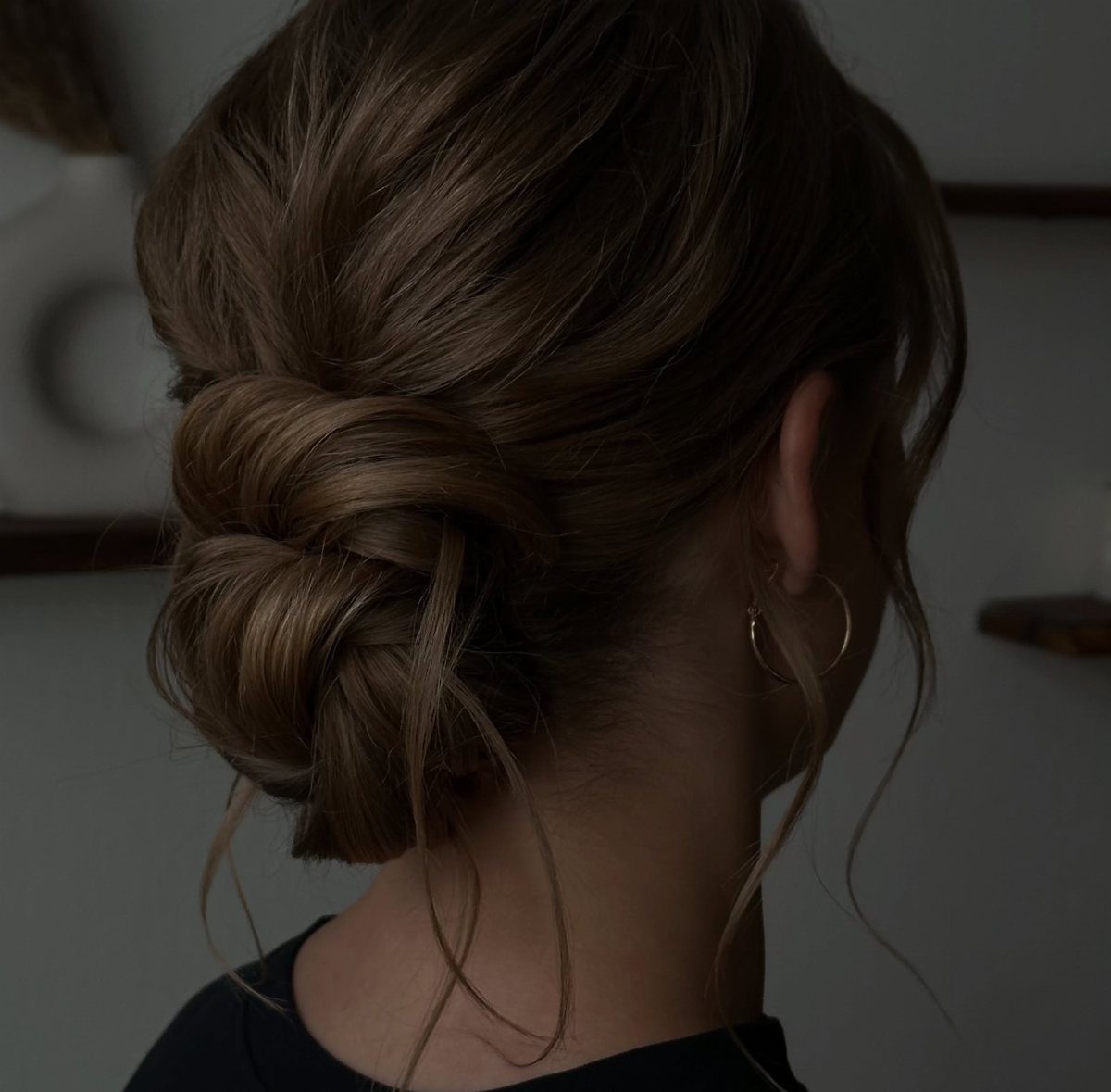
Right at the nape, short waves gather into a chignon that sits low and soft. Pull the hair into a loose low ponytail, twist it once, fold it up and pin, then tug a few tendrils free at the face.
Keep your hands light.
Pulling tight turns it into a smooth bun and loses the wave. For daily wear, I like it for the same reason I like any low bun: it sits calmly and forgives a few strays.
12. Low Textured Bun
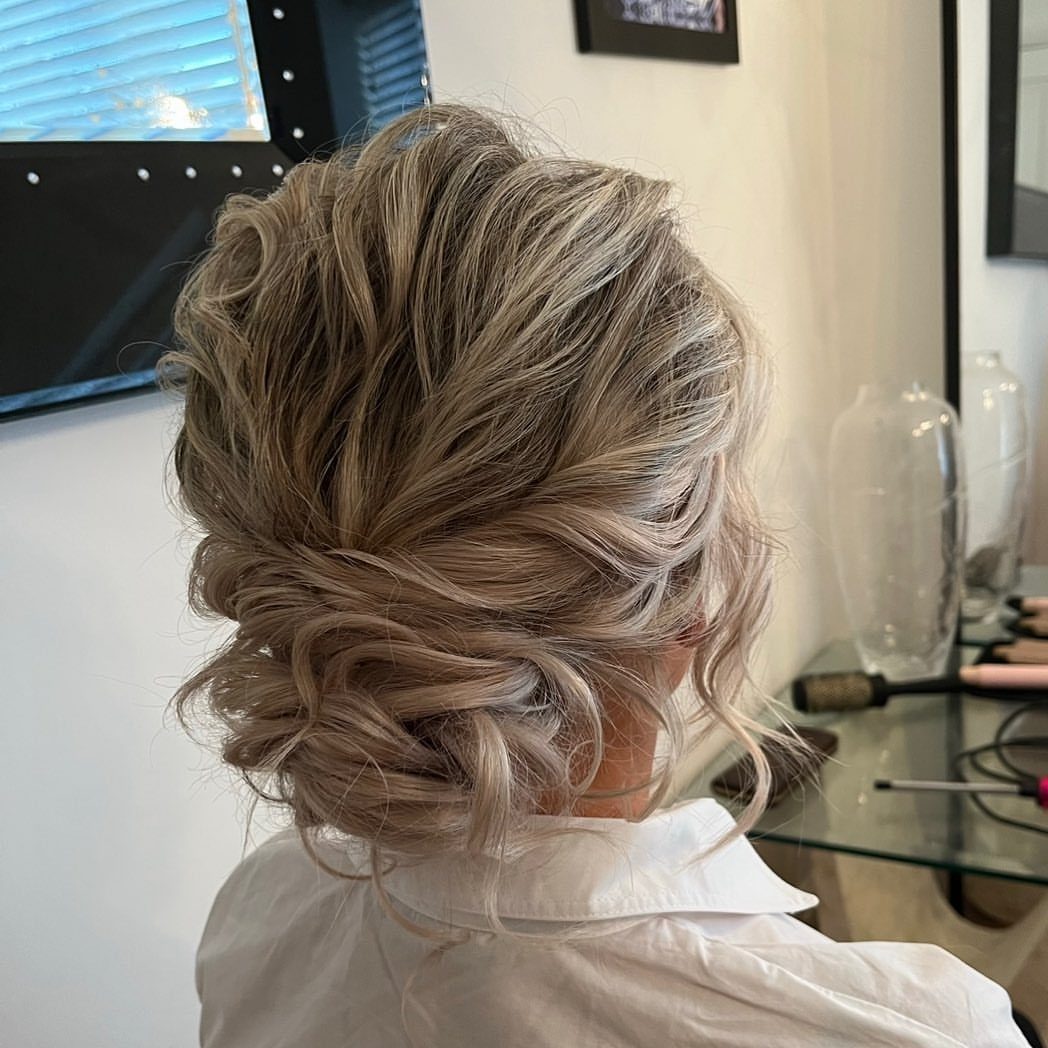
Curl first, bun second. The texture in this low bun comes from curling the hair before it is gathered, so the bun has bends to bunch up instead of straight pieces to slide out.
Gather low, twist loosely and pin without brushing the curls smooth.
Leave the surface rough. Short hair gives you a small bun, and that’s fine; pin it where it sits and let the curl pattern make the shape.
13. Loose Pinned Waves
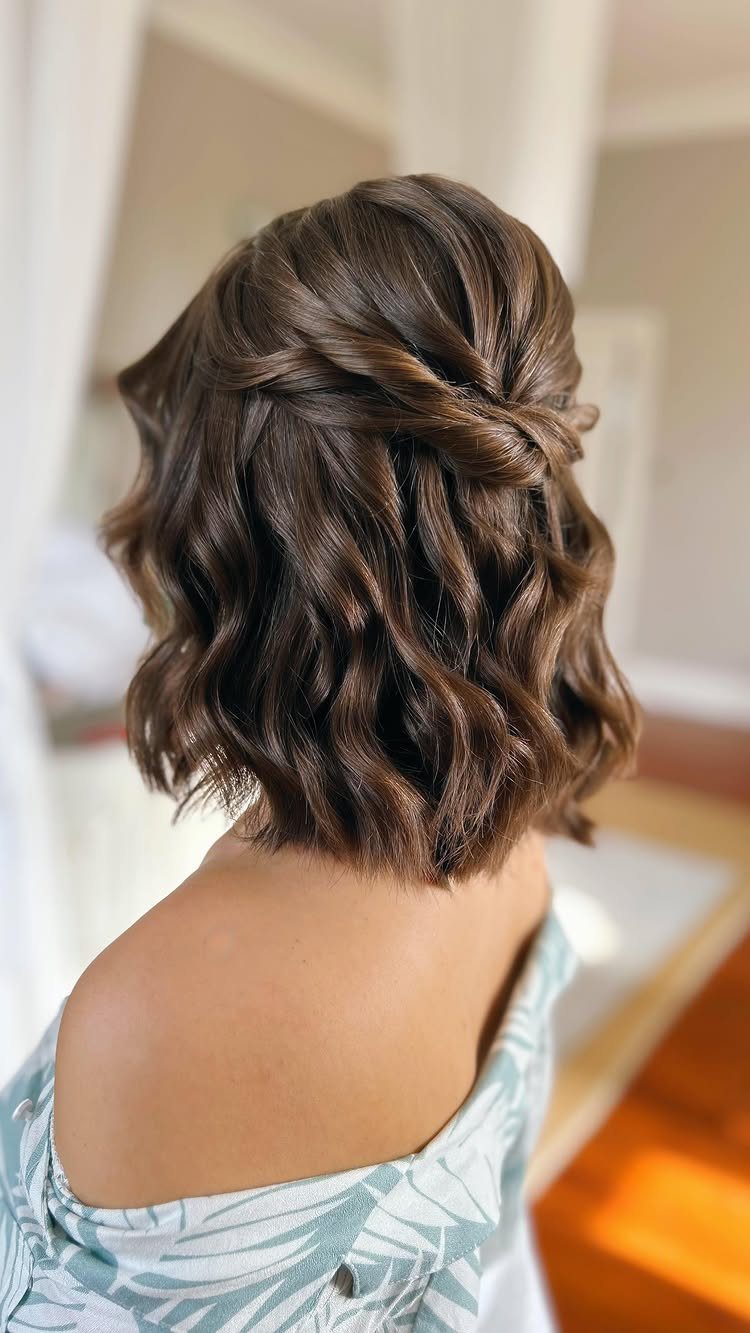
Waves pinned at the back while a few locks stay loose in front give short hair a soft, dressed-up finish.
Loose curls give the pins something to grip, so wave the hair first, then twist the back sections and anchor them.
Leave the front pieces out and curl them a little more, since they frame the face. Keep the pins hidden under the waves so the twist reads as soft rather than stiff.
I like this for evenings when a smooth updo feels like too much effort.
14. Braided Crown Knots
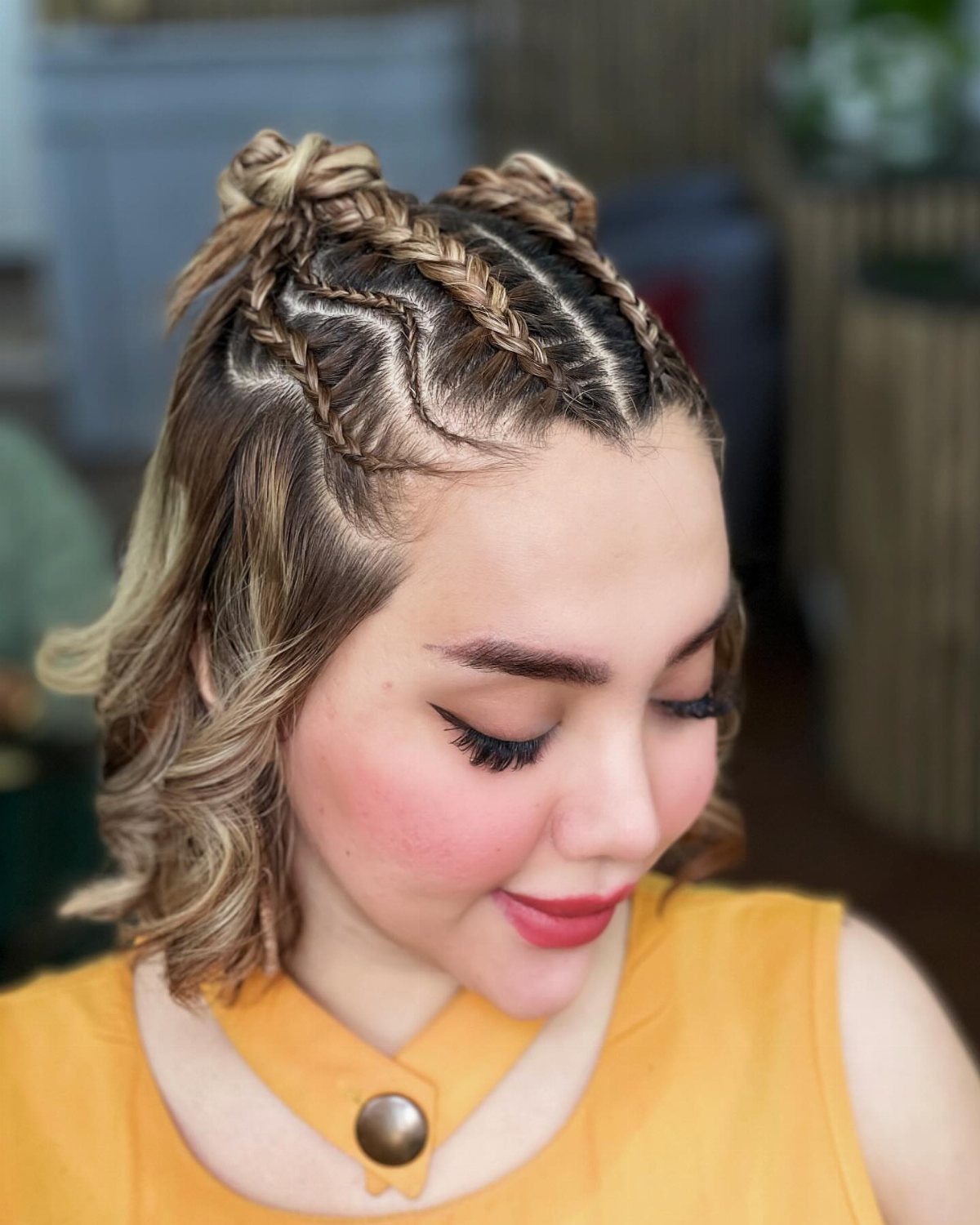
Braids that turn into a crown, finished with small knots on top, work well for short hair with highlights, because the braiding shows off the mix of shades.
Braid the hair back from the hairline, then twist the remaining lengths into small knots and pin each one flat.
Leave some curls loose at the sides. They take the stiffness out of the braids and hide stubby ends that won’t reach a pin.
This takes more time than a ponytail, so I’d save it for a day when you can sit still for a while.
15. Cornrow Braided Updo
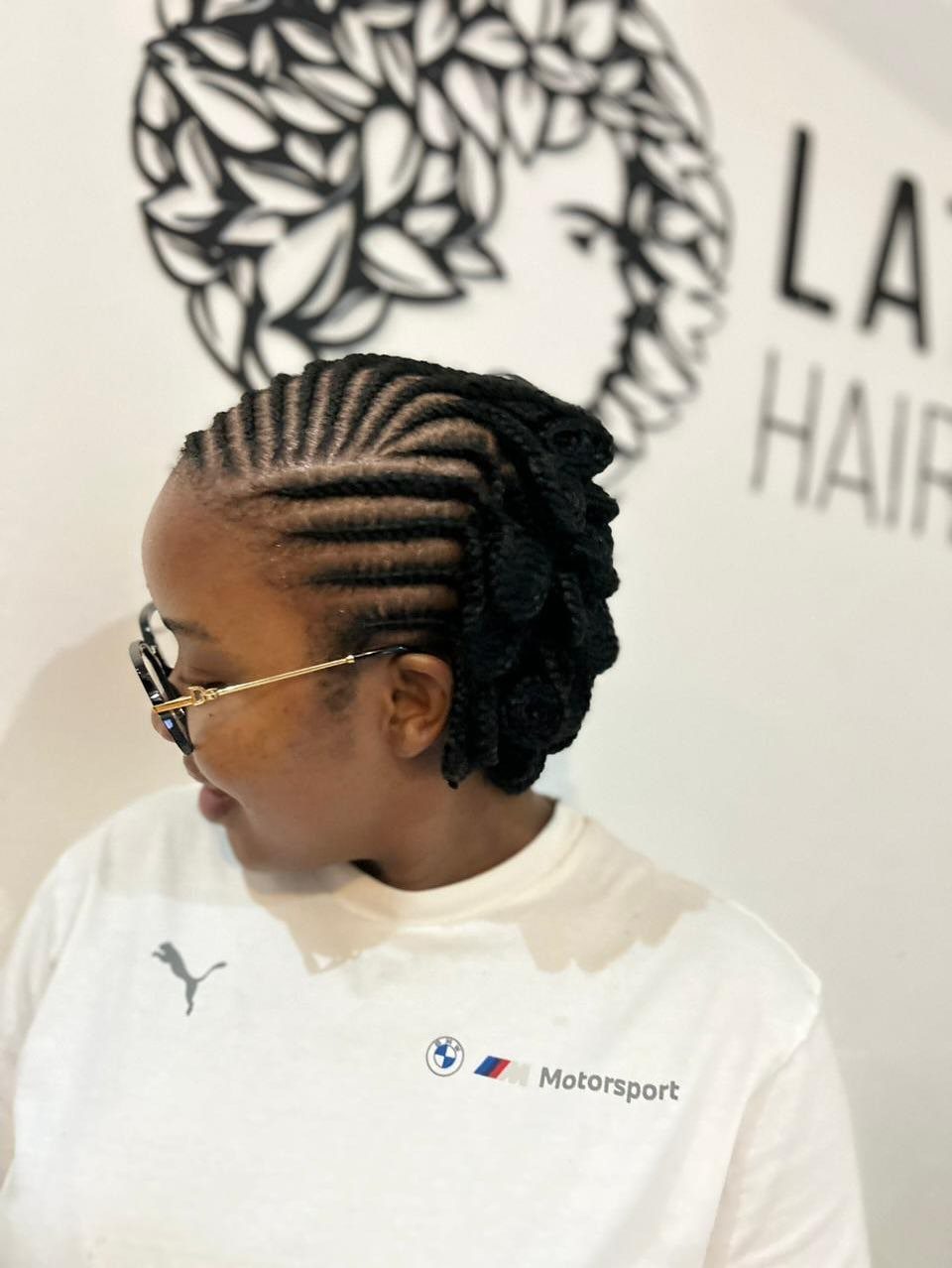
Close-set cornrows give you an updo that is built into the hair itself. Each braid runs back over the head, and the ends are gathered into a neat braided shape at the back.
Hold-wise, this is the sturdiest style on the list, since the braiding does the work and few pins are needed.
Doing it yourself is hard, because the rows have to stay even. I’d book a braider and bring a photo.
Ask for cornrows swept back into an updo, and mention how short your hair is so the ends can be planned for.
16. Twisted Mini Buns
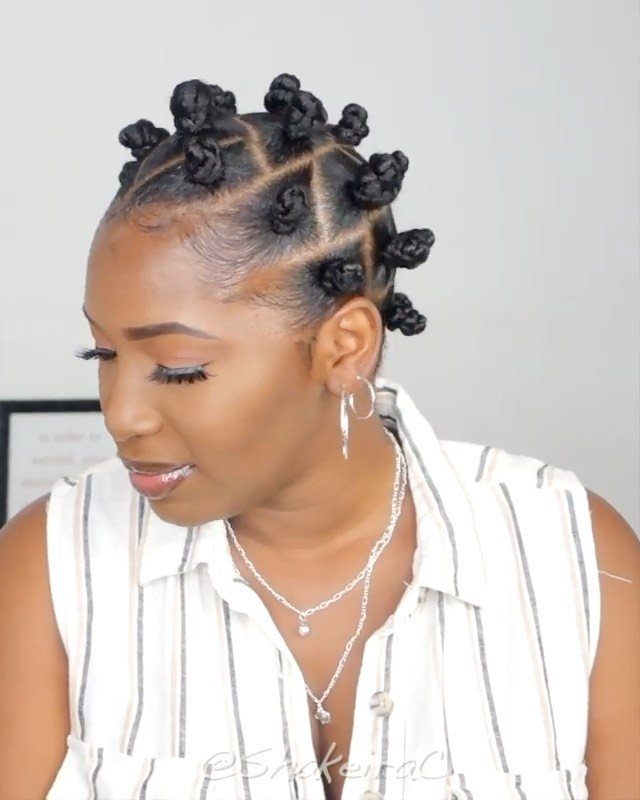
Small twisted knots set across neat partings turn short hair into a pattern, with each section its own little bun. Part the hair into even sections first, since the clean lines are what make this look deliberate.
Twist each section, wrap it into a small knot and pin or secure it flat. Smaller sections give a tighter, more graphic result, and larger ones go faster.
Short hair suits this better than long hair does, because the knots stay compact. Even parts take patience, so a rat-tail comb helps.
17. Pinned Updo with Hairpins
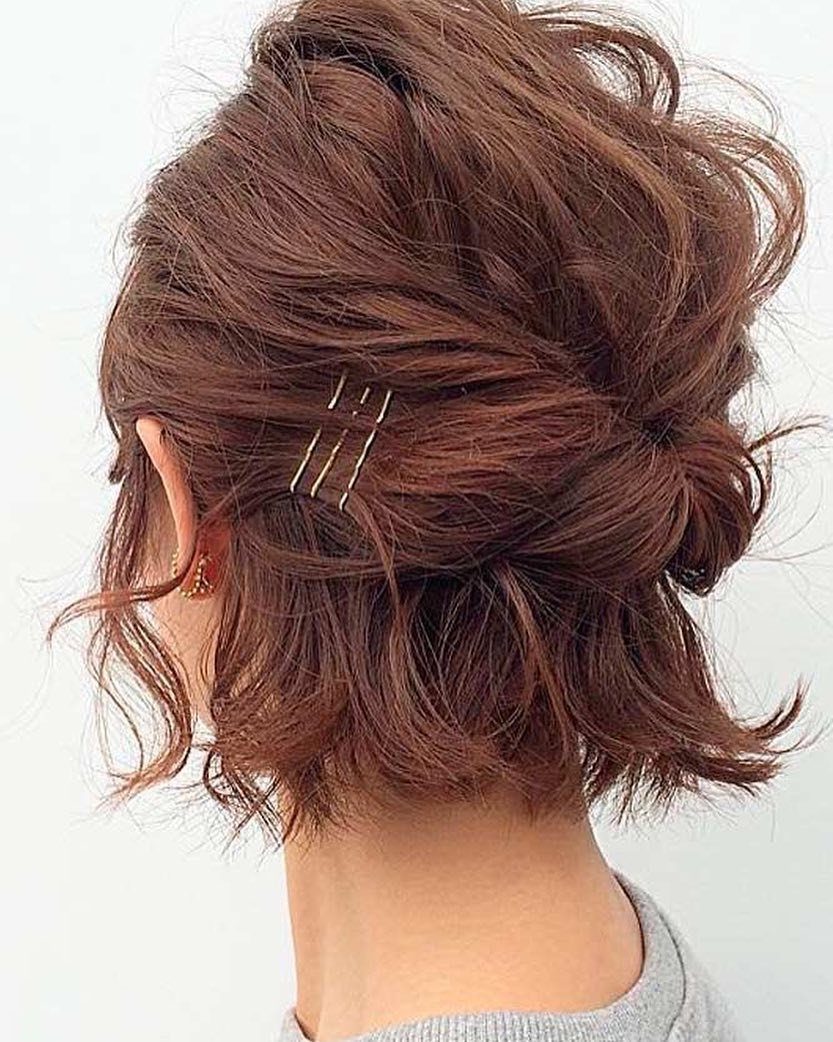
Hairpins that show are part of the style here: a loose, voluminous updo held with 3 metal pins, left in plain view.
Sweep the hair up without smoothing it, then push each pin in across the shape so it looks placed on purpose.
Choose metal pins in a tone that suits your hair color, such as gold with reddish-brown. Short hair loses volume if it’s brushed flat, so keep your hands loose.
I like how little this asks for: no elastic, no product, only pins. Check the hold by shaking your head gently before you leave.
18. Claw Clip Updo
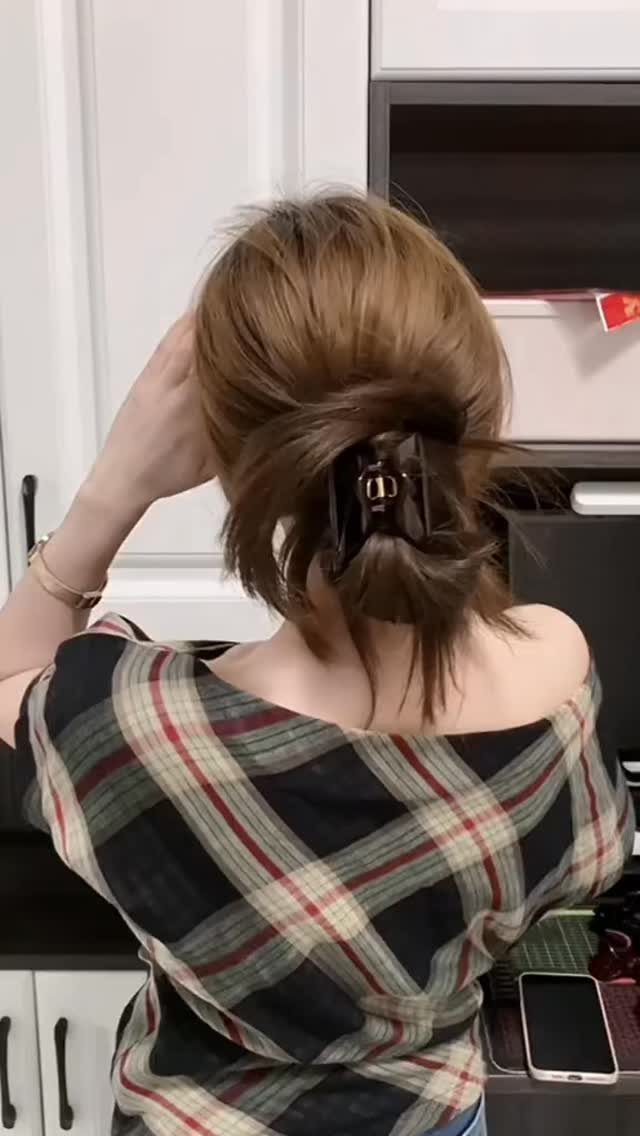
A claw clip is about as fast as an updo gets: twist, fold, clamp. Gather short hair loosely at the back, twist it once if you like, and close the clip over it so the ends fall out the top.
Pick a clip sized for your amount of hair; a black one blends in and goes with almost anything. Short layers will poke out, and that is part of the look.
For everyday wear, I’d choose this over a bun. It takes no pins, and it comes out in seconds.
19. Twisted Loc Updo
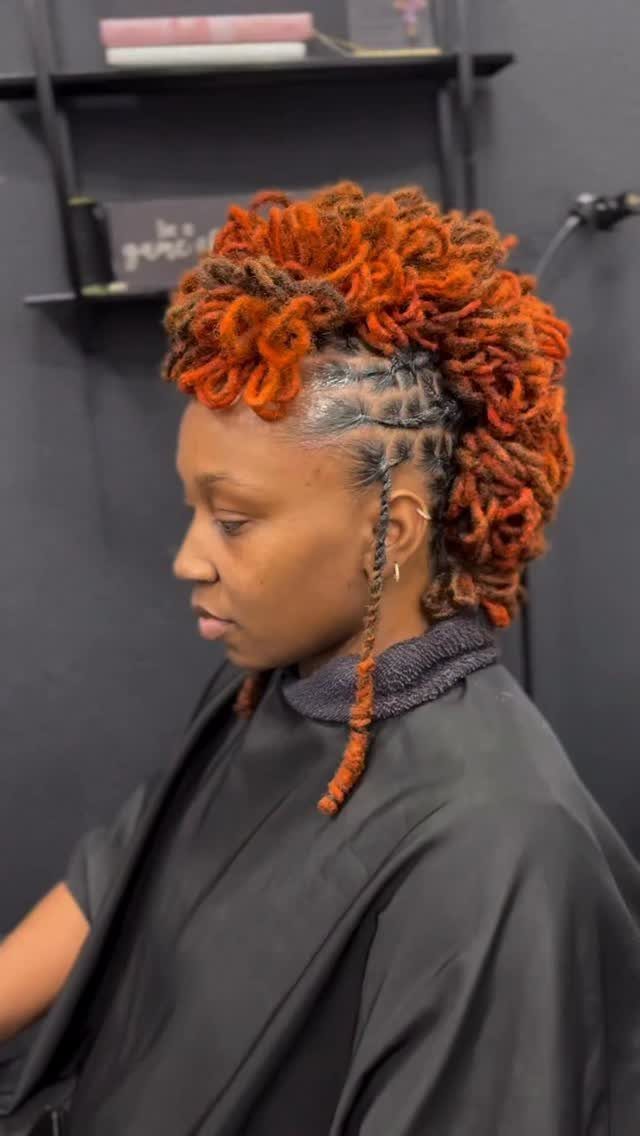
Locs that are already twisted do much of the styling for you. Here they are piled high into a voluminous updo, with the sides shaved close and one long braid left hanging.
Short locs can be pinned up and out to build height, so the shape comes from where you place them, not from smoothing anything down. The shaved sides make the top look even fuller by contrast.
The color is bold, and the shape holds its own with it. If you want this cut and arrangement, bring a photo to a stylist who works with locs.
20. Twisted Half-Updo
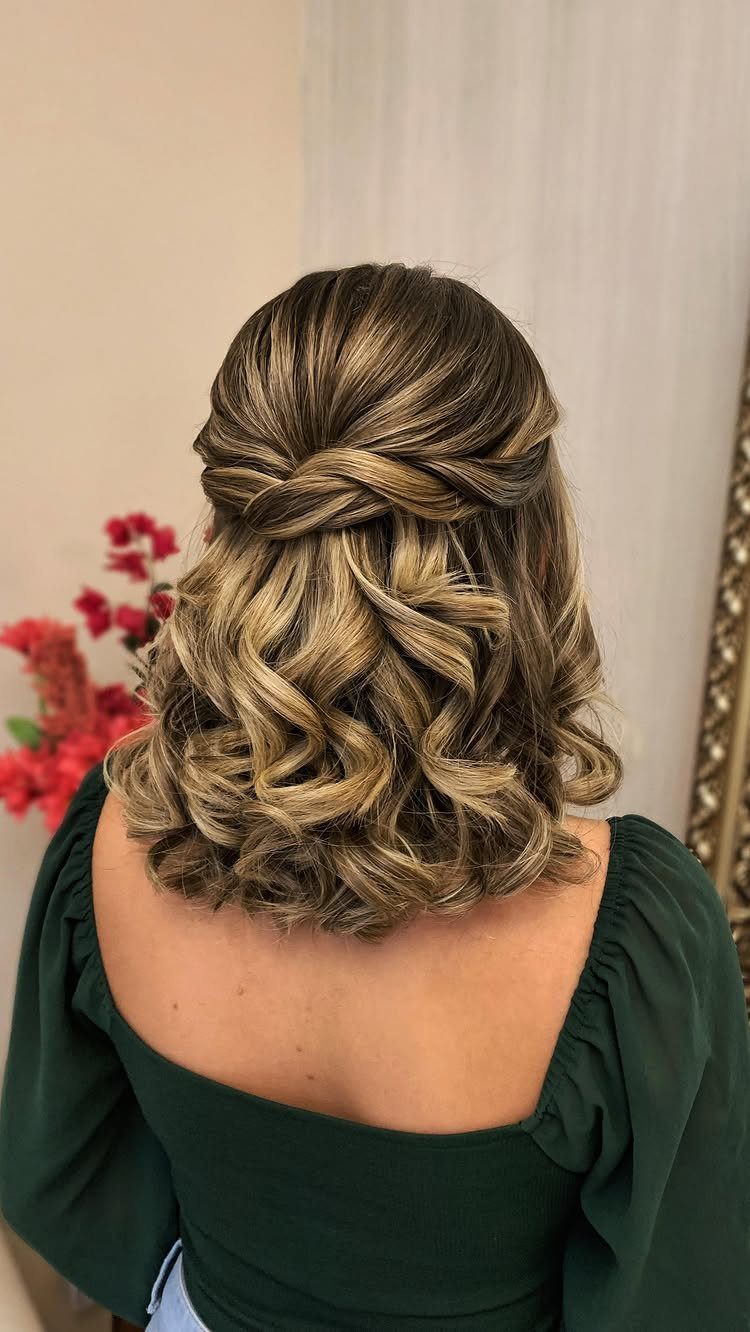
Half-up styles ask less of short hair than a full updo, since only the top section has to reach the pins. Twist that section back from the face and secure it, then let the rest hang in curls.
Curl the loose lengths first so the twist has something to sit against. I’d pick this over a full updo on a day when you want your hair off your face but not pinned away entirely.
Blonde and brown tones make the twisting easy to see, but any mix of shades works the same way.
21. Smooth Low Updo
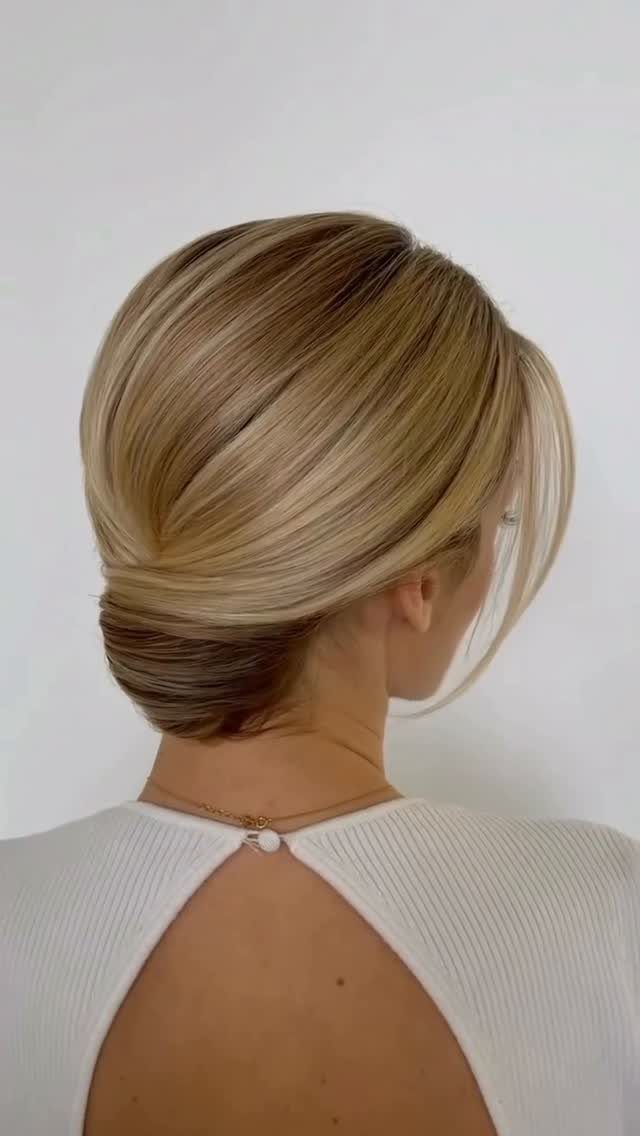
Smooth is the entire brief here: hair brushed flat and swept into a neat low updo, with a long side fringe left out to curve across the face.
Short hair makes this harder than it looks, because any shorter layer will pop out of the shape.
Brush the hair back, pin it low, and add a light-hold spray over the surface to keep flyaways down. The fringe is the one piece you leave free, so tuck it only if you want the look without it.
I like it for its clean line, though it is the least forgiving option when hair is unruly.
22. Braided Low Updo
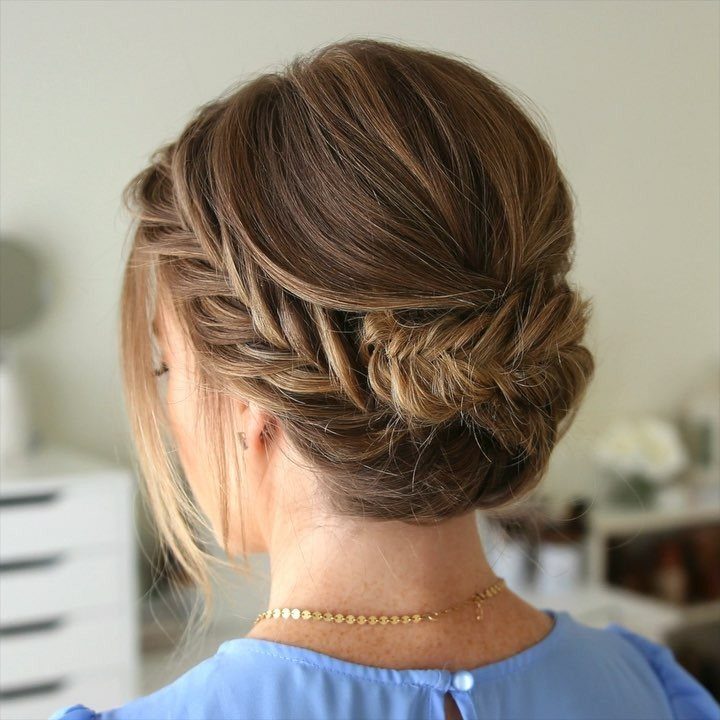
Braiding at the nape gives short brown hair a tidy low shape that still looks a little soft. The hair is woven into a braid that sits low at the back, and a few strands stay out around the face.
Work the braid toward the nape, then pin the ends under so they don’t stick out. Short ends are the weak spot, so use pins that match your color and set them where the braid hides them.
Leave the face-framing pieces loose; they take the edge off the braid. Braiding the back of your head is awkward, so a stylist is a fair choice for a first try.
Frequently Asked Questions
How to do a cute updo with short hair?
Skip the brush on a messy updo: twist the back up, secure it with a couple of pins, and ease out a few pieces near your temples and ears.
Stray pieces look intentional on short hair, so it forgives a lot. A claw clip is even faster, since you twist, fold and clamp with no pins at all.
Curling the hair beforehand gives the pins texture to bite into, so the style stays put longer, and pins close to your hair color disappear into it.
How short is too short for an updo?
Once the shortest layers at your nape reach 4–5 inches, you have enough length to pin up; anything under that tends to slide right out.
Small elastic bands can hold shorter strands together; twist them, pin, and tuck the bands underneath. A French braid also helps if your hair won’t stay in an elastic, because the braid holds the hair itself.