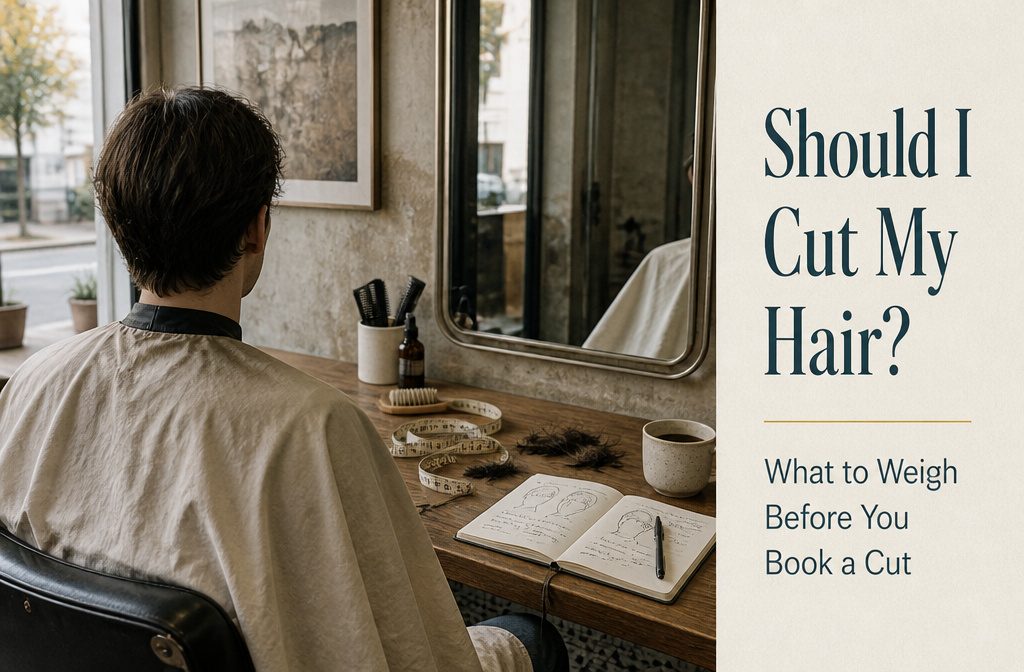
A haircut with a goal beats one booked on impulse. The usual reasons are a different look, easier daily management, a fresh start, or a shape that fits your face, and each one points to a different length.
If you measure under 2.25 inches from the point below your ear to your chin, short hair will most likely suit you.
What the Cut Should Do
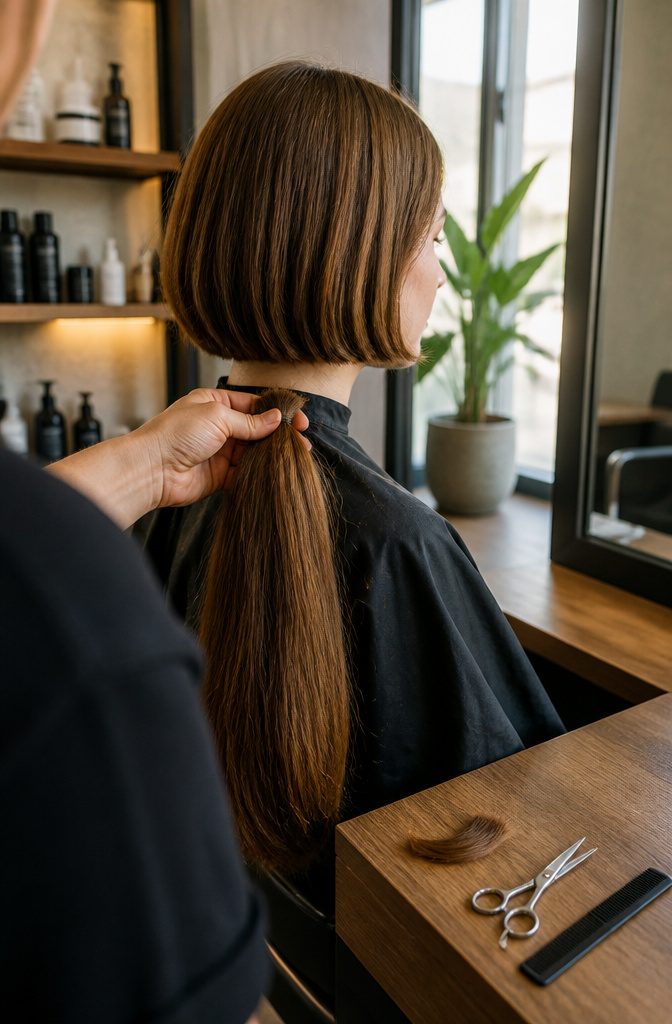
Decide what the cut is for before you pick a length. The usual reasons are a different look, easier daily management, a fresh start, or a shape that suits your face or hair better.
Donating long hair for wigs is another, and it is the only one with a minimum length to hit. Each reason points to a different cut, and a goal you can say in one sentence makes the salon conversation easier.
A haircut can feel motivating and symbolic, a mild way to scratch the itch for change without doing anything drastic.
It is not mandatory, and it will not fix a life problem. Cutting off about 10 inches and keeping short hair for almost 2 years left one blogger with no regrets.
Face Shape and Hair Type
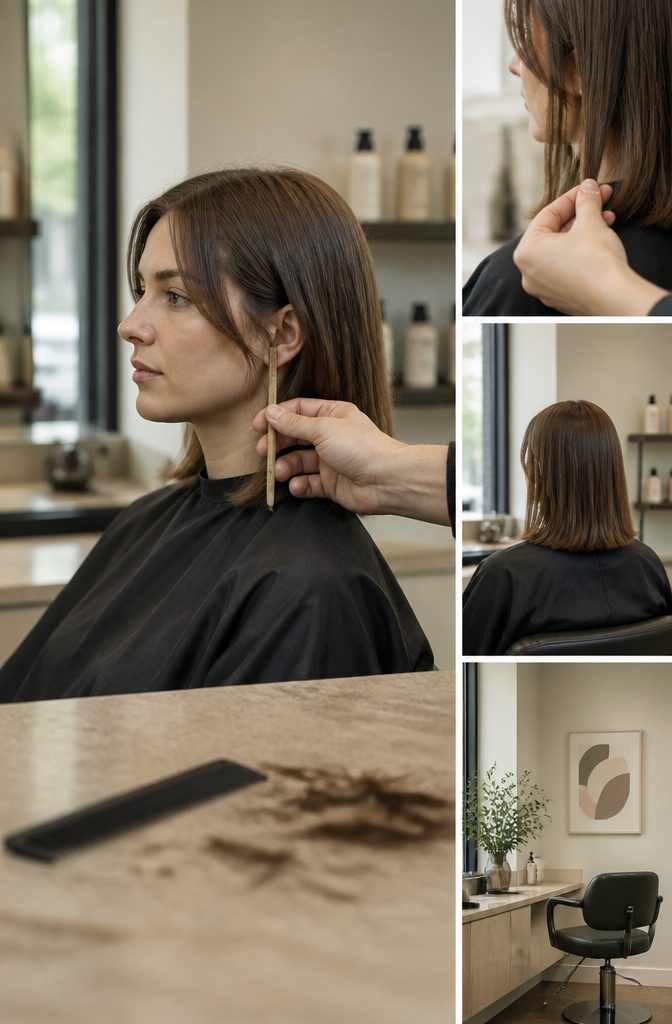
Grab a pencil and measure the distance between the points under your ear and your chin.
If it is under 2.25 inches (5.7 cm), short hair will most likely suit you. A longer gap is not a no, since the rule ignores the rest of your face and your hair type.
A lob with a center part flatters a round face; a square face looks softer with styles that suggest a rounder shape.
Cutting fine hair shorter will not make it thicker, though a good cutting technique can make it look fuller.
A try-on app cannot promise you will like wearing the cut. Find a stylist you trust to judge your texture and the condition of your ends.
Upkeep by Length and Texture
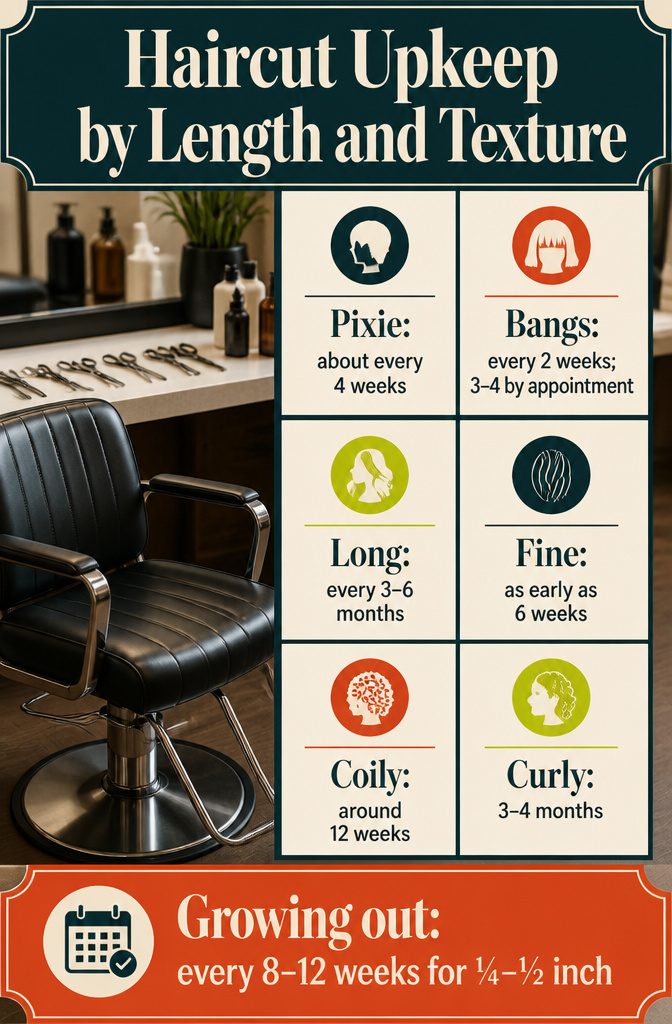
Short cuts cost more to keep, since they need a visit every month or two.
| Cut or texture | Salon visit |
|---|---|
| Pixie | About every 4 weeks |
| Short | Monthly, up to 6 weeks |
| Bangs | Every 2 weeks, or 3–4 by appointment |
| Medium | 6–8 weeks to hold length |
| Long | 3–6 months |
| Fine | As early as 6 weeks |
| Coily | Around 12 weeks |
| Curly | 3–4 months |
Growing out? Book every 8–12 weeks for a quarter to half inch.
Growth is 1/2 inch a month by one estimate and 1 to 2 inches by another; I plan on the slower one. Stylist Sunnie Brook’s rule:
A haircut every two to three months is OK if you aren’t putting a lot of heat on your hair.
— TODAY
Heavy heat pulls you toward the short end.
Don’t Cut on Impulse

Ask yourself why you want it before you book.
A cut after a breakup or a rough month can be meaningful, but changing your hair is not a required answer to a hard stretch, and one bad night’s mood is a poor reason to commit.
If the answer is still yes, skip the radical change at first.
I’d stop at shoulder length and go shorter once you feel ready, since jumping straight to boy short is the hardest version to adjust to. Then hold your verdict.
Getting used to a new cut takes anywhere from 2 minutes to a week. Short hair feels different, and it may seem to stick upright until your head adjusts to the new weight.
Short Versus Long Hair
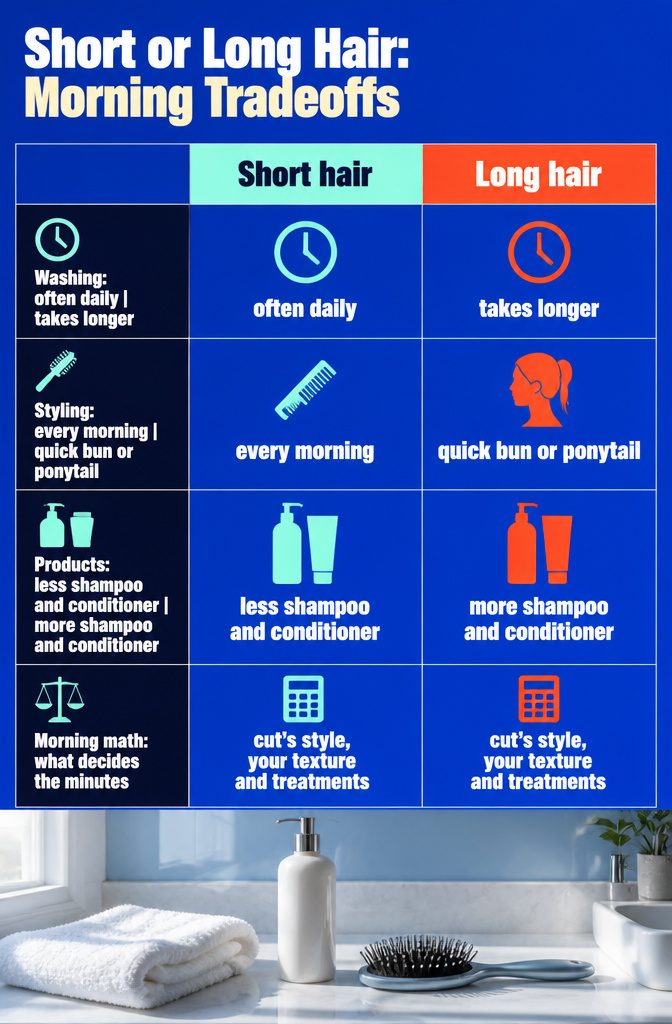
Short hair trades wash time for styling time. A cropped cut usually needs real styling every morning, and often a daily wash, so bringing a short-cut photo to your stylist means signing up for that effort.
Long hair flips the bill. Thick, long hair takes longer to wash and dry no matter which drying hack you use, and it goes through more shampoo and conditioner.
What it gives back is a bun or ponytail you can throw up in seconds when the morning runs short.
Length alone won’t settle the morning math. The cut’s style, your texture and any treatments you’ve had decide whether short or long costs you more minutes.
Trims and Home Cuts
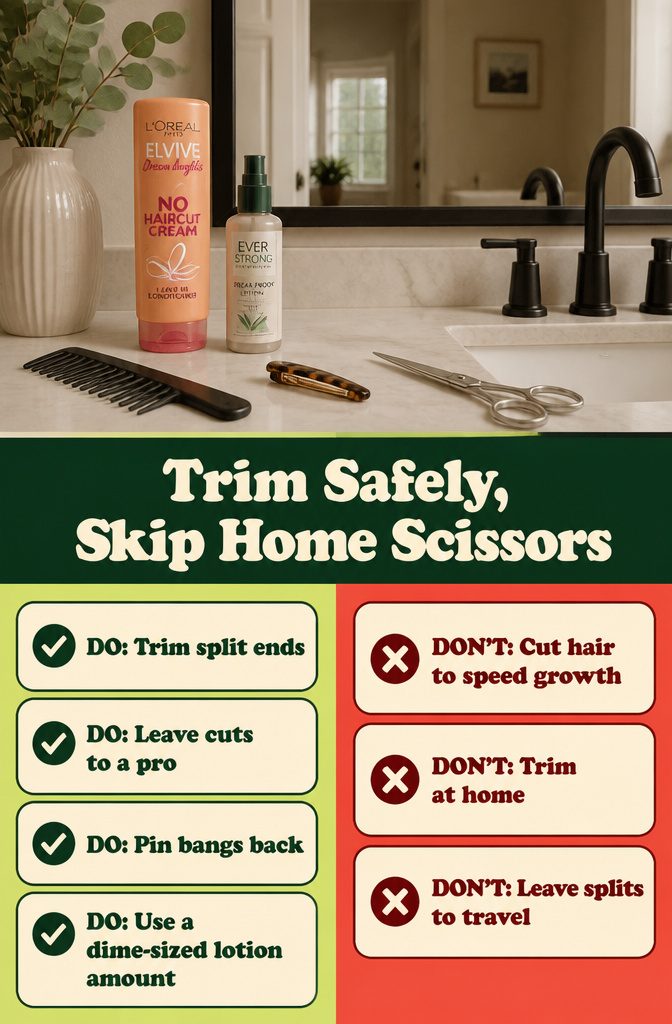
Split ends call for a trim, not a major cut, and cutting won’t make hair grow faster.
Once an end splits, only scissors remove it, and left alone the split can keep traveling up the shaft. I’d still leave the scissors to a pro.
Home trims come out uneven, the back is hard to reach, and most people lack the proper tools and technique. Bang trims fall under the same rule: pin them back with a barrette or headband until your appointment.
To stretch the time between trims, smooth L’Oréal Paris Elvive Dream Lengths No Haircut Cream Leave In Conditioner through your lengths.
Or work a dime-sized amount of EverStrong Break Proof Lotion into towel-dried hair. A weekly deep conditioner helps too.
Your Circumstances

A haircut has no universal rule, so start with what else is happening in your life. If you have children under 12, a radical short cut can upset them.
Stopping at shoulder length, or showing them a preview first, softens the surprise. For a wedding, book a fresh cut about three weeks before the date, which gives you time to settle into it.
Readiness matters most. One writer went the shortest she had ever gone after quitting a part-time job she’d worked 4–6 days a week for four and a half years, and she came away feeling lighter and more confident.
I’d copy her order: make the life change first, then let the haircut mark it once you’re ready.
Frequently Asked Questions
Should I cut my own hair?
No, leave it to a professional. Home cuts usually come out uneven, the back is hard to reach, and most people lack the proper scissors and technique to get it right.
Can I trim my own bangs?
No, skip trimming bangs at home. If they’re overgrown before your next appointment, pin them back with a barrette or headband instead.
How often should I get my hair cut if I have bangs?
Bangs need trims every 2 weeks if you want them to look sharp, though most people book every 3 to 4 weeks to avoid hair falling in their eyes.
How often should I cut my hair by length?
A pixie needs a cut about every 4 weeks, short hair monthly to 6 weeks, medium hair every 6 to 8 weeks, and long hair every 3 to 6 months. If you’re growing it out, book every 8 to 12 weeks for a quarter to half inch trim.
Should I get a haircut if I’m trying to grow my hair out?
Yes, regular trims remove split ends and help maintain shape as your hair grows. Book every 8 to 12 weeks and ask for a quarter to half inch off.
How often should I trim my hair for maximum growth?
Every 8 to 12 weeks for a quarter to half inch if you’re growing it out. Cutting more often won’t speed up growth, since hair grows about half an inch per month no matter the trim schedule.