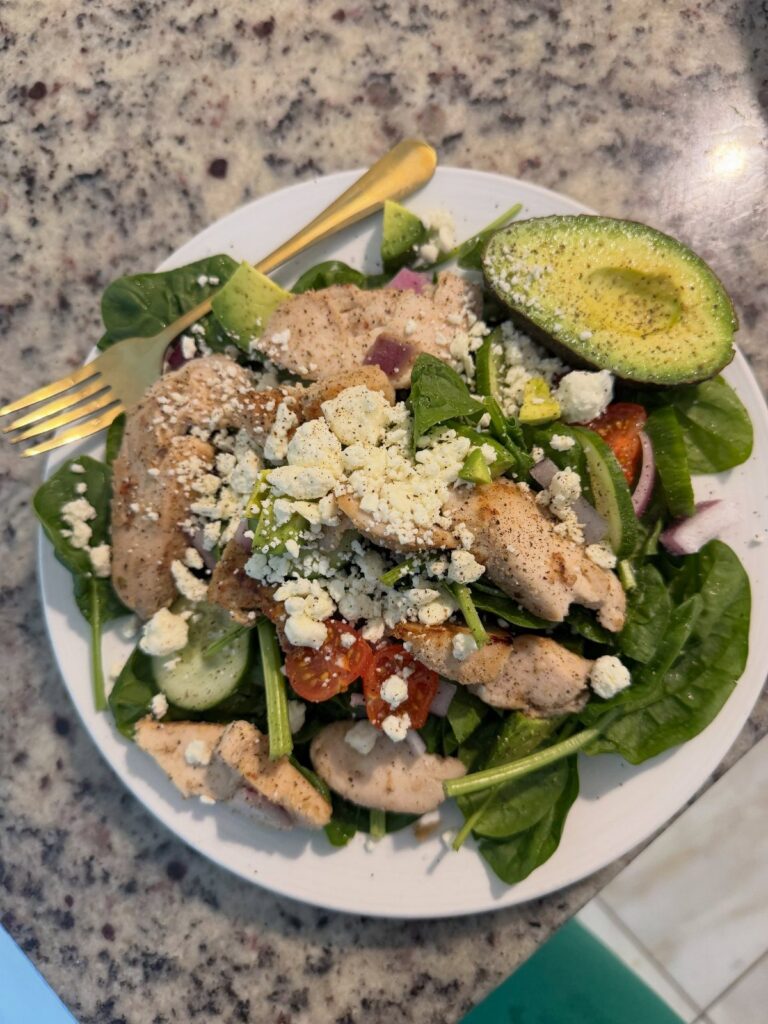
The foods here range from dried lentils that cost very little per serving to fresh salmon fillets that cost more, and from no-cook avocado toast to a roasted chicken dinner.
Start with the gap on your plate: if most of your meals are plants, fatty fish fills it fastest, and if red meat already anchors your dinners, spinach and beans add the plant side.
Food only helps when a nutrient shortfall is part of why your hair is thinning.
1. Spinach and Leafy Greens
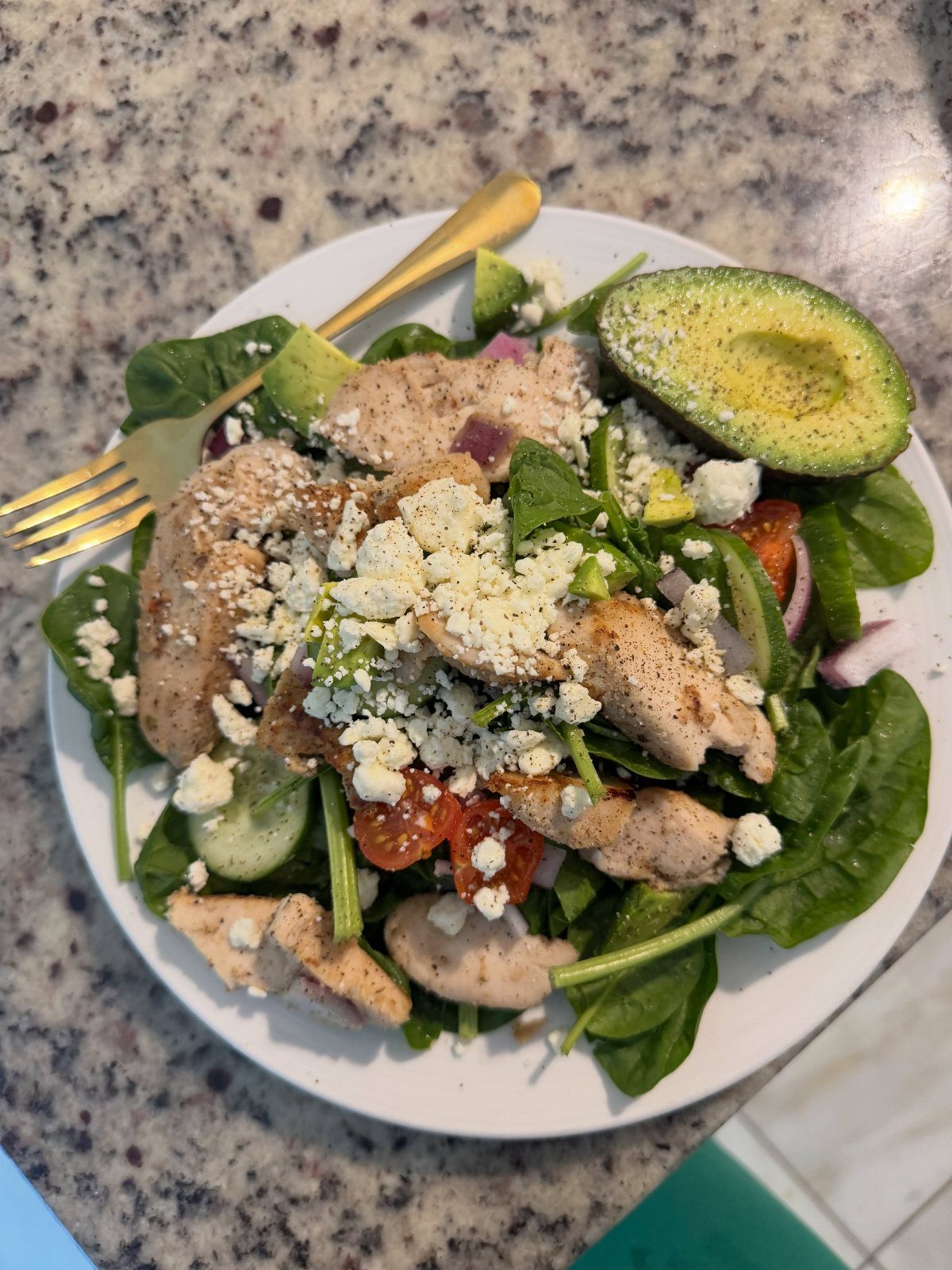
Spinach works best as the base of the plate, not a garnish. Greens are repeatedly named for iron and vitamins that support scalp and follicle health, so a full bed of leaves does more than a few sprigs on top.
I like pairing it with a protein, as in this salad, so it reads as a meal and not a side. Any leafy green can take spinach’s place.
2. Fatty Fish
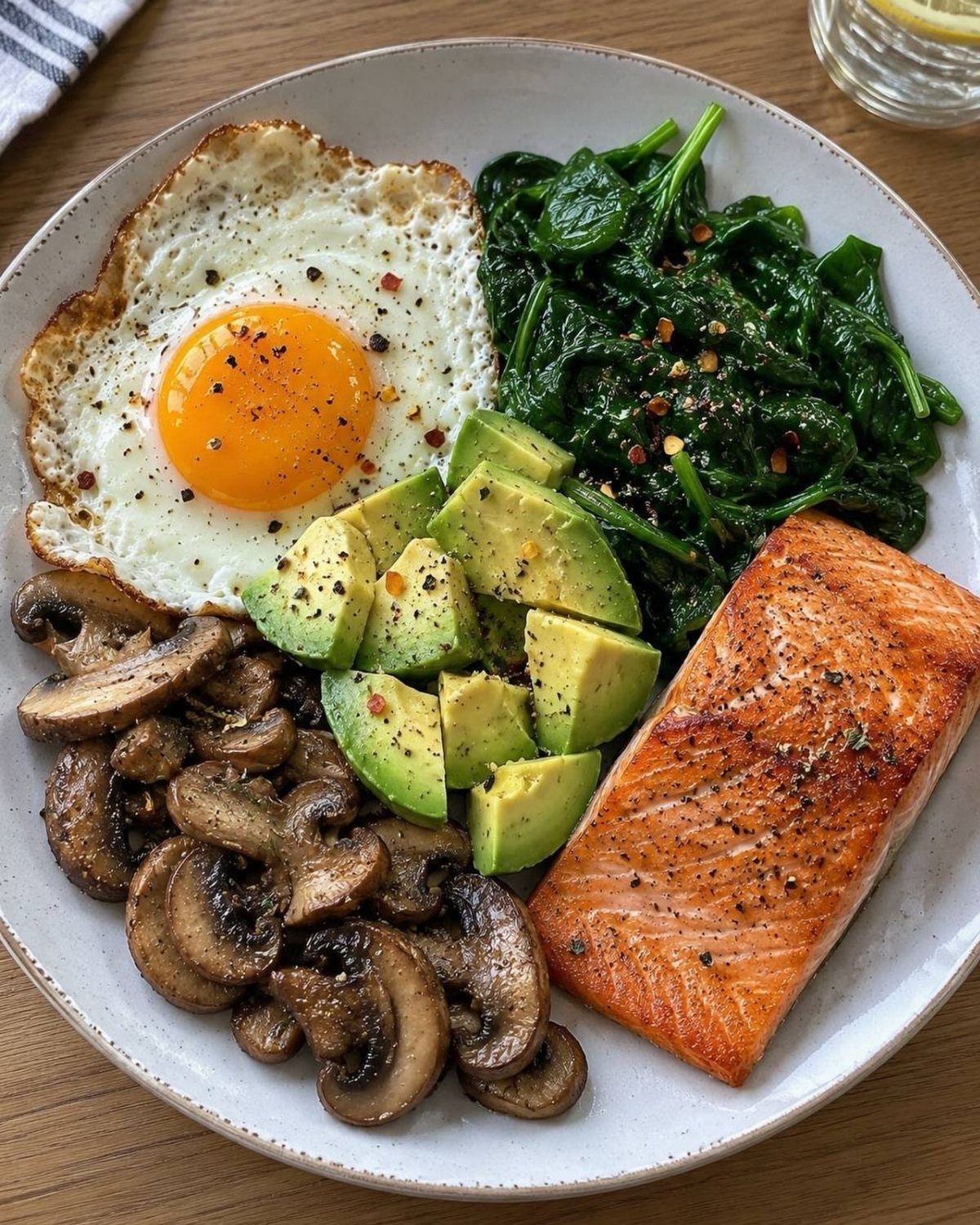
Oily fish brings omega-3 fatty acids, often with protein and vitamin D in the same fillet. That makes salmon the easiest single-ingredient swap if your meals lean on plant foods.
Searing is my pick: fast, one pan, and it sits well over greens. Fresh fillets cost more than beans or eggs, so I treat fish as a few-times-a-week meal, not a daily one.
3. Beans and Legumes
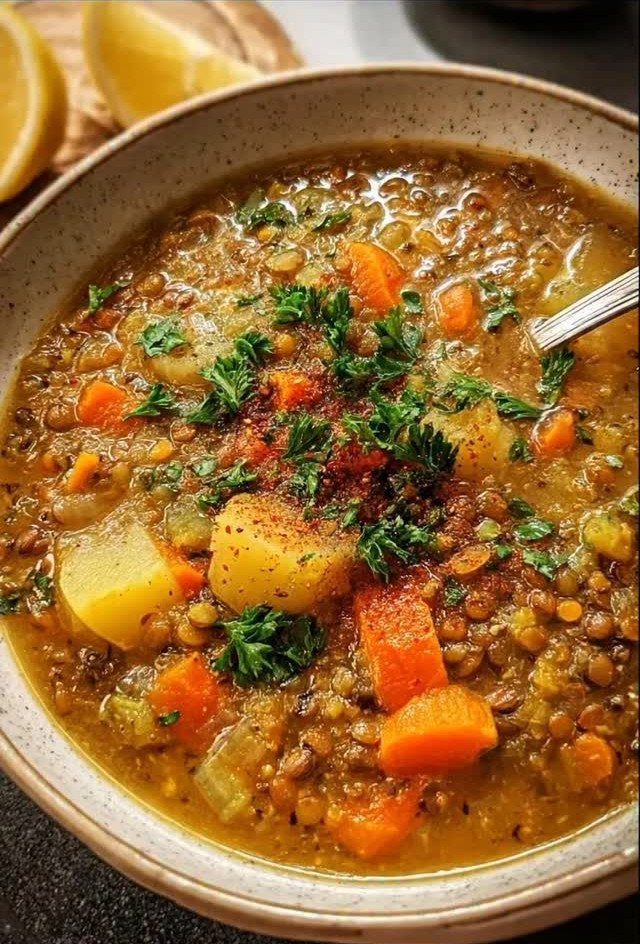
Lentils turn a pot of vegetables into a hair-friendly dinner, with plant-based protein and minerals that often include iron and zinc. Dried beans cost very little per serving, so they are easy to keep stocked all week.
Cover the pot and simmer 25–30 minutes, until the lentils and potatoes are tender. Then stir in parsley and lemon juice, which brighten the broth.
4. Berries
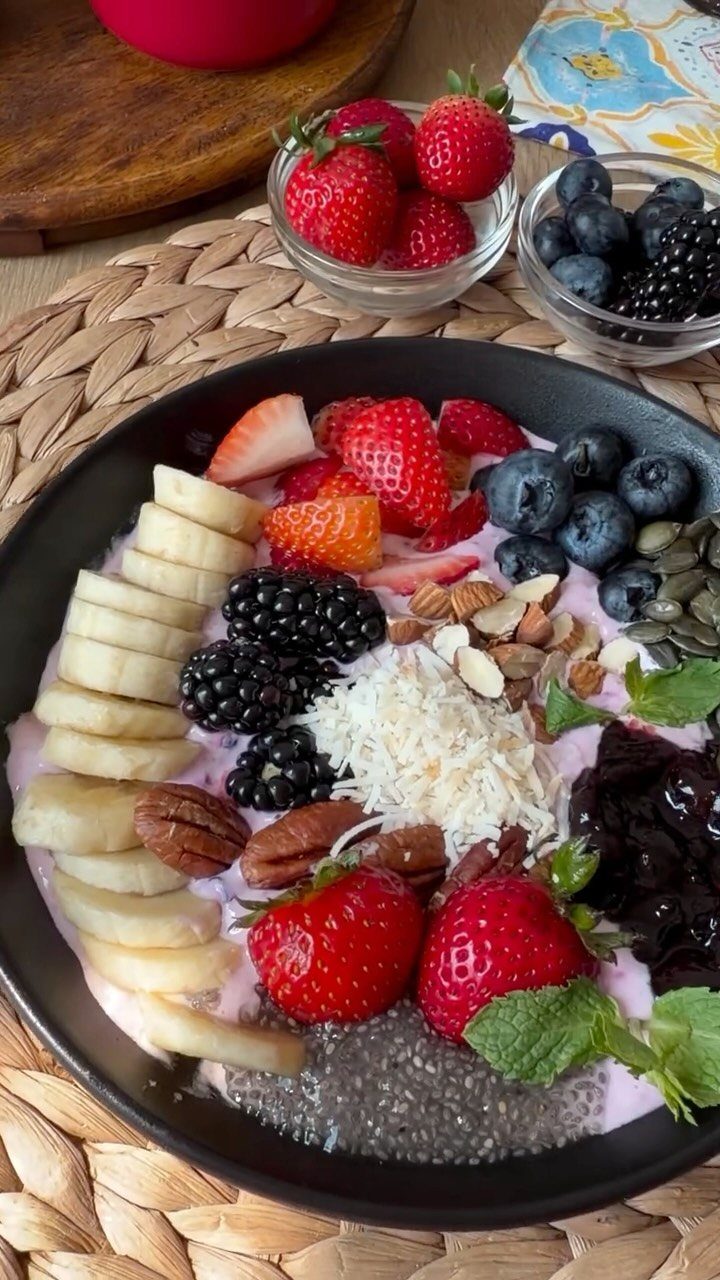
Strawberries, blueberries and blackberries each bring vitamin C and antioxidants, so I’d mix all 3 instead of buying one kind. A smoothie bowl is an easy way to eat a big handful at breakfast.
Put the berries on top with banana and seeds, and the bowl feels like a treat. Nothing here asks for cooking skill.
5. Beef and Red Meat
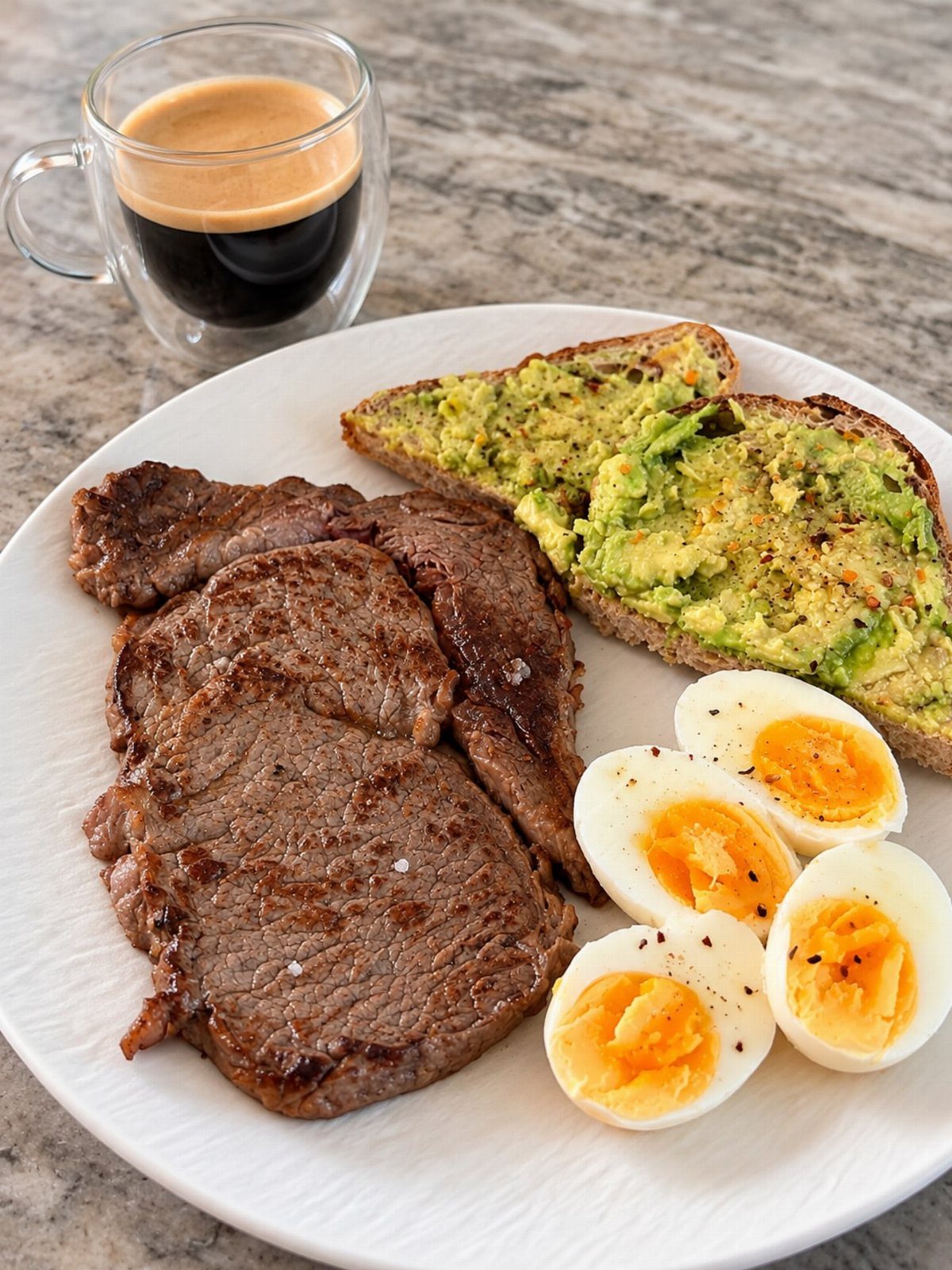
Steak earns its spot for protein and iron, which people watching their shedding tend to hear about first. A modest portion goes a long way.
Pairing it with avocado toast and boiled eggs makes a breakfast that covers several hair foods at once. I’d grill the steak in advance and slice it cold for busy mornings.
6. Eggs
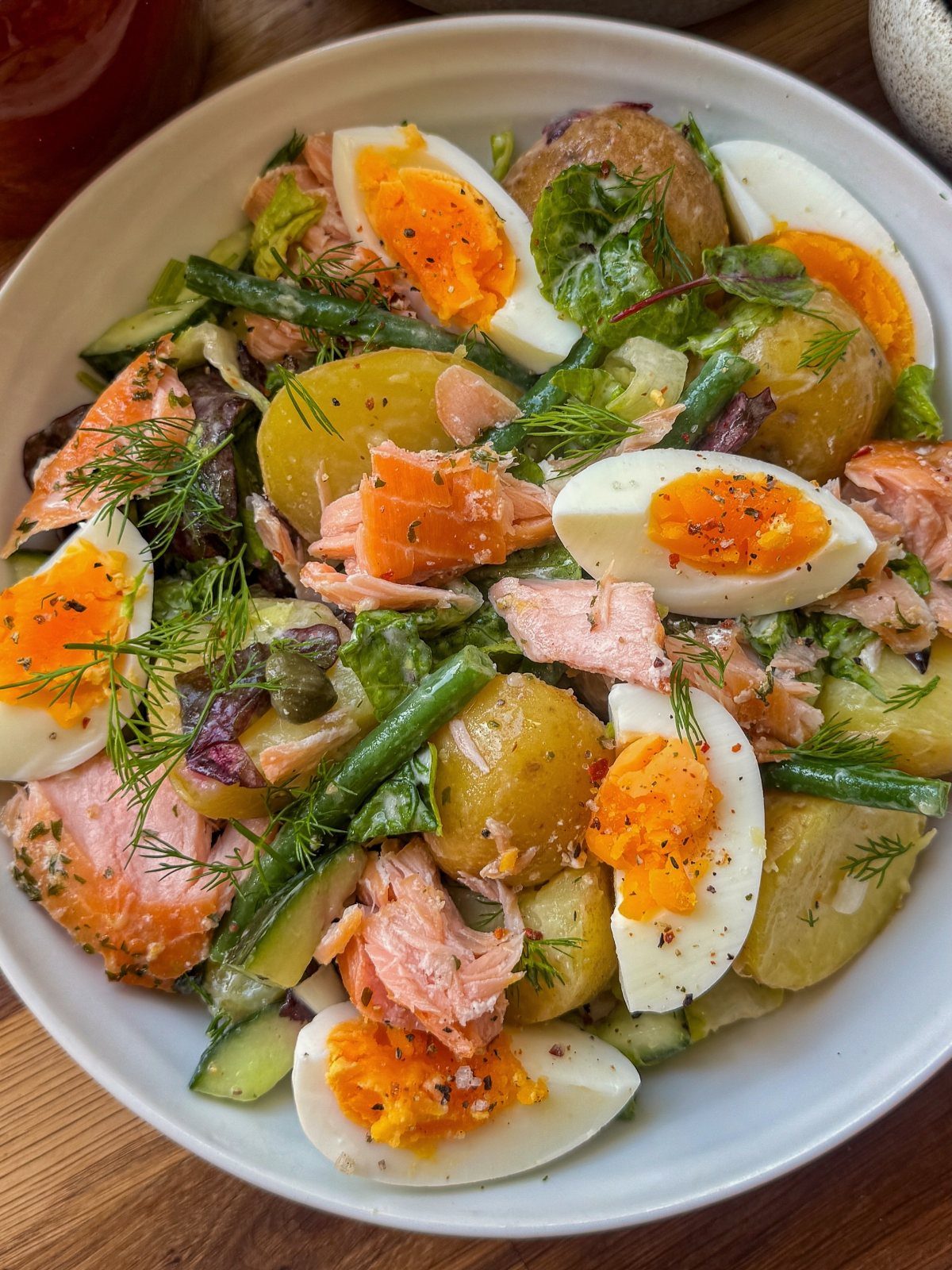
Hard-boiled eggs are the easiest way to add protein to a salad, and they hold up well when cooked ahead. Cut them into wedges and toss them in at the last minute.
I’d make the eggs and potatoes in one batch and assemble through the week.
7. Avocado
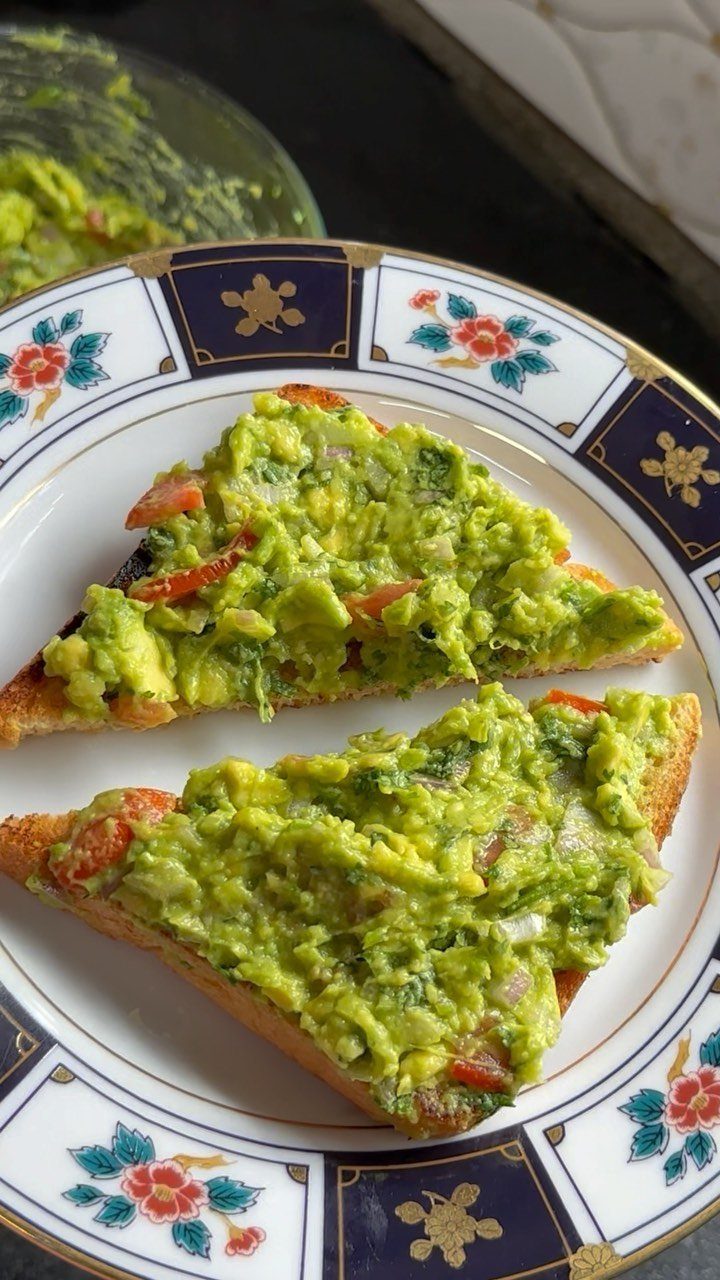
Chunky mashed avocado on toast is the simplest way to get a creamy, filling breakfast without turning on a burner.
Leave the spread rough instead of smooth, with bits of red and white vegetable stirred in, so every bite has some texture.
I’d toast the bread well so it holds up under the weight. Avocado is rich, so a slice or 2 is plenty.
8. Yogurt with Fruit
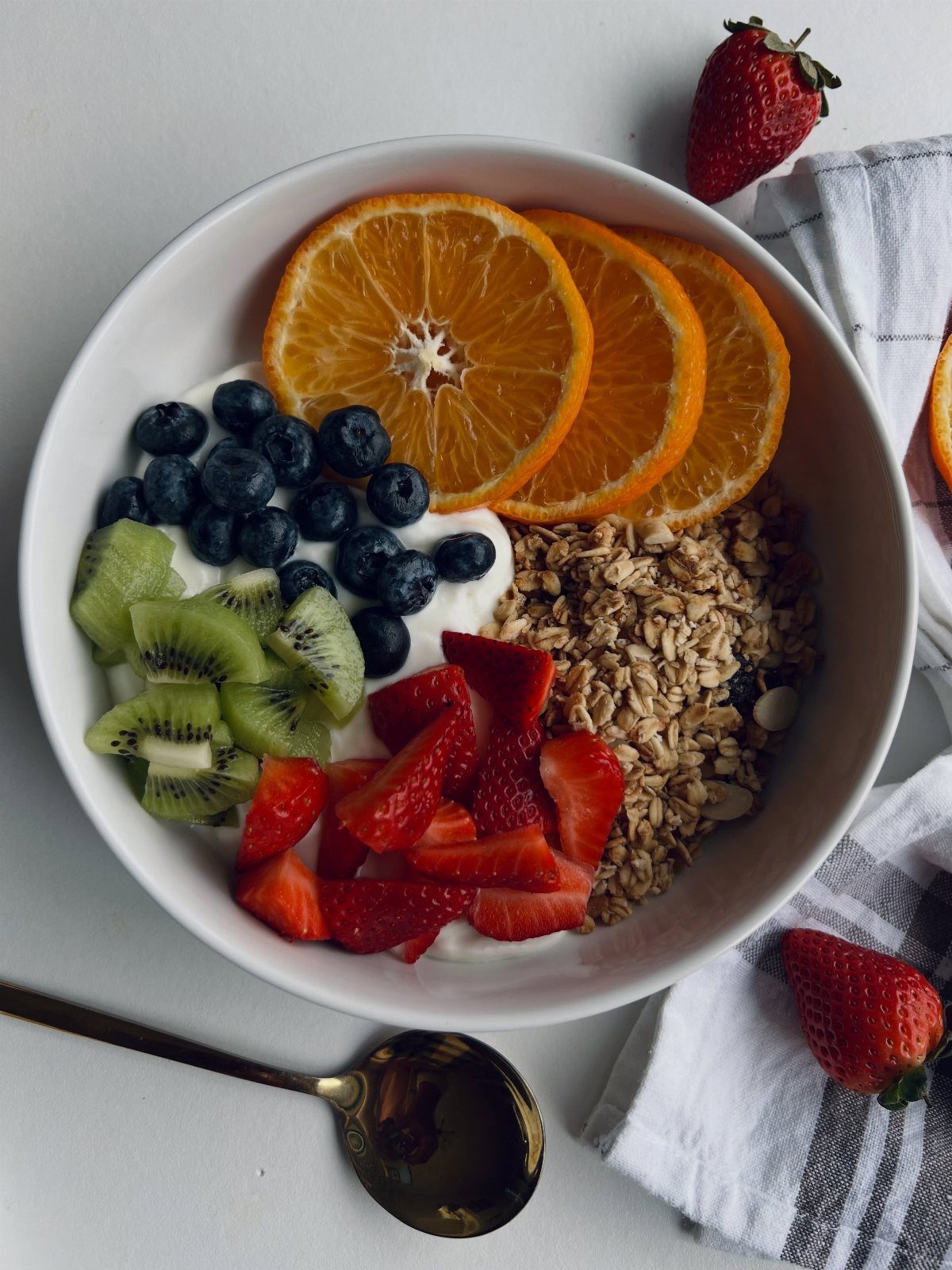
Yogurt gives a bowl its protein, and fruit and granola give it everything else. Mixing several fruits, say citrus, berries and kiwi, means one breakfast covers a lot of color.
Spoon the granola on last so it stays crunchy. For busy mornings, I’d slice the fruit the night before and keep it in a container, then build the bowl in about a minute.
9. Oatmeal with Banana
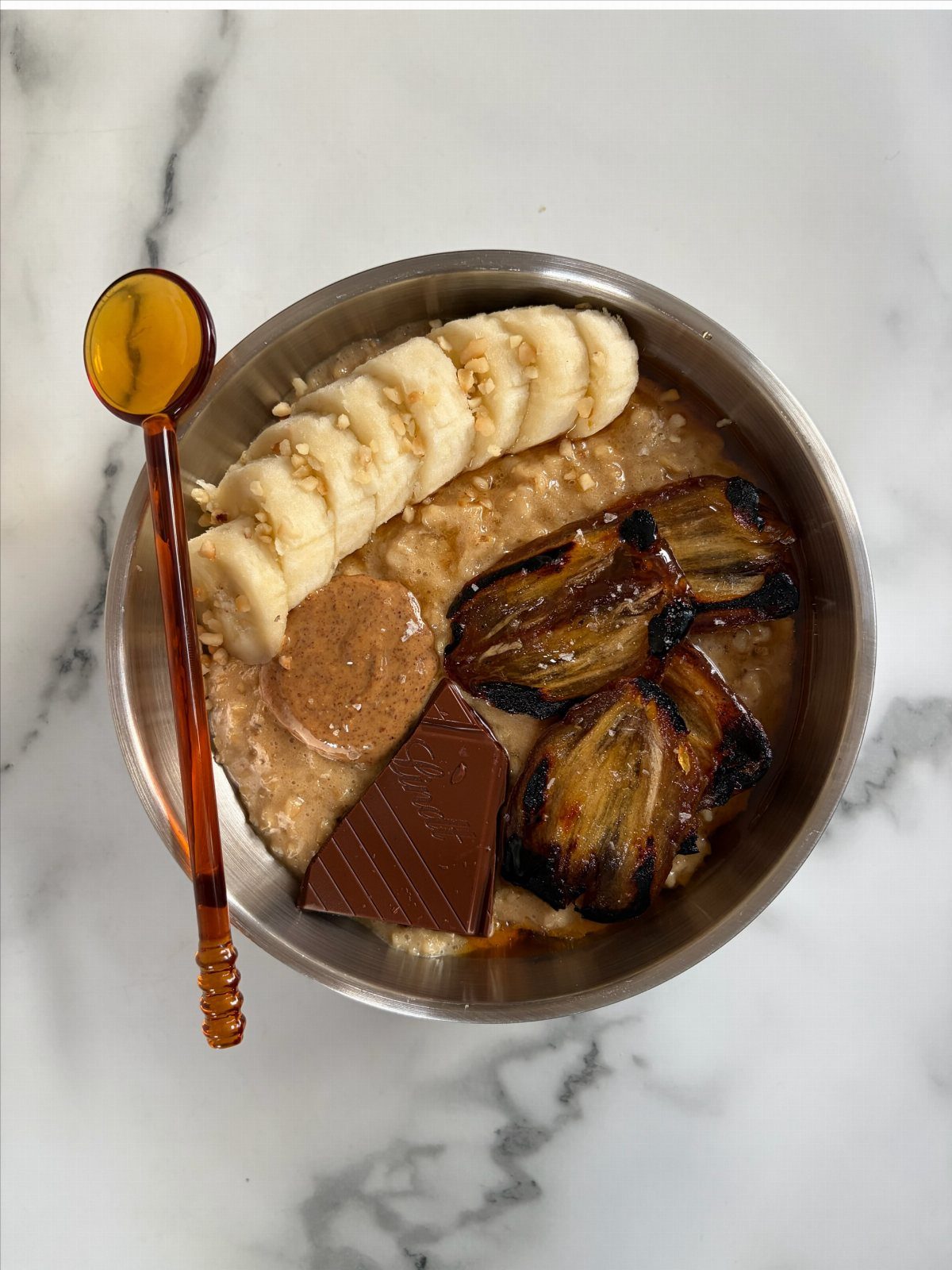
Oatmeal tastes best when the toppings do the work, and banana does it twice here: sliced fresh and browned in a pan. Cooking the slices briefly turns them sweet and soft, which makes the bowl feel like dessert.
A spoonful of nut butter adds protein and keeps you full longer. Chocolate and honey are optional; I’d use them sparingly, since the bowl is already sweet from the fruit.
10. Tofu Rice Bowl
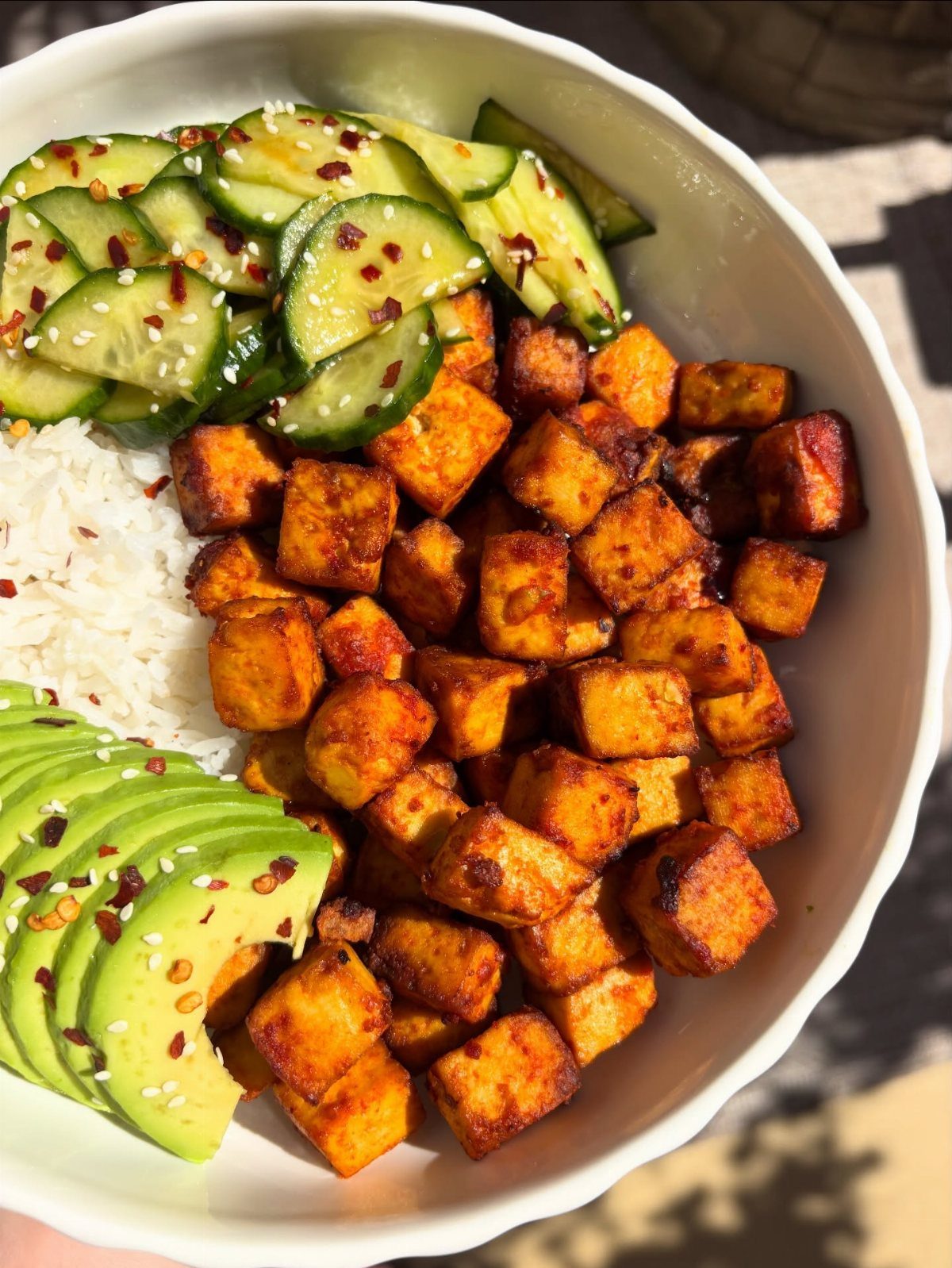
Browned tofu is a good plant-based protein for rice bowls, and cubes crisp up best when the pan is hot and you leave them alone until they release. Season them before cooking so the flavor sticks.
Then pile on avocado and a quick cucumber salad, and finish with seeds and red pepper flakes for crunch and heat. I’d cook the rice and tofu ahead and add the fresh toppings when I eat.
11. Chicken with Vegetables
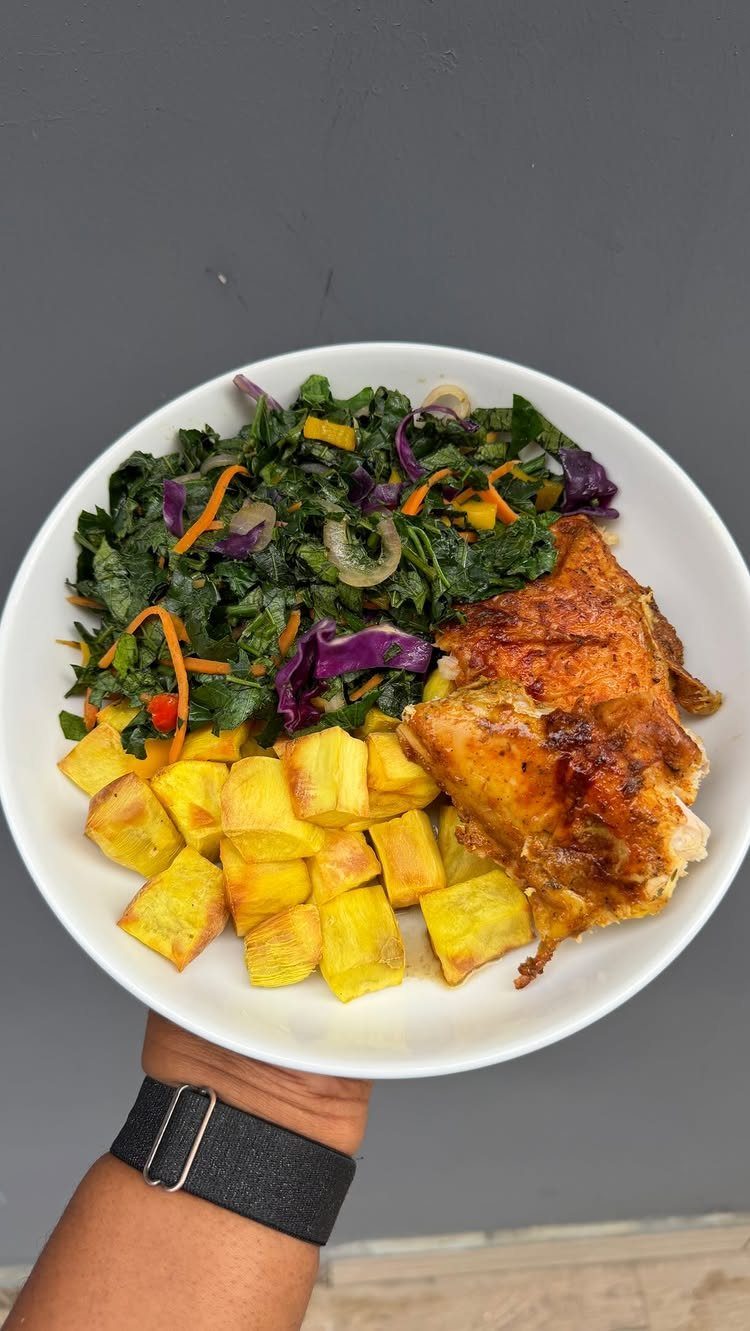
A roasted chicken thigh or breast with a pile of vegetables is the weeknight plate I’d cook most often. Roast the chicken and the cubed yellow vegetables on the same pan so cleanup stays small.
Add a dark leafy salad with purple cabbage and carrots for crunch and color. Chicken keeps well, so cooking extra on Sunday makes lunches easy.
12. Tomato Black Bean Salad
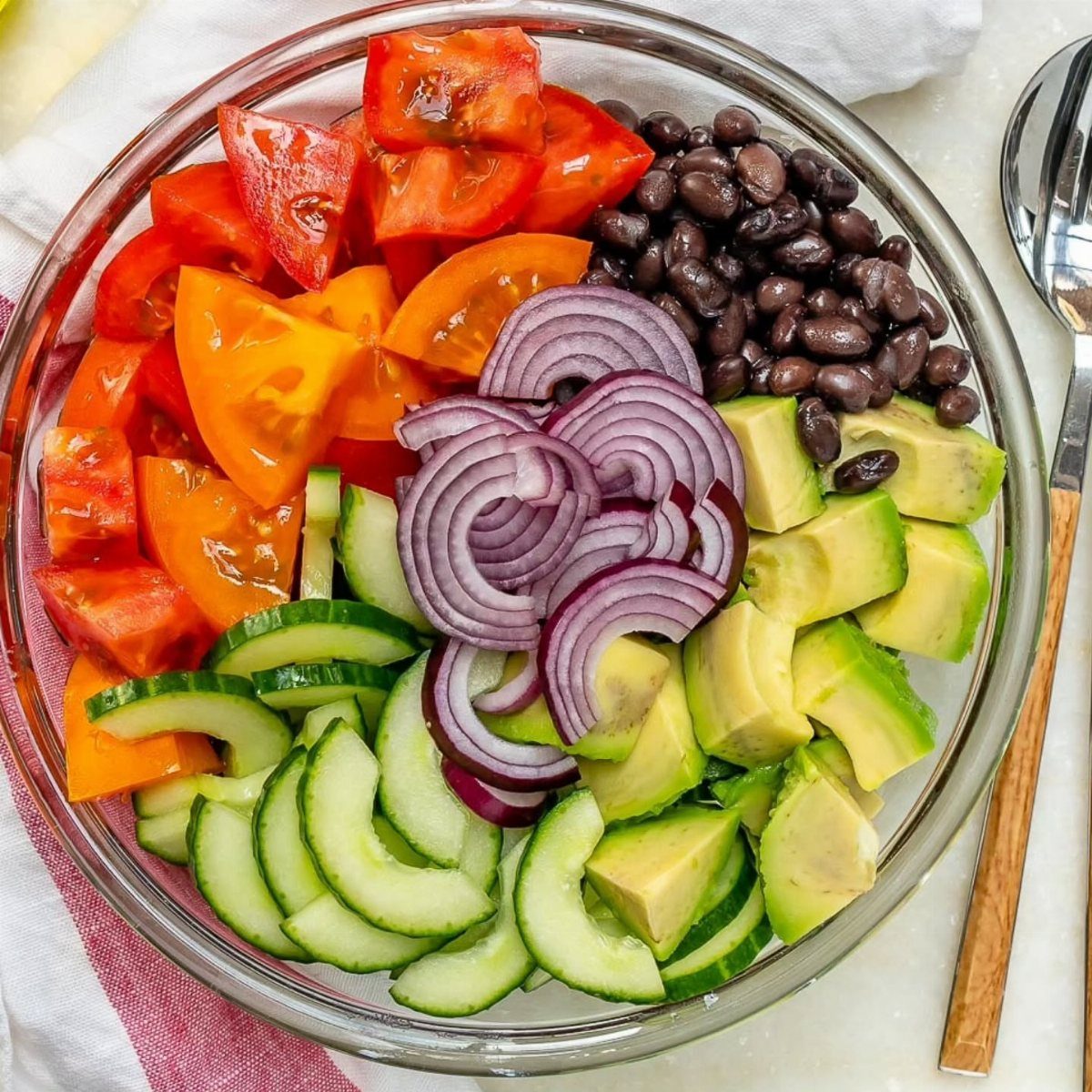
Tomatoes, black beans, cucumber, avocado and red onion make a salad that needs a knife and a bowl, nothing more. Chop everything to a similar size so each forkful has a bit of all five.
Add the avocado last so it stays in chunks. Beans make this filling enough to be lunch, and it holds in the fridge for a day if you keep the avocado separate.
Hair Loss Has Other Causes
Food can’t fix every kind of thinning. Genetics is the most common cause of hair loss in both men and women, and age, hormones, thyroid problems, stress, medication, pregnancy and menopause can all change how much hair you shed.
Crash diets and repeated weight loss and regain can leave hair brittle, because the meals run short on vitamins and minerals. Steady eating beats cycles of cutting back.
A blood test is the only way to confirm a thyroid problem, so checking your hairline in the mirror won’t tell you.
If the thinning is considerable, sudden or just won’t stop, I’d book a visit with a doctor or another professional who can examine your scalp and find the cause.
Changing your meals in the meantime is fine, but it shouldn’t replace that appointment.
Deficiency Evidence Is Limited
Before you rework the grocery list, keep your expectations modest.
Much of the research on food and hair involves people who already have a diagnosed hair-loss condition or a nutrient deficiency, so it’s unclear whether eating differently adds growth if you don’t.
If poor nutrition is part of why your hair is thinning, eating a balanced diet can help. Only the cells lining the intestine divide faster than hair cells, and about 120,000 hairs on your scalp are drawing on that supply.
Your body doesn’t need hair to stay alive, so when nutrients run low, they go to the organs first and the hair gets what’s left.
I’d treat balanced eating as a baseline for scalp and strand health, not a guaranteed fix.
“Hair follicles in your scalp help hair grow,” she explains. “Chemicals, overheating, trauma and poor nutrition can damage these follicles, stunting hair growth and causing hair to fall out.”
Avoid Excess Supplements
Supplements are where more stops being better. Talk with a healthcare provider before starting one, partly because some supplements and medications interact, and partly because your body absorbs nutrients better from food.
Iron is the one people reach for first, since low iron is linked to hair loss.
If you suspect yours is low, get it checked before buying a bottle, because too much iron can cause harm. A multivitamin that contains iron is a gentler option than a standalone iron pill.
Vitamin A works against you in excess, and too much of it can cause hair loss.
Taking high doses of biotin can skew certain lab results, so mention any supplement to your doctor before a blood draw. If you take it and have bloodwork coming up, tell whoever orders the tests.
Frequently Asked Questions
What to drink to stop hair loss?
Nothing you sip will stop hair loss or grow new hair on its own.
A smoothie made from whole foods is a sensible choice: soy milk, avocado, berries and leafy greens, with nuts, nut butter or seeds for extra protein, fiber and healthy fats.
Food can’t fix every cause of thinning, such as genetics, hormones or thyroid problems, so treat the smoothie as support, not a cure.
What food is best for hair growth?
No single food wins. A balanced diet that pairs protein from fatty fish, eggs or red meat with plant foods like spinach, seeds, nuts and sweet potatoes covers the protein, iron, omega-3s and antioxidants hair draws on.
Avoiding deficiencies matters most, since genetics, age and overall health also set how fast your hair grows.
What stimulates female hair growth?
No single trick does it, though a handful of small habits build on each other over time.
Eat a nutrient-dense diet, cut back on dyes and heat styling, and sleep on a silk pillowcase to limit overnight tangling. Minoxidil (Rogaine) is worth discussing with a doctor, though it can take 6–12 months to show results.
Which fruit is best for hair?
Berries are the strongest pick.
Berries are my pick here: the vitamin C in strawberries, blueberries and blackberries helps your body absorb iron, and the antioxidants help shield follicles from damage. No single berry is the winner, so I’d mix all 3.