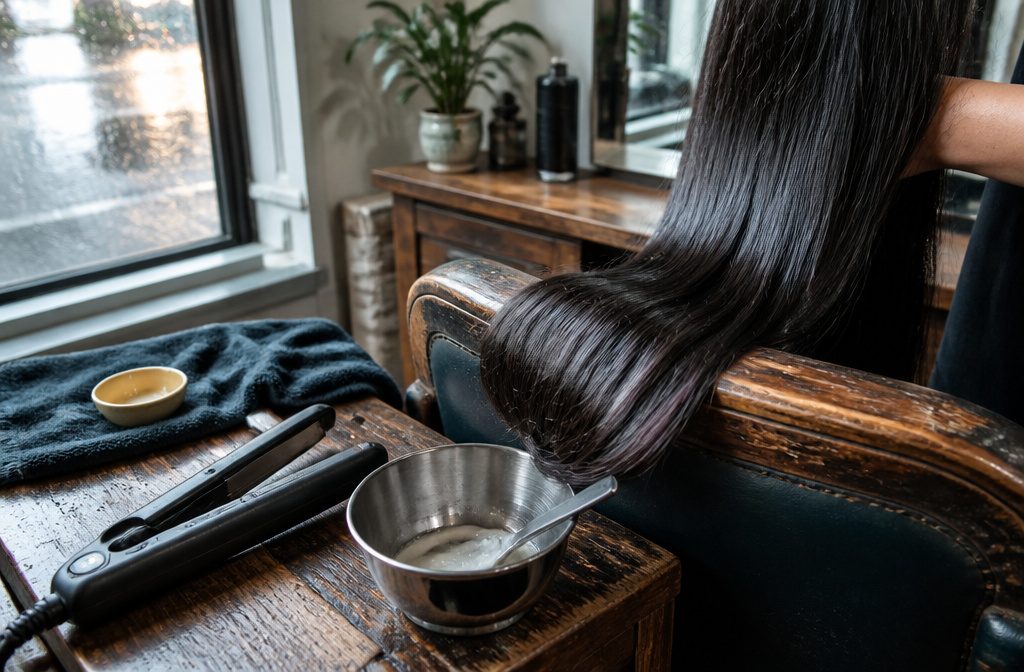
A keratin treatment is a salon procedure that coats the hair with a keratin solution and seals it with a flat iron, smoothing frizz for 3–6 months.
Formaldehyde does the straightening, and a "formaldehyde-free" label has not always been accurate, so check the ingredient list. Budget $300–$800 and about 3 hours in the chair.
What Keratin Is
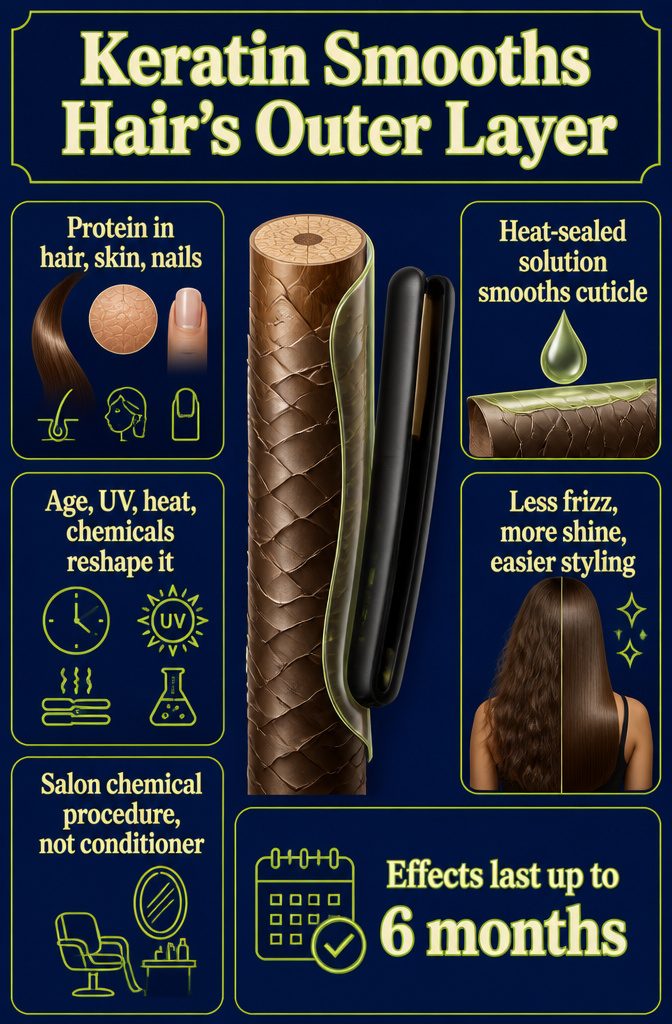
Keratin is the protein that makes up the outer surface of your hair, skin and nails.
Age, UV exposure, heat and chemicals break it down and change its shape, and hair then loses strength, elasticity and shine. A keratin treatment smooths the outer layer of the hair shaft, the cuticle, using a keratin solution and heat.
The effects are consistent: less frizz, more shine, hair that looks straighter, and easier styling, since it dries faster too. I want to be blunt about the category, though.
A keratin treatment is a chemical procedure done in a salon, not a conditioner. It can hold for up to 6 months, which no bottle in your shower will do.
How Salons Apply It
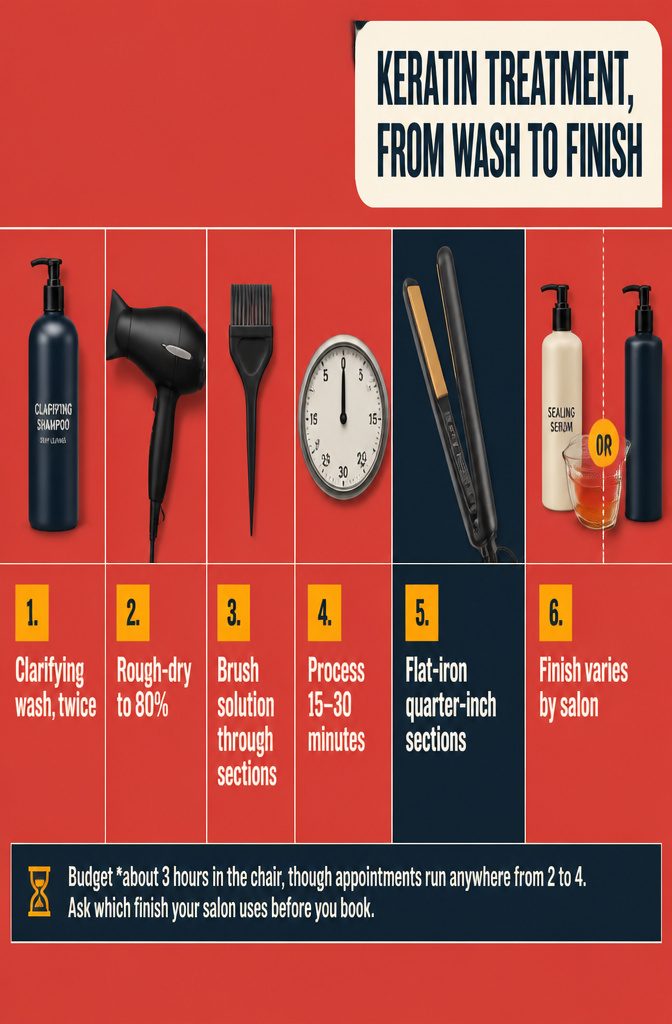
- Wash twice with a clarifying shampoo to strip buildup so the solution can grip.
- Rough-dry to about 80 percent dry, damp but not dripping.
- Brush the solution on in small sections, working through the whole head.
- Let it process for 15 minutes to half an hour.
- Blow-dry, then flat-iron in quarter-inch sections. The heat seals the treatment, so I’d treat this as the step that makes or breaks the result.
- Finish by salon. Some rinse and shampoo the treatment out, then add a sealing serum and a final blow-dry. Others never shampoo it out.
Budget about 3 hours in the chair, though appointments run anywhere from 2 to 4. Ask which finish your salon uses before you book.
Results and How Long They Last
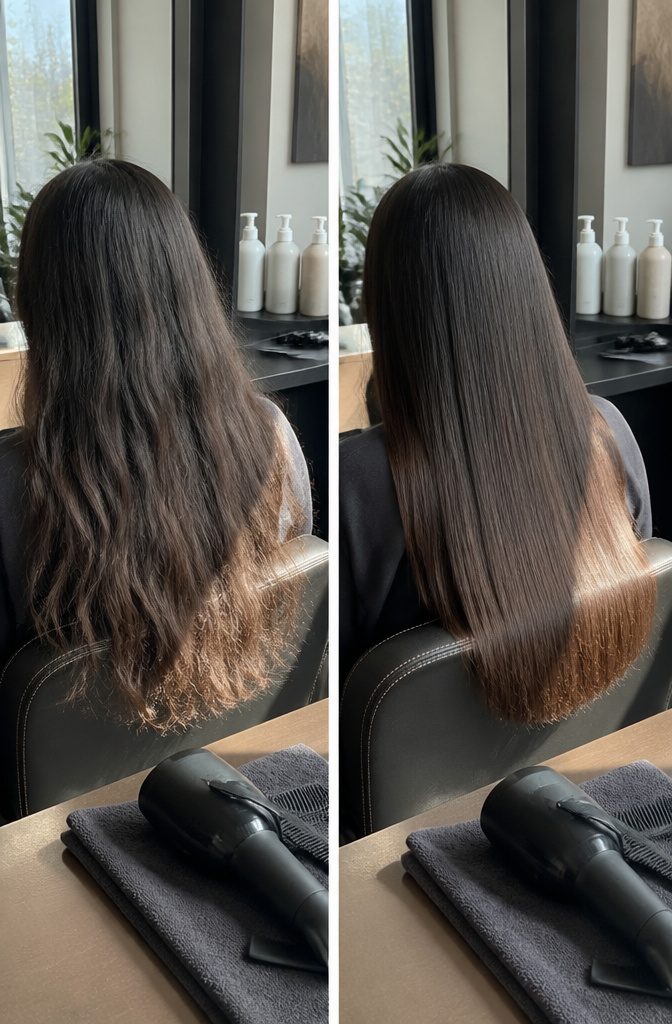
Expect hair that looks smoother, glossier and straighter, with much less frizz and a shorter blow-dry.
Split ends look less obvious because the keratin temporarily bonds them back together, and some people find their hair reads as thicker. Curls soften rather than disappear.
Results last 3 to 6 months, and I’d treat 6 as the ceiling, reached only if you wash 2 to 3 times a week instead of daily.
Hair type and aftercare move that number more than anything else. Keep it to 3 treatments a year at most.
Color is the other catch. Keratin can lighten dye by 1–2 tones, so book any dye or bleach at least 2 weeks before or after the treatment.
Who It Suits
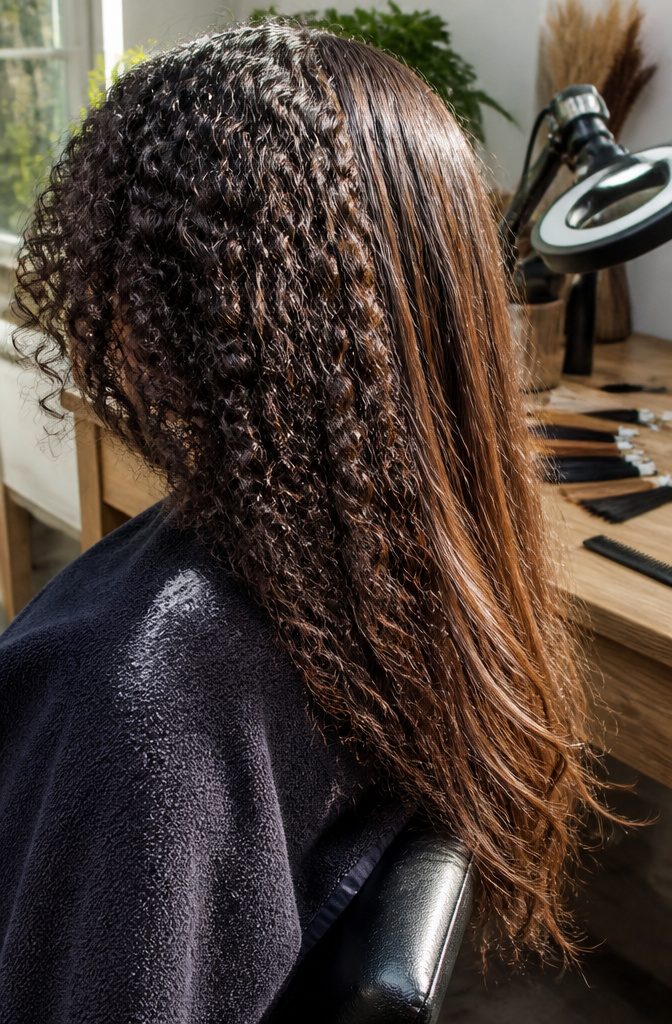
Frizzy hair and thick, stubborn curls are where keratin pays off, since the curls relax into smoother strands that stay manageable for months.
Very fine, thin or brittle hair is the opposite case, and highly damaged hair may be at risk too.
I’d skip it for those types, though the guidance reads as caution rather than a firm rule, so have a stylist look at your strands before you book.
Keratin treatments aren’t recommended during pregnancy, which is the clearest no. With sensitive skin or allergic contact dermatitis, go carefully and look for fragrance-free, preservative-free formulas.
Formaldehyde and Safety
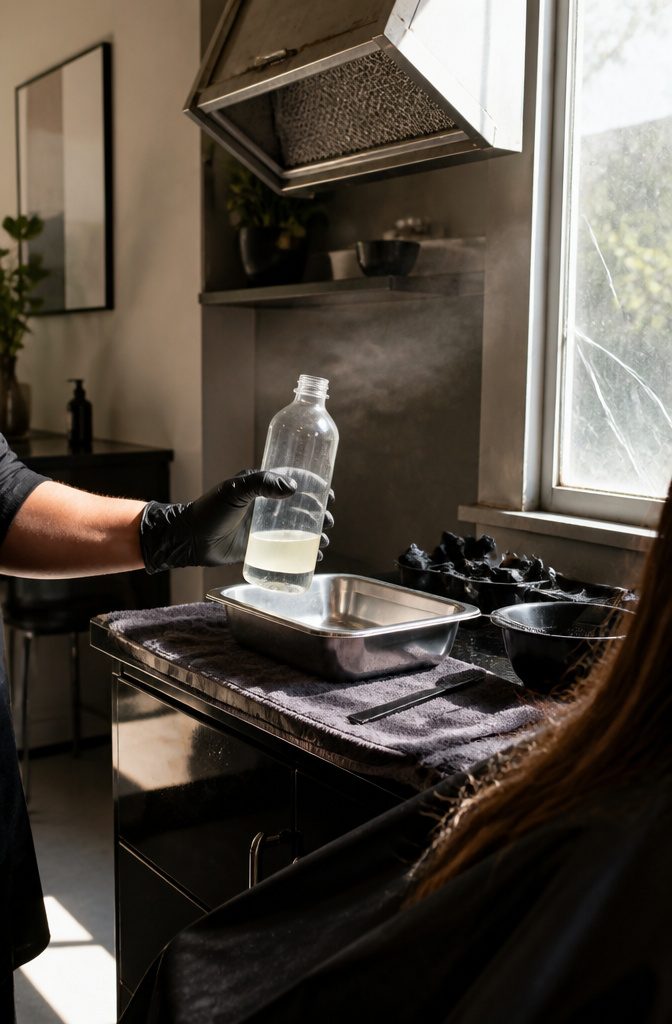
Formaldehyde is what actually straightens the hair, and heat can turn it into a gas.
Inhaled, it brings watery eyes, coughing, wheezing, skin irritation and burning in the eyes, nose and throat. Questions about longer-term health effects, cancer included, are still open.
Some ingredients release formaldehyde when heated, so read the whole label. The FDA has sent warning letters to brands with unsafe levels or undisclosed formaldehyde, and a "formaldehyde-free" claim has not always held up.
Formaldehyde-free versions, some built on glyoxylic acid, skip the exposure but are not quite as effective.
I’d still take that trade. Read the ingredient list, and ask the salon about ventilation and safety practices before you book.
Aftercare for the First Week
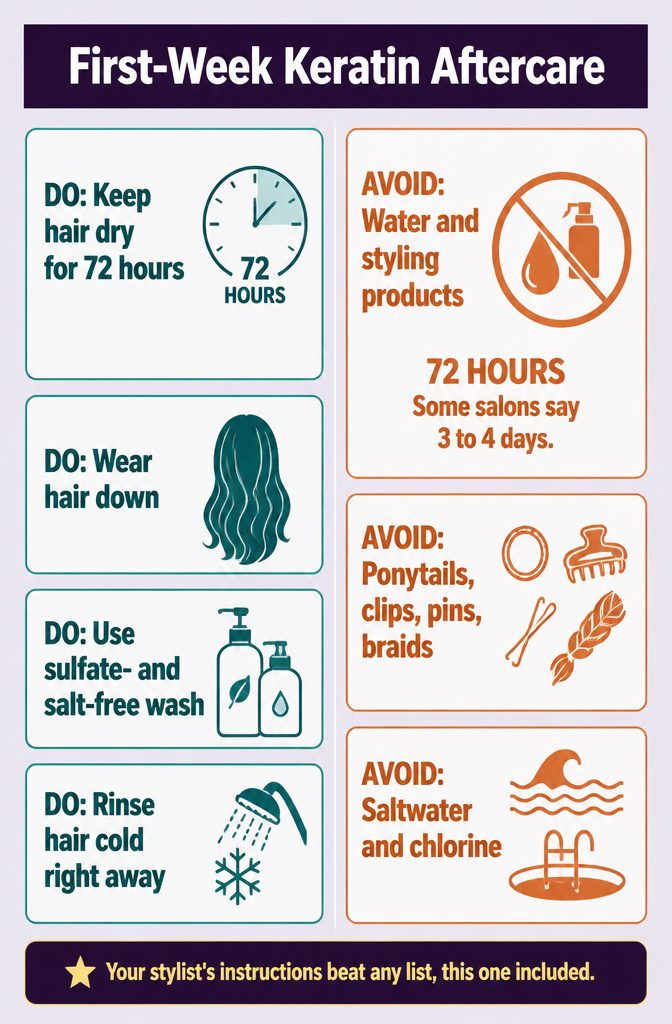
Most treatments ask for the same few things in week one:
- Keep hair away from water and styling products for 72 hours. Some salons say 3 to 4 days.
- Wear it down. Ponytails, clips, pins and braids can deform hair before the treatment sets.
- Wash first with sulfate-free, sodium chloride-free shampoo and conditioner.
- Skip saltwater and chlorine, which shorten results. If you can’t avoid them, rinse your hair cold right away.
Not every formula follows this. Goldwell Kerasilk, a formaldehyde-free treatment, is shampooed out in the chair, as colorist Meri Kate O’Connor explains:
"With this one, we shampoo you right after the treatment. There is no additional waiting period for the product to settle in."
— Allure
Your stylist’s instructions beat any list, this one included.
Cost and Alternatives
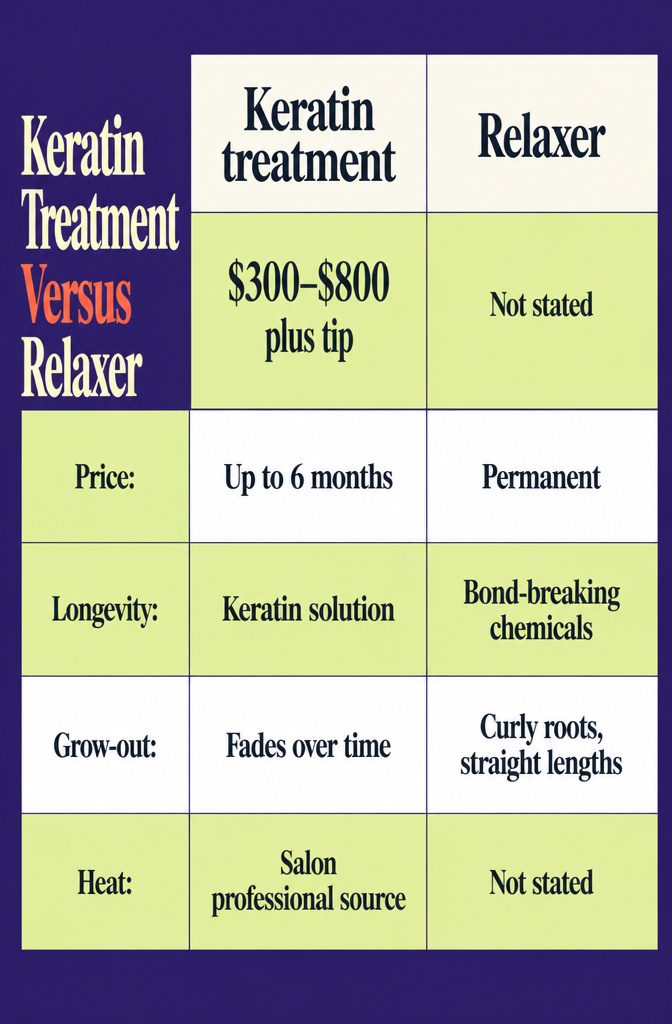
A salon keratin treatment runs $300–$800 plus tip, and some quotes start at $300 and climb from there. At-home kits cost less, but you have to follow the instructions closely, and a salon’s professional heat source works faster.
Relaxers, sometimes called Japanese straightening, are the permanent alternative. They use ammonium thioglycolate and sodium hydroxide to break hair bonds, so the straightness stays.
The grow-out gets awkward, though, because untreated roots come in curly against straightened lengths. Brazilian blowouts sit closer to keratin, and the three treatments differ in ingredients, longevity, results and maintenance.
For smoother hair without a permanent commitment, I’d pick keratin. I’d save a relaxer for someone who has accepted that grow-out.
Cancer Studies and Kidney Injury
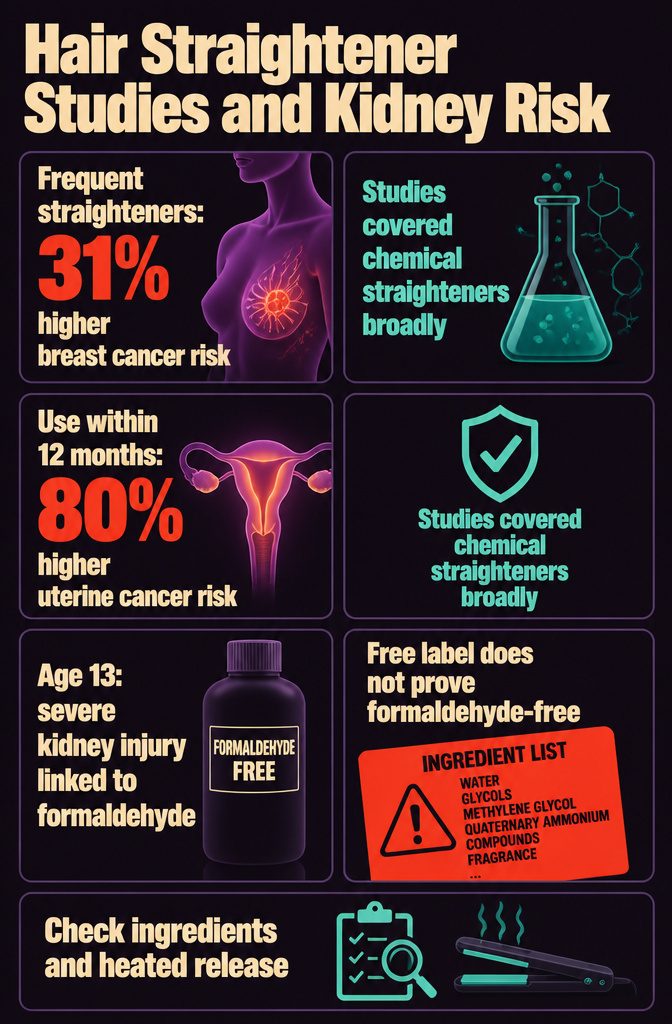
Women who used chemical straighteners every 5 to 8 weeks or more often had a 31% higher risk of breast cancer. Another study found an 80% higher adjusted risk of uterine cancer in women who used a straightener within the previous 12 months.
Both looked at chemical straighteners broadly, not keratin alone, so they don’t single out keratin; they do argue against frequent touch-ups.
A 13-year-old developed severe kidney injury linked to formaldehyde, from a product marketed as formaldehyde-free.
A "free" label is not proof, so before booking, ask to see the ingredient list and whether the formula releases formaldehyde when heated. Truly free formulas exist, but they tend not to work as well.
A First Salon Visit
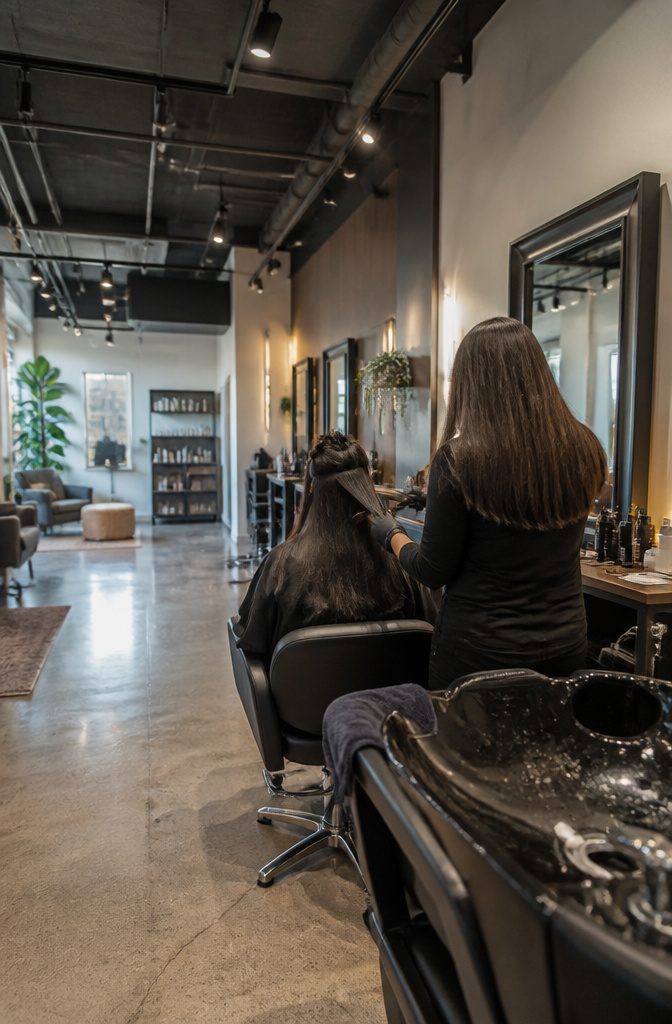
Plan on 3 to 4 hours in the chair for Goldwell Kerasilk, a keratin treatment marketed as 100 percent formaldehyde-free. Most of that time goes to flat-ironing in quarter-inch sections, the slowest step of the appointment.
A musty smell, something like an old attic, drifts in and out during the process. It usually fades by the final blowout, though a faint trace can last until your next wash.
After the ironing, the product is rinsed for 5 to 10 minutes and you’re shampooed right away.
There is no 3-day wait before washing. That is one treatment’s experience, not every keratin treatment: most others do require the wait, along with rules against pins, braids, and ponytails.
Keratin Alpha at Home
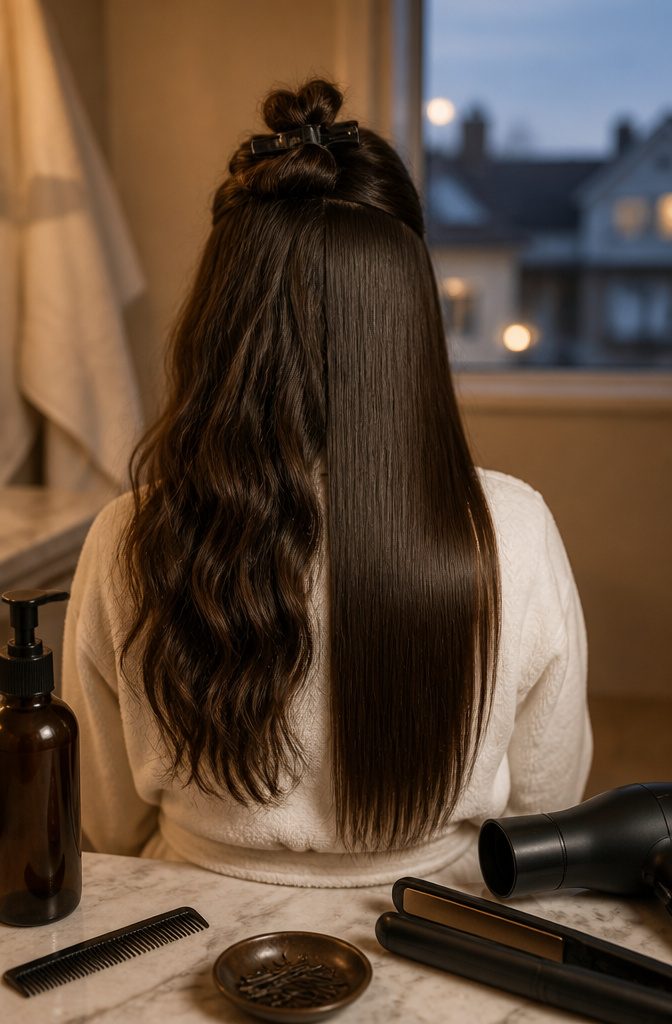
The Keratin Alpha Sleek Smooth Transformer contains no keratin. It works on keratin alpha, the core protein whose helical structure and bond network help decide whether a strand is straight, wavy or curly, and it reshapes those chains.
The result is 2 weeks of smooth, frizz-controlled hair, while a salon treatment is measured in months.
The routine is washing and sectioning, applying the product, blow drying, then flat ironing for the best finish.
It’s labeled for all hair types, including colored hair and hair that has already been straightened, which is a real point in its favor.
I’d treat it as a short-term smoother: good for an event, or for testing how you like sleeker hair before paying for a salon service.
Frequently Asked Questions
What is a keratin treatment, and how long does it last?
A keratin treatment is a chemical salon procedure that uses a keratin solution and heat to smooth the cuticle, the outer layer of the hair shaft.
Results last 3 to 6 months. Treat 6 months as the ceiling, which you only reach by washing 2 to 3 times a week instead of daily.
Is a keratin treatment good for your hair?
It’s good for frizz, shine and styling time: hair looks smoother and straighter, and it dries faster.
Split ends also look less obvious because the keratin temporarily bonds them together. It works best on frizzy hair and thick, stubborn curls, and it’s a poor fit for fine, brittle or highly damaged hair.
What are the downsides of a keratin treatment?
The biggest downside is formaldehyde, which heat can release as a gas that irritates the eyes, nose, throat and skin.
A salon treatment also costs $300–$800 plus tip, wears off in 3 to 6 months, and can lighten dye by 1–2 tones. Studies tying chemical straighteners in general to higher cancer risk argue for keeping touch-ups infrequent.
How is a keratin treatment applied?
The stylist washes your hair twice with clarifying shampoo, rough-dries it to about 80 percent, and brushes the solution on in small sections.
It processes for 15 to 30 minutes, then the hair is blow-dried and flat-ironed in quarter-inch sections to seal it in. Plan on about 3 hours in the chair, though salons range from 2 to 4.
Are keratin treatments actually safe?
Not without caveats. Formaldehyde is what straightens the hair, some other ingredients release it when heated, and the FDA has sent warning letters to brands with unsafe or undisclosed levels.
Formaldehyde-free versions avoid that exposure but work less well, and a "free" label isn’t proof, so read the full ingredient list and ask about ventilation before you book.
How do you take care of your hair after a keratin treatment?
Keep hair away from water and styling products for 72 hours, and wear it down with no ponytails, clips, pins or braids.
Use sulfate-free products afterward, and avoid saltwater and chlorine, which shorten the results. If you can’t avoid them, rinse with cold water right away.
How do you wash your hair after keratin, and what’s the best shampoo?
Wait 72 hours for the first wash, though some salons say 3 to 4 days.
Use a sulfate-free, sodium chloride-free shampoo and conditioner, and wash only 2 to 3 times a week to make the results last. Some formulas, like the formaldehyde-free Goldwell Kerasilk, are shampooed out in the chair, so follow your stylist’s instructions.