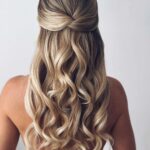
The picks span a short blonde pixie to long, sleek hair that falls past the bra band, and they cover everything from easy waves you let air-dry to glossy cuts that want a trim every 8–10 weeks.
Your natural texture and the number of salon visits you’ll really book decide which look is yours, because sleek, glossy cuts shift the work from the mirror to the calendar.
Start with what your hair does on its own, then count the upkeep.
1. Bob Haircut
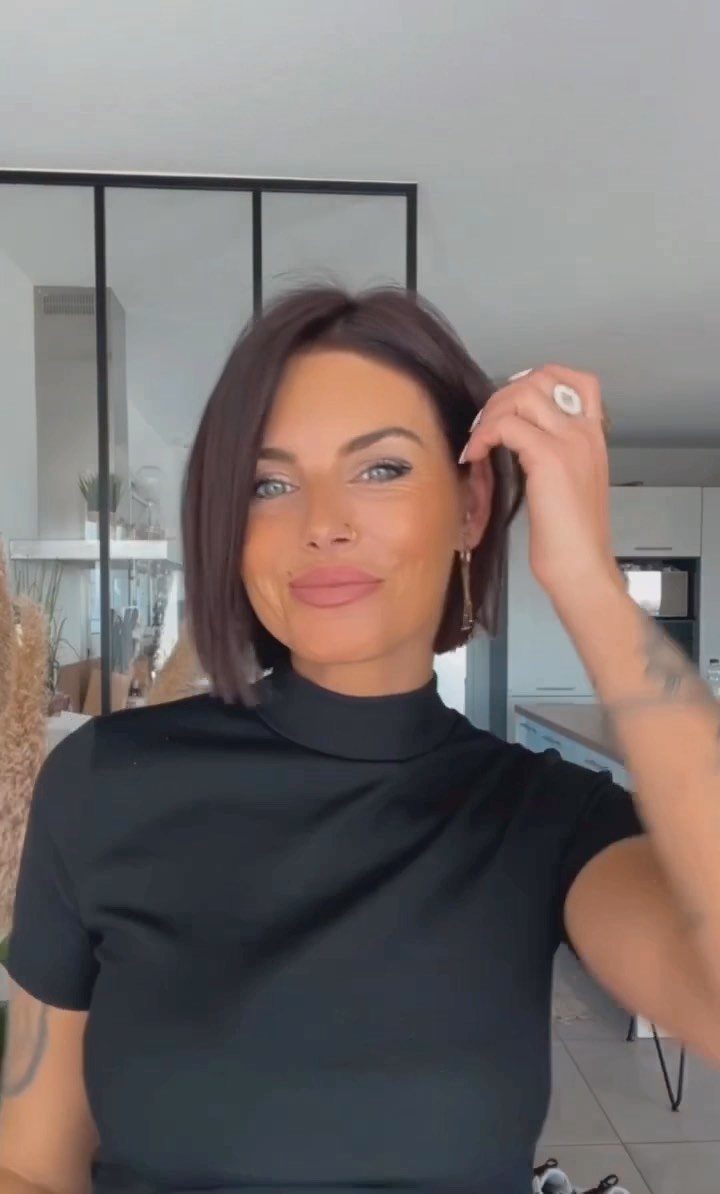
A chin-length bob in dark brown, cut smooth and even, is about as short as a classic gets while still looking polished. Its shape comes from the line of the cut, so there’s very little to style.
I like this version for anyone who wants a short cut that works on a workday and a weekend.
The bob also shows up softened, textured or tailored, so you can pick the finish that matches how much effort you want each morning.
Bring a photo to the salon and say whether you want a clean, smooth edge or something looser. That one detail changes the cut more than the length does.
2. Bangs
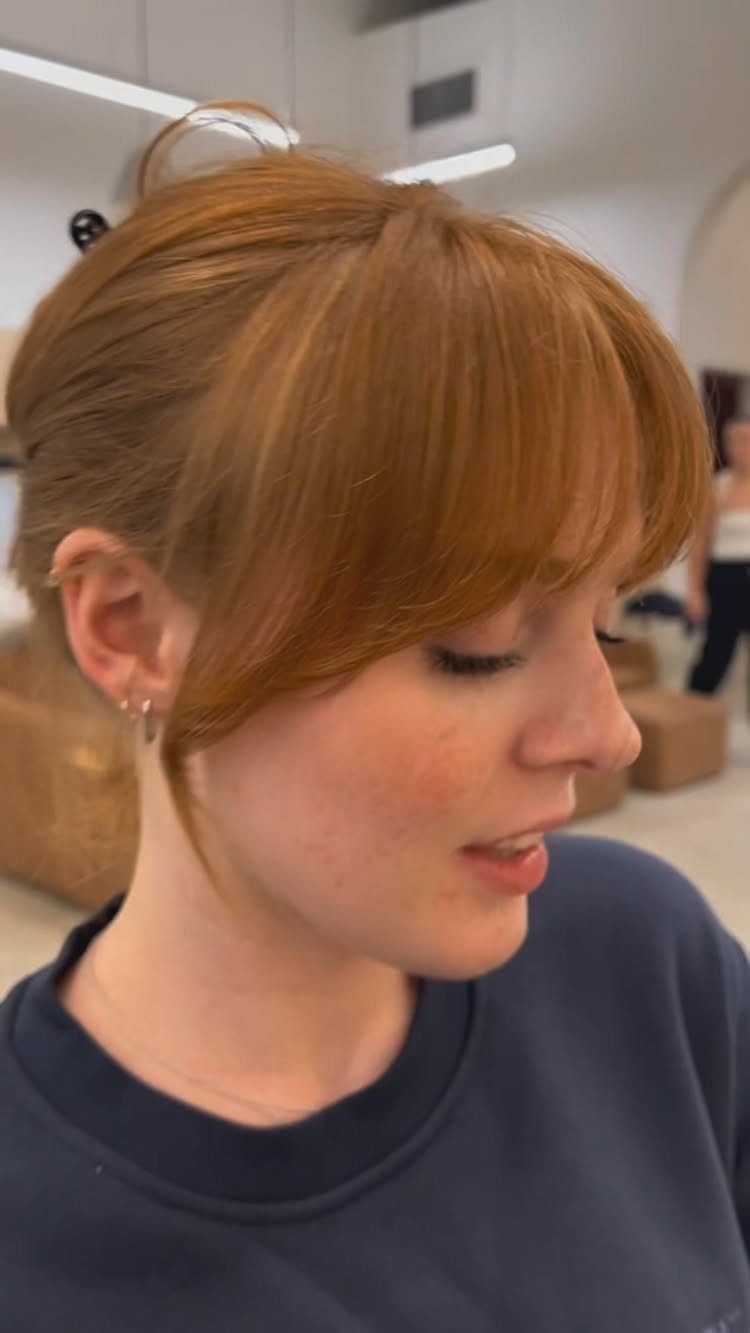
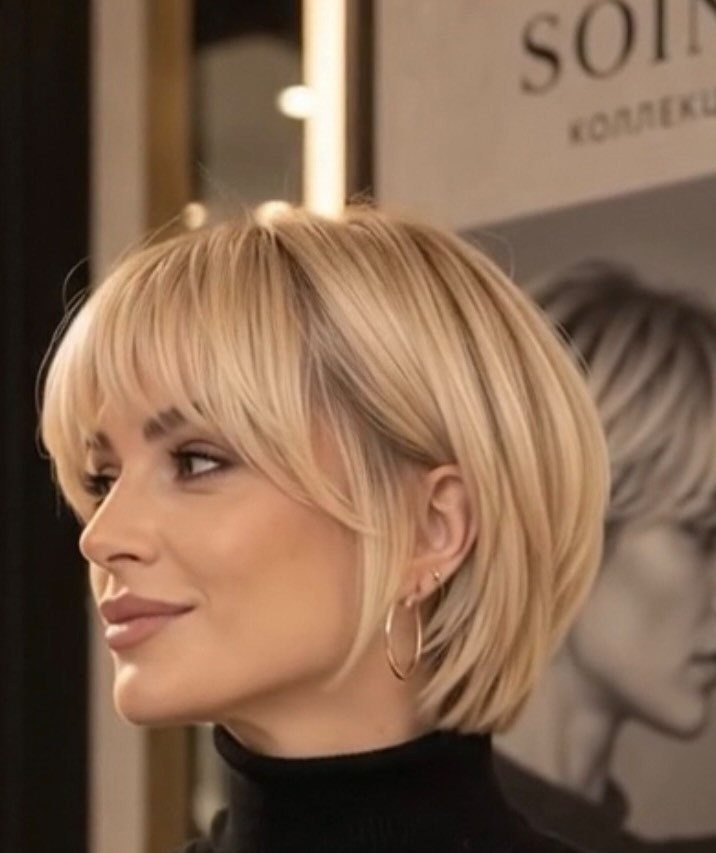
Side-swept bangs cut long melt into the layers around them, so nothing ends in a blunt edge and the face gets a soft frame.
Fringe can also be cut blunt and short, wispy, or disconnected, and this version is the easiest one to live with.
Anyone growing out a cut or nervous about a commitment can start here. Sweeping the length to one side means it tucks behind the ear on days it won’t behave.
Ask your stylist for long bangs cut to sweep across the forehead, then pick the side that matches your natural part. I’d keep them longer than you think you want; trimming later is simple.
3. Bixie Haircut
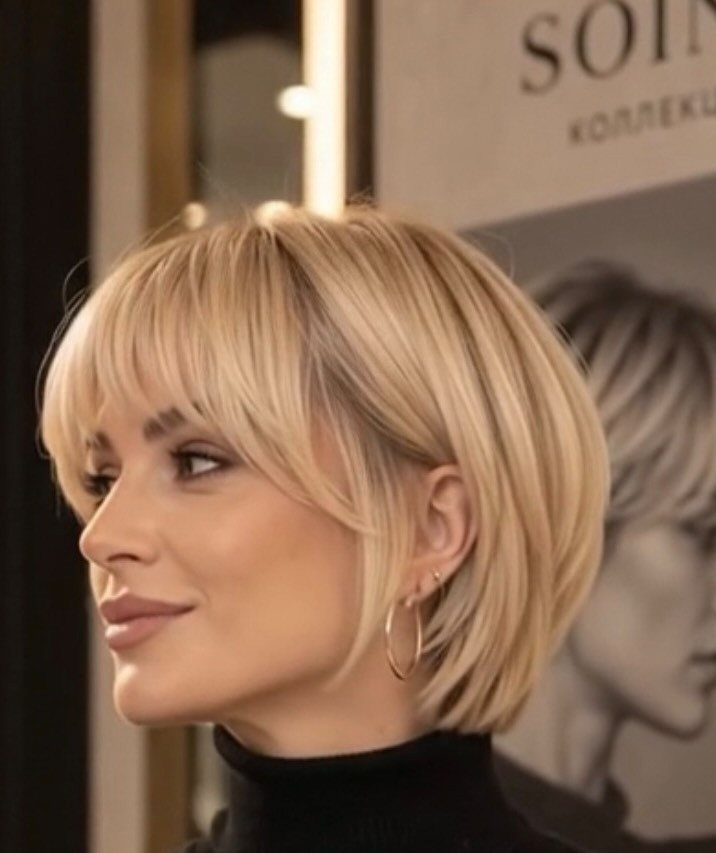
Somewhere between a chin-length bob and a cropped pixie, this cut keeps enough length to move and enough shortness to feel light. The shape is relaxed and full instead of sharp, with wispy bangs that blend into the sides.
Anyone stuck between going short and staying long can try it without fully committing to a pixie. The volume comes from the cut itself, so mornings stay easy.
Ask for a bixie, and bring a photo so your stylist can see where you want the length to fall. I’d keep the bangs wispy and the shape soft around the edges.
4. Side Parts
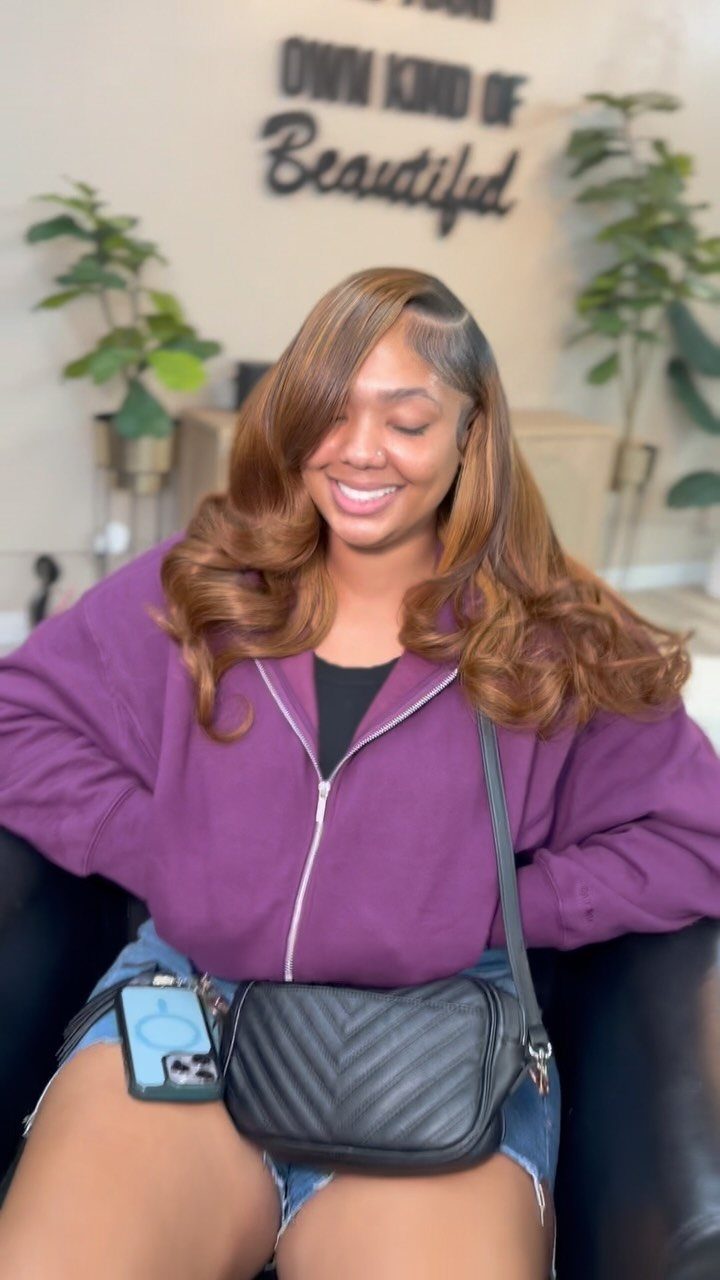
A deep side part moves the hair’s weight to one side, and that single line changes how the whole style reads.
Long waves with a side part sit fuller at the crown and look more deliberate than the same waves split down the center.
Part it while the hair is damp, using a comb to draw the line from the arch of your brow back. Then dry it in that direction so the roots learn the lean.
Switching sides is the cheapest restyle there is. If you’ve always parted on the left, try the right and give it a few days to settle.
5. Waterfall Layers
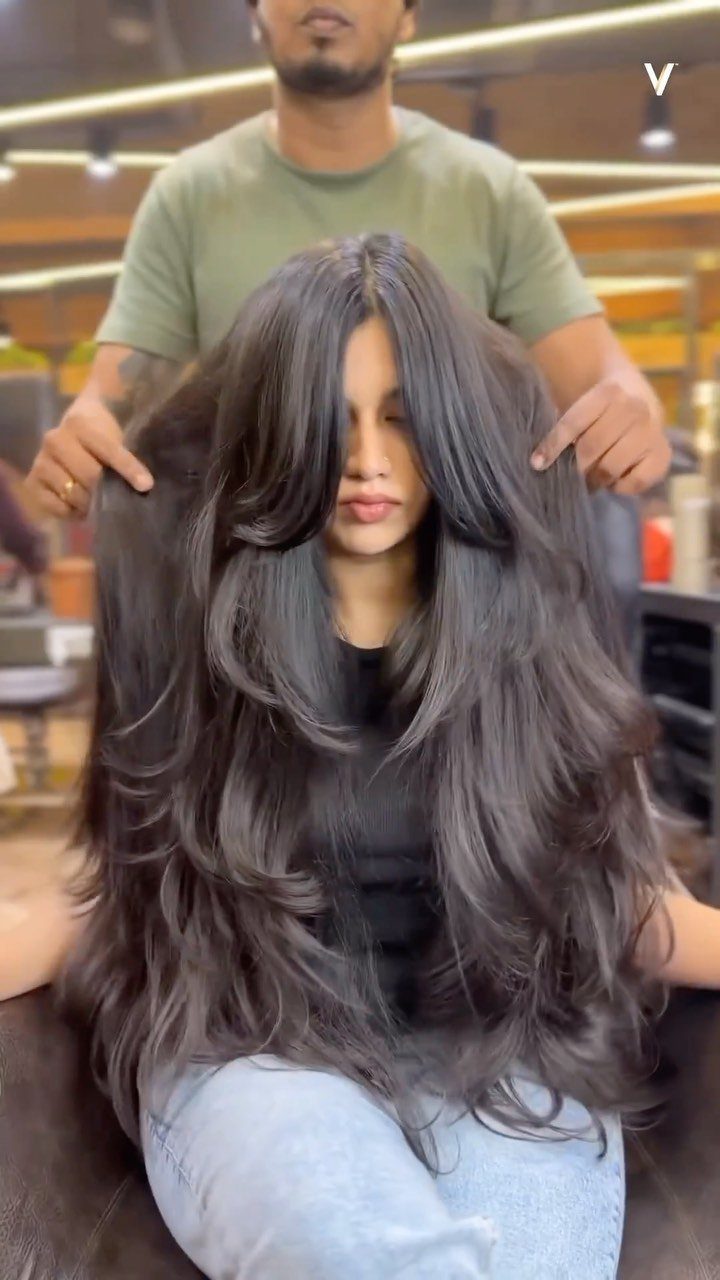
Thick layers cut long, with the shortest pieces starting well above the ends, let the hair fall in steps like water over a ledge. That stepped weight is what gives dark, long hair its movement.
Anyone with length to spare and a flat, heavy look can use this. Layers remove bulk without costing inches.
Ask for long, thick layers that begin near the face and cascade down, and tell your stylist you want to keep the length. A blow-dry that flips the ends slightly away from the face shows the layers off best.
6. Buzzed Side
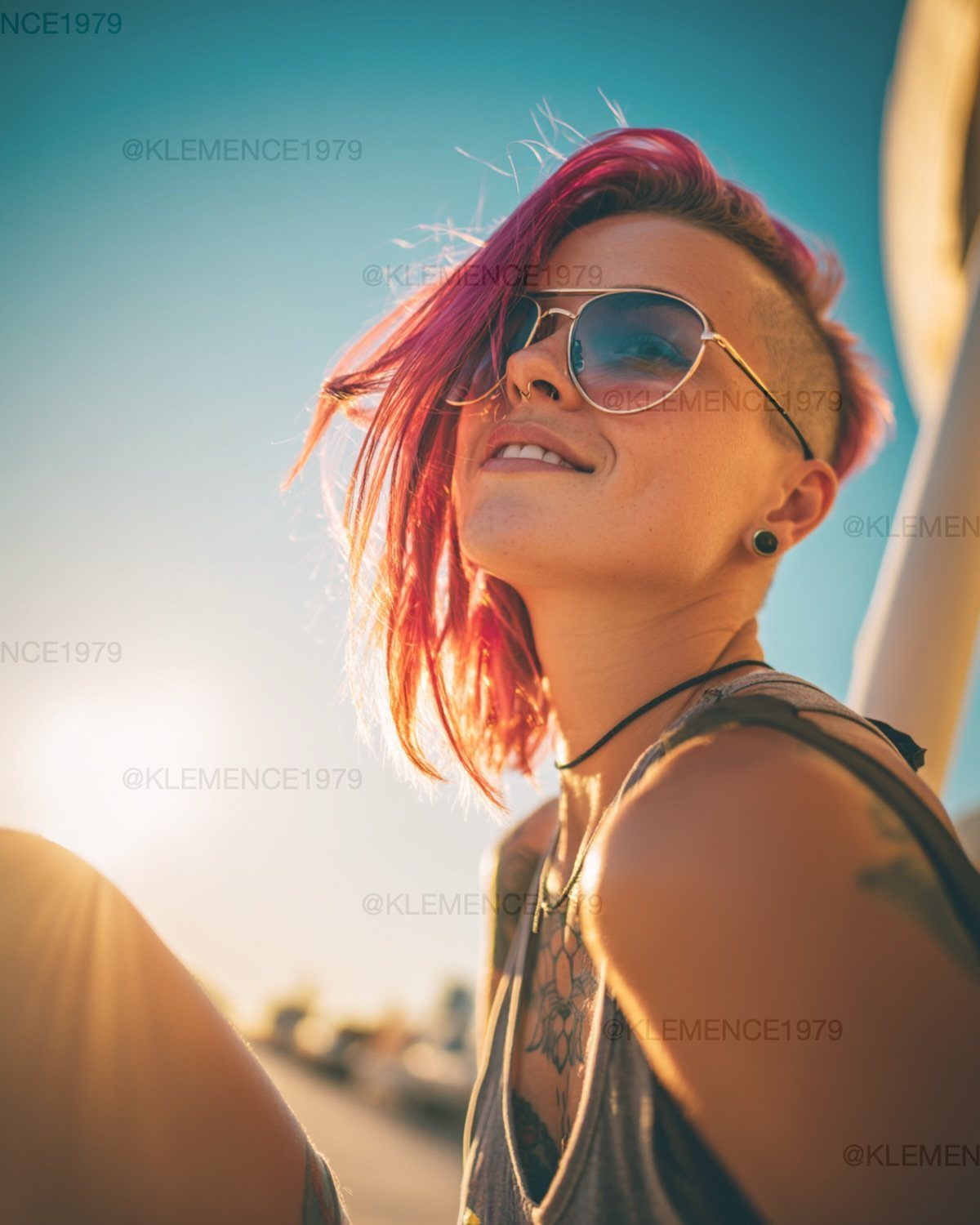
A closely buzzed patch hides under longer hair and shows only when the top swings or gets tucked back.
The idea works at any length, which makes it one of the easier ways to try a short cut without losing the rest.
Because the buzzed section sits beneath, you decide each day how much of it shows.
Swept over to one side, it stays quiet; pushed behind the ear, it becomes the point of the look. I’d place it on the side you part toward the least, so the longer hair covers it by default.
Bring a photo to your stylist and say exactly how high the buzz should start. Expect to keep it trimmed, since a buzzed section grows out visibly.
7. Sculptural Curls
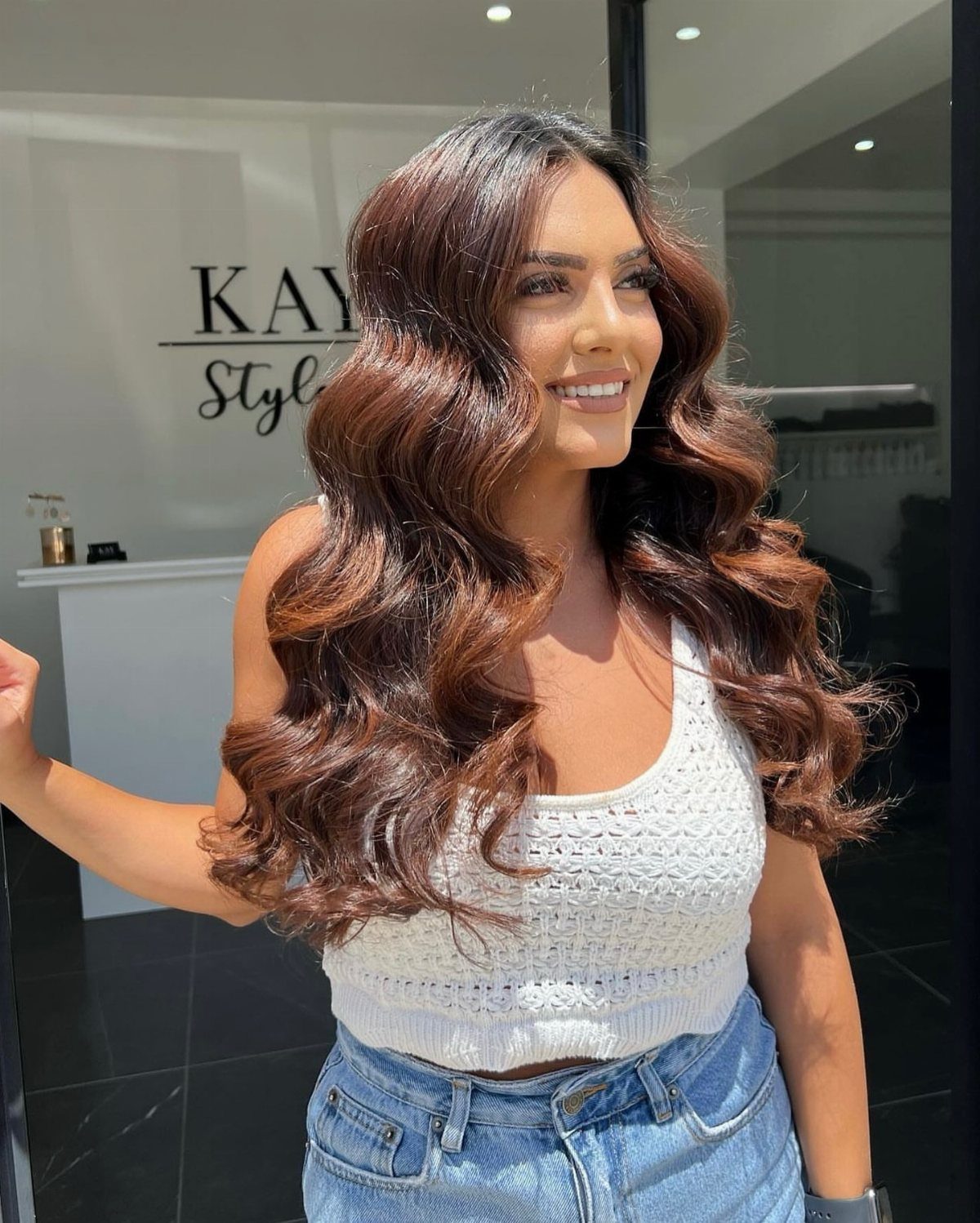
Long, glossy curls with enough shape to hold their own form, each one defined instead of blurred into a general wave. Volume sits through the lengths, and the finish stays shiny.
Improved curl-defining tools and newer products have made this far easier to get than it once was, so it no longer takes a professional every time.
I like it best on hair that already has some bend, since the tools then define what’s there instead of building it from nothing.
Ask your stylist for long hair with the curl pattern defined from mid-lengths to ends, and request the same tool and product pairing for home. Expect the first attempt to take longer than your usual morning.
Just look to Sam McKnight’s styling at Richard Quinn’s spring/summer 2026 show, where twists and knotted chignons were worn with deliberately “decadent” volume. “It’s unapologetically high-gloss, with hair sculpted into considered silhouettes,” he explains.
— Vogue
8. Natural Hair Texture
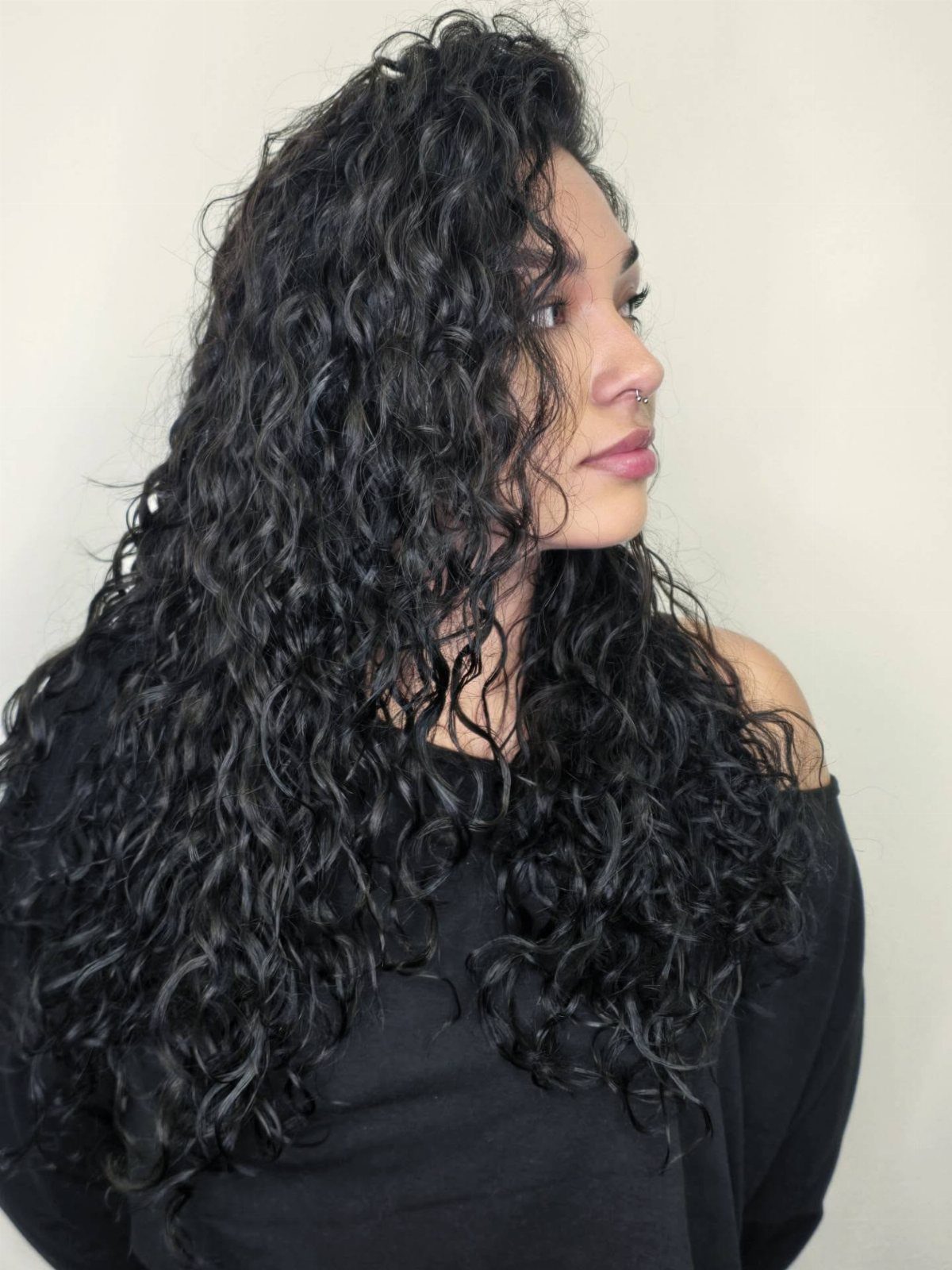
Curls, coils and waves are left to form their own pattern, and the styling goes toward defining that pattern instead of straightening or reshaping it.
Natural texture builds long, full volume on its own, with no heat tools needed to get it.
This suits anyone tired of fighting their hair every morning. Time at the mirror shifts from hot tools to moisture and shape, which is a good trade if your curls tend to frizz under a flat iron.
Ask your stylist to cut the hair dry or while it’s in its natural pattern, so each curl is shaped where it actually sits. I’d skip heavy thinning and keep the length moving with the curl.
9. Long Layers
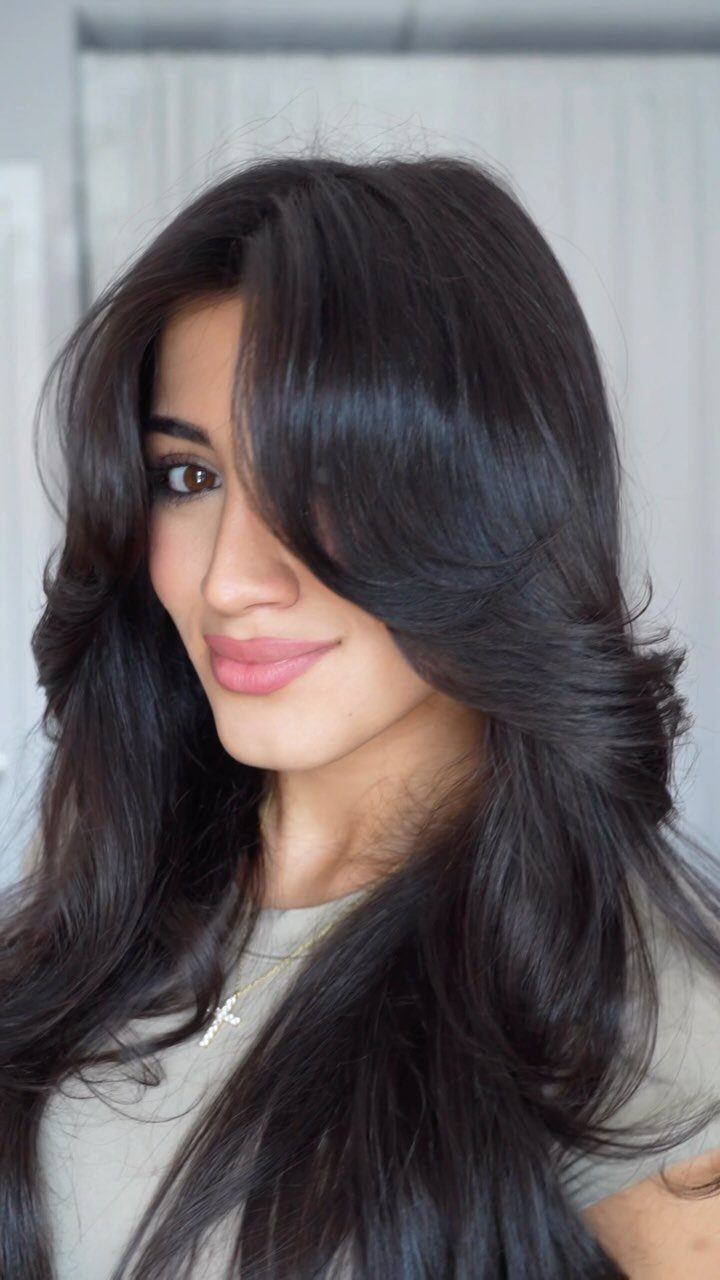
Long, dark brown hair with layers cut through it keeps its length and still moves, with a sweeping side fringe that frames the face and falls into the longest pieces.
Anyone who wants to keep their length but feels weighed down by one-length hair can ask for this.
Because the weight comes out of the interior and not the ends, hair moves more and sits fuller at the face while the length stays where it was.
When you book, ask for long layers that melt into the fringe, and say up front that you want to hold on to as many inches as you can.
Dark hair shows the layering clearly, so I’d have the ends lightly trimmed to keep them looking healthy.
10. Modern Crimp
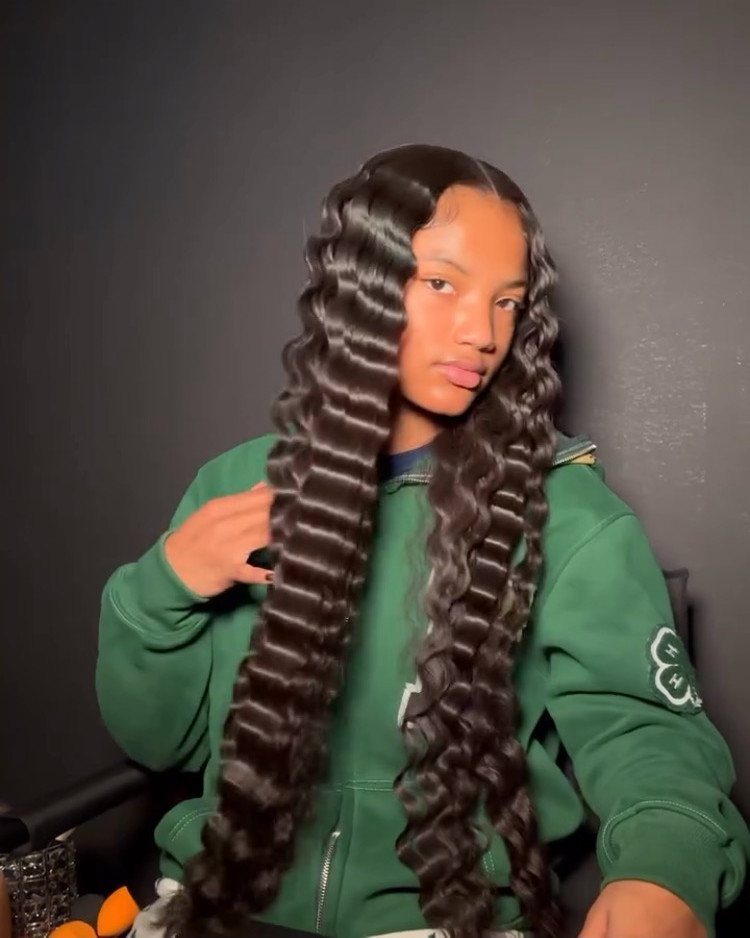
Crimping has grown up: the waves are wide and soft, with a glossy finish, instead of the tiny zigzag ridges from the 90s. On long dark hair, the pattern reads as a loose, even ripple.
This suits anyone with length to spare, since the waves need room to show. It also works as a quick way to add body to straight hair without a full curling session.
Use a wide-plate crimper, or a flat iron with a gentle wave pattern, on small sections. Brush the waves out lightly and finish with a bit of shine serum so the ridges blur into a smooth, even movement.
11. Graduated Bob
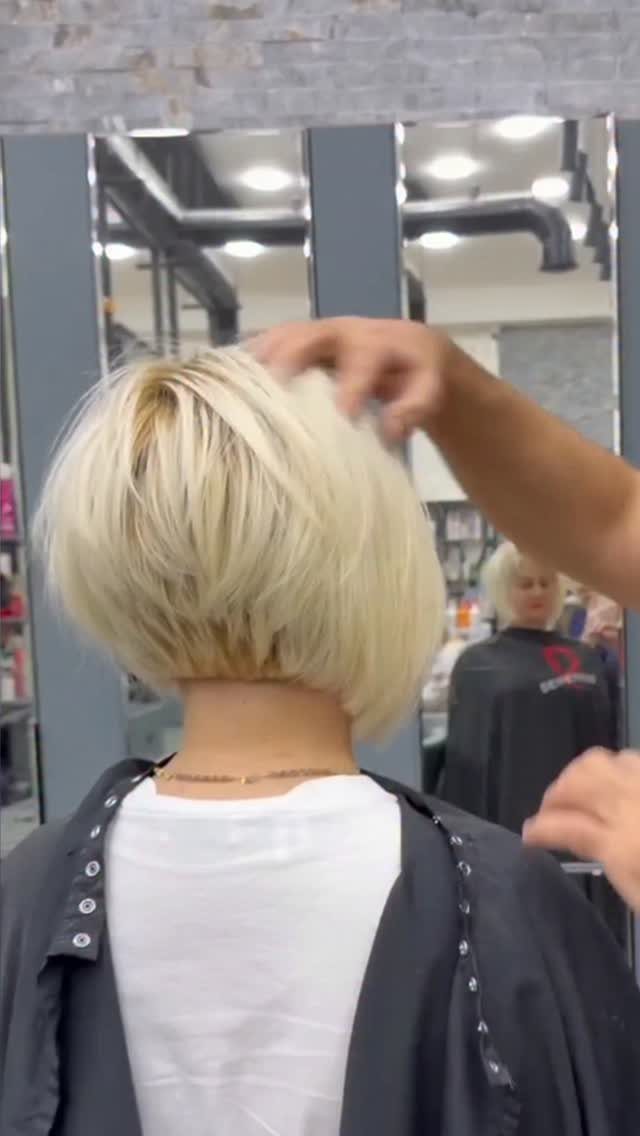
A graduated bob lands somewhere between the jaw and the shoulder, with the back cut a little shorter than the front and the nape tapered so the layers step up toward the crown.
Length and weight stay around the face, so the front looks full while the back looks neat.
For women who want a bob with some built-in lift, the graduation does the shaping that a round brush would otherwise have to do. It also suits anyone who likes a clean neckline without losing the frame around the cheeks.
Ask for a graduated bob, shorter at the nape with the weight left in the front pieces. Keep the stack at the back subtle, because a steep one looks dated faster than a soft, gentle build.
12. Lavish Brunette
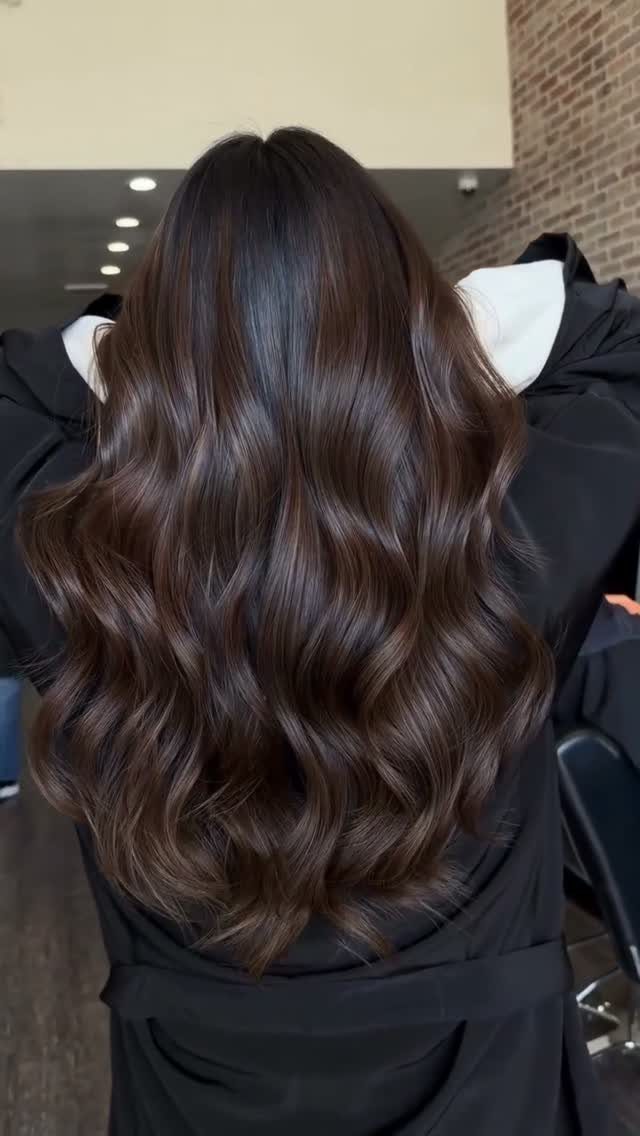
Depth is what makes this brunette work: dark brown that reads glossy and rich, with enough dimension that the waves catch light instead of falling flat.
Long, wavy hair gives the color room to show off, and brunettes who don’t want to go lighter get movement without a big change.
Shine does a lot of the work, so a gloss at the salon is the service I’d ask about first.
Bring a photo of the shade you like and ask for dimension, not one flat dark color. Any wave pattern can look good here, as long as the ends stay healthy.
13. Long and Sleek
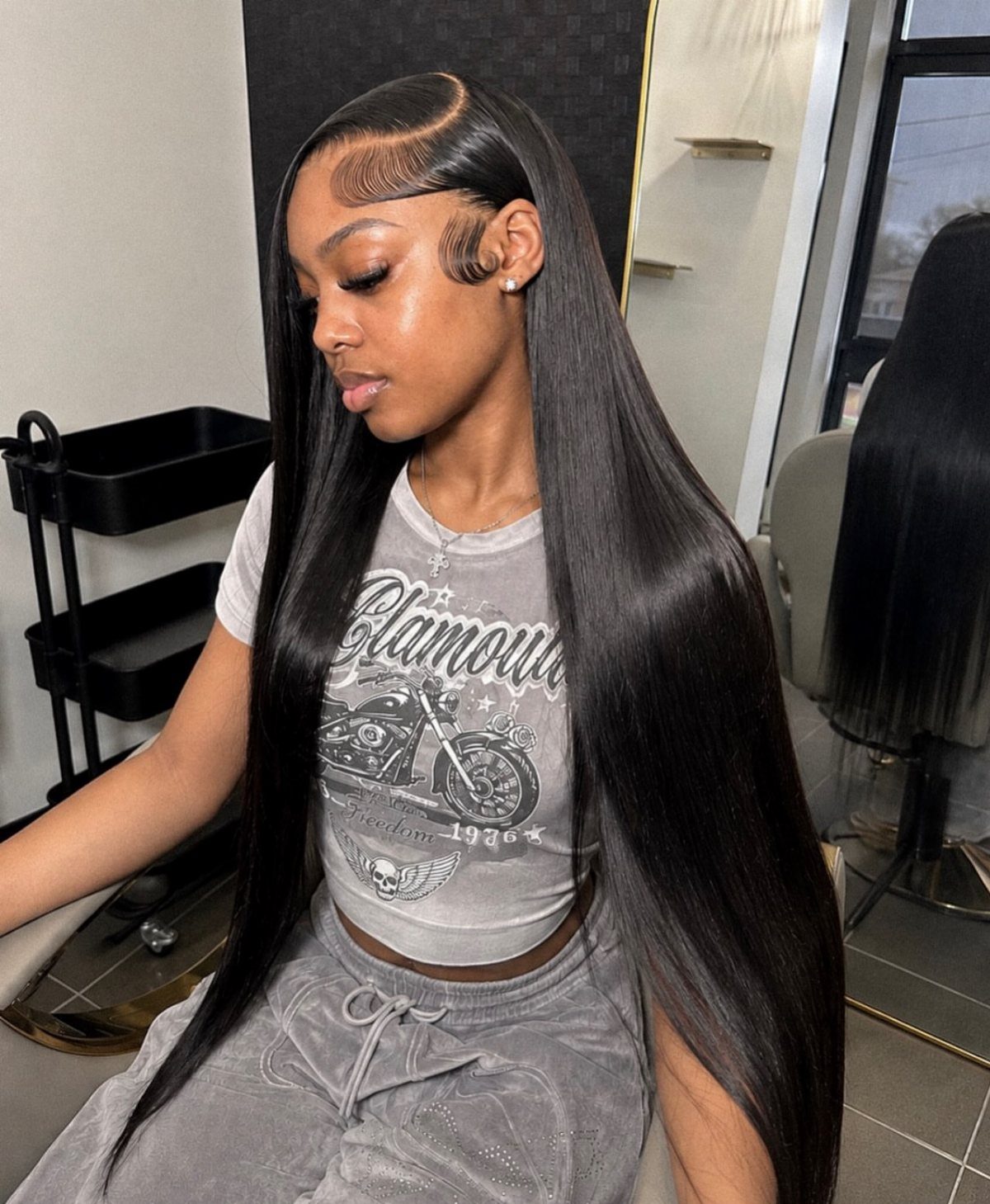
The cut is long enough to sit at or below the bra band, styled completely straight with a high-gloss finish.
This look suits anyone who has grown their hair out and wants to show the full length off rather than add texture or wave.
A flat iron and a smoothing serum or oil are the 2 tools this look relies on, with the serum worked through damp hair before you blow-dry and the iron saved for hair that is completely dry.
Zero bend means working in small sections and moving the iron from root to tip in a single pass. A deep side part adds shape without breaking the line.
This reads best on naturally straight or slightly wavy hair. Curly or coarse textures can get there, but the prep and heat time add up quickly.
14. Natural Blonde Tones
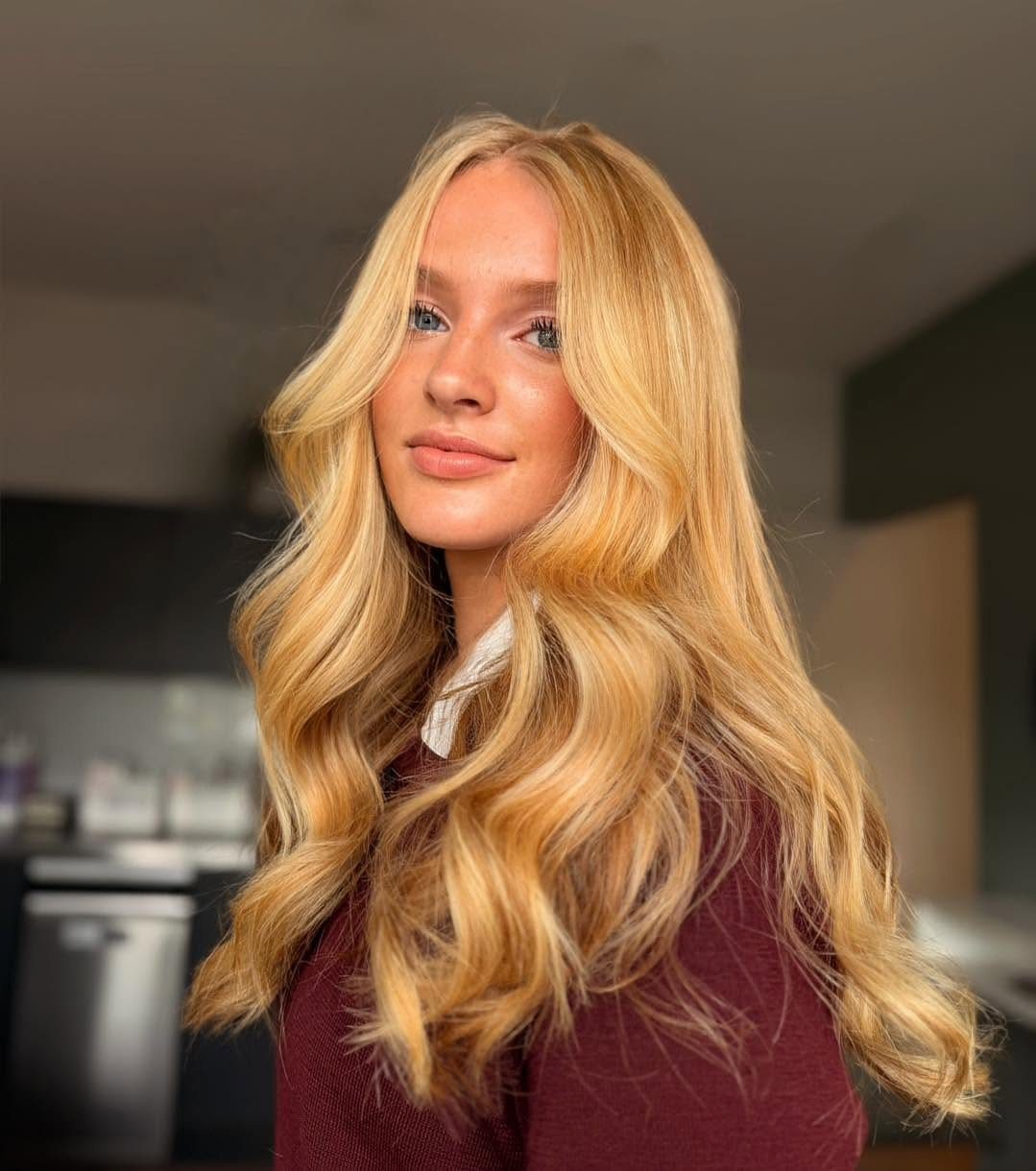
Blonde color stays warm and dimensional, with golden and honey tones instead of the cool, icy platinum that dominated for years. The result feels softer and more lived-in.
This works for anyone lightening their hair who wants a blonde that doesn’t need constant toning to keep ash.
Warm tones are more forgiving as they grow out, and they suit a wider range of skin tones than stark platinum does.
Ask your colorist for golden or honey blonde with a warm base. If you’ve been icy for a while, expect a gloss or two to shift the tone without starting over.
15. Color Melting
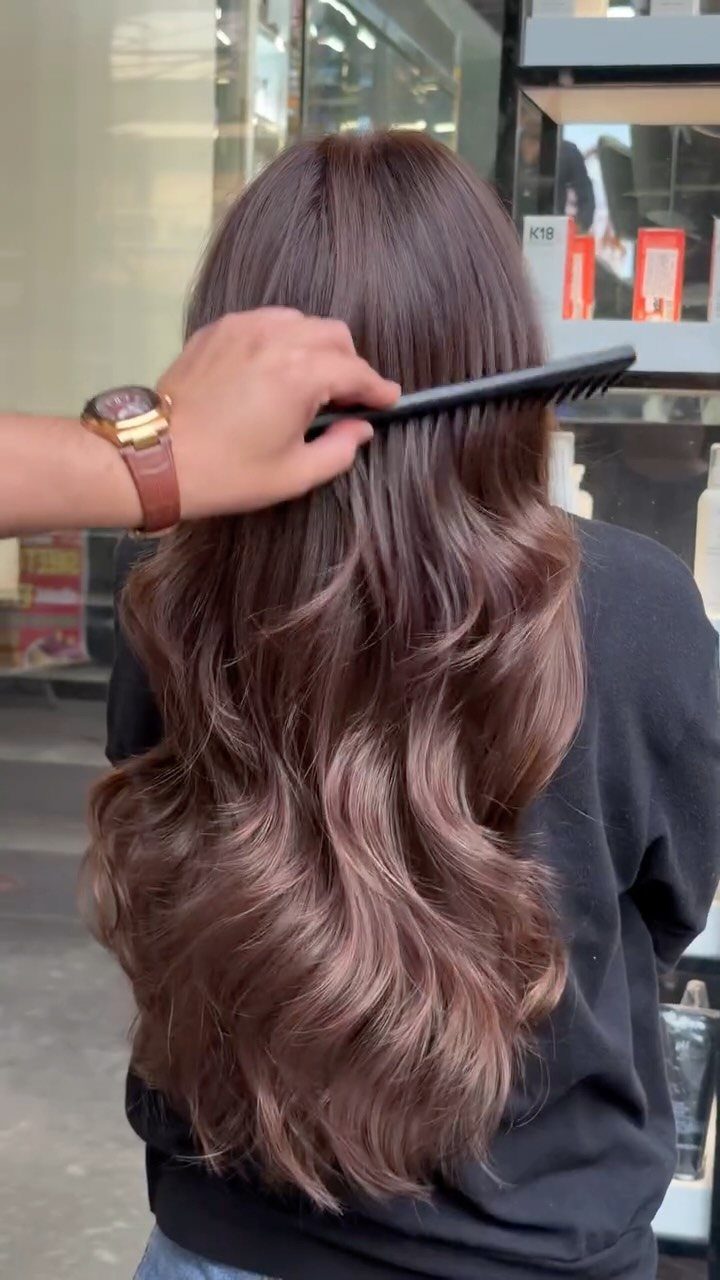
Two or three shades blend from root to tip with no visible line, so the transition looks liquid instead of striped. The effect is smoother and less high-contrast than traditional ombre.
This technique works best on long hair, where there’s room for the gradient to develop. It’s a good option if you want dimensional color without heavy foiling or the stark banding that happens when balayage grows out unevenly.
Your colorist will apply the darkest shade at the root and blend progressively lighter shades through the mid-lengths and ends, overlapping each zone so the shift reads as continuous.
16. Ginger Brunette
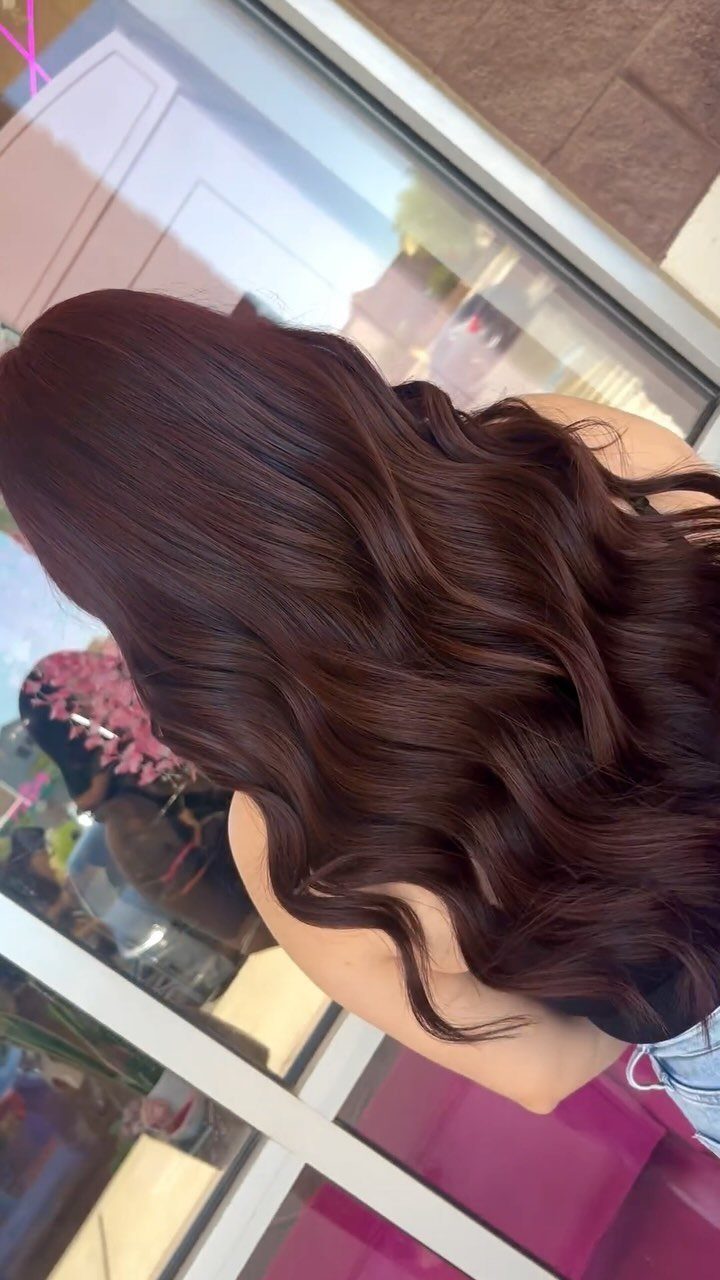
Brown hair picks up copper and auburn through the lengths, so the color reads warm without going full red. The mix of chocolate and rust tones adds richness without the commitment of a true ginger.
This suits brunettes who want warmth but don’t want to lighten all the way to blonde or go for a single-process red. The multi-tonal finish means regrowth is less obvious than it would be with one flat color.
Ask for a blend of warm brown and copper tones, placed through the mid-lengths and ends. If your natural base is dark, expect highlights or a gloss to lift the color enough for the warmth to show.
17. Modern Bob
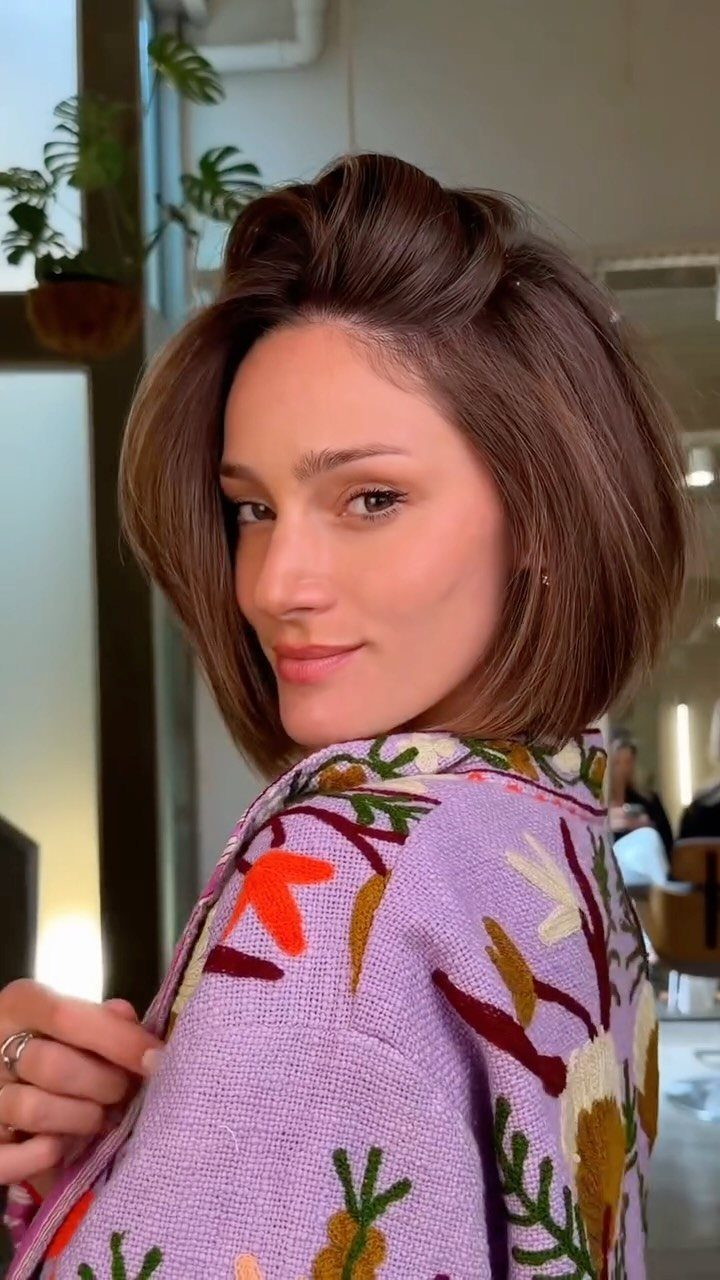
The length hits at the chin, and the ends are lightly layered so they taper inward instead of sitting blunt.
The overall shape is softer and less severe than a sharp bob, with a side part that adds lift at the root.
This version suits anyone who wants a bob but doesn’t want the weight or formality of a one-length cut. The inward curve keeps the shape polished without needing a round brush every morning.
A bob that grazes the chin, with the ends softened by short layers cut inside the shape, is the cut to name at the salon.
The longest pieces should frame the jawline, and the layers should be subtle enough that the cut still reads as a bob rather than a shag.
18. Easy Waves
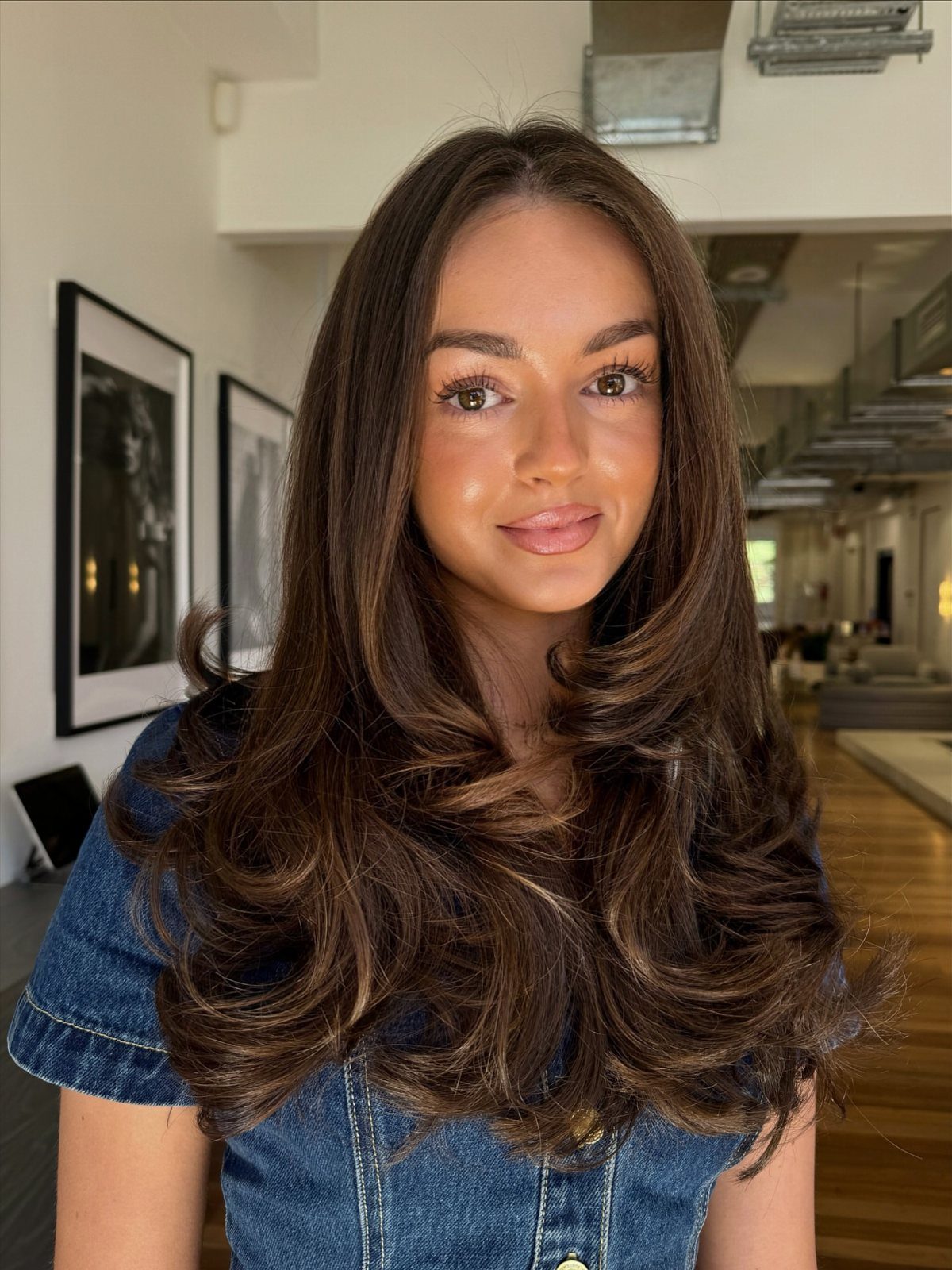
The hair is cut in layers that let natural or heat-styled waves fall without frizz or bulk. The texture looks casual, not tight or overdone, and the cut does most of the work.
This suits anyone who wants waves that don’t require a full curling session each morning.
If your hair already has some bend, the right layering lets it wave on its own. If your hair is already straight, a pass with a curling iron or a flat iron will get you there.
Ask for long layers starting at cheekbone level or lower, so the wave has room to develop without stacking too much volume at the crown.
19. Red Layers
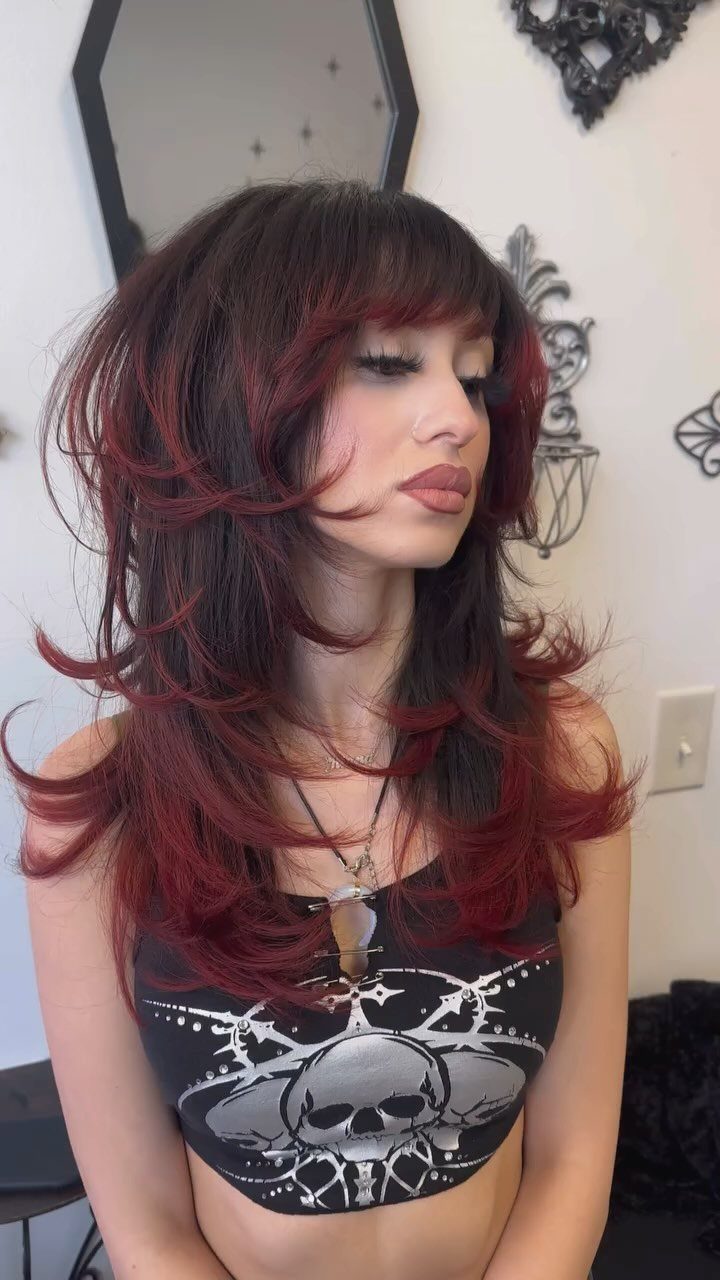
Dark hair with deep red running through the layers gives the cut movement that a single flat shade can’t. The red stays in the lengths and ends, so the color shows when the hair swings.
Long layers with wispy bangs suit anyone who wants a little drama without a full color change. Because the red sits in accents rather than at the root, regrowth stays quiet.
Ask your colorist for deep red placed through the layers over a dark base, and request wispy bangs cut to match. I’d keep the red dark and rich instead of bright.
20. Wavy Textured Bob
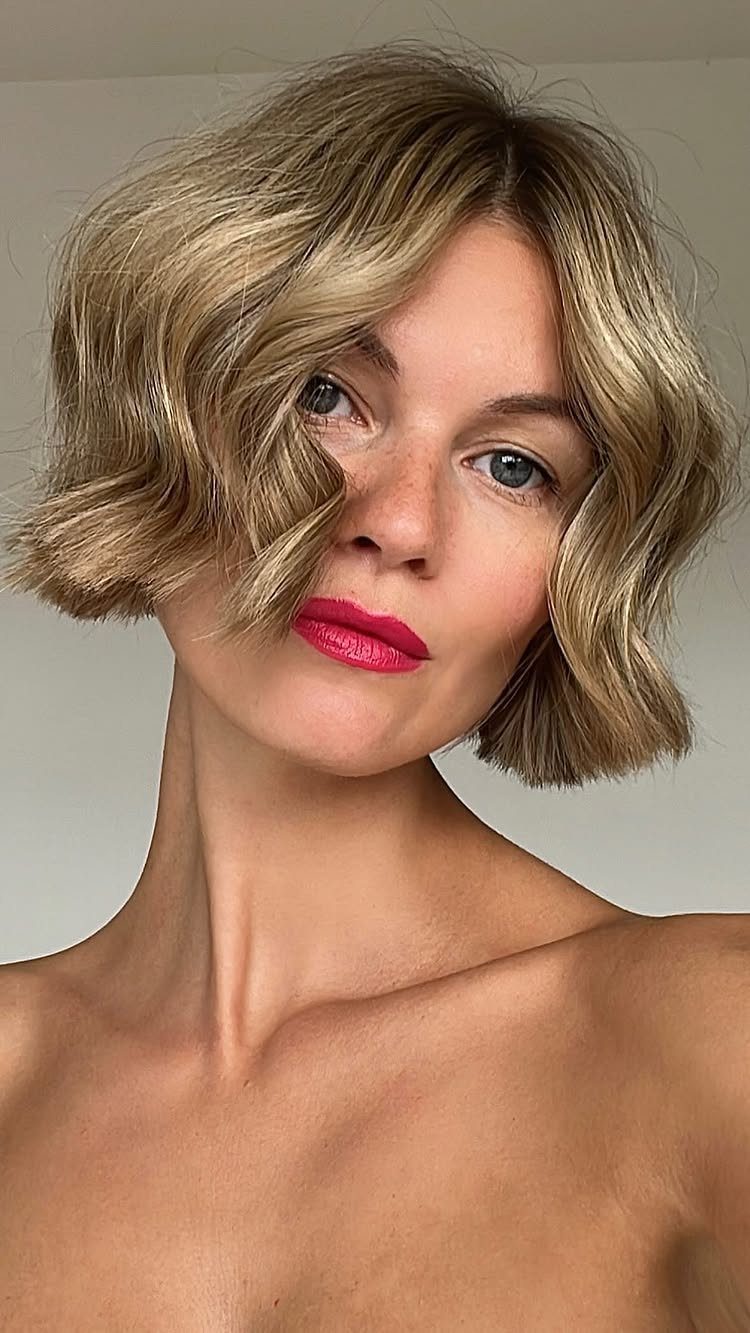
The texture does the styling, so the cut never looks stiff.
Anyone with a little natural bend can lean into this, and it forgives a messy morning better than a sleek blunt bob does.
Straight hair can get there with a curling iron or flat iron, then a rough finger-comb to break up the curl.
Parting deep to one side pushes the hair up and over at the crown, so the roots look fuller.
Tell your stylist you want a bob cut to hold waves, since the length will pull up slightly once the hair bends.
21. Blonde Pixie
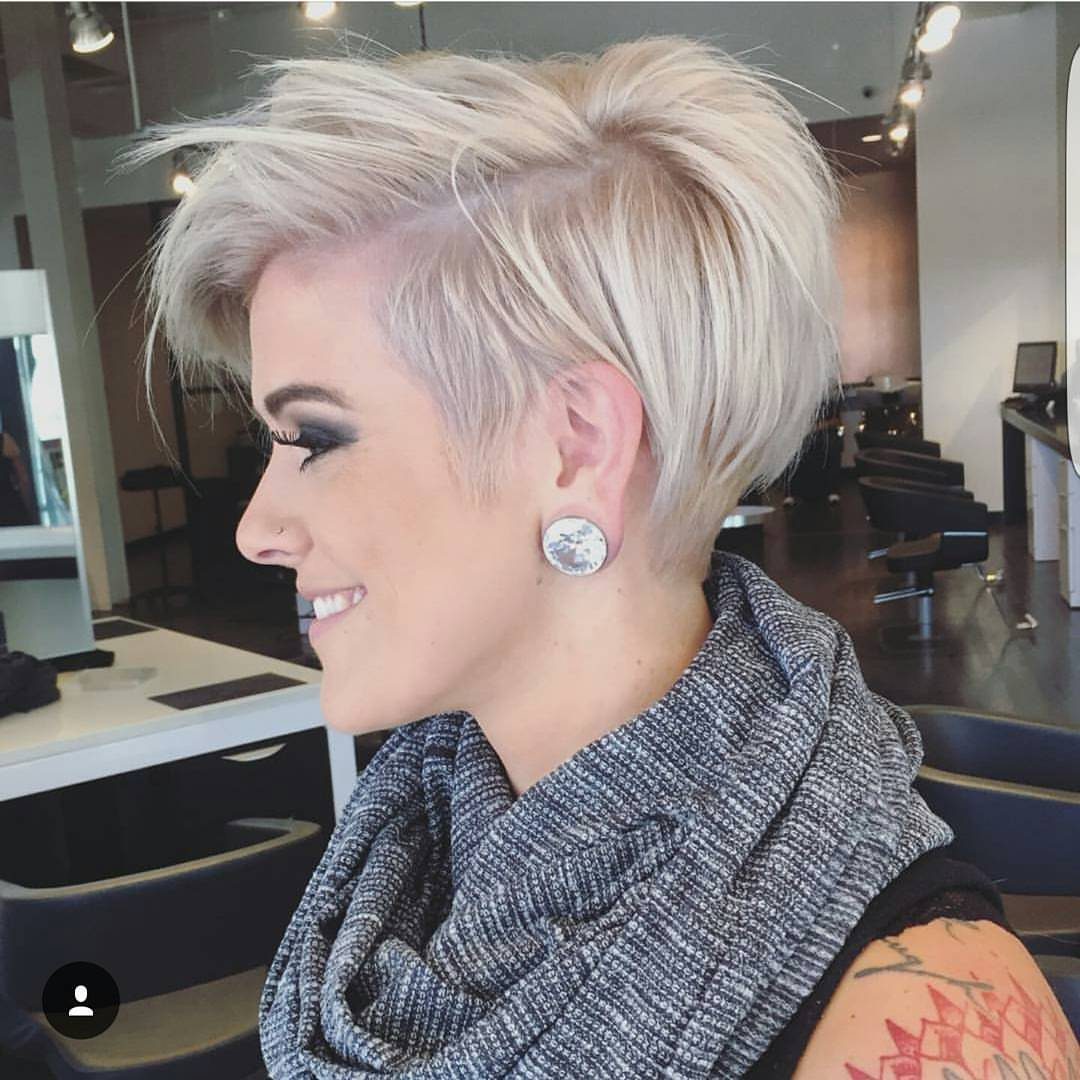
Cropped sides, tousled layers on top and a bright platinum blonde make a pixie that looks soft instead of severe. The texture on top keeps it from reading as a hard, flat crop.
This is a good pick for anyone ready to give up length for simpler mornings. Styling is mostly fingers and a bit of product pushed through the top.
Platinum on short hair means regular salon visits, since both the cut and the color show growth fast. Ask for a pixie with cropped sides and longer, piecey layers on top, and plan on toning to keep the blonde clean.
Choosing Cuts for Face Shape
A cut lands differently on every face, so a photo of it on someone else is only half the brief.
Bring reference photos, and tell your stylist your hair texture along with what you want to change about your face shape.
A round face usually looks best with angles, height at the crown or extra length, anything that breaks up the width at the cheeks.
Short hair shows head and face structure most, with less length to soften it, so ask your stylist how the cut will sit on your profile before any cutting starts.
A shag works at short or long lengths, so ask for choppy layers with lots of movement and let your stylist decide where they start.
Expect lots of texture and layers around the crown, and bring a photo for the length you want.
Low-maintenance Styling
Less morning effort usually means more planning elsewhere.
A cut you air-dry and leave alone saves time at the mirror, but only if it’s shaped to your natural texture, so ask for one that dries well without a brush or iron.
Smooth, polished finishes move the work to the calendar.
Long, sleek hair stays glossy only with regular deep conditioning and trims every 8–10 weeks to keep frizz away, and before you leave the chair I’d get your stylist to name the exact products they used.
Ask your stylist how often the cut needs a trim and whether the color needs a touch-up, because those 2 answers set your real upkeep before you commit.
Extra salon visits are a real cost, so count them next to the minutes you save each morning.